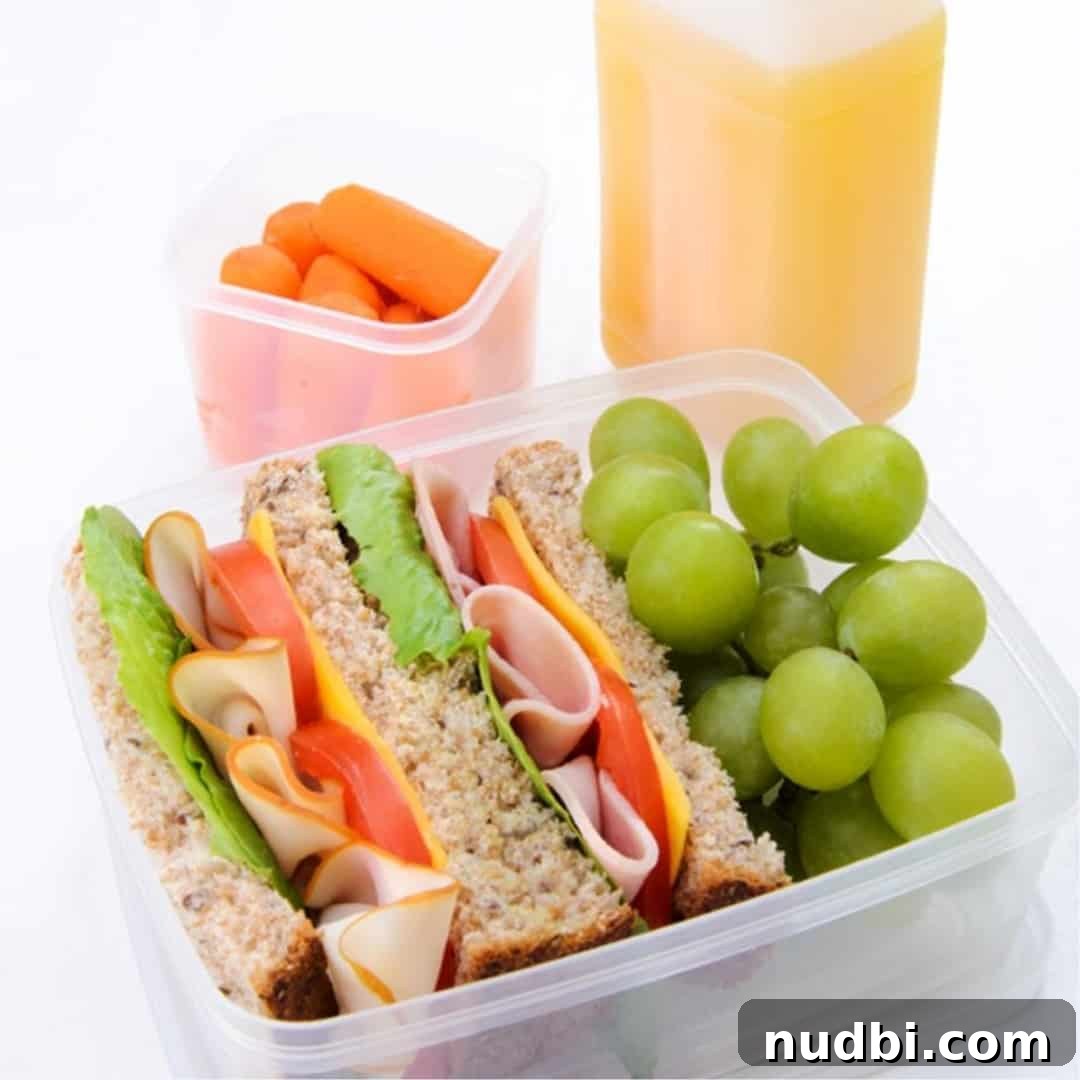
In the hustle and bustle of daily life, ensuring our children consume enough fruits and vegetables can often feel like an uphill battle. As parents, we constantly seek innovative strategies to sneak more nutrient-rich goodness into their diets, especially when packing school lunches. This comprehensive guide is designed to empower you with 10 incredibly easy yet effective ways to transform your child’s lunchbox into a vibrant, healthy, and appealing meal, ensuring they get the essential vitamins and minerals needed to thrive.
As the back-to-school season descends upon us, many parents find themselves once again navigating the familiar routine of packing lunches. This routine often brings with it universal questions and challenges:
“How can I effortlessly integrate more fruits and vegetables into my child’s daily lunchbox?”
“What are the best strategies to ensure my kids actually eat the healthy fruits and veggies I pack?”
You’re not alone in these queries, and we’re here to provide you with practical solutions! Below, you’ll discover 10 quick, easy, and kid-approved ideas designed to seamlessly incorporate a wider variety of fruits and vegetables into your child’s school lunch routine. Our goal is to make healthy eating both simple for you and enjoyable for them.
Why Prioritize Fruits and Vegetables in Your Child’s Lunchbox?
A truly nutritious lunch does far more than just satisfy hunger; it acts as vital fuel, powering students through their demanding day. Research consistently shows that a diet rich in fruits and vegetables plays a pivotal role in boosting cognitive function, enhancing memory retention, and sharpening overall focus in the classroom. Moreover, these natural powerhouses are instrumental in supporting a robust immune system, helping to ward off illnesses that often circulate in schools. It’s truly no secret that fruits and veggies are exceptional brain-boosting foods!
By providing a balanced meal, especially one packed with colorful produce, you’re not just feeding their bodies but also nourishing their minds. This directly contributes to better academic performance, sustained energy levels, and an overall healthier, happier child. Let’s make every lunch count!
Show us your healthy lunchboxes! We love seeing creative and nutritious lunch ideas. Share your inspiration on Instagram using #PowerYourLunchbox and join our community of healthy eaters.
Discover More Back-To-School Lunch Tips & Resources
Looking for More Kid-Friendly Lunchbox Solutions?
- Choosing the Best Lunch Boxes For Kids
- 25+ Creative Nut-Free Lunchbox Ideas
- 34+ Delicious Non-Sandwich Lunchbox Alternatives
- 10+ Simple Ways To Boost Fruits & Veggies in Your Child’s Lunchbox
- Your Ultimate Guide To Packing Healthy Lunches
- 12+ Easy Gluten-Free Lunchbox Ideas for Kids
Here are 10 clever and delicious ways to fill lunchboxes with fruits & veggies:
1. Incorporate into Soups or Chili
Soups and chili are fantastic, stealthy vehicles for increasing vegetable intake. Any veggie—from finely diced onions, bell peppers, and celery to corn, carrots, and even spinach—can be a wonderful addition to your favorite soup or chili recipes. The best part? You can always add more than the recipe initially calls for, or even purée vegetables into a smoother consistency for picky eaters. Pack a warm thermos of this hearty Alphabet Vegetable Soup or a nourishing Chicken Zoodle Soup, providing a comforting and nutritious meal that will keep your child warm and energized throughout the school day.
2. Roll Them into Delightful Wraps
Wraps offer incredible versatility and are perfect for layering in a variety of crisp, fresh vegetables. Think beyond just lettuce; consider adding crunchy matchstick carrots, vibrant bell peppers, thinly sliced cucumbers, or even a handful of baby spinach. Simply spread your child’s favorite lunchmeat (or a vegetarian alternative like hummus or cream cheese) onto a whole-wheat tortilla, layer on the veggies, roll it up tightly, and slice into easy-to-eat pinwheels. These Ham & Spinach Wraps or eye-catching Rainbow Veggie Wraps are excellent starting points to inspire your wrap creations.
3. Reinvent the Classic PB&J with Fresh Fruit
Give the beloved peanut butter and jelly sandwich a healthy and flavorful twist by replacing traditional sugary jelly with fresh, vibrant fruit. This simple switch boosts fiber, vitamins, and natural sweetness without any added sugars. Sliced bananas, juicy strawberries, tender kiwi, or even small, seedless grapes make perfect, delicious jelly substitutes. Try this delightful Fruity PB&J Sandwich recipe for inspiration, and encourage your child to explore different fruit combinations for their new favorite lunchtime treat. This method also introduces new textures and flavors, making lunch more exciting.
4. Transform Meals into Fun Kebobs or Skewers
Everything tastes better on a stick! Kebobs are an incredibly fun and interactive way to encourage kids to eat their fruits and vegetables. Beyond traditional sandwich ingredients, you can thread cherry tomatoes, cucumber slices, bell pepper chunks, or even small pieces of cooked chicken or cheese onto skewers alongside your child’s favorite fruits like grapes, melon, or berries. These engaging Sandwich Skewers turn a regular sandwich into an exciting, deconstructed meal. Offer a small container of healthy dip, like hummus or a yogurt dip, to make it even more appealing.
5. Blend and Bake into Delicious Treats
Baked goods offer a fantastic opportunity to discreetly add extra servings of fruits and vegetables. Both fruits and finely grated vegetables can be seamlessly incorporated into muffins, quick breads, pancakes, or even cookies. The natural sweetness and moisture from ingredients like applesauce, mashed bananas, grated zucchini, shredded carrots, or pumpkin purée enhance flavor while boosting nutrition. These delightful Apple Zucchini Mini Muffins are guaranteed to be a huge hit in any lunchbox, providing a wholesome and satisfying treat without kids even realizing they’re eating their veggies!
6. Smartly Swap Out Mayonnaise for Healthier Alternatives
Elevate the nutritional value of sandwiches and salads by replacing traditional mayonnaise with healthier, nutrient-dense alternatives. Mashed avocado, rich in healthy fats and vitamins, makes a creamy and flavorful spread for sandwiches. It’s also an excellent substitute for mayo in classic preparations like egg salad, chicken salad, or tuna salad, as demonstrated in this delicious Avocado Egg Salad Sandwich. Other great options include hummus for a savory kick or Greek yogurt for a protein boost and tang, all while adding more hidden veggie goodness to your child’s lunch.
7. Rethink Pasta & Rice with Veggie-Based Alternatives
Transform staple side dishes into nutrient powerhouses by swapping traditional pasta and rice for their vegetable counterparts. Spiralized veggies, often referred to as “zoodles” (zucchini noodles), “coodles” (carrot noodles), or sweet potato noodles, are fantastic, low-carb, and fiber-rich alternatives that can be enjoyed raw in salads or lightly cooked. Similarly, cauliflower rice and broccoli rice offer excellent ways to sneak in extra greens. This vibrant Caprese Zoodle Salad perfectly illustrates how these veggie alternatives can be both delicious and incredibly healthy, making lunch lighter and more nutrient-dense.
8. Get Creative and Stuff ‘Em!
Handheld, portable dishes are not only easy for kids to eat but also offer an ingenious way to incorporate a variety of fruits and vegetables into their lunch. Think beyond the obvious! You can stuff bell peppers, hollowed-out tomatoes, or even large mushroom caps with a mixture of grains, lean protein, and finely chopped veggies. Similarly, these delicious Lunchbox Empanadas or Freezable Pizza Pockets can be filled with a medley of finely diced vegetables like spinach, corn, or diced sweet potatoes, making every bite a nutritious surprise. The ‘stuffing’ method allows for endless creativity and nutrient-boosting possibilities.
9. Leverage the Magic of the Muffin Tin
There’s an undeniable appeal about food shaped like a muffin or served in individual portions that instantly captures a child’s interest. The muffin tin is a secret weapon for preparing healthy, veggie-packed meals and snacks. Get your kids involved in the kitchen as you whip up savory creations like these Savory Chicken & Rice Muffins, fun Mac n Cheese Muffins (with puréed squash or carrots!), or crispy Wonton Taco Cups. Each of these recipes can be easily customized with a variety of finely chopped or grated vegetables, making them a fantastic and convenient way to boost nutrient intake.
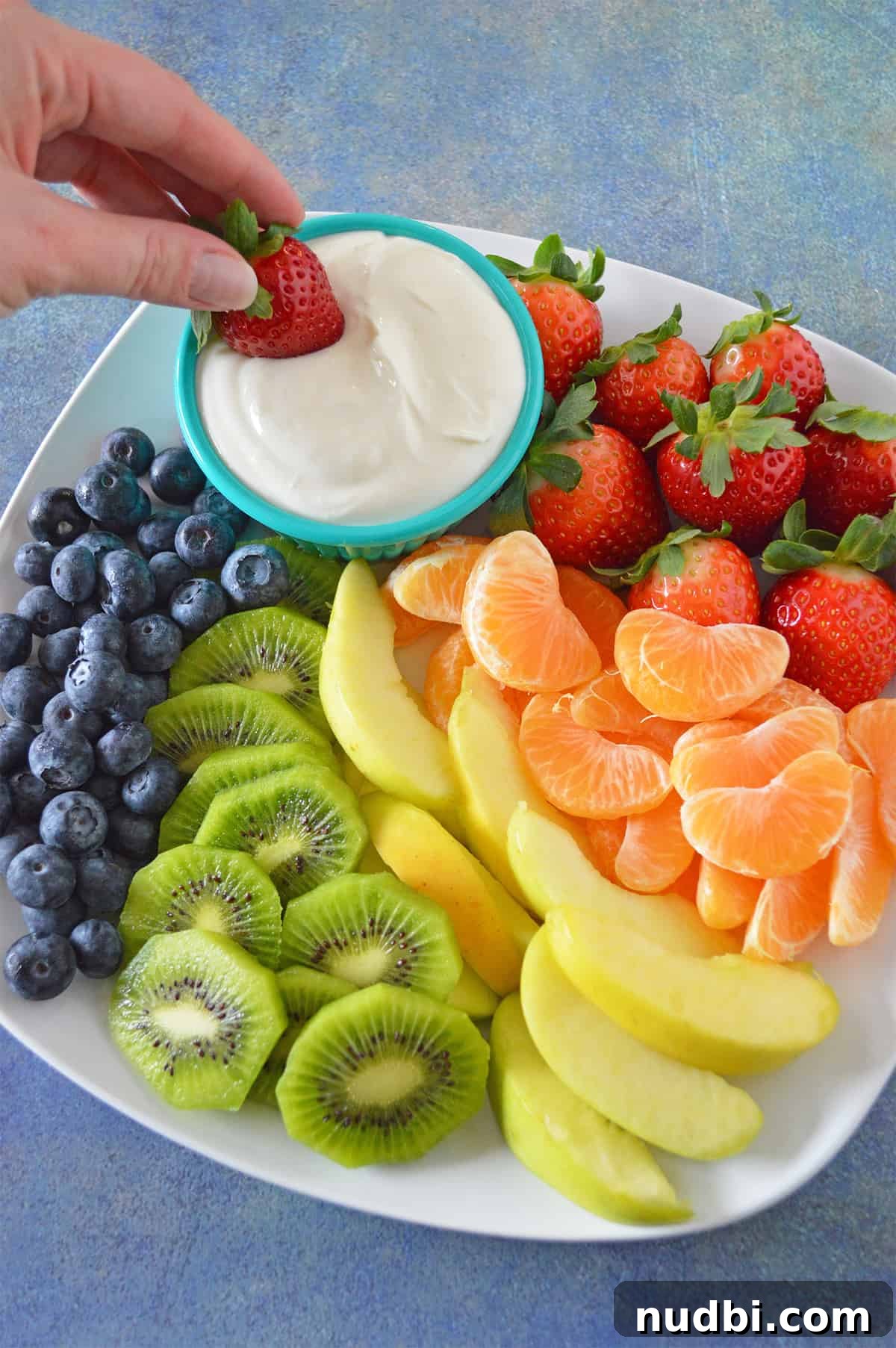
10. Make It Dippable: The Power of a Good Dip
If your children, like many others, are enthusiastic about dipping, then harness this preference to encourage more fruit and vegetable consumption! Dips can make raw veggies and fruit infinitely more appealing. Offer a vibrant array of dipping options alongside crunchy carrot sticks, crisp bell pepper strips, cucumber slices, apple wedges, or juicy berries. Try this easy cream cheese and Greek yogurt fruit dip for a sweet treat, or opt for savory choices like hummus, guacamole, or a healthy ranch-style dip. The “dip factor” often transforms plain produce into an exciting and enjoyable snack or lunch component.
Beyond the 10 Tips: General Strategies for Success
Successfully integrating fruits and vegetables into your child’s lunchbox often involves more than just innovative recipes. Here are some overarching strategies to cultivate healthy eating habits:
- Involve Your Children: Let them participate in meal planning, grocery shopping, and even food preparation. When kids feel ownership over their food choices, they’re more likely to eat them.
- Make It Visually Appealing: Children eat with their eyes first. Use cookie cutters to create fun shapes, arrange food in colorful patterns, or pack a rainbow of different produce.
- Offer Choices, But Limit Them: Instead of “What do you want to eat?”, try “Would you prefer carrots or cucumbers today?” This gives them autonomy without overwhelming them.
- Lead by Example: Your eating habits are the most powerful influence. Let your children see you enjoying a wide variety of fruits and vegetables.
- Be Patient and Persistent: It can take multiple exposures for a child to accept a new food. Don’t give up after the first try. Offer new items alongside familiar favorites.
- Don’t Hide, Integrate Smartly: While sneaking in veggies is sometimes necessary, also have transparent conversations about the benefits of different foods.
Wrapping It Up: Fueling Future Success
Packing a healthy, fruit-and-veggie-rich lunch for your child doesn’t have to be a daunting task. With a little creativity and these practical tips, you can ensure they receive the essential nutrients needed for optimal growth, concentration, and energy throughout their school day. Remember, every small step you take to increase their fruit and vegetable intake contributes significantly to their overall health and well-being. Experiment with these ideas, discover what your child loves, and celebrate every bite of healthy goodness they consume. Happy packing!