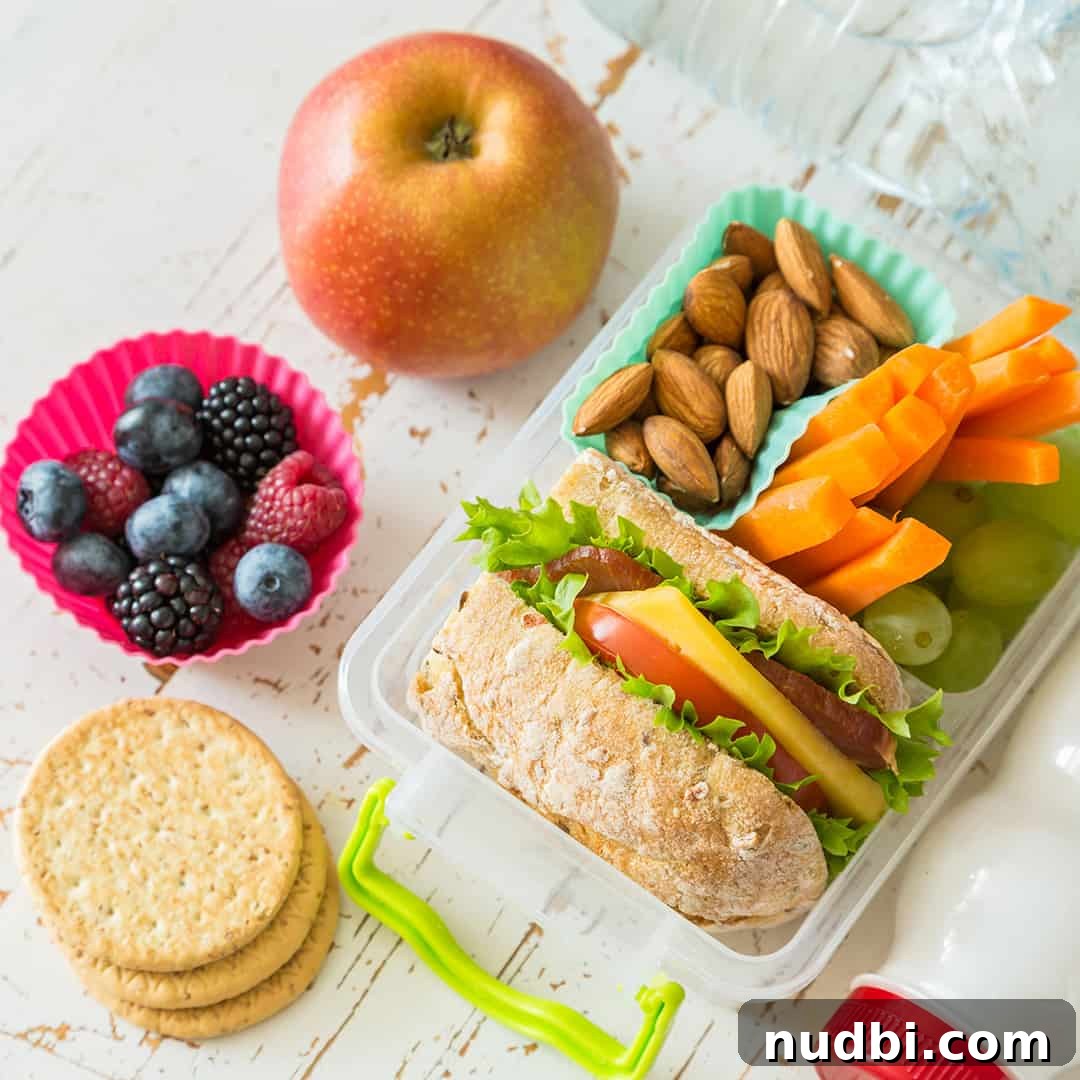
Dreading packing lunches for the kids this school year? Let us help! Here are lunchbox packing tips and hacks from 20 different parents! Happy packing!
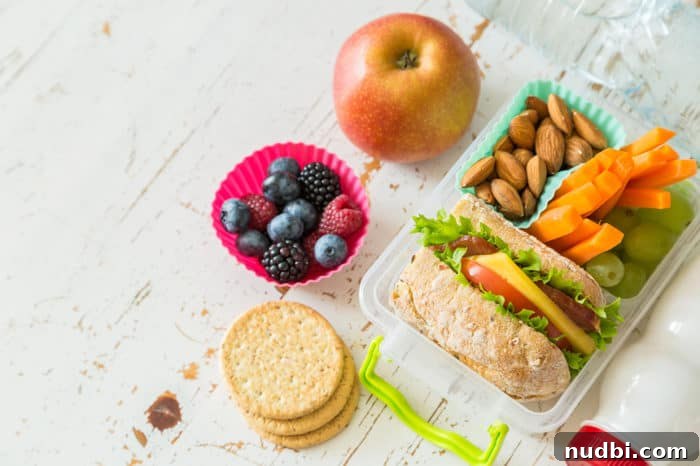
The transition back to school often brings a complex mix of emotions for parents. On one hand, there’s a welcome sense of relief from the non-stop demands of summer, like juggling camp schedules and endless cries of “I’m bored!” On the other hand, the thought of returning to stricter routines, managing dinnertime stress, tackling homework, and, inevitably, packing daily school lunches can usher in a fresh wave of anxiety. But what if we told you that preparing nutritious and appealing school lunches doesn’t have to be a daunting task?
A new school year presents the perfect opportunity to establish healthy habits for your entire family. Packing a school lunch that kids will genuinely enjoy and actually eat is fundamental to their energy levels, concentration, and overall well-being throughout the day. The trick lies in striking the right balance: combining wholesome, nutrient-rich foods with options that are both tasty and appealing to young palates. The good news is that achieving this doesn’t require endless hours in the kitchen. With a little planning, some clever strategies, and a dash of creativity, healthy and delicious school lunches are entirely within your reach, transforming a potential chore into an enjoyable and efficient part of your routine.
One of the most powerful strategies for ensuring kids eat their lunch is to actively involve them in the process. Empower your children by giving them a curated list of healthy food choices for their lunchboxes. Take them along on grocery shopping trips, allowing them to pick out fruits, vegetables, and other components they’d like to try. Introduce variety throughout the week; children, much like adults, thrive on new experiences, even with their food. When kids participate in selecting and even helping to prepare their school lunches, they develop a crucial sense of ownership and personal investment. This direct involvement makes them far less likely to trade away unwanted items and significantly more likely to enthusiastically enjoy what they have in their lunchbox.
At Power Your Lunchbox, our core mission is to equip families with the practical tools and inspiring ideas needed to kick off the school year with nutritious, engaging, and easy-to-pack lunch options. We firmly believe that a well-packed lunchbox is a cornerstone of a child’s academic success, physical health, and emotional stability. To bring you the freshest and most practical advice, we reached out to parents through our vibrant social media community, gathering their best lunch-packing strategies, clever tips, and indispensable time-saving hacks. Their collective wisdom forms the backbone of this comprehensive guide.
Whether you’re a seasoned lunchbox-packing pro seeking fresh inspiration or a parent new to the daily challenge of preparing school meals, the extensive list of parent-approved tips below is meticulously designed to make your life easier and your children’s lunchtimes happier. Get ready to transform your lunch-packing routine from a source of daily stress into an enjoyable, efficient, and rewarding part of your family’s daily rhythm!
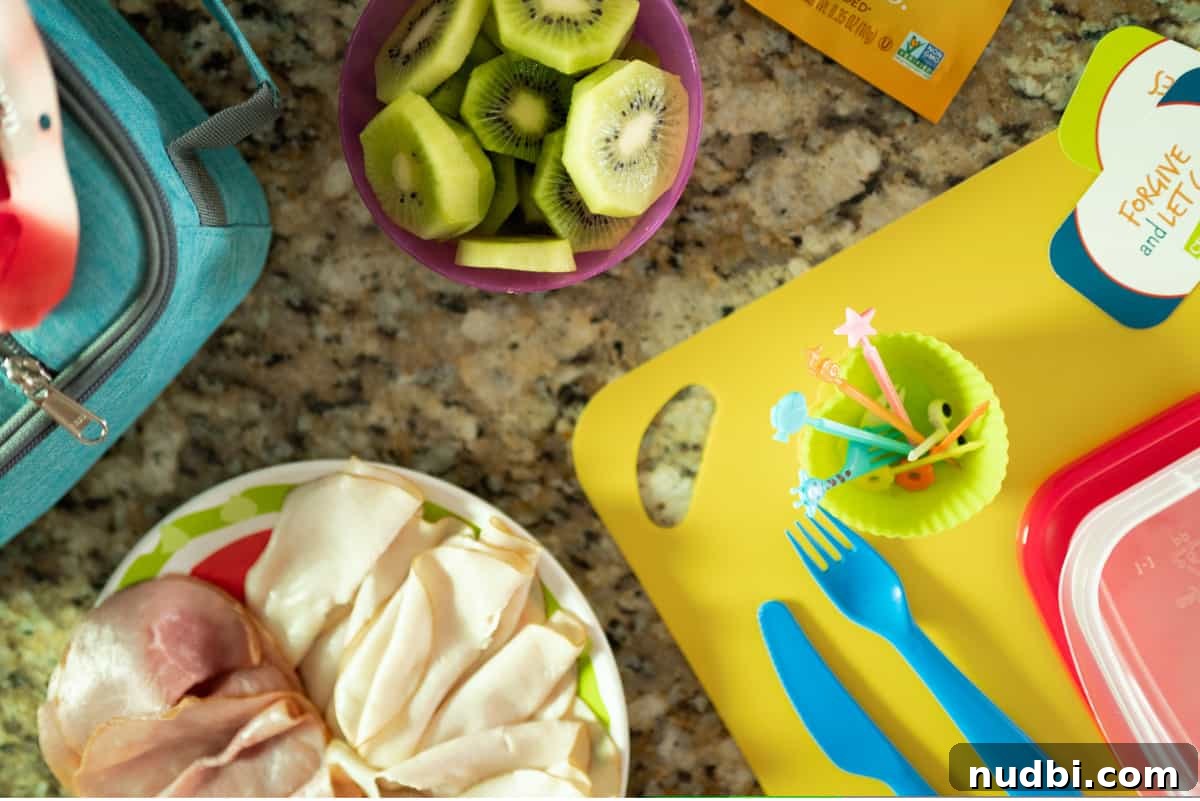
Smart School Lunch Hacks: Expert Tips from Parents for Effortless Packing
Packing school lunches doesn’t have to be a daily struggle. These ingenious tips and tricks come directly from parents who navigate the back-to-school rush every year. Learn how to save time, reduce waste, and ensure your kids look forward to opening their lunchboxes!
- The Power of Prep: Pack the Night Before. One of the most frequently cited time-savers is preparing lunches the evening before. This is especially true for leftovers from dinner, which can be easily portioned into lunch containers while still fresh. Beyond dinner, consider dedicating a few minutes to pre-cutting items like cheese cubes, grapes, or roasted vegetable chunks, making them effortlessly easy to grab and pack during the morning rush. Large batches of homemade dips such as hummus or ranch dressing can be prepared once and then divided into mini containers, ready for quick inclusion. Adding a splash of vibrant color with halved cherry tomatoes, heart-shaped strawberries, playful carrot spirals, or vivid string cheese can instantly make lunches more visually appealing and exciting. Don’t forget seasonal berries like blueberries to add an extra pop of natural sweetness and visual interest.
- Fun with Food: Creative Shapes for Picky Eaters. Transform ordinary fruits and vegetables into extraordinary treats by cutting them into fun shapes. This simple yet highly effective trick can be a game-changer for inspiring picky eaters to try new flavors and textures. Children, regardless of their age, are often profoundly influenced by the visual appeal of their food. Utilize various cookie cutters or specialty knives to transform slices of dried apple into “shrunken heads” or cucumbers into playful spirals. You can even prepare a batch of these shaped delights at the beginning of the week and store them in airtight containers, ready for daily use. Involving older children in this creative process can also be a wonderful family activity, making them more invested in their healthy snacks. For more inspiration on how to make food visually appealing, explore ideas for fresh fruits and veggies cut into shapes.
- Strategic Meal Planning for Stress-Free Lunches. Integrating lunchbox items into your weekly meal planning is a cornerstone of efficient and consistent packing. When you plan your family’s dinners, always consider how leftovers or individual components can be smartly repurposed for lunch the next day. Additionally, embrace the power of bulk baking and freezing. Prepare larger quantities of items like whole-wheat muffins, mini quiches, homemade chicken nuggets, or energy bites on the weekend. These can then be frozen in individual portions and simply added to lunchboxes as needed throughout the week, ensuring you always have a healthy, homemade option readily available. This proactive method drastically reduces last-minute scrambling and significantly helps maintain a balanced diet. For comprehensive strategies and further guidance, check out these insightful meal planning tips for back to school.
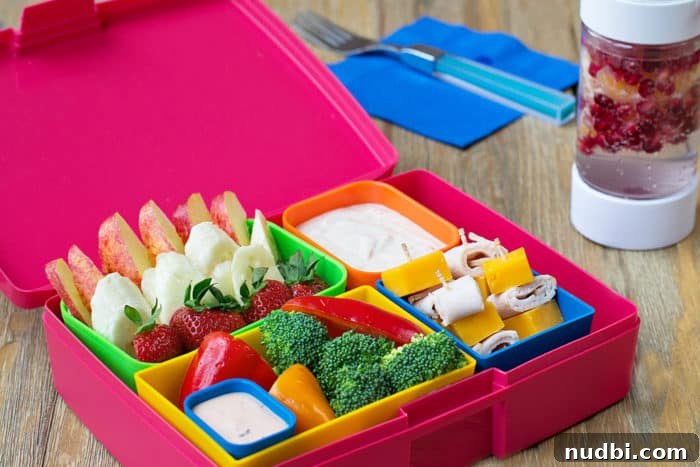
- Embrace the Bento Box Revolution. Many families swear by bento boxes for their exceptional organizational benefits. These multi-compartment containers are fantastic for keeping different food items neatly separated, preventing sogginess, and offering a visually appealing and balanced spread. There are countless affordable options available with thoughtfully divided sections to suit every need and budget. For children who are easily distracted or tend to be slow eaters, a bento box allows them to see all their lunch components at once, eliminating the need to open multiple smaller containers or bags. This visual accessibility can encourage faster eating and significantly increase the likelihood that they will finish more of their meal. Explore our recommendations for the best lunchboxes for kids to find the perfect fit for your family.
- Creative Wraps and DIY Snack Stations. Move beyond traditional sandwiches with innovative and appealing wraps! Many kids adore sun butter (or peanut butter) and fruit whole wheat wraps. You can prepare a handful of these on Sunday, allowing your children to experiment with different fruit combinations like sliced bananas, various berries, or crisp apple pieces. This not only offers delightful variety but also sparks engaging conversations about their favorite pairings. Another brilliant idea, shared by Amanda K., is to set up a trail mix packing station. On Sunday, lay out a selection of healthy ingredients such as nuts, seeds, dried fruit, pretzels, and perhaps a few chocolate chips. Kids can then assemble their own customized snack baggies for the week, ready to grab for school or after-school activities, promoting independence and healthy choices.
- Visual Aid for Inspiration: Instagram Your Lunches. Make it a habit to take photos of your well-packed lunches! This simple practice creates a valuable visual database that can be incredibly useful. When you’re experiencing “brain fog” during meal planning or find yourself in a bind for quick packing ideas, simply scrolling through your own past creations can provide instant inspiration. It’s like a personal recipe book specifically for lunchboxes, helping you remember successful combinations, appealing presentations, and popular meals your children have enjoyed.
- Sunday Prep is Your Weekday Savior. Dedicate a small, manageable portion of your Sunday to crucial meal prep tasks. Trish J. highlights the effectiveness of boiling a dozen hard-boiled eggs on Sunday nights, which will last the entire week as quick protein snacks. Similarly, wash and chop baby carrots, portion pretzels, and raisins into individual snack baggies. These pre-portioned items can then be effortlessly grabbed each morning, significantly streamlining the lunch-packing process during busy and often chaotic weekdays. This foresight drastically reduces morning stress.
- Organized Storage for Ultimate Efficiency. Establishing a designated and highly organized system for all your lunch supplies can dramatically cut down on prep time. Ellena S. suggests using labeled Tupperware for each child and setting aside their lunch bags in their own dedicated drawer. Create a specialized “snack drawer” in your pantry, kept consistently stocked with grab-and-go items like individual raisin boxes, granola bars, juice boxes, and applesauce pouches. Even sorting ice packs neatly in the freezer ensures you’re never scrambling to find these essential items. An organized pantry and freezer make packing an intuitive, stress-free, and quick task.
- Portion Control and Fun Presentation. Jodi emphasizes the critical importance of offering small, manageable portions of a variety of fruits and vegetables. Kids are far more likely to eat three carrots than feel overwhelmed and potentially waste ten. She also strongly advocates for using fun, child-friendly containers that are easy for small hands to open and close independently. Making foods visually exciting with vibrant colors, appealing arrangements, and engaging shapes can significantly increase the likelihood of them being enthusiastically eaten, even by the pickiest eaters.
- Quick Protein & Easy Sides. When traditional sandwiches aren’t a hit or you’re short on time, Allison R. suggests rotisserie chicken as a quick, flavorful, and protein-rich alternative. Pair it with unsweetened applesauce cups for an effortless, healthy fruit side. A smart hack for fresh produce is to wash and assemble items like berries, grapes, or chopped veggies as soon as you bring them home from the grocery store. Having pre-washed and ready-to-eat produce stored conveniently in the fridge makes healthy snacking and lunch packing incredibly convenient and time-saving.
- Joyful Surprises: Lunchbox Notes and Jokes. Lesley D. shares a delightful and heartwarming tip: print out several months’ worth of lunchbox notes and jokes in advance. Store them in an envelope, pre-cut and ready to grab even on the most hectic mornings. Her boys absolutely adore these personalized touches, and it has organically evolved into a fun after-school game where they eagerly recite their note or joke to her, encouraging early reading skills and fostering a special connection to their day.
- Simplicity and Variety in Fruits, Veggies & Sandwich Alternatives. Aggie, a busy parent packing 3-4 lunches daily, stresses the importance of keeping it simple. Focus on easily packable fruits and vegetables like grape tomatoes, baby carrots, seedless grapes, pre-cut cantaloupe, or a mix of berries. Small apples are another excellent, kid-friendly addition. For older kids who do enjoy sandwiches, she suggests changing up the bread frequently—think small rolls, mini subs, or different sliced breads—to keep meals interesting and prevent food boredom. Her daughter particularly loves pasta salad, so Aggie often makes a batch to include a few times a week, providing a wholesome and satisfying alternative to traditional sandwiches.
- The Sunday Chop: Pre-portioned Produce. Amy J. streamlines her entire week by diligently pre-portioning vegetables and fruits on Sundays. Small, individual containers of pre-washed carrots, broccoli florets, crisp cucumber slices, or fruits like pears, oranges, and strawberries (if they’ll last the week) are prepared and stored. This allows children to easily grab a healthy component to add to their lunch, making it an “easy peasy” process for everyone involved and promoting healthy eating habits.
- Double Duty: Freeze Yogurt Tubes and Grapes. Lori B. suggests a brilliant hack: freezing yogurt tubes. They serve a dual purpose, acting as an effective ice pack to keep the rest of the lunch cool and safely chilled, and thawing just in time for lunch, providing a refreshing and creamy snack. Similarly, Cheryl F. freezes grapes, which not only stay wonderfully fresh but also contribute to keeping the entire lunchbox chilled until lunchtime, ensuring food safety and enjoyment.
- Reinventing Sandwiches: Pizzadillas and Creative Combos. If traditional sandwiches are frequently met with resistance, consider exploring creative and appealing alternatives. Dash of Evans enthusiastically recommends “pizzadillas,” which are essentially quesadillas with delicious pizza fillings. They’re a fantastic way to bypass the “non-crust eater” dilemma and offer endless possibilities for new, exciting combinations like ham and pineapple, or pepperoni and fresh spinach. This approach provides familiar flavors in an unexpected and fun format.
- Beat the Browning: Keep Apples Fresh. Susan offers a clever and highly effective trick to prevent sliced apples from browning in the lunchbox: toss them in a small amount of apple juice (or a lemon water solution) and then place them promptly in a ziplock bag, carefully squeezing out all the air. This simple yet crucial step helps maintain their crisp texture and appealing natural color, ensuring your child enjoys every bite without encountering discolored fruit. Find more comprehensive tips on how to keep apples from browning.
- Add Some Flair: Reusable Picks and Skewers. Christie suggests using fun, colorful reusable picks or skewers to transform classic favorites into exciting new presentations. Imagine vibrant sandwich kabobs with alternating pieces of whole-wheat bread, cheese cubes, deli meat, and bright cherry tomatoes. These not only make food more visually appealing and exciting for children but also make it significantly easier for little hands to manage and eat, adding an element of playfulness to mealtime.
- The Versatile Thermos: Warm Lunches on Demand. Karen L. hails the thermos as her ultimate go-to lunch solution. It allows her to heat up delicious dinner leftovers (such as pasta, hearty soup, chili, or even chicken nuggets) before school, ensuring the food remains comforting and warm until lunchtime. This is a fantastic way to offer variety beyond cold sandwiches and make sure kids get a satisfying, warm meal, especially welcome during colder months. Remember to always preheat the thermos with hot water for about 5-10 minutes before adding the hot food for best results.
- Presentation Matters: Deconstructed Sandwiches & Wraps. Mandi K. highlights a common and insightful observation: “My kids are not sandwich eaters, but I can wrap those same sandwich ingredients up in a tortilla and they’ll eat them all.” This anecdote beautifully underscores a crucial point for parents: sometimes, merely changing the presentation of food can make all the difference for picky eaters. If a traditional sandwich isn’t working, try deconstructing it into its individual components, serving them as colorful pinwheels, or using different bread bases like pita pockets or mini bagels.
Beyond the Lunchbox: Enhancing the Mealtime Experience
While packing nutritious food is undeniably essential, there are other thoughtful elements that can significantly enhance your child’s overall lunchtime experience. These seemingly small additions can make healthy eating far more appealing, foster independence, and contribute to a more positive school day.
The Magic of Dips and Sauces
Often, children are much more inclined to eat vegetables and fruits if they have a tasty dip to go along with them. Take some time to discover your child’s favorite salad dressings, hummus, or creamy yogurt-based dips. Offer a small portion of one or two choices daily, and introduce variety by rotating them throughout the week. A small amount of dip adds minimal calories but can transform colorful vegetables like crisp carrot sticks, cool cucumber slices, or vibrant bell pepper strips into far more enticing and enjoyable snacks. It turns a plain component into an interactive, flavorful, and exciting experience.
Hydration is Key
Never forget to pack a reusable water bottle! Staying properly hydrated is absolutely crucial for children’s concentration, cognitive function, and sustained energy levels throughout the entire school day. Encourage them to drink water regularly. You can make plain water more appealing by adding slices of fresh fruit like lemon, lime, cucumber, or berries for a natural flavor boost without any added sugars. This simple addition can make a big difference in ensuring they stay hydrated and focused.
Food Safety First
When packing perishable items, especially during warmer months or if school does not offer refrigeration, food safety is paramount. Always include at least one effective ice pack in your child’s lunchbox to keep cold foods at a safe temperature below 40°F (4°C). For warm foods packed in a thermos, ensure the food is piping hot when it goes in and that the thermos has been properly preheated with hot water for several minutes beforehand. Teach children the importance of discarding any uneaten perishable food at the end of the day and to always bring home their reusable containers for proper cleaning and sanitation.
Reduce Waste: Go Reusable
Embrace reusable containers, insulated lunch bags, and durable water bottles to significantly minimize waste. Not only is this approach far better for the environment, reducing your household’s ecological footprint, but it can also be more cost-effective in the long run than constantly buying disposable bags, plastic wrap, and single-use packaging. Many bento boxes and lunch containers are specifically designed to be durable, leak-proof, and easy to clean, making eco-friendly choices simple and highly practical for busy families.
For even more inspiring ideas, creative visual guides, and a wealth of kid-friendly lunchbox recipes, make sure to follow our Power Your Lunchbox pinboard on Pinterest! It’s a constantly updated treasure trove of visual inspiration, healthy recipes, and smart packing hacks curated specifically for busy parents looking to make lunchtimes better.
Your Turn: Share Your Best Lunchbox Secrets!
We firmly believe that collective wisdom is incredibly powerful, especially when it comes to navigating the everyday challenges of parenthood. Do you have any unique tips, clever hacks, or go-to strategies for packing school lunches that you can share with our community? We would absolutely love to hear them! Your personal insights and experiences could be the game-changer another parent desperately needs to make their mornings smoother and their children’s lunches healthier and more enjoyable. Join the conversation and help us empower even more families to make school lunches healthy, easy, and truly enjoyable!