Did you know that the simple act of digging in the dirt can profoundly benefit your brain, boost your heart health, and strengthen your relationships? As spring unfurls its vibrant colors, countless individuals contemplate planting a garden, primarily driven by the desire to cultivate wholesome, fresh foods for their loved ones. Yet, what often goes unrecognized is the myriad of deeper rewards we reap while nurturing our plants, far beyond the mere promise of delicious vegetables. Gardening is a transformative experience, a journey that nourishes the body, calms the mind, and fosters invaluable connections with nature and with each other.
In our household, with children spanning the ages of 12, 10, and 5, finding activities that genuinely captivate and engage everyone simultaneously is a delightful challenge. Their distinct developmental stages mean that what thrills one might bore another. While bike rides, dining out, and swimming invariably prove to be universal hits, this year, we embarked on a new, shared adventure that promised growth both in our garden and within our family dynamics.
This year, we’re cultivating something truly special: gardening as a family.
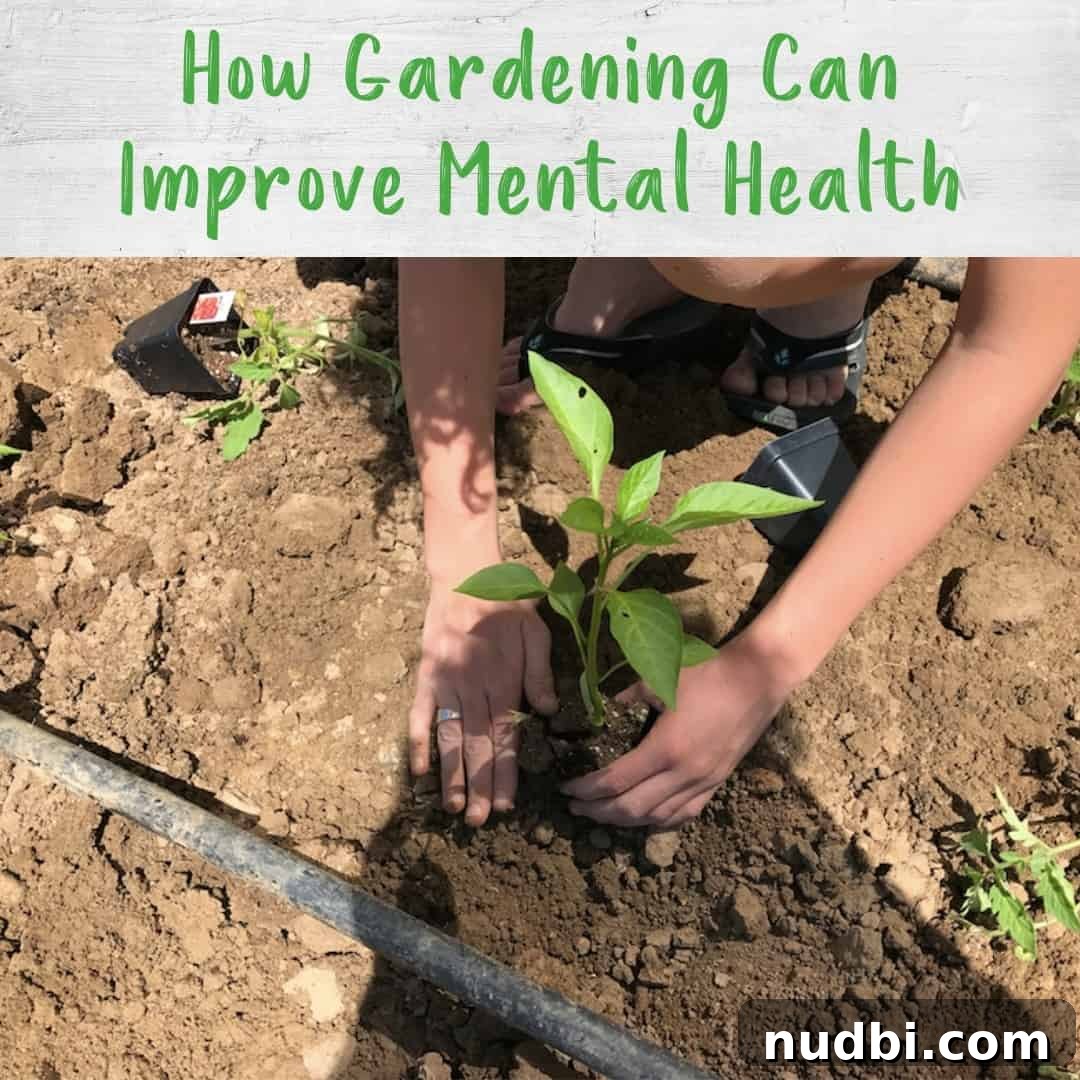
Our gardening journey commenced on a truly spectacular spring Saturday, just a few days past the official frost date. The air was crisp, the sun warm, and the promise of new life hung heavy in the atmosphere. Our youngest, with an unbridled enthusiasm characteristic of a five-year-old, plunged hands-first into the soil, delighting in the sensation of earth between his fingers. Our eldest, typically more reserved, also embraced the task of digging and planting with unexpected gusto. Our middle child, however, true to their unique spirit? Let’s just say their contribution was more in the realm of “supervisory support” initially.
Nonetheless, in our bustling home, celebrating two out of three fully engaged is often considered a resounding success. We meticulously planted each seedling, watered our nascent garden with care, and briefly reveled in the pure joy of the moment. There might have been some frolicking and spontaneous bursts of song – though perhaps those details are slightly embellished by fond memory. Our idyllic gardening bliss, however, was abruptly interrupted. Just days after our initial planting, a formidable snowstorm descended upon us, a stark reminder of nature’s unpredictable temperament.
The sudden turn in weather plunged us into a frantic race against time. We scrambled through the house and garage, emptying every available container – pots, buckets, even laundry baskets – that was large and sturdy enough to shield our vulnerable new vegetable plants. Working together, we carefully covered each plant, huddling them against the biting cold. With bated breath and crossed fingers, we hoped our makeshift shelters would protect them from the relentless hail, a staggering 12 inches of snow, and the plummeting 20-degree Fahrenheit temperatures that gripped our region for the next four grueling days. It was a true test of resilience, both for our plants and for our collective patience.
And remarkably, they endured. Against all odds, nearly every plant survived the absolutely miserable weather. The relief was palpable when, after the storm subsided, we were finally able to uncover them, allowing them to once again bask in the warm, life-giving Colorado sun. This time, we hoped, for good. This initial challenge, though stressful, unexpectedly forged a deeper connection to our garden and revealed valuable lessons in perseverance and hope.
Beyond the Harvest: Unveiling the Holistic Benefits of Gardening
While the prospect of homegrown produce is undoubtedly a major draw, the advantages of gardening extend far beyond the dinner plate. It’s an activity that subtly yet profoundly enriches various aspects of our lives, often in ways we don’t immediately recognize.
It Cultivates Patience.
In our modern, hyper-connected world, where instant gratification is often the expectation, patience has become an increasingly rare commodity. From immediate search results to on-demand entertainment, we are conditioned to expect rapid outcomes. Gardening stands in stark contrast to this societal norm. Plants adhere to their own unhurried schedules and natural cycles, utterly impervious to human impatience. As gardeners, we are compelled to slow down, observe, and wait. We plant a tiny seed, water it diligently, and then practice the profound art of trusting the process.
This daily act of waiting, observing slow growth, and understanding that nature cannot be rushed, serves as a powerful lesson for both adults and children. It teaches us the value of delayed gratification, the beauty of gradual development, and the importance of perseverance. For children, especially, witnessing a tiny sprout emerge from the soil after weeks of care can be a magical and formative experience, instilling a deep appreciation for life’s natural rhythms and the rewards of sustained effort.
It Promotes Active Living.
Gardening is an exceptional and enjoyable way to keep our bodies active without the often-unappealing trappings of gym memberships or restrictive workout gear. It’s a full-body workout disguised as a hobby, engaging various muscle groups in practical, functional movements. The physical demands of gardening are surprisingly comprehensive.
Activities such as lifting heavy bags of soil or compost, digging new beds, weeding relentless invaders, bending to plant delicate seedlings, and reaching to prune or harvest all contribute to cardiovascular health, improved flexibility, and increased strength. This low-impact yet effective exercise allows us to spend quality time outdoors, soaking in essential Vitamin D from the sun, breathing fresh air, and engaging with our surroundings in a meaningful way. It’s a natural, stress-reducing form of physical activity that connects us to the earth while contributing to our overall well-being.
It’s a Beautiful Family Affair.
Brainstorming engaging, active, and affordable outdoor activities that appeal to a wide range of ages within a family can often feel like a Herculean task. Fortunately, gardening offers a versatile and inclusive solution. Its inherent adaptability means that tasks can be tailored to suit most age groups and abilities, making it an ideal platform for creating lasting family memories throughout the summer and beyond.
Even toddlers can help water plants with a small watering can or gently place seeds into prepared soil. Older children can take on responsibilities like weeding, turning compost, or helping to plan the garden layout. Teenagers might enjoy researching different plant varieties, building raised beds, or managing pest control naturally. Collaborative tasks foster teamwork, communication, and shared accomplishment. Gardening together provides invaluable opportunities for learning about biology, ecology, and healthy eating in a hands-on, engaging environment, strengthening family bonds in the process.
It’s a Powerful Stress Management Tool.
The American Psychological Association has consistently highlighted rising stress levels across the population, affecting adults and increasingly, our children. In this often overwhelming “business” of life, finding effective coping mechanisms is paramount. Gardening offers a serene escape, a therapeutic haven where the mind can truly unwind.
The act of tending to plants, focusing on the simple rhythm of growth, helps to quiet the incessant chatter of daily worries. Studies have shown that spending time in nature, often referred to as “green therapy,” can significantly reduce cortisol levels, the body’s primary stress hormone. The tactile sensation of soil, the vibrant colors of foliage, the fresh scent of herbs, and the gentle sounds of nature create a multisensory experience that promotes mindfulness and relaxation. Engaging in gardening provides a sense of purpose, redirects anxious energy into productive tasks, and fosters a profound sense of peace, making it an invaluable strategy for managing stress and enhancing mental well-being.
It Fosters a Deep Connection to Nature.
In an increasingly urbanized and digitized world, many individuals, particularly children, are losing their direct connection with the natural environment. Gardening provides an essential bridge back to nature, offering a tangible way to understand and appreciate the intricate workings of ecosystems. Through gardening, we learn about the life cycles of plants, the vital role of pollinators like bees and butterflies, the importance of healthy soil, and the delicate balance of local ecosystems.
This hands-on engagement cultivates a profound sense of environmental stewardship and responsibility. Children who garden are more likely to develop an appreciation for where their food comes from and to understand the impact of their actions on the environment. It’s an immersive educational experience that instills respect for the natural world and promotes sustainable practices, encouraging us to become more mindful inhabitants of our planet.
It Inspires Creativity and Problem-Solving.
Gardening is far from a purely mechanical activity; it’s a dynamic and creative pursuit that constantly challenges us to think on our feet. From designing the layout of a new garden bed to choosing complementary plant pairings, there’s ample room for artistic expression. Gardeners often experiment with different varieties, color schemes, and textures, transforming their space into a personal oasis.
Beyond aesthetics, gardening is also a continuous exercise in practical problem-solving. Faced with unexpected challenges like pest infestations, unpredictable weather patterns, or nutrient deficiencies in the soil, gardeners must research, adapt, and innovate. Learning from mistakes – a plant that didn’t thrive, a crop lost to an early frost – is an integral part of the process, building resilience and enhancing critical thinking skills. This continuous cycle of planning, executing, observing, and adjusting makes gardening a deeply engaging and intellectually stimulating hobby.
It Provides Unparalleled Access to Healthy, Fresh Food.
Perhaps one of the most immediate and tangible benefits of gardening is the unparalleled access it provides to fresh, nutritious, and delicious food. There is an immense satisfaction and pride in harvesting vegetables and fruits that you have nurtured from seed to plate. Homegrown produce often tastes superior to store-bought varieties, having been picked at peak ripeness, and is free from the long travel times that diminish flavor and nutrient content.
Growing your own food also offers complete control over what goes into your body, allowing you to avoid pesticides and genetically modified organisms if you choose to garden organically. This direct involvement in food production encourages healthier eating habits, especially in children, who are often more willing to try vegetables they have helped to grow. Furthermore, a productive garden can lead to significant cost savings on grocery bills, providing a sustainable source of healthy sustenance for the entire family.
It Builds a Sense of Accomplishment and Self-Sufficiency.
The journey from a tiny seed to a flourishing plant, and ultimately to a bountiful harvest, is incredibly rewarding. Each successful crop, every vibrant bloom, and every nutritious vegetable picked from your garden represents the culmination of hard work, dedication, and patience. This tangible evidence of effort builds a profound sense of accomplishment and boosts self-esteem.
For individuals and families, cultivating a garden also fosters a valuable sense of self-sufficiency. Knowing that you can produce some of your own food, even on a small scale, is empowering. It connects us to a more primal, fundamental aspect of human existence – the ability to provide for oneself and one’s community. Sharing excess produce with neighbors, friends, or local food banks further amplifies this feeling of contribution and connectedness, strengthening community ties and fostering a spirit of generosity.
Our plants, though they endured a truly challenging start, are now steadily growing, perhaps a little tougher but no less promising. We are all eagerly anticipating August, with high hopes for a bountiful harvest that will inspire new culinary adventures and delightful recipes. Despite the unexpected hurdles and the initial scare, gardening is undeniably proving to be a profoundly successful and enriching family activity. Concepts like resilience in the face of adversity, the enduring value of patience, and the unwavering power of perseverance can often be abstract and difficult to convey to young children. Yet, through the real-world experiences of our little garden, we have already learned and embodied the critical importance of all three. We invite you to dig in and discover the countless rewards waiting in your own garden plot, no matter how small.