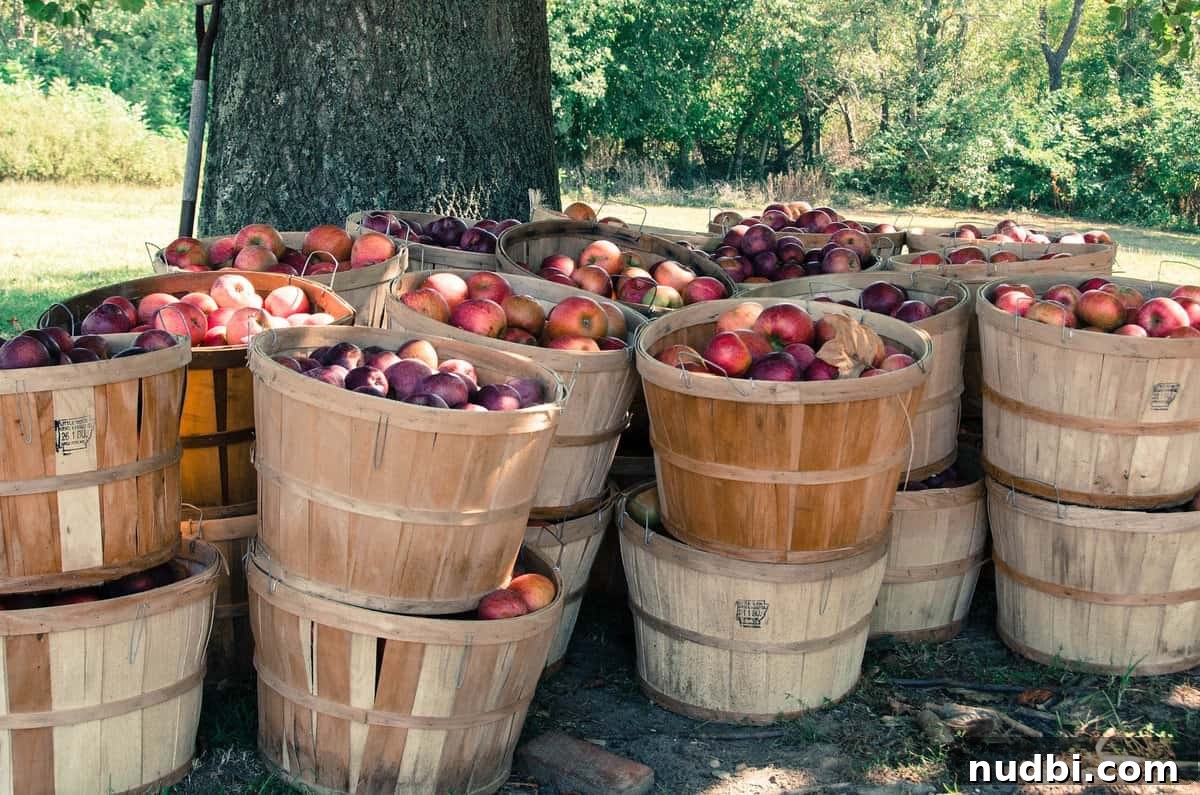
Welcome to an exclusive journey into the vibrant world of apples, where we uncover the fascinating story behind your favorite fruit. Beyond their crisp bite and sweet flavor, apples carry a rich history of meticulous cultivation and dedicated care. Join us as we peel back the layers to reveal what truly goes into bringing these delightful fruits from the orchard to your table, featuring an insider’s look at the renowned Chelan Fresh orchards. We’ll also equip you with essential apple storage tips to keep your bounty fresh longer and much more!
This past fall, our team embarked on an enlightening expedition to Washington State, a region synonymous with premium apple production. Our mission was to celebrate the highly anticipated launch of the Joyfully Grown brand, an initiative by the esteemed Chelan Fresh. Over two incredibly engaging days, we immersed ourselves in the heart of apple country, visiting sprawling orchards, touring state-of-the-art packing facilities, and meeting the remarkable individuals whose passion and hard work are the backbone of this industry. The experience was profoundly educational, offering an unparalleled insight into every intricate step, from the moment an apple is gently harvested to its final arrival in grocery store produce departments across the nation.

Chelan Fresh stands as a testament to deep-rooted agricultural heritage, proudly grower-owned and representing numerous family farms that have cultivated fruit in the fertile lands of central Washington since 1894. This impressive legacy spans five generations of dedicated apple growers, whose collective knowledge, relentless innovation, and unwavering hard work over many decades culminated in the inspiration for the Joyfully Grown Brand. This innovative brand was conceived to encapsulate and share the profound joy that these farmers and growers derive from their families, their intimate connection to the land, and the bountiful harvests they nurture each year. It’s more than just a brand; it’s a celebration of a way of life, an homage to sustainable practices, and a promise of quality borne from genuine passion.
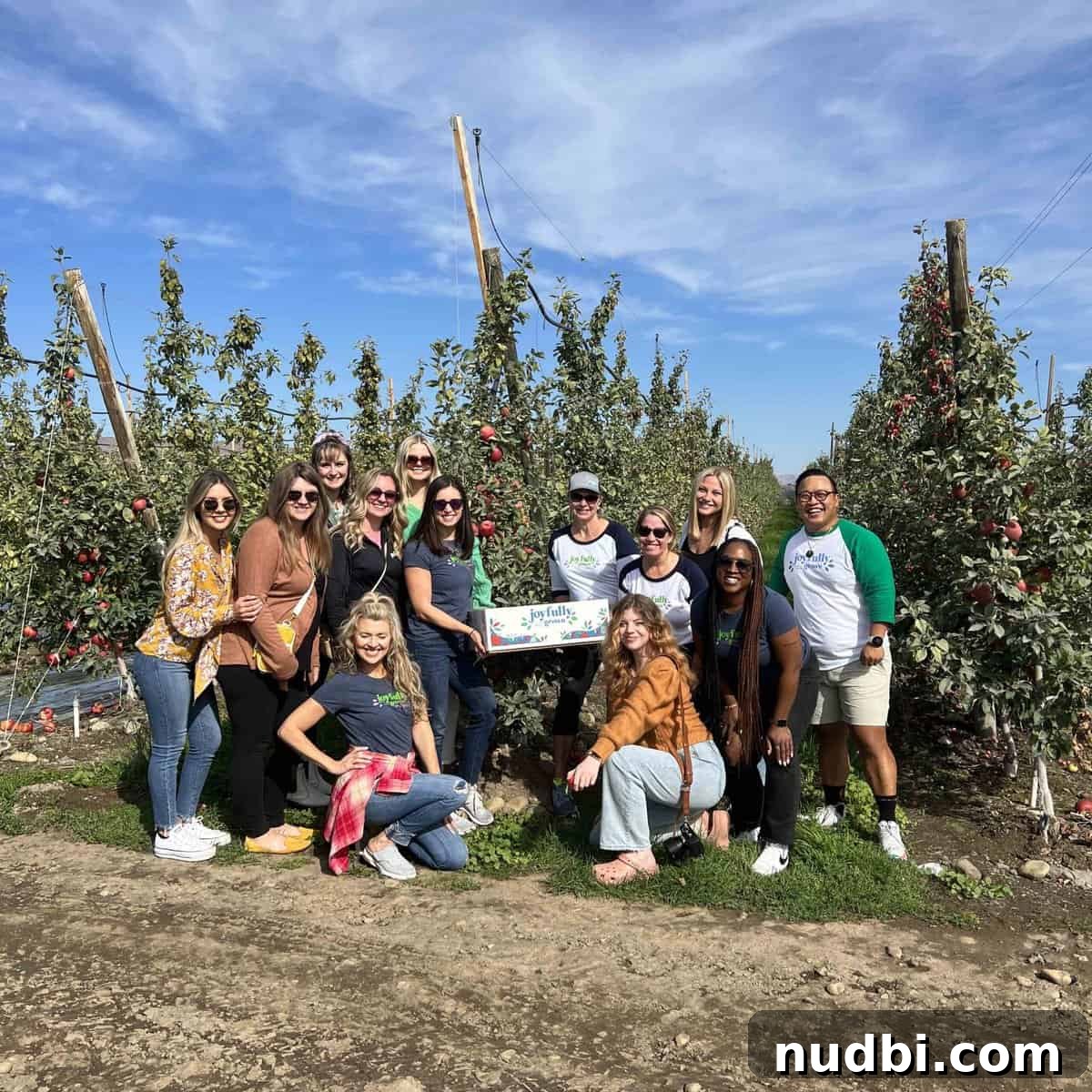
As consumers, it’s remarkably easy to stroll into the produce aisle, select the crispest apples, and not give a second thought to the immense effort and intricate processes involved in bringing that perfect fruit to our local store. This experience granted me an invaluable, intimate glimpse into the diligent world of apple growers and packers, showcasing not only their commitment to quality but also their innovative approaches to making the world a more sustainable and fruitful place. From nurturing the delicate blossoms to employing advanced technological sorting, every stage is executed with precision and care, driven by a deep respect for nature and a desire to deliver the freshest, most delicious apples.
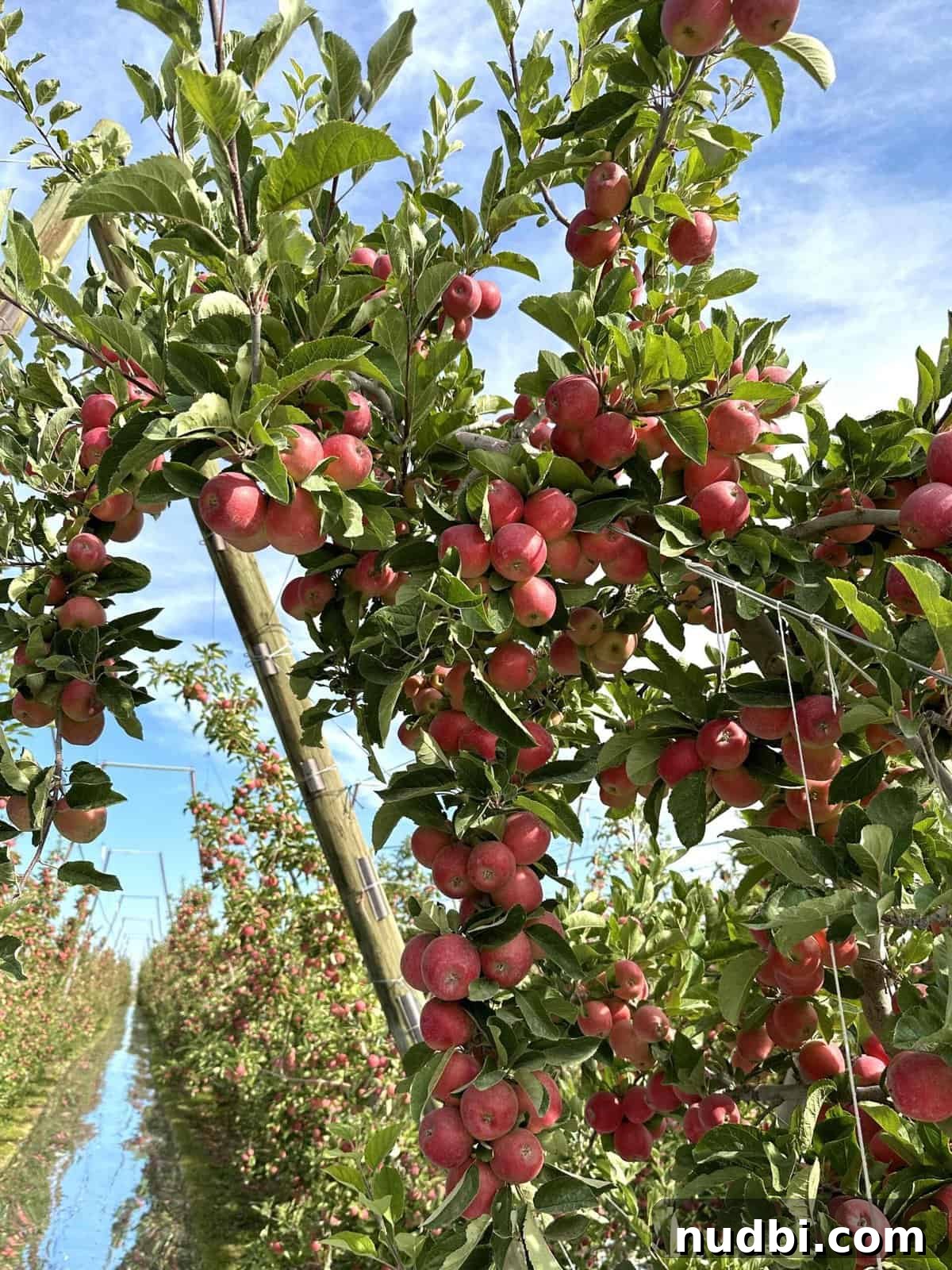
Delving deeper into the fascinating realm of apple cultivation, here are some intriguing facts you might not have known about how apples are grown and brought to market:
- Washington State: The Apple Capital of the U.S. Without a doubt, Washington state proudly holds the title as the top producer of apples in the United States. Its unique climate and rich volcanic soils create the perfect environment for growing an astonishing volume of fruit, yielding over 100 million bushels of apples annually. To put this into perspective, that’s more than 12 billion individual apples every year! This incredible output means that a staggering 60% of all apples consumed within the U.S. were cultivated in Washington’s verdant orchards. This dominance is not merely due to quantity but also to the exceptional quality and variety of apples produced here.
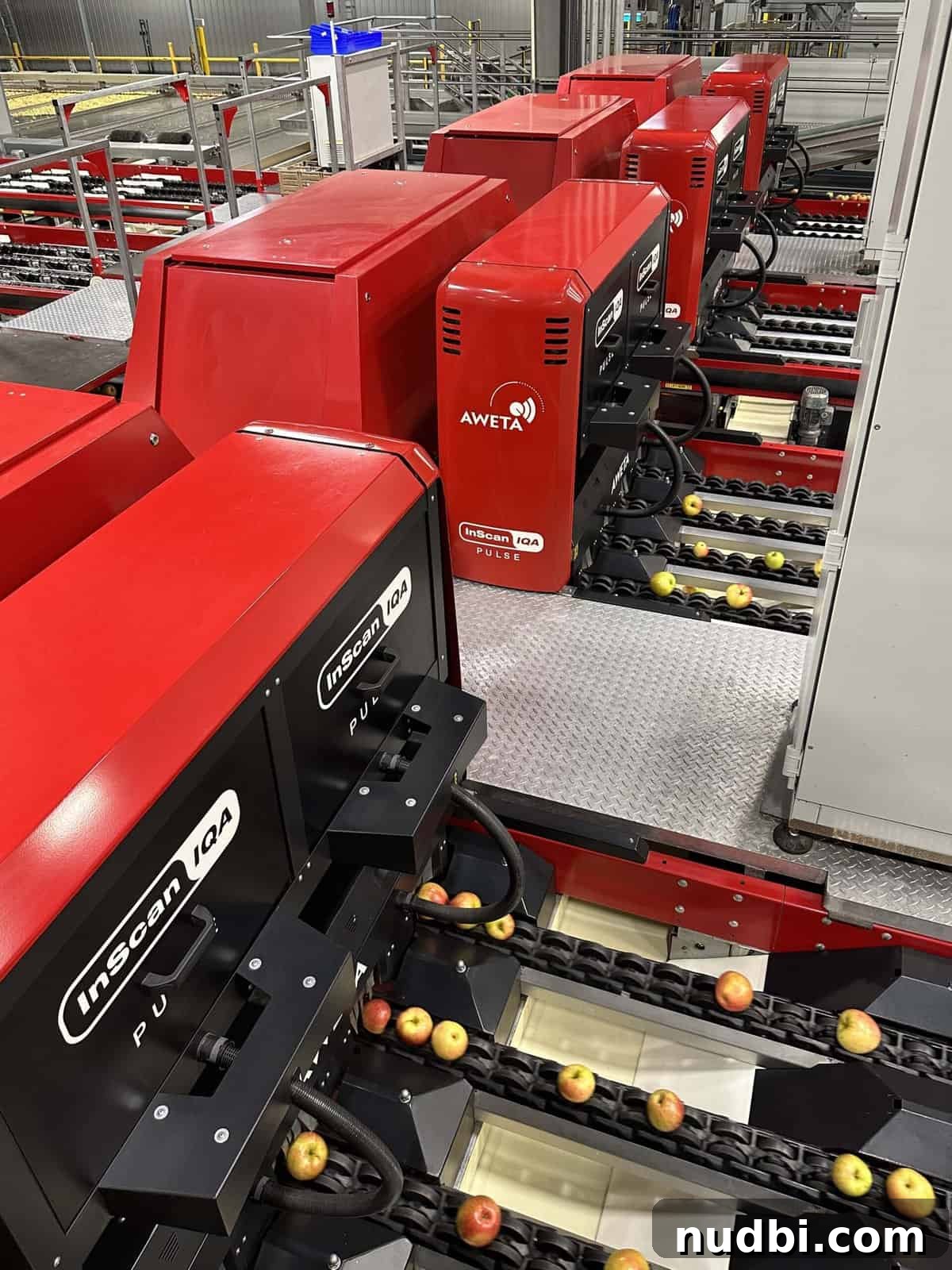
- The Post-Harvest Journey: Precision Packing and Sorting. Once apples are meticulously harvested from the orchard, their journey is far from over. They are carefully transported to sophisticated packing facilities, where they undergo a series of crucial steps designed to prepare them for global distribution. These facilities serve as hubs for storage, precise sorting, and meticulous grading. The industry relies on incredible, cutting-edge technology, such as advanced grading machines, to delicately handle and sort each apple. In less than a second, these highly sophisticated machines capture up to 16 high-resolution images of every single apple. This rapid imaging process allows for an accurate determination of the apple’s size, its specific grade, and critically, identifies any minor imperfections such as bruising, discoloration, or shape irregularities, ensuring only the highest quality fruit makes it to market.
- The Art of Grafting: Creating New Apple Trees. Apple trees are not typically grown from seeds if you want to ensure a specific variety. Instead, they are propagated through a specialized horticultural technique known as grafting. This intricate process involves carefully attaching a piece of an existing, desired apple tree (called the scion) to a different, established rootstock. The rootstock provides the root system and often influences the tree’s size and disease resistance, while the scion determines the apple variety produced. This ingenious method allows orchardists to cultivate trees that reliably bear specific apple varieties, maintaining consistent quality and flavor across generations.
- Orchardists: Masters of Their Craft. The dedicated men and women who tend to these orchards, known as orchardists, are true experts in their field. Their craft involves a harmonious blend of time-honored traditions and innovative, modern practices, all aimed at nurturing the fruit to ensure both exceptional quality and optimal yield. They employ a variety of ingenious tactics: for instance, using leaf strippers to strategically remove leaves, allowing more sunlight to reach the developing apples and enhance their color and sweetness. Reflective material placed on the ground also helps to maximize sun exposure. Furthermore, the harvesting process is incredibly precise; for delicate varieties like Honeycrisp apples, each stem must be meticulously clipped at the correct angle to prevent it from bruising other fruits when packed tightly into bins for storage and transport. This attention to detail underscores the commitment to delivering unblemished, perfect apples.
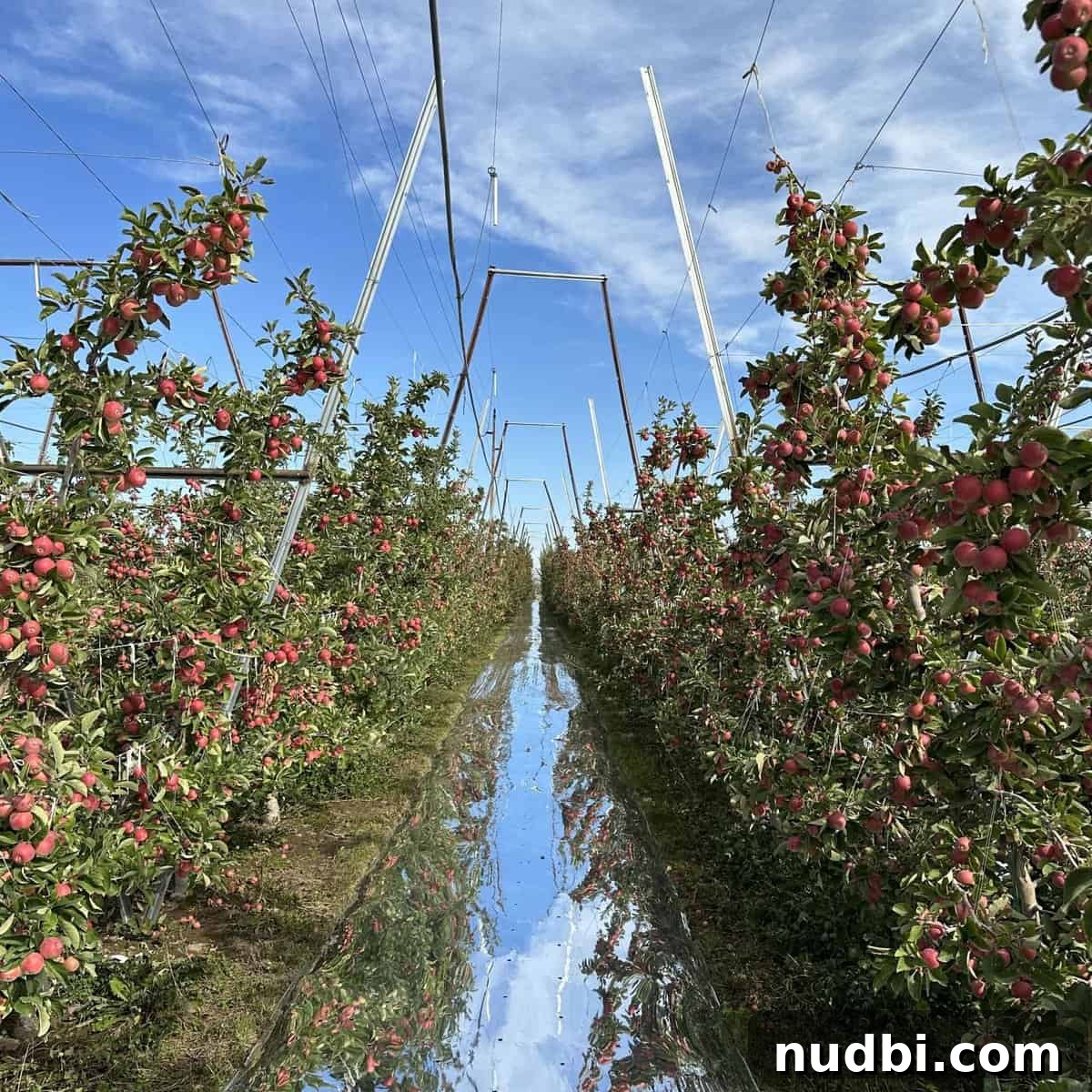
The Apple’s Growth Cycle: How Long Does It Take to Grow a Perfect Apple?
Apples are a globally beloved fruit, cherished for their versatility, taste, and nutritional benefits. Yet, many wonder about the fascinating journey of an apple from a tiny blossom to the ripened fruit we enjoy. The typical timeframe for an apple to mature from its delicate bloom to a fully ripened fruit ready for harvest spans approximately 4 to 6 months. However, this duration isn’t set in stone and can fluctuate considerably based on several factors, including the specific apple tree variety, the local climate, and the overall growing conditions of the season.
For example, in regions blessed with consistently warm climates, some apple trees might yield a single, substantial crop per year. This consistent production ensures a steady supply, which is incredibly fortunate for us, as our love for crisp, delicious apples knows no season! The entire process, from the first appearance of fragrant blossoms in spring, through the development of small green fruitlets, to the final ripening under the summer and early fall sun, requires constant vigilance and care from orchardists. So, the next time you bite into a juicy apple, take a moment to appreciate not only its refreshing taste but also the several months of natural growth and the tireless efforts of the dedicated farmers who made it possible for you to enjoy it.
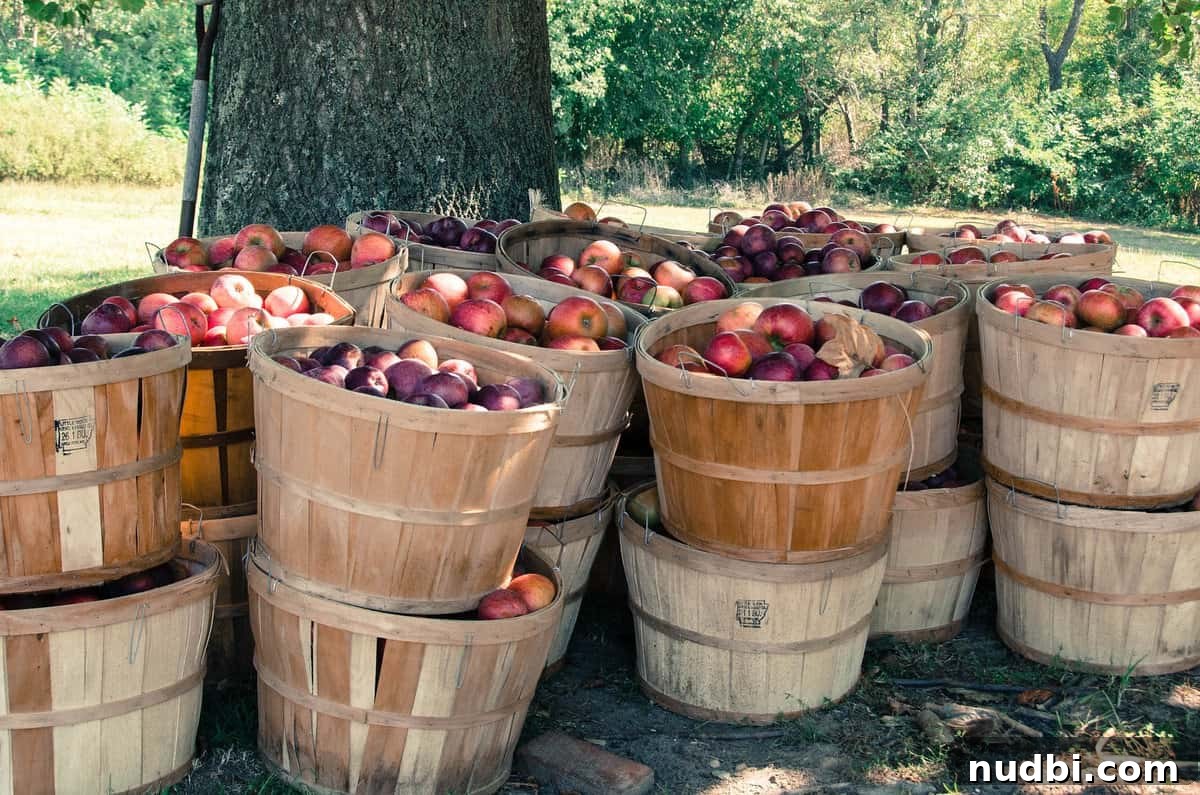
A Bushel of Apples: More Than Just a Measurement
Did you know that a traditional bushel of apples typically weighs about 40 pounds, which is equivalent to roughly 4-5 gallons by volume? That’s an impressive quantity of apples, representing a substantial harvest! If you’re fortunate enough to visit an apple orchard during the picking season and come away with a full bushel of fresh apples, you’ll have an abundance of delicious fruit at your disposal. To help you make the most of your haul, here are some of our absolute favorite apple recipes, perfect for transforming your bushel into delightful culinary creations:
- Wholesome Apple Pie Snack Bars
- Cozy Instant Pot Homemade Warm Apple Cider
- Vibrant Fall Harvest Apple Salad with Apple Cider Vinaigrette
- Nutritious Shredded Brussels Sprouts Salad with Apples & Pistachios
- Delightful Upside Down Apple Skillet Pancake
- Sweet & Savory Apple and Pear Nachos with Caramel Drizzle
- Healthy Apple Zucchini Mini Muffins (Perfect for Bento Boxes!)
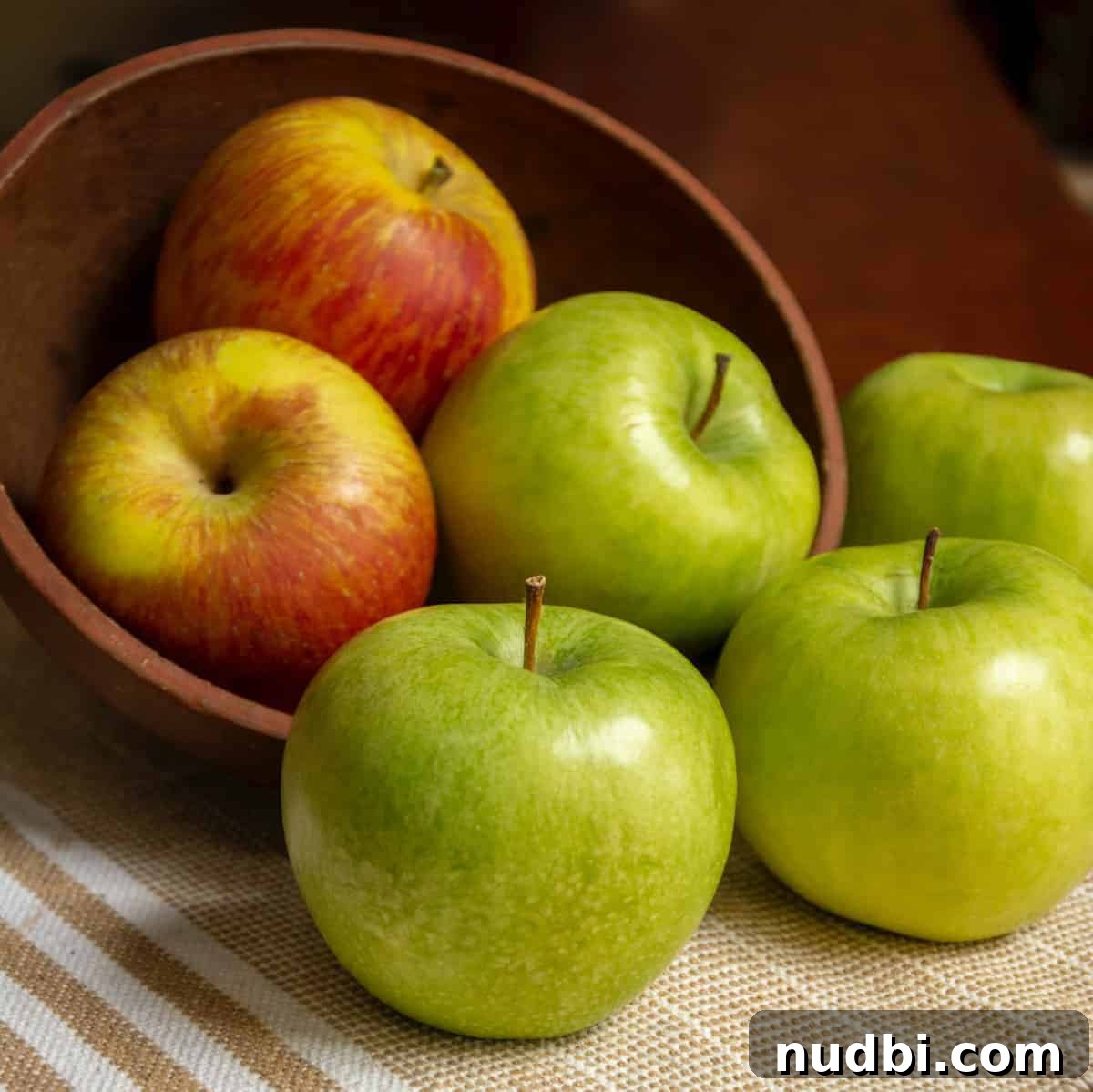
Maximizing Freshness: How Long Do Apples Last After Picking?
When it comes to apples, the age-old saying, “one bad apple can spoil the bunch,” truly holds wisdom. This highlights the importance of proper storage for maintaining their quality. But exactly how long can you expect an apple to remain fresh and crisp after it’s been picked from the tree? The lifespan of a freshly picked apple can vary significantly, ranging anywhere from a mere few days to an impressive several months. The primary determinant of an apple’s longevity lies in how it is stored. Implementing effective storage strategies is key to enjoying your apples at their peak.
Experts consistently recommend storing apples in a cool, dark environment, with the refrigerator being the ideal location. The colder temperatures dramatically slow down the ripening process, preserving their crisp texture and vibrant flavor. Furthermore, it’s crucial to store apples separately from other fruits and vegetables. Many produce items, especially ripened ones, release ethylene gas, a natural plant hormone that acts as a ripening agent. Exposing apples to this gas can significantly accelerate their own ripening, causing them to soften and spoil much faster than desired. By keeping them isolated in the fridge, you can effectively extend their freshness and savor them for a much longer period.
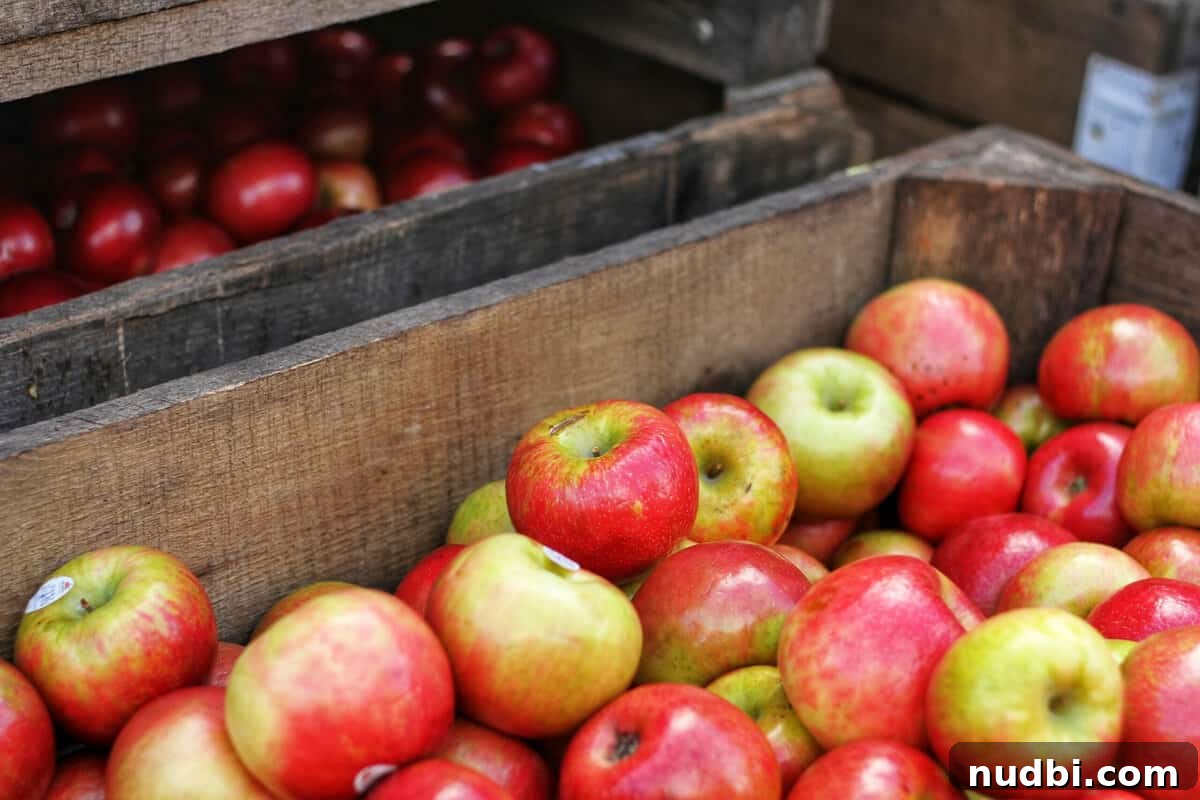
Practical Tips to Significantly Extend Your Apples’ Shelf Life
Whether you prefer to display them in a decorative fruit bowl, enjoy them as a healthy snack, or meticulously reserve them for a delicious apple pie, apples are an undeniable staple, particularly during the fall season. To help you maximize the enjoyment of your fresh apples and ensure they remain crisp and flavorful for as long as possible, here are some actionable storage tips:
1. Refrigerate Your Apples: The Golden Rule. The most effective way to prolong the life of your apples is to store them in the refrigerator, ideally in the crisper drawer. The cool, consistent temperature of the fridge drastically slows down the metabolic processes within the apple, delaying ripening and preventing them from becoming soft or mealy too quickly. This method can extend their freshness for several weeks, or even a couple of months, depending on the variety.
2. Wash Only When Ready to Eat. It might seem counterintuitive, but resist the urge to wash your apples immediately after bringing them home. Washing removes the natural protective wax coating (sometimes supplemented by a food-grade wax applied commercially) that apples possess. This coating acts as a barrier against moisture loss and bacterial growth. Once this barrier is compromised, moisture can penetrate the skin, accelerating spoilage and encouraging mold. Therefore, only wash your apples thoroughly just before you are about to consume them or use them in a recipe.
3. Separate Apples from Ethylene-Producing Fruits. Apples, like many fruits (such as bananas, avocados, and tomatoes), naturally release ethylene gas as they ripen. This colorless, odorless gas acts as a plant hormone that can accelerate the ripening process of other fruits and vegetables stored nearby. To prevent your apples from prematurely softening or spoiling, ensure they have their own designated space in the fridge, away from other produce that emits high levels of ethylene. For optimal freshness, consider placing your apples in a perforated plastic bag in the crisper drawer; this helps retain moisture while allowing some airflow, striking a perfect balance for extended storage.
Share Your Apple Experiences!
Have you ever had the wonderful opportunity to visit an apple orchard and experience the magic firsthand? We’d love to hear about your adventures! What is one of your absolute favorite apple varieties, and why does it stand out to you? Share your thoughts and help us celebrate the diverse and delicious world of apples!