
Happy January and welcome to a fresh start! As a new year unfolds, many of us set intentions for healthier living, often focusing on nourishing our bodies with wholesome foods and regular exercise. What better way to kickstart these resolutions than by embracing the abundance of nature’s bounty? A trip to your local grocery store can be a vibrant adventure when you know which fruits and vegetables are at their prime. Opting for in-season produce not only guarantees the freshest, most flavorful ingredients but also offers significant benefits for your budget and the planet.
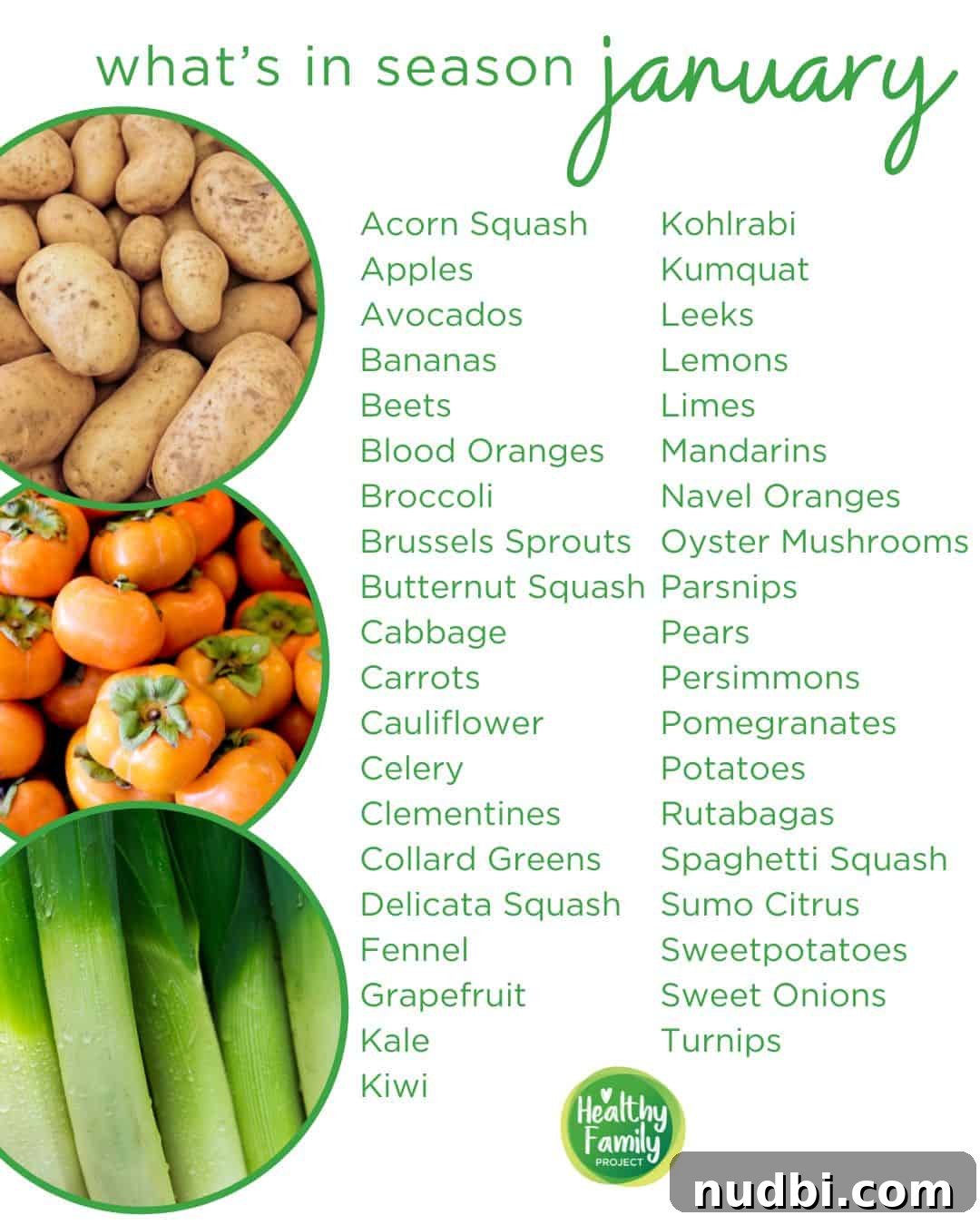
Understanding which fresh produce items are in season when you shop can unlock a world of advantages. Beyond saving money by purchasing items when they are most plentiful, you’ll be enjoying fruits and vegetables at their absolute peak in terms of taste, texture, and nutritional value. These seasonal gems haven’t traveled as far, meaning they retain more nutrients and have a richer, more vibrant flavor profile that mass-produced, out-of-season alternatives simply can’t match.
Embracing a healthy diet doesn’t have to break the bank. In fact, meal planning around what’s currently in season is one of the smartest and most effective ways to reduce your grocery bill. By focusing on seasonal ingredients, you naturally diversify your diet, explore new flavors, and support local agriculture when possible. This guide will walk you through the best fruits and vegetables available in January, offering expert tips on how to select, prepare, and store each item, along with inspiring recipe ideas to help you integrate them into your daily meals. Get ready to nourish your body and delight your taste buds with the freshest picks of the winter season!
Discover January’s Abundant In-Season Produce Picks

Apples
A true culinary chameleon, apples are available in an impressive array of varieties, each offering a unique flavor and texture profile. From crisp and tart to sweet and mellow, they effortlessly bridge the gap between sweet and savory dishes. Enjoy them as a refreshing snack, a wholesome dessert, or a crunchy addition to salads. To select the best apples, look for firm, brightly colored fruit without bruises or soft spots. Store them in the refrigerator to maintain their crispness for several weeks. Beyond simple snacking, explore their potential in baked goods like pies and tarts, homemade applesauce, or even savory applications with pork or chicken. Discover our 40 Apple Recipes or consult this handy guide to apple varieties to choose the perfect apple for every occasion, whether it’s for eating fresh, cooking, or baking.

Avocados
Good news for avocado enthusiasts: this beloved fruit, prized for its creamy texture and healthy monounsaturated fats, is available year-round! Avocados are an incredibly versatile ingredient, enriching both savory and sweet dishes. When selecting an avocado, gently squeeze it; a ripe avocado will yield slightly to pressure. If it’s too firm, let it ripen on your counter. Store ripe avocados in the refrigerator to prolong their freshness. Whether you’re skillfully topping toast for a quick breakfast, creatively swapping it into a healthier dessert like Dark Chocolate Avocado Brownies, or masterfully whipping up a classic bowl of guacamole for a gathering, avocados are always a superb choice.

Bananas
Bananas, a global favorite, are consistently in season, making them an effortless choice for nutritious eating throughout the year. Packed with potassium and natural sugars, they are ideal as a grab-and-go snack, or as a foundational ingredient for a myriad of recipes. Choose bananas that are firm and free of bruises; green bananas can ripen on your counter, while ripe ones can be stored in the refrigerator for a few days or peeled and frozen for future use. Easily incorporate them into vibrant smoothies, wholesome muffins, fluffy pancakes, or transform them into delightful “nice” cream for a healthy dessert. Interestingly, the average American enjoys around 28 pounds of bananas annually, highlighting their widespread appeal and nutritional contribution.

Beets
Beets sometimes get an unfair reputation due to their distinctive earthy flavor, but don’t let that deter you! This root vegetable is a nutritional powerhouse, rich in folate, manganese, and Vitamin C. To select the best beets, look for firm, smooth, unblemished roots with fresh, unwilted greens (if attached). Store the greens separately in the refrigerator for up to 3 days, and the roots unwashed in a plastic bag for up to 2-3 weeks. The secret to unlocking their natural sweetness lies in roasting them, which caramelizes their sugars and makes them incredibly palatable. Roasted beets are perfect for adding to salads, blending into vibrant smoothies, or even pickling for a tangy side dish. Their beautiful crimson hue also adds a stunning visual appeal to any plate.

Bok Choy
Bok choy, a crisp and tender type of Chinese cabbage, boasts a delicate, slightly sweet flavor that makes it a fantastic addition to various cuisines. While it’s generally accessible year-round, bok choy truly shines in the cooler months, reaching its peak freshness and flavor. When choosing bok choy, look for firm, bright green leaves and crisp white stalks. Store it unwashed in a plastic bag in the refrigerator for up to 5 days. It’s delicious both raw, thinly sliced in salads, and cooked, where its texture softens beautifully. Try it quickly stir-fried with garlic and ginger, added to a comforting soup, or as a fresh component in this homemade Instant Pot Chicken Ramen!

Broccoli
Broccoli is an indispensable vegetable, brimming with essential vitamins and nutrients like Vitamin C, Vitamin K, and fiber, crucial for overall well-being. This verdant veggie is readily available all year and can seamlessly be incorporated into almost any meal. Look for broccoli with tight, green florets and firm stalks; avoid any yellowing or soft spots. Store it unwashed in a loose plastic bag in the refrigerator for up to a week. Beyond steaming or roasting as an easy side, consider chopping it finely to add to a vibrant broccoli slaw, or toss it into pasta salads, flavorful stir-fries, or even unique creations like cornbread muffins. For a simple yet delicious preparation, roast it with olive oil, salt, and pepper.

Brussels Sprouts
Once a much-maligned vegetable, Brussels sprouts have staged an impressive comeback, now celebrated as a versatile winter staple. These miniature cabbages are rich in Vitamin K and Vitamin C, offering significant health benefits. When selecting, choose firm, compact sprouts with tight leaves. Store them unwashed in a bowl or perforated plastic bag in the refrigerator for up to a week. My personal favorite method for preparing them is remarkably simple: toss them with a generous glug of olive oil, a pinch of salt, and freshly ground black pepper, then roast them in a hot oven until caramelized and tender-crisp. This technique brings out their natural sweetness, transforming what some might remember as “stinky” sprouts into an incredibly delicious and addictive side dish. If you’re looking for a delightful way to enjoy them, give roasting a try!

Cabbage
Cabbage is an unassuming hero of the winter produce season, boasting an impressive nutritional profile packed with Vitamins K, C, and B6, along with a host of other beneficial nutrients and fiber. When selecting cabbage, look for firm, heavy heads with crisp, vibrant leaves that have a healthy luster. Avoid any heads with wilting, discolored outer leaves or soft spots. Store whole cabbage heads in the refrigerator’s crisper drawer, where they can last for several weeks. This incredibly versatile vegetable can be thinly shredded for a refreshing and tangy coleslaw, sautéed with other vegetables, added to soups for bulk and nutrition, or roasted for a deeper, sweeter flavor, as seen in this colorful Rainbow Buddha Bowl. It’s also an excellent choice for fermentation, creating probiotic-rich sauerkraut.

Carrots
Carrots are far more than just a favorite snack for animated bunnies; they are a wonderfully versatile and kid-friendly vegetable brimming with beta-carotene, which the body converts to Vitamin A, essential for vision and immune health. When choosing carrots, look for firm, smooth roots with a bright color; avoid any that are rubbery or cracked. If they come with greens, remove them before storing to prevent moisture loss. Store carrots in the crisper drawer of your refrigerator. While delicious simply served with a side of ranch for dipping, their natural sweetness is intensified when roasted, making them a fantastic side dish. They can also be steamed, grated and added to sweet treats like muffins, blended into hearty soups, or cleverly hidden in dishes like mac and cheese and meatballs to boost nutrition without detection.

Cauliflower
Cauliflower has truly become a star in the culinary world, revered for its incredible adaptability and mild flavor. This cruciferous vegetable is a fantastic source of Vitamin C, Vitamin K, and fiber, making it a healthy addition to any diet. When selecting cauliflower, choose a head that is firm, compact, and creamy white, without any dark spots or discoloration. Store it unwashed in a plastic bag in the refrigerator for up to a week. Its neutral taste allows it to transform into countless dishes, from innovative pizza crusts to healthy fried rice alternatives. You can blend it into a creamy pesto, creatively add it to mashed potatoes for a lighter, more nutritious side, or even craft savory waffles. It’s also an excellent substitute for rice in hearty classic casseroles, offering a low-carb and nutrient-dense alternative.

Celery
This wonderfully crunchy vegetable is a staple for many, often recognized by children as the perfect base for playful Ants on a Log. However, celery’s culinary applications extend far beyond a simple snack, lending a distinct flavor and satisfying texture to a wide array of dishes. When selecting celery, look for firm, crisp stalks that snap easily, with fresh-looking leaves. Store it tightly wrapped in foil in the refrigerator for maximum freshness, where it can last for weeks. Finely chop and add it to a refreshing potato salad, use it as an aromatic base for comforting soups and stews, or incorporate it for an extra crunch in various salads. Its subtle, herbaceous notes make it a versatile ingredient for enhancing flavor complexity.

Citrus
The winter months are a prime time for an abundance of fresh citrus fruits, bringing a burst of sunshine and vibrant flavor to the chill of January. Varieties like grapefruit, sweet oranges, tangy tangerines, and juicy mandarins are all beautifully in season. These colorful fruits are an exceptional source of Vitamin C, a vital nutrient renowned for its immune-boosting properties, which can play a crucial role in helping to ward off pesky winter colds and keep you feeling your best. When selecting citrus, choose fruits that feel heavy for their size, indicating juiciness, and have smooth, blemish-free skin. Store them at room temperature for up to a week, or in the refrigerator for longer freshness. Beyond simply peeling and enjoying them as a perfect snack, explore their culinary versatility with these 16 Kid-Friendly Citrus Recipes, incorporating them into marinades, dressings, desserts, or vibrant salads to infuse dishes with their bright, zesty essence.

Greens
January is an ideal time to load up on fresh, nutrient-dense leafy greens. Varieties such as robust kale, versatile spinach, crisp lettuce, collard greens, and Swiss chard are all excellent choices. These leafy powerhouses are brimming with vitamins, minerals, and antioxidants, forming the backbone of countless healthy and delicious recipes. When selecting greens, look for vibrant, unwilted leaves without any yellowing or brown spots. Store them unwashed in a plastic bag with a paper towel to absorb excess moisture in the refrigerator’s crisper drawer. While they are the foundation for many tasty salads, greens are also perfect for boosting the nutritional content of smoothies, hearty soups, comforting casseroles, flavorful pasta dishes, and even as sautéed side dishes. Their earthy flavors complement a wide range of ingredients.

Kiwi
This small, unassuming fruit, named after New Zealand’s iconic national bird, offers a vibrant surprise beneath its fuzzy brown exterior. Whether bright green or golden yellow inside, kiwi delivers a delightful sweet and tangy flavor profile along with a powerful punch of Vitamin C. When choosing kiwis, look for fruit that is slightly firm but yields to gentle pressure; avoid any that are too soft or bruised. Store unripe kiwis at room temperature to ripen, and ripe ones in the refrigerator for up to a week. Its beautiful color and unique taste make it a fantastic addition to any dish, especially fruit-centric ones. Try making these creative Fruity Pita Sandwiches, or toss sliced kiwi into a colorful fruit salad for a family gathering, adding an exotic flair and nutritional boost.

Leeks
Leeks, belonging to the allium family alongside onions, garlic, shallots, and chives, offer a wonderfully mild, sweet onion-like flavor that becomes even more delicate when cooked. They are a great source of Vitamins A, C, and K. When selecting leeks, look for firm, straight white and light green stalks with fresh, dark green tops. Avoid any with yellowing or wilting leaves. Due to their layered structure, leeks tend to trap dirt and sand, so thorough rinsing is crucial. Slice them lengthwise, then rinse under cold running water, separating the layers, and pat dry with a paper towel before using. Leeks are incredibly versatile: roast them to enhance their sweetness, add them raw (thinly sliced) to salads for a subtle crunch, use them as a sophisticated garnish for creamy soups, or incorporate them into savory tarts, stir-fries, and casseroles for a depth of flavor that is less pungent than traditional onions.

Lemons & Limes
These indispensable citrus fruits, lemons and limes, are fortunately available year-round, serving as fundamental ingredients in kitchens globally for their ability to brighten and enhance the flavor of countless dishes. Rich in Vitamin C and antioxidants, their zesty juices and aromatic zest are culinary game-changers. When choosing lemons and limes, look for fruits that feel heavy for their size, indicating juiciness, and have smooth, bright skins. Store them at room temperature for up to a week, or in the refrigerator for longer. Squeeze their fresh juice to create a vibrant, homemade salad dressing, use them to delicately season chicken, flaky fish, or roasted vegetables, adding a refreshing tang. For an unexpected twist, combine their zest and juice to add an irresistible zing to these crispy Baked Avocado Fries. Their versatility makes them essential for both cooking and baking.

Mango
While often associated with warmer months, mangos are available throughout the year, bringing a taste of the tropics to your January table. These succulent fruits are packed with Vitamin C, Vitamin A, and fiber. To select a perfectly ripe mango, look for one that gives slightly when gently squeezed and has a fragrant, sweet aroma near the stem. Avoid mangos with shriveled skin or black spots. Store unripe mangos on the counter until they reach desired ripeness, then transfer them to the refrigerator for up to five days. Their juicy, sweet flesh makes them incredibly versatile. Blend them into refreshing smoothie popsicles, add chunks to a vibrant tangy stir-fry for a sweet counterpoint, or enjoy them cubed in a crisp and flavorful fresh salad. Mango also pairs beautifully with spicy flavors, creating delicious salsas.

Mushrooms
Mushrooms, the fascinating fungi, are available year-round and offer a unique umami flavor that can elevate any dish. What’s more, they are the only natural food source of Vitamin D, making them a fantastic addition to your diet, especially during the darker winter months. When choosing mushrooms, look for firm, smooth caps and avoid any that are slimy or shriveled. Store them in a paper bag in the refrigerator, as plastic bags can trap moisture and cause spoilage. Mushrooms are incredibly versatile: finely chop and blend them into tacos or burgers to add moisture and flavor while reducing meat content, use larger caps as a savory base for creative dishes like these Pizza Stuffed Mushrooms, or toss them into quick and easy weeknight dinners such as this flavorful Asian Chicken Stir Fry. They absorb flavors wonderfully, making them a versatile ingredient for countless recipes.

Parsnips
Parsnips are a delightful root vegetable, closely related to carrots and sharing a similar appearance, though they are typically paler and have a more robust, slightly nutty flavor. They are an excellent source of fiber, Vitamin C, and Vitamin K. When selecting parsnips, choose firm, smooth roots that are free from blemishes or soft spots. Smaller parsnips tend to be more tender and have a sweeter flavor. Store them unwashed in a plastic bag in the refrigerator’s crisper drawer, where they can last for several weeks. We particularly enjoy roasting parsnips, as this method beautifully caramelizes their natural sugars, bringing out their inherent sweetness and making them wonderfully tender. Alternatively, they can be boiled and pureed, creating a surprisingly creamy and flavorful alternative to mashed potatoes, or added to hearty stews and soups for a depth of earthy flavor that is perfect for cold January evenings.

Pears
With over 3,000 known varieties worldwide, pears offer a diverse range of flavors, textures, and appearances, making them a wonderful seasonal fruit. They are a good source of fiber and Vitamin C. A clever trick for selecting perfectly ripe pears at the grocery store is to “Check the Neck.” Gently apply pressure to the neck of the pear with your thumb; if it yields to the pressure, it’s ripe and ready to enjoy! Avoid pears that are overly soft or have significant bruising. Store unripe pears at room temperature to encourage ripening, then refrigerate ripe pears to extend their freshness. Pears are fantastic for a quick and healthy snack, baked into comforting desserts like crumbles or tarts, blended into refreshing smoothies, or even paired with savory cheeses and nuts in a salad. Their delicate sweetness and juicy flesh make them a versatile culinary delight.

Pomegranates
Pomegranates, with their jewel-like arils, are a stunning winter fruit celebrated for their rich antioxidant content and vibrant flavor. While their tough exterior might suggest a challenge, extracting the arils is actually quite straightforward. Look for pomegranates that are heavy for their size and have smooth, unblemished skin. A simple method for seeding them involves scoring the fruit, submerging it in water, and gently separating the arils (you can watch a tutorial here). Once extracted, the juicy, slightly tart arils are perfect for a healthy snack, adding a burst of flavor and crunch to fresh green salads, or elegantly dressing up a sophisticated dish like avocado toast. Their unique texture and sweet-tart notes make them an exciting ingredient for both sweet and savory applications.

Potatoes
With an astounding diversity of over 600 types sold in the US, potatoes are a truly versatile and foundational food item, offering endless culinary possibilities. While sometimes unfairly criticized, potatoes, especially when eaten with their skin on, are a fantastic source of Vitamin C, potassium, and Vitamin B6, making them a nutritious addition to your diet. When selecting potatoes, choose firm, smooth tubers free from sprouts, green spots, or soft areas. Store them in a cool, dark, well-ventilated place, away from onions, to prevent sprouting. Whether you’re seeking healthy and creative ways to top a baked potato, exploring different seasonings for perfectly roasted potatoes, or simply looking for wholesome potato recipes like gratins, salads, or mashes, this humble root vegetable delivers comfort and nutrition. From hearty stews to light side dishes, potatoes are a go-to ingredient.

Rutabagas
Rutabagas, a hearty root vegetable that might be less familiar to some, are a delightful discovery, especially in the colder months. Don’t let their rustic appearance intimidate you! Like most root vegetables, rutabagas become incredibly sweet and tender when roasted, making them a perfect addition to your winter meal rotation. They are a good source of Vitamin C, fiber, and potassium. When selecting rutabagas, choose firm, heavy roots without any soft spots or blemishes. Store them unwashed in a cool, dark place or in the refrigerator’s crisper drawer for several weeks. Their flavor profile is a unique blend of turnip and cabbage, with a slight sweetness. Discover how incredibly easy they are to roast and grab a few delicious recipe ideas in this insightful post, which will guide you in transforming this often-overlooked veggie into a flavorful side dish or a comforting addition to stews and purees.

Strawberries
While often associated with spring and summer, Florida strawberry season is in full swing during January, bringing a vibrant burst of sweetness to winter. These beloved berries are not only delicious but also rich in Vitamin C and antioxidants. When selecting strawberries, look for plump, firm, brightly colored berries with green caps still attached. Avoid any with white shoulders or mold. Store them unwashed in a single layer in the refrigerator to prevent bruising, and wash just before consumption. The possibilities for enjoying this favorite fruit are truly endless, extending far beyond simple snacking. Blend them into wholesome muffins, create the perfect smoothie, transform them into a delicious and refreshing fruit salsa, or crown your morning pancakes with their juicy goodness. Strawberries add a touch of natural sweetness and beauty to any meal.

Sweet Onions
Sweet onions are an absolute cornerstone in countless kitchens, cherished for their mild flavor and versatility that adds depth and complexity to a vast array of dishes without the sharp pungency of other onion varieties. They provide essential vitamins and minerals, though perhaps my tear ducts haven’t quite mastered the art of cutting them without a little drama. Regardless, their essential role in flavor development is undeniable. When selecting sweet onions, choose firm bulbs with dry, papery skin and no soft spots or sprouts. Store them in a cool, dry, well-ventilated place away from potatoes. From simmering hearty soups and rich chili to infusing flavor into savory meatballs and wholesome breakfast burritos, sweet onions are an indispensable ingredient that elevates every bite with their subtle sweetness and aromatic charm.

Sweet Potatoes
Sweet potatoes are a nutritional powerhouse, widely available throughout the year, but truly hitting their peak season during the cozy fall and winter months. Their vibrant color signals their rich content of Vitamin A (in the form of beta-carotene), along with impressive amounts of Vitamin C, manganese, and dietary fiber, making them an excellent choice for a healthy diet. When selecting sweet potatoes, look for firm, smooth roots free of soft spots or green discoloration. Store them in a cool, dark, and well-ventilated place, but not in the refrigerator, which can alter their flavor and texture. Their natural sweetness and creamy texture lend themselves to endless culinary creativity: mash them for a delectable filling in a vegetarian quesadilla, thinly slice and bake them into crispy chips, roast them as part of an easy sheet pan dinner, or even incorporate them into a surprising yet delicious breakfast parfait for a unique start to your day. Their versatility ensures they can be enjoyed in a multitude of ways, from savory to sweet.

Turnips
Turnips, a member of the robust cabbage family, are an excellent winter vegetable that deserves more attention. They are notably high in Vitamins B and C, as well as fiber. When selecting turnips, look for small to medium-sized roots that are firm, smooth, and heavy for their size; larger turnips can sometimes be woody. If the greens are attached, they should be fresh and vibrant. Store the roots in the refrigerator for several weeks, and the greens (if present) separately for a few days. Turnips have a slightly peppery and earthy flavor, which can sometimes be a bit bitter. To balance this, they pair wonderfully with sweeter vegetables or meats, such as roasted sweet potatoes, caramelized onions, or glazed pork dishes. Roasting turnips also mellows their flavor and brings out a subtle sweetness. Explore a few tasty recipe ideas here to discover how to best prepare these nutritious roots and add them to your seasonal cooking repertoire.

Winter Squash
Winter squash varieties are truly the stars of the colder months, offering a bounty of flavors and textures, and January is peak season for them. This category includes popular choices like the nutty acorn squash, the creamy butternut squash, and the unique roast winter squashes, as this method beautifully enhances their natural sweetness and creates a tender, flavorful side. You can also chop and sauté them for a delicious and comforting one-pot meal, or utilize spaghetti squash as a fantastic, low-carb pasta substitute. Their hearty nature and versatility make them perfect for soups, stews, roasted dishes, and even baked goods.