
Navigating school lunches in a nut-free environment can feel like a daunting task for many parents. Yet, it’s a crucial effort to ensure the safety and inclusion of all children. This comprehensive guide offers a wealth of nut-free alternatives to your child’s favorite foods, ensuring their lunchboxes are not only delicious and nutritious but also entirely safe for nut-free school settings.
Life with a food allergy can be incredibly challenging, and for many, it’s a lifelong journey of careful management. As someone who has navigated a peanut and tree nut allergy my entire life, I understand the constant vigilance required. Reading labels meticulously, avoiding homemade baked goods where ingredients aren’t confirmed, and always carrying essential medications like an Epi-Pen are second nature. I am profoundly grateful that I am the one in my family who manages these allergies, and my children do not have to face the same daily concerns.
The landscape of food allergies becomes even more complex and frankly, scarier, when children are involved. The innocence and curiosity of childhood can unfortunately lead to accidental exposures, which can have severe and life-threatening consequences. This growing concern has led many schools to implement strict nut-free policies or designate specific nut-free zones within their premises.
While I recognize that these policies can sometimes be frustrating for parents whose children do not have allergies and who might simply want to pack a classic peanut butter and jelly sandwich, it is absolutely paramount to understand the reasoning behind them. These measures are put in place to help prevent accidental exposure and to create a safe, inclusive environment for students with life-threatening allergies. It’s a collective effort, a shared responsibility, to protect the most vulnerable members of our school communities. By working together, we can ensure that every child feels safe and can focus on learning and playing, without the constant threat of an allergic reaction.
With back-to-school season upon us, many families are looking for creative and practical solutions for nut-free lunches. We’ve compiled a wealth of nut-free lunchbox ideas to inspire you throughout the school year. Below, you’ll find our family’s favorite alternatives that make going nut-free not just manageable, but also delicious and exciting.
Delicious Seed Butters: SunButter or Soy Butter
One of the simplest and most impactful switches you can make in a nut-free household or for a nut-free lunchbox is replacing traditional peanut or tree nut butter with seed-based alternatives. Sunflower seed butter, often known by the popular brand SunButter, and soy butter are fantastic options that closely mimic the creamy texture and rich flavor of their nut counterparts. In our home, this simple swap has been a resounding success; in fact, my youngest actually prefers soy butter over peanut butter!
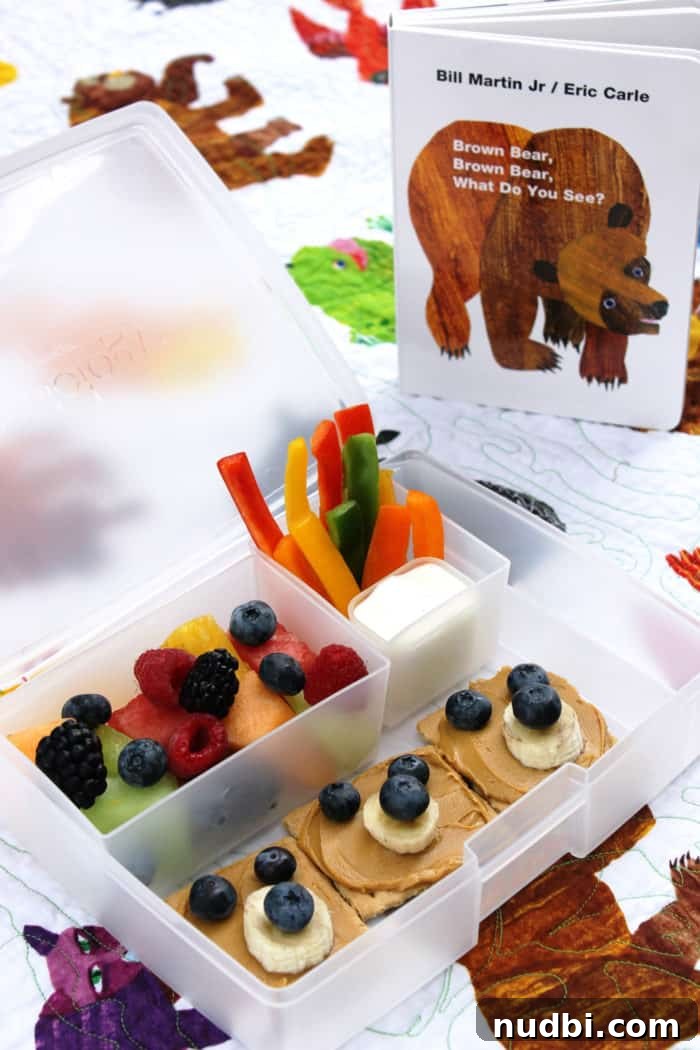
These seed butters are incredibly versatile. They can be spread on sandwiches, used as a dip for apple slices, celery sticks, or pretzels, or even incorporated into baking recipes. They provide a good source of protein and healthy fats, keeping kids feeling full and energized throughout their school day. When selecting seed butters, always check the label carefully to ensure they are processed in a dedicated nut-free facility to avoid cross-contamination. Many brands explicitly state their allergen-friendly status. Our Brown Bear, Brown Bear Bento Box recipe, for example, beautifully showcases how soy butter can be a big hit, offering a fun and safe meal solution.
Crafting Safe and Creative Trail Mixes
For many, trail mix is a go-to for a quick, healthy snack, but this category can be incredibly frustrating for those managing nut allergies. The vast majority of pre-packaged trail mixes contain peanuts, tree nuts, or are produced on shared equipment, making them unsafe due to the risk of cross-contamination. This challenge, however, presents a wonderful opportunity to get creative in the kitchen!
While the market for allergen-friendly products is growing, and brands like Enjoy Life’s no nuts!™ Seed and Fruit Mixes offer fantastic pre-made options, crafting your own nut-free trail mix is often the safest and most customizable route. The beauty of DIY trail mix lies in your complete control over the ingredients, allowing you to tailor it to your child’s preferences and ensuring every component is certified nut-free. Plus, it’s a fun activity to do together, letting kids pick their favorite safe ingredients.
**Ingredients for a Safe & Delicious Nut-Free Trail Mix:**
- Dried Fruits: Think colorful and chewy options like dried apricots, cranberries, raisins, dried cherries, apple rings, or even banana chips. They add natural sweetness and fiber.
- Safe Seeds: Sunflower seeds and pumpkin seeds (pepitas) are excellent, nutrient-dense choices. Ensure they are explicitly labeled as nut-free or processed in a nut-free facility. Chia seeds and flax seeds can also be incorporated for an added nutritional boost.
- Crunchy Delights: Small pretzels, crispy baked chickpeas, dried edamame, or even allergen-friendly oat-based cereals (like Cheerios, after checking ingredients) provide a satisfying crunch without the nuts.
- Sweet Treats (in moderation): Mini chocolate chips from allergen-friendly brands (e.g., Enjoy Life), yogurt-covered raisins (check ingredients for nuts), or small, safe candies can add a fun element that kids love.
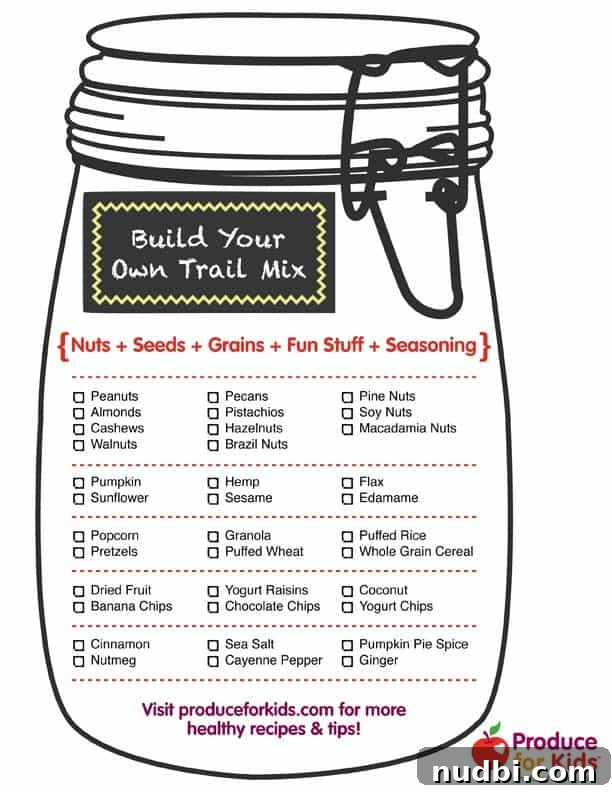
Remember to store your homemade trail mix in airtight containers to maintain freshness. Portioning them into small, individual bags can also make packing lunches quicker and easier throughout the week. Our Build Your Own Trail Mix guide offers even more inspiration and ideas for mixing up a batch of your own.
Pesto Perfection: A Nut-Free Twist
Discovering that pesto often contains nuts was a surprising revelation for me, and it’s a common oversight! Traditional pesto typically includes pine nuts, which are a type of tree nut. Since that discovery, I’ve made it a practice to avoid conventional pesto unless I can verify its ingredients or make it myself. Fortunately, enjoying the vibrant flavors of pesto doesn’t mean risking an allergic reaction; there are many delicious and simple nut-free alternatives.
Nut-free pestos are remarkably easy to prepare and often require just a handful of ingredients. The key is to substitute the pine nuts with safe seeds or to simply omit them, allowing the fresh herbs to shine. The texture can be maintained with other ingredients like grated Parmesan cheese (if dairy is tolerated), garlic, olive oil, and, of course, fresh basil.
**Nut-Free Pesto Variations:**
- Classic Basil with Seeds: Replace pine nuts with sunflower seeds or pumpkin seeds. These seeds provide a similar texture and a mild, nutty flavor without the allergens. Toasting them lightly before blending can enhance their taste.
- Spinach Pesto: Boost the nutritional content and add a lovely green hue by incorporating fresh spinach alongside or in place of some basil.
- Kale Pesto: For a more robust flavor and an extra dose of vitamins, kale pesto is an excellent choice. Blanching the kale briefly can help soften it and reduce any bitterness.
- Arugula Pesto: If your child enjoys a slightly peppery kick, arugula pesto offers a fantastic, sophisticated flavor profile.
- Broccoli Pesto: Steamed broccoli florets can be blended into a creamy, nutritious pesto, perfect for sneaking in extra vegetables.
Nut-free pesto is incredibly versatile. It can be tossed with pasta for a quick and flavorful meal, spread onto sandwiches or wraps, used as a base for pizzas, or even served as a dip for fresh vegetables. It’s a fantastic way to add a burst of fresh flavor to many dishes. Always remember to check store-bought pestos meticulously, as even those labeled “nut-free” might have cross-contamination warnings. Making it from scratch offers peace of mind. For inspiration, check out recipes like Nut Free Basil Pesto from Two Recipes and Spinach Basil Pesto from Two Peas and Their Pod.
Powering Up with High Protein Snacks
For active children, especially those who participate in sports or have busy schedules, providing consistent sources of protein is essential. Protein plays a crucial role in building and repairing tissues, sustaining energy levels, and helping children feel full and satisfied, which can improve concentration in school and performance during activities. In our household, with two very athletic boys, we are constantly seeking out healthy, high-protein snacks to keep them fueled through practices, games, and long school days.
One of our go-to combinations is fruit and cheese. This pairing is simple, delicious, and offers a good balance of protein, healthy fats, and carbohydrates. Grapes, apples, and melon wedges pair particularly well with various low-fat cheeses, like string cheese sticks, cheese cubes, or even slices of cheddar or mozzarella. The natural sweetness of the fruit complements the savory cheese, making it an appealing snack for kids.
**Diverse Nut-Free Protein Sources for Lunches and Snacks:**
- Dairy Delights: Beyond cheese, Greek yogurt is a fantastic protein powerhouse. Opt for plain varieties and let your child customize it with fresh fruit, a drizzle of honey, or a sprinkle of nut-free granola. Cottage cheese also offers a significant protein boost and can be enjoyed with fruit or vegetables.
- Legume Legends: Roasted chickpeas are a crunchy, savory snack that’s rich in protein and fiber. You can buy them pre-made (check labels for nut-free status) or easily roast them at home with your child’s favorite seasonings. Steamed or roasted edamame pods are another excellent legume-based protein source. Hummus, made from chickpeas, is a versatile dip that pairs wonderfully with veggie sticks, pita bread, or nut-free crackers.
- Egg-cellent Choices: Hard-boiled eggs are portable, easy to prepare in advance, and packed with high-quality protein. They make for a perfect grab-and-go snack or a valuable addition to a lunchbox.
- Meat & Fish (if applicable): For older children or those who prefer them, lean deli meat roll-ups (turkey, ham) or small portions of tuna salad (made with nut-free mayonnaise) can provide substantial protein. Serve with crackers or in a lettuce wrap.
- Seed Power: As mentioned before, pumpkin seeds and sunflower seeds can be enjoyed on their own as a snack or sprinkled over yogurt or salads for added protein and healthy fats.
For more specific guidance on ensuring adequate nutrition, especially for active kids, you might find our blog post on Healthy High-Calorie Snack Ideas for Underweight Kids helpful, as many of these nutrient-dense options are also excellent for protein needs. Ultimately, when in doubt, a combination of fresh fruits and vegetables remains the most reliable and healthiest default for healthy snacks and filling nut-free lunchboxes. For an abundance of further lunchbox inspiration and recipes, visit PowerYourLunchbox.com!
Beyond the Basics: More Nut-Free Lunchbox Creations
Ensuring variety in nut-free lunchboxes is key to keeping kids excited about their meals and ensuring they receive a broad range of nutrients. While seed butter sandwiches and fruit and cheese are excellent staples, there’s a whole world of delicious and safe options to explore.
**Sandwiches & Wraps Beyond the Classic:**
- Cream Cheese & Fruit Spread: A delightful and easy alternative. Use your child’s favorite fruit jam or fresh fruit slices with cream cheese on bread or a tortilla wrap.
- Hummus & Veggie Wraps: Spread a generous layer of nut-free hummus on a whole wheat tortilla, then add shredded carrots, cucumber sticks, bell pepper strips, or lettuce. Roll it up tightly and slice into pinwheels for a fun presentation.
- Turkey & Cheese Roll-Ups: Simple yet satisfying. Lay out slices of turkey and cheese, roll them up, and secure with a toothpick (for older kids) or pack them as is.
- Egg Salad Sandwiches: Made with hard-boiled eggs and nut-free mayonnaise, egg salad offers a good source of protein and can be served on bread or with crackers.
- “Deconstructed” Sandwiches: Sometimes, kids prefer to assemble their own. Pack bread, a container of sunbutter, and sliced banana separately.
**Creative “Deconstructed” Lunches:**
Bento box style lunches are perfect for nut-free environments, allowing you to pack a variety of small, appealing items. This approach minimizes the risk of cross-contamination and encourages kids to try different healthy foods.
- Cheese & Cracker Plate: Assortment of safe crackers, various cheese cubes or slices, and maybe some deli meat.
- Pasta Salad: Cold pasta tossed with your child’s favorite nut-free dressing (like Italian vinaigrette), cherry tomatoes, cucumber, olives, and small mozzarella balls.
- Chicken Salad: Use leftover cooked chicken, shredded, mixed with nut-free mayo, celery, and grapes. Serve with crackers or in a lettuce cup.
- “Lunchable” Style: Recreate the popular pre-packaged meal with safe ingredients: round nut-free crackers, slices of turkey or ham, and cheese cut into circles.
**Baked Goods & Sweet Treats (Nut-Free):**
Sweet treats are often a highlight in a lunchbox, and there are many safe options to include.
- Homemade Muffins: Bake banana, apple, pumpkin, or blueberry muffins, ensuring all ingredients (flour, oil, mix-ins) are nut-free. These are great for breakfast or a sweet lunchbox addition.
- Nut-Free Cookies: Oatmeal, chocolate chip, or sugar cookies made with safe ingredients. Look for recipes that don’t call for nut flours or extracts.
- Fruit Leather & Fruit Cups: Naturally sweet and easy to pack. Choose brands that are verified nut-free.
- Allergen-Friendly Bars: Many brands now specialize in nut-free granola bars or snack bars, such as MadeGood or Enjoy Life, which are excellent for convenience.
Essential Tips for Packing Safe Nut-Free Lunches
Beyond knowing what to pack, understanding how to prepare and handle nut-free lunches is critical to prevent accidental exposure and ensure a truly safe meal for your child and their classmates.
**Label Reading is Paramount:**
This cannot be stressed enough. Food manufacturers can change ingredients or processing facilities without notice. Always read every label, every time, for every item you pack. Look for clear “nut-free,” “peanut-free,” or “tree nut-free” statements. Be vigilant for advisory labels such as “may contain peanuts/tree nuts,” “processed on shared equipment,” or “made in a facility that also processes nuts” – these items should generally be avoided for strict nut-free environments.
**Preventing Cross-Contamination at Home:**
If your home is not entirely nut-free (e.g., other family members consume nuts), meticulous prevention of cross-contamination is vital. Designate specific cutting boards, utensils, and containers for nut-free foods. Thoroughly clean all surfaces, counters, and hands before preparing nut-free lunches. Store nut-free items separately from those that contain nuts.
**Communicating with the School:**
Open and clear communication with your child’s school is essential. Inform teachers, the school nurse, and any other relevant staff about your child’s allergies and the importance of nut-free policies. Understand the school’s specific allergy protocols, where your child will eat lunch, and how snacks are handled in the classroom.
**Empowering Your Child:**
Teach your child from an early age about their nut-free lunch. Educate them on the importance of not sharing food with others and not accepting food from classmates. Help them identify what foods are safe for them to eat and encourage them to speak up if they are unsure or feel uncomfortable. This self-advocacy is a powerful tool for their safety.
**Making it Fun:**
Packing nut-free lunches doesn’t have to be boring. Use cookie cutters to make fun shapes out of sandwiches or cheese. Incorporate colorful fruits and vegetables. Bento boxes with multiple compartments can make lunch feel like a special treat, encouraging kids to eat and enjoy their safe, healthy meals.
Navigating the world of food allergies, especially in a school setting, requires diligence, creativity, and a strong community effort. By embracing nut-free alternatives and implementing careful practices, we can ensure that every child has access to safe, delicious, and nutritious meals, allowing them to thrive in an inclusive and worry-free environment. There is a vast array of exciting nut-free options available, proving that safe lunches can be just as enjoyable and fulfilling as any other.
For more information, support, and comprehensive resources regarding food allergies in children, please visit trusted organizations such as Kids with Food Allergies or Allergy Kids. These organizations provide invaluable guidance for families managing allergies.
Additionally, consider products like Kid-e Tags, which are mom-invented emergency ID tags and safety products. These tags quickly relay vital information to adults, caregivers, or medical personnel in an emergency, making them an excellent safety tool for kids with food allergies or other medical conditions.