
We are delighted to partner with Julie Harrington, a distinguished registered dietitian and culinary nutrition chef, in an insightful monthly series dedicated to exploring the profound connection between food and overall health. Through this collaboration, we aim to equip you with valuable knowledge and share delectable, heart-healthy recipes designed to effortlessly integrate more fresh, wholesome produce into your daily diet.

Cardiovascular disease remains the leading cause of mortality in the United States, accounting for approximately one in four deaths. While these statistics can be concerning, the good news is that many cases are preventable. Adopting simple yet impactful lifestyle changes, such as embracing a nutrient-rich diet (featuring heart-friendly foods like watermelon!) and engaging in regular physical activity, can significantly reduce your risk of developing heart disease and its related complications.
In this comprehensive guide, we delve into the fundamental reasons why prioritizing heart health is paramount, explore the remarkable cardiovascular benefits offered by fresh watermelon, and provide innovative suggestions for pairing watermelon with other wholesome ingredients to create truly delicious and health-enhancing meals.
Why Prioritizing Your Heart Health Matters So Much
The heart is an extraordinary organ, functioning as the central pump of our circulatory system. Its tireless work ensures a continuous and steady flow of oxygen, vital nutrients, hormones, and essential cells to every corner of your body. From supporting brain function to fueling muscle activity and maintaining organ health, the heart’s performance directly impacts every aspect of your well-being. A healthy heart translates to higher energy levels, improved cognitive function, and a greater capacity to enjoy life to its fullest.
It’s a common misconception that heart health is only a concern for older adults. The truth is, it’s never too early or too late to begin nurturing your heart. Establishing heart-healthy habits at any age can serve as a powerful preventative measure against the onset of cardiovascular disease and substantially lower your lifetime risk of experiencing serious events like a heart attack or stroke. Investing in your heart today is an investment in a longer, healthier, and more vibrant future.
Cultivating a Heart-Healthy Diet: A Foundation for Wellness
Our dietary choices play an incredibly significant role in protecting and strengthening our hearts. There isn’t a single magical food or a quick-fix solution; instead, the secret lies in committing to balanced and sustainable eating habits over the long term. A truly heart-healthy diet emphasizes a diverse array of nutrient-dense foods, focusing on whole, unprocessed ingredients. Such a dietary pattern typically prioritizes:
- An abundance of fresh fruits and vibrant vegetables
- Wholesome whole grains over refined alternatives
- Lean sources of protein to support muscle and tissue repair
- Beneficial healthy fats that are crucial for various bodily functions
Conversely, a diet designed for optimal heart health consciously limits the intake of added sugars, excessive sodium, and unhealthy saturated and trans fats. The emphasis should always be on the overall dietary pattern and the synergy of nutrients, rather than fixating on a single food item or isolated nutrient. This approach isn’t about complicated rules or exotic ingredients; it’s about returning to the fundamental principles of simple, wholesome eating that have stood the test of time.

Practical Tips for Adopting a Heart-Friendly Eating Style:
- Embrace a Wider Array of Fruits and Vegetables. Diets rich in fruits and vegetables are intrinsically linked to superior cardiovascular health. This is primarily due to their high fiber content, which aids in cholesterol management, and their powerful antioxidant compounds, which combat oxidative stress and inflammation – key contributors to heart disease. Remember the adage: “eat the rainbow.” This isn’t a whimsical suggestion but a practical guide to ensure you’re consuming a broad spectrum of vitamins, minerals, and phytonutrients. Each color signifies different beneficial compounds. Need some recipe inspiration to make this delicious? We’ve got you covered!
- Make the Switch to Whole Grains. Unlike refined grains, which are stripped of their most nutritious parts during processing, whole grains retain the entire grain kernel – including the bran, germ, and endosperm. This means they deliver a significantly richer profile of nutrients. Opting for whole grain alternatives for items like bread, pasta, and rice provides a robust source of dietary fiber (both soluble and insoluble), essential B vitamins (crucial for energy metabolism), vitamin E (a potent antioxidant), and even beneficial healthy fats. Fiber, in particular, helps lower cholesterol levels and maintain stable blood sugar. Try our Salsa Chicken with Black Bean Quinoa for a delicious whole-grain meal.
- Prioritize Healthy Fats. Not all fats are created equal. The focus for heart health should be on unsaturated fats, which include monounsaturated and polyunsaturated fats. These fats can help improve cholesterol levels and reduce inflammation. Simple swaps can make a big difference: substitute butter with heart-friendly olive oil or avocado oil for cooking, replace mayonnaise with creamy avocado in sandwiches, and choose nutrient-dense nuts and seeds over processed chips for snacking. Excellent sources of healthy fats also include fatty fish like salmon, and flaxseeds.
- Unleash the Power of Spices and Herbs. Excessive sodium intake is a major concern for heart health, as it can lead to elevated blood pressure (hypertension), a significant risk factor for heart disease and stroke. Instead of relying heavily on salt for flavor, explore the incredible depth and complexity that spices and herbs offer. Delve into your spice cabinet and experiment with a variety of dried herbs like oregano, basil, thyme, rosemary, or spices such as cumin, paprika, garlic powder, and onion powder. Fresh herbs like parsley and cilantro also add vibrant flavor without the sodium. This culinary exploration not only benefits your heart but also elevates the taste of your home-cooked meals.
Interesting Fact: The primary role of salt in cooking is to enhance and amplify the inherent flavors of other ingredients within a dish, not to be the sole or dominant seasoning agent. Using it strategically allows other flavors to shine.
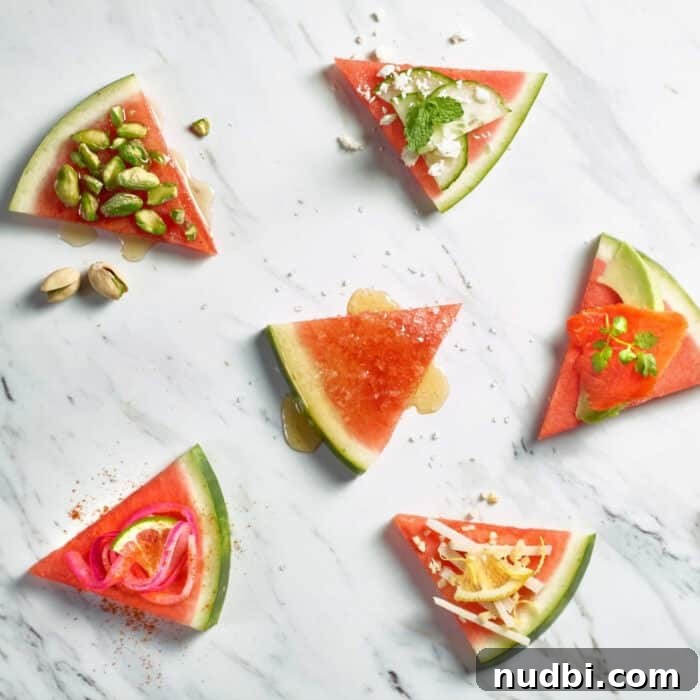
Unveiling the Remarkable Heart-Healthy Benefits of Watermelon
Watermelon is not just a refreshing treat; it’s a nutritional powerhouse for your heart. It proudly holds the esteemed American Heart Association Heart-Check Certification, a testament to its cardiovascular benefits. Beyond this recognition, watermelon naturally contains a wealth of nutrients vital for maintaining robust cardiac health. Key among these are magnesium (providing approximately 6% of the Daily Value per serving), which plays a crucial role in regulating a steady heart rhythm and muscle function, and phosphorus (around 2% DV), essential for the electrical activity that powers every heartbeat. Furthermore, watermelon is a good source of potassium, another electrolyte critical for blood pressure regulation, helping to counteract the effects of sodium and promote healthy fluid balance.
Good to Know: Watermelon is naturally cholesterol-free, fat-free, and sodium-free. With only about 80 calories per 2-cup serving, it offers substantial hydration and nutrients without the unwanted additions, making it an ideal snack for weight management and heart health.
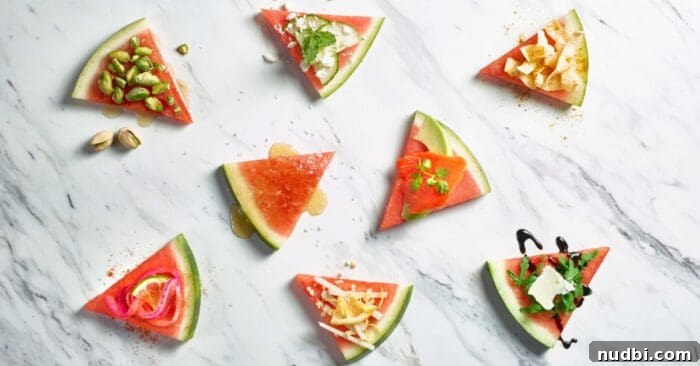
One of the most exciting and actively researched areas regarding watermelon’s benefits is the significant role of lycopene. This powerful carotenoid, responsible for watermelon’s vibrant red hue, is found abundantly in watermelon (with about 12.7 milligrams per 2-cup serving) and other red produce like tomatoes. Lycopene is a potent antioxidant known for its ability to combat free radicals and reduce oxidative stress throughout the body. Studies have explored its potential to positively impact cardiovascular health, particularly in helping to reduce blood pressure in individuals with prehypertension or diagnosed hypertension. While initial findings are promising, it’s important to note that further extensive research involving larger sample sizes and longer study durations is necessary to fully ascertain the clinical implications and confirm whether consuming watermelon consistently will yield the same definitive blood pressure-lowering results in the general population.
Beyond lycopene, watermelon is also a good source of Vitamin C, another antioxidant that supports immune health and plays a role in collagen formation, which is crucial for blood vessel integrity. Its high water content (over 90%) contributes significantly to hydration, which is essential for maintaining blood volume and optimal cardiovascular function. The synergistic effect of these nutrients makes watermelon a truly valuable addition to any heart-conscious diet.
Creative Pairings: Enhancing Watermelon with Other Heart-Healthy Ingredients
Good news for watermelon lovers: it’s always watermelon season somewhere in the world! Thanks to diverse climates and efficient distribution networks, this refreshing fruit is readily available year-round, from the fields of the U.S. to Mexico. While the word “watermelon” often evokes images of carefree summer days—family barbecues, relaxing beach outings, and vibrant seasonal gatherings—the reality is that its accessibility extends far beyond a single season. This continuous availability ensures that you can always enjoy its hydrating benefits and sweet flavor.
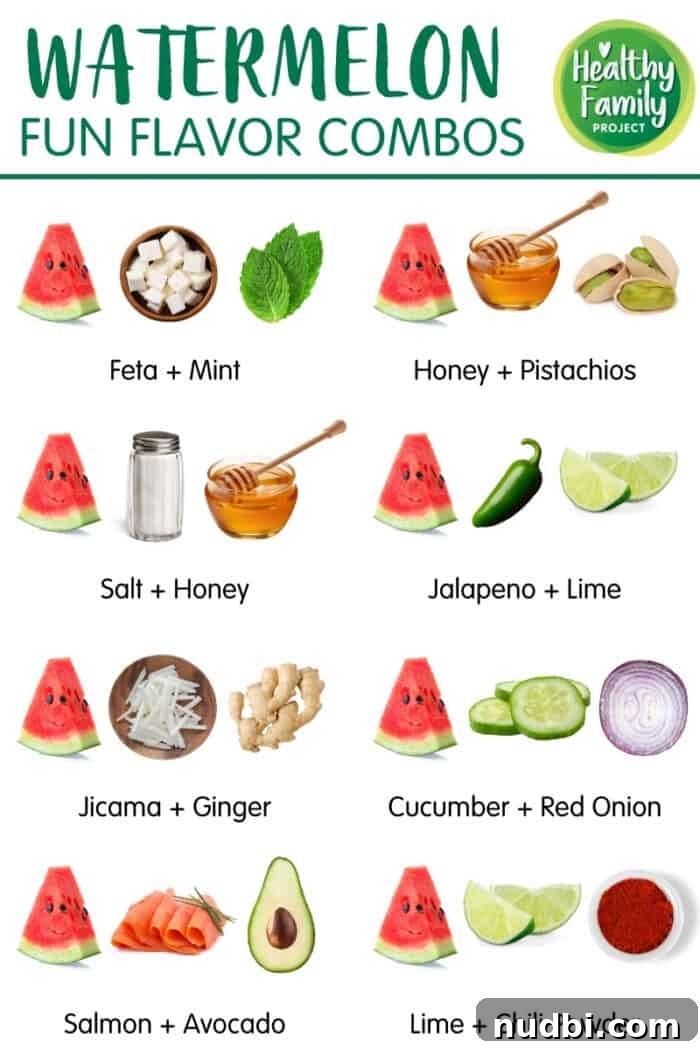
While delicious on its own, watermelon’s versatility truly shines when paired with other heart-healthy ingredients. Its juicy, sweet profile can be beautifully balanced and enhanced by contrasting flavors. Experiment with these exciting combinations to tantalize your palate and boost your nutrient intake:
Cheese: A Savory Counterpart
Incorporating small amounts of certain cheeses can introduce a delightful savory and salty dimension that beautifully complements watermelon’s sweetness. Opt for fresher, less processed cheeses in moderation for the best heart-healthy approach.
- Watermelon + Arugula + Parmesan + Balsamic Glaze: A refreshing salad that balances sweet, peppery, salty, and tangy notes. Arugula adds nitrates that support blood vessel health.
- Watermelon + Feta + Fresh Mint or Basil: This classic combination offers a Mediterranean flair. Feta, used sparingly, provides a salty counterpoint, while mint and basil offer antioxidants and fresh aroma.
- Watermelon + Goat Cheese + Cherry Tomatoes: A creamy, tangy goat cheese with the sweetness of watermelon and the umami of tomatoes creates a sophisticated appetizer. Tomatoes bring additional lycopene.
Honey: A Natural Sweetness Enhancer
For those who love an extra touch of sweetness, a light drizzle or dip of honey can elevate watermelon’s natural sugars, while providing trace antioxidants.
- Watermelon + Honey + Pistachios: The crunch and healthy fats from pistachios provide texture and nutritional depth. Pistachios are known for their heart-healthy monounsaturated fats.
- Watermelon + Honey + Lemon Juice: A bright and refreshing combination, perfect for a light dessert or snack. Lemon adds Vitamin C and a zing.
- Watermelon + Honey + A Tiny Pinch of Salt: The salt helps to awaken and intensify the sweetness of both the watermelon and honey, creating a more complex flavor profile.
Salt: The Flavor Awakener (Used Thoughtfully)
While we advocate for reducing sodium, a judicious sprinkle of salt can indeed enhance the natural sweetness and overall flavor of watermelon, making it taste even more vibrant. The key is moderation.
- Watermelon + A Delicate Sprinkle of Sea Salt: A simple trick to bring out watermelon’s inherent sweetness.
- Watermelon + Salt + Honey: A layered approach where salt amplifies sweetness, as mentioned above.
- Watermelon Margarita with a Salted Glass Rim: For an occasional treat, a subtly salted rim can perfectly complement a fresh watermelon margarita, providing a delightful sensory experience.
Spice: Adding a Fiery Zing
Introduce an exciting contrast to watermelon’s sweetness with a touch of heat. Spices, many of which possess anti-inflammatory properties, can add an unexpected and delicious twist.
- Watermelon + Jalapeño + Lime: The spicy kick of jalapeño and the tartness of lime create an invigorating and surprisingly harmonious blend. Lime adds Vitamin C.
- Watermelon + Red Onion + Lime + Chili Powder: This combination forms a dynamic salsa, perfect for grilling or as a vibrant side dish. Red onion provides quercetin, an antioxidant.
Citrus: Brightening with Acidic Notes
Citrus fruits, rich in Vitamin C and natural acids, add a refreshing brightness and a tangy counterpoint to watermelon, awakening the palate.
- Watermelon + Lime + Poppy Seeds: A visually appealing and flavorful salad, with poppy seeds adding a delicate crunch and healthy fats.
- Watermelon + Jicama + Ginger + Lemon: Jicama offers a crisp texture and fiber, while ginger provides anti-inflammatory benefits, all uplifted by fresh lemon juice.
- Watermelon Lemonade: A classic, hydrating beverage that perfectly marries the sweetness of watermelon with the tartness of lemon.
Other Fruits & Veggies: Synergistic Freshness
Pairing watermelon with other hydrating and nutrient-rich fruits and vegetables creates salads and snacks bursting with flavor and health benefits.
- Watermelon + Cucumber: A supremely refreshing duo, ideal for hot days. Cucumber offers additional hydration and subtle flavor.
- Watermelon + Cantaloupe + Fresh Mint: A vibrant fruit salad, combining two melons for varied textures and flavors, enhanced by aromatic mint.
- Watermelon + Cucumber + Red Onion: A savory salad base that can be dressed simply with a light vinaigrette.
Salmon: The Omega-3 Powerhouse
Salmon, renowned for its high content of omega-3 fatty acids, offers its own array of significant heart-healthy benefits. Integrating it with watermelon creates unique and nutritious meal options.
- Watermelon + Avocado + Smoked Salmon + Cilantro: A sophisticated and nutrient-dense combination. Avocado provides healthy monounsaturated fats, and smoked salmon delivers omega-3s.
- Grilled Salmon with Watermelon Salsa: The sweet and spicy notes of watermelon salsa beautifully complement the richness of grilled salmon, making for a light yet satisfying meal.
- Salmon Watermelon Sliders: Innovative mini-sandwiches featuring lean salmon and fresh watermelon slices for a burst of flavor and nutrition.

Craving More Watermelon Inspiration? Explore These Delightful Recipes:
- Watermelon Cucumber Smoothie: A hydrating and invigorating blend, perfect for a quick breakfast or post-workout refreshment.
- Holiday Watermelon Snack Board: An appealing and healthy centerpiece for any gathering, showcasing watermelon’s versatility.
- Baked Fish Tacos with Watermelon Rind Slaw: An innovative recipe that utilizes the often-discarded watermelon rind, adding a unique texture and flavor to your tacos.
- Watermelon Rind BBQ Sauce: A surprisingly delicious and sustainable way to add a sweet and tangy twist to your BBQ favorites.
- Watermelon Salsa: A fresh, vibrant salsa that pairs wonderfully with grilled meats, fish, or as a dip for healthy whole-grain chips.
Disclaimer: Before embarking on any significant health or dietary modifications, we strongly advise consulting with your doctor or a qualified healthcare professional. The information shared within our Food Rx series is intended solely for educational and informational purposes and should never be considered a substitute for personalized medical advice or treatment from your physician.
By engaging with this content and making these recipes, you’re not only creating delicious meals but also actively contributing to a meaningful cause. This post, along with other valuable content featuring our esteemed brand partners like the National Watermelon Promotion Board, plays a vital role in funding donations to Feeding America food banks. In 2023, the challenge of food insecurity impacted an estimated 47 million individuals in the U.S.—roughly 1 in 7 Americans, according to Feeding America’s reports. Since 2014, Healthy Family Project has proudly facilitated the provision of 22 million meals through our dedicated partnerships. Your readership and support are instrumental in sustaining these crucial donations, and for that, we extend our sincerest gratitude!