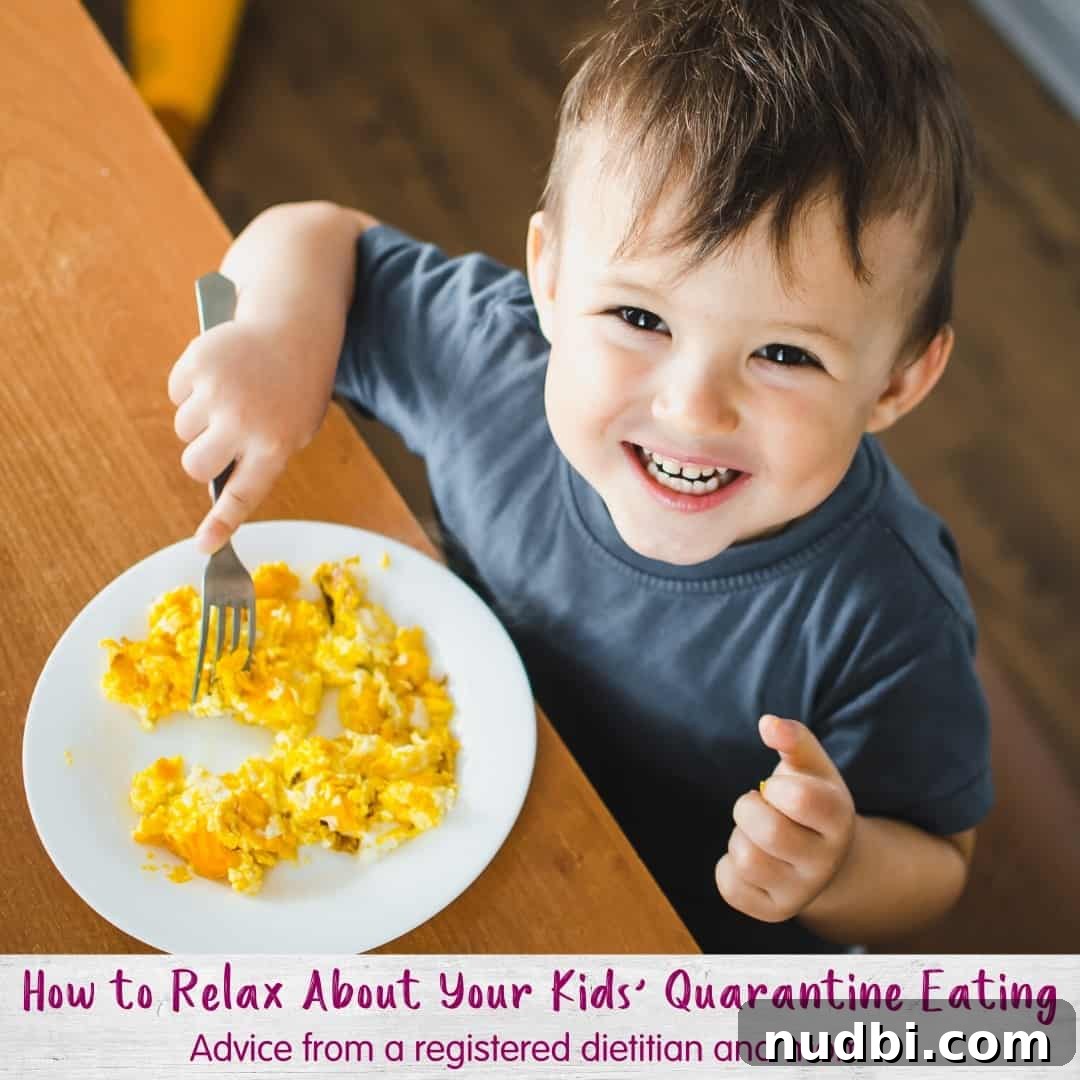
In an era where home life has taken on new dimensions, many families find their daily rhythms, especially eating habits, have undergone significant shifts. Amidst this unprecedented change, Sally, a dedicated mom and registered dietitian, offers a refreshing perspective. Her message is one of solidarity and understanding, aiming to reassure parents that they are not alone and to provide practical, compassionate guidance for ensuring their little ones remain both relaxed and well-nourished during these challenging times.

Navigating Kids’ Eating Habits During Challenging Times: A Parent’s Compassionate Guide
As parents, we constantly strive to provide the best for our children, and their nutrition often sits at the top of that list. Yet, in times of global disruption and increased stress, the delicate balance of healthy eating can feel impossible to maintain. You might find yourself grappling with internal conflict, knowing there are grander concerns to occupy your thoughts, but simultaneously wincing as your child reaches for yet another bowl of instant macaroni and cheese, or feeling a pang of guilt over the prevalence of homemade cookies replacing fresh vegetables in their diet. This common struggle highlights a universal truth: the current crisis isn’t just reshaping our external world; it’s profoundly influencing the very fabric of our daily lives, including our family’s relationship with food.
The impact of recent global events on our eating patterns is undeniable. Families may find themselves increasingly reliant on convenience foods due to limited access to grocery stores, reduced shopping trips, or simply the sheer exhaustion of managing a household under pressure. The comforting familiarity of certain foods often takes precedence over culinary exploration, leading to a rotation of beloved but perhaps less varied meals. For many children, this translates into a steady diet of microwavable chicken nuggets or other easy-to-prepare options, sparking worry in parents about the long-term effects on their children’s health and dietary habits. It’s natural to question if these temporary shifts could cause permanent damage, or to feel as though you’re failing in your fundamental role of nurturing your children. But instead of succumbing to self-blame, consider adopting a more understanding and strategic approach:
Embrace Grace: Acknowledging Stress and Comfort
This period is marked by unprecedented levels of stress and uncertainty, and every member of the family, from the youngest to the oldest, is feeling its weight. In such times, comfort food serves a vital purpose: it provides solace, a sense of security, and a much-needed emotional anchor. There’s a deep psychological connection between familiar tastes and feelings of well-being. When the world outside feels chaotic, turning to foods that evoke warmth and happiness is a natural human response. Instead of viewing this as a dietary setback, frame it as a coping mechanism—a way for your children, and indeed for you, to find a sense of calm amidst the storm. Grant yourself and your children the grace to navigate this period with understanding. Prioritize emotional well-being over strict dietary adherence, recognizing that a child who feels loved, safe, and heard is better equipped to handle challenges, regardless of their latest meal choice. Remember, mental health is just as crucial as physical health, and sometimes, a comforting meal can be a powerful tool for emotional support.
Perspective is Key: This Too Shall Pass
While the duration of the current situation remains uncertain, one thing is clear: it will not last forever. This phase, with its unique challenges and adaptations, is temporary. This understanding can be incredibly liberating for parents. When the immediate pressures begin to ease, when grocery shopping becomes less of a logistical puzzle, and when the overall stress levels in society diminish, there will be ample opportunity to reintroduce a wider variety of foods and gradually revert to your family’s usual eating habits. Children are remarkably resilient, and their dietary patterns are often more flexible than we give them credit for. A temporary reliance on a narrower range of foods will not permanently derail their long-term health or develop ingrained poor habits. Focus on the present, do what you can, and trust that as circumstances improve, so too will the ease with which you can encourage diverse and balanced eating. The goal isn’t perfection right now, but rather sustainable progress and a healthy relationship with food in the long run.
Do Your Best: Maximizing Nutrition with Available Resources
The importance of fruits and vegetables for overall health is undisputed. However, the definition of “best” needs to be flexible during challenging times. It’s crucial to remember that frozen and canned fruits and vegetables are packed with just as much nutritional value as their fresh counterparts, often even more so due to being processed at peak ripeness. These pantry staples can be lifesavers when fresh produce is scarce or expensive. Get creative! Incorporate frozen berries into smoothies, add canned tomatoes to sauces, or toss frozen peas into almost any dish. There will inevitably be days when getting a significant amount of fresh produce into your children’s diet simply isn’t feasible. On those days, don’t despair. As a seasoned parent, I often find that when my kids need a powerful infusion of nutrients, blending whatever frozen fruit we have on hand with some milk and yogurt creates a delicious and nutrient-dense smoothie that can be served alongside dinner, or even as a standalone snack. This flexible approach ensures that even on the most challenging days, you’re still providing essential vitamins and minerals, proving that “doing your best” is often about adaptability and smart substitutions.
Cherish Family Meals: Building Connection and Resilience
One silver lining of spending more time at home is the unexpected opportunity for more frequent family meals. With fewer external commitments—no rushing to sports practices, school events, or late nights at the office—families can truly gather around the table. While some days this increased togetherness might feel overwhelming, the myriad benefits of shared meals for children are profound, spanning physical, social, and emotional development. During times of uncertainty, when children may be feeling anxious, confused, or sad, family meals provide a vital sense of routine, stability, and connection. They offer a safe space for open communication, allowing children to express their feelings and feel heard. These moments foster stronger family bonds, enhance language development, and even improve academic performance. Beyond the nutritional aspect, family meals are an invaluable opportunity to create lasting memories and cultivate a supportive environment where children learn to process their emotions and build resilience. Make these meals a non-negotiable part of your daily routine, even if it’s just for breakfast or lunch, and watch the positive impact unfold.
Transform the Kitchen into a Home-Ec Classroom
With extra time at home, consider transforming your kitchen into a dynamic learning environment. This is a perfect opportunity to engage children in cooking and baking, regardless of their prior experience or enthusiasm. Think of it as the “home-ec” component of their distance learning, a practical education that extends far beyond the textbook. Involving children in meal preparation offers a wealth of benefits: they build essential life skills such as reading recipes, understanding measurements, developing fine motor skills through chopping (with supervision, of course!), and even learning basic food safety. It’s an excellent way to introduce them to different ingredients, cultivate an appreciation for where food comes from, and foster a healthier relationship with what they eat. The beauty of this approach during a less structured time is the absence of pressure to rush dinner or worry excessively about creating extra messes – there’s plenty of time to clean up together! From simple tasks like washing vegetables to more complex ones like assembling a pizza, every step contributes to their kitchen confidence and independence. This shared activity isn’t just about the food; it’s about collaboration, problem-solving, and creating joyful memories together.
Empower Through Independence: Fostering Healthy Food Choices
For parents working from home, it’s inevitable that children will need to be more self-sufficient than usual, including managing some of their own meals and snacks. This increased autonomy, while sometimes leading to less-than-ideal food choices (think a heavy rotation of those microwavable chicken nuggets), is an important developmental step. Embracing this independence is crucial for helping children build self-reliance and develop a healthy, informed relationship with food. It offers them an opportunity to practice decision-making, understand the consequences of their choices, and learn about their own hunger and satiety cues. While you might not always approve of every single snack or meal choice, allowing them agency within reasonable boundaries teaches them critical life skills. Instead of rigid control, aim for guidance and education. Stock your pantry with a variety of healthy, easy-to-access options, and let them choose from those. This approach fosters a sense of responsibility and encourages them to listen to their bodies, ultimately leading to more mindful eating habits in the long run. Remember, the journey to becoming an independent eater is filled with learning curves, and every choice, even the less perfect ones, contributes to their growth.
Ultimately, navigating your children’s eating habits during these turbulent times requires patience, compassion, and a healthy dose of flexibility. Release the pressure of perfection and focus on the bigger picture: ensuring your children feel secure, loved, and adequately nourished, both physically and emotionally. By granting grace, maintaining perspective, adapting your approach to nutrition, cherishing family connections, involving children in the kitchen, and fostering their independence, you’re not just getting through this period; you’re building a stronger, more resilient family unit. You’re doing an amazing job. Keep going!