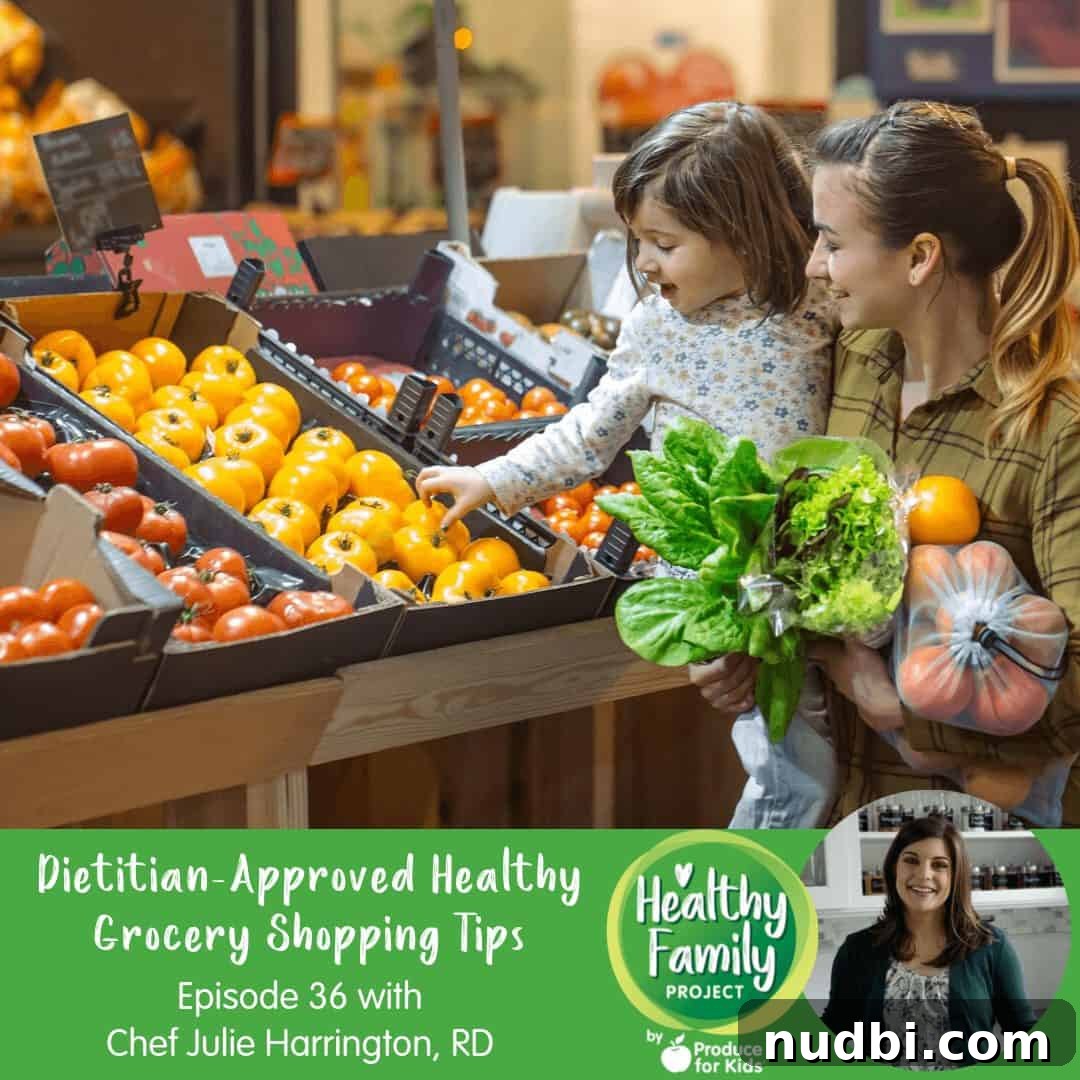
Mastering Healthy Grocery Shopping: Unlocking Smart Choices Beyond the Perimeter
Are you looking to make healthier choices at the grocery store but feel overwhelmed by conflicting advice? The common wisdom often dictates “shop only the perimeter” for fresh produce, dairy, and meat. While these sections are undoubtedly vital, limiting your focus can mean missing out on a wealth of nutritious and convenient options found throughout the entire store. In this insightful guide, drawing inspiration from a recent episode of the Healthy Family Project podcast, we dive deep with registered dietitian, chef, and author, Julie Harrington, to transform your grocery shopping experience. Get ready to debunk myths, learn powerful nutrition label hacks, and discover efficient strategies that will empower your family to eat well without compromise.
Meet Julie Harrington: Your Guide to Confident Cooking and Smarter Shopping
Julie Harrington, RD, brings a unique blend of culinary expertise and nutritional science to the table. With a degree in culinary nutrition from Johnson and Wales University, she bridges the gap between delicious food and wholesome eating. Her journey began as a retail dietitian, working directly within grocery stores to guide shoppers, making her an authority on navigating aisles effectively. Today, as a consultant, she dedicates herself to helping individuals and families gain confidence in the kitchen, believing that mastering culinary skills is key to preparing nourishing meals at home. Julie is also the author of The Healing Soup Cookbook, a collection of hearty recipes designed to boost immunity and restore health. Her passion extends to teaching culinary classes for kids, fostering healthy eating habits from an early age, and challenging the “one-size-fits-all” approach to nutrition. Julie emphasizes that individual tastes, preferences, and kitchen tools all play a role in creating a sustainable, enjoyable approach to food.
Debunking the “Perimeter Only” Myth: Healthy Choices Throughout the Aisles
For too long, the advice to “only shop the perimeter” has been ingrained in the minds of health-conscious shoppers. While the fresh produce, dairy, and meat sections are indeed cornerstones of a balanced diet, this restrictive mindset overlooks a vast array of equally healthy and often more convenient options found in the center aisles. Julie Harrington passionately debunks this myth, advocating for a holistic approach to grocery shopping. She asserts that a healthy diet encompasses more than just fresh ingredients; it includes shelf-stable, frozen, and minimally processed items that can significantly contribute to your family’s nutrition and ease your meal preparation.
Exploring the Aisles: Hidden Gems for a Wholesome Diet
Stepping beyond the perimeter opens up a world of possibilities. Here’s a breakdown of where to look for nutritious finds:
- Canned and Frozen Produce: Your Year-Round Solution: Don’t underestimate the power of canned and frozen fruits and vegetables. Frozen produce, in particular, is flash-frozen at its peak ripeness, locking in nutrients comparable to fresh options. Look for single-ingredient items like frozen broccoli florets or mixed berries without added sauces or sugars. Canned options like diced tomatoes, corn, or pears can be incredibly convenient, especially during off-seasons or for emergency meal prep. Always opt for low-sodium or no-salt-added canned vegetables and fruits packed in water or their own juice to minimize unnecessary additives.
- Whole Grains: Fueling Your Family: The perimeter typically offers limited whole grain options, usually just fresh bread. However, the center aisles are a treasure trove. Seek out whole grain cereals, whole-wheat pasta, brown rice, quinoa, farro, and oats. These provide essential fiber, vitamins, and minerals, contributing to sustained energy and digestive health. Reading labels carefully to ensure “whole grain” is listed as the primary ingredient is key.
- Lean Proteins: Accessible and Affordable: While fresh meat and seafood are excellent, the center store offers fantastic, often more budget-friendly, protein sources. Canned salmon and tuna are packed with omega-3 fatty acids and can be easily incorporated into salads, sandwiches, or homemade patties. Beans and legumes, whether canned or dried, are plant-based powerhouses, rich in protein and fiber. Stocking up on these items provides versatile meal solutions, from chili and soups to quick wraps and stir-fries.
- Healthy Fats: Essential for Well-being: Your cooking oils, nuts, seeds, and nut butters are typically found in the center aisles. Olive oil, avocado oil, and other healthy cooking fats are crucial for nutrient absorption and overall health. Nuts and seeds offer healthy fats, protein, and fiber, making them ideal for snacks or additions to meals. Peanut butter and almond butter are versatile spreads, providing sustained energy. Always check labels for minimal added sugars and unhealthy oils.
- The Nuance of “Processed” Foods: Julie emphasizes rethinking our perception of “processed.” Not all processed foods are unhealthy. Canned beans are processed for convenience (cooked, canned) but remain highly nutritious. The distinction lies in highly processed items with excessive added sugars, unhealthy fats, and artificial ingredients. Minimally processed foods, designed for convenience, can significantly aid busy families in preparing healthy meals.
Decoding Nutrition Labels: Your Cheat Sheet for Smarter Choices
Navigating nutrition labels can feel like deciphering a complex code, especially when faced with a screaming toddler or a limited time budget. Julie Harrington provides practical “hacks” to simplify this process, ensuring you make informed decisions quickly and confidently:
- Start with Serving Size: This is the foundation of the entire label. All nutrient information is based on this amount. Be mindful that if you consume more than one serving, all values will increase proportionally. This initial check helps you accurately understand your intake.
- Utilize the Percent Daily Value (%DV): Instead of getting lost in milligrams or grams, focus on the %DV.
- 5% DV or less per serving is considered a low amount of a nutrient.
- 20% DV or more per serving is considered a high amount.
This simple rule quickly tells you if a product is high or low in sodium, saturated fat, or fiber without complex calculations.
- Watch Out for Added Sugars: The updated nutrition labels now specifically list “Added Sugars.” This is crucial as natural sugars (from fruit, dairy) are different from sugars added during processing. Aim to minimize added sugars for overall health.
- Sodium Savvy: Most dietary sodium comes from packaged foods. Use the %DV rule for sodium. Additionally, remember Julie’s “mind-blowing” fact: 2,400 milligrams of sodium (a common daily recommendation limit) is equivalent to just one teaspoon of salt! This visual helps put high-sodium products into perspective.
- Understand Fats: Don’t just look at “Total Fat.” Dive deeper:
- Saturated and Trans Fats: Aim to limit these. Trans fats should ideally be zero.
- Unsaturated Fats: These are heart-healthy fats (monounsaturated and polyunsaturated). If total fat is high but saturated and trans fats are low, the product likely contains beneficial unsaturated fats.
- Don’t Fear Long Ingredient Lists (Always Read Them!): A common myth is that short ingredient lists are always better. Julie challenges this, explaining that a long list of wholesome ingredients (like various herbs, spices, or vegetables) can be perfectly fine. The key is to understand what the ingredients are. Ingredients are listed in descending order by weight, so if sugar or unhealthy oils are at the very beginning, that’s a red flag. If you see unfamiliar words, a quick search or asking a dietitian can clarify if it’s a harmless preservative (like citric acid for vitamin C) or something to avoid.
Grocery Shopping Efficiency: Plan Ahead or ‘Wing It’ Successfully
Efficient grocery shopping saves time, reduces stress, and prevents impulsive, less healthy purchases. Julie Harrington offers two distinct approaches, acknowledging that not everyone has the same schedule or organizational style:
The ‘Plan Ahead’ Approach:
This method is ideal for those who thrive on organization and want to maximize savings:
- Check Store Circulars and Digital Ads: Before you even leave home, browse your local grocery store’s weekly flyer or digital app. Identify sales, BOGOs (Buy One, Get One free), and digital coupons. This allows you to plan your meals around discounted items, saving money.
- Create a Detailed Meal Plan: Based on the sales and your family’s preferences, map out your meals for the week. This helps you create a precise shopping list, preventing unnecessary detours and impulse buys. If mushrooms are on BOGO, plan a mushroom stir-fry or a hearty soup to utilize them.
- Categorize Your Shopping List: Organize your list by store sections (produce, dairy, pantry, frozen) to streamline your trip. This prevents backtracking and ensures a smooth flow through the store.
The ‘5-4-3-2-1 Wing It’ Method:
For those weeks when planning feels impossible, Julie’s ingenious “5-4-3-2-1” method provides a flexible, yet structured approach:
- 5 Snacks: Choose five healthy snacks for the week (e.g., yogurt, fruit, nuts, whole-grain crackers, cheese sticks).
- 4 Fruits: Pick four different fruits (e.g., apples, bananas, berries, oranges).
- 3 Vegetables: Select three different vegetables (e.g., spinach, carrots, bell peppers).
- 2 Healthy Fats: Grab two sources of healthy fats (e.g., olive oil, avocado, nut butter).
- 1 Fun Food: Allow yourself one “fun food” or treat.
This method ensures a balanced cart with a variety of nourishing options, even without a strict meal plan. It empowers you to adapt to sales or spontaneous finds, trusting your ability to create meals with the ingredients you’ve gathered. This approach works best for those who feel confident improvising in the kitchen.
Engaging Your Family in Grocery Shopping
Grocery shopping can be a family affair, turning a chore into an educational and interactive experience. Instead of battling a distracted child, involve them! Give older children tasks like finding digital coupons or searching for specific items. For younger kids, turn it into a scavenger hunt: “Can you find the red apples?” or “What color is this broccoli?” This engagement not only makes the trip more enjoyable but also helps children learn about food and healthy choices. Consider making it a special “date night” with a child, perhaps enjoying a meal in the store’s food court before leisurely shopping together, as one mom shared with Julie.
Healthy Bites Spotlight: Watermelon Rind Slaw and Selection Tips
In a delightful segment, the Healthy Family Project team, supported by the National Watermelon Promotion Board, showcased an innovative way to reduce food waste and infuse new flavors into your meals: Baked Fish Tacos with Watermelon Rind Slaw! This crunchy, refreshing slaw utilizes the often-discarded watermelon rind, proving that deliciousness and sustainability can go hand-in-hand. Simply peel the green outer layer, and the white rind can be thinly sliced or grated for a unique addition to salads, slaws, or even pickles.
And for those wondering how to pick the perfect watermelon every time, here are quick tips from the experts:
- Feel the Weight: A ripe watermelon should feel heavy for its size, indicating it’s full of water and juicy.
- Look for the Field Spot: Check the underside for a creamy yellow spot. This “field spot” shows where the watermelon rested on the ground and indicates it’s ripe and sweet.
With these simple tricks, you’ll be selecting sweet, juicy watermelons like a pro, ready for your next innovative recipe!
What Does a ‘Healthy Family’ Truly Mean?
When asked what being a “healthy family” signifies, Julie Harrington offered a beautiful, holistic perspective that extends far beyond just diet. For her, it revolves around core values:
- Open Communication: Fostering an environment where family members can openly share, listen, and support each other.
- Enjoying Meals Together: Despite busy schedules, making time to share meals, even if it’s a picnic on a soccer field. These moments create strong bonds and positive associations with food.
- Spending Quality Time: Engaging in activities together, whether it’s playing games, laughing, or simply being present. This emphasis on connection highlights that emotional and mental well-being are as crucial as physical health.
A healthy family, in essence, is one that prioritizes connection, support, and shared experiences, finding joy and nourishment in all aspects of life, not just the food on their plates.
Dive Deeper with Healthy Family Project Resources
The Healthy Family Project is committed to providing families with the resources and inspiration needed to cultivate healthier lifestyles. We encourage you to explore our various platforms for more tips, recipes, and community support:
- Subscribe to Our E-Newsletter: Get healthy recipe inspiration, our latest blog posts, and more delivered directly to your inbox each week. Sign up here!
- Join Our Facebook Group: Connect with other parents and caregivers in our private Healthy Family Project Facebook group. This safe space is perfect for discussing everything from picky eaters to family fitness and mental health.
- Listener Survey: Your feedback helps us create the best content! Please take 5 minutes to complete our listener survey.
Related Insights & Further Reading:
- Connect with Julie on her website, Instagram, and snag a copy of her book!
- Grocery Shopping Hacks to Save Money on Fresh Produce
- 5 Tips for Grocery Shopping on a Budget
- Navigating the Frozen Aisle at the Grocery Store
More from the Healthy Family Project Podcast:
- Ep10: Shopping Tips from a Grocery Store Dietitian
- Ep14: Why You Should Grocery Shop with Kids
- Ep27: Grocery Shopping on a Budget
Listen to the Full Episode Here!
Ready to hear all the fantastic insights directly from Julie Harrington? Tune into the full podcast episode below. We recommend listening all the way through for a dose of fun and valuable information!
- 1:50 Welcome, Julie!
- 5:33 Where to look for healthy options in the grocery store
- 12:07 Is there a perfect ratio of fresh vs packaged food?
- 14:37 Tips for reading nutrition labels
- 21:06 Healthy Bite from the National Watermelon Promotion Board
- 24:11 How to make grocery shopping more efficient
- 30:46 What does a “Healthy Family” Mean?
Connect with Us & Our Mission
The Healthy Family Project Podcast offers bi-weekly conversations covering hot topics in health, food, and family, always with a dose of fun. Our mission is to help families smoothly transition into a fresh and healthy lifestyle. Don’t miss an episode – subscribe on Apple Podcasts, Google Podcasts, Spotify, or your favorite podcasting platform. If you enjoy an episode, please take a moment to leave a rating and comment, as this greatly helps our visibility and reach.
Interested in becoming a guest on the Healthy Family Project podcast? Contact [email protected] with your topic idea for consideration. You can also connect with Amanda Kiefer on Twitter and Instagram at @AmandaMKiefer. Find Produce for Kids on Facebook, Twitter, Instagram, Pinterest, and YouTube. Talk soon!