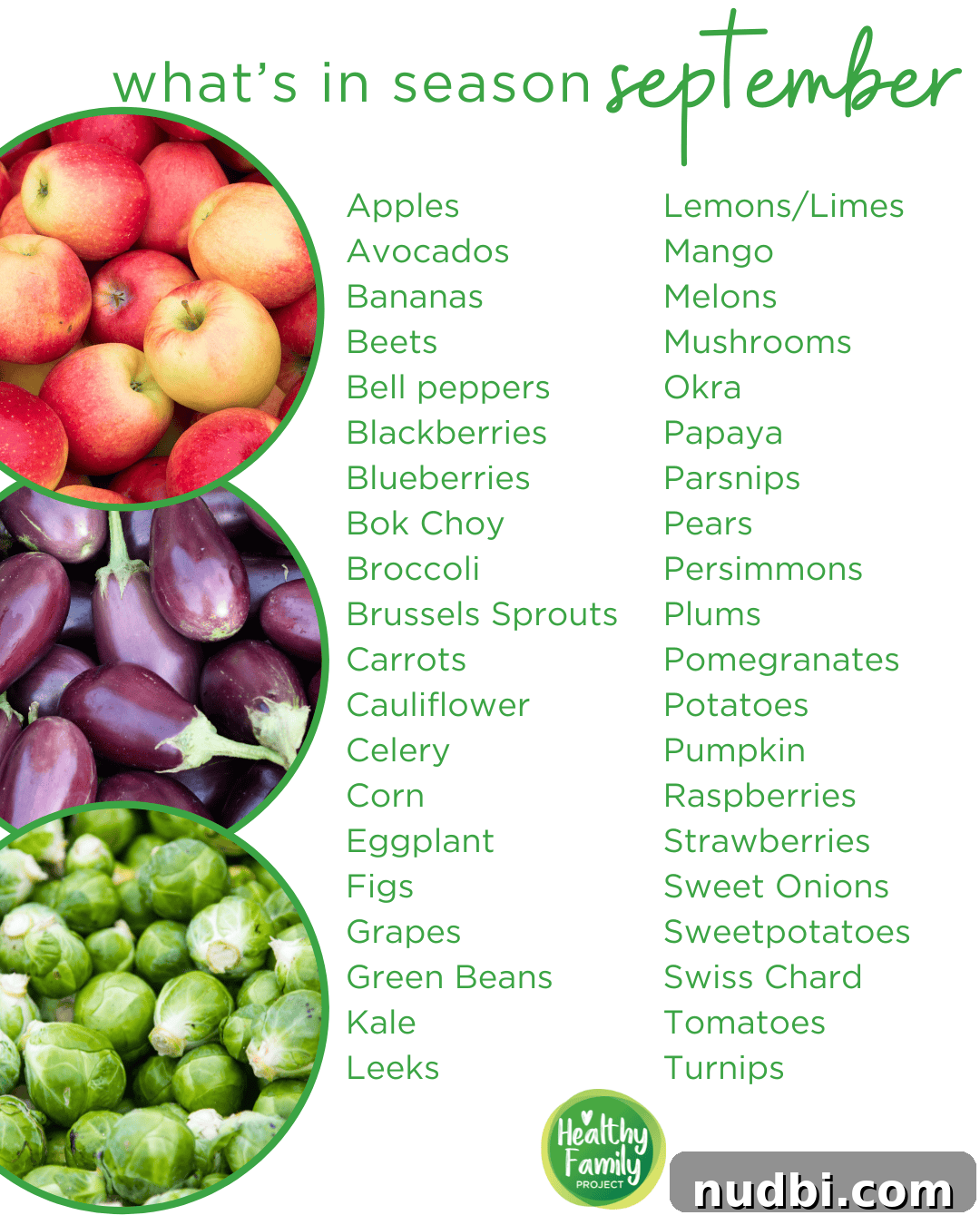
Welcome to September, a month that ushers in the vibrant colors of fall, the excitement of football season, the refreshing crispness of cooler weather, and the return to routines. Beyond these familiar autumn delights, September also brings a magnificent bounty of fresh, in-season fruits and vegetables to grocery stores and farmers’ markets near you. This comprehensive guide is designed to help you navigate the seasonal harvest, empowering you to make healthier, more economical, and incredibly flavorful choices for your kitchen.
Embracing seasonal eating offers a multitude of benefits. When produce is in season, it’s typically harvested at its peak ripeness, resulting in superior flavor, texture, and nutritional value. Imagine biting into an apple that’s perfectly crisp and sweet, or savoring a bell pepper bursting with vibrant taste – that’s the magic of seasonal produce. Furthermore, buying in-season often translates to significant savings on your grocery bill, as these items are more abundant and require less transportation, reducing costs for both growers and consumers. It’s a win-win for your palate, your wallet, and even the environment.
This guide will walk you through the very best of what September’s harvest has to offer. For each item, you’ll discover valuable insights on how to select the freshest produce, optimal storage methods to extend its shelf life, and creative culinary ideas to incorporate these seasonal gems into your family meals. Get ready to transform your healthy eating habits, discover new favorites, and truly celebrate the flavors of fall!
Why Eat Seasonally? The Benefits of September’s Bounty
Beyond the simple joy of fresh flavors, choosing seasonal produce in September brings tangible advantages to your table:
- Peak Flavor and Freshness: Produce picked at the right time has had ample opportunity to develop its full flavor profile and ideal texture. This means sweeter fruits and more robust, earthy vegetables.
- Enhanced Nutritional Value: Studies suggest that fruits and vegetables consumed in season may contain higher concentrations of vitamins, minerals, and antioxidants compared to those grown out of season or transported long distances.
- Cost Savings: When produce is abundant, supply is high, driving prices down. Shopping seasonally is one of the most effective strategies for reducing your grocery budget without sacrificing quality or nutrition.
- Support for Local Farmers: Opting for seasonal produce, especially from local sources, helps support community agriculture and reduces the environmental footprint associated with long-distance food transport.
- Culinary Inspiration: Eating seasonally encourages creativity in the kitchen, pushing you to explore new recipes and cooking methods that highlight the unique characteristics of each ingredient.
What’s in Season for September: Your Essential Produce Guide
Apples
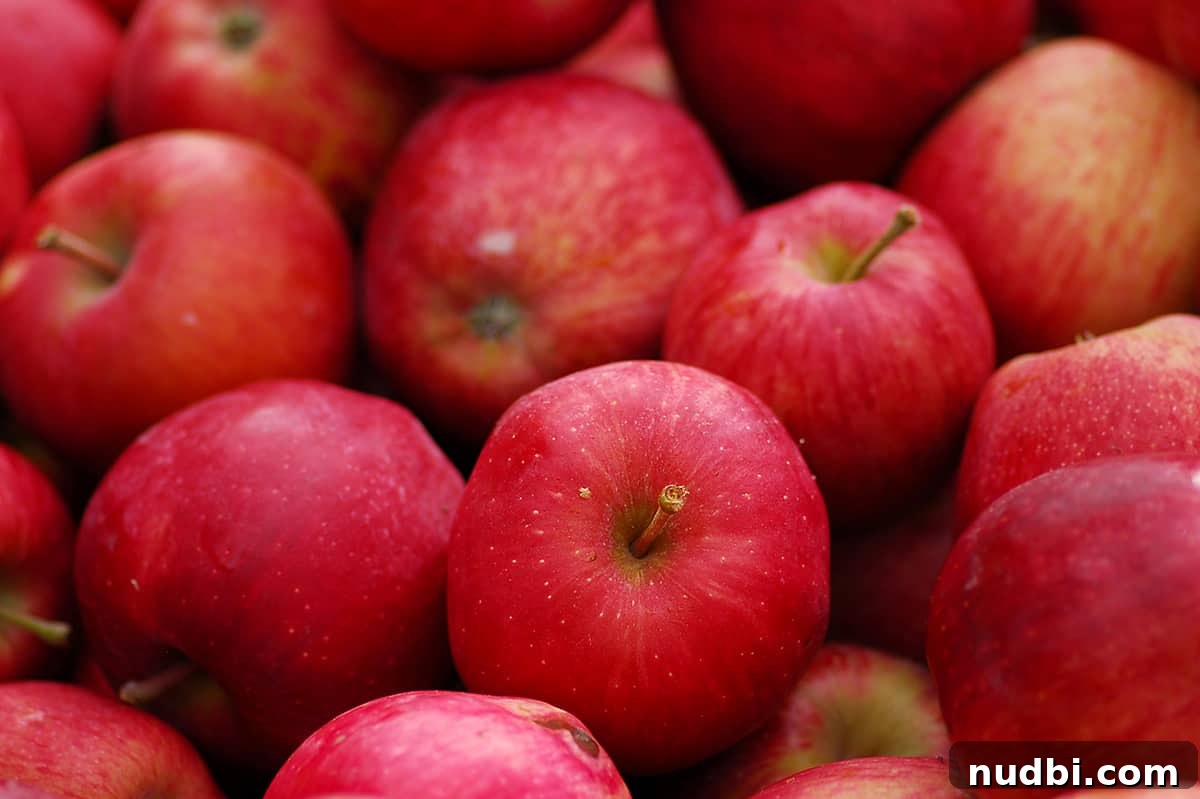
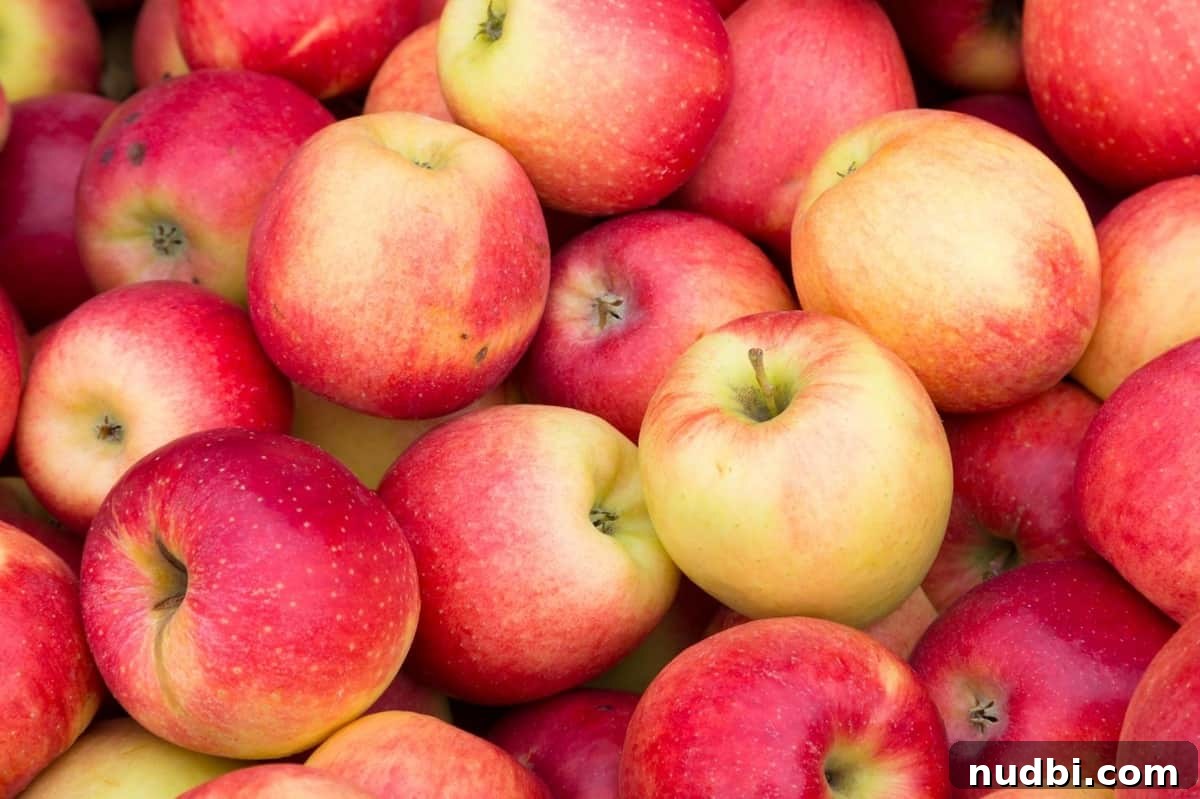
September marks the glorious return of apple season, a quintessential fall experience. With hundreds of varieties available, from tart Granny Smiths to sweet Honeycrisps, apples offer unparalleled versatility in the kitchen. They can be enjoyed as a refreshing snack, baked into comforting desserts, or incorporated into savory dishes like salads and pork roasts. When selecting apples, look for firm, brightly colored fruit free of bruises or soft spots. Store them in the crisper drawer of your refrigerator to maintain freshness for several weeks. For a deep dive into autumn’s favorite fruit, explore these 40 Apple Recipes for Fall or consult this insightful guide to apple varieties to match the perfect apple to your culinary creation.
Avocados
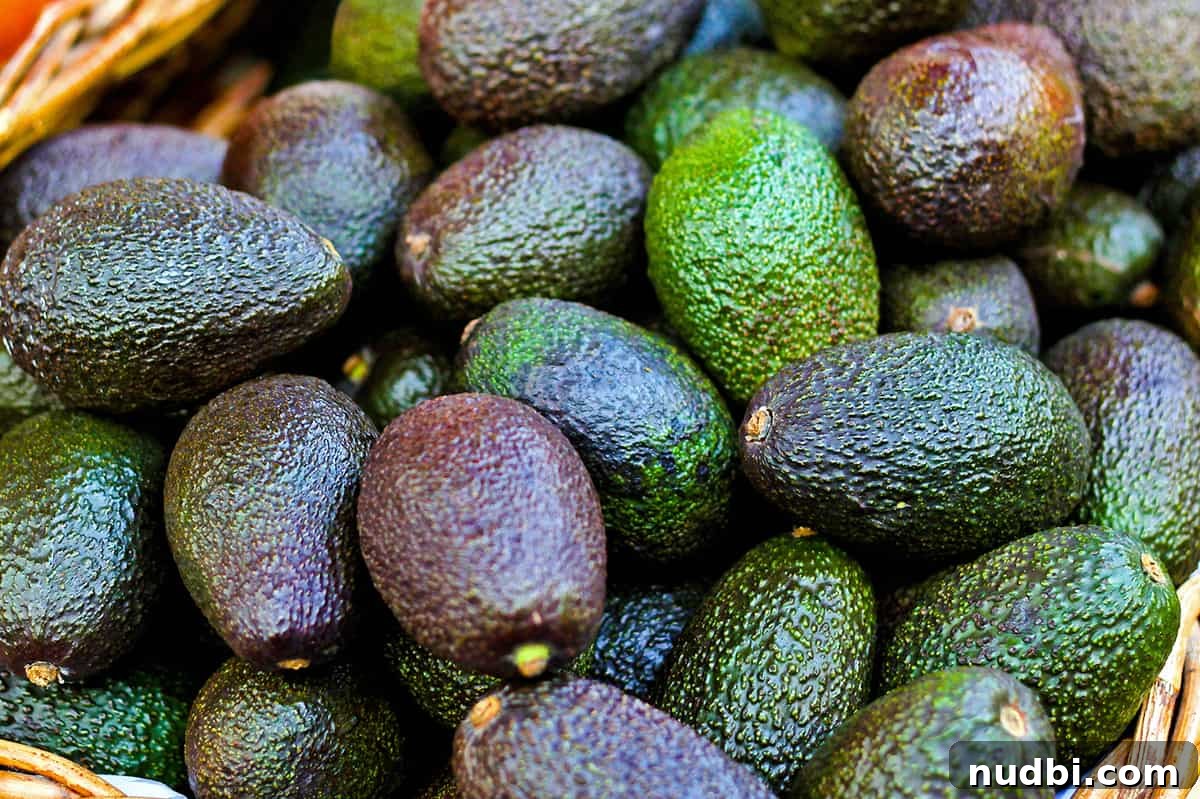
Good news for avocado enthusiasts: this beloved fruit is a year-round staple, consistently available and delicious regardless of the month. Rich in healthy fats, fiber, and essential nutrients, avocados are incredibly versatile. To pick a ripe avocado, gently press near the stem; it should yield slightly but not be mushy. Store unripe avocados on your counter until they ripen, then move them to the refrigerator to slow down further ripening. Whether you’re crafting the perfect avocado toast, creating a surprisingly healthy dessert like Dark Chocolate Avocado Brownies, or whipping up a vibrant bowl of guacamole, avocados are always a smart and tasty choice.
Bananas
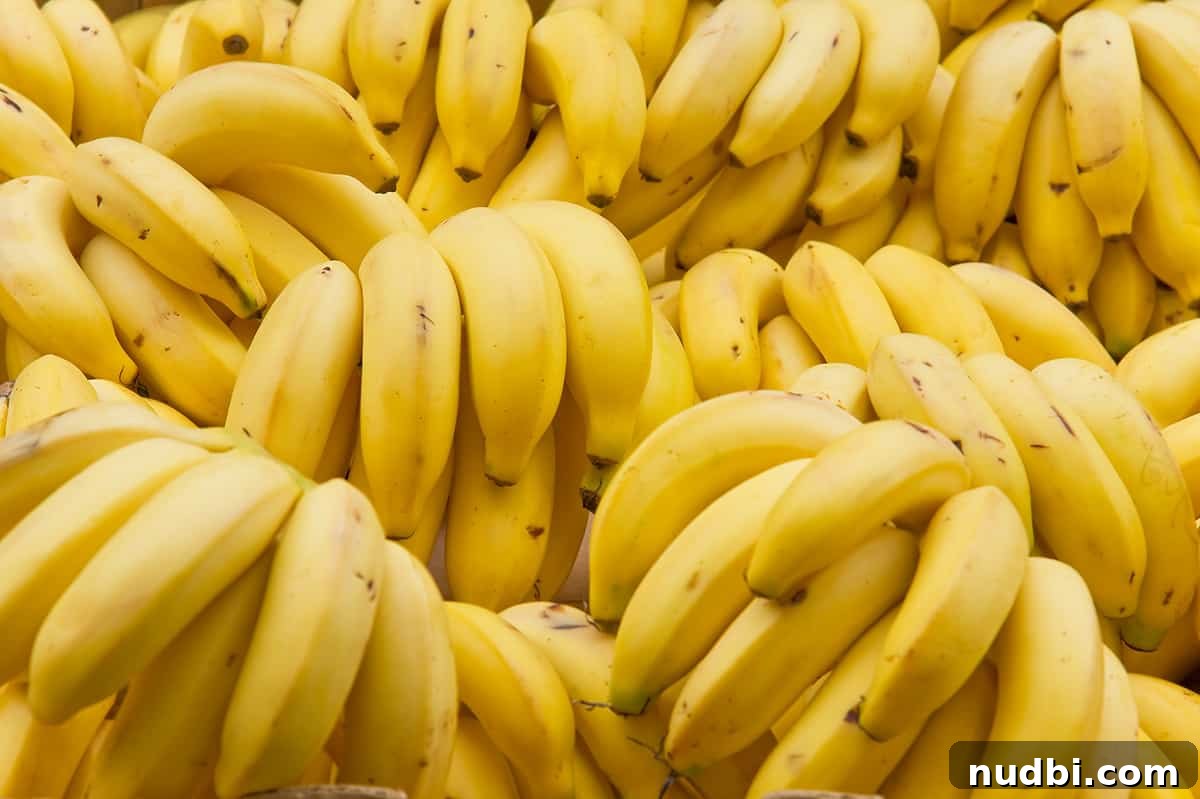
Another beloved year-round fruit, bananas are a consistent favorite for their natural sweetness, convenient packaging, and rich potassium content. They make an ideal on-the-go snack and are incredibly versatile for cooking and baking. Choose bananas with blemish-free skins; green bananas will ripen on the counter, while yellow ones with a few brown spots are perfectly ripe. Store them at room temperature until ripe, then refrigerate to slow browning. Incorporate them into energizing smoothies, moist muffins, fluffy pancakes, or transform overripe bananas into delightful “nice” cream. Fun fact: the average American consumes an impressive 28 pounds of bananas annually!
Beets
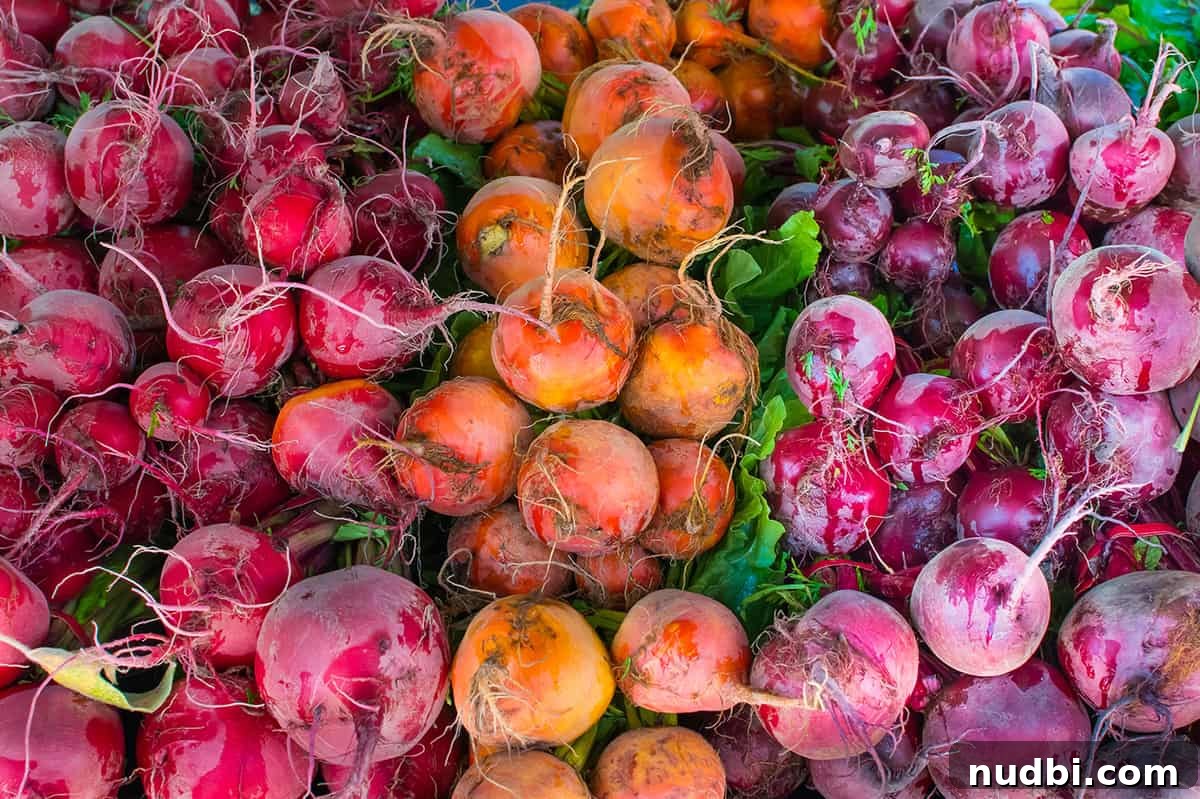
While often underestimated, beets truly shine in September. Known for their earthy flavor and vibrant color, beets are packed with essential nutrients, including folate, manganese, and potassium. Their natural sweetness emerges beautifully when roasted, transforming them into a delightful addition to various dishes. Look for firm, smooth beets with deep, rich colors. If the greens are attached, they should be fresh and crisp. Store beets in the refrigerator, with their greens removed, for up to two weeks. Don’t let their reputation deter you; roast them to bring out their sweetness, then add them to refreshing salads, blend into nutrient-dense smoothies, or even pickle them for a tangy treat.
Bell Peppers
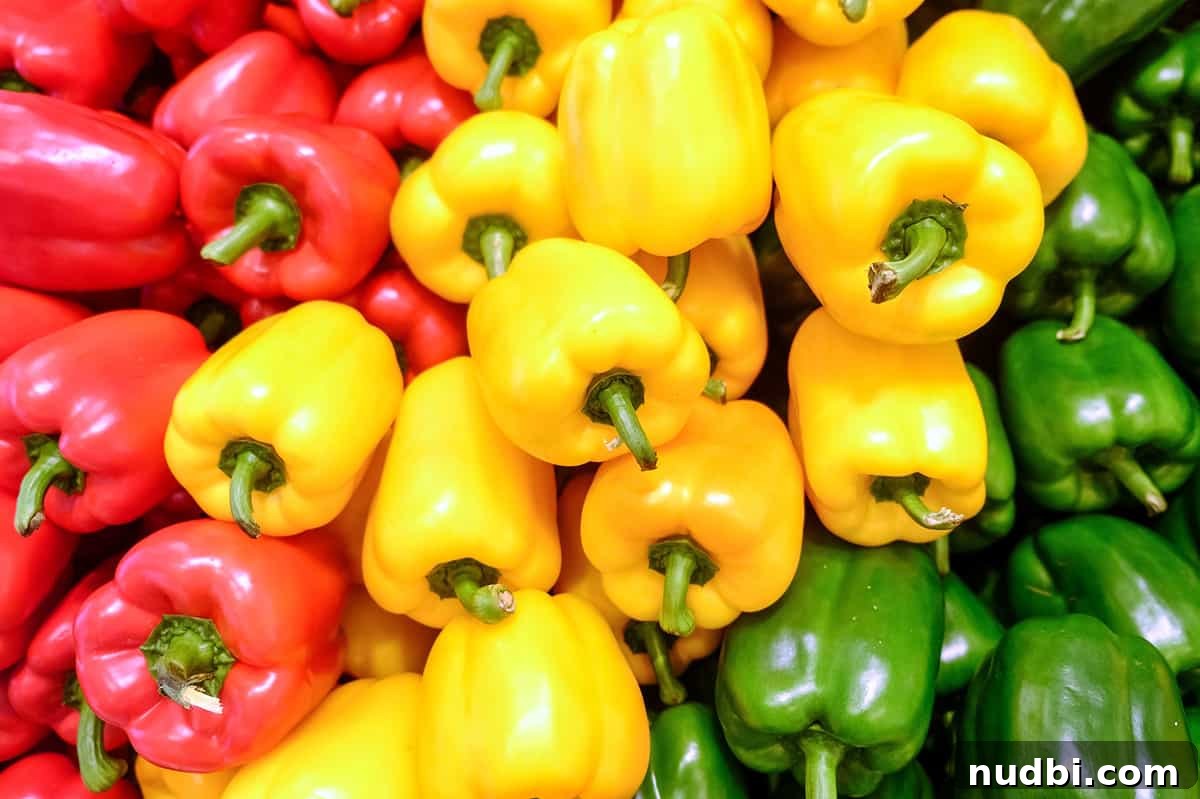
September is a prime month for bell peppers, marking the tail end of their peak season, though they are readily available year-round. These colorful vegetables are not only visually appealing but also a nutritional powerhouse, providing an excellent source of Vitamin A and C, and a good source of Vitamin E and Vitamin B6. When selecting bell peppers, choose ones that are firm, glossy, and heavy for their size, with no soft spots or wrinkles. Store unwashed bell peppers in a plastic bag in the crisper drawer of your refrigerator for up to 4-5 days. Their crisp texture and mild flavor make them superb for snacking raw, stuffing with grains or meat, stir-frying, or adding a vibrant crunch to salads and a wide variety of cooked dishes. Bell peppers are truly a versatile kitchen essential.
Blueberries
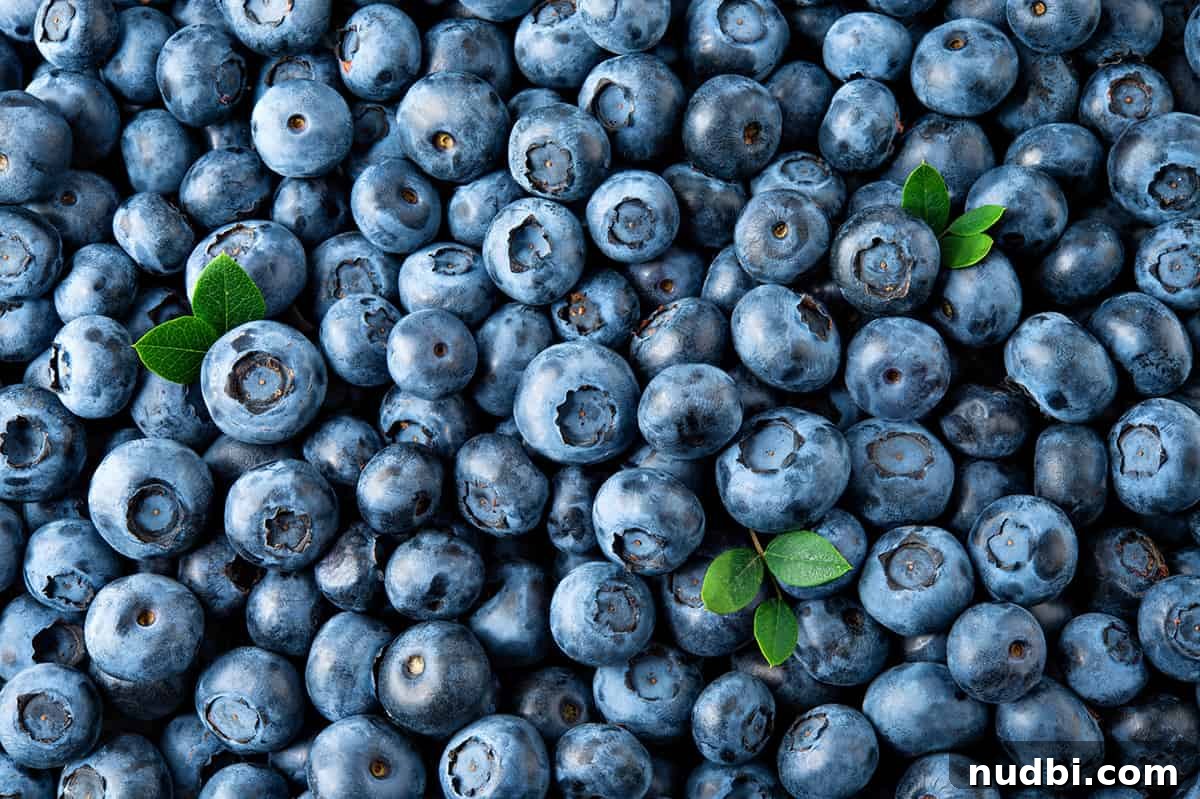
While often found year-round, September signifies the peak of blueberry season in many regions, making it the perfect time to enjoy these tiny, antioxidant-rich powerhouses. Blueberries are celebrated not only for their delightful sweetness but also for their impressive health benefits, including compounds that can improve vision, motor skills, and even reverse short-term memory loss associated with age-related diseases. Look for plump, firm blueberries with a dusty bloom, indicating freshness. Store them unwashed in the refrigerator in their original container for up to 10 days, washing just before use. Beyond simply snacking, incorporate them into a refreshing Easy Fruit Salsa, wholesome baked oatmeal, light muffins, vibrant smoothies, or even add a sweet and tangy element to savory salads.
Bok Choy
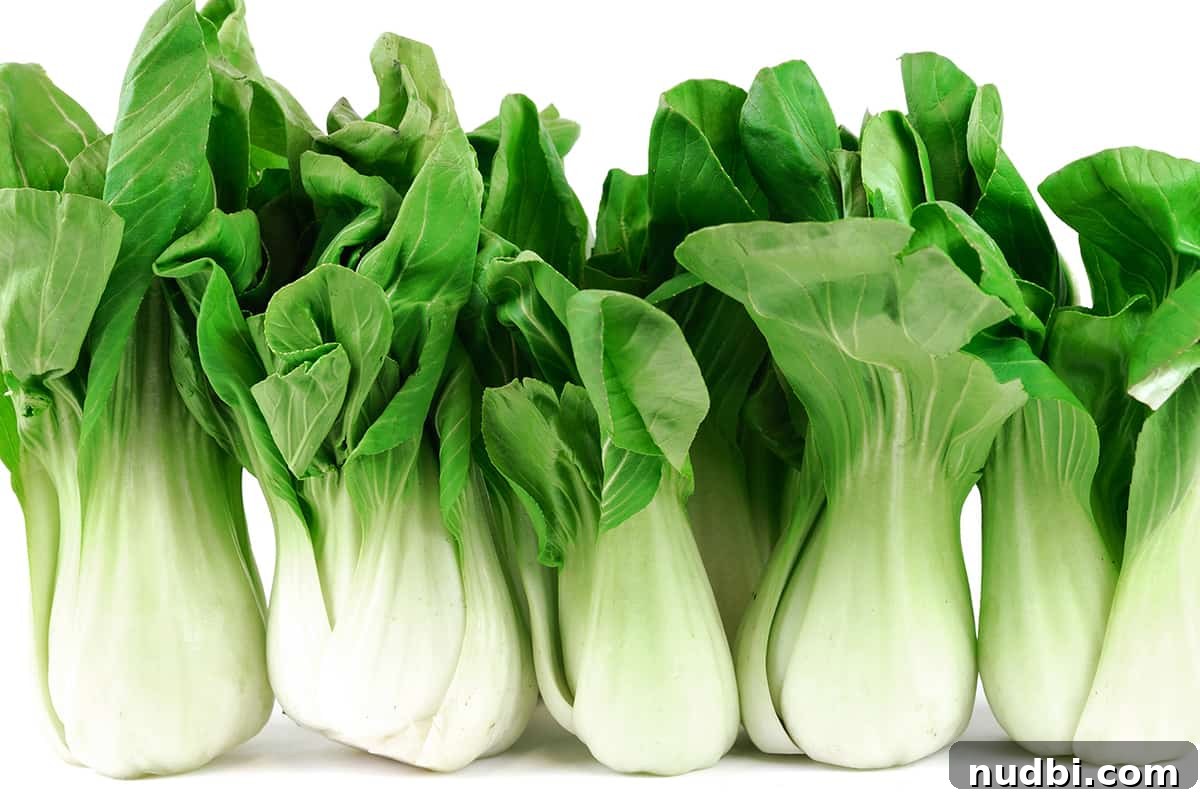
Bok choy, a delightful type of Chinese cabbage, is a versatile and mild-flavored vegetable that truly thrives in the cooler months, making September an excellent time to enjoy it. Both its crisp stalks and tender leaves are delicious whether eaten raw or cooked. When choosing bok choy, look for firm, white stalks and fresh, vibrant green leaves without any yellowing or wilting. Store it unwashed in a plastic bag in the refrigerator’s crisper drawer for up to a week. Bok choy is an excellent source of vitamins A and C and offers a delicate, slightly sweet taste. Try it in a quick stir-fry, add it to a fresh salad for extra crunch, simmer it in a comforting soup, or elevate your homemade Instant Pot Chicken Ramen with this healthy green.
Broccoli
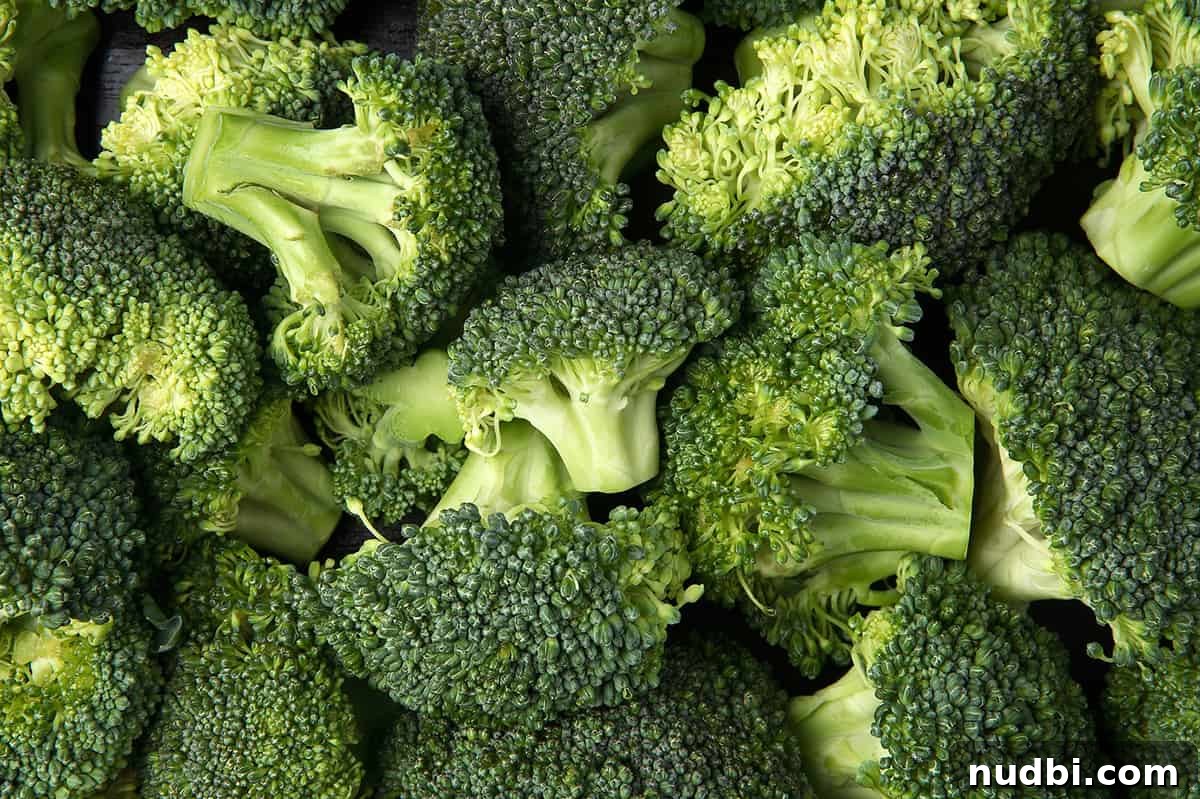
A true nutritional powerhouse, fresh broccoli is conveniently available year-round, ensuring you can always enjoy its numerous health benefits. This cruciferous vegetable is packed with vitamins C and K, fiber, and antioxidants, making it a valuable addition to any diet. When selecting broccoli, look for firm, compact heads with tightly closed, dark green florets and crisp stalks. Avoid any yellowing or flowering. Store broccoli in the refrigerator, unwashed, in an open plastic bag for 3-5 days. Its versatility allows it to be incorporated into almost any meal: chop it raw for a refreshing salad or a crunchy broccoli slaw, steam it lightly, or roast it for an easy and delicious side dish. It also blends seamlessly into pasta salads, flavorful stir-fries, and even wholesome cornbread muffins.
Brussels Sprouts
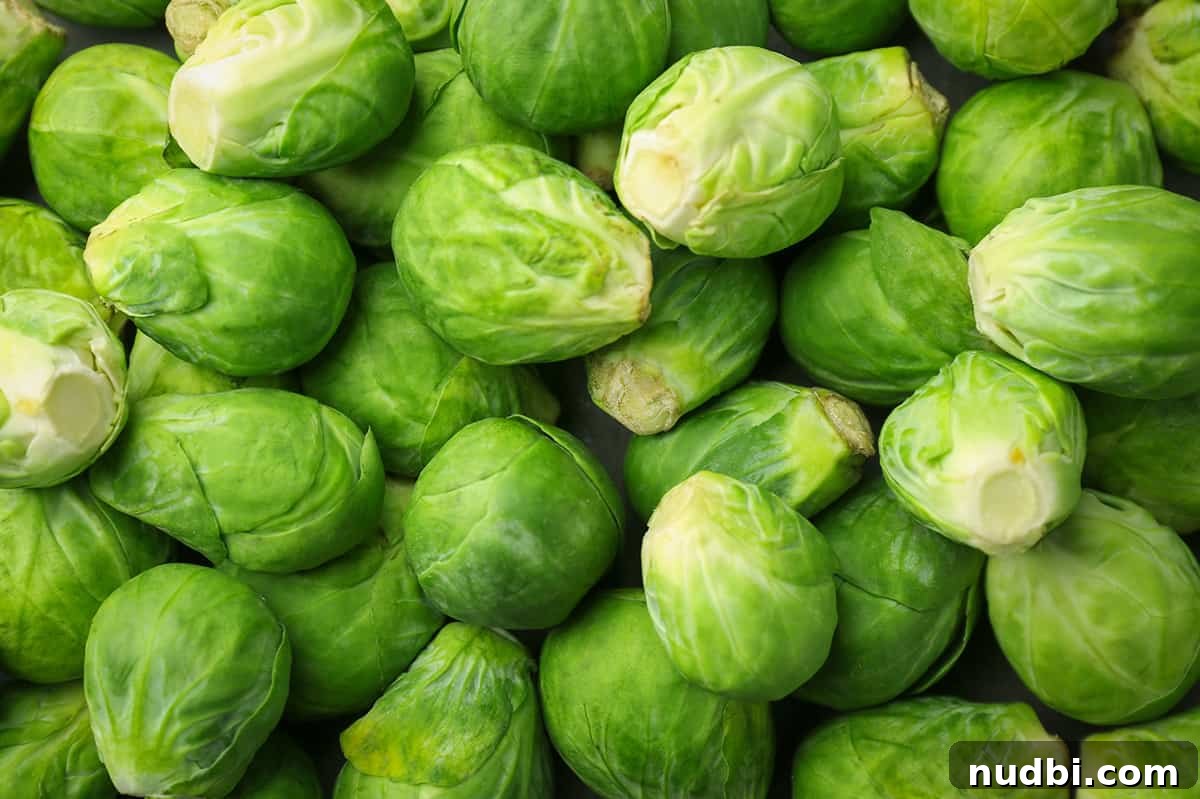
Brussels sprouts have successfully shed their “stinky veggie” reputation, making a remarkable culinary comeback in recent years. While available year-round, they are particularly delicious as cooler weather approaches in September. These miniature cabbages are rich in fiber, vitamins C and K, and antioxidants. When choosing Brussels sprouts, look for firm, compact heads that are bright green. Avoid any with yellowing leaves or soft spots. Store them unwashed in the crisper drawer of your refrigerator for up to a week. The secret to their renewed popularity often lies in preparation: simply halve them, toss with olive oil, salt, and pepper, and roast them in the oven until caramelized and tender-crisp. This method remarkably brings out their natural sweetness, converting even the most skeptical eaters into fans.
Carrots
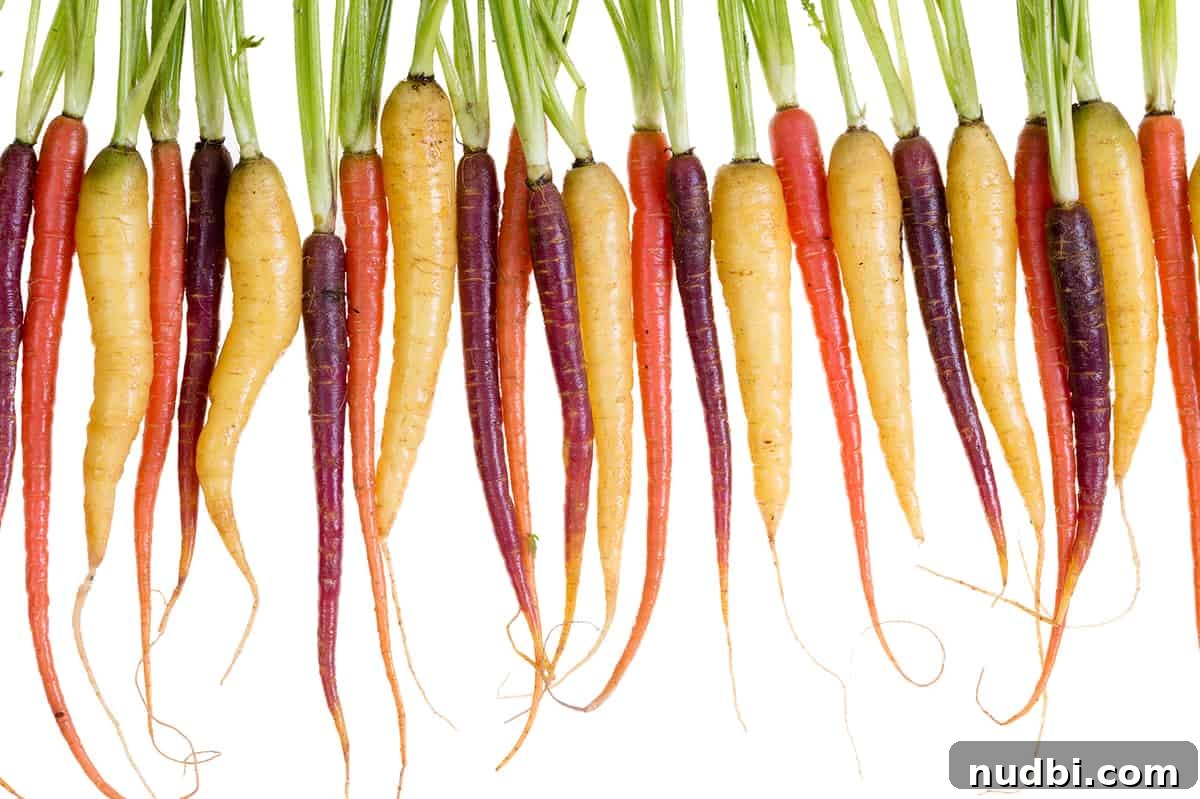
More than just Bugs Bunny’s favorite snack, carrots are a readily available and consistently popular vegetable year-round, making them a September pantry essential. These vibrant root vegetables are celebrated for their high beta-carotene content, which converts to Vitamin A, crucial for vision and immune health, along with fiber and antioxidants. When selecting carrots, look for firm, smooth, brightly colored roots. Avoid those that are limp or split. Store unwashed carrots in the crisper drawer of your refrigerator; if greens are attached, remove them before storing to prevent moisture loss. Beyond simple snacking with a side of ranch, carrots are incredibly versatile. Roast them to enhance their natural sweetness, steam them for a tender side, or shred them to add nutrition and moisture to muffins, hearty soups, creamy mac n cheese, or even meatballs.
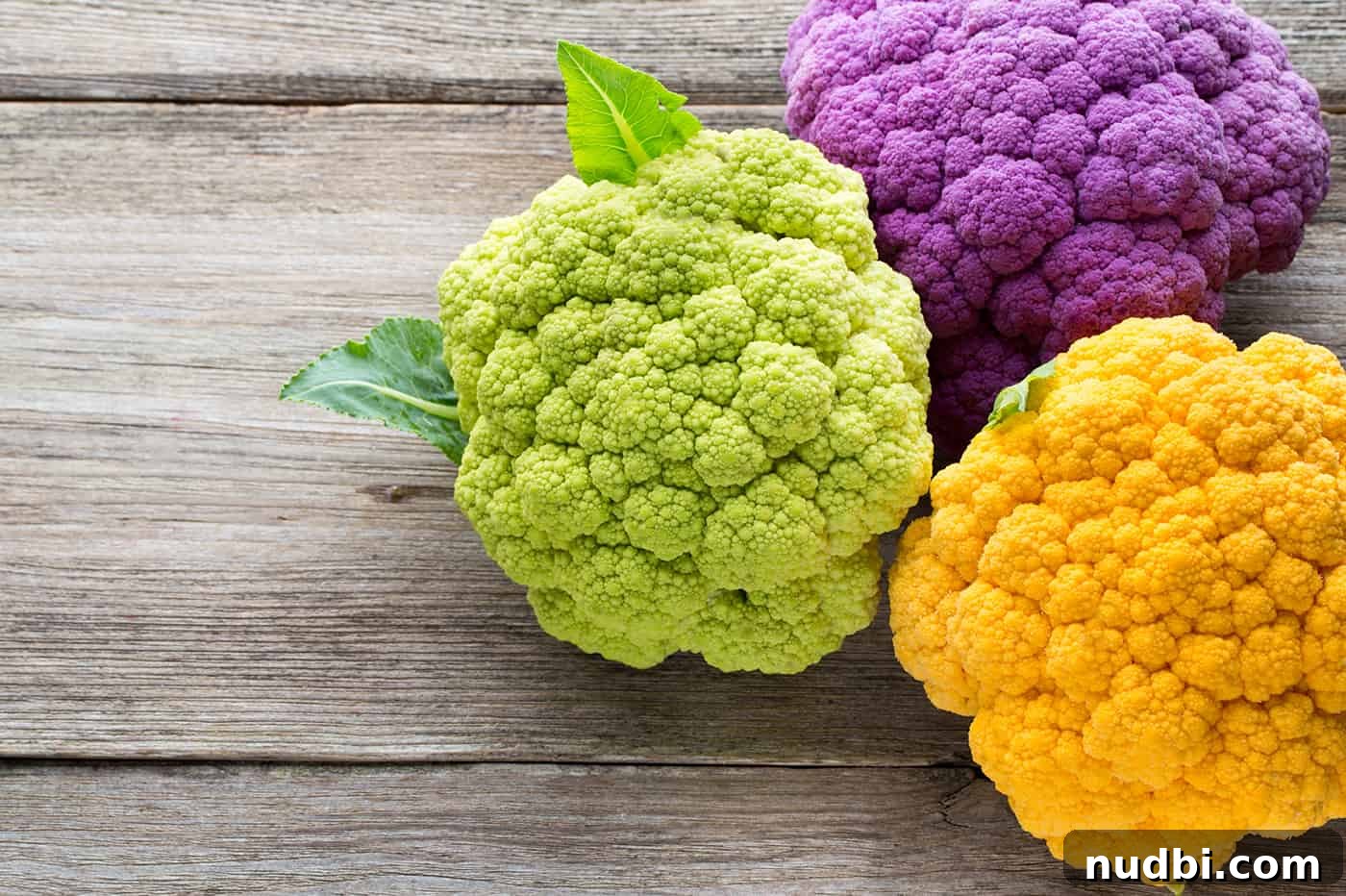
Cauliflower
Cauliflower has truly experienced a culinary renaissance, making it a year-round hero in healthy kitchens, including during September. This cruciferous vegetable is an excellent source of vitamin C, vitamin K, and fiber, and its mild flavor and adaptable texture make it incredibly versatile. When selecting cauliflower, look for a firm, compact head with white, creamy florets, free of brown spots. Store it unwashed in a plastic bag in the refrigerator for up to a week. Cauliflower has taken the culinary world by storm, seamlessly transitioning into innovative dishes such as pizza crusts, healthier fried rice alternatives, and even pesto. It can be ingeniously added to mashed potatoes for a lighter, nutrient-boosted side, transformed into savory waffles, or used as a low-carb rice substitute in comforting casseroles.
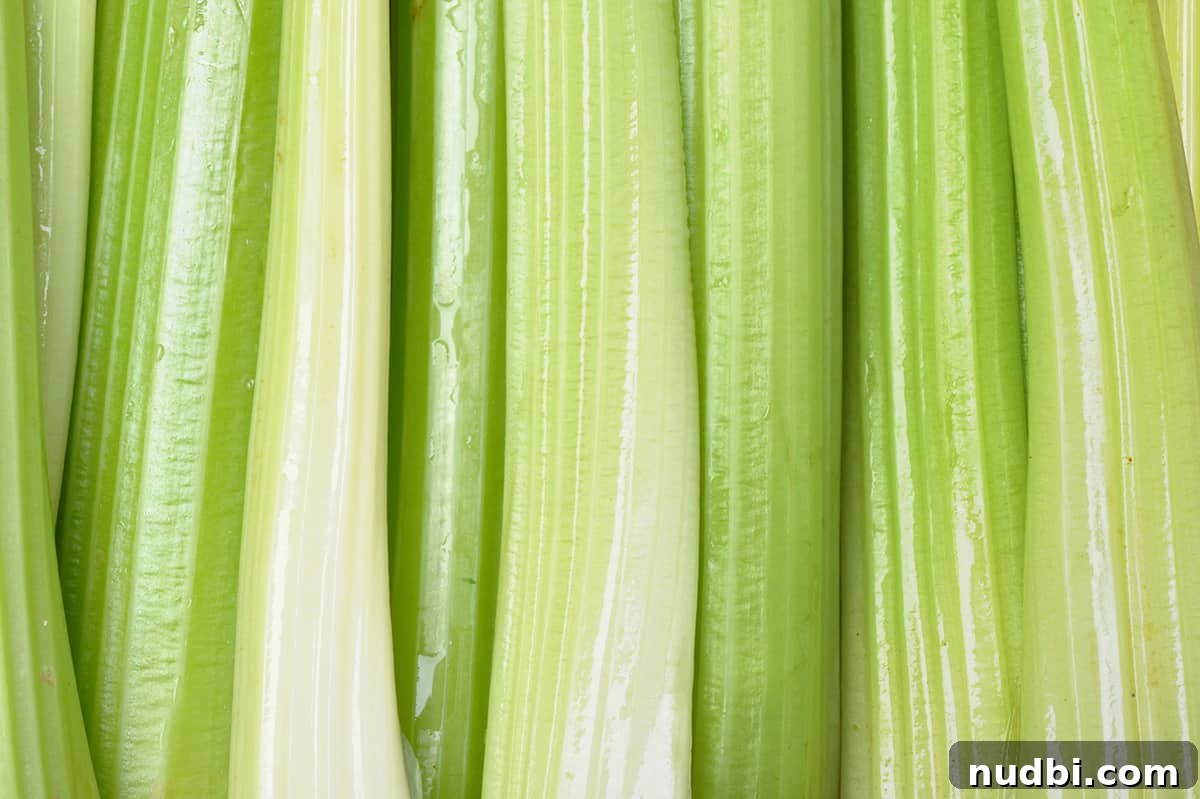
Celery
Celery, with its distinctive crispness and subtle flavor, is a dependable year-round vegetable that shines in September’s meal planning. It’s best known to children as the foundation for the classic “Ants on a Log” snack, but its utility extends far beyond. Celery is a great source of fiber and vitamins K and C, contributing to hydration due to its high water content. When selecting celery, look for firm, crisp stalks that snap easily, with fresh, green leaves. Store it in the crisper drawer of your refrigerator, preferably wrapped in foil, to maintain its crunch for up to two weeks. Its refreshing crunch and mild taste make it perfect for chopping into a vibrant potato salad, creating an aromatic base for soups and stews, or adding a delightful texture to salads and stir-fries.
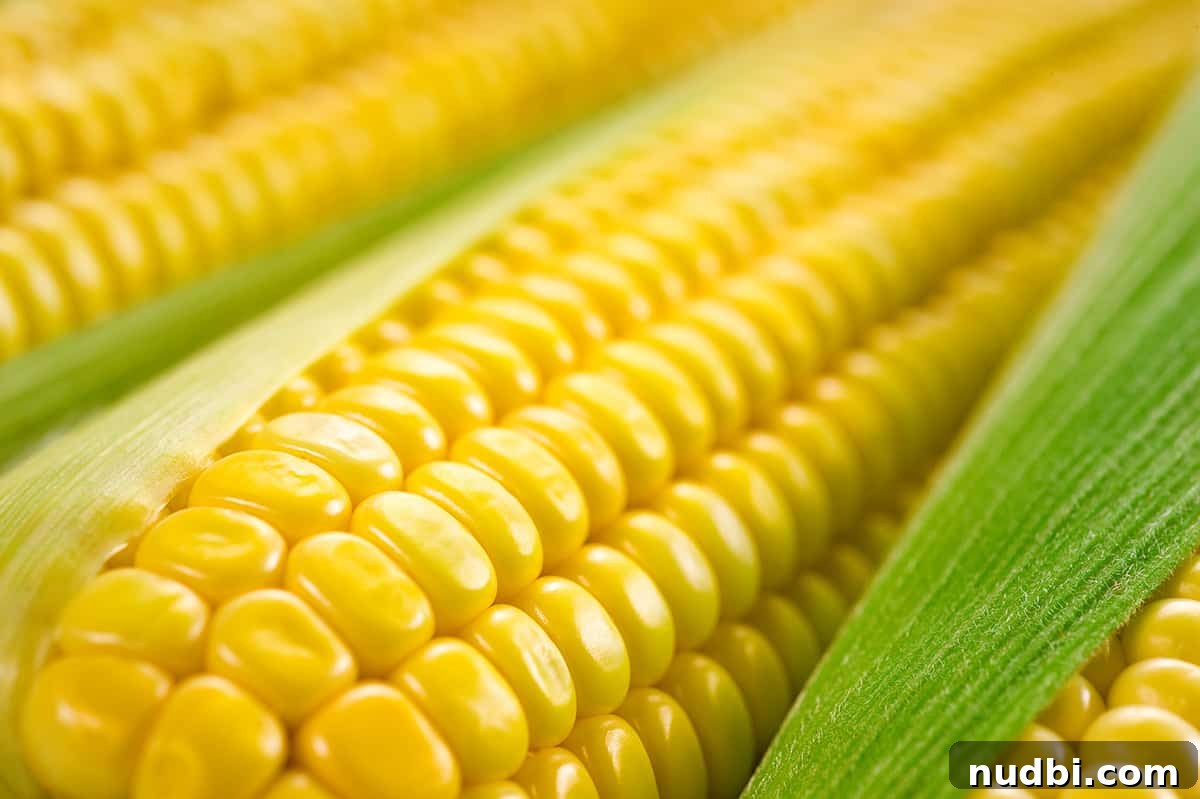
Corn
September offers a fantastic opportunity to savor fresh corn, as October marks the end of its peak season. This sweet and juicy vegetable is a beloved summer and early fall staple, rich in fiber, antioxidants, and B vitamins. When selecting corn on the cob, look for plump, well-filled kernels and fresh, green husks that are tightly wrapped. A slightly sticky tassel also indicates freshness. Store unhusked corn in the refrigerator for up to a week. This is the ideal time to stock up; you can easily freeze kernels for later use in soups, stews, or casseroles, extending the taste of summer into the colder months. Before the season officially concludes, make sure to enjoy one last memorable grilled corn on the cob, perhaps with a zesty sauce, or incorporate it into vibrant salsas and salads.
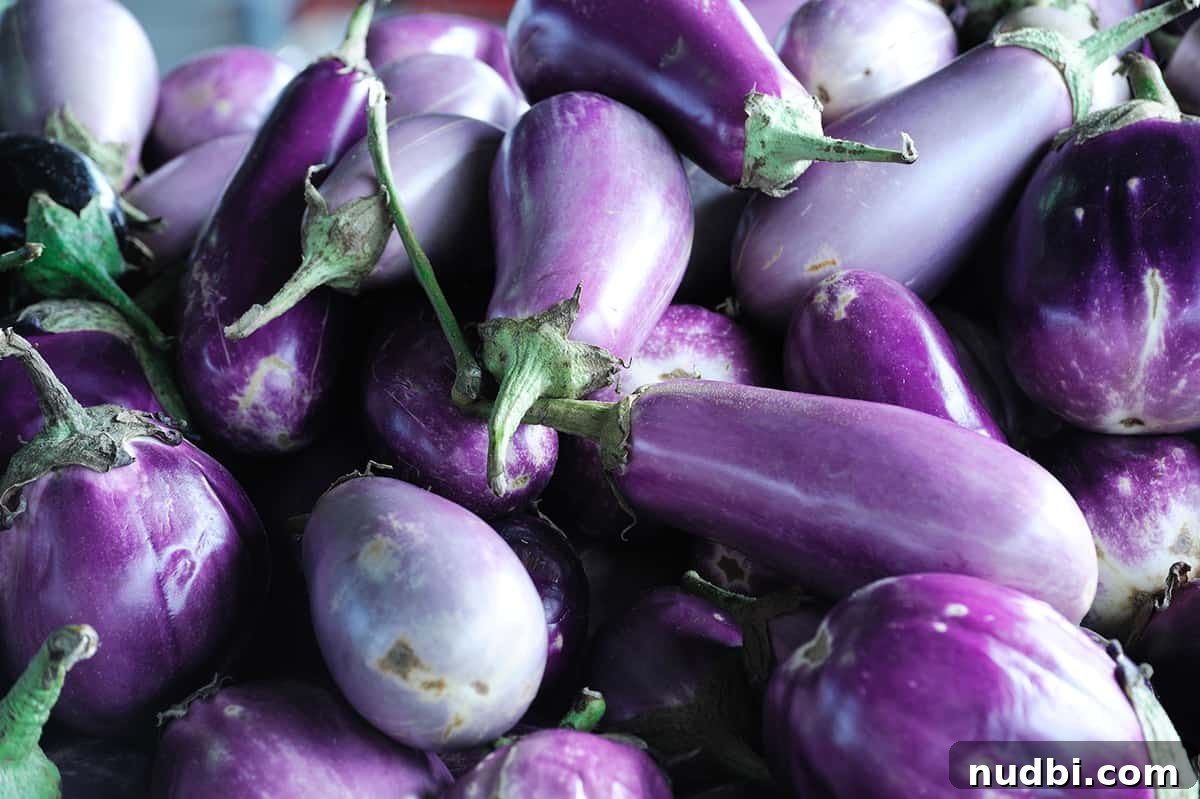
Eggplant
September continues to be a wonderful time for eggplant, as it thrives in late summer and early fall. This versatile vegetable, a member of the nightshade family, is an excellent source of dietary fiber, Vitamin B1, copper, manganese, Vitamin B6, niacin, potassium, folate, and Vitamin K. When choosing eggplant, look for firm, heavy fruits with smooth, glossy skins and a vibrant purple color. Avoid any with soft spots or blemishes. Store eggplant in the crisper drawer of your refrigerator for up to a week. Its mild flavor and spongy texture allow it to absorb other flavors beautifully. We particularly love it transformed into a hearty Kale & Ricotta Stuffed Eggplant Rollatini, offering a delicious and nutritious vegetarian option, or as the star in an easy weeknight pasta dish.
Grapes
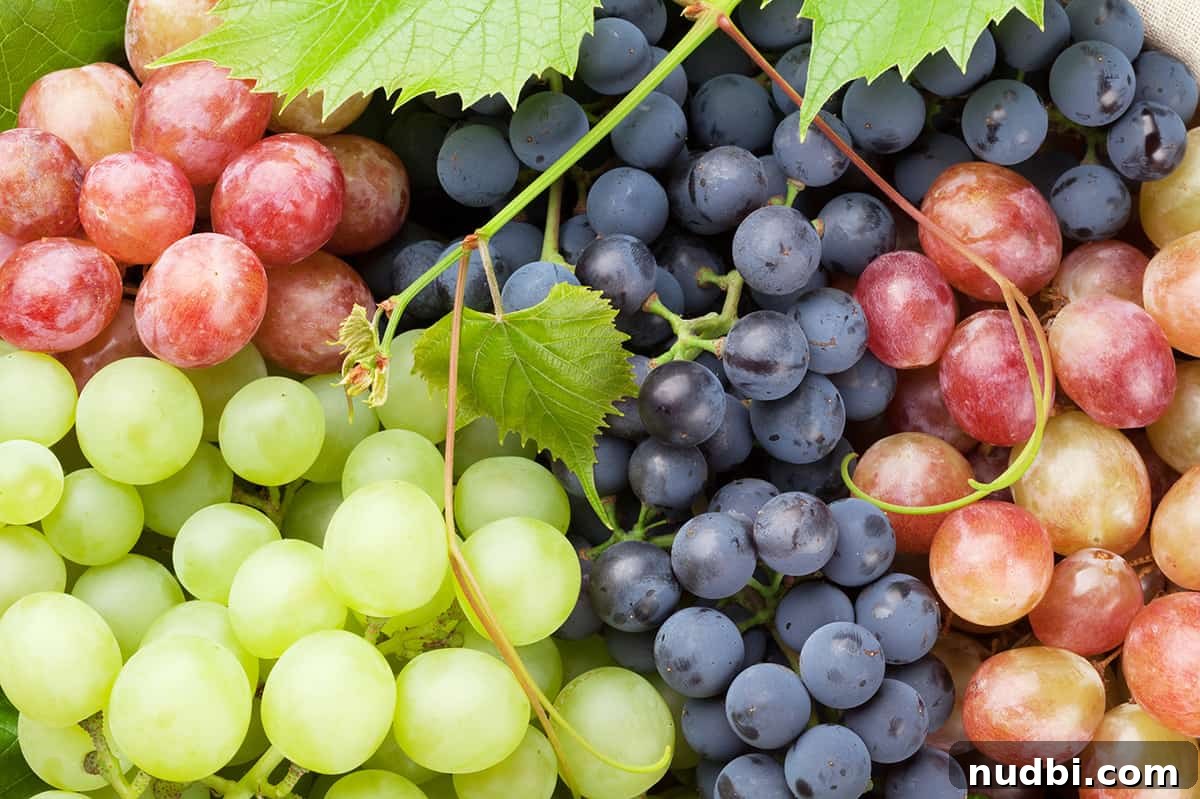
September is prime time for grapes, and what a variety there is to explore! Did you know there are over 8,000 different varieties of grapes worldwide? Whether you prefer the crisp sweetness of green grapes, the rich flavor of red grapes, or enjoy specialty varieties like the incredibly sweet Cotton Candy Grapes or the unique “Witches Fingers” grapes, there’s an abundance to discover. Grapes are an excellent source of antioxidants and vitamins C and K, making them a fantastic and convenient snack. When selecting grapes, look for plump, firm clusters that are securely attached to their stems. Store them unwashed in the refrigerator for up to a week or more. This is also an ideal time to stock up and freeze them for later; frozen grapes make a refreshing and healthy warm-weather treat or a cooling addition to drinks. See how easy it is to freeze grapes with this helpful video!
Green Beans
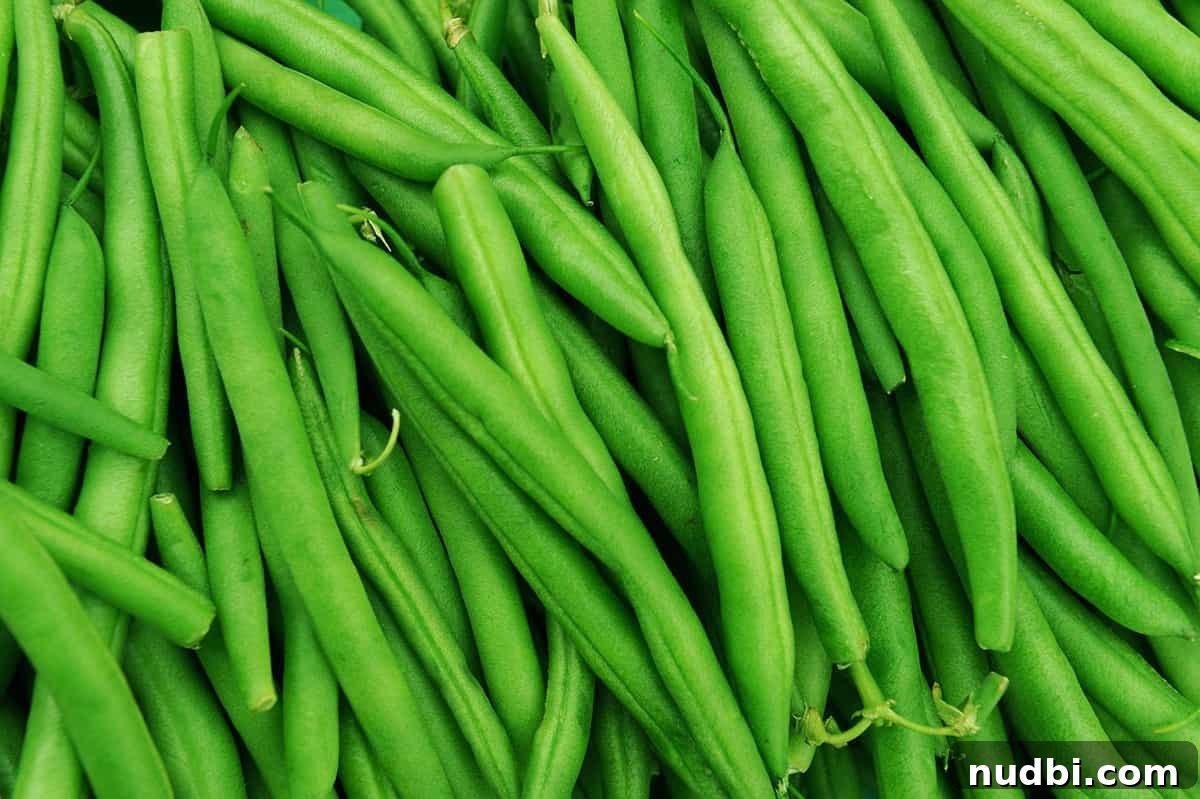
As September unfolds, green beans remain a cherished family favorite, and for good reason. These tender-crisp legumes are an excellent source of fiber and Vitamin A, and also provide a good source of folates, Vitamin B6, thiamin, and Vitamin C. Look for green beans that are firm, smooth, and snap easily when bent. Avoid any that are limp or have brown spots. Store unwashed green beans in a plastic bag or container in the crisper drawer of your refrigerator for up to 4 days before enjoying their fresh taste. Their versatility makes them a delightful addition to countless meals: simply steam or sauté them, add them to your favorite sheet pan dinner for an all-in-one meal, incorporate them into comforting soups, or serve them as a simple, nutritious side dish.
Greens
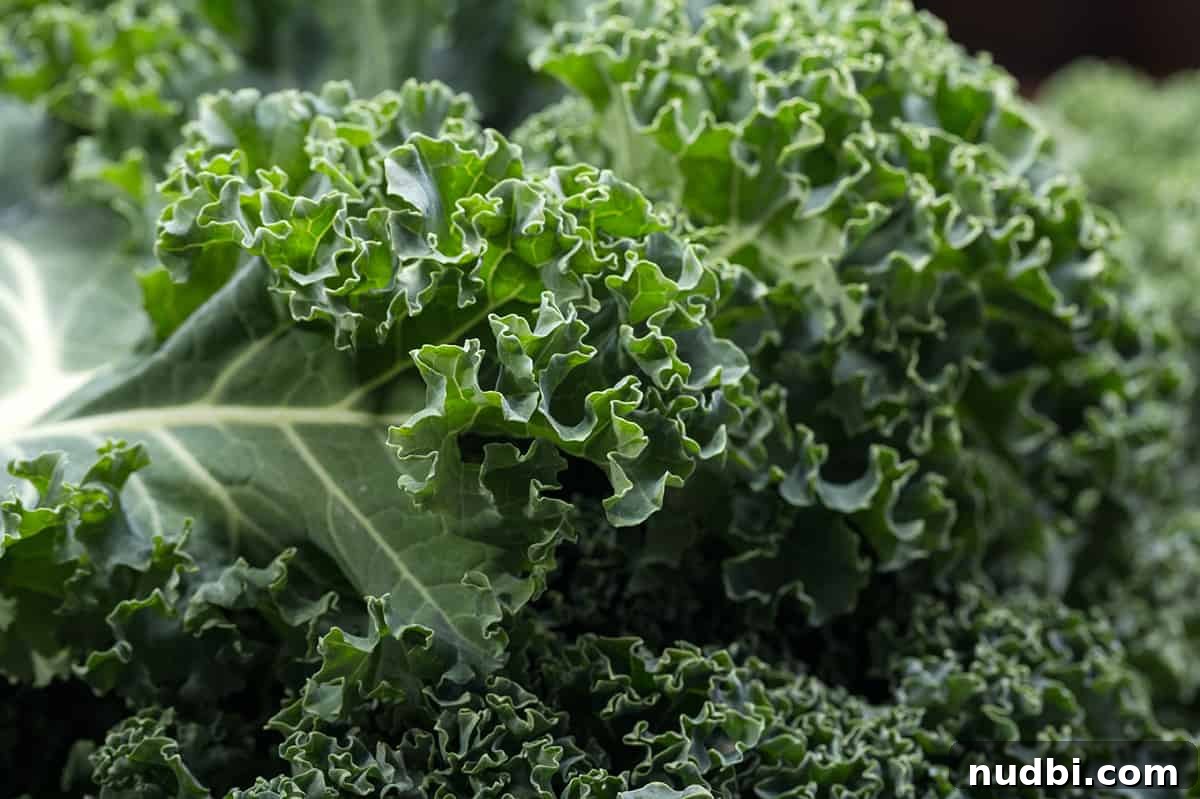
Fresh greens are a constant in healthy eating, offering a nutritious foundation for countless September dishes. Varieties such as kale, spinach, tasty salads to nutrient-dense smoothies. They can also effortlessly boost the nutritional content of hearty soups, comforting casseroles, flavorful pasta dishes, and more. Incorporating a variety of greens into your diet is an easy way to ensure a broad spectrum of nutrients.
Leeks
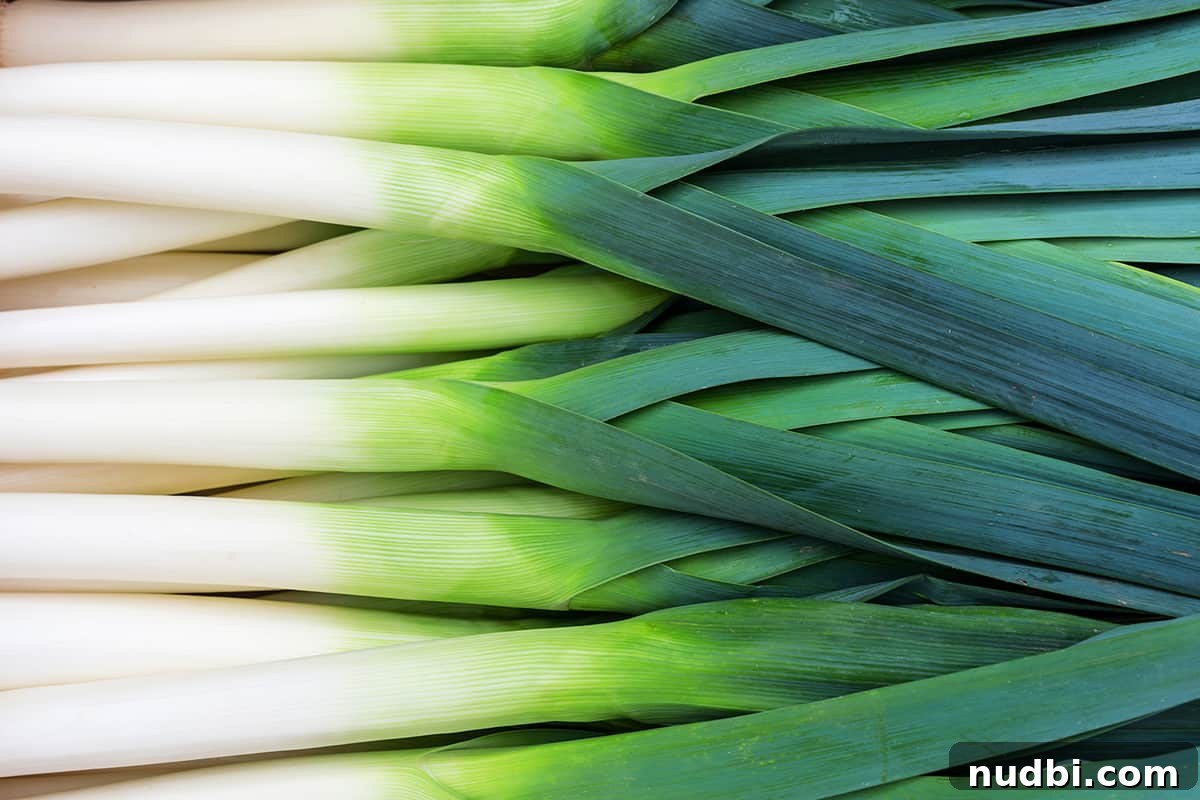
Leeks, with their distinctive mild, sweet, and onion-like flavor, are a fantastic addition to September’s seasonal cooking. Related to onions, garlic, shallots, and chives, leeks offer a more delicate aroma. When selecting leeks, look for firm, white and light green stalks with fresh, dark green tops. Avoid any with yellowing or wilting leaves. Due to their layered structure, leeks can trap dirt, so it’s crucial to thoroughly rinse them after slicing and pat dry with a paper towel before consuming or cooking. Store unwashed leeks in the crisper drawer of your refrigerator for 1-2 weeks. Their versatility shines in the kitchen: you can roast them to bring out their sweetness, add them raw to salads for a subtle bite, use them as a delicate garnish for creamy soups, or incorporate them into savory casseroles and quiches. Leeks provide a wonderful aromatic base for many fall dishes.
Lemons & Limes
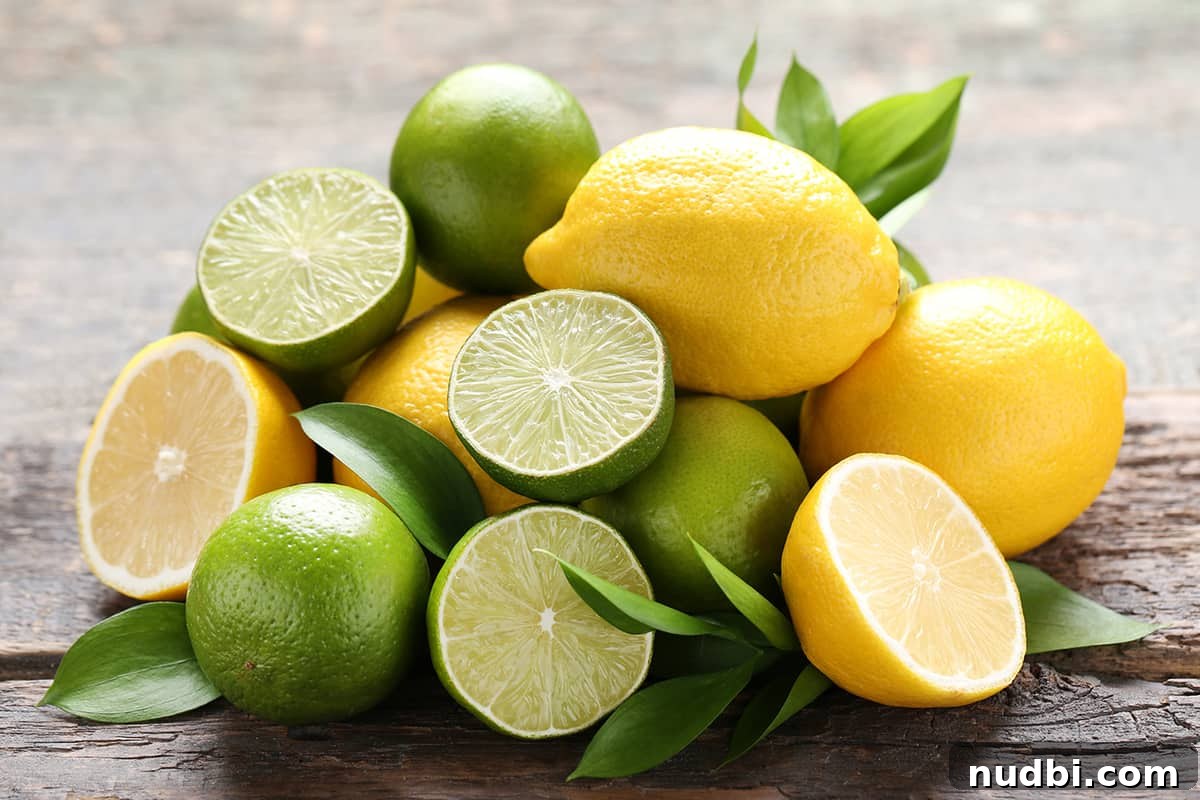
Lemons and limes, the dynamic duo of citrus, are happily in season year-round, making them essential flavor enhancers for September and beyond. These vibrant fruits are packed with Vitamin C and add a refreshing zest to countless dishes. When choosing lemons and limes, look for fruits that are firm, heavy for their size, and have smooth, bright skins. Avoid any with soft spots or dullness. Store them at room temperature for a few days or in the refrigerator for up to several weeks. Their bright, acidic notes are perfect for juicing to create fresh, homemade salad dressings, seasoning chicken, delicate fish, or roasted vegetables. For an extra zing, combine their flavors to elevate recipes like these incredibly tasty Baked Avocado Fries, or use their zest to brighten up baked goods and desserts.
Mango
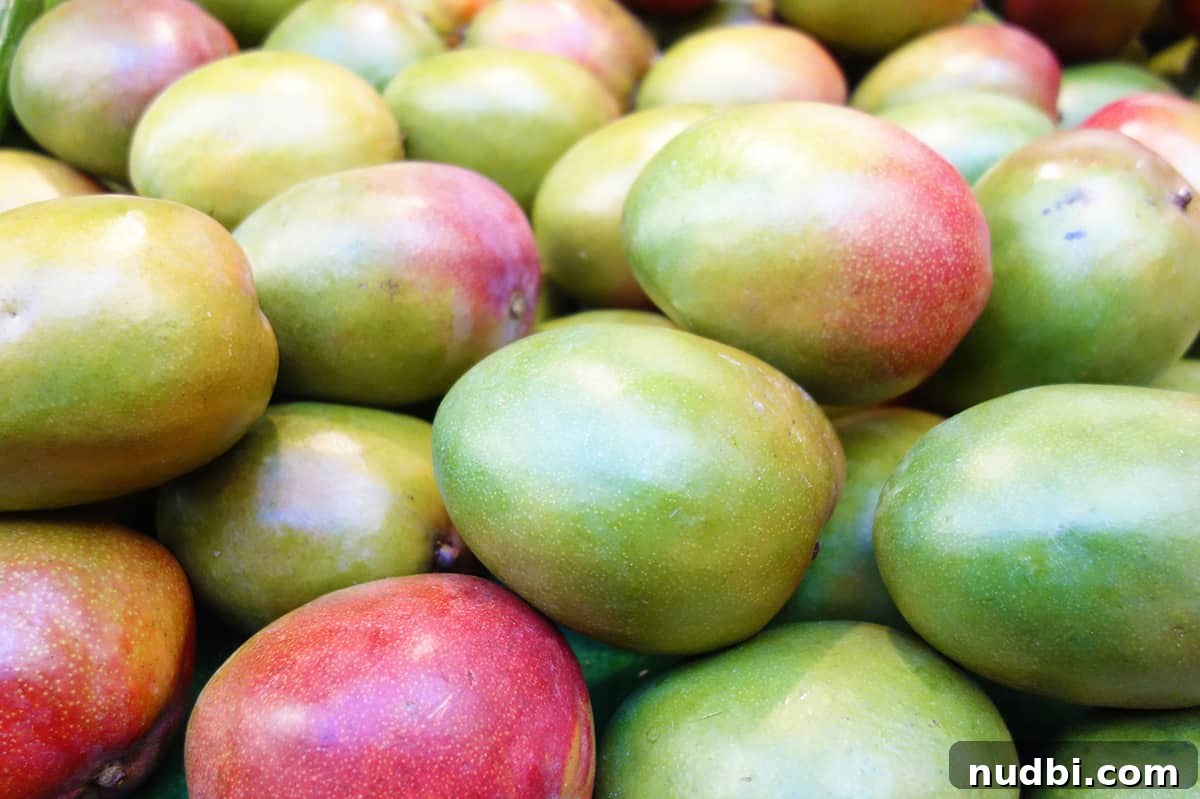
Mangoes continue to be a sweet and tropical delight in September, offering a burst of flavor and a rich source of vitamins C and A, as well as fiber. To select a ripe mango, gently squeeze it; it should yield slightly, similar to an avocado, and often have a fragrant, fruity aroma near the stem. Avoid mangoes that are overly soft or have black spots. Keep unripe mangoes stored on the counter at room temperature until they ripen, then transfer them to the refrigerator to prolong their freshness. This juicy fruit is incredibly versatile: blend it into refreshing smoothie popsicles, add its vibrant sweetness to a tangy stir-fry, or enjoy it diced in a crisp fresh salad with a zesty vinaigrette. Mangoes bring an exotic touch to any meal.
Melons
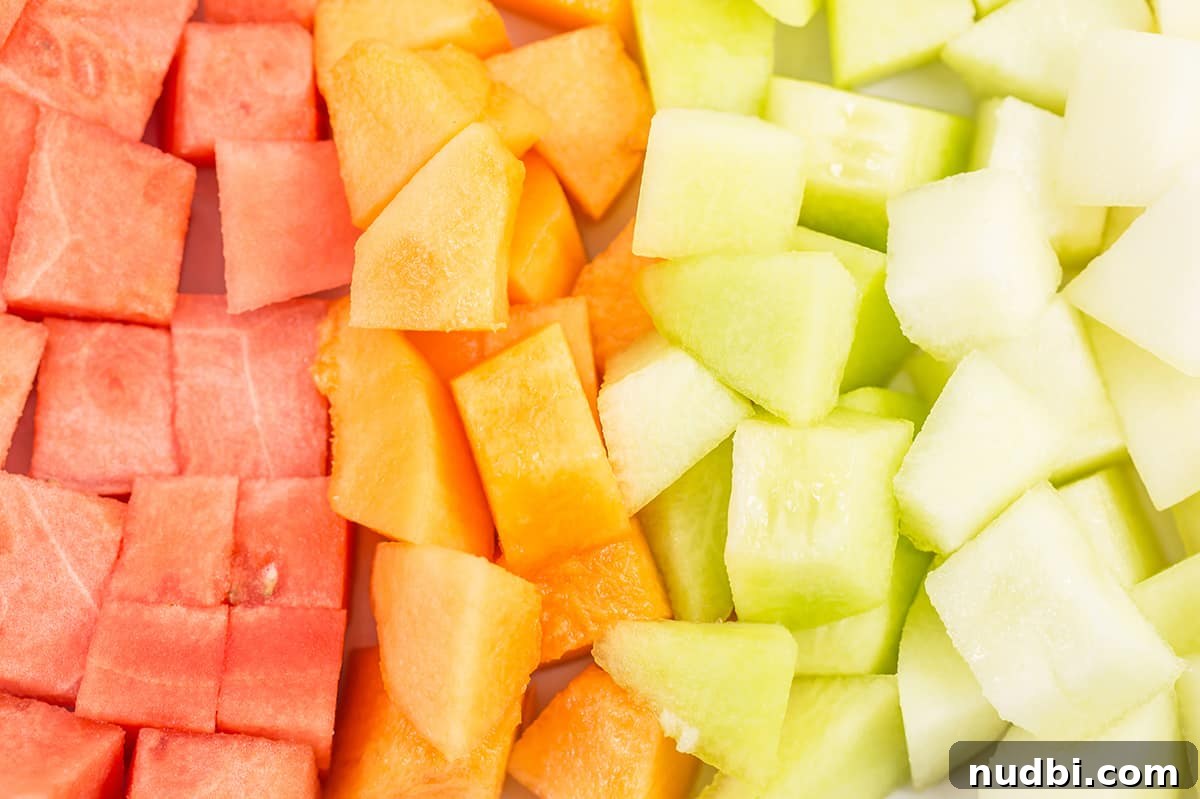
The sweet and refreshing flavors of summer melons, including watermelon, cantaloupe, and honeydew melon, are thankfully still in season during September. Each variety boasts a high water content, making them excellent for staying hydrated as the weather transitions. They are also good sources of vitamins A and C. When choosing a melon, look for one that feels heavy for its size and has a fragrant aroma. For watermelon, a dull spot on the underside indicates where it rested on the ground and ripened. Store uncut melons at room temperature for a few days, then refrigerate after cutting. Enjoy them simply sliced and served cold, perhaps on a stick as a fun fruit popsicle, or as part of a vibrant fruit salad. For a unique culinary experience, try this delightful Berry Melon Bruschetta, perfect for a light appetizer or dessert.
Mushrooms
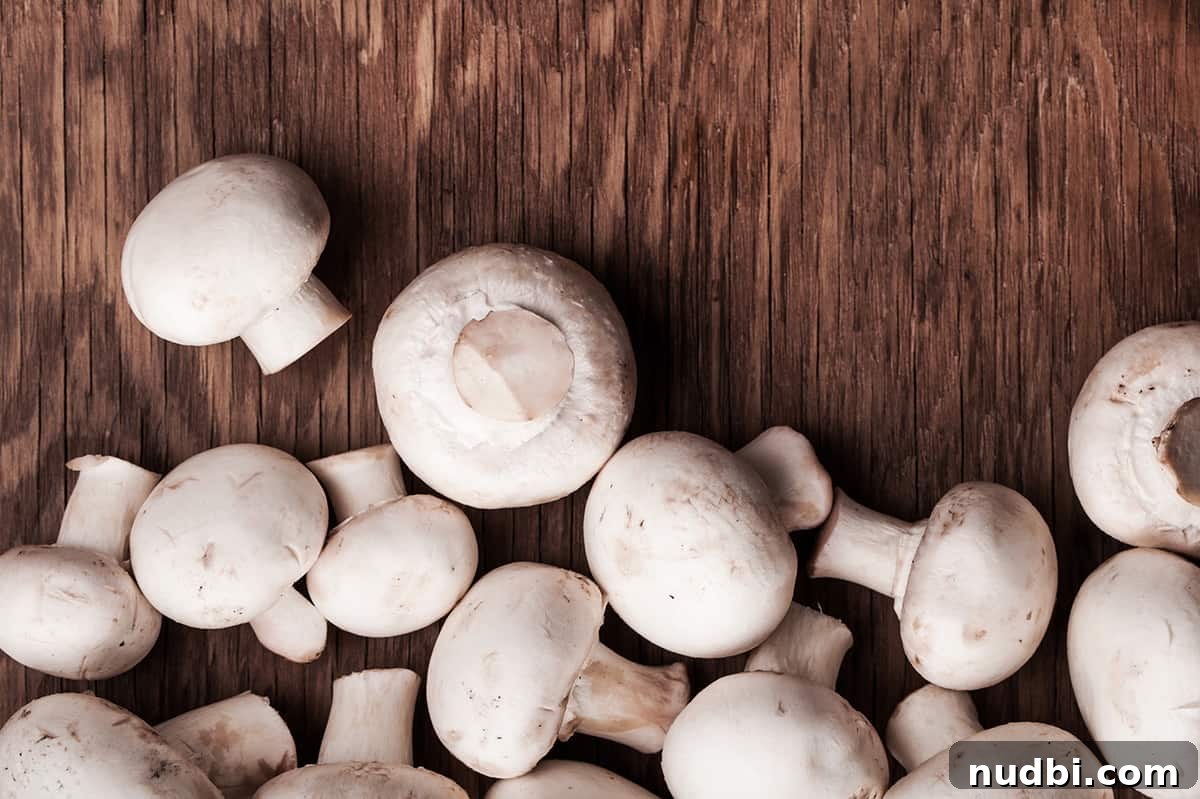
Mushrooms are a year-round culinary staple, bringing their unique umami flavor and earthy texture to dishes in September and throughout the year. Interestingly, mushrooms are the only natural food source of Vitamin D, a crucial nutrient often hard to obtain from diet alone. They also provide B vitamins, selenium, and potassium. When selecting mushrooms, look for firm, smooth caps and stems; avoid any that appear slimy or shriveled. Store them in a paper bag in the refrigerator for optimal freshness, as plastic bags can cause them to sweat and spoil faster. Their versatility is truly remarkable: finely chop and blend them into tacos or burgers to boost flavor and nutrition, use large caps as a creative base for delicious Pizza Stuffed Mushrooms, or toss them into easy weeknight dinners like an Asian Chicken Stir Fry.
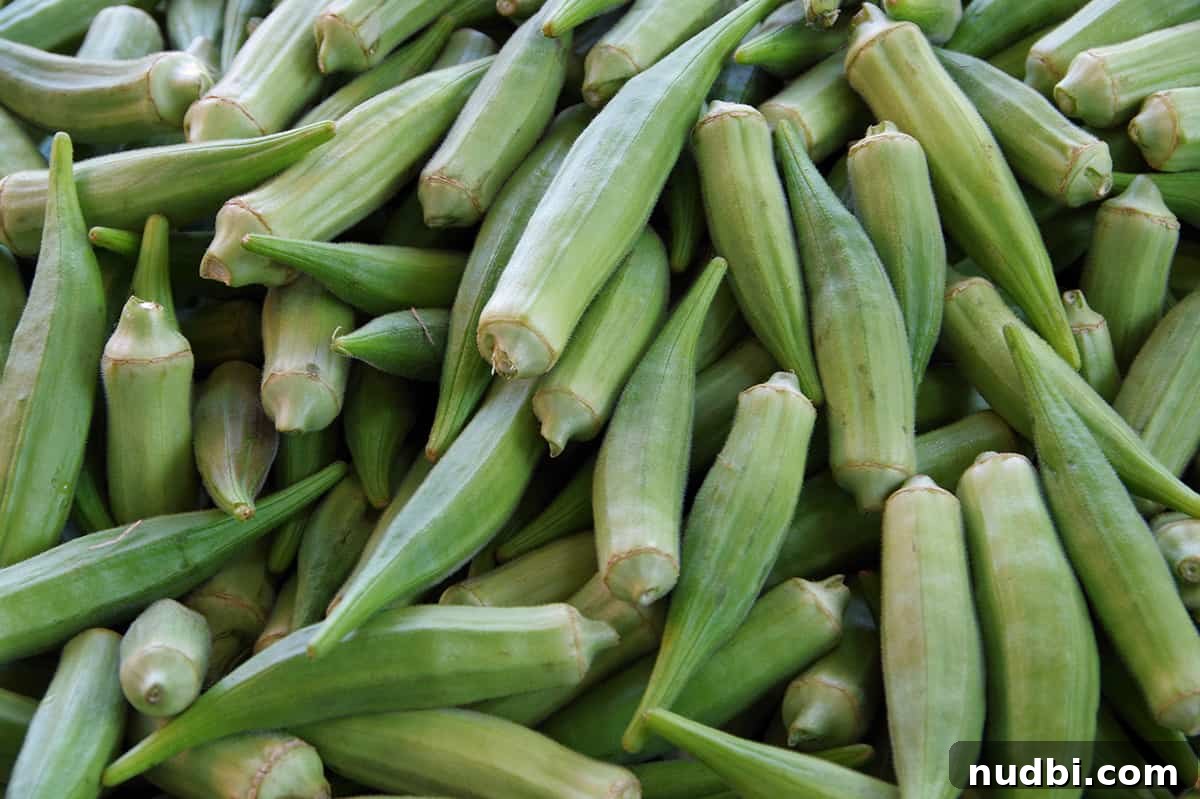
Okra
As September draws to a close, we’re nearing the end of okra season, so seize the opportunity to enjoy this unique and nutritious vegetable while you can! Okra is a good source of fiber, vitamin C, and folate, adding a distinctive texture and flavor to many dishes. When selecting okra, look for pods that are bright green, firm, and tender, without any soft spots or blemishes. Smaller pods tend to be more tender. Store okra in a paper bag in the refrigerator for up to 3-4 days. For those who find okra’s natural mucilage (the “sliminess”) unappealing when cooked, a useful tip is to soak the pods in vinegar for about 30 minutes before cooking. This can help reduce the sliminess, allowing you to enjoy okra fried, roasted, grilled, or stewed in classic Southern dishes like gumbo.
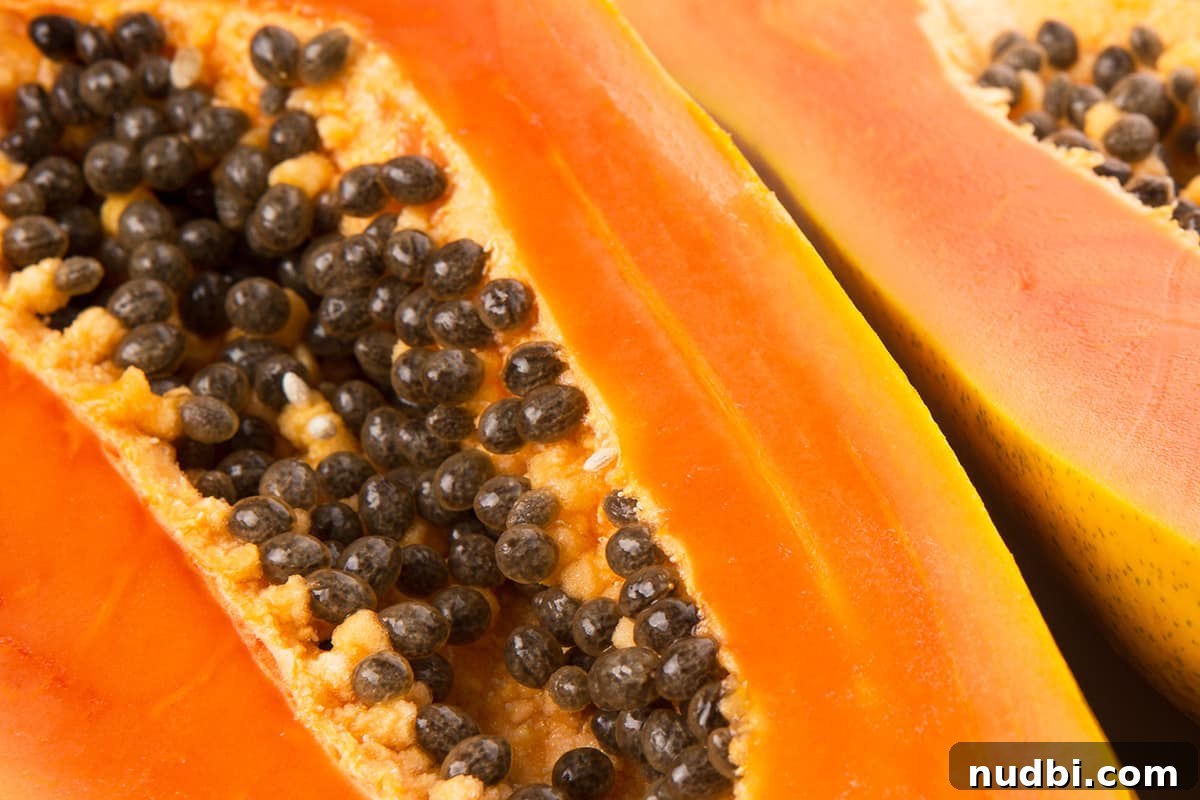
Papaya
While papaya might seem like an exotic fruit, it’s actually a common and consistently available fruit found throughout the year in most grocery stores, making it a delicious choice for September. Rich in vitamins C and A, folate, and powerful digestive enzymes like papain, papaya is both nutritious and incredibly easy to enjoy. When selecting papaya, look for fruit that is mostly yellow, with some green remaining. It should be slightly soft to the touch but not mushy, and have a sweet aroma. Store unripe papayas on your counter until they ripen, then refrigerate for a few days. Don’t be intimidated by preparing one! It’s remarkably simple: just cut the fruit in half lengthwise, use a spoon to scoop out the black, gelatinous seeds, and then scoop out the soft, sweet fruit flesh directly to enjoy. It’s perfect for breakfast, fruit salads, or smoothies.
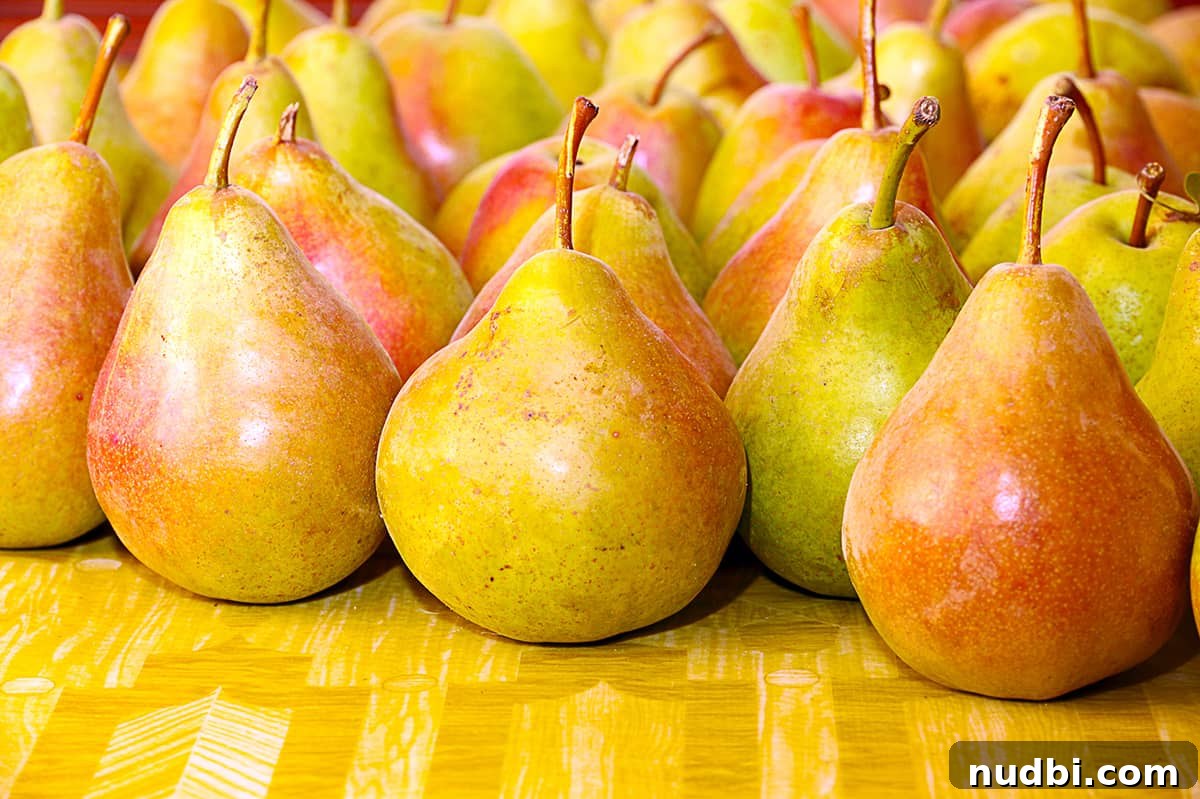
Pears
Pears are a delightful fall staple, with September marking the beginning of their peak season, offering over 3,000 varieties worldwide. These sweet and juicy fruits are an excellent source of fiber and vitamin C. When selecting pears at the store, remember the “Check the Neck” method: gently apply pressure to the neck of the pear with your thumb. If it yields to gentle pressure, it’s perfectly ripe and ready to eat! Avoid pears with bruising or soft spots. Store unripe pears at room temperature, then refrigerate ripe ones to extend their freshness for several days. Pears are wonderfully versatile: enjoy them simply sliced as a healthy snack, bake them into comforting desserts, blend them into refreshing smoothies, or pair them with cheeses for a sophisticated appetizer. Their delicate sweetness complements both sweet and savory applications.
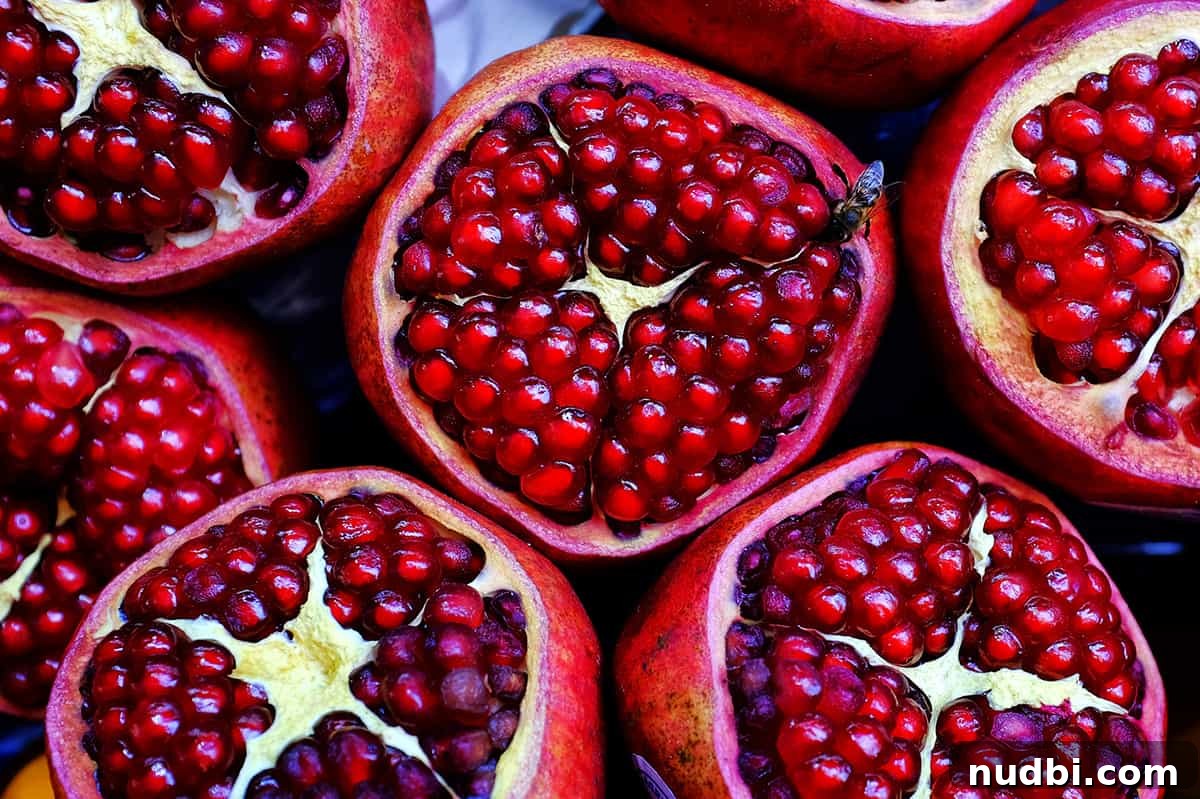
Pomegranates
September marks the arrival of pomegranates, a jewel-toned fruit celebrated for its vibrant arils and impressive health benefits. These beautiful fruits are rich in powerful antioxidants, fiber, and vitamin C. While they may appear daunting to seed, it’s actually a fairly easy process once you know the trick (you can watch how here for a simple method). When selecting pomegranates, look for fruits that are heavy for their size, with firm, unblemished skin. Store them at room temperature for a few days or in the refrigerator for up to two months. The juicy arils (seeds) are perfect for snacking on their own, adding a burst of flavor and color to fresh salads, or dressing up savory dishes like avocado toast. Their sweet-tart flavor also makes them a wonderful addition to desserts and beverages.
Potatoes
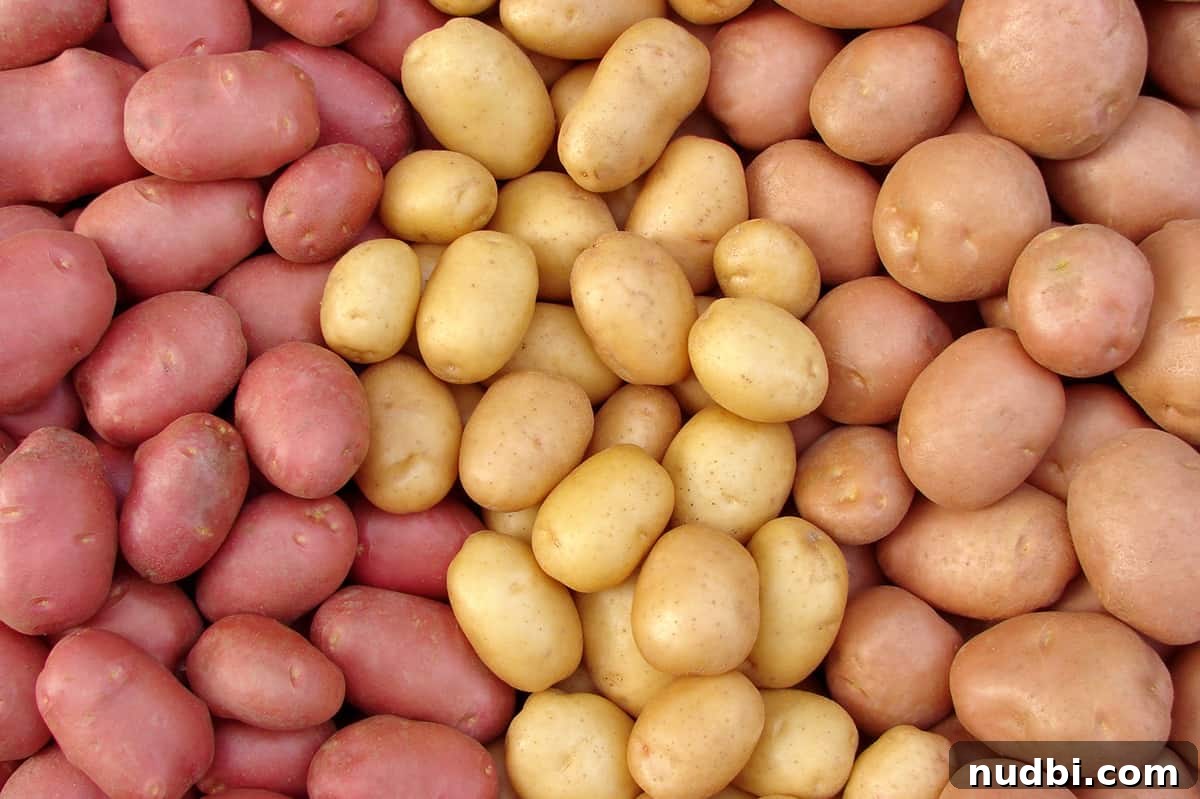
Potatoes, a true kitchen staple, are available year-round and offer incredible versatility for September’s cooking. With more than 600 types sold in the US, ranging from creamy Yukon Golds to fluffy Russets and vibrant red potatoes, the culinary possibilities are truly endless. While potatoes sometimes get an unfair reputation, skin-on potatoes are a nutritional powerhouse, packed with Vitamin C, potassium, and Vitamin B6, as well as fiber. When selecting potatoes, choose firm, smooth tubers free of sprouts, green spots, or deep cuts. Store them in a cool, dark, well-ventilated place, but avoid refrigerating them, as this can turn their starch into sugar. Whether you’re searching for healthy ways to top a baked potato, exploring different ways to season roasted potatoes, or simply seeking wholesome potato recipes, we’ve got you covered with endless ideas to incorporate this humble yet mighty vegetable into your meals.
Pumpkin
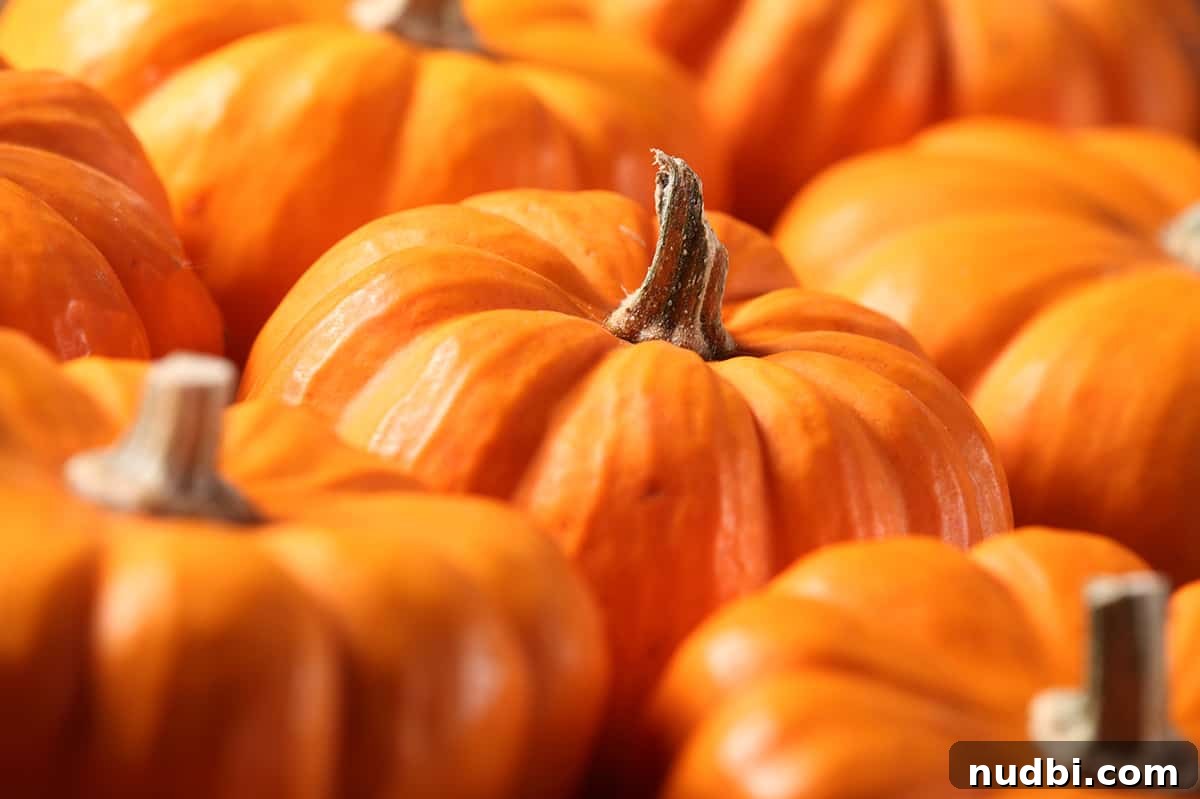
September officially ushers in pumpkin season, a quintessential symbol of fall! But we’re not just talking about the large jack-o’-lanterns you carve; we’re focusing on sugar pumpkins, also known as pie pumpkins. These smaller, sweeter varieties are the heart of all your favorite fall pumpkin recipes, from pies and breads to soups and lattes. Pumpkins are an excellent source of beta-carotene (which converts to Vitamin A), as well as Vitamin C, fiber, and potassium. When selecting a sugar pumpkin, look for one that is firm, heavy for its size, and has no soft spots or blemishes. Store uncut pumpkins in a cool, dark place for several weeks. Once cut, refrigerate any unused portions. For a bounty of inspiration, check out this post for tons of healthy pumpkin recipe ideas for fall and learn more about picking the perfect pumpkin to transform into delectable seasonal treats.
Raspberries
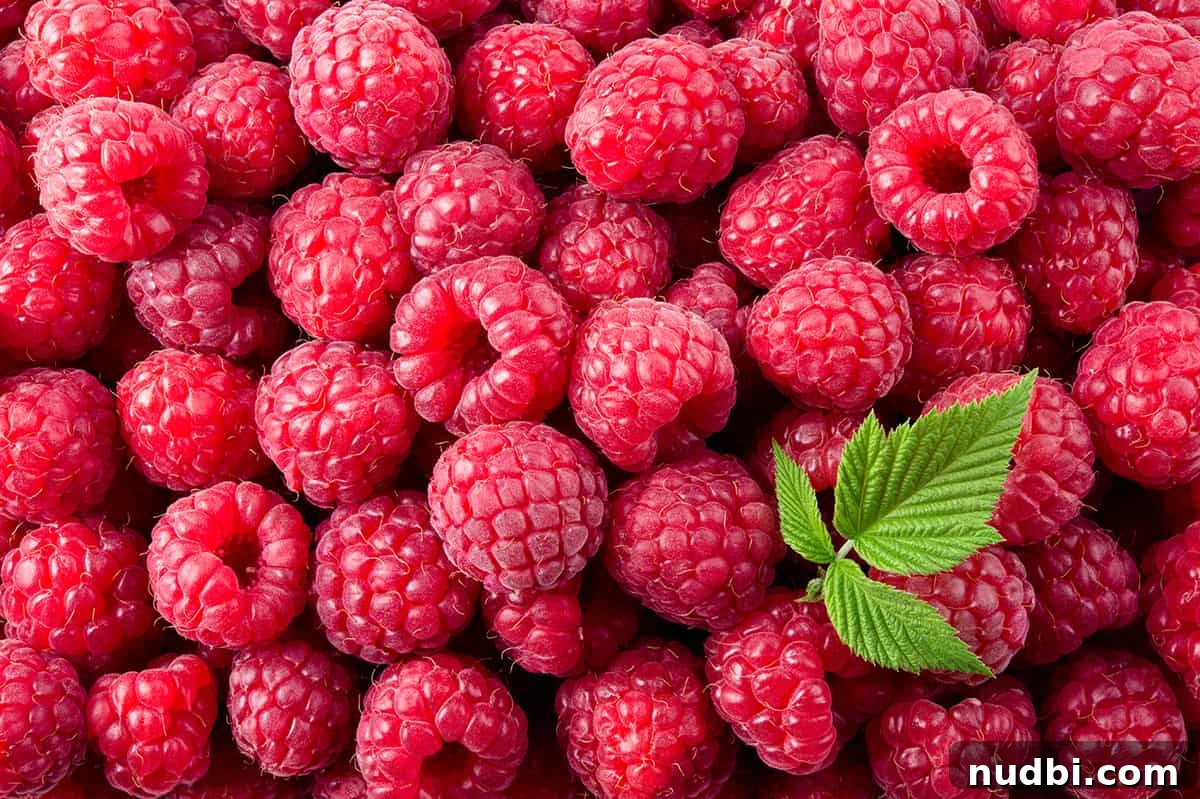
As September progresses, we’re heading into the last month of fresh raspberry season, so make sure to grab these delicate and delicious berries while they’re at their peak! Raspberries are rich in fiber, vitamin C, and antioxidants, offering a sweet-tart flavor profile. When selecting raspberries, look for plump, firm berries with a vibrant color, free of mold or crushing. Store them in a single layer in the refrigerator and avoid washing until just before consumption, as moisture can hasten spoilage. This is an excellent time to enjoy them fresh or stock up by freezing them for later use, ensuring a taste of summer throughout the year. Frozen raspberries are perfect for adding to smoothies, baking into muffins, or even creating a unique and comforting Raspberry Mint Hot Chocolate as the evenings grow cooler.
Strawberries
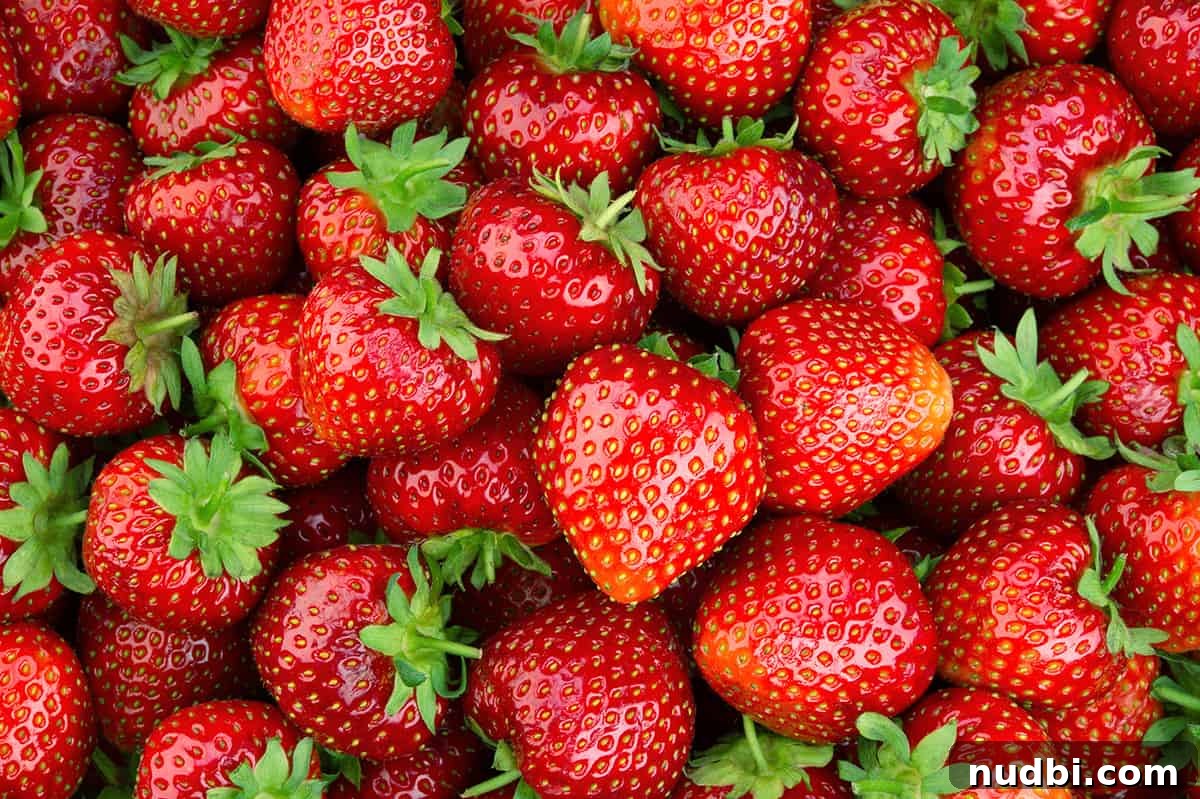
Good news for berry lovers: California strawberries are still deliciously in season throughout September! This beloved fruit, known for its sweet juiciness and vibrant red color, is an excellent source of vitamin C, manganese, and antioxidants. When selecting strawberries, look for bright red, plump berries that are firm and free of mold. Store them unwashed in a single layer in the refrigerator and wash just before eating to maximize freshness. Beyond simply snacking, the possibilities for incorporating strawberries into your meals are endless. Blend them into nutritious muffins, create the perfect healthy smoothie, add them to a refreshing fruit salsa, or top off your morning pancakes or waffles with their sweet goodness.
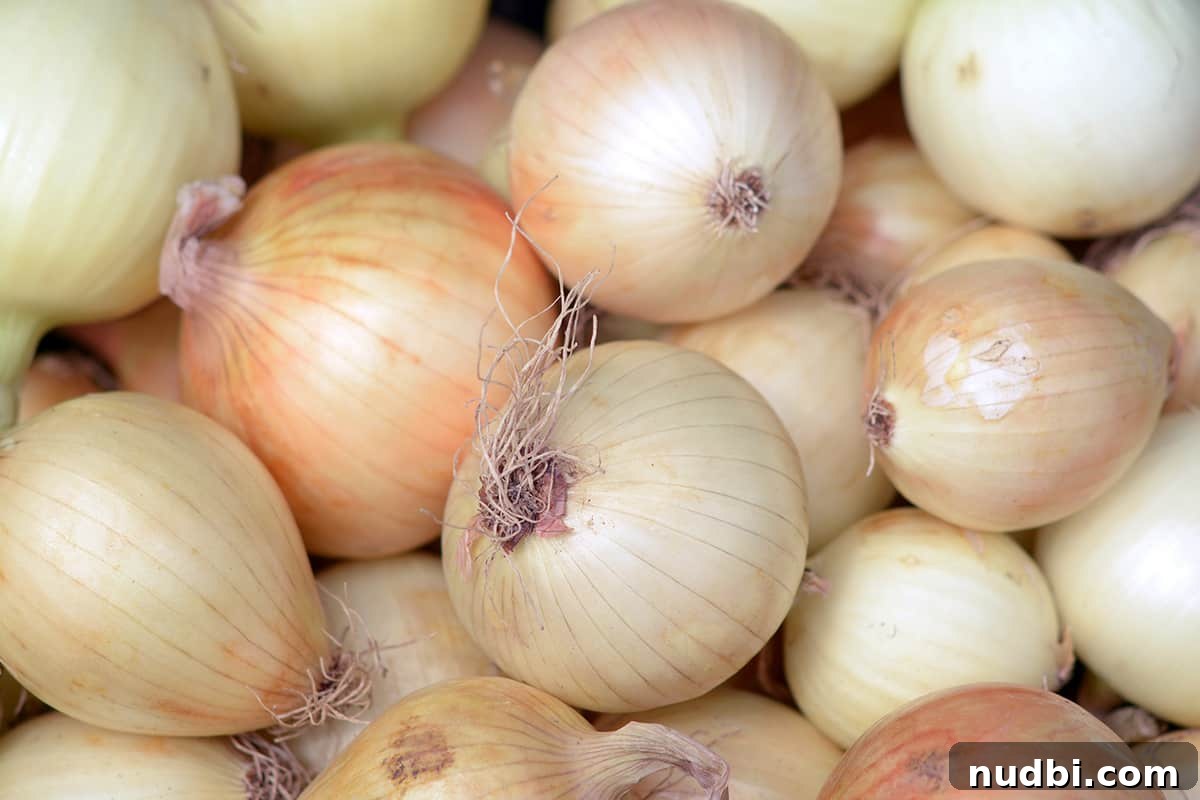
Sweet Onions
Sweet onions are an indispensable staple in virtually every kitchen, providing a foundational flavor for countless meals throughout the year, including September. While mastering the art of cutting onions without shedding tears can be a challenge, their essential contribution to culinary depth is undeniable. Sweet onions offer a milder, less pungent flavor than yellow or red onions, making them versatile for both raw and cooked applications. They are also a source of vitamin C, fiber, and prebiotics. When selecting sweet onions, look for firm, dry bulbs with no soft spots or green sprouts. Store them in a cool, dry, well-ventilated place away from potatoes, which release moisture and gases that can cause spoilage. They are essential for adding flavor to everything from comforting soups and hearty chili to savory meatballs and convenient breakfast burritos. Their gentle sweetness makes them fantastic caramelized or used in salads.
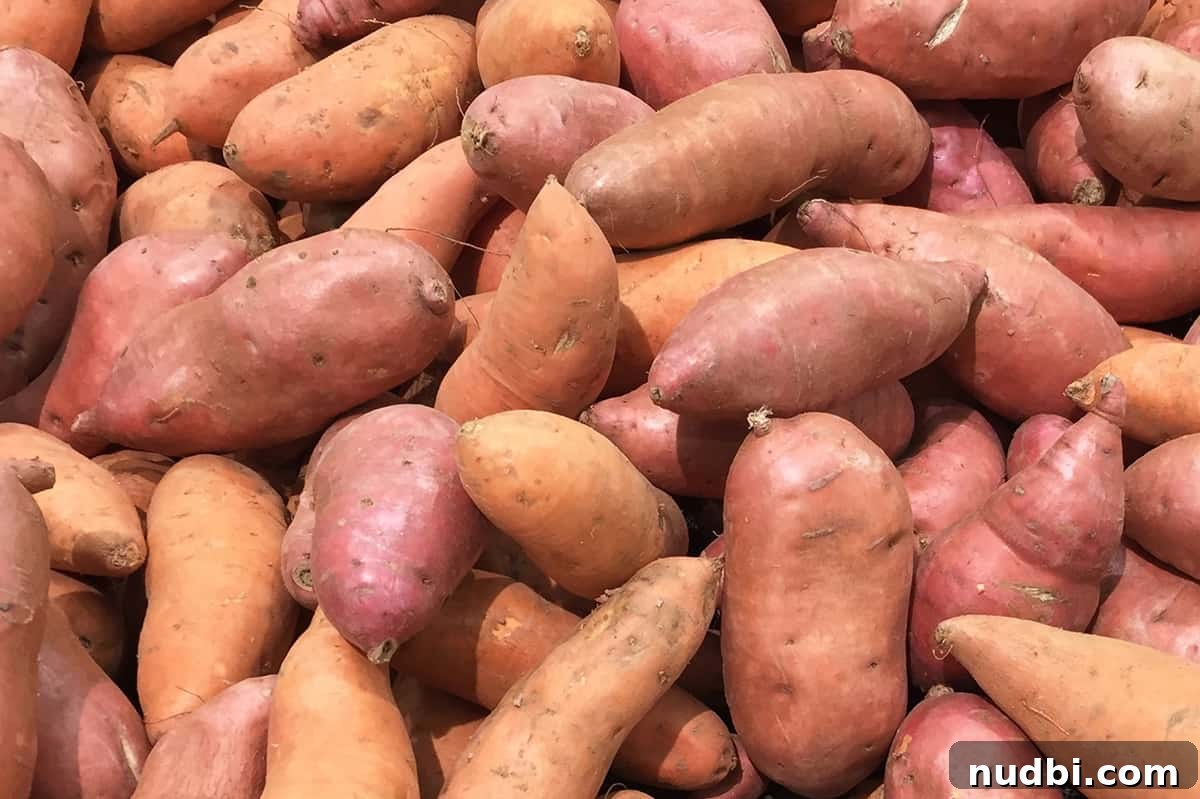
Sweet Potatoes
Sweet potatoes are a glorious fixture in our kitchens year-round, but they truly come into their own during September and the cooler fall months, dominating Pinterest feeds with their comforting allure. These vibrant root vegetables are not just delicious; they are a nutritional powerhouse, providing an excellent source of Vitamin A, Vitamin C, manganese, and fiber. When selecting sweet potatoes, look for firm, smooth-skinned tubers with no soft spots or blemishes. Store them in a cool, dark, and well-ventilated place, but avoid refrigerating them, as this can alter their flavor and texture. Their natural sweetness makes them incredibly adaptable to both savory and sweet applications. Mash them for a tasty vegetarian quesadilla filling, bake them into crispy chips, roast them as part of a hearty sheet pan dinner, or even incorporate them into a unique and wholesome breakfast parfait for a surprising start to your day.
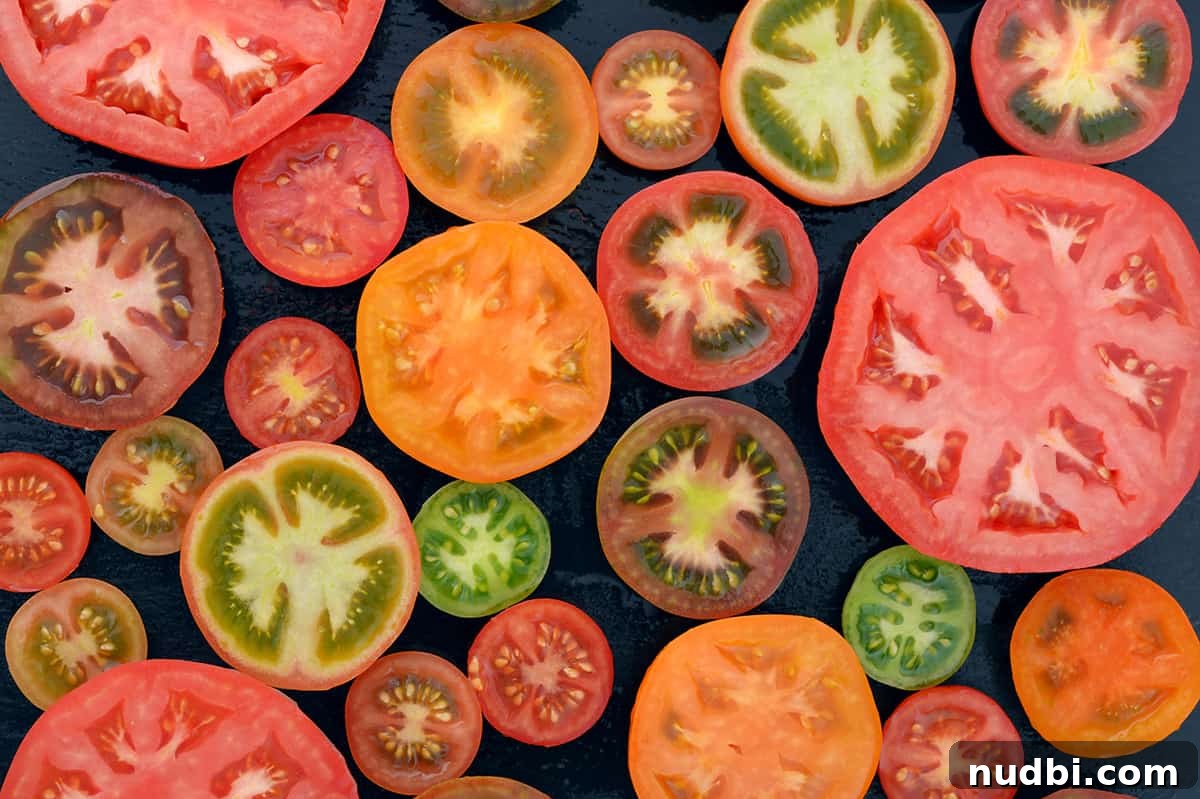
Tomatoes
There’s an undeniable magic to a fresh, perfectly ripe tomato, especially during its peak season, which extends beautifully into September. These juicy, flavorful fruits (yes, botanically they’re fruits!) are bursting with nutrients like Vitamin C, potassium, and the powerful antioxidant lycopene. To select the best tomatoes, look for plump, heavy fruits with smooth skins. They should be free of bruises, major blemishes, or deep cracks, although fine cracks at the stem ends of ripe, field-grown tomatoes do not affect their delicious flavor. A fragrant aroma is also a good indicator of ripeness. Store ripe tomatoes at room temperature, away from direct sunlight, and avoid refrigerating them, as cold temperatures can diminish their flavor and texture. There are so many delightful ways to enjoy September’s tomatoes: toss them into a vibrant pasta dish, transform them into a zesty salsa, chop them into a refreshing salad, or simply slice them with a drizzle of olive oil and a sprinkle of salt. Enjoy these flavorful gems before the season fully transitions!
As you can see, September offers an incredible array of fresh, delicious, and nutritious fruits and vegetables. By incorporating these seasonal delights into your meal planning, you’re not only guaranteeing peak flavor and nutrient density but also making smart choices for your budget and supporting sustainable practices. We encourage you to explore new recipes, experiment with different preparation methods, and truly savor the bounty of this beautiful fall month. Happy cooking and healthy eating!