Nourishing Growing Bodies: The Essential Guide to High Fiber Foods for Kids
As parents, ensuring our children receive optimal nutrition for their growth and development is a top priority. Among the many vital nutrients, dietary fiber stands out as a powerful ally for children’s health. You’ve probably heard about fiber and its impressive benefits for adults, but its role in supporting a child’s developing body, from robust digestion to sustained energy, is equally, if not more, critical. Fiber is a unique type of carbohydrate found exclusively in plant-based foods, and unlike most carbohydrates that are broken down into glucose for energy, fiber travels through the body undigested. This distinctive characteristic is precisely what makes it so beneficial, profoundly impacting your child’s well-being.
The journey of fiber through the digestive tract, remaining largely intact, performs several key functions. It acts as a natural “scrubber,” helping to keep things moving smoothly and preventing common childhood issues like constipation. But the advantages of a fiber-rich diet extend far beyond digestive regularity. Foods packed with fiber are typically nutrient-dense, providing essential vitamins, minerals, and antioxidants crucial for overall health. Regular inclusion of high fiber foods for kids may significantly contribute to reducing the risk of developing chronic conditions later in life, such as heart disease, certain types of cancer, obesity, and even type 2 diabetes. By prioritizing sufficient fiber intake during childhood, you are actively building a strong foundation for your child’s lifelong health and vitality.
Understanding Fiber: Soluble vs. Insoluble Fiber for Children’s Health
To fully appreciate the benefits of fiber, it’s helpful to understand that there are two main types, both playing distinct yet equally important roles in your child’s diet:
- Soluble Fiber: This type of fiber dissolves in water, forming a gel-like substance. It’s known for its ability to help lower cholesterol and blood sugar levels. Soluble fiber also feeds beneficial gut bacteria, contributing to a healthy microbiome. Good sources for kids include oats, barley, apples, citrus fruits, carrots, peas, and beans.
- Insoluble Fiber: As the name suggests, insoluble fiber does not dissolve in water. It adds bulk to stool, helping to prevent constipation and promote regularity. This type of fiber acts like a “brush,” sweeping waste through the digestive system. Whole-wheat flour, wheat bran, nuts, beans, and many vegetables (like green beans and potatoes with skin) are excellent sources of insoluble fiber.
A balanced intake of both soluble and insoluble fiber is essential to harness the full spectrum of health benefits for your child.
Why Fiber is Crucial for Your Child’s Optimal Growth and Development
For children, fiber is more than just a nutrient; it’s a cornerstone of their developing health, supporting them in multiple critical ways:
- Superior Digestive Health: Fiber is the primary defense against constipation, a common and uncomfortable issue for many children. It ensures regular bowel movements, making stools softer and easier to pass. Furthermore, fiber acts as a prebiotic, fostering a diverse and healthy gut microbiome, which is vital for a strong immune system and efficient nutrient absorption.
- Effective Satiety and Weight Management: High fiber foods are naturally more filling than refined alternatives, helping children feel satisfied after meals and reducing the urge for unhealthy snacking. This sustained feeling of fullness can play a significant role in preventing childhood obesity and establishing healthy eating patterns from an early age.
- Stable Blood Sugar Control: Soluble fiber, in particular, helps slow down the digestion and absorption of sugars, preventing rapid spikes and crashes in blood glucose levels. This promotes sustained energy throughout the day, enhances focus, and significantly reduces the risk of developing type 2 diabetes in later life.
- Long-Term Heart Health Benefits: By aiding in cholesterol reduction and maintaining a healthy weight, a diet rich in fiber contributes substantially to cardiovascular health. Introducing these habits early can protect your child’s heart for decades to come.
- Enhanced Nutrient Absorption: Many fiber-rich foods are also powerhouses of essential vitamins, minerals, and antioxidants. A diet emphasizing these foods naturally ensures your child receives a comprehensive array of micronutrients vital for cognitive development, physical growth, and robust immune function.
How Much Fiber Do Kids Really Need? Understanding Daily Recommendations
Determining the optimal fiber intake for your child might seem daunting, as recommendations vary depending on energy needs, age, and individual weight. However, a practical and easy-to-follow guideline to ensure your children are receiving adequate fiber is to aim for at least five servings of fruits and vegetables each day. This simple approach naturally encourages a diverse intake of fiber and other essential nutrients.
For parents seeking more specific nutritional targets, the Daily Reference Intakes (DRI) provide detailed recommendations by age group. These guidelines serve as an excellent benchmark to help you plan your child’s meals and snacks effectively:
- Children (1-3 years old): Aim for approximately 19 grams of fiber per day. At this early stage, focus on soft, easily digestible fiber sources like mashed berries, pureed vegetables, and oatmeal.
- Children (4-8 years old): The recommendation increases to around 25 grams of fiber per day. This is a great age to introduce a wider variety of whole fruits, raw vegetables, and diverse whole grains.
- Girls (9-13 years old): Target 26 grams of fiber per day. As children enter pre-adolescence, their dietary needs evolve with their growth spurts.
- Boys (9-13 years old): The recommendation for boys in this age group is 31 grams of fiber per day, often reflecting their generally higher energy demands.
- Girls (14-18 years old): Maintain around 26 grams of fiber per day.
- Boys (14-18 years old): With significant growth and development, the highest recommendation stands at 38 grams of fiber per day, crucial for supporting their increased energy and nutritional requirements.
While these guidelines provide valuable targets, it’s crucial to remember they are general recommendations. For personalized dietary advice or if you have any concerns regarding your child’s specific health conditions or eating habits, consulting with a pediatrician or a registered dietitian is always the best course of action. They can offer tailored guidance to meet your child’s unique needs.
Discovering Fiber-Rich Foods: Your Comprehensive Pantry and Plate Guide
Incorporating fiber into your family’s diet doesn’t have to be a challenge; it can be an exciting journey of culinary exploration! Dietary fiber is widely available in a diverse range of delicious and versatile food sources. The key is to emphasize whole, unprocessed plant foods. Here are the main categories of fiber-rich foods to prioritize:
- Fruits: Nearly all fruits are excellent sources of fiber, particularly when consumed with their skins intact. Top choices for kids include raspberries, blackberries, strawberries, apples, pears, bananas, oranges, and prunes. Berries are particularly high in fiber for their size.
- Vegetables: A vibrant array of vegetables ensures a robust fiber intake. Focus on options like broccoli, carrots, sweet potatoes, peas, spinach, corn, bell peppers, and all kinds of leafy greens. Raw or lightly steamed vegetables retain the most fiber.
- Legumes: This powerful food group includes beans (black beans, kidney beans, pinto beans), lentils, chickpeas (garbanzo beans), and split peas. Legumes are not only exceptionally rich in fiber but also provide a significant amount of plant-based protein, making them highly nutritious additions to any meal.
- Nuts and Seeds: Almonds, walnuts, pecans, chia seeds, flaxseeds, and sunflower seeds are packed with both fiber and healthy fats. They make excellent snacks or additions to meals. (For young children, nuts should be finely chopped or served as butter/paste to prevent choking hazards).
- Whole Grains: Making the switch from refined white products to whole-grain alternatives is one of the most impactful ways to boost fiber. Opt for 100% whole-wheat bread, whole-grain pasta, old-fashioned oatmeal, brown rice, quinoa, and even air-popped popcorn. Whole grains retain the bran and germ, which are where the majority of fiber and other vital nutrients reside.
Becoming a Label-Reading Expert: Easily Identifying Fiber Content
Navigating the grocery store can feel like a quest, but becoming skilled at reading food labels empowers you to make smarter, healthier choices for your family. The “Nutrition Facts” panel found on the back of most food packaging is your ultimate resource for understanding a product’s nutrient profile, including its fiber content. When examining a label, specifically look for the line item labeled “Dietary Fiber” to see how much fiber the product contains per serving.
To help you quickly evaluate products and make informed decisions, keep these simple definitions in mind:
- High Fiber Food: A product earns the designation of a “high fiber food” if it provides 5 grams or more of fiber per serving. These foods are excellent choices for significantly boosting your child’s daily fiber intake and reaching their recommended targets more easily.
- Good Source of Fiber: Foods that offer between 2.5 and 4.9 grams of fiber per serving are considered a “good source” of fiber. While not as high as the “high fiber” category, these products still contribute meaningfully to daily recommendations and should be included in a balanced diet.
It’s always a good practice to compare labels, even within the same product category. For example, different brands of whole-wheat bread or breakfast cereals can have vastly different fiber counts. Choosing options with higher fiber content per serving will make it much simpler for your child to meet their daily fiber goals without needing to consume large quantities of food.
Fiber Power: A Practical Look at Common Foods and Their Fiber Content
To provide a more concrete understanding of how much fiber is in everyday foods, take a look at the following list. These examples can help you visualize how easily fiber grams can accumulate throughout your child’s day, making it simpler to plan fiber-rich meals and snacks:
- 1/2 cup of cooked beans or legumes (e.g., black beans, lentils, chickpeas): Approximately 6-8 grams of fiber. A significant boost!
- 1/2 cup of cooked vegetables (e.g., broccoli florets, steamed carrots, peas): 2 – 4 grams of fiber.
- 1 medium apple with skin (about 182g): About 4-5 grams of fiber. A perfect portable snack.
- 1/2 cup of chopped fruit (e.g., mixed berries, sliced pears): 3 – 4 grams of fiber.
- 1 small orange: Approximately 3 grams of fiber.
- 1 slice of 100% whole wheat bread (check labels, some are higher): 2 – 4 grams of fiber.
- 1/2 cup of whole grain cereal (e.g., plain oatmeal, high-fiber O’s): 5 grams or more of fiber. A great start to the day.
- 1/2 cup cooked whole grain pasta: 2 – 4 grams of fiber, significantly more than white pasta.
- 1/2 cup of cooked brown rice: Approximately 2 grams of fiber.
- 1 oz (about 23 whole) almonds: About 3.5 grams of fiber, plus healthy fats.
- 1/4 cup chia seeds (sprinkled in yogurt or smoothies): Approximately 10 grams of fiber.
- 1 cup air-popped popcorn: About 1 gram of fiber per cup, and it adds up quickly for a snack.
Keep in mind that these are average values, and the exact fiber content can vary based on the specific variety of food, how it’s prepared, and its serving size. Focusing on variety will naturally lead to a balanced fiber intake.
Smart Strategies: Easy and Delicious Ways to Boost Your Child’s Fiber Intake
Increasing your child’s fiber intake doesn’t have to be a battle or involve a radical diet overhaul. Small, consistent, and fun changes can yield significant results. It’s particularly important to introduce fiber gradually to prevent potential digestive discomforts like excess gas or bloating, as the digestive system adjusts. Here are some simple, kid-friendly strategies to effortlessly weave more fiber into your family’s daily meals and snacks:
- Smoothie Superstars Over Juice: Instead of offering juice, which lacks fiber, blend whole fruits (especially with their skins, like apples or pears) into vibrant and delicious smoothies. For an extra boost, toss in a handful of spinach (kids won’t taste it!), a tablespoon of chia seeds or flaxseeds, and some Greek yogurt for added protein.
- Embrace Whole Grains with Enthusiasm: Make a conscious and gradual switch from refined white products to their whole-grain counterparts. Choose 100% whole-wheat bread for sandwiches, whole-grain pasta for dinner, and brown rice or quinoa as sides. Highlight the delicious, nutty flavor of whole grains.
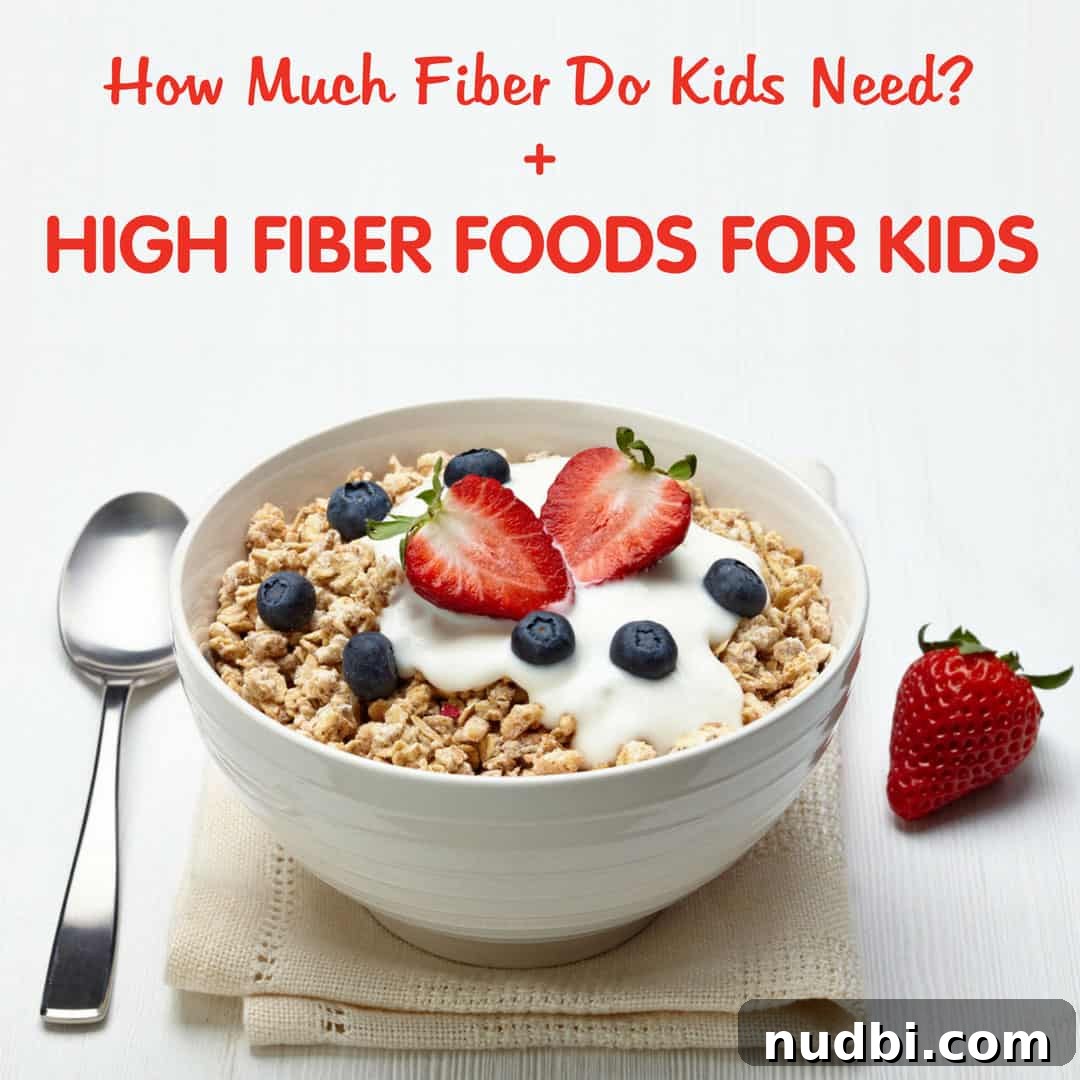
- Fortify Breakfast Bowls: Transform ordinary breakfast cereals or oatmeal into fiber powerhouses. Top them with fresh berries, sliced bananas, or a sprinkle of chopped nuts (for older children, ensuring appropriate portion sizes and mindful of choking hazards). A spoonful of wheat germ or ground flaxseed can also add a significant fiber punch.
- Creative Lunchbox Power-Ups: Pack their lunchbox with crisp apple slices, baby carrots, colorful bell pepper strips, or a small container of hummus served with whole-wheat pita bread. A small handful of almonds or sunflower seeds can also be a healthy, fiber-rich addition for older kids.
- Sneak in Legumes: Lentils and beans are fiber champions that can be easily incorporated without kids even noticing. Blend cooked lentils into homemade pasta sauces, stews, or soups. Add black beans to quesadillas, tacos, or burritos. Roasted chickpeas seasoned with herbs make a surprisingly tasty and crunchy snack.
- Don’t Peel Away the Goodness: Encourage your children to eat the skin on fruits and vegetables like apples, pears, baked potatoes, and cucumbers, as a substantial amount of fiber and nutrients are concentrated there. Always wash produce thoroughly before serving.
- Veggies in Every Meal (Naturally): Make it a household habit to include vegetables at breakfast, lunch, and dinner. Scramble eggs with diced peppers and onions, add extra veggies to pasta dishes, casseroles, or offer a colorful side salad with dinner.
- Smart Snacking Swaps: Replace highly processed, low-fiber snacks with wholesome, fiber-rich alternatives. Air-popped popcorn (lightly seasoned) is an excellent whole-grain snack. Offer fruit slices with a smear of nut butter, veggie sticks with a healthy dip, or a small handful of dried fruit (in moderation due to natural sugar content).
- Bake with Benefits: When baking at home, experiment by substituting a portion of all-purpose flour with whole wheat flour. Add rolled oats, shredded carrots, zucchini, or fresh berries to muffins, pancakes, or cookies for an effortless fiber boost.
- Lead by Example: Children are keen observers and imitators. When they see you actively enjoying and choosing fiber-rich foods, they are significantly more likely to try them too. Make healthy eating a shared family experience.
A crucial reminder: when increasing fiber intake, it is equally important to ensure your child drinks plenty of water throughout the day. Fiber needs fluid to work effectively, aiding its passage through the digestive system and preventing any potential discomfort such.
Conclusion: Building a Foundation for Lifelong Health and Well-being
Incorporating high-fiber foods into your child’s daily diet is one of the most impactful and proactive steps you can take to support their immediate health and lay a robust foundation for their future well-being. From ensuring smooth digestion and preventing common ailments like constipation to contributing significantly to healthy weight management, stable blood sugar levels, and reducing the risk of chronic diseases later in life, the benefits of adequate fiber are truly profound and far-reaching. By implementing gradual, enjoyable changes and consistently offering a diverse array of fruits, vegetables, whole grains, and legumes, you can effortlessly guide your child towards a fiber-rich diet that they will enjoy. Start today, and watch your children thrive, equipped with the sustained energy, optimal health, and strong digestive system they need to explore, learn, and grow into healthy, happy adults.