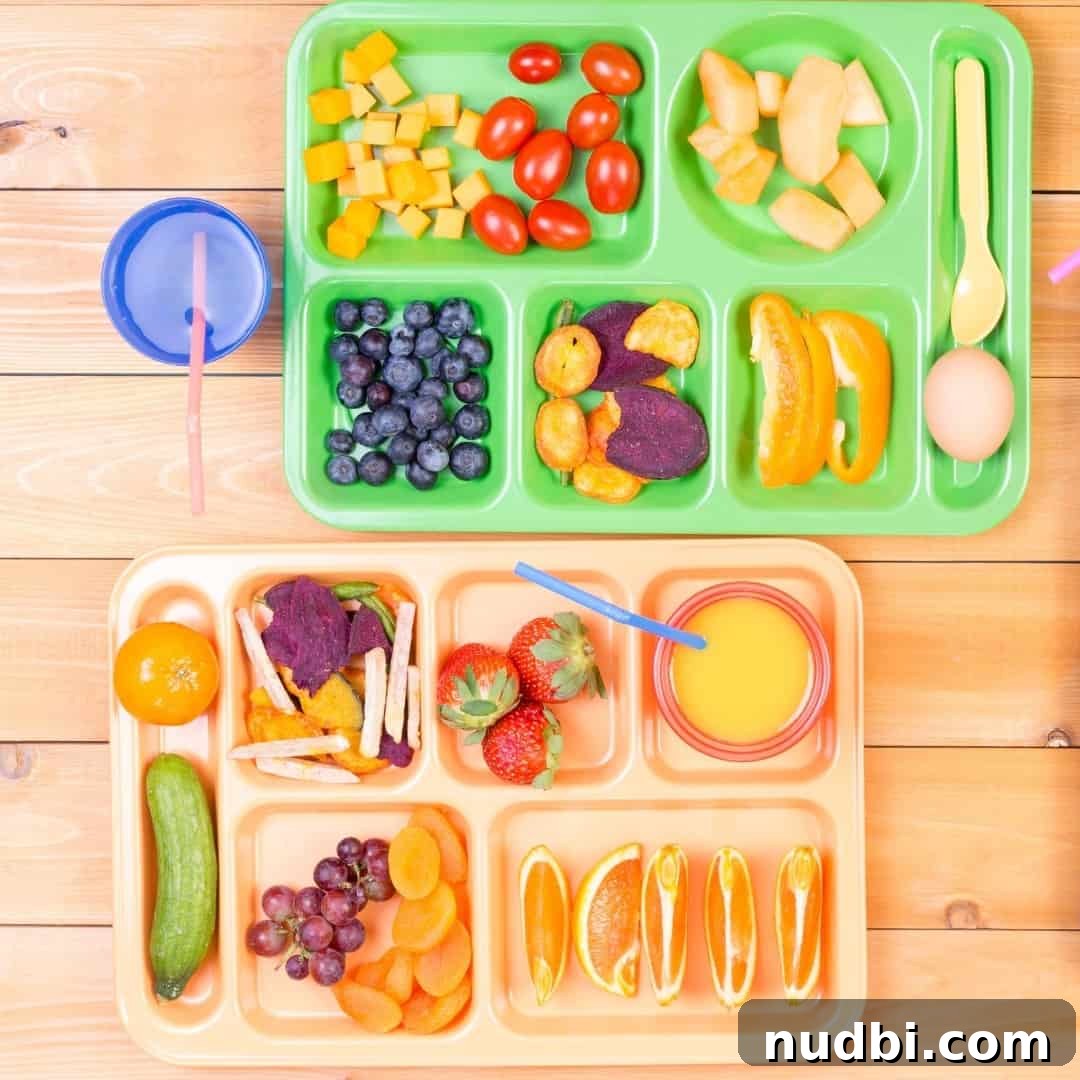
Guiding Your Child Towards Smarter Choices in the School Lunch Line
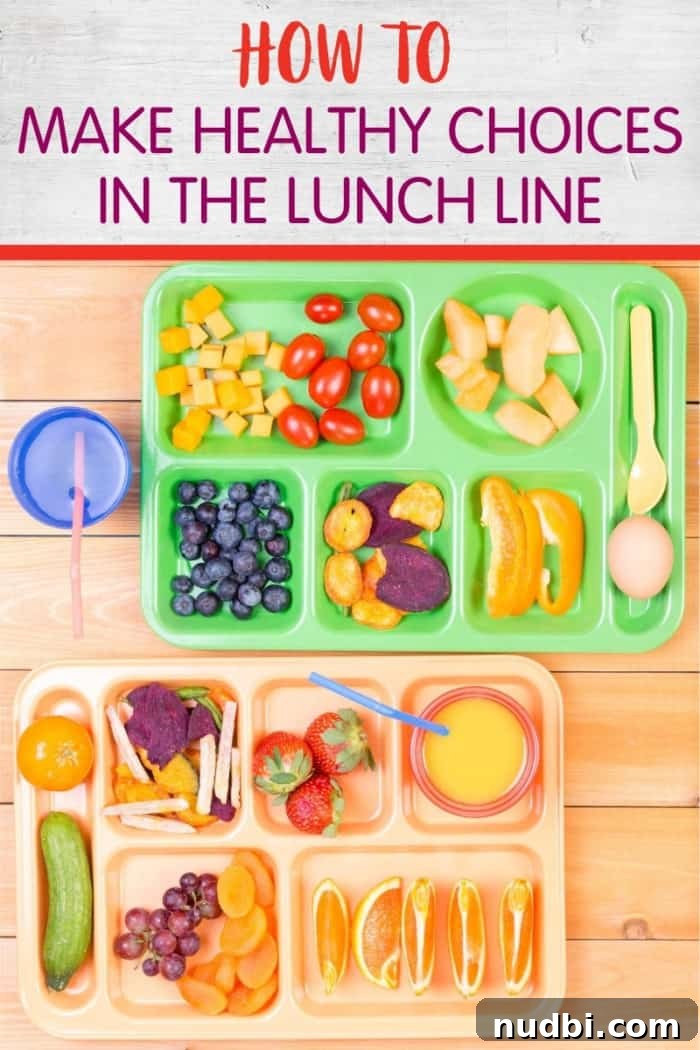
As the school year kicks off for countless families, parents worldwide find themselves back in the familiar rhythm of schedules, homework, and extracurricular activities. Beyond stocking up on school supplies, updating wardrobes, and ensuring backpacks are packed, a significant concern often weighs on our minds: Is our child receiving the essential nutrition they need throughout the school day? While many families meticulously prepare and pack lunches, a considerable number of students rely on the school cafeteria for their midday meal. As a registered dietitian and a parent myself, I deeply understand the apprehension that children might not consistently make the healthiest decisions when confronted with the array of options available in the school lunch line. This comprehensive guide aims to equip parents with practical, actionable strategies to empower their children to make nutritious and balanced choices, fostering healthy habits that extend far beyond the cafeteria.
Empowering Healthy Habits: Simple Strategies for Parents
Navigating the school lunch line can be a whirlwind for children, filled with enticing, less-nutritious options alongside healthier ones. By proactively engaging with them, we can transform this daily routine into a valuable learning opportunity. Here are several simple yet effective tips to encourage your kids to make smart, healthy choices every day:
1. Make Menu Exploration a Weekly Ritual
One of the most powerful tools in guiding your child’s lunch choices is shared knowledge. Most schools provide a weekly or monthly cafeteria menu, often accessible online. Turn reviewing this menu into a fun, collaborative activity. Sit down together and discuss the available options ahead of time. When children are in a rush, they often grab the first thing that looks appealing, which might not always be the best choice. Pre-planning removes the pressure of an impulsive decision and allows for thoughtful consideration.
- Identify Nutritious Options: Point out meals that include lean proteins, whole grains, and plenty of vegetables.
- The “Half-Plate” Rule: Gently remind them that ideally, half of their plate should be filled with fruits and vegetables. Help them identify which items on the menu fit this category.
- Highlight Favorites & Healthy Alternatives: If “Pizza Friday” is a staple, discuss how they can still enjoy it while adding a side salad or extra fruit. This teaches balance and moderation from an early age.
- Discuss Food Groups: Introduce basic concepts of food groups – “This will give you energy, this will help you grow strong.”
2. Prioritize Smart Beverage Choices
It’s not just the solid food choices that matter; beverages play a critical role in a child’s overall nutrition. Many popular drinks offered in cafeterias are surprisingly high in added sugars, which can lead to energy crashes, dental issues, and contribute to long-term health concerns. Educating your child about healthier drink options is crucial.
- Champion Water: Water is the ultimate healthy choice. Discuss its importance for hydration, focus, and overall well-being. Encourage them to choose water whenever possible. Many schools now have water fountains or refill stations, making it easier for kids to stay hydrated throughout the day.
- Opt for Low-Fat Milk: Suggest low-fat or fat-free milk as a good source of calcium and vitamin D, essential for growing bones. Discuss why plain milk is preferable to flavored milks, which often contain excessive added sugars.
- Whole Fruit Over Fruit Juice: Explain that while fruit juice may sound healthy, it often lacks the fiber of whole fruit and can be just as high in sugar as a soda. Encourage them to pick a piece of fresh fruit (apple, orange, banana) over a carton of juice, explaining the benefits of fiber for feeling full and healthy digestion.
- Limit Sugary Drinks: Help them understand why sodas, sports drinks (unless for intense athletic activity), and sweetened teas are best consumed rarely, if at all.
3. Engage in a Daily Lunch Recap
Once your child returns home, dedicate a few minutes to an open, non-judgmental conversation about their lunch choices. This isn’t about interrogation or criticism, but about building awareness and reflective thinking around their food decisions.
- Ask Open-Ended Questions: Instead of “What did you eat?”, try “What did you choose for lunch today?” or “What looked good in the lunch line?”
- Discuss Tastes and Preferences: “Did you enjoy what you ate?” “What was your favorite part of lunch?” “Was there anything new you tried?”
- Connect Food to Feelings: Ask, “How did that lunch make you feel afterwards? Did you have good energy for afternoon classes?” This helps children connect their food choices with their physical and mental well-being.
- Reinforce Positive Choices: If they made a healthy choice, offer praise. If they chose something less nutritious, gently discuss how they might add a fruit or vegetable next time.
- Collaborate for Future Planning: Use this conversation to inform future menu discussions, identifying preferences and areas for improvement. This dialogue helps them understand that their lunch choices are significant enough to warrant discussion, reinforcing their importance.
4. Cultivate a Fun and Positive Relationship with Food
Eating healthy shouldn’t feel like a punishment or a chore. It’s crucial to teach children about balance and moderation, ensuring they develop a positive and sustainable relationship with food.
- Embrace “Sometimes” Foods: Let your kids know that it’s perfectly okay to enjoy their favorite lunch items, including the occasional treat like “Pizza Friday,” as long as these are balanced with plenty of fruits and vegetables throughout the week. This approach normalizes all foods and avoids creating an “off-limits” mentality that can backfire.
- Make Healthy Eating Adventurous: Challenge them to try a new fruit or vegetable each week from the salad bar. Make it a game: “Who can find the crunchiest veggie?” or “What’s the most colorful plate you can make?”
- Avoid Food Shaming: Never shame a child for their food choices. Focus on encouragement and education rather than guilt, which can lead to unhealthy eating patterns.
- Celebrate Small Victories: Acknowledge and celebrate when they make a particularly good choice, like opting for an apple instead of chips or trying a new vegetable.
5. Model Healthy Habits at Home
The foundation for healthy eating is built at home. How we eat, what we stock in our pantry, and the food choices we make as parents profoundly influence our children’s preferences and decisions, even when we’re not around. Consistent healthy habits at home naturally extend to school.
- Family Meal Times: Prioritize eating meals together as a family. This provides an opportunity to model healthy eating, introduce new foods, and foster positive conversations around food.
- Involve Kids in Meal Prep: Let children help with grocery shopping, choosing colorful produce, or preparing simple meals. When they participate in the process, they are more likely to eat what they’ve helped create.
- Stock Healthy Snacks: Ensure your home is stocked with easily accessible, nutritious snacks like fruits, vegetables with hummus, yogurt, and whole-grain crackers.
- Lead by Example: Children are keen observers. When they see you making healthy choices, enjoying a variety of foods, and drinking water, they are more likely to emulate those behaviors.
- Healthy Breakfasts Matter: A nutritious breakfast sets the tone for the entire day, providing sustained energy and better concentration, which can also influence later meal choices.
6. Navigate the Salad Bar Like a Pro
Many schools now feature salad bars, which can be an exciting opportunity for kids to craft their own nutritious “masterpieces.” While seemingly healthy, a salad bar can also be a trap for less healthy choices if not navigated wisely. Teach your child how to build a balanced, vibrant salad:
- Start with a Strong Base: Encourage plenty of dark leafy greens like spinach or romaine lettuce.
- Pile on the Veggies: Load up on a variety of colorful vegetables such as carrots, cucumbers, bell peppers, tomatoes, and broccoli.
- Add Lean Protein: Include grilled chicken, turkey, hard-boiled eggs, beans, or chickpeas for satiety and muscle building.
- Choose Healthy Fats Sparingly: Offer a small amount of avocado, nuts, or seeds.
- Light on Dressing: Explain that creamy dressings can be high in calories and unhealthy fats. Suggest light vinaigrettes or asking for dressing on the side to control portions.
If your child’s school doesn’t have a salad bar, consider finding out how your school can apply for one. Organizations like Salad Bars to Schools offer resources and support to bring fresh, healthy options to more students.
Conclusion: Cultivating Lifelong Healthy Eaters
Guiding our children toward healthier choices in the school lunch line is an ongoing journey, not a one-time conversation. It requires patience, consistency, and a positive approach. By turning menu reviews into a family activity, discussing the impact of beverage choices, engaging in daily lunch recaps, fostering a fun relationship with food, and modeling healthy habits at home, parents can significantly influence their children’s nutritional decisions.
These strategies empower children with the knowledge and confidence to make smart choices independently, contributing not only to their immediate well-being and academic performance but also laying the groundwork for a lifetime of healthy eating habits. Remember, every small step towards a healthier plate is a victory worth celebrating. Continue to communicate openly, support their efforts, and trust that the foundation you build will guide them well.