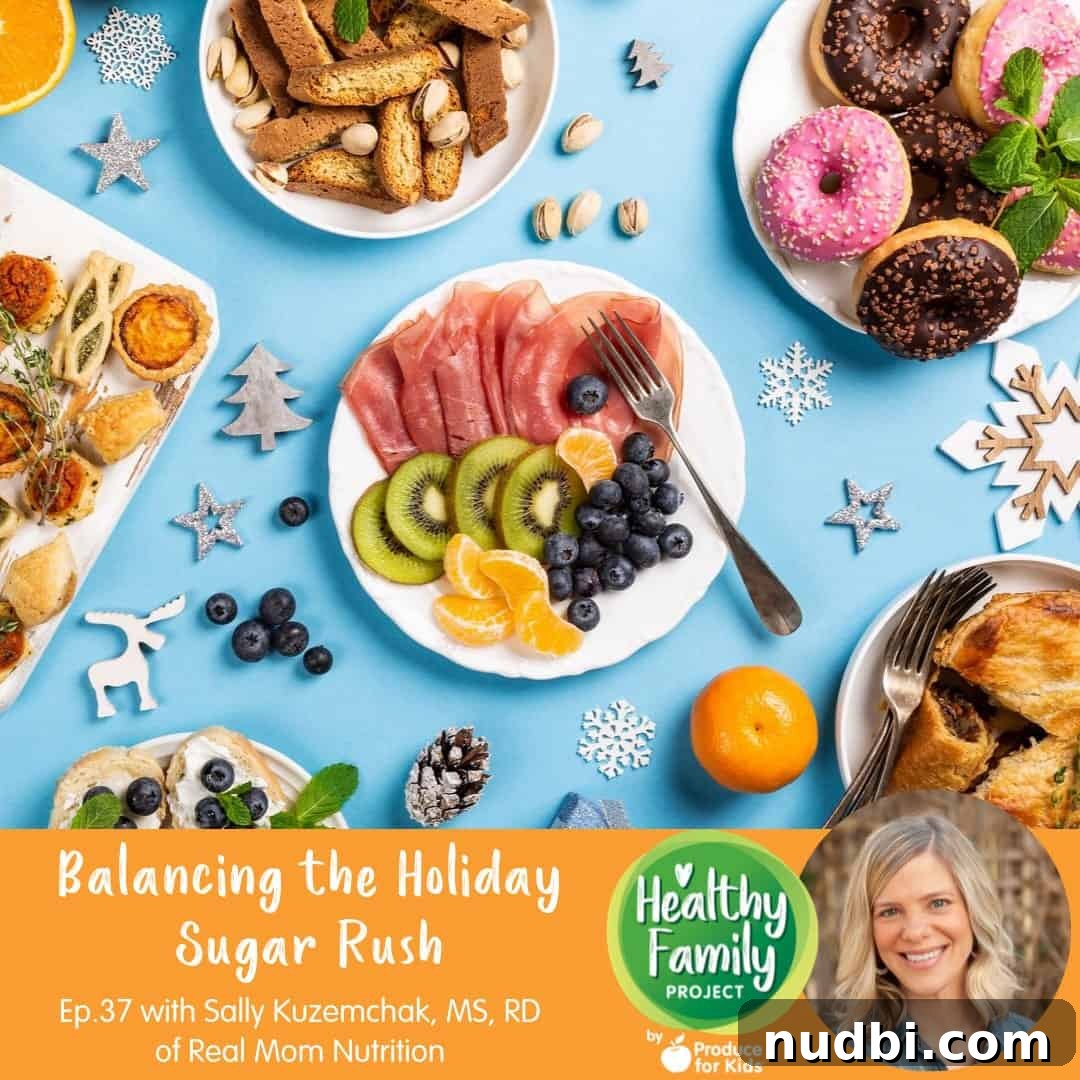
The holiday season, a time of joy, family gatherings, and abundant delicious food, often brings with it an undeniable challenge: the infamous “sugar rush.” From Halloween treats to festive Christmas feasts and Valentine’s Day chocolates, it can feel like a marathon of indulgence that stretches for months. Navigating this period while maintaining a healthy family lifestyle requires strategy, mindfulness, and a healthy dose of perspective. In this comprehensive guide, inspired by insights from our official registered dietitian, Sally Kuzemchak of RealMomNutrition.com, we explore practical ways to balance holiday treats with healthier choices, foster family connection beyond food, and effortlessly return to routine once the celebrations conclude.
Meet Sally Kuzemchak: Your No-Judgment Nutrition Expert
Sally Kuzemchak is a name synonymous with practical, judgment-free family nutrition. As a registered dietitian, accomplished author, and busy mom of two boys, Sally understands the realities and challenges of feeding a family in today’s world. Her popular blog, RealMomNutrition.com, serves as a supportive hub for parents seeking simple recipes, effective picky eater strategies, and reassuring advice that they’re doing just fine.
Beyond her blog, Sally is a contributing editor for Parents magazine and a respected blogger for WebMD, sharing her expertise with a wide audience. Her insightful writing has graced the pages of numerous national publications, including Prevention, Health, Family Circle, Eating Well, Fitness, and Shape. Sally is also the author of two highly acclaimed books: The 101 Healthiest Foods For Kids, an invaluable guidebook to whole foods for children, and Cooking Light Dinnertime Survival Guide, a must-have cookbook for busy families. With a master’s degree in dietetics from The Ohio State University, Sally’s passion for healthy living shines through in her actionable advice and empathetic approach.
Understanding the Holiday Sugar Rush Phenomenon
The festive period, often perceived as extending from late October through the New Year, can indeed feel like a continuous stream of sugary temptations and indulgent meals. Stores begin stocking Halloween candy weeks in advance, setting the stage for what can become a prolonged period of overconsumption. This early and constant exposure makes it challenging for families to maintain their usual healthy eating habits, leading to feelings of guilt or frustration. Sally emphasizes that while holidays are special, they are typically individual days, not multi-week events. Recognizing this distinction is the first step toward reclaiming balance.
Strategies for Balancing Holiday Indulgence
Achieving balance during the holidays doesn’t mean depriving yourself or your family of beloved treats. Instead, it’s about intentionality and shifting focus. Sally offers several key strategies to help families navigate this season with enjoyment and health in mind.
Contain the Celebration: Embrace the Day, Not the Season
One of Sally’s core pieces of advice is to mentally “contain” the holiday. Rather than treating an entire month as a free-for-all, view the holiday as a specific day or a few days. For instance, with Halloween candy, Sally suggests buying trick-or-treat sweets either the day before or on Halloween itself. This simple act prevents weeks of tempting candy from sitting in your pantry, reducing the likelihood of early indulgence and subsequent re-purchasing. This mindset can be applied to all holidays: Thanksgiving is one day, Christmas is one day (or Hanukkah for a few days), not an endless stretch of feasting.
Prioritize Experiences Over Food: The True Spirit of the Holidays
For children, the magic of the holidays often lies beyond the food. While treats are certainly a part of the fun, kids are frequently more excited by the special activities and unique traditions that mark the season. Sally highlights that at class parties, for example, games, crafts, and reading themed books are consistently more popular than elaborate food items. Parents often agonize over intricate dishes that children barely notice, instead focusing on the interactive fun.
To cultivate this shift, families can intentionally create non-food-centric traditions. Decorating the house, engaging in holiday-themed crafts (like skeleton mermaids!), playing games, or reading special holiday books are wonderful ways to build excitement and lasting memories. These activities not only foster creativity and bonding but also reduce the emphasis on eating as the primary source of holiday joy. Consider stocking up on craft supplies or decorations during post-holiday sales to prepare for the following year, making it a budget-friendly and fun tradition.
Smart Swaps and Mindful Indulgence: Honoring Traditions Responsibly
While the goal is balance, it’s equally important to acknowledge that special foods are an integral part of holiday traditions. Sally encourages a pragmatic approach: healthy swaps are great where appropriate, but some traditional recipes are simply “unmessable with.” If your family has a cherished recipe—like a grandmother’s Christmas fudge or a special pie—enjoy it as it is. Attempting to “healthify” every single treat can detract from the joy and sentiment associated with these unique seasonal foods. The key is to savor these items mindfully, enjoying satisfying portions rather than overindulging out of guilt or obligation.
For instances where you know a big celebration with plenty of sweets awaits, Sally recommends making “space” for those indulgences. This might mean having lighter meals earlier in the day or even the day before, or opting for eggs instead of French toast at breakfast. Communicate this to your children neutrally, explaining it as a way to maintain balance, not as a punishment. This approach empowers both parents and children to enjoy holiday treats without strict policing, fostering a healthier relationship with food.
Navigating Holiday Parties with Ease
Holiday parties can be a minefield of tempting dishes. Instead of hovering over your children, monitoring every bite, prepare them beforehand. A neutral reminder like, “We’re going to a party tomorrow, and there will be lots of sweets, so we’ll skip dessert tonight,” helps kids understand balance. This allows everyone to enjoy the social aspect of the party without undue stress over food choices. For school parties, maintain the focus on activities rather than food, especially with the increasing awareness of allergies. For Valentine’s Day, consider non-candy Valentines to reduce unnecessary sugar intake and accommodate allergy concerns.
Post-Holiday Reset: Getting Back on Track
Once the last holiday decoration is packed away, how do families transition back to their regular healthy routines without feeling wasteful or deprived?
The “Switch Witch” and Valuing Favorites
For Halloween candy, Sally endorses the “Switch Witch” concept. This involves children setting aside some of their trick-or-treat candy for the Switch Witch, who replaces it with a small toy or a few dollars overnight. Crucially, this must be a voluntary decision made by the child. This teaches kids to prioritize and value the treats they truly love, letting go of the items they don’t care for as much. It’s a powerful lesson in mindful consumption and identifying true preferences.
Regarding leftover candy, Sally strongly discourages throwing it away. Discarding food out of fear that children will overeat sends a message of distrust, which can lead to secretive eating or feelings of shame. Instead, consider donating excess candy to troops (Operation Gratitude is a popular option), local food pantries, or participating in dentist “buy-back” programs. This teaches generosity and avoids waste, all while managing the candy supply in a constructive way. However, always ensure your children are on board with donating their hard-earned treats, especially after walking door-to-door for them.
Learning from Experience: The Tummy Ache Lesson
It’s okay for kids (and adults!) to occasionally overdo it with holiday treats. A post-holiday tummy ache can be a valuable teaching moment. Instead of shaming, engage in a neutral conversation: “Why do you think your tummy hurts?” If the child connects it to eating too much candy, you can affirm, “Yes, sometimes that happens when we eat a lot of sweets.” This allows children to connect cause and effect, learning self-regulation and body awareness directly from their own experiences. This principle extends beyond food; just as children learn from failing a test they didn’t study for, they learn about their bodies’ limits through natural consequences. For very young children (toddlers), parental intervention to remove some sweets is understandable, but for older children, fostering this self-discovery is key.
Beyond Candy: Creative Halloween Treats & Alternatives
The idea of not giving out candy on Halloween can sometimes spark controversy (and potentially mortify your children!). While handing out mandarins might earn you a reputation as “that house,” Sally suggests a balanced approach: offer choices. Alongside traditional candy, have a separate bucket with non-food items like stickers, pencils, erasers, or individually packaged pretzels. Parents bringing very young children and those with allergy concerns often greatly appreciate these alternative options. This way, you cater to diverse preferences and needs without completely abandoning the festive spirit of candy-giving.
What Does “Healthy Family” Truly Mean?
When asked what being a healthy family means, Sally Kuzemchak offers a profound and holistic definition that resonates deeply:
“I think a healthy family is close emotionally. They feel happy together and good together. They have fun together, and they eat together when possible. And they support each other in all kinds of ways.”
This definition beautifully encapsulates that health extends far beyond diet and exercise. It encompasses emotional well-being, strong relationships, shared joy, and mutual support. Eating together is a component, but it’s part of a larger tapestry of connection and happiness. Remembering this broad definition helps keep perspective during times of food focus and encourages nurturing all aspects of family health.
Join the Healthy Family Project Community
The Healthy Family Project podcast is dedicated to fostering conversations around health, food, and family in a fun and accessible way. Join our growing community of parents and caregivers striving to create healthier generations.
Sign up for the Healthy Family Project e-newsletter to receive healthy recipe inspiration, our latest blog posts, and more directly to your inbox each week.
Connect with other like-minded individuals in our private Healthy Family Project Facebook group. This safe space is perfect for discussing everything from picky eaters and boosting fruit and veggie intake to family exercise and mental health. We welcome all of you to join in the conversation!
Want to skip straight to a hot topic? See time stamps below. But of course, we recommend listening all the way through!
- How to create balance during the holiday season (3:01)
- Holiday excitement outside of food (5:14)
- Healthy holiday swaps (9:12)
- How to get back into the swing of things post holiday (14:01)
- Halloween treat alternatives (22:13)
- What does a healthy family mean to you? (24:15)
Relevant Links
- How to Practice Mindful Eating in Your Daily Life
- 25 Healthy Halloween Treats for Kids
- Fun & Healthy Thanksgiving Treats for Kids
- Fun Snacks for the Holiday Season
- 20 Healthy Valentine’s Day Treats
- Healthy Treats for Halloween Class Parties
- Why We Do The Switch Witch
- Class Party ideas for Halloween and Valentines’ Day
- Donate Halloween Candy to the troops
- Grab Sally’s Books: 101 Healthiest Foods for Kids book (Amazon link) and Dinnertime Survival Guide book (Amazon link)
- Connect with Sally on Facebook and Instagram
Holiday Content
- Halloween
- Thanksgiving
- Christmas
- Valentine’s Day
- Easter
Other Podcast Episodes to Check Out:
- Ep6: Mindful Eating for Your Family
- Ep12: Healthy Holiday Treats Part 1: Halloween
- Ep13: Healthy Holiday Treats Part 2: Thanksgiving & Christmas
Healthy Family Project Podcast
Tune in to the Healthy Family Project Podcast for engaging conversations covering hot topics in the world of health, food, and family, always delivered with a dose of fun. We’re here to help families seamlessly transition into a fresh and healthy lifestyle.
Look out for new bi-weekly episodes and be sure to subscribe on Apple Podcasts, Google Podcasts, Spotify, or your preferred podcasting platform. If you enjoy an episode, please take a moment to leave a rating and comment to help us reach more families.
Interested in sharing your expertise on the Healthy Family Project podcast? Contact [email protected] with your topic idea for consideration.
Conclusion
The holiday season can be a wonderful time for creating lasting memories and enjoying special traditions. By adopting a mindful approach to food, prioritizing experiences over excessive indulgence, and allowing for learning through experience, families can navigate the holiday sugar rush with greater ease and joy. Sally Kuzemchak’s practical, no-judgment advice empowers parents to foster healthy habits and a positive relationship with food, ensuring that the true spirit of the holidays—connection, happiness, and support—remains at the forefront. Embrace these strategies, and make this holiday season your healthiest and happiest yet.