

As the crisp air of autumn gives way to the colder embrace of winter, many families find themselves bracing for the inevitable arrival of cold and flu season. The sniffles, coughs, and general malaise can disrupt daily life, leaving you feeling drained and out of sorts. While colds are a common occurrence during this time of year, succumbing to prolonged illness doesn’t have to be your family’s fate. By strategically incorporating specific cold and flu-fighting foods into your diet, you can significantly bolster your body’s natural defenses, reduce the severity and duration of symptoms, and even help prevent illness altogether.
The colder months often bring with them a unique set of challenges. Beyond the physical symptoms of illness, there’s a tendency to feel more tired, sluggish, and generally less vibrant. It’s easy to blame the shorter days or the dip in temperature for our reduced energy levels and susceptibility to illness. However, what many of us overlook is the profound impact of nutrition. Food is not merely fuel; it’s a powerful natural ally that can provide an essential boost to both our mood and our overall health, especially when our immune systems are under attack. Instead of feeling helpless against the seasonal onslaught of germs, empower yourself and your loved ones with proactive dietary strategies designed to optimize health and resilience.
Adopting an immune-boosting diet is a proactive step towards winter wellness. It’s about more than just treating symptoms; it’s about nurturing your body from the inside out, providing it with the vital nutrients it needs to build a strong defense system. When your body is well-nourished, it’s better equipped to identify and combat pathogens, repair itself, and recover more quickly. This comprehensive guide will introduce you to a range of delicious and accessible foods known for their powerful immune-supporting properties, helping you navigate cold and flu season with greater vitality.
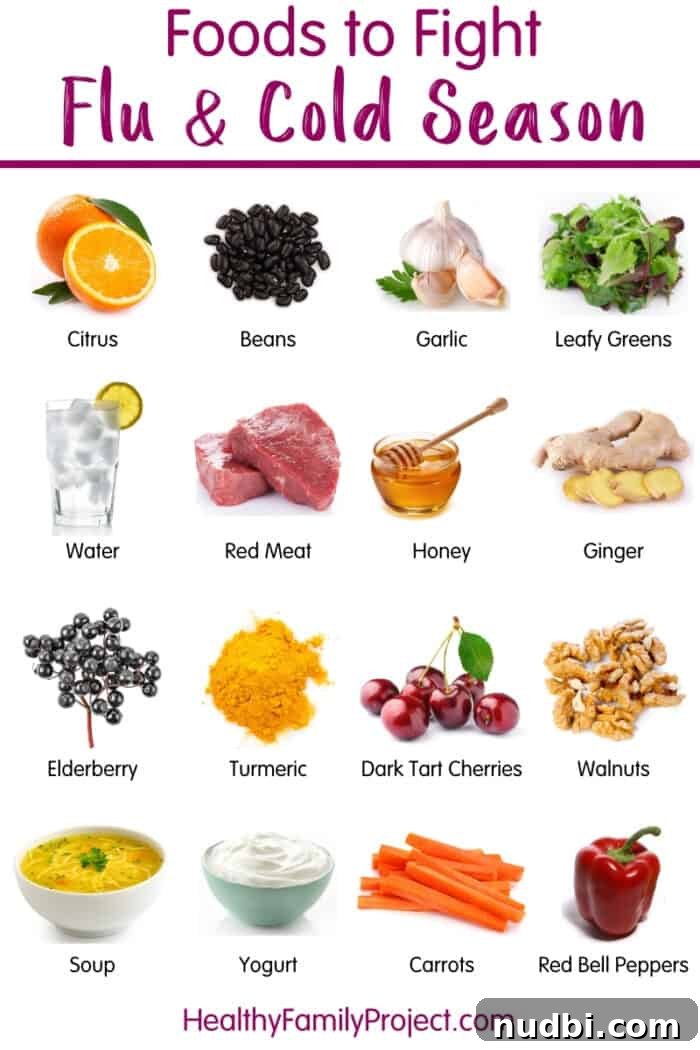
Let’s explore these incredible foods that can jumpstart your immune system and help you and your family fight off any cold or flu this winter.
Oranges and Citrus Fruits: Vitamin C Powerhouses
When you think of immune-boosting foods, oranges and other citrus fruits are often the first to come to mind, and for good reason. They are renowned for being an excellent source of Vitamin C, a powerhouse nutrient that plays a critical role in immune function. Vitamin C is a potent antioxidant, protecting cells from damage caused by free radicals, which are generated during illness and inflammation. Beyond its antioxidant properties, Vitamin C is essential for the production and function of white blood cells, particularly phagocytes and lymphocytes, which are the body’s primary immune defenders. It also aids in the formation of collagen, supporting the integrity of your skin and mucous membranes, which act as barriers against pathogens.
While oranges are a classic choice, don’t limit yourself! Grapefruits, lemons, limes, tangerines, and clementines are all fantastic sources of Vitamin C and a variety of other beneficial antioxidants and phytochemicals. Incorporating these bright, zesty fruits into your daily diet is easy and delicious. Enjoy them fresh as a snack, squeeze their juice into water or dressings, or add segments to salads. For a delicious and immune-friendly meal, try this Orange Chicken Stir-fry or these flavorful Citrus Shrimp Tacos. Their vibrant flavors can also uplift spirits during dreary winter days.
Beans: Rich in Zinc for Viral Defense
Often overlooked in the realm of immune-boosting foods, beans are a nutritional powerhouse, especially when it comes to warding off illness. They are packed with zinc, a vital mineral that plays an indispensable role in maintaining a robust immune system. Zinc is crucial for the development and function of immune cells, including T-cells and natural killer cells, which are frontline defenders against viruses and bacteria. Studies have shown that adequate zinc intake can help protect the body against various viruses and even reduce the duration and severity of cold symptoms if illness does strike.
Beyond zinc, beans also provide a wealth of fiber, protein, and other essential micronutrients that contribute to overall health and immune resilience. From black beans and kidney beans to chickpeas and lentils, there’s a vast array to choose from. Their versatility makes them an easy addition to almost any meal. Cook them into a comforting, nutrient-dense soup, such as this hearty Slow Cooker Minestrone Soup, or mash them for flavorful fillings in dishes like these delightful Sweet Potato & Black Bean Quesadillas. Beans are an affordable and accessible way to fortify your body’s defenses.
Garlic: Nature’s Potent Antiviral
Garlic has been revered for centuries across cultures for its medicinal properties and distinctive flavor. Its powerful immune-boosting functions are primarily attributed to sulfur-containing compounds like allicin, which is released when garlic is crushed or chopped. Allicin has potent antiviral, antibacterial, and anti-fungal properties, making garlic a formidable ally against various pathogens. Regular consumption of garlic has been shown to enhance the body’s immune cell response and may help shorten the length and reduce the severity of cold and flu symptoms.
Incorporating more garlic into your diet is simple. It adds a delicious depth of flavor to countless dishes. While supplements are available, fresh garlic is generally preferred for maximizing its health benefits. Don’t be shy about adding a few extra cloves to your cooking, especially during cold and flu season. You can easily infuse its benefits into classic comfort foods, such as adding ample garlic to your chicken noodle soup, or creating a flavorful side dish with these aromatic Garlic Roasted Potatoes. Raw garlic, though pungent, offers the most direct benefit, so consider adding it to dressings or dips.
Leafy Green Vegetables: A Multivitamin from Nature
Leafy green vegetables are absolute powerhouses of nutrition, providing a vast array of essential vitamins, minerals, and antioxidants critical for a well-functioning immune system. From vibrant spinach and kale to collard greens and Swiss chard, these vegetables are rich in vitamins A, K, and C, as well as folate, iron, and a host of other phytonutrients. Vitamin A is vital for maintaining healthy mucous membranes, which form a protective barrier against invading pathogens in the respiratory and digestive tracts. Vitamin C, as discussed, is a key immune supporter, and folate is crucial for cell division and repair, including immune cells.
The anti-inflammatory compounds found in leafy greens also help to reduce inflammation in the body, which can be heightened during illness and impede recovery. Making leafy greens a daily staple is an excellent strategy for immune support. They are incredibly versatile: blend them into a refreshing smoothie for a quick nutrient boost, stir them into a hearty soup or stew, or simply toss together a vibrant, healthy salad. Even adding a handful to your morning scramble or pasta sauce can make a significant difference to your nutritional intake and immune readiness.
Water: The Foundation of Health and Hydration
While not a “food” in the traditional sense, water is arguably the most crucial component for maintaining health and fighting off illness. Every single cell in your body needs water to function optimally, and this is especially true for your immune system. Staying adequately hydrated is fundamental for transporting nutrients to your cells, regulating body temperature, and flushing out toxins and waste products from the body. During illness, fever can lead to dehydration, and proper hydration helps to thin mucus, making it easier to expel and relieve congestion in the respiratory passages.
When you’re fighting a cold or flu, your body’s fluid needs increase, making diligent hydration an extra way to help your body fight off infection as efficiently as possible. Don’t wait until you’re thirsty to drink; sip water consistently throughout the day. If plain water feels unappealing, especially when you’re feeling under the weather, there are many ways to make it more enjoyable. Check out these 5 Fruit-Flavored Water Ideas, or add slices of cucumber, mint leaves, or a squeeze of citrus to your water for a subtle, refreshing taste. Herbal teas are also an excellent way to stay hydrated and can offer additional soothing benefits.
Red Meat: A Source of Immune-Boosting Glutamine and Zinc
For those who consume it, lean red meat, such as beef, can be a valuable addition to an immune-supportive diet. It is particularly rich in glutamine, an amino acid that serves as a critical fuel source for various immune cells, including lymphocytes and enterocytes (cells lining the gut). During times of stress, infection, or intense physical activity, the body’s demand for glutamine increases significantly, and an adequate supply can support your body’s ability to fight off infection faster and recover more efficiently.
Beyond glutamine, red meat also provides other vital immune-supporting nutrients like zinc and iron. As previously mentioned, zinc is essential for immune cell development and function. Iron is crucial for oxygen transport throughout the body and plays a role in the proliferation of immune cells. Choosing lean cuts of red meat and preparing them healthily can offer these benefits without excessive saturated fat. Consider incorporating one of these recipes into your dinner plans tonight: a hearty Italian Beef Skillet, wholesome Gluten-Free Italian Meatloaf Muffins, or a family-friendly Kid-Friendly Beef Bolognese.
Honey: Nature’s Sweet Healer
Honey, a natural sweetener, has been utilized for its medicinal properties for millennia. Its potent health benefits, particularly for immune support and symptom relief, are due to its high content of antimicrobial compounds, antioxidants, and anti-inflammatory properties. Honey has notable antibacterial and antiviral effects, which can help combat pathogens directly. Evidence suggests that regular, moderate consumption of honey can stimulate the immune system, enhancing its overall responsiveness.
One of honey’s most well-known uses during cold season is its effectiveness in soothing sore throats and suppressing coughs. Studies have shown that honey can be as effective as, or even more effective than, some over-the-counter cough medicines for reducing nighttime coughing in children and adults. Its thick consistency helps to coat the throat, providing immediate relief. Add a spoonful to warm tea, lemon water, or simply take it straight. Remember this important caveat: honey should not be given to children under 12 months of age due to the risk of infant botulism.
Ginger: A Warming Anti-Inflammatory
Ginger, with its distinctive pungent and spicy flavor, is a powerful root cherished for its culinary versatility and impressive medicinal benefits. It is widely known for its ability to reduce nausea and soothe digestive upset, but its benefits extend far beyond that, making it a valuable addition during cold and flu season. Ginger contains bioactive compounds called gingerols, which are responsible for many of its anti-inflammatory and antioxidant effects. These properties can help ease inflammation throughout the body, including in the respiratory tract, potentially alleviating symptoms like a sore throat or congested airways.
Incorporating ginger into your diet is simple and enjoyable. You can add freshly grated or sliced ginger to meals like stir-fries, soups, and curries. For a comforting and therapeutic beverage, brew fresh ginger tea by steeping thin slices in hot water, perhaps with a squeeze of lemon and a spoonful of honey. You can also find ginger tea bags or ginger ale at the store; just be sure that what you choose is made with real ginger or ginger extract to ensure you reap its full benefits, rather than just artificial flavorings.
Elderberry: A Traditional Immune Booster
Elderberry, a dark purple berry from the Sambucus tree, has really sprung up in popularity in recent years as a holistic option for immune support. Its use dates back centuries as a traditional remedy for colds, flu, and other ailments. Modern science is beginning to validate these traditional uses, highlighting elderberry’s rich concentration of antioxidants, particularly anthocyanins. These powerful antioxidants help to neutralize free radicals in the body, which can damage cells and contribute to inflammation and illness.
Beyond its antioxidant prowess, elderberry is believed to possess antiviral properties that may inhibit the replication of certain flu viruses and strengthen the immune system’s response. Some studies suggest that elderberry extract can significantly reduce the duration and severity of cold and flu symptoms when taken at the onset of illness. Elderberry is commonly available in various forms, including syrups, gummies, lozenges, and teas, making it an easy and convenient option for seasonal immune support.
Turmeric: The Golden Anti-Inflammatory Spice
Turmeric, the vibrant golden spice often found in curries, is much more than just a culinary ingredient; it’s a powerful medicinal herb. Its primary active compound, curcumin, is responsible for most of its impressive health benefits. Curcumin is a potent anti-inflammatory agent, rivalling the effectiveness of some anti-inflammatory drugs without the side effects. Chronic inflammation can weaken the immune system and exacerbate illness, so reducing it is key to maintaining health.
Beyond its anti-inflammatory actions, turmeric has also been shown to boost immune cell activity and enhance antibody responses, helping the body to more effectively fight off infections. It can modulate various immune functions, acting as an immunomodulator. Incorporating turmeric into your daily diet is a simple way to harness its benefits. Sprinkle it into a morning smoothie, add it to warming soups, stews, or rice dishes, or use it to season roasted vegetables. For optimal absorption, it’s often recommended to consume turmeric with black pepper, as piperine (a compound in black pepper) significantly enhances curcumin’s bioavailability.
Dark Tart Cherries: Antioxidants and Sleep Aid
Dark tart cherries are a nutritional gem, especially valuable during cold and flu season due to their impressive antioxidant profile and other unique benefits. They are particularly high in anthocyanins and other polyphenols, powerful antioxidants that combat oxidative stress and inflammation in the body. Research has linked the consumption of tart cherries to a reduced risk of upper respiratory tract symptoms, suggesting their role in bolstering respiratory immunity.
Moreover, tart cherries contain natural melatonin, a hormone that regulates sleep-wake cycles. Adequate, restorative sleep is paramount for a strong immune system, as sleep deprivation can significantly suppress immune function. While fresh cherries aren’t typically in season during the colder months, you can readily find them in the freezer section of most grocery stores, ensuring year-round access to their benefits. Add them to your morning oatmeal, blend them into a delicious and immune-boosting smoothie, or thaw them for a quick, healthy snack. Their slightly sour and sweet flavor makes them a versatile ingredient.
Walnuts: A Nutty Boost for Immunity and Inflammation
Walnuts are more than just a tasty snack; they are a nutritional powerhouse offering several key nutrients that directly support a robust immune system. These include vitamin E, vitamin B6, copper, and folate, all of which play distinct roles in immune function. Vitamin E is an antioxidant that protects immune cells, while vitamin B6 is crucial for biochemical reactions that support immune health. Copper contributes to the production of white blood cells, and folate is essential for cell growth and division, including immune cell replication.
Beyond these vitamins and minerals, walnuts are also a unique plant-based source of omega-3 fatty acids, particularly alpha-linolenic acid (ALA). These healthy fats are known for their anti-inflammatory benefits, which can help to modulate the immune response and reduce excessive inflammation that can accompany illness. Adding walnuts to your diet is easy: sprinkle them over oatmeal, yogurt, or salads for an extra crunch, like this Grilled Chicken and Grape Salad. Incorporate them into baked goods such as muffins, or include them in a homemade trail mix for a convenient, on-the-go immune boost.
Soup: The Ultimate Comfort and Healing Food
There’s a reason a warm bowl of soup, particularly chicken noodle soup, is the quintessential comfort food when you’re feeling under the weather. Its reputation as a healing food is well-deserved and backed by scientific understanding. The warmth of the soup helps to increase nasal secretions, moving mucus through your nose and throat, which effectively relieves congestion and eases breathing. The steam from hot soup can also act as a natural decongestant, opening up blocked airways.
Beyond congestion relief, a well-made soup, especially one full of healthy ingredients like vegetables, lean protein, and herbs, provides essential nutrients and electrolytes that your body needs to fight off infection and recover. The fluid content helps your body retain water and maintain crucial hydration, which, as discussed, is vital during illness. Salt in the broth also helps restore electrolyte balance. Whether it’s classic chicken noodle soup, a vegetable-packed minestrone, or a soothing lentil soup, consuming warm, nourishing liquids is a gentle yet effective way to support your body’s healing process and alleviate symptoms.
Yogurt: Supporting Gut Health for Immune Strength
Yogurt, especially varieties containing live and active cultures, is an excellent food for bolstering your immune system, primarily through its positive impact on gut health. Your gut is home to a vast ecosystem of bacteria, known as the gut microbiome, which plays a crucial role in immune system development and function. Probiotics, the beneficial bacteria found in yogurt, help to maintain a healthy balance in the gut, reducing inflammation and supporting a strong gut barrier. A healthy gut microbiome is directly linked to a more robust immune response and can help reduce the frequency and severity of cold symptoms.
When selecting yogurt for its immune benefits, it’s vital to opt for unsweetened versions and those explicitly labeled with “live and active cultures.” Many flavored yogurts are loaded with added sugars, which can counteract some of the health benefits. Instead, choose plain yogurt and lightly sweeten it yourself with a drizzle of honey, a sprinkle of cinnamon, or fresh fruit for a delicious and immune-friendly treat. Enjoy it as a snack, for breakfast in a yummy parfait, or as a base for dressings.
Carrots: Beta-Carotene for Mucous Membrane Health
Carrots are much more than just a crunchy, sweet vegetable; they are a significant source of beta-carotene, a powerful antioxidant and a precursor to Vitamin A. Once consumed, beta-carotene is converted into Vitamin A in the body, a nutrient that is absolutely key for keeping mucous membranes healthy. These mucous membranes line various parts of your body, including your respiratory tract (nose, throat, lungs) and digestive tract, serving as a crucial first line of defense against invading pathogens. When these membranes are healthy and intact, they are better able to trap and remove viruses and bacteria before they can cause infection.
Beyond their role in mucous membrane integrity, Vitamin A also supports the production and function of white blood cells, which are vital for fighting off illness. Incorporating carrots into your diet is incredibly easy and versatile. Enjoy them raw as a convenient snack, steam them as a vibrant side dish, roast them to bring out their natural sweetness, mash them into a comforting puree like this Instant Pot Carrot Sweet Potato Mash, or add them to soups and stews for a healthy and delicious boost. Their year-round availability makes them an accessible immune-supporting food.
Red Bell Peppers: Superior Source of Vitamin C
While citrus fruits often get all the glory for their Vitamin C content, red bell peppers are surprisingly superior! Many people are unaware that red bell peppers boast almost twice the amount of Vitamin C as an orange, making them an incredible powerhouse for immune support. As we’ve highlighted, Vitamin C is critical for stimulating white blood cell production and function, enhancing your body’s ability to fight off infections. Beyond Vitamin C, red bell peppers also contain other beneficial antioxidants and phytochemicals, contributing to overall cellular health and reducing oxidative stress.
Their vibrant color and slightly sweet flavor make them a delicious and versatile addition to a wide variety of meals. Enjoy them raw by slicing them up for a crunchy snack with hummus, or add them to salads for a boost of flavor and nutrition. They also cook beautifully, retaining many of their nutrients when lightly cooked. For a hearty and immune-friendly dinner, try making these flavorful Turkey & Kale Quinoa Stuffed Peppers. Incorporating red bell peppers regularly is an easy and delicious way to ensure your body is getting ample Vitamin C to ward off seasonal illnesses.
Embracing the colder months doesn’t have to mean succumbing to repeated bouts of illness. Luckily, there are delicious and effective ways to boost your mood and health during the long winter months through the power of nutrition. Don’t dread the fresh snow or the chilly forecasts. Instead, embrace the season as an opportunity to proactively refuel yourself and your family with the right foods.
By consciously integrating these immune-boosting foods into your daily diet, you’re not just fighting off colds and flu; you’re investing in long-term wellness. Simply knowing you are taking active steps to nourish and protect yourself can significantly boost your overall well-being and sense of control. When you eat a healthy, nutrient-dense diet, your body reaps profound benefits, leading to more energy, improved mood, and greater resilience against illness. Make this winter a season of strength, health, and delicious, immune-supporting meals!