Crafting a nutritious and satisfying meal that keeps the whole family fueled and happy is a true accomplishment for any parent. Yet, even after a hearty dinner, it’s not uncommon for children to declare they’re still hungry, often looking for a quick snack. Understanding this common parental challenge, Sally, a dedicated mom and registered dietitian, has meticulously compiled an invaluable list of wholesome and truly filling snacks. These carefully chosen options are designed to effectively banish those persistent hunger pangs, ensuring no little stomachs are left rumbling!
Stop the Endless Hunger: Expert Tips & Filling Foods for Kids Who Are Always Hungry
As parents, we often hear that familiar refrain: “Mom, I’m hungry!” sometimes mere minutes after a meal. This sentiment, “My kid is ALWAYS hungry!”, resonates deeply with countless parents, and I can assure you, the struggle is incredibly real. I’ve personally experienced it with my own 15-year-old, who has a knack for complaining about hunger even while actively eating! This common scenario is precisely why I’m eager to share some proven strategies and nutrient-dense foods designed to satisfy those seemingly bottomless appetites in children. Rest assured, I’ve been right there in the trenches with you!
Children’s appetites can fluctuate dramatically due to various factors. Rapid growth spurts, particularly during crucial developmental stages like puberty, significantly increase energy demands, leading to a noticeable boost in hunger. An active lifestyle, with school, sports, and endless play, also burns through calories quickly, necessitating more frequent refueling. However, beyond these natural growth and activity-related factors, my observation as a dietitian and a mom is that sometimes kids are “always hungry” because the foods they’re consuming simply aren’t providing lasting satiety.
Think about many typical “kid-friendly” snack foods: refined crackers, sugary granola bars, or plain pretzels. While they offer a quick burst of calories, they often lack the essential components needed to truly fill a growing child. These types of snacks, though convenient occasionally, fail to provide sustained energy and satisfaction. The result? Little ones are back to rummaging through the pantry just 30 minutes later, or more likely, complaining loudly to mom about their still-empty stomachs. The key to combating this cycle lies in choosing snacks and meals that genuinely satisfy hunger and provide sustained energy.
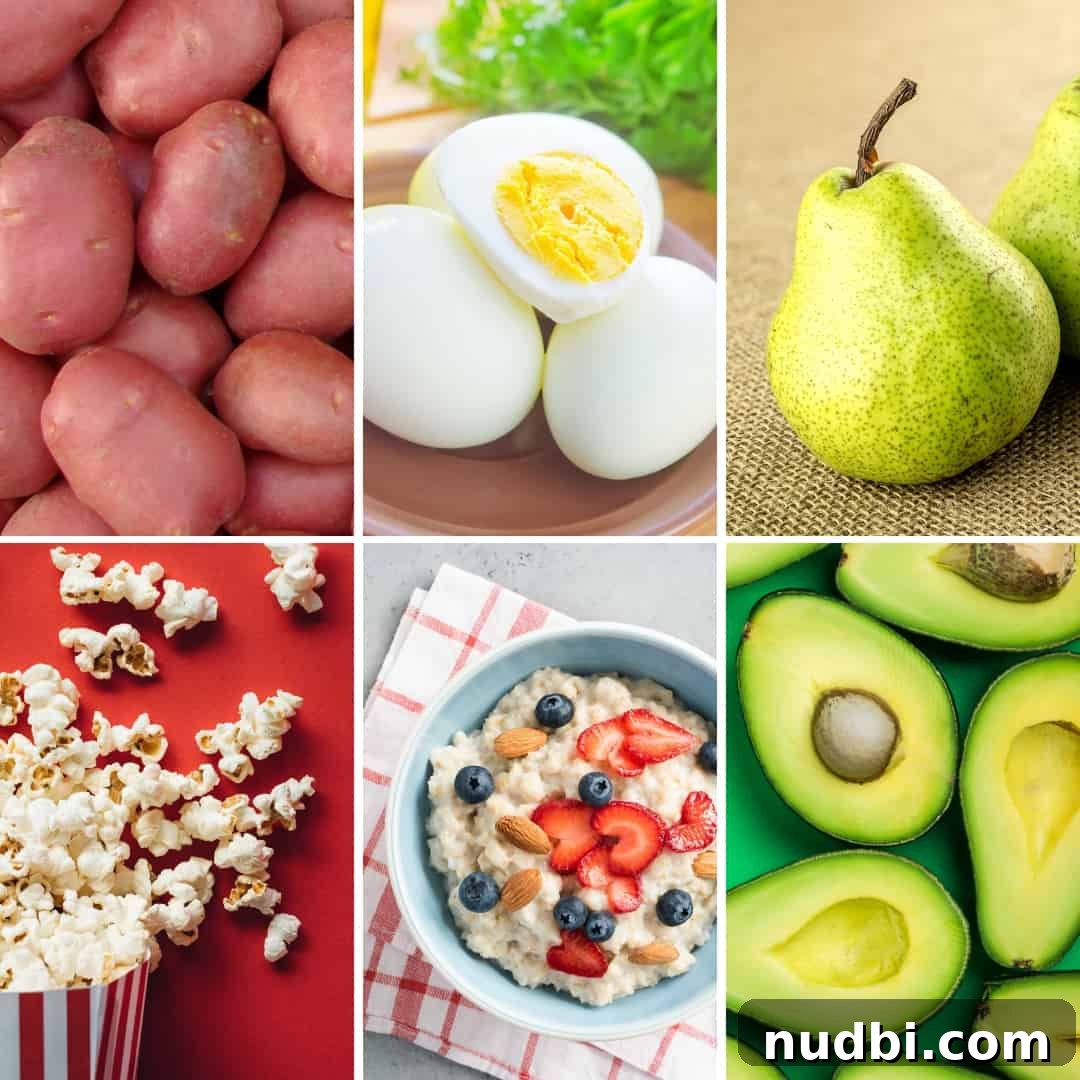
Foods that excel at providing this lasting fullness are generally rich in specific macronutrients: protein, fiber, healthy fats, or have a high fluid content. These elements work synergistically to slow digestion, stabilize blood sugar, and signal satiety to the brain, effectively curbing those incessant hunger cues. By incorporating these types of foods into your children’s diet, you can help them feel more satisfied for longer periods, reducing constant snacking and fostering healthier eating habits. Here are six particularly satisfying and healthy foods that can make a real difference for your always-hungry child, along with practical ways to incorporate them into their daily routine.
The Humble Powerhouse: Potatoes
Often misunderstood, potatoes are a nutritional gem and an incredibly satiating food. In fact, a specialized ranking of foods based on their ability to satisfy hunger, known as the Satiety Index, found that plain boiled potatoes actually surpassed every other food tested, including whole grains and proteins. This impressive finding highlights their unique capacity to promote fullness. Further reinforcing this, a study involving children revealed that those who consumed boiled or mashed potatoes as a side dish reported significantly greater satisfaction after their meal compared to children who had rice, pasta, or even French fries.
The secret to potatoes’ filling power lies in their rich nutrient profile. They are an excellent source of dietary fiber, especially when you leave the skin on. This fiber aids digestion and contributes to a feeling of fullness. Beyond fiber, potatoes are packed with essential vitamins and minerals, notably Vitamin C, which is crucial for immune function, and potassium, vital for healthy blood pressure and muscle function. Opting for baked, boiled, or roasted potatoes over fried versions maximizes their nutritional benefits and satiety without adding unnecessary unhealthy fats.
Make it: Incorporate potatoes into your family’s diet with these delicious and easy options:
- Serve them as a wholesome side dish: Try our recipe for Roasted Potatoes with Green Beans & Carrots.
- Make homemade potato wedges: Cut potatoes into wedges, toss with olive oil and your favorite spices, then bake until crispy.
- Prepare a hearty mashed potato dish: Use low-fat milk or broth and add some chopped herbs for extra flavor.
- Include them in stews or soups: Potatoes add bulk and nutrients to any warming meal.
The Incredible Egg: A Protein Powerhouse
Eggs are often hailed as nature’s perfect food, and for good reason! They are an exceptional, high-quality, and incredibly affordable source of protein, making them an ideal choice for growing kids who need sustained energy. When preparing eggs, remember this crucial tip: don’t discard the yolk! The yolk is a nutritional treasure trove, packed with essential vitamins and minerals that the egg white simply doesn’t offer. It contains vital nutrients like choline, critical for brain development and memory, and Vitamin D, important for bone health and immune function. Both the protein in the whites and the fats in the yolk work together to create a powerful feeling of fullness.
The satiety power of eggs has been scientifically demonstrated. In one notable research study, participants found eggs to be significantly more satisfying for breakfast compared to a bagel. The result? They consumed less at lunchtime because they were simply not as hungry. This prolonged feeling of fullness can be incredibly beneficial for children, helping to prevent mid-morning snack cravings and maintain stable energy levels throughout their day.
Make it: Eggs are wonderfully versatile and can be incorporated into meals and snacks in numerous ways:
- Easy grab-and-go snacks: Boil a batch of eggs at the beginning of the week for quick, protein-packed snacks on the go.
- Quick breakfast options: Scramble or poach eggs for a fast and filling start to the day. Add some vegetables for extra nutrients.
- Lunchbox additions: Hard-boiled eggs are perfect for lunchboxes, providing essential protein and healthy fats.
- Dinner solutions: Prepare a frittata or quiche packed with vegetables for a nutritious and delicious family dinner.
- Egg muffins: Whisk eggs with veggies and bake in muffin tins for portable, make-ahead breakfast or snack bites.
Pears: Sweetness and Sustenance in Every Bite
When it comes to healthy and filling snacks, fresh fruit often stands out, and pears are particularly noteworthy. They are naturally satisfying because they boast a high fiber content combined with a significant amount of fluid. Foods rich in water, such as fruits, vegetables, and hydrating meals like soup, play a crucial role in activating the stretch receptors in the stomach. When these receptors are engaged, they send powerful signals to the brain, communicating that you are getting full and reducing the urge to overeat.
Pears are among the highest-fiber fruits available, with a single medium pear containing an impressive six grams of dietary fiber. This fiber is a mix of soluble and insoluble types. Insoluble fiber adds bulk to stool and promotes regularity, while soluble fiber, like pectin found in pears, forms a gel-like substance in the digestive tract. This gel slows down digestion, helping to stabilize blood sugar levels and providing a prolonged feeling of fullness. Beyond their fiber and fluid content, pears also offer a good source of Vitamin C, an antioxidant that supports immune health, and Vitamin K, important for blood clotting and bone health.
Make it: Incorporating pears into your child’s diet is both easy and delicious:
- Simple snack: Offer a whole pear, sliced, or diced. The skin is where much of the fiber resides, so encourage eating it whole.
- Sweet treat: For a fun dessert or special snack, try these Caramel Pear Slices (modify caramel for a healthier option if desired, perhaps a drizzle of maple syrup or honey).
- Smoothie booster: Add chunks of pear to smoothies for natural sweetness and extra fiber.
- Salad enhancement: Sliced pears pair wonderfully with greens, nuts, and a light vinaigrette.
- Baked pears: Core and bake pears with a sprinkle of cinnamon for a warm, comforting dessert.
Popcorn: The Surprising Volume King
You might not immediately think of popcorn as a particularly filling snack, but its unique properties make it an excellent choice for satisfying hunger, especially for kids. The special power of fiber, beyond its digestive benefits, lies in its ability to add significant volume to food. Popcorn, a natural whole grain, exemplifies this perfectly. It takes up a lot of physical space in the stomach and, importantly, takes a while to eat due to its airy texture and the need for chewing. This combination of volume and extended eating time sends strong signals to the brain, which interprets these cues as a sign of satiety, making you feel full and satisfied.
Scientific studies support this effect. In one study, adults reported feeling significantly less hungry after consuming popcorn compared to potato chips, even when both snacks contained similar calorie counts. This is largely due to popcorn’s high fiber content and lower calorie density when prepared healthily. It’s a fantastic alternative to less nutritious, calorie-dense snacks that don’t offer the same level of fullness.
Make it: To maximize popcorn’s health benefits, opt for air-popped or stovetop versions with minimal added fat and salt:
- Homemade perfection: Here’s my fail-proof way to make popcorn on the stove. This method allows you to control the ingredients precisely.
- Nutritional boost: For a cheesy flavor without dairy, my boys love popcorn sprinkled with nutritional yeast – it’s a good source of B vitamins too!
- Sweet variations: A light drizzle of melted dark chocolate or a sprinkle of cinnamon and a tiny bit of sugar can turn popcorn into a healthier sweet treat.
- Savory twists: Experiment with different spices like chili powder, garlic powder, or dried herbs for a variety of flavorful savory snacks.

Oatmeal: The Warm, Sustaining Bowl of Goodness
Oatmeal is not just a comforting breakfast staple; it’s a champion among filling foods, especially for kids. Oats are exceptionally rich in soluble fiber, particularly beta-glucan, which plays a critical role in slowing digestion. When consumed, soluble fiber forms a gel-like consistency in the digestive tract, which delays the emptying of the stomach. This slower digestion process means that glucose is released into the bloodstream more gradually, helping to stabilize blood sugar levels and preventing those sharp spikes and crashes that often lead to renewed hunger.
The Satiety Index, the same ranking system that lauded potatoes, also placed oatmeal higher than any other cereal tested – even beating out many high-fiber, boxed breakfast cereals. This confirms oatmeal’s superior ability to keep hunger at bay for extended periods. Beyond its impressive fiber content, oatmeal provides complex carbohydrates for sustained energy and a good source of manganese, phosphorus, magnesium, and iron, all vital for a child’s growth and development.
Make it: Oatmeal is incredibly versatile and can be enjoyed in many forms, hot or cold:
- Classic breakfast: Prepare a warm bowl of oatmeal with milk or water, topped with fresh fruit, nuts, or a drizzle of honey.
- Delicious cookies: For a more fun approach, try these Chocolate Chip Banana Oatmeal Cookies, a healthier treat option.
- Overnight oats: Mix rolled oats with milk, yogurt, fruit, and chia seeds, then refrigerate overnight for a quick, grab-and-go breakfast.
- Savory oats: For adventurous eaters, try savory oatmeal topped with a fried egg, avocado, and a sprinkle of cheese or vegetables.
- Oatmeal smoothie: Add uncooked rolled oats to smoothies for extra fiber and thickness.
Avocado: The Creamy, Healthy Fat Fix
Avocado, often referred to as a superfood, is a unique and incredibly satisfying fruit that should be a staple in every family’s diet. Its smooth, creamy texture is not just delightful but also indicative of its rich content of satisfying, heart-healthy monounsaturated fats. These healthy fats are crucial for satiety because they take longer to digest compared to carbohydrates, leading to a prolonged feeling of fullness. This extended digestion helps to reduce the frequency of hunger pangs and can prevent overeating later in the day.
The power of avocado to promote satiety has been scientifically validated. In one study, participants who included avocado with their lunch reported feeling less hungry even five hours later compared to those who had the same meal without avocado. This effect makes avocados an excellent addition to meals and snacks designed to keep kids feeling full and energized. Beyond healthy fats, avocados are also packed with fiber, potassium (even more than a banana!), and an array of vitamins, including K, C, B6, and E, all contributing to overall health and well-being.
Make it: Avocados are wonderfully versatile and can be integrated into various dishes:
- Creamy smoothie: For a nutrient boost, blend a quarter or half an avocado into a Blueberry Avocado Smoothie. The avocado adds creaminess without altering the flavor significantly.
- Classic guacamole: A simple homemade guacamole with whole-grain crackers or veggie sticks is a nutritious and fun snack.
- Avocado toast: Mash avocado on whole-wheat toast, perhaps with a sprinkle of “everything bagel” seasoning or a drizzle of olive oil.
- Salad topping: Diced avocado adds a creamy texture and healthy fats to any salad.
- Healthy dips: Blend avocado with Greek yogurt and herbs for a creamy, protein-rich dip for vegetables.
- Dessert twist: Believe it or not, avocado can be used in healthier chocolate mousses or puddings for a rich, silky texture.
Beyond the Plate: Holistic Strategies for Kids’ Hunger
While choosing the right foods is paramount, addressing a child’s constant hunger often requires a holistic approach. Here are some additional strategies to consider:
- Hydration is Key: Sometimes, thirst can be mistaken for hunger. Ensure your child is drinking enough water throughout the day. Offering water before a snack or meal can help differentiate between true hunger and dehydration.
- Balanced Snacks: The most effective snacks combine multiple satiating elements. For instance, pairing an apple (fiber, fluid) with a tablespoon of nut butter (protein, healthy fats) creates a more satisfying snack than the apple alone.
- Mindful Eating: Encourage your child to eat slowly and pay attention to their body’s hunger and fullness cues. Distractions like screens during meals can lead to overeating or not recognizing satiety.
- Involve Kids in Meal Prep: Children are often more willing to eat foods they’ve helped prepare. Involve them in choosing ingredients, washing vegetables, or even simple mixing tasks. This fosters a sense of ownership and curiosity about healthy foods.
- Establish a Routine: Consistent meal and snack times can help regulate a child’s appetite. Knowing when the next meal or snack is coming can reduce constant grazing and complaints of hunger.
- Listen to Their Body: While it’s important to offer nutritious foods, also respect your child’s genuine hunger. Avoid forcing them to “clean their plate” if they are full, and offer a healthy, filling option if they are truly hungry between meals.
- Consult a Professional: If your child’s hunger seems excessive, is accompanied by other symptoms, or you have concerns about their growth, don’t hesitate to consult with a pediatrician or a registered dietitian. They can provide personalized advice and rule out any underlying issues.
Conclusion: Empowering Healthy Habits for Lasting Fullness
Navigating the “always hungry” phase with children can be challenging, but it’s also an incredible opportunity to instill lifelong healthy eating habits. By understanding the science behind satiety and prioritizing nutrient-dense foods rich in protein, fiber, and healthy fats, you can effectively combat those persistent hunger pangs. The six foods highlighted – potatoes, eggs, pears, popcorn, oatmeal, and avocado – are not just filling; they are packed with essential nutrients vital for growth, development, and overall well-being. Coupled with holistic strategies like proper hydration, mindful eating, and consistent routines, you can empower your children to feel satisfied, energized, and ready to conquer their day without the constant search for their next bite. Making smart food choices doesn’t just fill tummies; it builds the foundation for a healthier, happier future for your entire family.