April’s Bounty: Discover What Fresh Fruits and Vegetables Are In Season This Month
Welcome to April, a month of renewal and fresh beginnings! As the weather warms and nature bursts with life, it’s the perfect time to revitalize your plate with an abundance of vibrant, in-season fruits and vegetables. Eating seasonally isn’t just a culinary trend; it’s a smart choice for your health, your wallet, and your taste buds. By focusing on what’s naturally available, you ensure you’re enjoying produce at its absolute peak of flavor and nutritional value.
Embracing seasonal eating offers a multitude of benefits. Fresh produce items that are in season often travel shorter distances from farm to table, meaning they retain more of their essential vitamins, minerals, and antioxidants. Furthermore, buying seasonal can significantly reduce your grocery bill, as farmers markets and supermarkets are typically flush with the current harvest, leading to more competitive prices. Planning your meals around this seasonal availability is one of the easiest and most effective ways to save on groceries without compromising on quality or taste.
In this comprehensive guide, we’ll dive into the delightful array of fruits and vegetables that are at their best in April. For each item, you’ll discover practical tips on how to select the freshest produce, optimal storage methods to extend its shelf life, and creative preparation ideas to inspire your next meal. Get ready to explore a world of delicious possibilities and transform your spring cooking!
April’s Peak Produce: Fresh Picks for a Healthy Spring
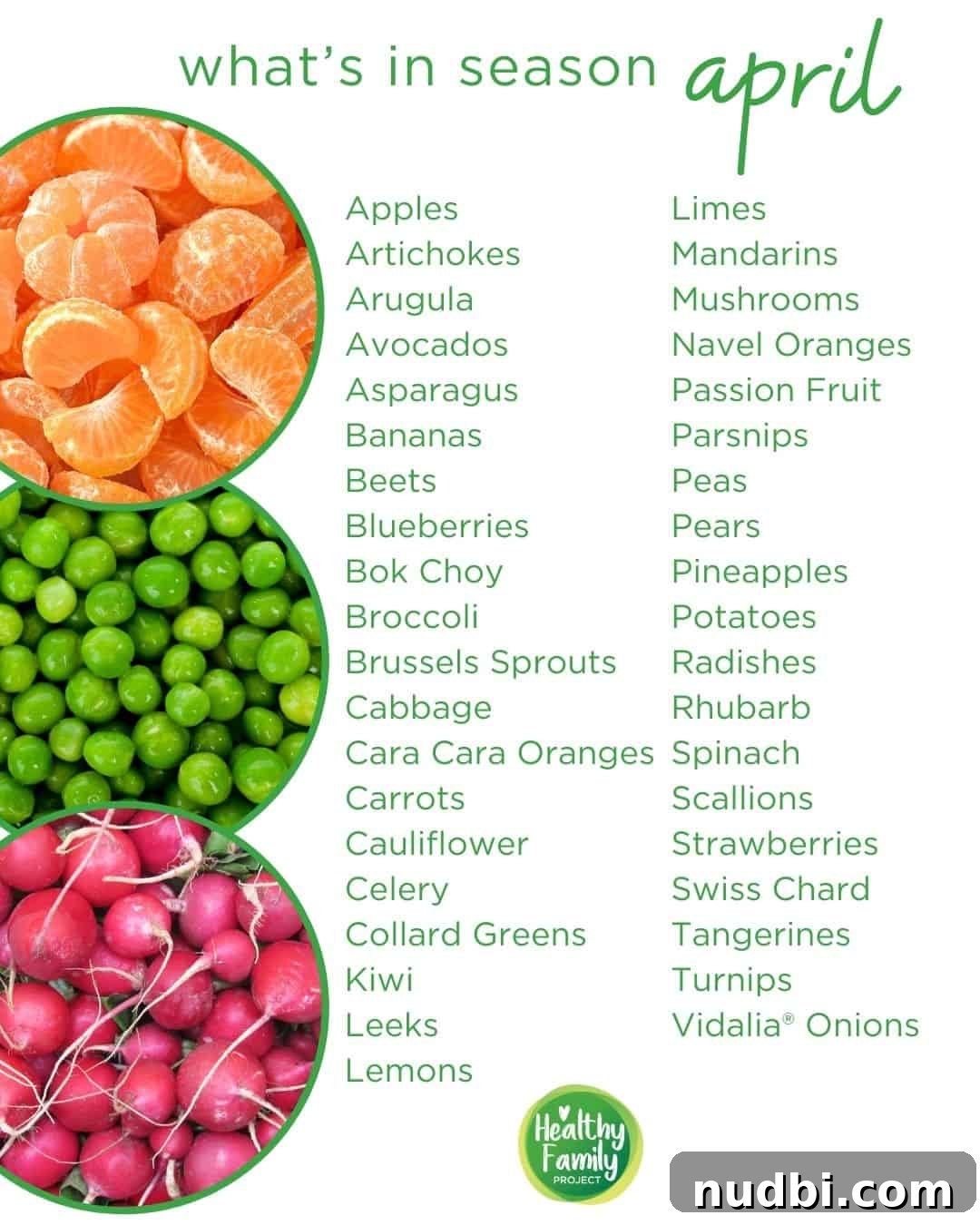
April ushers in a fantastic variety of fresh produce. From tender greens to earthy root vegetables and sweet berries, there’s something for everyone. Here’s your go-to list for what’s perfectly ripe and ready for your plate this month:
Artichokes
Don’t let the spiky exterior of an artichoke intimidate you! This unique vegetable is a true delicacy and surprisingly easy to prepare. April marks the peak season for artichokes, meaning you’ll find them at their most tender and flavorful. Look for artichokes that feel heavy for their size with tightly packed, firm green leaves. A good sign of freshness is if the leaves squeak when rubbed together. To store them, place artichokes in a plastic bag in the refrigerator for up to a week. Before cooking, trim off the top third and any tough outer leaves, then snip the thorny tips. Artichokes are fantastic steamed, boiled, grilled, or even roasted. Serve them with a simple vinaigrette, melted butter, or a flavorful dipping sauce. They’re an excellent source of fiber and antioxidants, making them a healthy and delicious addition to any meal. For more detailed tips, check our Artichoke Produce Tips page.
Asparagus
April is prime time for asparagus, a quintessential spring vegetable known for its delicate flavor and versatility. While typically associated with green varieties, asparagus also comes in beautiful white and purple spears. When selecting, choose firm, bright green (or white/purple) spears with tight, closed tips. Avoid any that appear wilted or have open, flowering tops. To keep asparagus fresh, trim the dry ends and stand the spears upright in a glass with about an inch of water, then cover loosely with a plastic bag and refrigerate for 3-5 days. Asparagus is incredibly nutritious, packed with fiber, folate, and vitamins A, C, E, and K. It’s superb simply roasted with a drizzle of olive oil, quickly grilled for a smoky flavor, blanched and added to pasta salads, or sautéed in a vibrant stir-fry. Try incorporating it into quiches, frittatas, or even a creamy asparagus soup for a truly seasonal delight. Find more tips on our Asparagus Produce Tips page.
Avocados

Avocado lovers, rejoice! This creamy, nutrient-dense fruit is available year-round, making it a reliable staple for healthy eating. When choosing an avocado, gently press near the stem end; it should yield slightly if ripe. For avocados that aren’t quite ready, leave them on your counter at room temperature. Once ripe, store them in the refrigerator to slow down the ripening process. Avocados are celebrated for their healthy monounsaturated fats, potassium, and an array of vitamins including K, C, B6, and E. Their smooth texture and mild flavor make them incredibly versatile. Beyond topping your morning toast or whipping up a bowl of fresh guacamole, consider incorporating them into unexpected dishes. They can replace butter in baked goods for a healthier twist, adding richness to chocolate mousse or even decadent dark chocolate brownies. Avocados also make creamy salad dressings or can be blended into refreshing smoothies. Discover more on our Avocado Produce Tips page.
Bananas

A true global favorite, bananas are consistently in season, making them one of the most convenient and accessible fruits. Look for firm, yellow bananas, or green ones if you plan to let them ripen at home. Store them on your counter at room temperature; once ripe, you can transfer them to the refrigerator to slow further ripening, though their skins may turn brown. Bananas are a fantastic source of potassium, vitamin B6, and vitamin C, providing a quick energy boost. They are perfect for a grab-and-go snack, but their culinary uses extend far beyond. Blend them into smoothies, mash them into muffins, pancakes, or bread, or freeze them to create delightful “nice” cream. They also add natural sweetness and moisture to oatmeal and fruit salads. It’s no wonder the average American consumes an impressive 28 pounds of bananas annually! Learn more on our Banana Produce Tips page.
Beets

Beets often get an undeserved reputation for their earthy flavor, but when prepared correctly, their natural sweetness shines through, especially when roasted. April is a great time to find fresh beets with their greens still attached. Choose firm, smooth beets with vibrant greens (if present). Store the greens separately in a plastic bag and use them like spinach, while the beetroots can be stored in the refrigerator for several weeks. Roasting beets is a game-changer, intensifying their sweetness and making them wonderfully tender. They are excellent additions to salads, offering a beautiful color and nutritional punch. Try blending them into smoothies for an added nutrient boost, pickling them for a tangy side, or even making a vibrant beet hummus. Beets are rich in fiber, folate, manganese, and dietary nitrates, which can support healthy blood pressure. For selection and storage tips, visit our Beet Produce Tips page.
Blueberries
While often available year-round in many regions, April marks the beginning of peak blueberry season, extending through September. This means you’ll find the freshest, plumpest, and most flavorful berries during this time. When selecting blueberries, look for firm, plump berries with a uniform, dusty blue color. Avoid any that appear soft, shriveled, or moldy. Store unwashed blueberries in their original container in the refrigerator and wash just before serving to maintain freshness. Blueberries are tiny powerhouses of nutrition, renowned for their high antioxidant content, which can contribute to improved vision, enhanced motor skills, and even help reverse short-term memory loss associated with age-related diseases. They are incredibly versatile in the kitchen: enjoy them fresh as a snack, fold them into yogurt or oatmeal, or use them in this delightful Easy Fruit Salsa. They are also perfect for delicious baked oatmeal, muffins, refreshing smoothies, or even add a sweet-tart burst to savory salads with goat cheese or grilled chicken. More tips are available on our Blueberry Produce Tips page.
Bok Choy

Bok choy, a type of Chinese cabbage, offers a delightful mild, slightly sweet flavor and a satisfying crunch. While it can be found year-round, it truly shines in cooler months, making April an excellent time to enjoy it. When choosing bok choy, look for crisp, vibrant green leaves and firm, white stalks. Avoid any with wilting or discoloration. Store it unwashed in a plastic bag in the refrigerator for up to five days. Before use, thoroughly rinse between the stalks to remove any trapped dirt. Bok choy is incredibly versatile and delicious both raw and cooked. It’s a fantastic addition to stir-fries, lending texture and a gentle flavor. It can also be added to salads for crunch, simmered in soups, or quickly steamed as a healthy side dish. For a comforting meal, try it in a homemade Instant Pot Chicken Ramen!
Broccoli

A powerhouse of nutrition, fresh broccoli is available year-round and should be a regular feature in your diet. This cruciferous vegetable is packed with essential vitamins like C and K, as well as fiber and other vital nutrients your body needs. When selecting broccoli, look for firm, compact florets with a deep green or purplish-green color. The stalks should also be firm, not rubbery. Store broccoli unwashed in the refrigerator, preferably in an open plastic bag, for up to a week. Broccoli’s versatility allows it to be incorporated into almost any meal. Chop it finely and add to a fresh salad, or transform it into a vibrant broccoli slaw. It’s excellent steamed, quickly blanched, or roasted for an easy side dish that brings out its natural sweetness. Don’t hesitate to toss florets into pasta salads, hearty stir-fries, wholesome cornbread muffins, or cheesy casseroles. Get more details on our Broccoli Produce Tips page.
Cabbage

Cabbage is another unsung hero of the produce aisle, offering a crisp texture and a mild, slightly peppery flavor. It’s particularly good in the cooler months and readily available in April. This nutritious vegetable is a fantastic source of Vitamins K, C, and B6, along with a host of other beneficial nutrients and fiber. When selecting cabbage, look for firm, heavy heads with crisp, vibrant leaves that have a healthy luster. Store whole heads of cabbage unwashed in the crisper drawer of your refrigerator, where they can last for several weeks. Cabbage is incredibly versatile; shred it for a refreshing delicious coleslaw, or chop and sauté it for a simple side. It can also be roasted to bring out its sweetness, braised, or even used as a wrap for lighter meals. For a fun and nutritious dinner, try adding roasted cabbage to this colorful Rainbow Buddha Bowl. Find selection and storage advice on our Cabbage Produce Tips page.
Carrots

Far from being just for Bugs Bunny, carrots are a beloved, kid-friendly vegetable that offers a wealth of flavor and nutrients. They are available year-round, making them a kitchen staple. Look for firm, smooth carrots with a bright orange color. If the greens are attached, they should be fresh and vibrant. Store carrots in the crisper drawer of your refrigerator; if greens are attached, remove them before storing to prevent moisture loss from the roots. Carrots are famously rich in beta-carotene, which the body converts to Vitamin A, crucial for vision and immune function, along with fiber and other antioxidants. Their natural sweetness makes them appealing in many forms: simply served raw with a side of ranch or hummus for dipping, roasted to enhance their sugary notes, steamed, or shredded and creatively incorporated into dishes like muffins, hearty soups, creamy mac and cheese, or even meatballs for a hidden veggie boost. More information is on our Carrot Produce Tips page.
Cauliflower

Talk about a comeback veggie! Cauliflower has truly taken the culinary world by storm, transforming from a humble side dish into a versatile star. Available year-round, April is a great time to experiment with this nutritious floreted vegetable. When selecting cauliflower, choose heads that are creamy white and firm, with tightly packed florets. Avoid any with brown spots or signs of wilting. Store cauliflower in the refrigerator for up to a week. This “chameleon” vegetable is an excellent source of Vitamin C, Vitamin K, and fiber, offering a mild flavor that adapts well to many preparations. It’s now famously used to create lighter alternatives like pizza crust and cauliflower rice. Beyond these, you can use it to make vibrant pesto, blend it into mashed potatoes for a lighter dish, or even turn it into savory waffles. Its ability to absorb flavors also makes it a perfect ingredient for hearty curries, roasted vegetable platters, or as a healthy substitute for rice in classic casseroles. Discover more on our Cauliflower Produce Tips page.
Celery

This crunchy, refreshing veggie is a year-round staple, and April is a great time to enjoy its crisp texture and mild, slightly peppery flavor. Kids often know celery best as the base for classic “Ants on a Log,” but its culinary uses are incredibly diverse. When picking celery, look for firm, crisp stalks with fresh-looking leaves. Avoid any stalks that are limp or discolored. To keep celery fresh and crunchy, store it in the refrigerator, wrapped tightly in foil or submerged in water. Celery is rich in water content, making it hydrating, and provides fiber, Vitamin K, and antioxidants. Its crispness adds fantastic texture and a subtle flavor to many dishes. Chop it and add to a creamy potato salad, use it as an aromatic base for comforting soups and stews, or incorporate it to add crunch to salads. It’s also a great dipper for hummus or peanut butter, and can be juiced for a refreshing drink. Learn more at our Celery Produce Tips page.
Citrus (Grapefruit, Oranges, Tangerines, Mandarins)

While the peak citrus season often spans the cooler months, many varieties like grapefruit, oranges, tangerines, and mandarins are still abundant and delicious in April. When selecting citrus fruits, choose those that feel heavy for their size, as this indicates juiciness. The skin should be smooth and firm. Store them on the counter at room temperature for a few days, or in the refrigerator for extended freshness. Citrus fruits are renowned for being an excellent source of Vitamin C, a powerful antioxidant that can help boost your immune system and keep those pesky colds at bay. Beyond their immune-boosting properties, they are incredibly versatile. Enjoy them fresh as a snack, squeeze their juice for refreshing drinks, or use them to brighten up salads. They are also perfect for marinades, desserts, and even savory dishes. Explore these 16 Kid-Friendly Citrus Recipes for fun and flavorful ideas!
Greens (Kale, Spinach, Lettuce, and more)

Spring is prime season for a wide array of fresh greens, making April the perfect month to load up on kale, spinach, lettuce, Swiss chard, arugula, and more. When selecting greens, look for vibrant, crisp leaves without any yellowing or wilting. To store, wash and thoroughly dry your greens, then wrap them in a paper towel and place them in a plastic bag in the refrigerator to keep them fresh for longer. Greens are the cornerstone of healthy eating, packed with Vitamins K, A, and C, as well as iron and other vital nutrients. They form the basis for countless tasty salad recipes, offering a light and refreshing meal. Beyond salads, greens are perfect for pumping up the nutrition in smoothies, adding depth to hearty soups, enriching casseroles, and enhancing pasta dishes. They can also be sautéed with garlic and olive oil for a simple yet flavorful side dish.
Kiwi

This little brown fruit, originally from China and named after New Zealand’s national bird, is a delightful addition to your fruit bowl, available year-round. Don’t let its fuzzy exterior fool you; inside lies vibrant green or golden flesh that adds a beautiful pop of color and a sweet-tart flavor to any dish. When selecting kiwi, choose fruits that are firm but yield slightly to gentle pressure. Avoid any that are too soft or bruised. If buying unripe kiwis, let them ripen on the counter at room temperature, then store them in the refrigerator for up to a week. Kiwis are an excellent source of Vitamin C, Vitamin K, and dietary fiber, promoting digestive health and boosting immunity. They are wonderful on their own as a snack, peeled and sliced. Incorporate them into these fun Fruity Pita Sandwiches, toss them into a colorful fruit salad for family gatherings, blend them into smoothies, or use them as a refreshing garnish for desserts. More kiwi tips can be found on our Kiwi Produce Tips page.
Leeks

Leeks, a member of the allium family alongside onions, garlic, shallots, and chives, offer a milder, more delicate onion-like flavor. April is a great month to find fresh, tender leeks. When choosing leeks, look for firm, straight stalks with healthy white to light green sections and fresh, dark green tops. Avoid any with yellowing or wilting leaves. Leeks tend to trap dirt between their layers, so it’s crucial to thoroughly rinse and clean them before use, typically by slicing them lengthwise and fanning out the layers under running water, then patting dry with a paper towel. Store unwashed leeks in the refrigerator crisper drawer for up to two weeks. Leeks are a good source of vitamins K and A, as well as fiber. They are incredibly versatile in the kitchen: roast them whole or sliced for a tender, sweet side dish, add them to a fresh salad for a subtle oniony bite, use them as a flavorful base for creamy soups (like vichyssoise), stir them into casseroles, or sauté them with other vegetables for a delicious medley. Their gentle flavor won’t overpower other ingredients, making them a welcome addition to many dishes.
Lemons & Limes

These zesty citrus staples, lemons and limes, are readily available year-round and indispensable for brightening flavors in countless dishes. When selecting, choose fruits that feel heavy for their size, indicating a good amount of juice, and have smooth, bright skin. Store them in the refrigerator for maximum freshness and juiciness. Both lemons and limes are packed with Vitamin C and powerful antioxidants. Their tart, vibrant flavors make them excellent for adding a fresh kick to everything from beverages to main courses. Juice them for a homemade salad dressing, use their zest and juice to season chicken, delicate fish, or roasted vegetables. They’re also fantastic in desserts, cocktails, and marinades. For a delightful treat, combine their zingy flavors to elevate these Baked Avocado Fries, or use them to make refreshing aguas frescas. Find comprehensive tips on our Lemon and Lime Produce Tips pages.
Mango

The “king of fruits,” mangoes, are a tropical delight often found in abundance during the spring and summer months. When selecting fresh mangoes, look for fruits that have a slight give when squeezed gently and emit a fragrant, sweet aroma near the stem. Avoid overly soft or bruised mangoes. If your mangoes are unripe, store them on the counter at room temperature until they reach desired ripeness, then transfer them to the refrigerator for up to five days. Mangoes are an excellent source of Vitamin C and A, as well as fiber, contributing to immune health and good digestion. Their sweet, juicy flesh and vibrant color make them perfect for a variety of uses. Blend them into refreshing smoothie popsicles, dice and add to a tangy stir-fry, or enjoy them in a vibrant fresh salad. Mangoes also shine in salsas, chutneys, and desserts, offering a taste of the tropics. For more details, visit our Mango Produce Tips page.
Mushrooms

Available year-round, mushrooms are a culinary marvel, adding an umami depth to dishes that few other vegetables can replicate. Did you know that mushrooms are one of the few natural food sources of Vitamin D, especially when exposed to UV light? When selecting mushrooms, look for ones that are firm, dry, and free from dark spots or sliminess. Store them in a paper bag in the refrigerator, as this allows them to breathe and prevents them from becoming slimy. Avoid storing them in plastic bags. Their versatility is truly remarkable: finely chop and blend mushrooms into ground meats for tacos or burgers, which is a great way to add flavor and nutrients while reducing meat content. They can also serve as a delicious base for dishes like these savory Pizza Stuffed Mushrooms, or be quickly sautéed and added to easy weeknight dinners such as this Asian Chicken Stir Fry. From hearty soups and stews to elegant pasta dishes and omelets, mushrooms always elevate a meal. Get more tips on our Mushroom Produce Tips page.
Parsnips

Parsnips are a delightful root vegetable, closely related to carrots but with a distinctively sweeter, nutty, and slightly earthy flavor, especially when cooked. They look much like pale, creamy white carrots, and April is a good month to find them fresh. When choosing parsnips, select firm, smooth roots, avoiding any with soft spots or excessive root hairs. Store them unwashed in a plastic bag in the refrigerator for several weeks. Parsnips are a good source of fiber, Vitamin C, and folate. We particularly love to roast parsnips, as this process caramelizes their natural sugars, intensifying their sweetness and creating a tender, flavorful side dish. Beyond roasting, they can be boiled and pureed for a delicious and subtly sweet alternative to mashed potatoes. They also add a wonderful depth of flavor to soups, stews, and braises, and can even be thinly sliced and fried for crispy parsnip chips. Learn more about this versatile root veggie on our Parsnip Produce Tips page.
Pears

With over 3,000 varieties cultivated worldwide, pears offer a vast array of flavors, textures, and appearances, and many types are still enjoyable in April. When selecting pears at the grocery store, remember the “Check the Neck” test: apply gentle pressure to the neck of the pear with your thumb. If it yields, it’s ripe and ready to eat! If it’s firm, allow it to ripen on your counter at room temperature for a few days before refrigerating. Pears are an excellent source of dietary fiber, promoting digestive health, and also contain Vitamin C and antioxidants. They are incredibly versatile: perfect for healthy snacking, adding natural sweetness to desserts like tarts or crisps, blending into refreshing smoothies, or adding a sophisticated touch to savory salads with nuts and cheese. They can also be poached, baked, or made into preserves. Explore more on our Pear Produce Tips page.
Peas
While frozen peas are a convenient year-round option, there’s truly nothing quite like the sweet, tender flavor of fresh peas, which are in season during spring, particularly April and early summer months. When buying fresh peas in their pods, look for medium-sized, plump, and vibrant green pods. Smaller peas within the pod usually indicate a sweeter flavor. Avoid pods that are discolored, yellowing, or feel empty. Store unwashed pea pods in a plastic bag in the refrigerator for up to five days, and shell them just before use. Fresh peas are a wonderful source of plant-based protein, fiber, and essential vitamins like K and C. Their delicate sweetness makes them a versatile addition to many spring dishes. Enjoy them simply steamed with a pat of butter, add them to a vibrant pasta dish, stir them into risottos, or incorporate them into salads for a burst of freshness and color. This Quick & Easy Tuna Pasta Salad with fresh peas makes for a perfect light and flavorful spring meal. Get more insights on our Pea Produce Tips page.
Pineapple
This tropical fruit, with its iconic spiky crown, is available year-round, but its peak season runs from March through July, making April an excellent time to enjoy fresh, sweet pineapple. When picking a pineapple, use your senses: give it a sniff at the base – you should detect a sweet, distinctive pineapple aroma. Also, look for a pineapple that feels heavy for its size and has healthy, green leaves. Avoid any with soft spots or mold. Store whole, unripe pineapples on the counter; once ripe, transfer them to the refrigerator for up to five days. Pineapple is a nutritional powerhouse, brimming with Vitamin C, manganese, copper, and folate, and it contains bromelain, an enzyme known for its anti-inflammatory properties. Its juicy, sweet-tart flesh is delicious on its own, but also transforms many dishes. Enjoy it cubed in a refreshing fruit salad, blend it into a creamy smoothie bowl, or create delightful fun fruit breakfast skewers. Grilled pineapple also makes a fantastic side dish or dessert, and it pairs wonderfully with savory meats in stir-fries or tacos. Find more information on our Pineapple Produce Tips page.
Potatoes
Often misunderstood, potatoes are a versatile and nutritious staple, with new crop potatoes making their appearance in spring. With more than 600 types of potatoes sold in the US, from creamy Yukon Golds to fluffy Russets and vibrant red and purple varieties, the culinary possibilities are truly endless. When choosing potatoes, look for firm, smooth skins free from sprouts, green spots, or blemishes. Store them in a cool, dark, dry place, away from onions, for optimal freshness. While potatoes sometimes get an unfair reputation, particularly when fried, skin-on potatoes are a fantastic source of Vitamin C, potassium, and Vitamin B6, along with dietary fiber. Whether you’re looking for healthy ways to top a baked potato, creative different ways to season roasted potatoes, or just generally healthy potato recipes, we’ve got you covered. They are perfect mashed, roasted, baked, grilled, or added to soups, stews, and salads, offering comfort and versatility to any meal. Dive deeper into potato varieties and recipes on our Potato Produce Tips page.
Strawberries

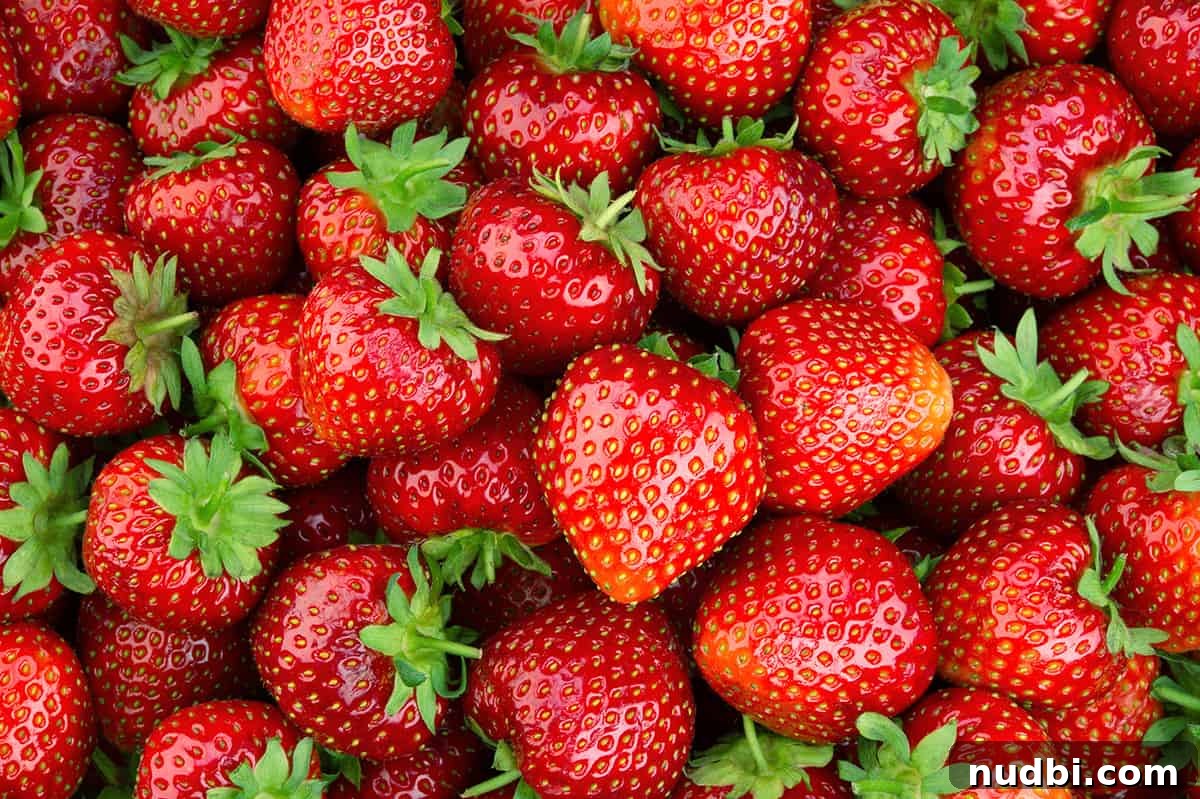
Strawberry season is in full, glorious swing during April, especially in warmer climates! This beloved fruit, with its vibrant red color and sweet-tart flavor, offers endless possibilities beyond just snacking straight from the punnet. When selecting strawberries, choose berries that are bright red, plump, and firm, with fresh-looking green caps. Avoid any that are pale, bruised, or moldy. Store unwashed strawberries in their original container in the refrigerator and wash gently just before serving to maintain their freshness. Strawberries are a phenomenal source of Vitamin C, a powerful antioxidant, as well as manganese and other beneficial compounds. Their versatility in the kitchen is unmatched. You can blend fresh strawberries into delightful muffins, create the perfect smoothie, add them to a delicious fruit salsa, or elegantly top off your morning pancakes or waffles. They are also wonderful in fruit salads, cheesecakes, and refreshing summer drinks. Don’t miss out on this seasonal highlight! For more tips, check our Strawberry Produce Tips page.
Sweet Onions

Onions, in general, are a fundamental staple in kitchens worldwide, forming the aromatic base for countless dishes. April brings with it the highly anticipated sweet onion season, particularly Vidalia onions, which begin to appear in stores towards the end of the month. When selecting sweet onions (and all onions), choose firm bulbs with dry, papery outer skins, free from soft spots or blemishes. Store them in a cool, dry, dark, and well-ventilated place, away from potatoes, for optimal shelf life. While the act of cutting onions might bring a tear to the eye, their essential role in adding depth and flavor to everything from comforting soups and hearty chili to savory meatballs and convenient breakfast burritos cannot be denied. Sweet onions, with their mild flavor, are particularly delicious raw in salads and sandwiches, caramelized for a rich addition to burgers, or roasted alongside other vegetables. They are a good source of Vitamin C, B6, and beneficial plant compounds, acting as prebiotics to support gut health. Find more culinary inspiration on our Onion Produce Tips page.
Embrace the Flavor of April
April offers a truly exciting array of fresh, flavorful produce that can inspire delicious and healthy meals for your entire family. By choosing fruits and vegetables that are in season, you’re not only enhancing the taste and nutritional value of your dishes but also supporting sustainable practices and often saving money. We encourage you to explore your local grocery stores and farmers markets this month, picking up some of these delightful seasonal treasures.
Don’t be afraid to experiment with new ingredients or try fresh preparations for your favorites. Whether you’re roasting artichokes, blending vibrant smoothies with strawberries and blueberries, or adding the subtle sweetness of leeks to your soups, April’s bounty is waiting to be enjoyed. Happy cooking, and here’s to a month filled with fresh, wholesome goodness!