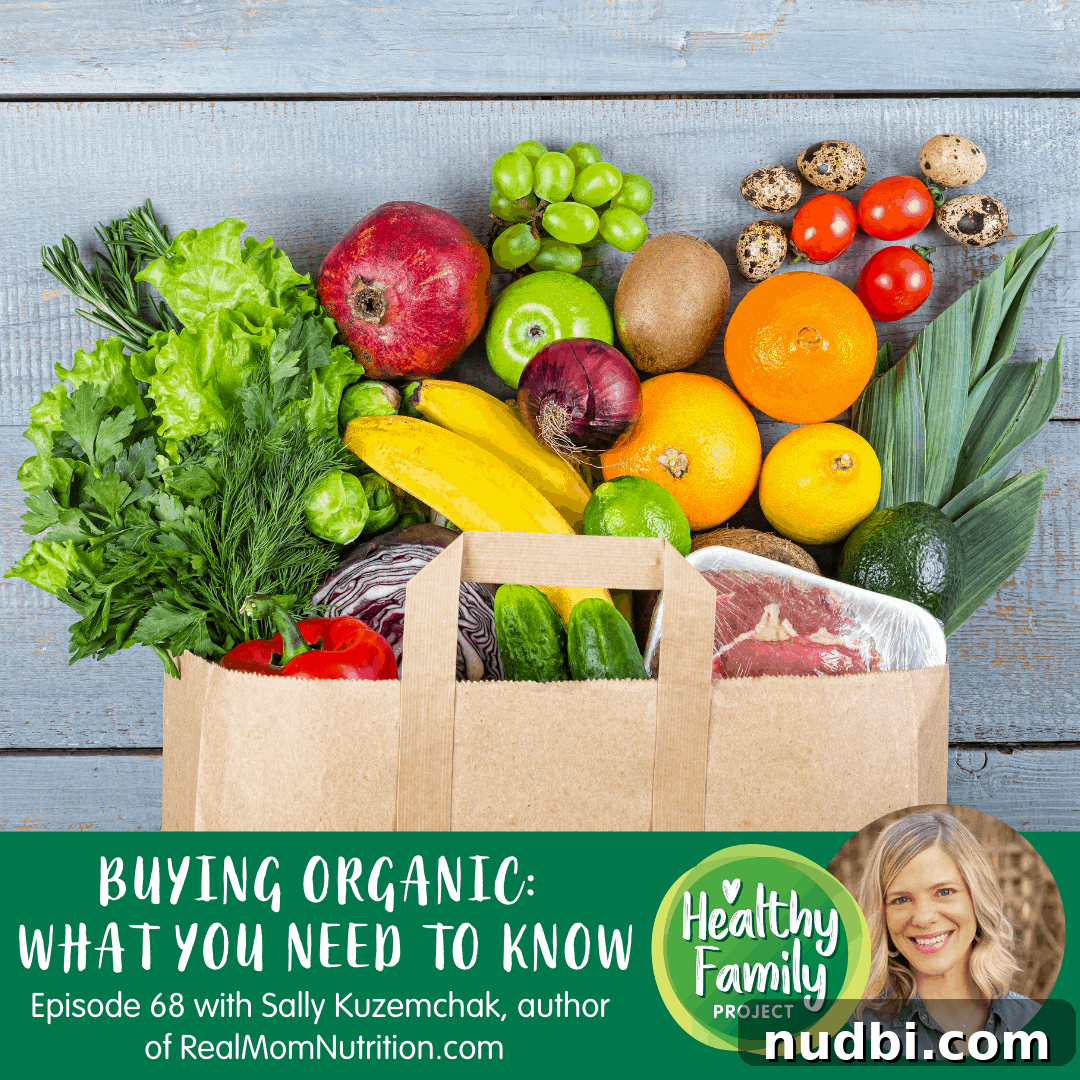
Navigating the Organic Aisle: Debunking Myths and Smart Shopping Strategies for Healthy Families
In today’s bustling grocery stores, the term “organic” has become ubiquitous, adorning everything from fresh produce to an increasing array of packaged goods. For many shoppers, these prevalent labels often create more confusion than clarity. A common question echoes through the aisles: Does “organic” truly equate to “healthy”? What exactly do these certifications mean, and how should they influence our daily food purchases for our families?
The Healthy Family Project podcast is here to demystify these crucial questions in an insightful episode dedicated to exploring the complex world of organic foods. We are incredibly fortunate to be joined by Sally Kuzemchak, our esteemed registered dietitian and the brilliant mind behind RealMomNutrition.com. With her practical, no-nonsense approach to family nutrition, Sally skillfully cuts through the widespread misinformation, dispelling common myths and equipping listeners with essential knowledge. From deciphering confusing food labels to understanding the real implications of lists like the “Dirty Dozen,” Sally provides clear, actionable advice for every family aiming to make smarter, healthier choices.
Organic vs. Healthy: Unraveling the Confusion Behind Food Labels
It’s virtually impossible to walk into a grocery store these days without encountering an overwhelming assortment of labels making bold health claims. Among the most prominent are “organic” labels, gracing a vast array of fresh and packaged foods. This pervasive presence has unfortunately led to significant confusion among shoppers. Many consumers instinctively believe that an “organic” label automatically guarantees a product is inherently healthier or more nutritious than its conventional counterpart. However, as our expert Sally Kuzemchak astutely observes, “organic cookies are still cookies.” This simple yet profound statement serves as a vital reminder that while organic farming practices offer specific environmental and health-related benefits, the “organic” label itself does not magically transform an otherwise unhealthy food item into a nutritious one. It is absolutely crucial for shoppers to look beyond single labels and scrutinize the overall nutritional profile, ingredient list, and processing level of their food purchases.
Understanding what the organic label truly signifies is the fundamental first step toward making genuinely smarter food choices. Organic certification primarily pertains to the methods by which food is grown, raised, and processed. For produce, it means that crops are cultivated without the use of most synthetic pesticides, herbicides, genetically modified organisms (GMOs), or artificial fertilizers. For animal products, the “organic” designation implies that animals are raised without routine antibiotics or growth hormones, are fed organic feed, and typically have access to the outdoors. These stringent practices are designed to promote ecological balance, conserve biodiversity, and often align with consumer desires for fewer synthetic inputs in their food chain. While these are undeniably valuable goals, it’s essential to remember that these standards do not automatically dictate a product’s calorie content, sugar levels, fat composition, or overall nutrient density. Therefore, an organic snack bar might still be high in added sugars or unhealthy fats, just as an organic soda remains a sugary beverage.
Sally Kuzemchak’s expert guidance empowers us to navigate these complexities with confidence. She delves into the specific meaning of organic when it comes to various food labels, meticulously clarifies the persistent myths surrounding influential lists like the “Dirty Dozen,” and offers practical, actionable strategies for prioritizing food items. This advice is especially pertinent when deciding between conventional and organic options, helping families to maximize their nutritional intake while respecting their budgets. Her insights are invaluable for anyone seeking to feed their family well, without falling prey to misleading marketing or succumbing to unnecessary anxieties about food choices.
Tune In: Your Comprehensive Guide to Organic Shopping Wisdom
Ready to revolutionize your grocery shopping habits and gain an unequivocally clearer understanding of what “organic” truly means for your family’s health? Don’t miss this illuminating episode! Tune into the full Healthy Family Project podcast featuring Sally Kuzemchak. Get prepared to debunk common myths, acquire practical and actionable tips, and empower yourself to make more informed, confident decisions for your family’s health and overall well-being. This is an episode you won’t want to skip!
Key Insights from This Episode: A Detailed Overview for Smart Shoppers
This particular episode is an absolute treasure trove of essential information, meticulously designed to simplify your approach to buying organic and making informed food choices. While we wholeheartedly recommend listening to the entire conversation for all of Sally’s invaluable tips, tricks, and nuanced explanations, here’s a detailed breakdown of the hot topics covered, complete with convenient timestamps for easy navigation and reference:
- 2:40 Welcome back, Sally! – A warm and engaging re-introduction to our esteemed registered dietitian, Sally Kuzemchak, setting the perfect stage for an enlightening and practical discussion on organic foods, food labels, and comprehensive family nutrition.
- 3:24 Does Organic Mean Healthy? Debunking the Biggest Myth – Sally delves deep into the widespread misconception that an “organic” label automatically equates to a “healthy” food item. She meticulously explains why organic certification primarily focuses on farming and processing practices rather than a product’s inherent nutritional content, guiding listeners on how to accurately assess a food’s true dietary value beyond the label.
- 5:58 What We Need to Know About the Dirty Dozen List – This segment unpacks the often-controversial “Dirty Dozen” list. Sally elucidates its origins, explains how it’s compiled by the EWG, and, most importantly, provides expert guidance on how parents and shoppers should interpret and responsibly utilize this information without succumbing to unnecessary fear, anxiety, or confusion. This crucial discussion also includes a balanced perspective on the “Clean Fifteen” list.
- 11:40 Prioritizing Conventional vs. Organic Foods: Smart Shopping Strategies – Learn practical, real-world strategies for intelligently deciding which foods are genuinely worth buying organic and which conventional options are perfectly acceptable and beneficial. This segment offers indispensable advice, particularly for budget-conscious families striving to maximize their nutritional intake without overspending.
- 14:14 Healthy Bite Featuring YoQuiero Brands: A Delicious Example of Smart Choices – Discover a truly delicious and effortlessly healthy snack idea showcased by YoQuiero Brands. This segment elegantly demonstrates how to seamlessly incorporate high-quality, real ingredients into your family’s diet, proving that convenience and genuine health can indeed go hand-in-hand.
- 17:09 How Are Organic Labels Regulated? Understanding the USDA Seal – Gain absolute clarity on the stringent regulations and standards that govern organic labels in the United States. Sally expertly demystifies the iconic USDA Organic Seal, explaining precisely what it guarantees, its limitations, and why it remains a reliable indicator of specific farming and processing practices.
- 19:30 Online Resources to Learn More About Organic Foods and Labels – A carefully curated and trustworthy list of online resources that can further your understanding of organic food, intricate food labels, and empower you to continue making well-informed choices for your family’s nutritional well-being.
- 22:17 What Should Parents Be Doing When It Comes to Shopping Organic? Actionable Advice – Sally provides direct, empathetic, and highly actionable advice specifically tailored for parents navigating the often-confusing organic aisle. This comprehensive segment covers everything from setting realistic priorities to effectively educating children about making conscious and healthy food choices.
The Dirty Dozen and Clean Fifteen: Understanding Pesticides and Priorities
One of the most widely discussed and often debated aspects of organic shopping centers around the “Dirty Dozen” list, an annual publication by the Environmental Working Group (EWG). This list identifies conventionally grown produce items that typically test positive for the highest levels of various pesticide residues. Consequently, it often leads many consumers to believe that these specific items *must* be purchased organic to ensure safety. In contrast, the “Clean Fifteen” list highlights produce with the lowest detected pesticide residues, suggesting they are safer options for conventional purchase. Sally Kuzemchak expertly sheds light on these lists, emphasizing that while they can serve as a helpful guide for some shoppers, they should absolutely not be a source of undue anxiety or fear.
It is paramount to remember that the levels of pesticide residues found on produce, even on items appearing on the “Dirty Dozen” list, are generally well below the stringent safety limits established by regulatory bodies like the Environmental Protection Agency (EPA). Sally’s primary advice is straightforward and crucial: the most important thing for your family’s health is to ensure consistent and ample consumption of fruits and vegetables, regardless of whether they are organic or conventional. The undeniable nutritional benefits derived from eating a diet rich in produce—including essential vitamins, minerals, and fiber—far outweigh any theoretical risks from pesticide exposure, especially when considering the rigorous safety standards and continuous monitoring in place.
However, for those consumers who are particularly motivated to minimize their pesticide intake, or when budget considerations allow for it, the Dirty Dozen list can indeed help guide which organic produce might be worth prioritizing. For instance, if family staples include items frequently found on the Dirty Dozen, such as apples, strawberries, or spinach, opting for organic versions of these could be a conscious choice for your household. Conversely, for items consistently featured on the Clean Fifteen, like avocados, sweet corn, or onions, buying conventional is often a perfectly sound, safe, and cost-effective option. Ultimately, making truly informed decisions means understanding the scientific nuances behind these lists and integrating them into a broader, holistic strategy for healthy and balanced eating. Do not allow the admirable quest for “perfectly organic” to inadvertently deter you from enjoying a diverse, colorful, and abundantly plant-rich diet. For those who wish to delve deeper and view the most current recommendations, the EWG’s Shopper’s Guide to Pesticides in Produce offers an up-to-date look at these lists.
Making Smart Choices: Prioritizing Organic for Your Family’s Health and Budget
For many families, especially those diligently managing a household budget, the aspiration of buying every single food item organic simply isn’t a practical or financially feasible reality. This is precisely where Sally Kuzemchak’s pragmatic and insightful advice on intelligent prioritization becomes invaluable. Instead of advocating for an all-or-nothing approach that can often lead to frustration or unnecessary expense, she encourages a mindful and strategic approach based on what truly matters most for your family’s health, nutritional goals, and financial circumstances.
Consider these key points when navigating the grocery store and making decisions between conventional and organic options:
- Focus on Fresh Produce with Thin Skins: If you are going to invest more in organic items, fresh fruits and vegetables are frequently an excellent place to begin. Prioritize items that are consumed with the skin on, such as berries, leafy greens, or apples, as these are where pesticide residues might be more directly ingested. Referring to the “Dirty Dozen” can serve as a helpful guide in this specific area.
- Meat and Dairy Products: Opting for organic meat and dairy products offers the assurance that animals were raised without the routine use of antibiotics and growth hormones, and were fed organic, non-GMO feed. This can be a significant priority for some families who are concerned about these specific factors in their animal protein and dairy consumption.
- Rethink Processed Organic Foods: Always recall Sally’s fundamental adage: “organic cookies are still cookies.” The “organic” label on highly processed foods often adds a premium to the price without necessarily boosting their nutritional value significantly. Your primary focus should remain on consuming whole, minimally processed foods first, irrespective of their organic certification. A truly healthy diet prioritizes nutrient density over a single label.
- Embrace Budget Considerations with Realism: Be realistic and honest about your household budget. It is unequivocally better to consistently eat a wide variety of conventional fruits and vegetables, which still provide abundant vitamins, minerals, and fiber, than to severely limit your intake of produce because you can only afford a few select organic items. Nutritional diversity and quantity often trump organic status.
- Master the Art of Understanding Food Labels: Beyond the “organic” seal, learn to read comprehensive nutrition labels thoroughly. An organic product that is still high in added sugars, unhealthy fats, or refined grains remains an organic product with those characteristics. Always look for whole ingredients, minimal added sugars, and balanced nutritional profiles. For an even deeper dive, you can learn more about understanding the New Nutrition Label 101 in a previously released podcast episode.
Healthy Bites Featuring YoQuiero Brands: Delicious, Wholesome, and Convenient Options
Embracing a healthy lifestyle absolutely does not mean you have to sacrifice delicious flavor or essential convenience. This principle is beautifully exemplified by the exceptional offerings from **YoQuiero Brands**. Their authentic guacamole, meticulously crafted from only the freshest, hand-scooped Hass avocados, stands out as a prime example of a wholesome, real-food product that seamlessly aligns with a health-conscious lifestyle. What truly distinguishes YoQuiero’s guacamole is its unwavering commitment to quality and natural goodness – it contains absolutely no artificial preservatives, ensuring a consistently fresh, vibrant, and natural taste with every single bite. This makes it an ideal, versatile addition for a myriad of occasions, from bustling weeknight taco nights and lively tailgating parties to festive Cinco de Mayo celebrations and countless other culinary moments.
With Cinco de Mayo just around the corner, why not elevate your festivities with a truly impressive and memorable spread? Our highly popular Ultimate Taco Board recipe provides a fantastic, customizable blueprint for a meal that is both fun and nourishing, loaded with an array of must-have taco toppings. Naturally, this includes a prominent feature of YoQuiero’s incredible range of products: their rich and creamy guacamole, delightfully smooth queso, and perfectly zesty salsa. These thoughtfully prepared offerings simplify healthy eating by providing delicious, ready-to-use ingredients that are made with real, high-quality components, thereby making it significantly easier and more enjoyable for families to gather and savor flavorful, nutritious meals together.
Meet Our Expert Guest: Sally Kuzemchak, Esteemed Registered Dietitian and Author
Our exceptionally insightful guest, Sally Kuzemchak, is much more than just a registered dietitian; she is a passionate and unwavering advocate for practical, empathetic, and truly judgment-free family nutrition. As a dedicated and busy mom of two boys herself, Sally possesses an intimate, firsthand understanding of the daily challenges and triumphs parents encounter when striving to feed their families well. This invaluable personal experience profoundly fuels her pragmatic philosophy, which she generously shares with a vast audience through her acclaimed blog, RealMomNutrition.com. The blog serves as a profoundly supportive and welcoming “no-judgement zone,” offering realistic, evidence-based advice tailored for busy parents, all without the overwhelming pressure of achieving unattainable perfection.
Sally’s profound expertise and influence extend significantly beyond her popular blog. She is the celebrated author of two highly regarded and impactful books: The 101 Healthiest Foods For Kids, an indispensable, comprehensive guidebook meticulously detailing the best whole foods to nourish and support the healthy development of growing children, and Cooking Light Dinnertime Survival Guide, a veritable lifeline cookbook specifically designed for families grappling with hectic schedules and desperately seeking quick, healthy, and delicious meal solutions.
An accomplished, award-winning reporter and writer, Sally regularly contributes her valuable insights to Parents magazine as a respected Contributing Editor and shares her vast knowledge as a trusted blogger for WebMD. Her compelling articles, expert commentary, and actionable advice have graced the pages of countless national publications, including prestigious titles such as Prevention, Health, Family Circle, Eating Well, Fitness, and Shape. This extensive portfolio has firmly solidified her reputation as a leading and highly respected voice in the field of nutrition journalism. Sally proudly earned her master’s degree in dietetics from the esteemed Ohio State University and currently resides in Columbus, OH, with her loving family, steadfastly continuing her vital mission to make healthy eating both accessible, enjoyable, and sustainable for everyone.
Valuable Resources for Making Informed Food Choices
To further enrich your understanding and robustly support your ongoing journey towards healthier and more conscious eating, Sally and the Healthy Family Project wholeheartedly recommend exploring these essential and credible resources. Whether your curiosity lies in specific nutritional components, or you’re seeking to broaden your knowledge on intricate food labeling, these links are meticulously curated to provide trustworthy, evidence-based, and highly actionable information:
- Salt and Kids: Should You Worry? Gain crystal-clear clarity on a common and often concerning parental query with this incredibly insightful and reassuring article: Read more here.
- Sally’s Article About the Dirty Dozen: For a comprehensive and in-depth dive into Sally Kuzemchak’s nuanced perspective and practical, actionable advice specifically on navigating the complexities of the Dirty Dozen list, be absolutely sure to check out her detailed and enlightening article on the topic.
- The Biggest Myths (and Truths!) About Carbs: Effectively demystify carbohydrates and gain a thorough understanding of their vital role within a truly balanced and healthy diet with this highly informative and myth-busting piece: Explore carb facts here.
- Follow Sally on Social Media: Stay consistently updated with Sally’s latest expert tips, delicious recipes, and invaluable nutrition insights by actively following her engaging profiles on Instagram, Facebook, and Twitter.
- Visit Sally’s Blog: Discover an abundant wealth of family-friendly nutrition advice, wholesome recipes, and practical resources specifically designed for busy parents at RealMomNutrition.com.
- Understanding the USDA Organic Label: Access official, authoritative information directly from the source about what the USDA Organic seal truly signifies, the rigorous standards it upholds, and its exact meaning for consumers: Learn about USDA Organic.
- EWG’s 2021 Shopper’s Guide to Pesticides in Produce: Access the Environmental Working Group’s annually updated and influential guide to assist you in making informed decisions about when and if to choose organic produce: View the Shopper’s Guide.
- Follow Food Science Babe on Instagram: For evidence-based, scientifically sound insights into the fascinating world of food science and for debunking persistent nutrition myths, we highly recommend following Food Science Babe.
- The Farm Babe: Explore agricultural perspectives, gain a deeper understanding, and learn more about modern farming practices and food production directly from The Farm Babe.
Expand Your Knowledge with Other Enlightening Healthy Family Project Episodes
If you thoroughly enjoyed this comprehensive deep dive into the nuances of organic foods and the principles of healthy eating, we warmly invite you to explore even more valuable and engaging content from the Healthy Family Project podcast. Our extensive and continually growing library covers a wide spectrum of topics, all thoughtfully designed to support and enhance your family’s overall health and wellness journey. Here are a few highly recommended episodes to help you expand your knowledge and get started:
- Episode 47: New Nutrition Label 101 – Master the essential art of effectively reading and interpreting modern food labels to empower yourself in making truly informed and beneficial dietary decisions for your entire family.
- Episode 34: Lunchbox Packing Mistakes to Avoid – Discover common, yet easily avoidable, pitfalls in packing school lunches and learn expert strategies on how to consistently create balanced, nutritious, and appealing meals that children will actually enjoy.
- Episode 62: How to Avoid Added Sugars – Acquire practical, straightforward, and highly effective strategies for significantly reducing hidden and unnecessary sugars in your family’s diet without ever having to sacrifice delicious taste or enjoyment.
Join Our Thriving Community: The Healthy Family Project Facebook Group
Connect with a vibrant, supportive, and ever-growing network of other dedicated parents and caregivers who genuinely share your commitment and passion for raising a healthy, happy, and thriving family! Our exclusive Healthy Family Project Facebook group is thoughtfully designed to be a safe, inclusive, and encouraging space where members can openly discuss a wide and diverse array of topics. From expertly navigating the often-challenging waters of dealing with a picky eater and discovering innovative, creative ways to seamlessly incorporate more fruits and vegetables onto plates, to exploring enjoyable family-friendly exercise routines and fostering crucial mental well-being for all ages, this dynamic group serves as a central hub for shared experiences, invaluable practical advice, and endless inspiration. We extend a particularly warm welcome to all of you to join our wonderful community, ask your burning questions, share your unique insights, and find unwavering support from like-minded individuals who are equally dedicated to nurturing healthy families everywhere.
Your Voice Matters: Please Take Our Listener Survey!
Thank you immensely for your unwavering support and continuous dedication to the Healthy Family Project Podcast! Your invaluable feedback is incredibly precious to us as we tirelessly strive to bring you the most relevant, engaging, and high-quality content possible for future episodes. We would be truly grateful if you could dedicate just 5 minutes of your time to generously complete our listener survey. Your insightful perspectives and suggestions will play a pivotal role in helping us tailor future episodes to even better meet your specific needs, interests, and preferences. Please take the survey here and actively help us make the podcast an even more exceptional and impactful resource for families everywhere!
The Healthy Family Project Podcast: Your Trusted Partner in Family Wellness
The Healthy Family Project Podcast is your dedicated and trusted companion, consistently offering engaging, insightful, and often fun-filled conversations that delve into the most pressing and hot topics within the interconnected realms of health, food, and family life. Our overarching mission is to empower families, gently guiding them towards embracing a fresh, vibrant, healthy, and truly sustainable lifestyle. We aim to achieve this by providing practical advice and inspiring ideas that foster positive change without overwhelming our listeners with daunting, overnight transformations.
Be sure to eagerly look out for our new bi-weekly episodes, each one packed with expert advice, practical tips, inspiring stories, and actionable strategies designed to make healthy living simpler and more enjoyable. To ensure you never miss a single valuable installment, don’t forget to subscribe now on your favorite podcast platform! You can easily find and subscribe to us on Apple Podcasts, Google Podcasts, Spotify, or any other podcasting site you prefer. If you find an episode particularly helpful, insightful, or simply enjoyable, we would be incredibly grateful if you could take a moment to leave a positive rating and a thoughtful comment. Your reviews not only serve as a wonderful source of encouragement for our team but also play a crucial role in helping other families discover and benefit from our valuable content.
Are you an expert in the fields of health, nutrition, or family wellness with a compelling topic idea or a unique perspective you’d love to share? We are always eager to feature diverse voices and fresh insights that can enrich our audience’s understanding! If you are interested in being a distinguished guest on the Healthy Family Project podcast, please do not hesitate to contact our dedicated team at [email protected] with your topic proposal for careful consideration. We eagerly look forward to hearing from you and continuing our collective mission to build a comprehensive resource that genuinely supports healthy families everywhere.