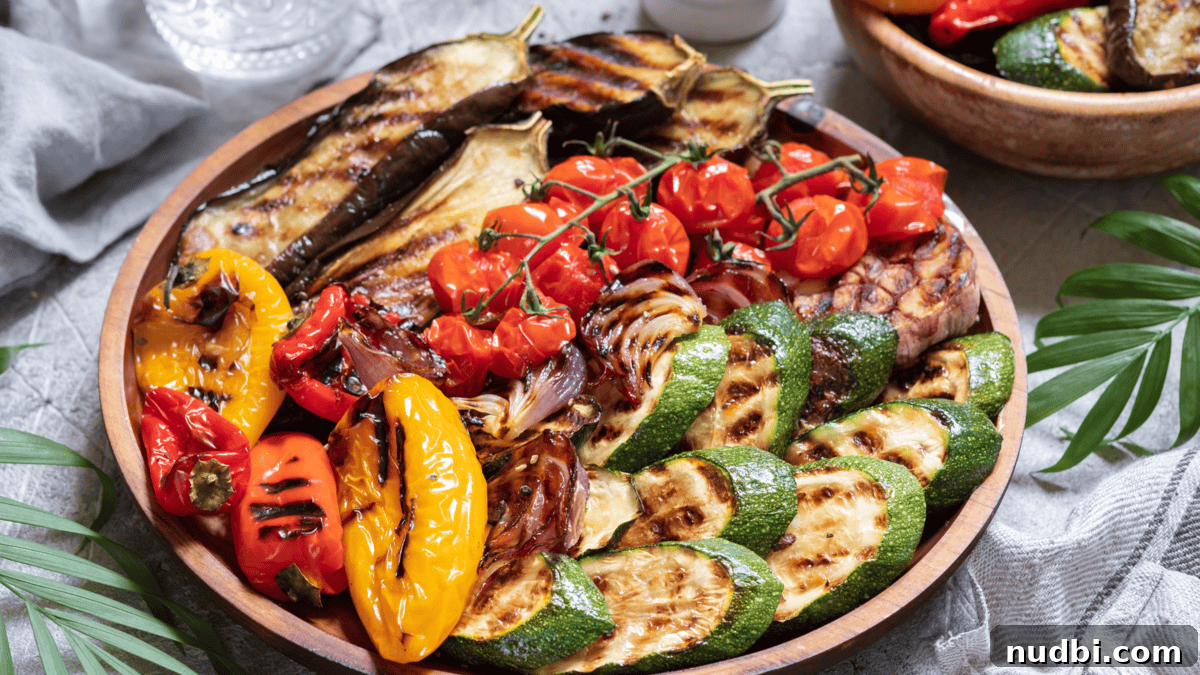
A few years ago, a simple grill basket from a local store completely transformed my approach to outdoor cooking, especially when it came to vegetables. What started as a small purchase opened up a vast new world of culinary possibilities, allowing me to infuse a delightful smoky, charred flavor into a wide array of produce. The grill isn’t just for meats; it’s a versatile tool that elevates everything from succulent steaks to crisp-tender vegetables, and even surprising delights like grilled pizza (a must-try for any grilling enthusiast!).
There’s hardly a vegetable that doesn’t benefit from the magic of the grill. Classic choices like grilled zucchini, asparagus, and bell pepper halves are always crowd-pleasers. For zucchini, I often opt to cut them into sturdy spears. This simple trick ensures they hold their shape on the grill grates, making them easier to turn and preventing them from falling apart during cooking.
Why Grill Your Vegetables? The Irresistible Appeal
Grilling vegetables offers a unique combination of flavor, texture, and health benefits that no other cooking method can quite match. The high heat of the grill caramelizes the natural sugars in vegetables, enhancing their sweetness, while the direct flame imparts a distinctive smoky char that is incredibly appealing. This process creates a delightful contrast between a tender interior and slightly crispy, flavorful edges.
Beyond the amazing taste, grilled vegetables are a fantastic addition to any healthy diet. Grilling often requires less added fat than sautéing or frying, allowing the natural goodness of the produce to shine through. It’s an excellent way to incorporate more vibrant, nutrient-rich foods into your meals, making healthy eating both easy and enjoyable. Plus, their versatility is unmatched; grilled veggies can serve as a standalone side dish, a vibrant salad topper, a filling for sandwiches and wraps, or even a star component of a main course.
Essential Tools for Grilling Vegetables Like a Pro
While the concept of grilling vegetables is straightforward, having the right tools can make a significant difference in your experience and results. Investing in a few key items will not only make the process easier but also expand the range of vegetables you can confidently grill.
The **grill basket or wok** is arguably the most transformative tool for vegetable grilling, much like it was for me. It acts like a pan on the stove, allowing you to grill smaller, irregularly shaped vegetables that might otherwise fall through the grates. Think broccoli florets, diced carrots, cauliflower, snap peas, green beans, or even mixed fajita vegetables. If you can sauté or stir-fry it on the stovetop, you can likely grill it in a basket, gaining that coveted smoky flavor. Grill baskets come in various designs, from perforated trays to deeper wok-style containers, offering options for different needs.
**Skewers** are another excellent method for grilling vegetables, and even fruits! Large chunks of mushrooms, bell peppers, onions, cherry tomatoes, or pineapple are perfect candidates. The key to successful skewering is to cut all your ingredients to roughly the same size. This ensures even cooking, so everything finishes at the same time. Skewers also offer a fun, interactive way to get kids involved in meal prep, allowing them to thread veggies (under supervision, of course!). You’ll find skewers in both metal and wood; if using wooden skewers, remember to soak them in water for at least 30 minutes before grilling to prevent them from burning.
**Long-handled tongs** are indispensable for safe and effective grilling, especially when handling hot skewers or turning vegetables directly on the grates. A good pair of **grill gloves** can also provide added protection. Other useful tools include a **grill brush** for cleaning grates, an **oil brush** for applying oil evenly to both grates and vegetables, and large **mixing bowls** for tossing your prepped veggies with oil and seasonings.
Mastering Vegetable Preparation for the Grill
The secret to perfectly grilled vegetables often lies in the preparation. A little attention to detail before they hit the heat can dramatically improve flavor and texture.
Cutting Techniques for Even Cooking
Always start by thoroughly washing and drying your vegetables. Excess moisture can steam the vegetables instead of charring them, so patting them dry is a crucial step. The way you cut your vegetables is paramount for even cooking. Aim for uniform sizes and shapes. For instance, zucchini and eggplant can be sliced into ½-inch thick rounds or spears. Bell peppers work well when cut into wide strips or substantial wedges. Onions can be cut into thick rings or wedges that stay together. Broccoli and cauliflower should be broken into similar-sized florets. Root vegetables like carrots or potatoes, which are denser, might benefit from being cut into smaller pieces or even par-boiled briefly before grilling to ensure they become tender without burning.
Oiling Your Vegetables: The Key to Non-Stick and Flavor
Lightly oiling your vegetables is essential for two main reasons: it helps prevent sticking to the grill grates and promotes beautiful charring and flavor development. Opt for oils with a high smoke point, such as avocado oil, grapeseed oil, canola oil, or light olive oil. For individual vegetables like zucchini spears or asparagus, a light brushing of oil on each piece works best. If you’re using a grill basket for smaller items like broccoli florets or bell pepper strips, tossing them in a large bowl with oil is the most efficient method. Alternatively, you can place veggies in a large zip-top bag with oil and toss to ensure an even coating.
Seasoning for Maximum Flavor
Don’t be shy with seasoning! A good foundation starts with coarse salt and freshly cracked black pepper. From there, the possibilities are endless. Dried herbs like oregano, basil, thyme, or rosemary add aromatic depth. Spices such as garlic powder, onion powder, paprika, chili powder, or cumin can introduce bolder flavor profiles. For an extra kick, consider a sprinkle of red pepper flakes or a dash of your favorite dry rub. Experiment with different combinations to find what you love, remembering that the grill enhances these flavors beautifully.
Grilling Techniques for Perfect Veggies Every Time
Once your vegetables are prepped and seasoned, it’s time for the actual grilling. Following a few key techniques will ensure delicious, tender-crisp results with that coveted smoky char.
Preheat Your Grill and Oil the Grates
Always begin by preheating your grill to a medium-high heat (around 375-450°F / 190-230°C). This is crucial for preventing sticking and creating those desirable grill marks. If you’re using a grill basket or wok, preheat it along with the grill. Once hot, lightly oil your grill grates. You can do this by using a silicone brush dipped in oil or, for a more traditional method, wad up a paper towel, dip it in oil, and use long-handled tongs to rub it over the hot grates. A little oil goes a long way here; too much can cause flare-ups.
Direct vs. Indirect Heat
Most vegetables grill best over direct heat, especially thinner ones that cook quickly, allowing them to char beautifully. However, for thicker, denser vegetables like corn on the cob, whole bell peppers, or larger potato wedges, starting them over direct heat for charring and then moving them to indirect heat can help them cook through without burning. Understanding your grill’s hot spots and cooler zones is key.
Monitoring and Turning for Even Cooking
Grilling vegetables requires active participation. Keep a close eye on your veggies, as some cook much quicker than others. Turn them frequently with your tongs to ensure even cooking and charring on all sides. You’re looking for vegetables to be tender-crisp – not mushy, but easily pierced with a fork, with visible char marks. The cooking time will vary greatly depending on the type and thickness of the vegetable. Asparagus and thinly sliced bell peppers might take only 5-7 minutes, while carrots or larger zucchini pieces could take 10-15 minutes.
Post-Grill Enhancements: The Finishing Touch
Once your grilled vegetables come off the heat, that’s often when you can add another layer of flavor. A drizzle of balsamic vinegar, a squeeze of fresh lemon or lime juice, or a brush-on glaze can brighten and enhance their taste. Consider finishing with fresh herbs like chopped parsley, cilantro, or mint, a sprinkle of grated Parmesan cheese, toasted nuts, or even a crumbling of feta. These additions elevate the dish and bring out the best in the grilled flavors.
Beyond the Basics: Creative Grilling Ideas
Don’t limit your grilling adventures to just standard vegetable sides. The grill can be used for so much more!
- Grilling Fruit: For a surprisingly delicious treat, try grilling fruits like pineapple slices, peaches, watermelon, or even bananas. The heat caramelizes their natural sugars, creating a warm, juicy, and smoky dessert or a fantastic addition to savory dishes.
- Root Vegetables: While tougher, root vegetables like carrots, potatoes, and sweet potatoes can be fantastic on the grill. For best results, par-boil or lightly steam them until fork-tender before finishing them on the grill for char and flavor.
- Whole Vegetables: Grilling vegetables whole can yield incredible results. Think corn on the cob (husk on or off), whole bell peppers (for smoky flavor, then chop), or even entire heads of romaine lettuce for a unique salad base.
- Marinades: While simple oil and seasoning are often enough, marinades can add deep flavor. Use oil, an acid (vinegar or citrus juice), and herbs/spices. Marinate for at least 30 minutes, but generally no more than a few hours, especially with acidic marinades that can tenderize too much.
Troubleshooting Common Grilling Issues
Even experienced grillers encounter challenges. Here are solutions to common grilling problems:
- Veggies Sticking to Grates: This usually means your grill wasn’t hot enough, or the grates weren’t properly oiled. Ensure a good preheat and re-oil as needed.
- Veggies Burning Before Cooking Through: The grill might be too hot, or the pieces might be too thin for the heat. Adjust heat or move to a cooler part of the grill.
- Veggies Falling Through Grates: Your pieces are too small. This is where a grill basket or skewers become invaluable.
- Veggies Are Mushy: Overcooking is the culprit. Grill until tender-crisp, not soft.
Delicious Grilled Vegetable Recipes to Try
Ready to put these tips into practice? Here are some fantastic recipes featuring grilled vegetables that you’ll love:
- Greek Grilled Cauliflower and Vidalia Onion Quinoa Salad (The grilled cauliflower and onion are delicious on their own and make a great side!)
- Grilled Italian Chicken Sausage and Pepper Pitas (Use these perfectly grilled peppers for fajitas, sandwiches, or as a vibrant side dish.)
- Grilled Broccoli and Vidalia Onion with Pine Nuts and Parmesan Cheese
- Grilled Zucchini with Lemon
- Clean Eating BBQ Carrots
- Aloha Kebabs (A colorful way to combine meats and veggies on the grill.)
Grilling vegetables is a truly rewarding experience, offering endless possibilities for flavor, texture, and creativity. By understanding the tools, techniques, and a few basic principles, you can transform simple produce into extraordinary culinary delights. So fire up your grill, embrace the smoky char, and discover your new favorite way to enjoy vegetables!