Today’s insightful guest blog post is proudly presented by McKenzie Hall Jones, RDN, and Lisa Samuel, MBA, RDN, the innovative minds behind NourishRDs and consulting dietitians for the National Processed Raspberry Council.
Unlock Year-Round Flavor: The Ultimate Guide to Frozen Fruits and Vegetables
The wisdom of incorporating vibrant fruits and vegetables into our daily diet is far from new, yet the profound benefits of meals centered around plant-based foods continue to gain significant momentum and scientific backing. In a world increasingly focused on health, sustainability, and convenience, understanding how to effortlessly boost your plant intake is more relevant than ever. According to the authoritative 2015-2020 Dietary Guidelines for Americans, embracing more plant-based foods isn’t just a win for your personal well-being, but also a crucial step towards a healthier planet.
While fresh produce often takes center stage, an often-underestimated hero in the quest for plant-powered nutrition is frozen produce. These unsung culinary treasures offer an unparalleled combination of convenience, nutrition, and affordability, making them an excellent option for seamlessly integrating more fruits and vegetables into your family’s diet. Imagine savoring the sweet, juicy burst of summertime raspberries, perfectly ripe and flash-frozen within mere hours of being picked from the vine, even in the dead of winter. This modern marvel ensures that delicious, nutrient-dense produce is always within reach, eliminating the need to wait for seasonal availability or fret over wilting greens.
Frozen fruits and vegetables are not merely a substitute for fresh; they are a strategic choice for busy individuals and families striving for optimal health without compromising on flavor or quality. They provide a simple, effective solution for combating food waste and ensuring a consistent supply of vitamins, minerals, and antioxidants in your kitchen. Join us as we explore the myriad advantages of these freezer-friendly staples and unveil creative, easy ways to transform them into delicious, wholesome meals for every occasion.
Why Frozen Produce Deserves a Permanent Spot in Your Freezer
Before diving into the culinary applications, it’s essential to understand the compelling reasons why frozen fruits and vegetables are an intelligent choice for any health-conscious household:
Peak Freshness and Nutrient Retention
Unlike some fresh produce that travels long distances and sits on shelves, frozen fruits and vegetables are typically harvested at their absolute peak ripeness. This is when their nutritional content is at its highest. They are then rapidly blanched (for vegetables) and flash-frozen, a process that locks in vital vitamins, minerals, and antioxidants. This means that a bag of frozen spinach can often contain as many, if not more, nutrients than its fresh counterpart that has spent days in transit and storage.
Unbeatable Convenience for Busy Lifestyles
Time is a precious commodity, and frozen produce is a true time-saver. Forget the washing, peeling, and chopping; these items come pre-prepped and ready to use. Whether you’re whipping up a quick weeknight dinner or preparing a nutritious breakfast smoothie, the convenience of simply opening a bag and adding to your dish is unparalleled. This ease of use significantly reduces kitchen prep time, making healthy eating more accessible even on the busiest days.
Cost-Effective and Reduces Food Waste
Fresh produce can be expensive, especially out of season, and often goes bad before it can be fully consumed, leading to regrettable food waste. Frozen fruits and vegetables, on the other hand, are typically more affordable, particularly when purchased in bulk. Their extended shelf life in the freezer means you can use exactly what you need, when you need it, significantly cutting down on spoilage and saving money in the long run. This mindful approach to food consumption benefits both your wallet and the environment.
Year-Round Availability and Variety
Crave berries in winter or corn in spring? Frozen produce makes seasonal eating a thing of the past. You can enjoy a vast array of fruits and vegetables year-round, regardless of local growing seasons. This constant availability encourages greater dietary diversity, allowing you to experiment with different flavors and nutrient profiles without being limited by what’s currently “in season” at your local market.
Six Effortless Ways to Incorporate Frozen Fruits and Veggies into Your Daily Meals
Now that we’ve established the undeniable benefits, let’s explore practical and delicious ways to make frozen produce a cornerstone of your healthy eating strategy:
-
Stir-It Up for Quick & Healthy Meals
Every home cook needs a repertoire of speedy recipes for those hectic evenings when hunger strikes and inspiration is low. A vibrant stir-fry is a perfect candidate. Keep a bag of your favorite frozen mixed vegetables – think broccoli florets, sliced carrots, snap peas, and bell peppers – on hand. Simply sauté them in a wok or large pan with a flavorful sauce, such as a homemade peanut or ginger-garlic sauce. Pair with your choice of protein like tofu, chicken, or shrimp, and serve over steamed brown rice or quinoa for a complete, nourishing meal in minutes. Frozen stir-fry mixes often come with a variety of textures and colors, ensuring a visually appealing and satisfying dish. This method is also fantastic for meal prepping; make a larger batch and portion it out for lunches throughout the week.
-
Get Souped: Hearty Bowls of Goodness
It’s disheartening to watch beautiful fresh leafy greens wilt and go to waste. Instead, stock your freezer with nutrient-dense frozen spinach or kale. These greens are ideal for adding an instant boost of fiber, iron, and vitamins to soups, stews, and casseroles. Unlike fresh greens, they won’t spoil, allowing you to add them directly to your pot without thawing. Just toss them into simmering broths or bubbling casseroles during the last few minutes of cooking. Beyond greens, frozen corn, peas, and mixed vegetables are also excellent additions to minestrone, chicken noodle soup, or lentil stews, providing texture and flavor without extra chopping. They are a game-changer for enhancing the nutritional profile of any comforting, warming dish.
-
Embrace the Smoothie Craze: Power-Packed Blends
If meeting your daily fruit and vegetable targets feels like a challenge, starting your day with a delicious smoothie is a game-changer. Frozen fruits and vegetables are the secret to a perfectly chilled, thick, and creamy smoothie without needing ice. From a colorful berry blast to a refreshing green concoction, the possibilities are endless. Combine frozen berries (like raspberries, blueberries, or mixed berries) with frozen banana slices, a handful of frozen spinach or kale, a liquid base like coconut milk or almond milk, and a boost of protein powder or healthy fats from avocado. Take your smoothie experience a step further by creating a smoothie bowl. Pour your thick smoothie into a bowl and top it with desired ingredients like fresh fruit, granola, seeds, nuts, or a drizzle of honey. This encourages mindful eating and transforms a simple drink into a satisfying, Instagram-worthy meal.
-
Be Innovative: Unexpected Culinary Delights
Frozen produce can elevate everyday dishes in surprisingly innovative ways. Thawed frozen corn, with its naturally sweet crunch, is a fantastic addition to homemade salsas, adding texture and vibrancy to your tacos, grilled fish, or chips. Similarly, thawed frozen peas bring a burst of sweet flavor and tender texture to veggie-heavy salads, pasta salads, or grain bowls. Don’t limit frozen fruit to just smoothies; they are perfect for baking! Incorporate them into muffins, quick breads, pancakes, or even pies. When baking with delicate frozen raspberries, for instance, it’s best to leave them frozen until the very last moment before gently folding them into the batter. This helps them maintain their shape and prevents their vibrant color from “bleeding” into the dough, ensuring beautiful, distinct fruit pockets throughout your baked goods.
-
Feast on Fruit for Dessert: A Sweet & Healthy Treat
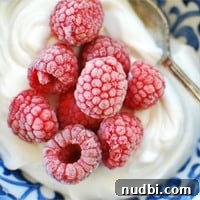
Satisfying your sweet tooth doesn’t have to mean compromising on nutrition. Frozen fruit offers a naturally sweet and refreshing alternative to conventional desserts, providing essential vitamins, minerals, and antioxidants. Imagine thawed frozen raspberries, glistening with natural juices, topped with a dollop of creamy Greek yogurt, a decadent drizzle of dark chocolate, or a sprinkle of crunchy homemade granola. This simple yet elegant dessert option not only curbs cravings but also contributes positively to your daily nutrient intake. Explore other combinations like warmed frozen peaches with a touch of cinnamon or frozen mango chunks blended into a sorbet-like consistency for a guilt-free indulgence that truly redefines dessert.
-
Get Saucy: Savory & Sweet Creations
Frozen fruit is exceptionally versatile for crafting delectable sauces, both sweet and savory. Create a simple, luscious fruit compote by gently simmering frozen berries or mixed fruit with a touch of sugar or maple syrup until softened. This compote makes an exquisite topping for pancakes, waffles, oatmeal, or even vanilla ice cream. But don’t stop there! Let your frozen fruit embark on a wilder, savory journey. Pureed frozen raspberries or cherries can form the base of an incredible marinade for poultry or pork, lending a sweet-tart complexity. Frozen mango or pineapple can be blended into a zesty salsa, perfect for pairing with grilled chicken, fish tacos, or even as a vibrant side dish for pork loin. These innovative applications demonstrate how frozen fruit can effortlessly balance sweet and savory notes, adding depth and excitement to your dinner recipes.
How To Make Raspberry Mango Smoothie Bowls: A Burst of Tropical Freshness
This vibrant and nutrient-packed smoothie bowl is a fantastic way to enjoy the goodness of frozen fruits, offering a refreshing start to your day or a delightful mid-day energy boost. It’s incredibly easy to make and highly customizable!
Serves 2
Ingredients:
- 1 cup frozen raspberries
- 1 cup frozen mango pieces
- 1 cup coconut milk (or your preferred plant-based milk)
- 1 tablespoon agave nectar (optional, adjust to sweetness preference)
- 1 tablespoon flax seeds
- 1 tablespoon hemp seeds
- 1 tablespoon chia seeds
Directions:
- Combine all ingredients in a high-speed blender or food processor. Blend until completely smooth and creamy, adding a tiny bit more coconut milk if needed to achieve a thick, scoopable consistency.
- Pour the smoothie mixture into two bowls. Get creative with your toppings! We recommend extra fresh or frozen raspberries, a sprinkle of toasted almonds, shredded coconut, or a drizzle of honey for added texture and flavor. Enjoy immediately!
Embrace the Frozen Revolution for a Healthier You
The journey to a healthier, more vibrant lifestyle doesn’t have to be complicated or expensive. By embracing the power of frozen fruits and vegetables, you unlock a world of culinary possibilities that are both convenient and incredibly nutritious. From bustling weeknight dinners to serene weekend breakfasts, these freezer staples provide a reliable source of essential nutrients, help reduce food waste, and support a more plant-centric diet. We hope these six innovative and simple ideas inspire you to open your freezer with new enthusiasm, experimenting with the endless potential of frozen produce to create delicious, wholesome meals for yourself and your family. Make the switch today and discover how easy and rewarding it is to enjoy the flavors of the harvest, all year long.