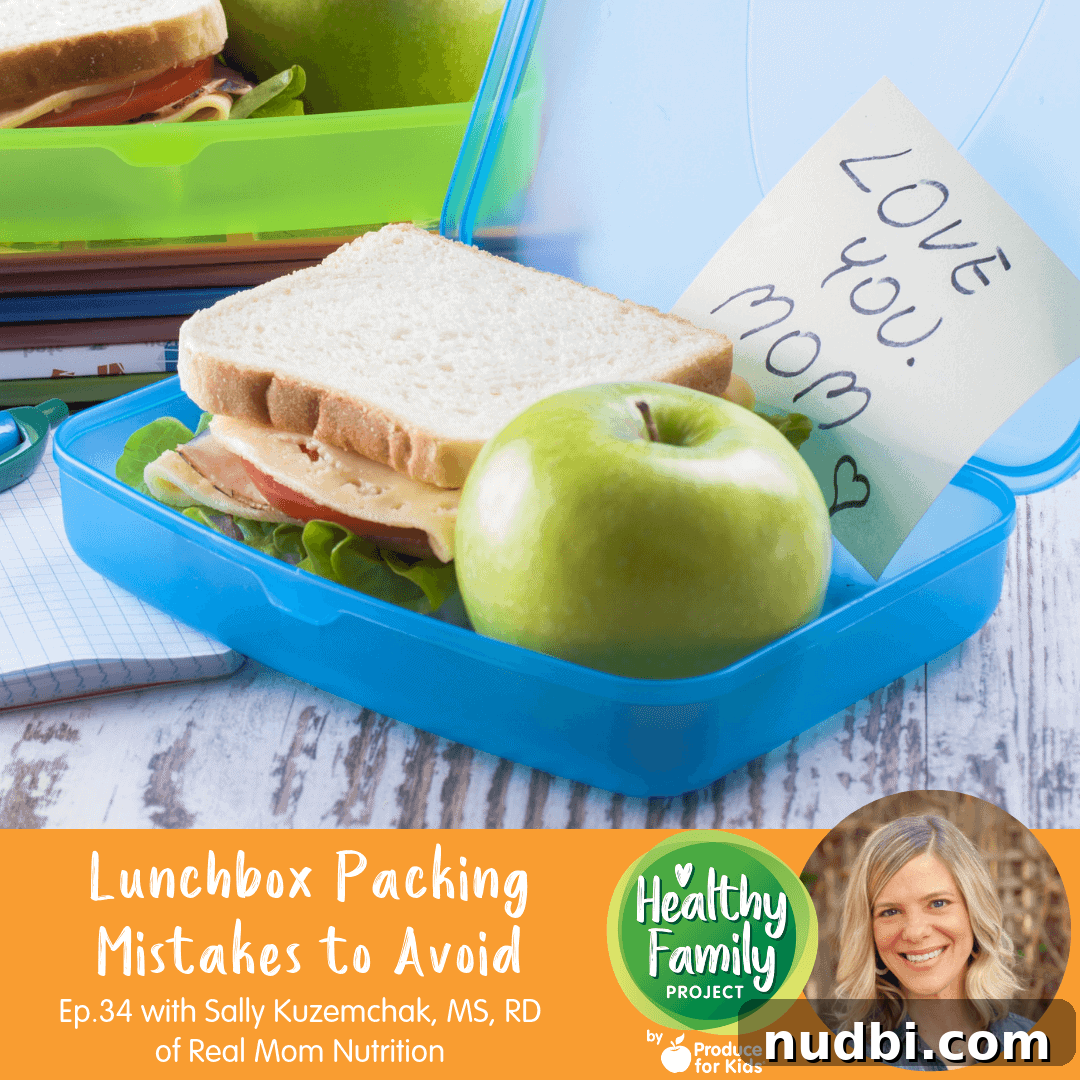
As the back-to-school season descends upon families, the daily ritual of packing lunchboxes can quickly evolve from an exciting fresh start into a daunting chore. Navigating the world of picky eaters, food safety concerns, and the quest for balanced nutrition can leave even the most seasoned parents feeling overwhelmed. But what if we told you there are simple, effective ways to banish lunchbox stress and empower your kids with nutritious, appealing meals?
In this essential guide, we dive deep into common lunchbox packing mistakes and how to expertly avoid them, drawing invaluable insights from our official registered dietitian, Sally Kuzemchak. Sally, the passionate voice behind RealMomNutrition.com, is a registered dietitian, accomplished author, and a busy mom of two boys. Her platform is famously known as a “no-judgment zone” for feeding families, a philosophy we deeply resonate with here at Healthy Family Project.
Sally brings a wealth of knowledge from her extensive career, including her master’s degree in dietetics from The Ohio State University. She’s the author of two highly acclaimed books: The 101 Healthiest Foods For Kids, an indispensable guidebook to nurturing children with whole foods, and Cooking Light Dinnertime Survival Guide, a practical cookbook designed for busy families. An award-winning reporter and writer, Sally’s expertise is frequently featured as a Contributing Editor for Parents magazine and as a blogger for WebMD, alongside contributions to Prevention, Health, Family Circle, Eating Well, Fitness, and Shape. Her relatable perspective as a dietitian and a mother makes her the perfect guide for transforming lunchbox dilemmas into daily triumphs.
Mastering the Art of Healthy Lunchboxes: Expert Tips from Sally Kuzemchak
Packing school lunches doesn’t have to be a daily struggle. With a few smart strategies, you can ensure your children enjoy fresh, safe, and appealing meals that fuel their bodies and minds throughout the school day. Here’s how to sidestep common pitfalls and pack like a pro, courtesy of Sally Kuzemchak.
Lunchbox Food Safety: Keeping it Cold (or Hot)
One of the most critical aspects of packing lunches is ensuring food safety. While it might be tempting to toss dinner leftovers into a lunchbox, certain foods require strict temperature control to prevent bacterial growth. Sally highlights the importance of understanding the “danger zone”—temperatures between refrigeration and cooking (roughly 40°F and 140°F), where bacteria multiply rapidly. Perishable foods should not remain in this zone for more than two hours, a timeframe easily exceeded during a typical school day.
To combat this, Sally advises a “two cold source” rule for lunchboxes. This could mean two ice packs flanking your child’s meal, or a combination of one ice pack and a frozen juice box or even a frozen sandwich (like a PB&J, which thaws by lunchtime and acts as a cold pack). For hot foods, a high-quality thermos is essential. Test your thermos by filling it with hot water, sealing it for four hours, and then checking the temperature to ensure it maintains warmth effectively. For ultimate convenience and cold retention, Sally is a big fan of freezable lunch bags, which have integrated cold packs in their walls, eliminating the need for separate ice packs that clutter your freezer.
Foods that are generally safe at room temperature include most fruits and vegetables, crackers, bread, and even natural peanut butter (once opened, though, check specific brand recommendations). However, anything stored in the refrigerator or freezer—meats, dairy products like yogurt and cheese, eggs, mayonnaise-based items, and cooked leftovers—requires careful temperature management to prevent spoilage and potential illness.
Bidding Farewell to Soggy Lunches
Few things are less appealing than a soggy sandwich or limp crackers. As Sally’s own son can attest, texture plays a significant role in whether kids will eat their lunch. Here’s how to keep lunchbox contents crisp and fresh:
- Compartmentalize Smartly: Bento-style lunchboxes are excellent for separation. For extra divisions, use small silicone muffin liners or tiny lidded containers to keep moist items (like fruit or sauces) away from dry, crunchy snacks (like pretzels or crackers).
- Leak-Proofing is Key: Invest in truly leak-proof containers for anything liquid or prone to creating moisture. Even a small fruit juice leak can turn a perfectly packed lunch into a disappointing mess.
- Dry Your Greens: If including lettuce or other greens in sandwiches, ensure they are thoroughly dried before packing. Place them in the interior of the sandwich, not directly next to the bread.
- The Butter Barrier Trick: To prevent mayonnaise or jelly from seeping into bread and making it soggy, spread a thin layer of butter or peanut butter on the bread slices before adding your fillings. This creates a protective barrier.
- Wrap Cold Packs: If using traditional ice packs or frozen juice boxes, wrap them in a clean kitchen towel or paper towel. This absorbs condensation as they thaw, preventing moisture from reaching food items.
- Consider Whole Foods: Sometimes, simply keeping fruits or vegetables whole instead of slicing them can make a difference. Sliced strawberries, for instance, can become mushy more quickly than whole ones. Observe what your child brings home and ask them why they didn’t eat certain items – their feedback can offer valuable clues for future packing.
Presentation matters to kids. A visually appealing and texturally sound lunch is far more likely to be eaten, ensuring they get the energy and nutrients they need.
Introducing New Foods: Timing is Everything
We all want our children to “eat the rainbow” and embrace a variety of healthy foods. However, the school lunchbox might not be the ideal battleground for introducing novel ingredients. Sally advises against packing brand-new or unfamiliar foods in lunchboxes for most children, especially considering the often chaotic and time-crunched lunchroom environment.
For kids navigating new social dynamics, figuring out seating arrangements, and dealing with limited eating time, familiarity provides comfort and ensures they actually eat. A known, liked turkey sandwich and apple are far more likely to be consumed than an experimental “brain food” that might be met with skepticism. Instead, reserve new food introductions for more relaxed settings:
- After-School Snacks: Kids are often ravenous after school. This can be an opportune moment to present a new food alongside something they already love on a small snack tray.
- Breakfast: A less pressured meal, breakfast can be a good time to sneak in new flavors, perhaps in a smoothie or as a side dish.
- Family Dinners: At home, where parents can model eating new foods and encourage tasting without pressure, dinner is a prime opportunity for exposure.
By keeping lunchboxes familiar, you increase the likelihood that your child will consume their meal, ensuring consistent nutrient and energy intake throughout their school day.
Portion Control and Navigating Snacks
Many parents struggle with how much to pack, often overestimating their child’s appetite or worrying they won’t have enough food. This can lead to kids picking at the “main” healthy dish and going straight for the pre-packaged snacks or sweet treats. Sally’s advice? Pack less food than you think your kids need, especially if they frequently bring home a lunchbox with significant leftovers.
Instead of one large main dish and a few sides, consider packing smaller portions of a greater variety of foods. A “snack tray” or bento box approach, with numerous small compartments, can be incredibly effective. For instance, instead of a whole large wrap, pack half a wrap alongside some cheese cubes, a few carrot sticks, and a small fruit serving. This method:
- Reduces Overwhelm: Large portions can intimidate young children or those with limited lunch time, making them more likely to gravitate towards easier-to-eat snacks.
- Encourages Variety: Smaller portions of different items can make a lunchbox more exciting and encourage kids to sample a wider range of healthy foods.
- Minimizes Food Waste: By packing only what your child is likely to eat, you reduce waste and gain a clearer understanding of their actual appetite during school hours.
Regarding sweet treats or “fun” items, ensure the portion is small enough that your child can enjoy it without filling up completely, thereby leaving room for the more nutritious components of their lunch. While you might tell them to eat the healthy stuff first, recognize that many kids will go for the treat. By controlling the treat’s portion size, you mitigate its impact on their overall nutritional intake.
This approach of diverse, smaller portions also helps repurpose leftovers and odd ends from the fridge, turning them into appealing lunchbox components and further reducing food waste.
Power Your Lunchbox with Healthy Family Project
Seeking even more inspiration for healthy, kid-friendly lunchboxes? Look no further than the Power Your Lunchbox initiative! This incredible resource offers over 70 registered dietitian-approved, kid-tested ideas to revolutionize your meal planning. From creative non-sandwich lunches and delicious gluten-free options to ingenious ways to repurpose dinner leftovers, Power Your Lunchbox has you covered.
Join our vibrant community and share your lunchbox creations on Instagram using the hashtag #PowerYourLunchbox. Showcase your healthy masterpieces and inspire other families while potentially winning fantastic prizes!
Healthy Bites Featuring Pero Family Farms® Mini Sweet Peppers
This episode’s healthy bite proudly features Pero Family Farms® Mini Sweet Peppers, a testament to quality and taste honed over five generations since 1908. Pero Family Farms is dedicated to sustainable farming practices, ensuring the freshest and most flavorful vegetables for families nationwide. As proud supporters of Produce for Kids, Pero believes that educating children about healthy food choices fosters a lifelong commitment to wellness.
As the #1 brand of snipped green beans and mini sweet peppers in the USA, Pero Family Farms strives to deliver nutritious produce in convenient, family-friendly packaging, making healthy eating accessible every day. These mini sweet peppers are a game-changer for lunchboxes and snacks. Their natural sweetness makes them a hit with kids, even those wary of traditional bell peppers. Enjoy them raw with ranch or hummus, stuff them with tuna or chicken salad, or chop them into a variety of dishes for an added burst of flavor and nutrition. Discover more delicious and healthy recipe ideas by visiting PeroFamilyFarms.com.
Join Our Community and Enhance Your Family’s Wellness Journey
Listener Survey!
Your feedback is invaluable! We are committed to bringing you the best possible content, and your input helps us shape future episodes. Please take just 5 minutes to complete our listener survey. Take the survey here and help us improve the Healthy Family Project Podcast.
Healthy Recipes & Tips in Your Inbox
Never miss out on fresh inspiration. Sign up for the Healthy Family Project e-newsletter to receive a weekly dose of healthy recipe ideas, our latest blog posts, and exclusive tips delivered directly to your inbox. It’s the perfect way to keep your family’s health journey on track with minimal effort.
Healthy Family Project Facebook Group
Connect with a supportive community of parents and caregivers just like you! Join our Healthy Family Project Facebook group. This private group provides a safe and encouraging space to discuss all aspects of raising a healthy family. Share your triumphs and challenges, whether it’s dealing with picky eaters, creative ways to add more fruits and vegetables to plates, ideas for family exercise, or navigating mental wellness. We welcome everyone to contribute and learn from each other.
Want to skip straight to a hot topic? While we recommend listening to the full discussion for a comprehensive understanding, here are some key time stamps from Sally Kuzemchak’s interview for quick reference:
- 3:26 Meet Sally Kuzemchak & Her Inspiration
- 6:08 Repurposing Leftovers & Lunchbox Food Safety Essentials
- 10:18 Healthy Bites Featuring Pero Family Farms® Mini Sweet Peppers
- 11:34 Strategies for Keeping Foods Fresh in the Lunchbox
- 18:10 Introducing New Foods in the Lunchbox (and when not to)
- 20:48 Understanding Lunchbox Portion Sizes
- 25:51 What does a “Healthy Family” Truly Mean?
Relevant Links for Your Healthy Family Journey
Explore these valuable resources for more in-depth information and practical tools to support your healthy lifestyle:
- How Much Should You Pack In Your Child’s Lunch Box?
- Sally’s FREE Lunch Packing Course
- The Best Lunchboxes for Kids
- How to Keep Apples from Browning
- The Ultimate Guide to Packing Healthy Lunchboxes
- 5 Food Safety Tips for Packing Lunchboxes
- 20 Lunchbox Tips & Hacks from Parents
- 101 Healthiest Foods for Kids book (Amazon link)
- Dinnertime Survival Guide book (Amazon link)
- PackIt Freezable Lunchboxes (Amazon link)
Other Podcast Episodes to Check Out: Expand Your Knowledge
Continue your journey towards a healthier family lifestyle by exploring more episodes from the Healthy Family Project podcast:
- Episode 33: Thinking Outside the Lunchbox Rut
- Episode 20: Packing School Lunches for Kids & Teens
- Episode 8: Anxiety Around Back to School
- Episode 7: Lunchbox Meal Prep
The Healthy Family Project Podcast: Your Guide to Family Wellness
The Healthy Family Project Podcast offers engaging conversations on crucial topics in health, food, and family, all delivered with a refreshing dose of fun. Our mission is to empower families to seamlessly transition into a vibrant, fresh, and healthy lifestyle.
New bi-weekly episodes are released regularly, so make sure you don’t miss out on valuable insights. Subscribe on Apple Podcasts, Google Podcasts, Spotify, or your preferred podcasting platform. If you enjoy an episode, please consider leaving a rating and a comment – your support significantly boosts our visibility and helps us reach more families dedicated to building a healthier generation.
Interested in sharing your expertise with our audience? If you have a compelling topic idea and would like to be a guest on the Healthy Family Project podcast, please contact [email protected] for consideration.
Key Takeaways from Episode 34: Avoiding Lunchbox Packing Mistakes
This episode, featuring Registered Dietitian Sally Kuzemchak, provided invaluable guidance for parents navigating the complexities of packing nutritious and appealing school lunches. The conversation covered essential strategies to address common challenges, ensuring kids receive optimal fuel for their school day.
Sally emphasized the importance of a “no-judgment zone” approach to feeding families, acknowledging that even dietitians face struggles. She highlighted practical tips for maintaining food safety, particularly the “two cold source” rule for perishable items and the importance of testing thermoses for hot foods. We learned that freezable lunch bags can be a game-changer for parents, simplifying the cooling process and reducing freezer clutter.
To combat the dreaded “soggy food syndrome,” Sally shared clever tricks like using bento box dividers, ensuring leak-proof containers, and even applying a thin layer of butter or peanut butter to bread as a moisture barrier. She also suggested considering whole fruits and vegetables instead of sliced ones to better preserve texture and appeal.
A significant takeaway was the advice against using lunchboxes as a primary battleground for introducing new foods. Given the chaotic school lunch environment, familiar foods are more likely to be consumed. New foods are best introduced during less pressured times, such as after-school snacks or family dinners, often paired with beloved favorites.
Regarding portion sizes, Sally advocated for packing slightly less food and offering a greater variety of smaller portions. This strategy can reduce overwhelm for children, encourage them to eat more of their lunch, and significantly cut down on food waste. For snacks and treats, the key lies in small portions that don’t spoil their appetite for the main, nutrient-dense components.
Finally, when asked about the meaning of a “healthy family,” Sally eloquently defined it as a unit that is emotionally close, finds joy in togetherness, eats meals together whenever possible, and offers unwavering support to one another. This holistic view reinforces that family health extends far beyond just food.
By implementing these practical tips from Sally Kuzemchak, parents can transform lunchbox packing from a chore into an empowering act of love, ensuring their children are well-nourished and ready to learn and thrive. For more inspiration, remember to visit PowerYourLunchbox.com and engage with the Healthy Family Project community.