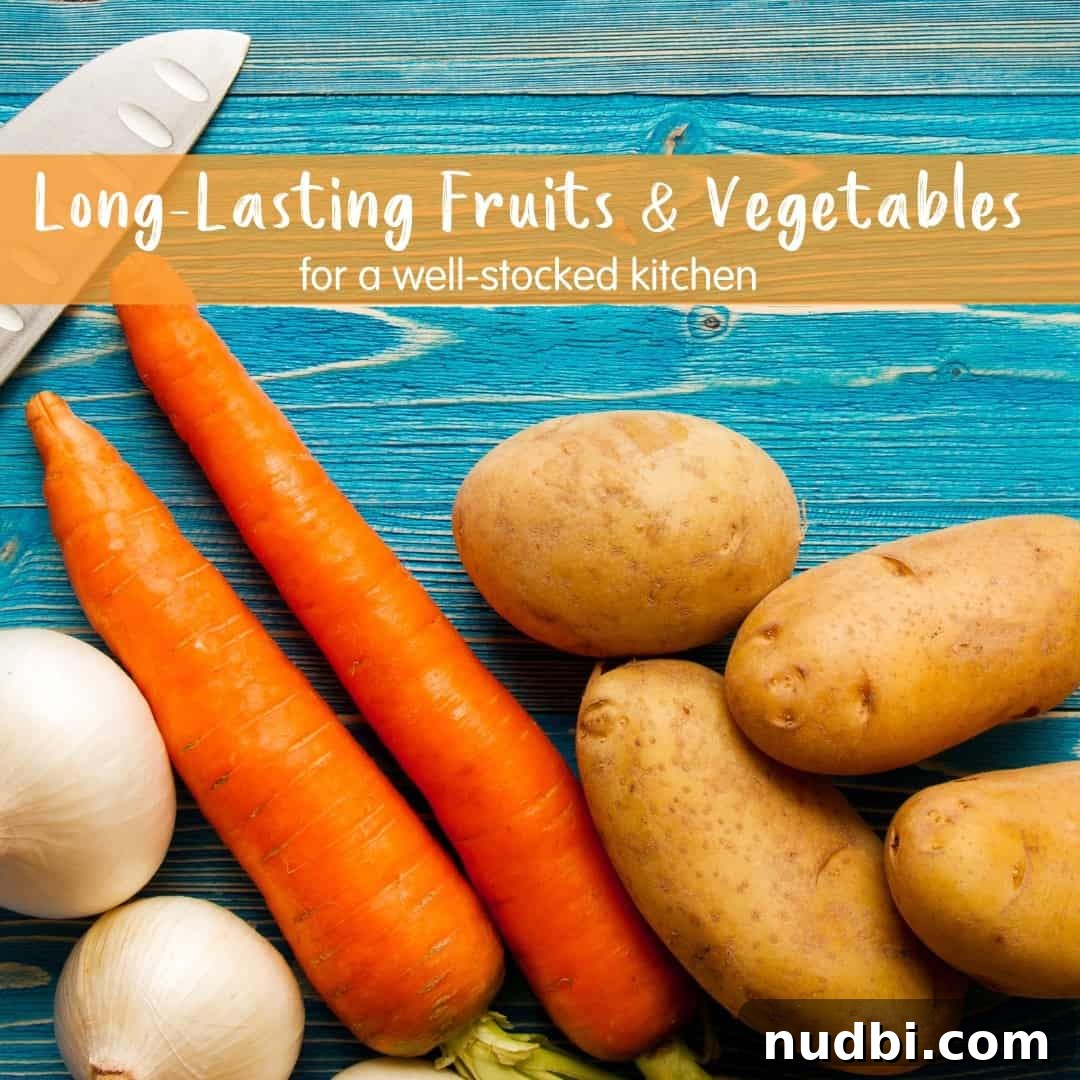
Maintaining a kitchen well-stocked with fresh, nutritious ingredients is fundamental for preparing healthy and delicious meals, especially when frequent trips to the grocery store aren’t feasible. The key to culinary consistency lies in choosing produce that boasts an impressive shelf life without compromising on nutritional value or flavor. By selecting fruits and vegetables known for their longevity, you can significantly reduce food waste, save money, and ensure your family always has access to wholesome ingredients.
This comprehensive guide dives into 16 essential fresh produce items renowned for their extended shelf life. From hearty root vegetables to vibrant citrus fruits, these selections are not only durable but also incredibly versatile, offering endless possibilities for your home cooking. We’ll explore their nutritional benefits, diverse culinary applications, and, most importantly, provide expert tips on how to properly store them to maximize their freshness for weeks, or even months, at a time. Empower your kitchen with these long-lasting staples and embrace a more efficient and healthy approach to meal planning.
For even more in-depth advice on how to select, prepare, and store your favorite fruits and vegetables, be sure to visit our dedicated Produce Tips section!
1. Potatoes
Potatoes are a true kitchen workhorse, offering incredible versatility and nutritional benefits. With over 600 varieties available in the US, from starchy Russets perfect for baking to waxy Red Bliss ideal for salads, the culinary applications are boundless. Often unfairly criticized, skin-on potatoes are packed with essential nutrients, including a significant amount of Vitamin C, potassium for electrolyte balance, and Vitamin B6 crucial for metabolic functions. They also provide dietary fiber and complex carbohydrates, offering sustained energy. Whether you’re seeking healthy toppings for a baked potato, creative seasoning ideas for roasted potatoes, or just exploring a range of healthy potato recipes, this humble tuber is a pantry staple.
How to Store Potatoes:
To maximize their shelf life and maintain quality, store potatoes in a cool, dark, and well-ventilated area, such as a pantry or cellar. Exposure to light can cause potatoes to develop green spots, indicating the presence of solanine, which can be bitter and harmful in large quantities. A perforated plastic or paper bag, or even an open basket, provides optimal airflow while shielding them from light. Crucially, avoid storing potatoes in the refrigerator; the cold temperature converts their starch into sugar, resulting in an undesirably sweet taste and discoloration. Proper storage can keep them fresh for several weeks.
2. Onions
Onions are an indispensable aromatic vegetable, forming the flavor base for countless dishes across global cuisines. Their pungent, savory notes transform during cooking, mellowing into a sweet, rich depth that enhances everything from simple sautéed vegetables to complex stews. Beyond their culinary prowess, onions are surprisingly nutritious, offering a good source of Vitamin C, B vitamins, and powerful antioxidants like quercetin, which supports immune health and reduces inflammation. They also contain prebiotics, beneficial for gut health. We integrate them into multiple meals each week, finding them essential for adding foundational flavor to everything from comforting soups and hearty chili to savory meatballs and convenient breakfast burritos. Always look for firm onions with dry, papery skins and no visible sprouts or soft spots.
How to Store Onions:
For optimal longevity, onions require a cool, dry, and dark environment with ample air circulation. A mesh bag or an open basket in a pantry or cupboard is ideal, as it prevents moisture buildup that can lead to spoilage. Avoid storing whole onions in plastic bags, which trap humidity and accelerate rotting. Keep them away from potatoes, as both release gases that can hasten the other’s spoilage. If you have cut onions, they must be stored in a sealed container in the refrigerator and should be used within 7 days to maintain freshness and prevent odor transfer.
3. Apples
Apples are a beloved fruit, celebrated for their crisp texture and diverse flavor profiles, ranging from tart to exceptionally sweet. With an astounding array of varieties, each offering unique characteristics, apples seamlessly transition between sweet and savory applications. They are fantastic as a simple snack, a delightful dessert ingredient, or a crunchy addition to salads – truly, the possibilities are endless. Nutritionally, apples are an excellent source of dietary fiber, particularly pectin, which aids digestion and promotes gut health. They also provide Vitamin C and various antioxidants, contributing to overall well-being. Explore these 40 Healthy Apple Recipes or consult this handy guide to apple varieties to discover which types are best suited for snacking, cooking, or baking.
How to Store Apples:
For maximum freshness and crunch, store unwashed apples in a plastic bag within the crisper drawer of your refrigerator. The cool, humid environment of the crisper helps prevent them from drying out and maintains their firm texture. It’s important to keep apples away from strong-smelling foods, such as onions or garlic, as apples readily absorb surrounding odors, which can alter their delicate flavor. Additionally, apples release ethylene gas, a natural ripening agent, so storing them separately from other ethylene-sensitive produce can extend the life of those items too. Stored correctly, apples can remain fresh for several weeks.
4. Carrots
Carrots are a remarkably versatile and universally loved vegetable, often a favorite among children for their natural sweetness and satisfying crunch. Beyond their delicious taste, carrots are nutritional powerhouses, particularly renowned for their high content of beta-carotene, which the body converts into Vitamin A – essential for healthy vision, immune function, and skin health. They also supply Vitamin K, potassium, and a good amount of dietary fiber. This vibrant orange veggie can be enjoyed in a multitude of ways: simply served with a side of ranch for dipping, roasted to enhance their natural sweetness, steamed for a tender texture, or finely shredded and incorporated into muffins, savory soups, creamy mac and cheese, meatballs, and many other dishes.
How to Store Carrots:
To keep carrots fresh and crisp for up to two weeks, store them in a plastic bag in the crisper drawer of your refrigerator. A key trick for extending their life and preventing rot is to place a paper towel inside the bag. This paper towel will absorb any excess moisture, which is the primary culprit behind softening and spoilage. Remember to change the paper towel whenever it becomes saturated. If your carrots come with their green tops attached, it’s best to remove them before storage, as the greens draw moisture from the roots, causing the carrots to wilt more quickly.
5. Pears
Pears, with their elegant shape and juicy, sweet flesh, offer a delightful culinary experience, boasting over 3,000 varieties worldwide. When selecting pears at the store, mastering the “Check the Neck” technique is crucial for determining ripeness: gently apply pressure to the neck of the pear with your thumb. If it yields to the pressure, the pear is perfectly ripe and ready to eat. Pears are a good source of dietary fiber, especially soluble fiber, which aids digestion and helps regulate blood sugar. They also provide Vitamin C and K, and various antioxidants. Their sweet, subtle flavor makes them excellent for snacking, crafting decadent desserts, blending into refreshing smoothies, and much more.
How to Store Pears:
Pears require a specific ripening process. Unripe pears should be ripened at room temperature, either on the counter or in a fruit bowl. Do not refrigerate them before they are ripe, as this can halt the ripening process and lead to a mealy texture. Once your pears have reached optimal ripeness, as indicated by the “Check the Neck” test, they can then be transferred to the refrigerator. Storing ripe pears in the fridge will slow down further ripening and extend their freshness by several days, allowing you to enjoy them at their peak for a longer period.
6. Beets
Beets, with their striking color and earthy flavor, often get a mixed reception. However, this root vegetable is a nutritional powerhouse, brimming with essential vitamins and minerals, including folate, manganese, potassium, and Vitamin C. They are also known for their nitrates, which can support healthy blood pressure, and powerful antioxidants that help fight inflammation. While some find their inherent earthiness challenging, roasting beets brilliantly transforms their flavor, bringing out a natural sweetness and tenderness that makes them incredibly palatable. This makes them perfect for adding to vibrant salads, blending into nutritious smoothies, or even pickling for a tangy condiment. When selecting beets, look for firm, smooth roots with healthy, vibrant greens if they are still attached.
How to Store Beets:
To maximize the shelf life of beets, store them in the refrigerator. If your beets come with their leafy green tops still attached, it’s crucial to chop them off before storage. The greens, while edible and nutritious (they can be wrapped loosely in a damp paper towel and kept in the crisper for 3-4 days), will draw moisture and nutrients away from the roots, causing the beets themselves to shrivel and spoil more quickly. Store the beet roots loose in an unsealed plastic bag or in a breathable container in the crisper drawer. When kept from excessive moisture and stored correctly, beets can remarkably last for several weeks or even up to a couple of months.
7. Citrus
Fresh citrus fruits, encompassing vibrant grapefruit, juicy oranges, sweet tangerines, and easy-to-peel mandarins, are not only delicious but also an exceptional source of Vitamin C. This powerful antioxidant is vital for immune system support, making citrus a fantastic natural defense to help ward off pesky colds and flu, especially during colder months. Beyond their immune-boosting properties, citrus fruits add a burst of bright, tangy flavor to both sweet and savory dishes. They are perfect for snacking on their own, juicing for beverages, or using zest and segments to elevate salads, desserts, and marinades. Discover new ways to enjoy these sunny fruits with these 16 Kid-Friendly Citrus Recipes!
How to Store Citrus:
To maintain their freshness, citrus fruits can initially be stored at room temperature for a few days, especially if you plan to consume them quickly. This also allows some varieties to further ripen and sweeten. However, for extended storage and to prolong their vibrant flavor and juiciness, ripe citrus should be transferred to the refrigerator. When refrigerated, they can remain fresh for up to two weeks, sometimes even longer depending on the variety. Crucially, avoid storing citrus in sealed plastic bags or airtight containers, as this can trap moisture and accelerate mold growth. Instead, use a mesh bag or simply leave them loose in the crisper drawer to allow for proper air circulation.
8. Cabbage
Cabbage is an incredibly robust and nutritious leafy vegetable, often underestimated for its versatility and health benefits. It’s a powerhouse of essential vitamins and minerals, boasting significant amounts of Vitamins K (crucial for blood clotting), C (an antioxidant and immune booster), and B6, along with a host of other nutrients like folate and manganese. Cabbage also provides a good source of dietary fiber, supporting digestive health. When selecting cabbage, look for firm, heavy heads with crisp, vibrant leaves and a healthy luster. Avoid any heads with soft spots, wilting leaves, or discolored patches. Its crunchy texture and mild, slightly peppery flavor make it ideal for a variety of dishes, from turning into a delicious coleslaw to roasting and adding to a colorful Rainbow Buddha Bowl for a fun and nutritious dinner.
How to Store Cabbage:
Cabbage is celebrated for its exceptional shelf life when stored correctly. To keep it fresh and crisp, wrap the head tightly in plastic wrap or place it in a sealed plastic container. This method helps to retain moisture and prevent it from drying out. Once wrapped, store the cabbage in the crisper drawer of your refrigerator. Under these optimal conditions, a whole head of cabbage can astonishingly remain fresh for up to one month, making it an excellent long-lasting vegetable to always have on hand for impromptu salads, stir-fries, or as a foundational vegetable for various cooked dishes. If you’ve cut the cabbage, make sure to tightly re-wrap the cut surface before returning it to the fridge.
9. Winter Squash
Winter squash varieties, such as the elegantly ridged acorn squash, the sweet and nutty butternut squash, and the stringy, pasta-like spaghetti squash, are not only in their peak season during cooler months but are also champions of longevity in the pantry. These hearty vegetables are rich in complex carbohydrates, dietary fiber, and an impressive array of vitamins and minerals, including significant amounts of Vitamin A (from beta-carotene), Vitamin C, and potassium. Their robust nutritional profile makes them excellent for boosting immunity and providing sustained energy. We particularly enjoy roasting winter squashes to accentuate their natural sweetness and tender texture. Beyond roasting, you can chop and sauté them for a delicious one-pot meal, or utilize spaghetti squash as a fantastic and healthy pasta substitute.
How to Store Butternut Squash:
The hard rind of winter squash varieties makes them excellent candidates for long-term storage. Whole, uncut winter squash should be stored in a cool, dark place, such as a pantry, basement, or even under a bed, where they can remain fresh for an impressive period of up to one month, and sometimes even longer under ideal conditions. This extended shelf life makes them perfect for stocking up. Once a winter squash is cut, however, its protective skin is breached, and it becomes perishable more quickly. After cutting, wrap the remaining squash tightly in plastic wrap to minimize air exposure and store it in the refrigerator. In this state, it should be used within 3 to 5 days to ensure freshness and prevent spoilage.
10. Parsnips
Parsnips are a delightful root vegetable, closely related to carrots but offering a distinct, slightly sweeter, and nuttier flavor. Visually, they resemble pale carrots, often a creamy white or yellowish color, and share a similar firm, tapered shape. Nutritionally, parsnips are a fantastic source of dietary fiber, Vitamin C, Vitamin K, and folate, making them a healthy addition to any diet. Their natural sweetness becomes even more pronounced and caramelized when cooked, especially through roasting. We adore roasting them to bring out their rich, sweet flavor, making them a wonderful side dish or addition to roasted vegetable medleys. Parsnips can also be pureed to create a velvety, subtly sweet alternative to traditional mashed potatoes, offering a gourmet twist on a classic comfort food. When selecting parsnips, look for firm roots that are smooth and unblemished.
How to Store Parsnips:
To keep parsnips fresh and prevent them from becoming limp, proper storage is essential. Store unwashed parsnips wrapped in a paper towel, then placed inside a plastic bag, and finally in the crisper drawer of your refrigerator. The paper towel helps to absorb any excess moisture, while the plastic bag maintains a humid environment, preventing them from drying out. Stored this way, fresh parsnips can last for up to two weeks. Once cooked, parsnips should be refrigerated in an airtight container and ideally consumed within three days to ensure the best flavor and texture. Avoid washing them until just before use to prevent premature spoilage.
11. Garlic
Garlic is a culinary cornerstone, revered worldwide for its pungent aroma and unparalleled ability to add a depth of savory flavor to almost any dish. This indispensable allium is not just a flavor enhancer; it also offers a range of health benefits, including compounds like allicin, which are known for their antioxidant and immune-boosting properties. From Italian pasta sauces to Asian stir-fries, a little garlic goes a long way in transforming a meal. You can roast whole cloves until soft and sweet, perfect for spreading on crusty bread or mashing into dips, or finely chop and mince it to infuse your favorite recipes with its signature zest. Its versatility and robust flavor profile make it a must-have in any well-stocked kitchen, elevating everything it touches.
How to Store Garlic:
Garlic is one of the easiest pantry items to store for long periods, provided the conditions are right. Whole, unpeeled garlic bulbs should be kept in a cool, dark place with good air circulation, such as a kitchen cabinet, pantry, or even an open mesh bag. Avoid storing garlic in the refrigerator, as the cold, humid environment can encourage sprouting and a rubbery texture, and it can also transfer its strong odor to other foods. Similarly, plastic bags should be avoided as they trap moisture, leading to mold. When stored properly under these conditions, whole garlic bulbs can remarkably last for up to six months, ensuring you always have this essential ingredient on hand.
12. Lemons & Limes
Lemons and limes are dynamic citrus fruits that are consistently in season, offering a bright, acidic burst of flavor that can invigorate countless dishes and beverages. Both are excellent sources of Vitamin C, potent antioxidants, and essential electrolytes, making them beneficial for hydration and immune support. Their vibrant zest and tart juice are indispensable in the kitchen, from creating fresh, homemade salad dressings and marinades to seasoning chicken, delicate fish, or a medley of roasted vegetables. Beyond savory applications, their tangy notes are perfect for balancing sweetness in desserts or adding a refreshing zing to drinks. For a unique culinary experience, combine their flavors to add a delightful kick to dishes like these Baked Avocado Fries, showcasing their incredible versatility.
How to Store Lemons & Limes:
While lemons and limes can certainly be stored at room temperature for about a week or two, especially if you plan to use them quickly, their shelf life can be dramatically extended with proper refrigeration. To maximize their freshness and prevent them from drying out, store lemons and limes separately in sealed plastic bags or airtight containers in the refrigerator. This method helps to retain their precious moisture and preserves their juiciness, allowing them to remain fresh and usable for up to an impressive month. By keeping them cool and sealed, you ensure that you’ll always have a supply of vibrant, flavorful citrus ready to brighten any recipe.
13. Celery
Celery is a wonderfully crunchy and refreshing vegetable, widely recognized by kids as the foundation for the classic “Ants on a Log” snack, but its culinary applications extend far beyond childhood favorites. This humble stalk offers a crisp texture and a mild, slightly peppery flavor that adds depth and freshness to a wide array of dishes. Nutritionally, celery is low in calories but rich in water, making it incredibly hydrating. It also provides dietary fiber, Vitamin K, and various antioxidants. Its versatility shines when chopped and added to a vibrant potato salad, used as an aromatic base for soups and stews, or incorporated to add crunch to salads, and so much more. Always choose firm, vibrant green stalks with fresh-looking leaves when buying.
How to Store Celery:
To significantly extend the crispness and shelf life of celery, a simple yet effective storage method involves wrapping it tightly in aluminum foil. Unlike plastic bags, which can trap ethylene gas and moisture, foil allows the gas to escape while maintaining the necessary humidity to keep the celery from drying out. Once wrapped snugly in aluminum foil, place the celery in the crisper drawer of your refrigerator. Stored this way, celery can remain wonderfully crisp and fresh for up to 10 days, sometimes even longer, ensuring you have this versatile ingredient ready for all your cooking needs without worrying about it going limp prematurely.
14. Sweet Potatoes
Sweet potatoes are a nutritional powerhouse, revered for their natural sweetness and vibrant color, making them a delicious and healthy staple. They are an excellent source of Vitamin A (in the form of beta-carotene, crucial for vision and immunity), Vitamin C, manganese, and dietary fiber, all contributing to overall health and well-being. Their versatility in the kitchen is truly remarkable. Sweet potatoes can be mashed to create a tasty filling for a vegetarian quesadilla, thinly sliced and baked into crispy chips, roasted as part of a hearty sheet pan dinner, or even incorporated into a surprising yet delicious breakfast parfait. Their adaptability makes them suitable for nearly any meal of the day, from savory to sweet. When purchasing, look for firm, unblemished sweet potatoes.
How to Store Sweet Potatoes:
To preserve the quality and extend the shelf life of sweet potatoes, store them in a cool, dark, and well-ventilated place, such as a pantry or cupboard. They thrive in temperatures between 55-60°F (13-16°C). It’s best to keep them in a loosely covered bag, like a paper bag, or an open basket, to allow for adequate air circulation, which prevents moisture buildup and mold. Critically, do not refrigerate raw sweet potatoes. The cold temperatures of a refrigerator can alter their internal structure, causing them to develop a hard core, a less desirable taste, and an off-flavor. Stored properly, sweet potatoes can last for up to two weeks, providing a consistent source of nutrients.
15. Pomegranates
Pomegranates are magnificent fruits, not only for their striking appearance but also for their abundance of antioxidants, particularly polyphenols, which contribute to heart health and inflammation reduction. While their intricate structure might make them appear challenging to seed, the process is actually quite straightforward once you know how (you can watch a helpful tutorial here). The gem-like arils are bursts of sweet-tart juice and crunchy texture, making them incredibly versatile. They are perfect for snacking on their own, adding a jewel-toned pop and tangy flavor to fresh salads, or even elegantly dressing up dishes like avocado toast. Their unique flavor profile and vibrant color make them a sophisticated addition to both sweet and savory culinary creations.
How to Store Pomegranates:
Pomegranates possess an excellent natural shelf life, especially when stored correctly. Whole, uncut pomegranates should be kept in the refrigerator, where the cool temperatures help to preserve their freshness and prevent drying out. Stored in this manner, pomegranates can last for an impressive three to four weeks, sometimes even longer. This makes them a fantastic fruit to stock up on. Once you’ve gone through the effort of seeding a pomegranate, the arils (seeds) can be stored in an airtight container in the refrigerator for up to five days. For even longer preservation, the arils can be frozen in a tightly sealed bag or container, allowing you to enjoy their unique flavor year-round.
16. Brussels Sprouts
Brussels sprouts have experienced a remarkable culinary resurgence in recent years, shedding their old reputation for being “stinky” and gaining widespread appreciation for their unique flavor and nutritional benefits. These miniature cabbages are packed with Vitamin K, Vitamin C, fiber, and various antioxidants, making them incredibly good for bone health, immunity, and digestion. My absolute favorite way to prepare them, which brings out their natural sweetness and nutty flavor, is by simply tossing them with a good olive oil, salt, and freshly ground black pepper, then roasting them in a hot oven until they are tender on the inside and caramelized crisp on the outside. If you were among those who weren’t a fan of Brussels sprouts as a child, I highly encourage you to try them roasted – it’s a game-changer! They are also fantastic shaved raw in salads, or sautéed with bacon.
How to Store Brussels Sprouts:
To keep Brussels sprouts fresh and maintain their firm texture, proper storage in the refrigerator is key. Place them in a plastic bag and store them in the crisper drawer of your refrigerator. In this environment, they will typically stay fresh for up to one week. However, for even longer lasting freshness, consider purchasing Brussels sprouts that are still on the stalk. Sprouts that remain attached to their stalk tend to stay fresher for an extended period compared to those sold individually or pre-bagged. This is because the stalk continues to supply nutrients and moisture, keeping the sprouts vibrant and crisp for longer, often up to two to three weeks.
By thoughtfully incorporating these 16 long-lasting fruits and vegetables into your grocery list and adhering to their specific storage recommendations, you can effortlessly maintain a healthier, more efficient, and perpetually stocked kitchen. This approach not only ensures you always have fresh produce on hand for spontaneous meal creation but also minimizes food waste, contributing to a more sustainable household. Embrace these durable ingredients as your culinary allies, empowering you to prepare nutritious and delicious meals with confidence, no matter how infrequent your trips to the market may be. A well-stocked pantry is a cornerstone of healthy living, and these vibrant selections are the foundation upon which countless wholesome dishes can be built.