
Embarking on a new eating plan can be a transformative journey for your health and well-being. With countless diets promising various benefits, it’s easy to feel overwhelmed when deciding which path to take. Here, a seasoned dietitian offers comprehensive insights into some of today’s most popular eating plans, including Whole30, ketogenic, plant-based, low-carb, and more, to help you make an informed choice that truly aligns with your lifestyle and health aspirations.

The dawn of a new year often inspires a fresh start, with many individuals setting resolutions focused on improving their health. Among the most common and impactful resolutions is the commitment to healthier eating habits, frequently involving the adoption of a new dietary regimen. Navigating the vast landscape of available diets can be a daunting task, as each plan comes with its own set of rules, benefits, and challenges.
The key to successful and sustainable dietary change lies in selecting an eating plan that not only promises health benefits but also genuinely fits into your daily life, personal preferences, and long-term health goals. It’s crucial to consider factors such as the diet’s sustainability, its potential for long-term adherence, the accessibility and cost of necessary ingredients, and how it impacts your social life. Before making a significant dietary change for yourself or your family, a thorough understanding of each plan is essential. Below, we delve into the details of several popular diets, offering insights from a dietitian’s perspective to help guide your decision.
The Paleo Diet: Eating Like Our Ancestors
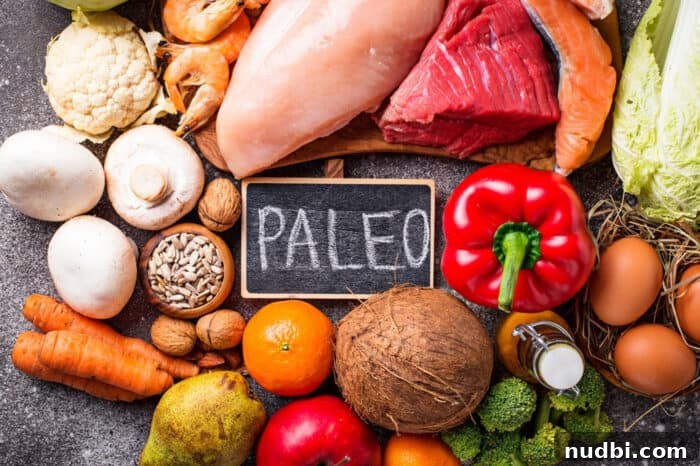
The Paleo diet, short for Paleolithic, is an eating plan designed to mimic the dietary patterns of our hunter-gatherer ancestors from the Stone Age. The philosophy behind Paleo is that our bodies are genetically optimized to consume foods that were available before the advent of agriculture, suggesting that modern diets contribute to chronic diseases.
This diet emphasizes whole, unprocessed foods that would have been hunted or gathered. Staples include lean meats, fish, eggs, a wide variety of vegetables, fruits, nuts, and seeds. Healthy fats from sources like avocados, olive oil, and coconut oil are also encouraged. Conversely, the Paleo diet strictly avoids foods that became common with farming, such as grains (wheat, corn, rice, oats), legumes (beans, lentils, peanuts), dairy products, refined sugar, processed foods, artificial sweeteners, and most vegetable oils. The aim is to reduce inflammation, improve gut health, and stabilize blood sugar levels by returning to a more “natural” way of eating.
Pros of a Paleo Diet
- Nutrient Density: Rich in essential vitamins, minerals, healthy fats, and protein, primarily from whole, unprocessed foods.
- Reduced Processed Foods: Eliminates highly processed foods, added sugars, and excessive salt, leading to a cleaner diet.
- Improved Metabolic Health: Can contribute to better blood sugar control, lower blood pressure, and a reduced risk of cardiovascular disease and type 2 diabetes by focusing on lean proteins and fiber-rich produce.
- Enhanced Satiety: The high protein and fat content often leads to increased feelings of fullness, potentially aiding in weight management.
Cons of a Paleo Diet
- Potential for Nutrient Deficiencies: Eliminating entire food groups like grains, legumes, and dairy can lead to deficiencies in important nutrients such as fiber, calcium, vitamin D, and certain B vitamins, which are crucial for bone health, gut function, and energy.
- Restrictiveness and Cost: The strict elimination of many common foods can make the diet challenging to follow long-term and potentially more expensive due to the emphasis on fresh, often organic, produce and quality meats.
- Sustainability Concerns: May be challenging to maintain in social settings or when dining out.
The Gluten-Free Diet: More Than Just a Trend

A gluten-free diet is essential for individuals diagnosed with Celiac disease, an autoimmune disorder where consuming gluten leads to damage in the small intestine. Gluten is a protein found in wheat, barley, rye, and triticale. Beyond Celiac disease, some individuals experience non-celiac gluten sensitivity, where they also benefit from avoiding gluten to alleviate symptoms like bloating, abdominal pain, and fatigue. While it has gained popularity as a general health trend, its primary purpose is therapeutic for those with medical conditions.
Pros of a Gluten-Free Diet
- Symptom Relief: For individuals with Celiac disease or gluten sensitivities, strictly adhering to a gluten-free diet can significantly relieve symptoms, heal intestinal damage, and improve overall health and quality of life.
- Increased Awareness: Encourages greater attention to food labels and ingredients, fostering a more mindful approach to eating.
- Dietary Flexibility: Can often be easily adapted to accommodate other dietary needs, such as dairy-free or specific allergen exclusions.
Cons of a Gluten-Free Diet
- Nutritional Deficiencies: If not carefully planned, a gluten-free diet can be low in fiber, B vitamins, iron, and other essential nutrients typically found in whole grains. Many gluten-free products are also highly processed and can be less nutritious than their gluten-containing counterparts.
- Reliance on Processed Alternatives: The market is flooded with gluten-free packaged foods that can be high in sugar, unhealthy fats, and refined starches, which may not be healthier choices.
- Social and Practical Challenges: Dining out, traveling, or attending social events can be challenging due to the risk of cross-contamination and limited gluten-free options.
Vegan, Vegetarian, or Plant-Based: A Spectrum of Choices
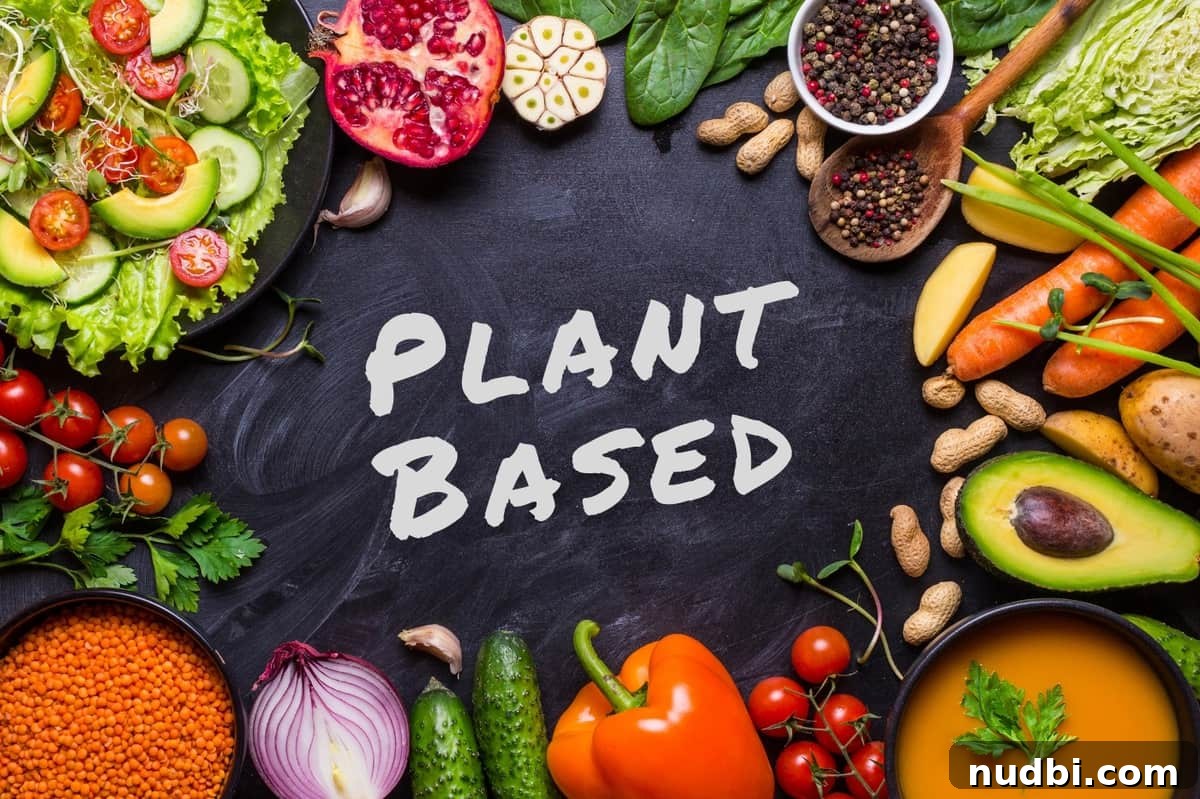
While often used interchangeably, “vegan,” “vegetarian,” and “plant-based” represent distinct dietary approaches, each with varying levels of animal product exclusion. A vegan diet is the most restrictive, consisting exclusively of plant-derived foods and entirely avoiding all animal products, including meat, poultry, fish, dairy, eggs, and often honey. Vegetarian diets are less strict; while they also exclude meat, poultry, and fish, they typically allow for the consumption of animal by-products. For instance, lacto-ovo vegetarians consume dairy and eggs, while lacto-vegetarians consume dairy but not eggs, and ovo-vegetarians consume eggs but not dairy.
The term plant-based is broader and more flexible. It generally describes a diet focused primarily on plant foods like fruits, vegetables, whole grains, legumes, nuts, and seeds, but it can still include small amounts of animal products such as meat, fish, dairy, and eggs on occasion. This approach emphasizes consuming foods that come from plants, often for health, environmental, or ethical reasons. Many people adopt a plant-based diet to increase their intake of fiber and antioxidants, and to reduce their consumption of saturated fats.
Pros of a Plant-Based Diet
- Emphasis on Whole Foods: Naturally rich in whole, unprocessed fruits, vegetables, grains, and legumes, leading to high fiber intake and a wealth of vitamins, minerals, and antioxidants.
- Improved Health Outcomes: Strongly linked to a lower risk of heart disease, type 2 diabetes, certain cancers, and obesity. Studies often show lower BMI and better cholesterol levels among those following plant-based diets.
- Environmental Benefits: Generally has a smaller ecological footprint compared to diets high in animal products, contributing to sustainability.
- Dietary Variety (Flexibility): Depending on the specific type of plant-based diet (vegan, vegetarian, or flexitarian), individuals can still enjoy a vast array of delicious and diverse foods.
Cons of a Plant-Based Diet
- Potential Nutrient Deficiencies: Strict vegan diets may require careful planning to ensure adequate intake of nutrients like vitamin B12 (found almost exclusively in animal products), iron, calcium, vitamin D, iodine, and omega-3 fatty acids. Supplementation or fortified foods are often necessary.
- Protein Intake: While plenty of plant-based protein options exist (legumes, tofu, quinoa, nuts), ensuring sufficient and complete protein intake can require more conscious meal planning.
- Social Challenges: Dining out or attending social gatherings can sometimes be challenging, requiring careful menu selection or advance planning.
Whole30: A 30-Day Reset
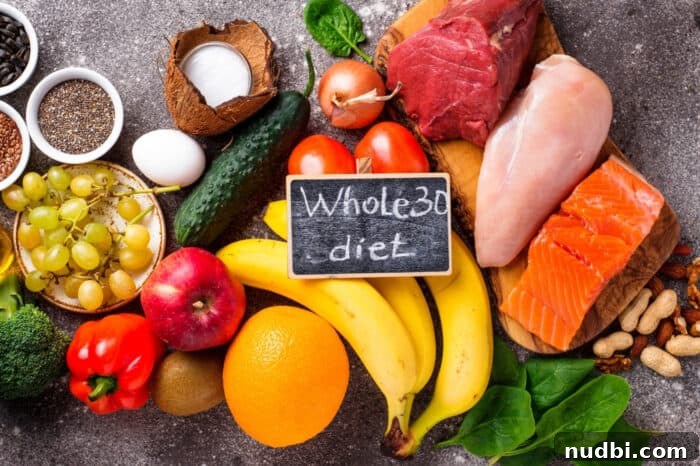
Whole30 is a popular 30-day “clean-eating” program designed to reset your eating habits and understand how certain foods affect your body. It operates as an elimination diet, strictly removing common food groups believed to have potential inflammatory or negative impacts on health for a period of 30 days. The core focus is on consuming meat, poultry, fish, eggs, a wide variety of vegetables, fruits, and healthy fats. The idea is to eliminate these potentially problematic foods, allow the body to reset, and then systematically reintroduce them to identify any food sensitivities or triggers.
Pros of a Whole30 Diet
- Focus on Whole Foods: Promotes a diet rich in unprocessed, nutrient-dense foods and encourages cooking at home, leading to a significant reduction in added sugars and artificial ingredients.
- Improved Physical Well-being: Many participants report feeling better physically, experiencing increased energy, better sleep, and reduced digestive issues due to the elimination of common inflammatory foods.
- Identification of Trigger Foods: As an elimination diet, Whole30 is excellent for helping individuals identify specific foods that may be causing adverse reactions or sensitivities in their bodies, thereby informing future eating choices.
- Breaks Unhealthy Habits: Can effectively break cycles of cravings and unhealthy eating patterns, fostering a more mindful relationship with food.
Cons of a Whole30 Diet
- Extreme Restrictiveness: The program is very strict, with “no cheating allowed” for the entire 30 days, which can be challenging to adhere to and socially isolating. It eliminates entire food groups like grains, legumes, and dairy, which are valuable sources of fiber, calcium, and protein.
- Intensive Planning and Prep: Requires significant meal planning, grocery shopping, and food preparation, which can be time-consuming. Participants must carefully read nutrition labels to avoid prohibited ingredients.
- Not a Long-Term Solution: Whole30 is designed as a short-term reset, not a sustainable long-term eating pattern, and the reintroduction phase is crucial but often overlooked.
- Potential for Nutrient Gaps: The temporary exclusion of beneficial food groups can lead to temporary nutrient deficiencies if not carefully managed.
Keto Diet: Harnessing the Power of Ketosis
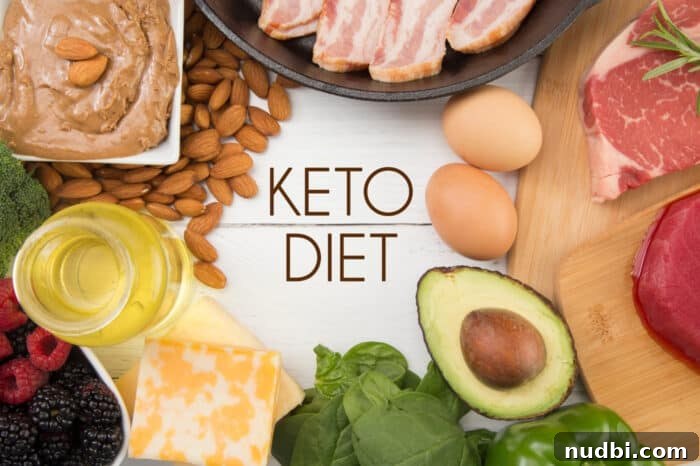
The Ketogenic (Keto) diet is a very low-carbohydrate, high-fat, and moderate-protein eating plan that has seen a surge in popularity. Its fundamental principle involves drastically reducing carbohydrate intake – typically to less than 50 grams per day – and replacing it with fat. This metabolic shift forces the body into a state called ketosis, where it efficiently burns fat for energy instead of glucose. When carbohydrate stores are depleted, the liver begins producing ketone bodies from fat, which then become the primary fuel source for the body and brain.
Originally developed in the 1920s to help control seizures in pediatric epilepsy patients, the ketogenic diet has recently been embraced for its potential benefits in weight loss, blood sugar management, and various other health conditions.
Pros of a Keto Diet
- Effective for Weight Loss: Many individuals experience significant and often rapid weight loss, partly due to reduced appetite from high fat intake and the metabolic shift into ketosis.
- Appetite Suppression: The high fat content in the diet can lead to increased satiety and reduced hunger cravings, making it easier to consume fewer calories overall.
- Blood Sugar Control: Can be highly effective in managing blood sugar levels, making it a promising option for individuals with type 2 diabetes or insulin resistance.
- Neurological Benefits: Historically and currently used to help reduce seizures in pediatric patients with certain types of epilepsy, and research is exploring its potential for other neurological disorders.
Cons of a Keto Diet
- Highly Restrictive and Difficult to Sustain: The extreme limitation of carbohydrates makes the diet very restrictive and challenging to adhere to long-term. Many common foods like bread, pasta, most fruits, and starchy vegetables are excluded.
- “Keto Flu”: During the initial transition into ketosis, individuals may experience symptoms like fatigue, headache, nausea, and irritability, commonly referred to as the “keto flu.”
- Potential Health Concerns: The keto diet has received criticism for potentially leading to nutrient deficiencies, constipation (due to low fiber), kidney stones, and in some cases, an increased risk of heart disease due to high saturated fat intake. Long-term impacts on bone density and gut microbiome health are also areas of concern and ongoing research.
- Social Challenges: The restrictive nature can make social eating and dining out particularly difficult.
Intermittent Fasting: When You Eat Matters

Intermittent Fasting (IF) is an eating pattern that cycles between periods of voluntary fasting and eating, rather than focusing on *what* you eat, it dictates *when* you eat. It’s not a diet in the traditional sense, but rather an eating schedule. There are several popular methods of intermittent fasting, each with different fasting windows:
- 16/8 Method (Leangains Protocol): Involves fasting for 16 hours and restricting your eating to an 8-hour window each day. For example, skipping breakfast and eating from 1 PM to 9 PM.
- Eat-Stop-Eat: Involves a 24-hour fast, once or twice a week.
- 5:2 Diet: Involves eating normally for five days of the week and restricting calorie intake to 500-600 calories on two non-consecutive days.
- Warrior Diet: Involves fasting all day and eating one large meal at night.
The underlying theory behind IF includes a “metabolic switch” that occurs when the body runs out of glucose stores and starts burning fat for energy. It also promotes cellular repair processes, including autophagy, where cells remove waste materials.
Pros of Intermittent Fasting
- Simplicity: Can be easier to follow for some individuals as it doesn’t typically require calorie counting, portion measuring, or restricting specific food groups (though healthy food choices are still crucial).
- Promotes Weight Loss: By naturally leading to a reduction in overall calorie intake, IF can be an effective tool for weight management and fat loss.
- Improved Metabolic Health: May help improve insulin sensitivity and regulate blood glucose levels, potentially reducing the risk of type 2 diabetes.
- Cellular Repair: Fasting periods can trigger cellular repair processes, including autophagy, which may have anti-aging benefits and protect against disease.
Cons of Intermittent Fasting
- Initial Hunger and Fatigue: Many people experience significant hunger, irritability, and fatigue during the initial adjustment phase, which can make it hard to stick to.
- Risk of Nutrient Deficiencies: If not careful, individuals may not consume enough nutrients during their eating window, especially if their food choices are poor.
- Does Not Encourage Healthy Eating: While it dictates *when* to eat, it doesn’t explicitly promote *what* to eat. This can sometimes lead to overeating or making unhealthy food choices during the eating window.
- Not Suitable for Everyone: Intermittent fasting is not recommended for pregnant or breastfeeding women, individuals with a history of eating disorders, those with certain medical conditions (like diabetes requiring insulin), or individuals on specific medications.
- Dietitian Skepticism: Despite evidence for weight loss and improved risk factors for heart disease, many dietitians remain skeptical about recommending IF as a universal weight-loss tool or method for improving heart health in the general population, emphasizing a sustainable, balanced approach to eating.
The Mediterranean Diet: A Lifestyle for Longevity
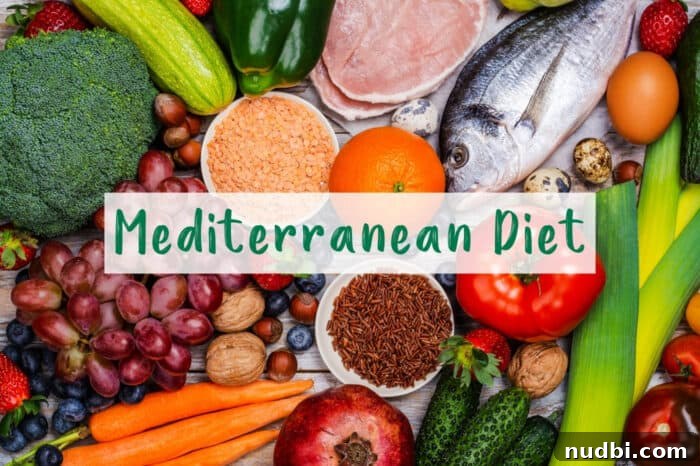
More than just a diet, the Mediterranean eating pattern is a lifestyle inspired by the traditional eating habits of people in countries bordering the Mediterranean Sea, such as Greece, Italy, and Spain. It is renowned for its emphasis on a largely plant-based diet, rich in fresh, unprocessed, and locally sourced foods. The cornerstone of the Mediterranean diet includes abundant fruits, vegetables, whole grains, nuts, seeds, and legumes. Olive oil is the primary source of fat, replacing animal fats like butter.
Protein sources predominantly come from fish and seafood, consumed a few times a week, while poultry and eggs are enjoyed in moderation. Red meat consumption is limited to a few times a month, often as a side dish rather than the main course. Dairy products are consumed in moderate amounts, typically as cheese or yogurt. Furthermore, this diet often incorporates an active lifestyle, regular social meals, and, for adults, red wine in moderation.
Pros of a Mediterranean Diet
- Holistic and Sustainable: It’s a highly flexible and enjoyable eating pattern that doesn’t eliminate any major food groups, making it easier to sustain long-term compared to more restrictive diets. It encourages a wide variety of nutrient-dense foods.
- Extensive Health Benefits: Widely supported by scientific research, the Mediterranean diet is strongly linked to a lower risk of heart disease, stroke, certain cancers, type 2 diabetes, Alzheimer’s disease, and other chronic inflammatory conditions.
- Reduces Inflammation: Its rich content of antioxidants and monounsaturated fats (from olive oil) helps to combat inflammation throughout the body.
- Environmental Impact: Its emphasis on plant-based foods and reduced red meat consumption makes it a more environmentally friendly dietary choice.
- Promotes Longevity: Often associated with increased longevity and a higher quality of life.
Cons of a Mediterranean Diet
- Potential Cost: High-quality fresh produce, lean proteins, and extra virgin olive oil can sometimes be more expensive than processed alternatives, potentially making it a costlier option depending on grocery habits.
- Nutrient Specifics: While generally well-balanced, if dairy intake is consistently low, individuals might need to pay attention to ensuring adequate calcium and vitamin D intake through fortified foods or supplements.
- Not Designed for Rapid Weight Loss: While it supports healthy weight management, it’s not typically a diet for rapid or drastic weight loss, but rather for sustainable health improvements.
The Raw Food Diet: Embracing Uncooked Nutrition
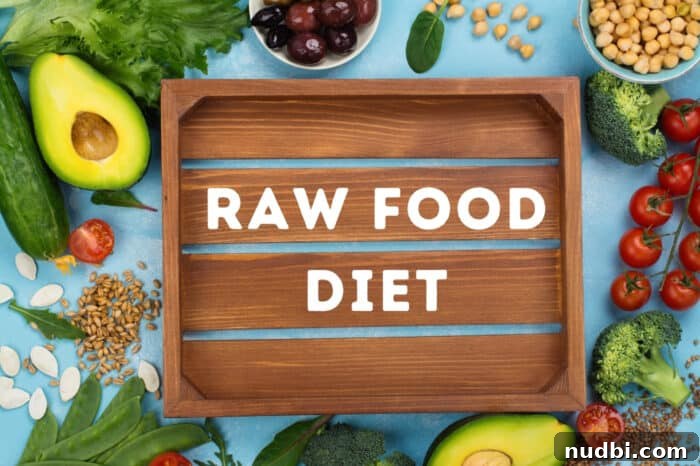
The Raw Food Diet, or Raw Foodism, is a dietary practice that promotes eating primarily uncooked, unprocessed, and often organic foods. The core belief is that heating food above a certain temperature (typically 104–118°F or 40–48°C) destroys its natural enzymes and diminishes its nutritional value. Proponents believe that consuming raw foods retains their full enzymatic and nutritional potency, leading to optimal health and vitality.
This diet heavily emphasizes raw fruits, raw vegetables, nuts, seeds, sprouted grains, and legumes. While most raw food diets are plant-based, some variations include unpasteurized dairy, raw eggs, raw meat, and raw fish, although these are less common and carry significant health risks.
Pros of a Raw Food Diet
- Emphasis on Whole, Unprocessed Foods: Naturally high in fiber, vitamins, minerals, and antioxidants, as it eliminates highly processed and refined foods.
- Low in Unhealthy Fats and Sodium: Typically very low in saturated fats, trans fats, and added sodium, which can contribute to better heart health and blood pressure.
- Effective for Weight Loss: The high fiber and water content, combined with generally lower calorie density, can be very effective for weight management.
- Increased Nutrient Intake: Proponents argue that preserving enzymes and heat-sensitive nutrients leads to higher overall nutrient absorption.
Cons of a Raw Food Diet
- Extremely Restrictive and Impractical: This diet is very difficult to adhere to long-term due to its strict rules and the labor-intensive nature of preparing raw meals. It can be socially challenging and impractical for the average person.
- Risk of Nutrient Deficiencies: Strict adherence can lead to significant deficiencies, particularly in vitamin B12, vitamin D, iron, zinc, calcium, and omega-3 fatty acids, often requiring careful supplementation. Cooking actually enhances the bioavailability of some nutrients.
- Increased Risk of Foodborne Illness: Consuming uncooked or undercooked foods, especially animal products, significantly increases the risk of bacterial contamination and foodborne illnesses like E. coli and Salmonella.
- Digestive Issues: The high fiber content can be challenging for some digestive systems, leading to bloating and gas.
- Dental Health Concerns: A diet primarily of raw, acidic fruits and crunchy vegetables can potentially lead to dental erosion and wear.
Low Carb / Atkins: Reducing Carbohydrate Intake
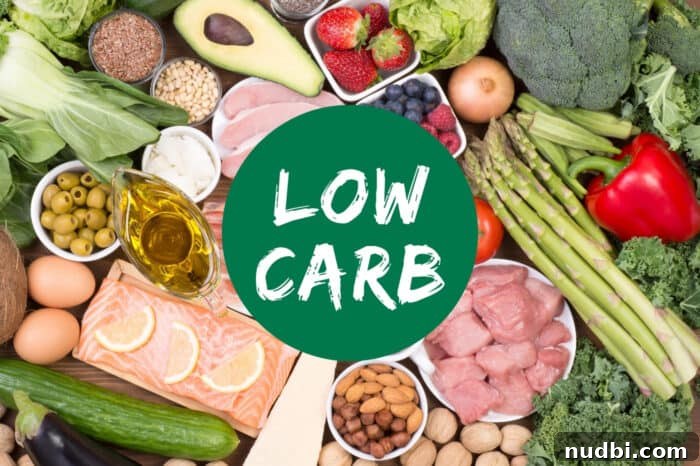
The Low Carb diet, famously popularized by the Atkins Diet, is an eating plan that significantly reduces carbohydrate intake while emphasizing protein and fat. Unlike the ketogenic diet, which aims for a state of ketosis with extremely low carbs, low-carb diets generally allow for a slightly higher, though still restricted, amount of carbohydrates. The primary goal is often weight loss and improved metabolic health, particularly blood sugar control.
Foods typically encouraged include generous portions of meat, poultry, fatty fish and seafood, eggs, low-carb fruits (like berries), non-starchy vegetables (leafy greens, broccoli), full-fat dairy, nuts and seeds, and healthy fats (olive oil, avocados). Foods to minimize or avoid include starches, grains (bread, pasta, rice), high-carb fruits, starchy vegetables (potatoes, corn), legumes, vegetable oils, and all forms of added sugar.
Pros of a Low Carb Diet
- Effective for Weight Loss: Many individuals experience successful weight loss due to reduced calorie intake and increased satiety from protein and fat.
- Improved Blood Sugar Control: Can significantly help regulate blood glucose levels and improve insulin sensitivity, beneficial for individuals with type 2 diabetes or prediabetes.
- Satiety and Reduced Cravings: The high protein and fat content can lead to increased feelings of fullness, reducing overall hunger and cravings for sugary or refined carbohydrate-rich foods.
- Clear Guidelines: Diets like Atkins provide structured phases and clear guidelines, making them relatively easy to follow, with abundant recipes and resources available.
- Focus on Nutrient-Dense Carbs: Encourages the consumption of fiber-rich, nutrient-dense carbohydrates from vegetables and certain fruits rather than refined grains and sugars.
Cons of a Low Carb Diet
- Restrictiveness and Sustainability: Eliminating or significantly reducing common food staples like grains, many fruits, and starchy vegetables can be challenging to maintain long-term and may lead to feelings of deprivation.
- “Carb Flu”: Similar to keto, individuals may experience a “carb flu” during the initial adjustment period, characterized by fatigue, headache, and irritability, as the body adapts to a lower carbohydrate intake.
- Potential Nutrient Deficiencies: Reduced intake of certain food groups can lead to deficiencies in fiber, B vitamins, and other essential nutrients if not carefully planned.
- Social Challenges: Dining out and social gatherings can be difficult to navigate due to the limited carbohydrate options.
- Complexity of Carb Counting: Some low-carb diets, especially in their stricter phases, require tracking “net carbs,” which can be complicated for some individuals.
In conclusion, the journey to a healthier lifestyle through dietary change is deeply personal. While many popular eating plans offer compelling benefits, no single diet is universally “best” for everyone. Your optimal nutrition strategy should be sustainable, enjoyable, and tailored to your unique health status, preferences, and lifestyle. Before making any drastic nutrition changes, especially if you have underlying health conditions, it is highly recommended to consult with your family doctor or a registered dietitian for personalized guidance.
Instead of feeling pressured to conform to a specific diet, consider focusing on improving the diet you already have. Look for ways to modify and enhance your current eating patterns by incorporating more whole, unprocessed foods, increasing fiber, choosing lean proteins, and hydrating adequately, rather than resorting to extreme elimination. Prioritize nutrient density, mindful eating, and balance as foundational pillars for long-term health and well-being. As a registered dietitian, I find immense joy in empowering families to live healthier lives by sharing simple, practical nutrition advice and delicious, healthy choices that the whole family can embrace. Explore my blog, Mom to Mom Nutrition, for more insights and recipes.