
The holiday season is a magical time of year, filled with joyous gatherings, cherished traditions, and often, abundant feasts. Yet, for parents of picky eaters, these festive meals can bring an unwelcome serving of stress. The thought of navigating unfamiliar menus, the subtle (or not-so-subtle) glances, and the well-meaning but often unhelpful comments from family members about what your child is or isn’t eating can quickly overshadow the holiday spirit. “Is she only going to eat bread?” – a seemingly innocent question that can feel like a direct critique of your parenting choices.

As parents, we want our children to be nourished and to enjoy every aspect of the holidays, including the food. However, when a child consistently refuses to try new dishes or opts for a very limited selection, mealtime anxiety can escalate, especially under the watchful eyes of extended family. Many folks, armed with their own childhood experiences, feel compelled to offer unsolicited parenting advice, such as “My kids weren’t allowed to leave the table until they had a bite of vegetables!” These comments, while possibly stemming from concern, often add fuel to an already stressful situation, leaving parents feeling defensive and drained.
But what if there was a way to navigate these holiday meals with confidence and calm? Sally, a mom and Registered Dietitian who candidly admits to being a picky eater herself in her younger years, understands these challenges intimately. Drawing from her professional expertise and personal experience, she shares invaluable insights on transforming holiday meal anxiety into opportunities for positive family connection. Her practical, empathetic approach offers a beacon of hope for parents seeking to create a more harmonious and less food-focused holiday experience for everyone.
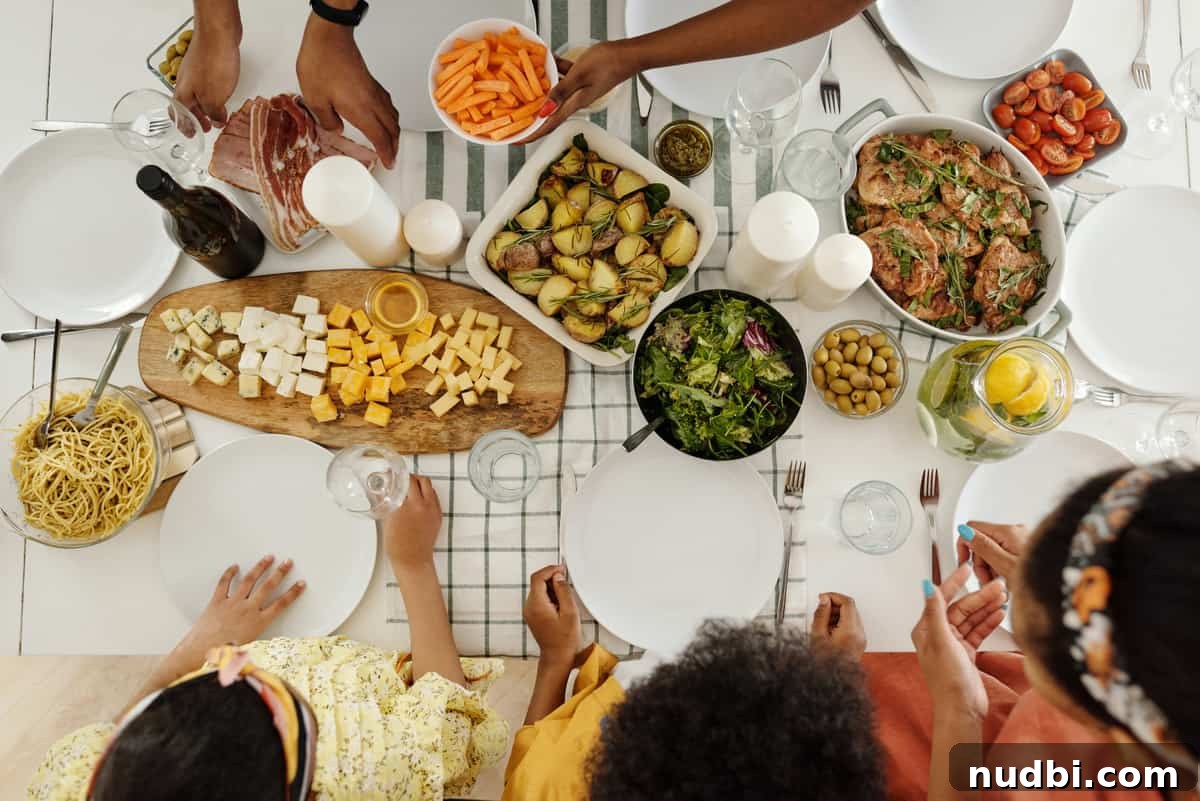
Navigating Holiday Meals: Expert Strategies for Picky Eaters and Peaceful Gatherings
As a dietitian and a former picky eater myself, I’ve seen firsthand how challenging and emotionally charged holiday meals can become when a child’s eating habits are scrutinized. My personal journey from being a child who “often ate only bread” to becoming a nutrition expert fuels my passion for helping families find joy in food without unnecessary stress. Here’s my comprehensive advice on making holiday dinners more enjoyable for everyone, focusing on practical strategies and a healthy dose of parental self-compassion.
1. Preparing Your Child: Setting Clear Expectations for Holiday Dinners
One of the most effective ways to reduce anxiety for a picky eater is to prepare them in advance. Children thrive on predictability, and holiday gatherings often involve breaks from routine, unfamiliar environments, and new faces. A little pre-dinner conversation can go a long way in setting a positive tone and empowering your child.
- Discuss the Event: Talk about what they can expect at the holiday dinner. Will it be a formal sit-down meal or a more casual buffet? Will they be seated at the adult table or with other children? Knowing the logistics can help them mentally prepare.
- Preview the Menu: If you have an idea of the menu, share it with your child. Mention some of the dishes that might be available. This helps to demystify unfamiliar foods and reduces the element of surprise.
- Reassure Them About Food Pressure: Crucially, let them know that they won’t be forced to eat anything they don’t want. Emphasize that the holiday is about family, fun, and togetherness, not about how much or what they eat. This reassurance alone can significantly lower their stress levels, which often translates to a more relaxed demeanor at the table.
- Communicate Behavioral Expectations: While you’re reducing food pressure, it’s important to set clear expectations for behavior. Discuss what you expect from them in terms of politeness, using “please” and “thank you,” and how to politely decline food (“no thank you”). Remind them to be respectful of the host and the food prepared.
2. Communicating with Family: Proactive & Reactive Approaches
The unsolicited comments from well-meaning relatives can be the most challenging aspect of holiday meals for parents of picky eaters. Addressing this requires a two-pronged approach: proactive communication and prepared responses.
Proactive Communication: Gentle Conversations Before the Meal
If you feel comfortable, consider having a private conversation with key family members (grandparents, aunts, uncles) before the gathering, or even just before sitting down for the meal. Frame your request respectfully and empathetically:
- Express Gratitude: Start by saying how much you appreciate their concern for your child and how excited you are to spend the holidays together.
- State Your Approach: Explain that you are working on fostering a positive relationship with food for your child, and that includes allowing them to listen to their own hunger cues without pressure. Mention that comments about what they are or aren’t eating, even if well-intended, can actually be counterproductive and increase stress for the child.
- Ask for Support: Politely ask them to please avoid commenting on your child’s plate or offering unsolicited advice during the meal. Reassure them that you are handling your child’s nutrition and health.
Reactive Responses: Having Your Comeback Ready
Despite your best efforts, comments may still arise. Having a polite but firm response ready can empower you to confidently redirect the conversation without causing a scene. Think of it as a conversational shield.
- The Redirect: “He had something to eat earlier, so we’re not concerned at the moment, but tell me, how are you doing, Uncle Pete? What have you been up to?” This effectively closes the topic while showing interest in the other person.
- The Educational Bite: “We’re following the ‘division of responsibility’ approach, where we provide the food, and he decides how much to eat. We find it works best for building a healthy relationship with food.”
- The Humorous Deflection: “Oh, you know kids and their phases! At least he’s having a wonderful time with family, which is what really matters today.”
- The Simple & Sweet: A simple, “Thanks for your concern, we’ve got it covered,” delivered with a warm smile, can be surprisingly effective.
The goal is to gently shut down the conversation about your child’s plate and smoothly change the subject, moving the focus back to the joy of the gathering.
3. Empowering Your Child: Offering Safe & Familiar Options
One of the most practical strategies to ensure your picky eater has something nourishing and enjoyable is to provide a “safe” food option. This doesn’t mean catering exclusively to their preferences, but rather ensuring they have at least one familiar item on their plate.
- Bring a Loved Dish: Offer to bring a side dish or recipe you know your child likes, and ideally, one that others can also enjoy. A simple fruit tray, a platter of roasted vegetables prepared simply, or even a basic pasta dish can be a lifesaver. This ensures your child has something to eat without feeling singled out, and it’s also a thoughtful contribution to the meal.
- Identify Existing Safe Foods: Scan the holiday menu (if known) for any items your child typically eats. Often, there’s plain bread, rolls, mashed potatoes (without gravy, if that’s a preference), or a simple vegetable side. Encourage them to try small portions of these familiar elements.
- The “Deconstructed” Approach: Holiday meals often feature casseroles or mixed dishes. If your child prefers foods separate, see if you can offer elements deconstructed. For example, plain turkey meat next to a small scoop of mashed potatoes, rather than mixed with gravy or other ingredients.
Remember, the goal isn’t to force them to eat a “perfect” meal, but to ensure they feel comfortable, have sustenance, and can participate in the social aspect of the dinner.
4. Protecting Your Peace: Letting Go of Pressure
Perhaps the most crucial piece of advice is to manage your own expectations and emotions. It’s incredibly easy to internalize comments or judgmental looks, making you feel like your child’s eating habits reflect poorly on your parenting. This simply isn’t true.
- One Meal Won’t Matter: What your child eats (or doesn’t eat) at Aunt Linda’s holiday dinner is highly unlikely to make or break your child’s overall health and nutritional status. Children’s appetites fluctuate, and their bodies are remarkably good at regulating their intake over time. Focus on their overall diet throughout the week, not just one meal.
- Separate Their Eating from Your Identity: Your child’s food choices do not define your fitness as a parent. Detach your self-worth from their plate. Your value as a parent is found in your love, support, and efforts to create a positive family environment, not in whether your child cleans their plate of green beans.
- Avoid Power Struggles: Resist the impulse to micromanage your child’s plate, nag them to try grandma’s pumpkin pie (unless they genuinely want to!), or monitor how many bites they take. This creates a power struggle around food, which almost always backfires, increasing resistance and anxiety for everyone involved.
- Maintain Consistency: Ensure that you and your partner, or other primary caregivers, are on the same page regarding your feeding approach. Consistency helps reinforce healthy eating habits and minimizes confusion for your child. Stick to your established family mealtime rules, even in a holiday setting.
- Focus on Connection, Not Consumption: Shift the focus of the meal from food consumption to family connection. Encourage conversation, laughter, and shared stories. The holiday table is a place for bonding, not a battleground over broccoli.

Understanding the Picky Eater’s Journey
It’s important to remember that picky eating is a common developmental stage for many children. Often, it’s a phase influenced by various factors such as neophobia (fear of new foods), sensory sensitivities to textures or smells, and a natural drive for independence. For some children, this phase can be more pronounced or last longer.
Just like my friend’s daughter, who was once known for only eating bread at holiday dinners, many children gradually expand their palates over time. She now happily eats turkey and mashed potatoes too, a testament to the fact that patience, understanding, and a low-pressure environment can make a significant difference. Children need time and space to explore foods on their own terms, without feeling coerced or shamed.
Fostering Healthy Relationships with Food Beyond the Holidays
The strategies discussed for holiday meals are not just for special occasions; they are foundational principles for fostering a healthy relationship with food year-round. By consistently applying principles like the “division of responsibility” – where parents provide nutritious food at regular intervals, and children decide how much (and whether) they eat – you empower your child to become an intuitive eater. This long-term approach builds trust, reduces mealtime stress, and helps children develop a positive association with food that extends far beyond the holiday season.
Remember, your child’s eating habits are a journey, not a sprint. Every small step you take to create a positive, pressure-free eating environment contributes to their overall well-being and their relationship with food for years to come.
Additional Resources for Parents of Picky Eaters
Navigating picky eating can feel isolating, but you are not alone. There are numerous resources available to support you on this journey. Here are a few helpful articles and guides to delve deeper into understanding and managing picky eating habits:
- Podcast Episode: The Journey Of A Picky Eater – Gain insights from real-life experiences and expert discussions on the evolving nature of picky eating.
- Creative & Kid-Friendly Veggie Side Dishes For Picky Eaters – Discover inventive ways to incorporate vegetables into your family meals that even the choosiest eaters might enjoy.
- 5 Practical Strategies To Please Picky Eaters – Learn actionable tips and techniques to broaden your child’s palate and reduce mealtime battles.
- Understanding Picky Eating: What’s Normal, What’s Not? – Differentiate between typical developmental picky eating and more severe issues that might require professional intervention.
- Easy Holiday Entertaining Tips for Stress-Free Gatherings – Broader tips for hosting and attending holiday events, which can complement strategies for managing picky eaters.
Embrace the Joy of the Season
Ultimately, the holiday season is about creating cherished memories, fostering connections, and enjoying time with loved ones. While food is undeniably a central part of many celebrations, it doesn’t have to be a source of conflict or stress. By preparing your child, communicating effectively with family, offering supportive food choices, and most importantly, letting go of personal pressure, you can ensure that the focus remains on the joy and togetherness of the holidays. Remember Sally’s friend’s daughter – with patience and understanding, palates can evolve, and holiday meals can become truly peaceful and pleasurable experiences for every member of the family.