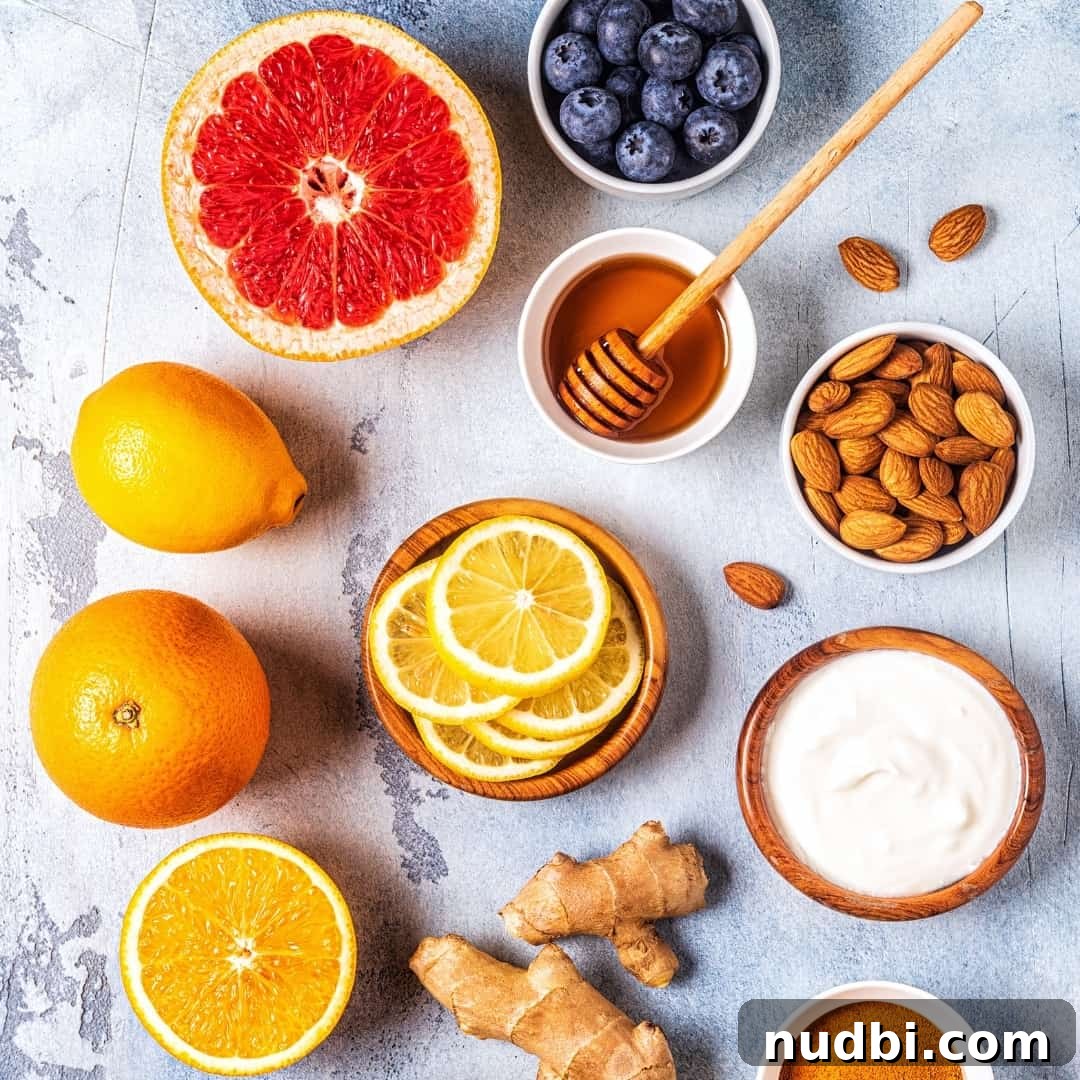
In our relentless pursuit of well-being, prioritizing a robust immune system stands as a cornerstone of good health. The foods we choose daily act as building blocks, influencing our body’s ability to defend itself against illnesses. When we nourish our bodies with nutrient-dense foods, they reciprocate by supporting our vitality and resilience, especially during challenging periods like flu season. This comprehensive guide, informed by expert insights, delves into actionable, immune-boosting habits that will empower you and your family to thrive all year long.
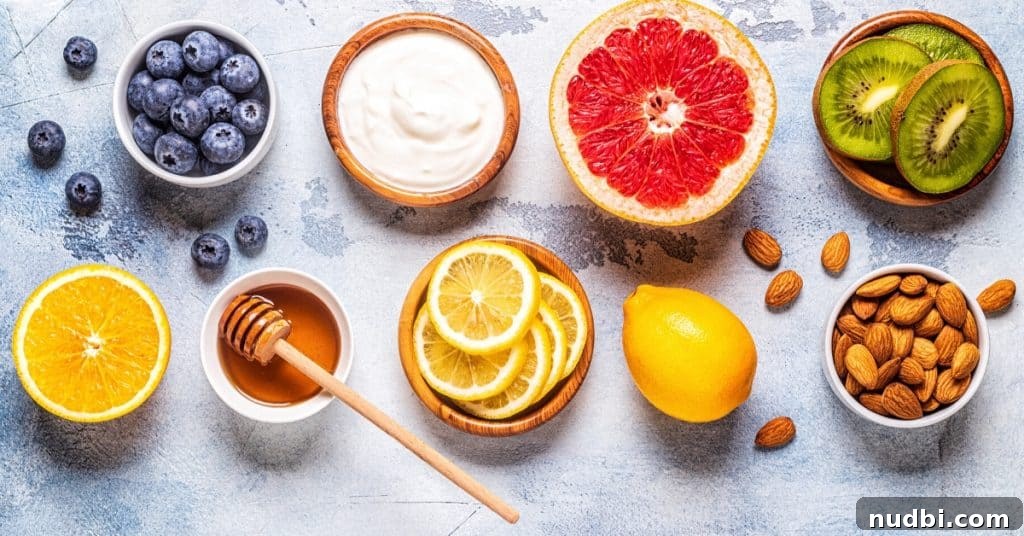
In today’s information-rich world, it’s easy to get caught up in the hype surrounding “magic bullet” foods or supplements that promise to ward off every germ. While the idea of a single solution is appealing, the reality is far more nuanced. There isn’t one miraculous food or pill that can guarantee immunity. Instead, a truly resilient immune system is built on a foundation of consistent, healthy practices.
Fundamental safeguards like sufficient sleep, diligent handwashing, and regular physical activity remain critically important in preventing illness. However, the daily choices we make about what we eat play an equally significant, albeit often underestimated, role in strengthening our body’s internal defenses. How you and your loved ones nourish yourselves each day directly impacts the efficiency and responsiveness of your immune system.
Rather than chasing fleeting trends or focusing on isolated components, consider adopting these nine foundational daily habits. These practical strategies are designed to support your immune system holistically, helping you and your family maintain optimal health not just today, but throughout every season of the year.
1. Fuel Your Immunity with Protein at Every Meal and Snack
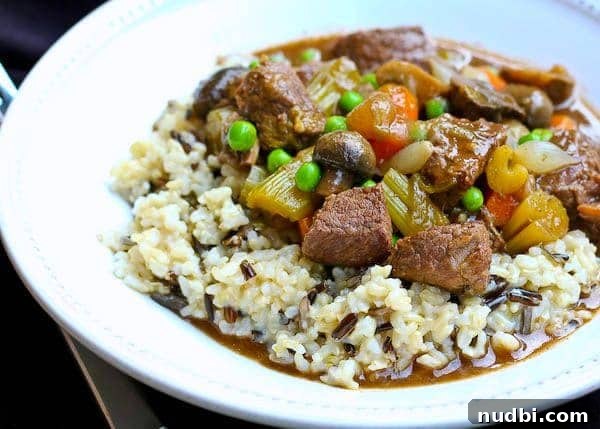
Protein is much more than just a muscle builder; it’s an indispensable nutrient for a well-functioning immune system. Protein-rich foods deliver essential amino acids to your body, which are the fundamental building blocks for crucial internal proteins like hormones, enzymes, and most importantly, antibodies. Antibodies are specialized proteins that identify and neutralize harmful pathogens, forming a critical component of your body’s adaptive immune response.
Furthermore, many protein sources are rich in vital micronutrients. For example, beef and chickpeas are excellent sources of zinc, a mineral vital for the development and activation of T-cells, which are a type of white blood cell that plays a central role in cell-mediated immunity. A deficiency in protein can significantly impair immune function, making you more susceptible to infections and slowing down recovery. Ensuring adequate protein intake throughout the day supports the continuous production of immune cells and defense mechanisms.
You might wonder if your children are getting enough protein, especially if they have specific dietary preferences. The good news is that protein is widely available in many foods, and all contributions add up. Beyond traditional meat sources, there’s a vast array of options. Consider incorporating eggs, dairy products (milk, cheese, yogurt), fish, lentils, beans, nuts, seeds, quinoa, and tofu into your family’s diet. Even plant-based protein sources like peas, broccoli, and whole grains contribute to daily intake. For a deeper dive, explore a diverse list of 20 protein-rich foods that aren’t meat, offering creative ways to boost your family’s protein intake and ensure robust immune support.
2. Prioritize Fruits and Vegetables for a Burst of Immune-Boosting Vitamins
Fruits and vegetables are powerhouse providers of essential vitamins, minerals, and antioxidants, all critical for a strong immune system. Among these, Vitamin C frequently takes the spotlight, with many people opting for it in supplement form. While Vitamin C supplements can offer a concentrated dose, the evidence regarding their direct impact on preventing illness is mixed. The true advantage of obtaining Vitamin C from whole foods lies in the synergistic effect of other compounds naturally present in plants.
When you consume Vitamin C through fruits like strawberries and oranges, or vegetables like broccoli and bell peppers, you also receive beneficial fiber, a spectrum of phytonutrients, and other disease-fighting compounds. These elements work together to enhance Vitamin C absorption and activity, offering a more comprehensive boost to your immune system than a single isolated nutrient. Vitamin C acts as a powerful antioxidant, protecting immune cells from damage, and also plays a role in the production and function of various white blood cells, which are crucial for fighting infections.
Foods that are rich in Vitamin C:
- Strawberries: Bursting with Vitamin C and antioxidants, making them an excellent immune-friendly snack.
- Oranges: A classic source, packed with immune-supporting Vitamin C.
- Broccoli: A nutrient-dense cruciferous vegetable that contributes significantly to Vitamin C intake.
- Bell peppers: Especially red and yellow varieties, offering even more Vitamin C than oranges.
- Kiwi: A small fruit with a mighty punch of Vitamin C and other antioxidants.
- Brussels sprouts: Another cruciferous vegetable providing good amounts of Vitamin C and K.
- Cauliflower: A versatile vegetable, also a source of Vitamin C and dietary fiber.
- Potatoes: Often overlooked, but potatoes (especially with skin) contribute Vitamin C.
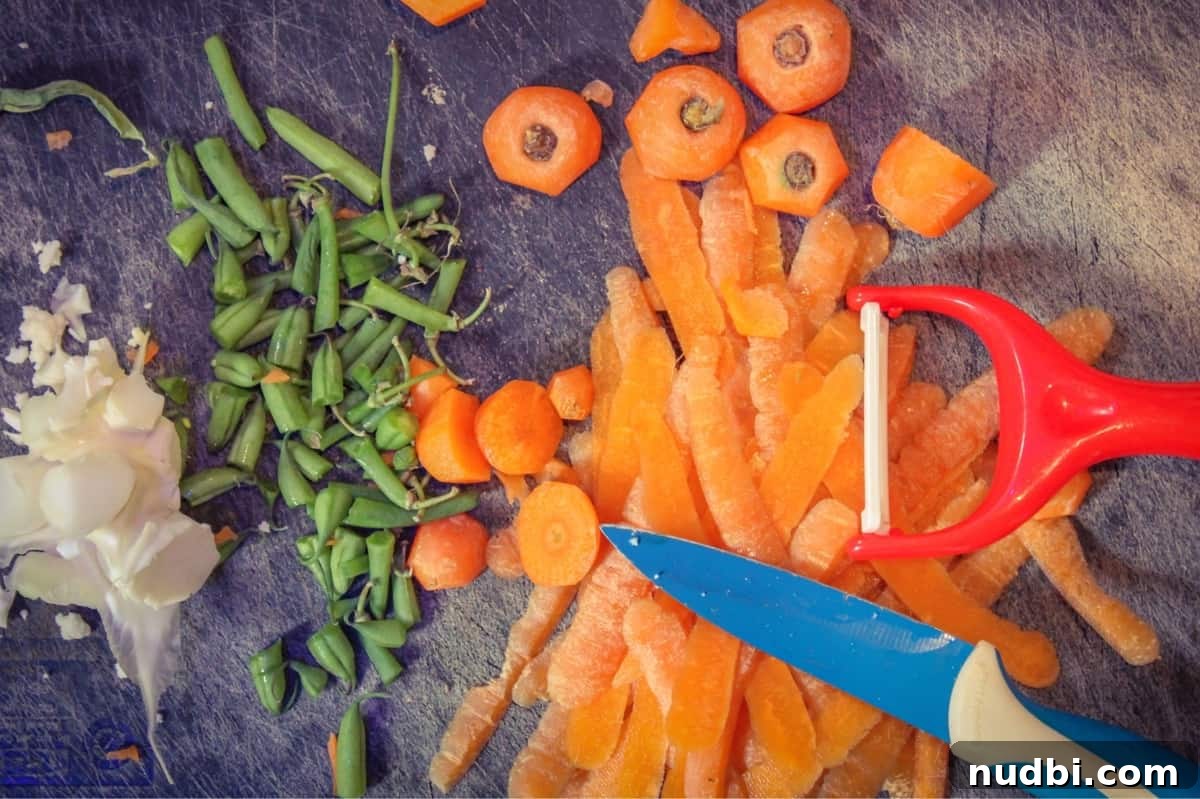
Beyond Vitamin C, don’t underestimate the power of yellow and orange-hued fruits and vegetables. These vibrant foods, such as carrots, sweet potatoes, and mango, are rich in beta-carotene, which the body converts into Vitamin A. Vitamin A is crucial for maintaining the health and integrity of mucosal barriers – the linings of your mouth, intestines, and respiratory tract. These barriers serve as the body’s first line of defense against invading pathogens, acting as a physical shield. Vitamin A also plays a vital role in the production and function of white blood cells, further bolstering your immune response.
Foods that are rich in Vitamin A (or beta-carotene):
- Carrots: An iconic source of beta-carotene, essential for vision and immune health.
- Sweet potatoes: Exceptionally high in beta-carotene, offering a delicious way to boost Vitamin A.
- Mango: A tropical fruit packed with Vitamin A, C, and other beneficial compounds.
- Spinach: A leafy green superfood, rich in beta-carotene, iron, and other vitamins.
- Sweet red peppers: Provide both Vitamin A (as beta-carotene) and a high dose of Vitamin C.
- Breakfast cereal (fortified with vitamin A): Many cereals are fortified to help meet daily nutrient requirements.
- Milk(with added vitamin A and D): Fortified milk is a convenient source of these fat-soluble vitamins.
- Ricotta cheese: Contains some Vitamin A, especially from whole milk varieties.
3. Stay Hydrated: The Essential Role of Water in Immune Function

Water is often overlooked in discussions about immunity, yet it is profoundly essential for virtually every bodily function, including a robust immune response. Our bodies are composed of roughly 60% water, and maintaining adequate hydration is critical for the transportation of nutrients, oxygen, and immune cells throughout the body. Water acts as a solvent, facilitating countless biochemical reactions that underpin our health.
A key role of water in immunity is its involvement in the lymphatic system. This intricate network, which includes lymph fluid, lymph nodes, and vessels, is a major component of the immune system. The lymphatic system is responsible for transporting white blood cells—the body’s disease-fighting army—and for removing waste products and toxins from tissues. If you’re dehydrated, your lymphatic system can become sluggish, hindering its ability to effectively move immune cells and eliminate harmful substances, potentially compromising your body’s defense mechanisms.
Dehydration can also manifest as fatigue, headaches, and decreased cognitive function, all of which can indirectly weaken your overall resilience to illness. Ensuring consistent water intake supports optimal circulation, nutrient absorption, and waste elimination, all of which contribute to a healthy internal environment where the immune system can function at its best.
For children, who might not always reach for plain water, there are many creative ways to encourage hydration. Try adding a splash of 100% fruit juice for a hint of flavor, serving sparkling water with a twist of lemon, or infusing water with fresh fruit like thinly sliced oranges, berries, cucumber, or mint. Offer water when they are naturally thirsty, associating it with effective thirst quenching. Keeping a water bottle handy and leading by example can also significantly boost your family’s daily water intake, ensuring their immune systems are well-supported.
4. Nurture Your Gut: The Power of Yogurt and Fermented Foods for Immunity

The saying “all disease begins in the gut” holds significant truth, especially when it comes to immunity. A remarkable 70-80% of our immune cells actually reside in the gut, working in close concert with trillions of bacteria that make up our gut microbiome. This complex ecosystem of microorganisms plays a profound role in our health, influencing everything from digestion and nutrient absorption to mood and, crucially, immune function.
Nourishing your gut with an abundance of “good” bacteria, known as probiotics, is a powerful strategy for fostering a healthier internal climate. These beneficial microbes help create an environment where harmful “bad” bacteria struggle to thrive. Probiotics achieve this by competing for resources, producing antimicrobial substances, and modulating the immune system itself. They can influence the development and function of immune cells, help strengthen the gut barrier (preventing leakage of toxins), and even produce beneficial compounds like short-chain fatty acids that have anti-inflammatory effects throughout the body.
Beyond the familiar yogurt, there’s a world of fermented foods that can introduce diverse probiotic strains into your diet. Consider adding kefir, a fermented milk drink rich in beneficial yeasts and bacteria, known for its wider range of microbes compared to yogurt. Sauerkraut (fermented cabbage), miso (fermented soybean paste), and kimchi (spicy fermented Korean cabbage) are excellent savory options that also offer unique flavors and textures. Other probiotic-rich foods include kombucha (fermented tea), tempeh (fermented soybean cake), and sourdough bread.
Incorporating these foods regularly can lead to a more balanced and diverse gut microbiome, which is directly linked to a stronger immune response. For more ideas on how to integrate these into your family’s meals and explore their benefits, take a look at these other probiotic-rich foods for a healthy gut. Making fermented foods a regular part of your diet is a delicious and effective way to support your immune system from the inside out.
5. Season Smart: Unlock Immune-Boosting Benefits with Herbs and Spices
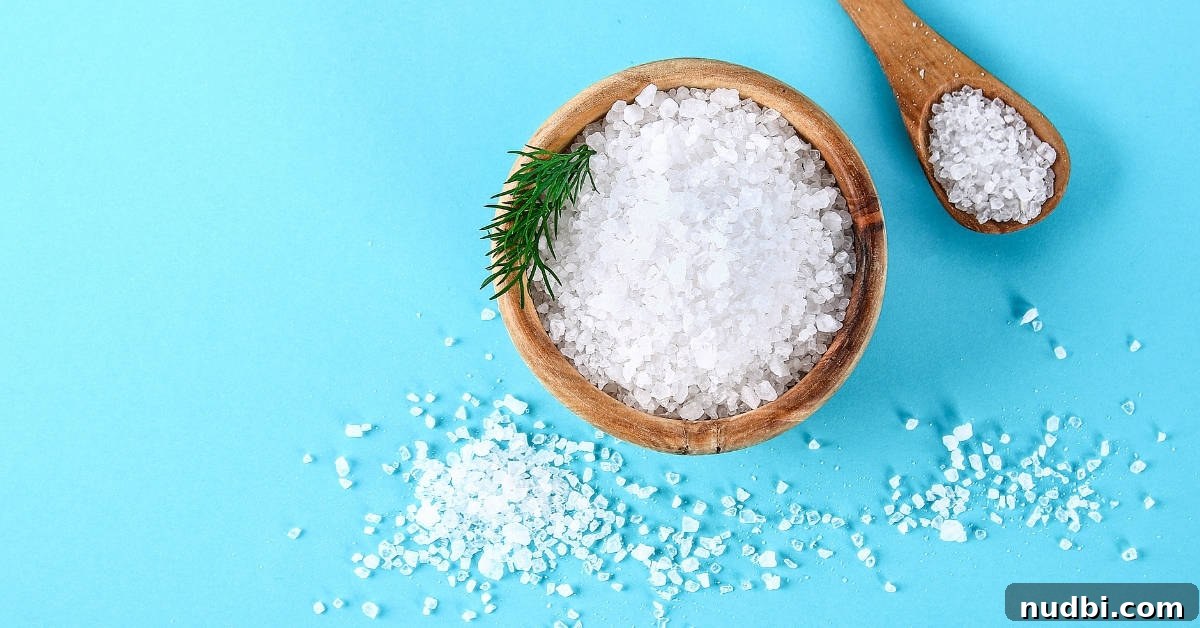
Flavoring our meals doesn’t have to rely solely on salt, which, when consumed in excess, can have negative health implications. A deeper dive into culinary traditions around the world reveals that many herbs and spices commonly used for their taste also possess remarkable medicinal properties that can actively support your immune system. Scientific research continues to uncover the powerful compounds within these plant foods, highlighting their potential as anti-microbials, potent antioxidants, and anti-inflammatory agents.
Consider the vibrant yellow spice, turmeric, whose active compound curcumin is renowned for its strong anti-inflammatory and antioxidant properties, potentially modulating immune responses. Garlic, a staple in many cuisines, contains allicin, a compound with well-documented antimicrobial and immune-boosting effects. Ginger, often used in traditional remedies, boasts gingerols that can help reduce inflammation and provide relief from cold symptoms. Oregano, thyme, rosemary, and black pepper are just a few more examples of herbs and spices that are packed with protective compounds that can help shield cells from damage caused by free radicals.
By consciously incorporating a wider array of herbs and spices into your cooking, you’re not just elevating the taste of your dishes; you’re also infusing them with an arsenal of beneficial compounds that actively support your immune health. Instead of habitually reaching for the salt shaker, explore the incredible diversity of your spice cabinet and fresh herbs. Experiment with different flavor profiles to discover how these natural seasonings can add depth, aroma, and a significant health boost to your family’s meals. For practical tips on maximizing their benefits, explore five effective ways to use dried and fresh seasonings in your cooking.
Of course, while nurturing your body from the inside is key, never forget the fundamental importance of thorough handwashing to prevent the spread of germs. For more comprehensive strategies on strengthening your family’s defenses, check out this post for other foods to help fight cold and flu season!
6. Embrace Healthy Fats: Omega-3s for Immune Resilience and Overall Health
Not all fats are created equal, and certain types, particularly omega-3 fatty acids, are crucial for supporting a healthy and well-regulated immune system. Chronic inflammation, often driven by diet and lifestyle, can suppress immune function and contribute to various health issues. Omega-3s are renowned for their powerful anti-inflammatory properties, which help to moderate the body’s immune response, preventing it from overreacting and causing damage to healthy tissues.
These essential fats, specifically EPA and DHA found primarily in marine sources, play a critical role in the integrity of cell membranes, influencing the function and communication of immune cells. By incorporating sufficient omega-3s into your diet, you help ensure that your immune system can respond effectively when needed, without contributing to excessive or prolonged inflammation. As an added bonus, these remarkable fats are also celebrated for their extensive benefits beyond immunity, including supporting cardiovascular health by lowering triglycerides and blood pressure, and potentially offering protection against certain types of cancer and neurodegenerative diseases.
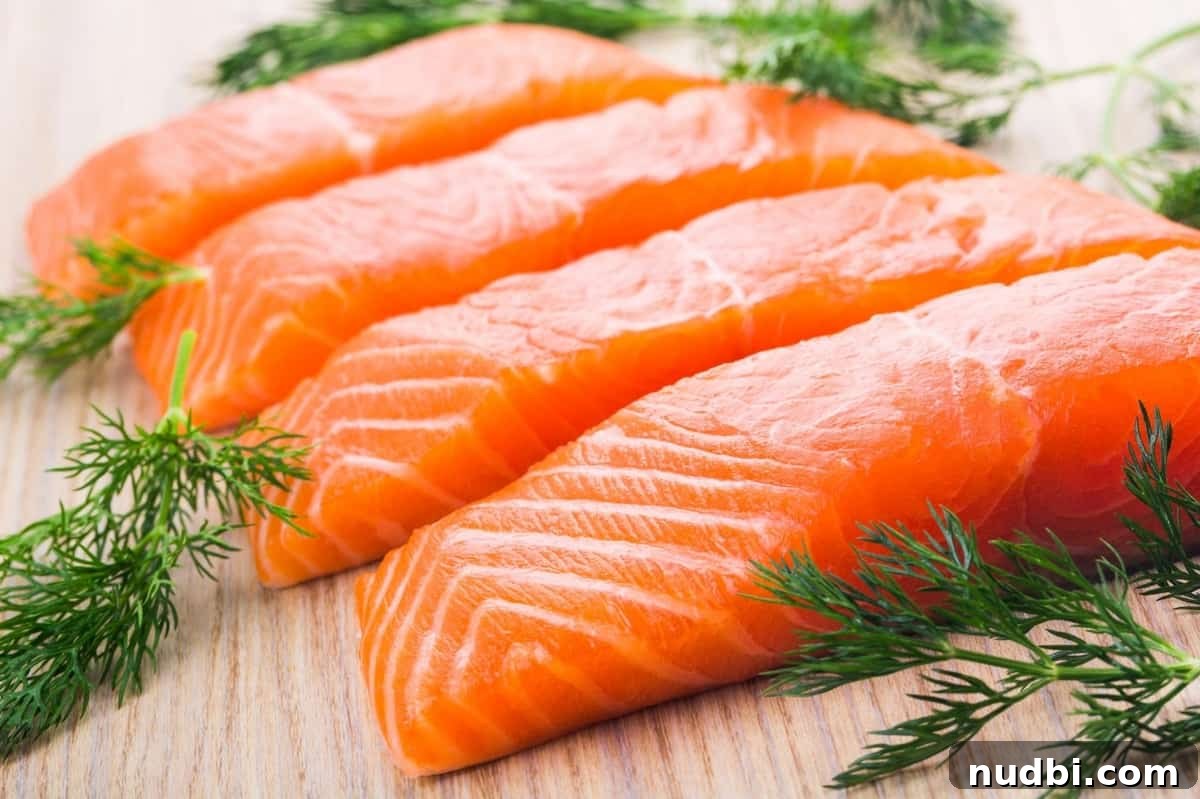
The good news is that omega-3 fats are readily available from several delicious sources. Fatty fish like salmon, herring, mackerel, sardines, and trout are excellent providers of EPA and DHA. For those who prefer plant-based options, alpha-linolenic acid (ALA), a precursor to EPA and DHA, can be found in foods like walnuts, ground flaxseed, chia seeds, and hemp seeds. Cooking oils such as canola oil and soybean oil also contain ALA. Incorporating these healthy fat sources regularly into your family’s diet is a proactive step towards building a resilient immune system and promoting overall long-term health.
7. Make Mindful Choices: Reduce Ultra-Processed Foods for Better Immunity
In our fast-paced world, convenience often leads us to rely on ultra-processed foods. There’s certainly nothing inherently wrong with enjoying chips, packaged cookies, or frozen chicken nuggets occasionally as part of a balanced diet. However, a dietary pattern that is consistently dominated by these types of “ultra-processed foods” (UPFs) is increasingly being linked in research to a higher risk for various diseases, including those that can compromise immune function.
What defines ultra-processed foods, and what’s the potential link to health problems? UPFs typically undergo extensive industrial processing and often contain numerous artificial ingredients, added sugars, unhealthy fats, and excessive sodium, while being notably low in beneficial fiber and essential micronutrients. Their manufacturing processes, such as high-temperature heating, along with chemicals used in food packaging, are all factors thought to contribute to their detrimental health effects. They can promote systemic inflammation, disrupt the delicate balance of the gut microbiome, and potentially lead to nutrient deficiencies, all of which can weaken the body’s ability to mount an effective immune response.
The goal isn’t to demonize all packaged foods – many of us rely on them for convenience, and that’s perfectly acceptable. The key is balance and awareness. While there’s no shame in utilizing packaged items, it’s crucial to ensure that your family’s meals and snacks are primarily built around whole, minimally processed foods. Prioritize fresh fruits, vegetables, lean proteins, whole grains, and healthy fats. By making conscious choices to reduce your intake of ultra-processed items, you help create a more nutrient-dense diet that supports a robust immune system and promotes overall well-being. Think of it as a spectrum: the more whole foods you choose, the better equipped your body will be to defend itself.

8. Evaluate Probiotic Supplements: An Extra Layer of Gut and Immune Defense
As dietitians, our primary recommendation for obtaining essential nutrients typically follows a “food first” philosophy. We advocate for deriving vitamins, minerals, and beneficial compounds from a diverse diet rich in whole, unprocessed foods. This approach provides not only the targeted nutrients but also the synergistic benefits of countless other compounds found naturally in food matrices. However, there are instances where dietary intake alone might not be sufficient, or an extra layer of support could be beneficial.
If your family’s diet doesn’t regularly include a variety of fermented foods like yogurt, kefir, sauerkraut, or kimchi, or if you’re seeking additional support for gut health and immunity, a probiotic supplement might be a worthwhile consideration. Probiotic supplements deliver concentrated doses of beneficial bacteria, aiming to populate your gut with these helpful microbes. By increasing the presence of “good bugs,” probiotics can help balance the gut microbiome, making it more challenging for harmful bacteria to flourish. This balance is crucial because a healthy gut directly translates to a more robust immune system, given that a significant portion of immune cells reside in the digestive tract.
While research on the direct immune-bolstering effects of probiotic supplements is still evolving and can be mixed depending on the specific strains and individual health status, many people report another significant perk: improved day-to-day digestive comfort. Personally, my family began taking probiotics at the onset of the pandemic, and we collectively noticed a positive difference in the smoothness of our digestive systems. This tangible improvement led us to maintain the habit. If you’re considering a probiotic, it’s always wise to consult with a healthcare professional or registered dietitian to choose a high-quality supplement with appropriate strains and dosages for your specific needs, ensuring it complements your overall health strategy.
9. Fill Nutritional Gaps: Multivitamins for Picky Eaters and Enhanced Immunity

It’s an undeniable fact that a consistent intake of adequate nutrients is a cornerstone of maintaining good health, fending off illness, and preventing disease. However, the reality of family life often includes extremely picky eaters who may consume a very limited range of foods. In such cases, there’s a legitimate concern that these individuals might not be receiving all the essential vitamins and minerals crucial for optimal health and a strong immune system. Key nutrients like Vitamin D, B vitamins, iron, and selenium are vital for various immune processes, and deficiencies can leave the body vulnerable.
For picky eaters, a multivitamin can serve as a sensible “safety net” to help fill potential nutritional gaps. It’s important to view a multivitamin not as a replacement for a healthy and varied diet, but rather as a supplementary measure. It ensures that even on days when food choices are limited, the body still receives a baseline of critical nutrients necessary for growth, development, and, most importantly, robust immune function. While a balanced diet remains the ultimate goal, a multivitamin can provide reassurance that fundamental nutritional needs are being met.
Before introducing any supplement, especially for children, it is always best practice to consult with your pediatrician or a registered dietitian. These healthcare professionals can assess individual dietary intake, identify specific nutrient deficiencies, and recommend the most appropriate multivitamin formulation and dosage. They can guide you on selecting a high-quality supplement that aligns with your family’s health needs and helps to proactively support immunity, ensuring everyone has the best possible defense against illness.