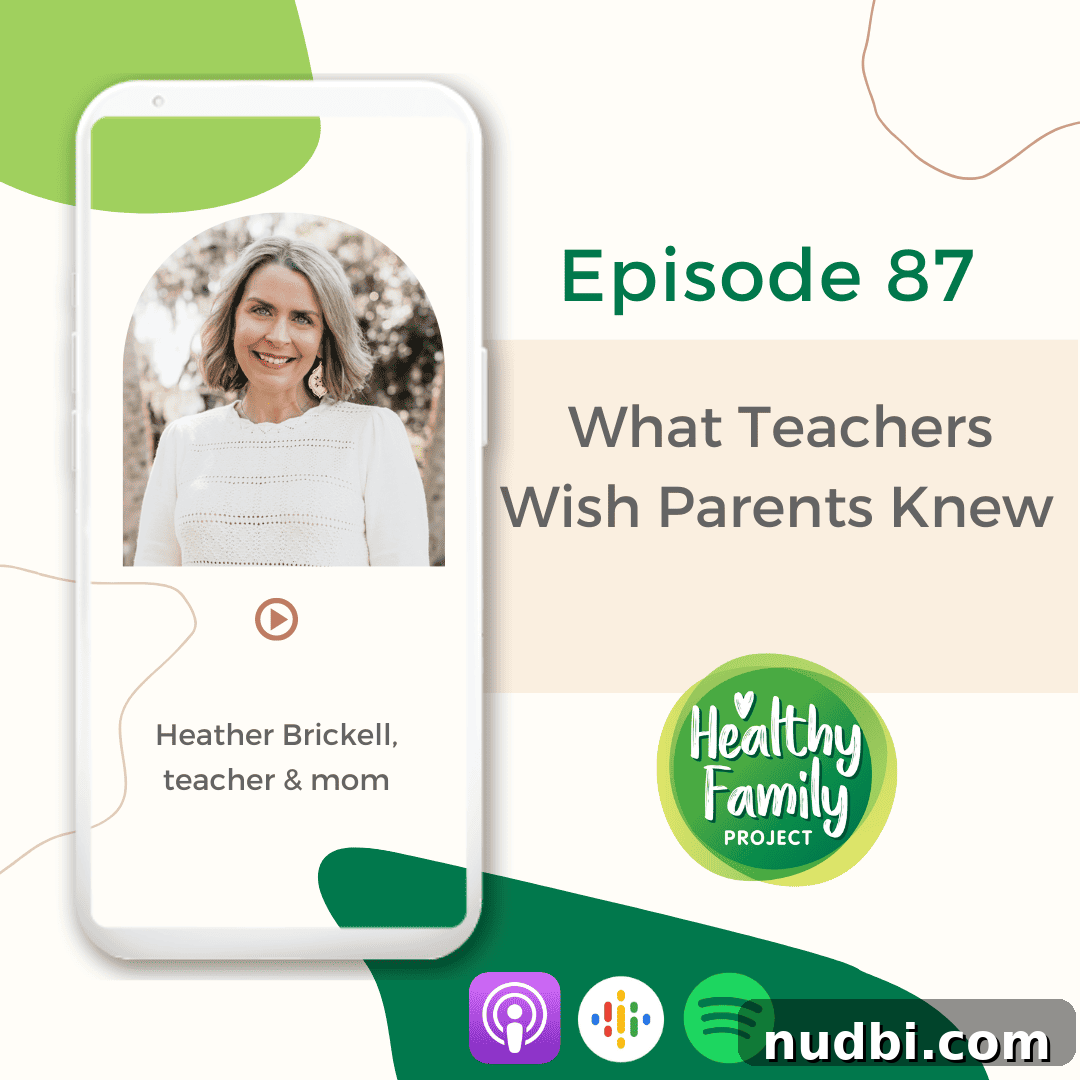
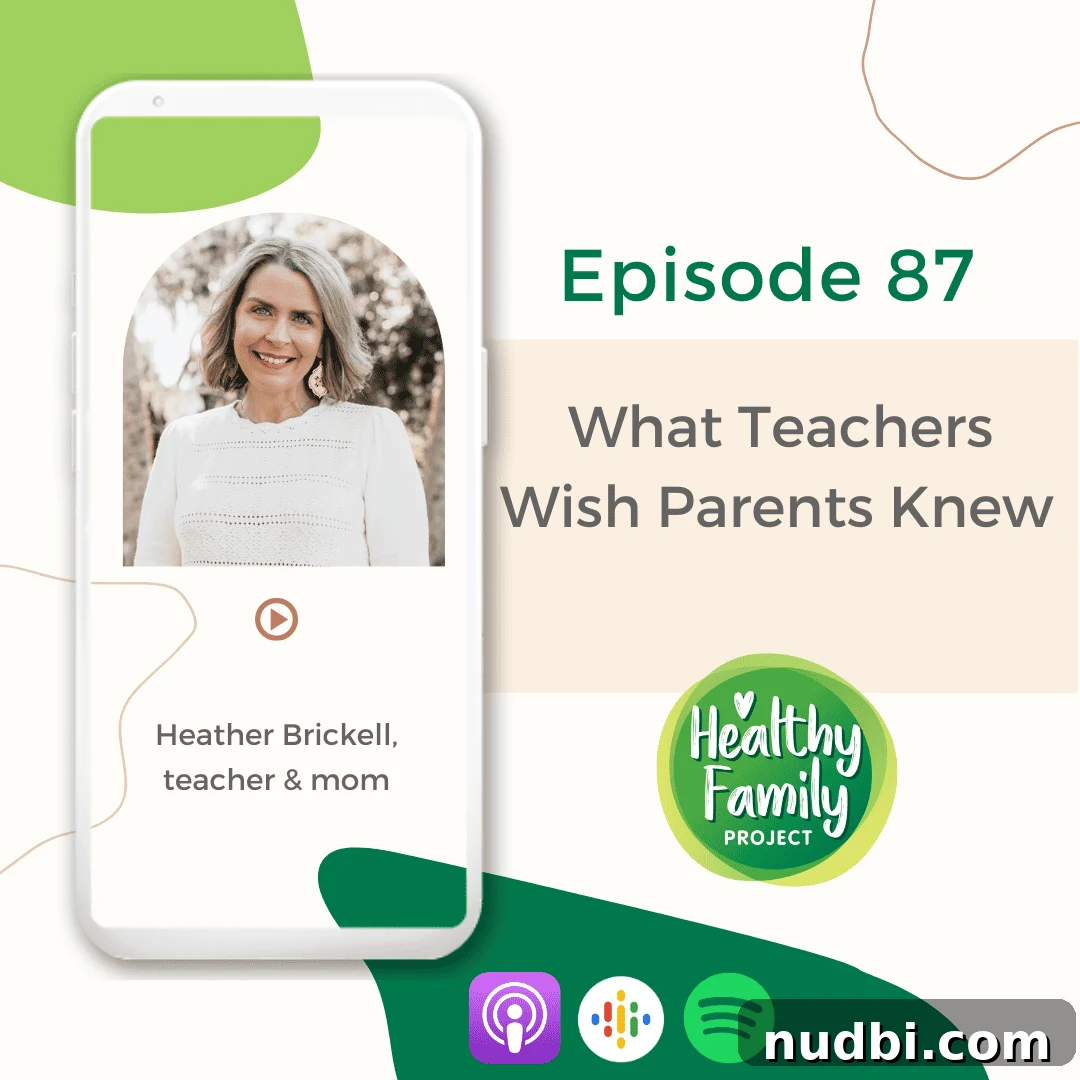
The journey through the school year can be a mix of excitement and challenge for families. To help navigate this crucial time, we had the privilege of speaking with Heather Brickell from MySweetSavings. As both a dedicated mom and an experienced teacher, Heather offers invaluable insights into what educators truly wish parents knew to foster a more successful and less stressful academic experience for their children. Her wisdom, shared in Episode 87 of the Healthy Family Project Podcast, provides actionable tips designed to empower parents and create a stronger home-school connection.
An Expert Teacher’s Top Tips: What Educators Truly Wish Parents Knew for a Successful School Year
The beginning of a new school year often brings a blend of anticipation and apprehension for most families. Parents frequently find themselves wondering what teachers truly expect or need from them to ensure their child’s academic and personal growth. It can feel like an enigma trying to decipher the unwritten rules of the classroom from a parent’s perspective. Fortunately, we’ve received an insider’s look from Heather Brickell, a seasoned teacher and fellow parent, who generously shares her unique insights.
As a parent myself, I deeply appreciate these candid tips. Heather’s advice is not just theoretical; it’s born from years of experience on both sides of the classroom door. Her guidance aims to demystify the parent-teacher dynamic and equip families with practical strategies to make this school year, and all future ones, less stressful and significantly more successful. Let’s dive into her invaluable recommendations and transform how we engage with our children’s education.
Listen to the Full Conversation: Episode 87 of the Healthy Family Project Podcast
Unlocking a Successful School Year: Key Insights from an Educator
In Episode 87, Heather Brickell provided a comprehensive guide covering vital aspects of the parent-teacher relationship and student development. While we encourage listening to the entire podcast for all the nuanced tips and tricks, here’s an expanded look at the core topics we delved into, offering practical advice for every family.
The Cornerstone of Success: Open Communication
Effective communication stands out as the most vital component in fostering a successful relationship between parents and teachers. Heather emphasizes that establishing a robust line of communication from the very beginning of the school year is crucial. When parents and teachers connect proactively, they build a foundation of trust and understanding. This mutual respect becomes invaluable when challenging situations inevitably arise. A positive, established relationship makes it easier for teachers to approach parents about a child’s struggles, and for parents to receive feedback constructively, knowing that both parties are working towards the same goal: the child’s well-being and academic progress.
Beyond initial introductions, ongoing communication is key. Parents should feel comfortable reaching out with questions or concerns, and teachers should feel supported in sharing observations. This isn’t about constant oversight, but rather creating an environment where information flows freely, preventing minor issues from escalating. Simple check-ins can make a significant difference in bridging the gap between home and school.
Student Self-Advocacy: A Growing Responsibility
As children mature, particularly into middle and high school, the dynamic of communication shifts. While parents remain integral, fostering student self-advocacy becomes increasingly important. Teachers, like Heather, encourage older students to take more responsibility for communicating their own challenges or questions directly. This teaches them essential life skills in problem-solving and self-reliance, preparing them for college and beyond. However, parents still play a crucial supportive role. If concerns arise about a student’s mental health or a significant change in behavior, a discreet note to the teacher can provide vital context, ensuring the child receives the necessary support before academic performance is severely impacted. It’s about finding a balance: empowering students while maintaining an informed parental oversight.
Reacting to Classroom Updates: Trust and Clarification
The advent of online grading portals and instant notifications means parents often receive real-time updates on their child’s academic performance. While convenient, these alerts can sometimes cause immediate alarm, especially if a grade appears unexpectedly low or incorrect. Heather advises parents to pause before reacting. There might be a technological glitch, a missing assignment that can still be submitted, or an error in data entry. Instead of panicking, the best approach is to calmly inquire with the teacher for clarification. This respectful method not only helps resolve potential inaccuracies but also reinforces the collaborative spirit between home and school, demonstrating trust in the teacher’s commitment to accuracy and fairness.
Fostering Continuous Learning: The Power of Reinforcement
Reinforcement plays a critical role in solidifying a child’s learning beyond the classroom. Heather highlights the importance of parents continuing educational concepts at home in engaging ways. Learning should not be confined to school hours; it should seamlessly integrate into daily life. Simple activities, such as asking children to count change at the store, read road signs and billboards during car rides, or measure ingredients while cooking, provide practical application of academic skills. These hands-on experiences make learning tangible and relevant, turning everyday moments into educational opportunities. Reading, in particular, is underscored as the foundation of all academic success. Encouraging regular reading, whether through library visits or designating specific reading times before screen time, cultivates a love for learning and strengthens literacy skills.
Making Learning Fun: Engaging Children at Home
The goal of reinforcement is to make learning an enjoyable and natural part of a child’s life, rather than a chore. Heather suggests that parents can significantly boost a child’s engagement by actively showing interest in what fascinates them. If a child is passionate about space, discuss recent launches; if they dream of being a pilot, visit an airport to watch planes. This shared enthusiasm not only deepens the parent-child bond but also reinforces the value of their learning. Furthermore, asking children to “teach” what they learned in school—whether it’s a new math concept or a historical event—is an incredibly effective method. This active recall and explanation process solidifies their understanding and boosts their confidence as young educators. Transforming learning into a playful, shared activity makes it more memorable and sustainable.
Setting the Stage for Growth: Realistic Expectations
It’s natural for parents to want their children to excel in every area, striving for perfect grades and prestigious awards. However, Heather passionately advocates for realistic expectations. Every child is unique, possessing different strengths, learning styles, and natural aptitudes. What might come easily to one child could be a significant challenge for another. Imposing unrealistic pressures can lead to anxiety, self-doubt, and a sense of failure. As teachers, educators observe this diversity daily. Instead of pushing for perfection in every subject, parents should encourage children to do their absolute best and celebrate their individual achievements, particularly in areas where they naturally shine. Accepting and appreciating a child for who they are, rather than an idealized version, builds resilience and self-esteem.
Beyond Grades: Celebrating Diverse Strengths
While academic grades are important, they do not singularly define a child’s worth or future success. Heather and Amanda both stress the importance of looking beyond numerical scores to recognize and celebrate a child’s character traits and diverse skills. Qualities like kindness, helpfulness, empathy, problem-solving abilities, leadership, and a strong work ethic are equally, if not more, valuable in life. A child who earns a ‘C’ but demonstrates exceptional teamwork or an unwavering positive attitude possesses gifts that will serve them well. Parents should actively discuss and affirm these non-academic strengths, helping children understand that their value extends far beyond their test scores. This holistic approach fosters confidence, reduces undue stress, and encourages children to pursue what they are genuinely good at, leading to a more balanced and fulfilling life.
Nurturing Future Leaders: Cultivating Independence
One of the most challenging, yet crucial, aspects of parenting is fostering independence. Heather highlights that enabling independence from an early age prepares children for the complexities of adulthood. While it’s tempting for parents to step in and fix every problem or complete every task, allowing children to grapple with challenges and even experience minor failures is essential for their growth. This might mean letting a child realize they forgot their homework or a musical instrument for school, enduring the discomfort of facing the consequences. These moments, though painful for parents to witness, teach invaluable lessons in responsibility, organization, and problem-solving.
The Value of Productive Struggle: Learning from Mistakes
From a teacher’s perspective, observing parents who do their children’s homework or constantly rescue them from minor inconveniences is a common concern. Teachers can often identify when work isn’t truly a child’s own. Encouraging children to complete their assignments independently, perhaps by setting a routine to tackle homework immediately after school, instills discipline and ownership. Heather underscores that life is full of challenges and setbacks. By allowing children to navigate their own struggles and learn from their mistakes in a supportive environment, parents equip them with the resilience and problem-solving skills needed to thrive when they eventually leave the safety net of home. It’s about preparing them to be capable, self-sufficient adults who can face the world with confidence, understanding that failures are opportunities for growth.
Building Strong Partnerships: The Importance of Teacher Support
Behind every successful student is a team of supportive adults, including dedicated teachers. Heather emphasizes that “happy parents make happy teachers.” When parents actively support their child’s teacher, it creates a positive and collaborative environment that benefits everyone. This support goes beyond formal meetings or occasional gifts; it’s about acknowledging their immense effort and trusting their professional judgment. Teachers work tirelessly, often beyond the traditional 9-to-5, pouring their energy into shaping young minds. A simple note of appreciation or an email acknowledging their hard work can mean more than any material gift. When teachers feel supported by parents, it strengthens their resolve and makes them more effective, especially when navigating difficult situations with a particular student.
Respect in the Home: Protecting the Teacher’s Image
A critical piece of advice from Heather is to never speak negatively about a child’s teacher in front of them. Even if a parent disagrees with a teacher’s methods or decisions, expressing criticism at home can inadvertently undermine the teacher’s authority and create a negative mindset in the child. Children are highly perceptive; if they hear parents speak poorly of their teacher, they may internalize that disrespect, leading to disengagement, defiance, or a lack of effort in the classroom. Instead, parents should address any concerns directly and privately with the teacher. Framing the teacher as an ally, someone who is investing their time and energy to help the child grow, fosters a respectful attitude that positively impacts the child’s entire school experience. This positive reinforcement from home creates a supportive ecosystem where the child thrives.
Proactive Engagement: Starting the Year on the Right Foot
To cultivate this supportive partnership, Heather suggests proactive engagement from parents, especially at the start of the school year. Sending an introductory email to the teacher, expressing a desire for collaboration and sharing brief, relevant insights about the child, can be incredibly beneficial. This might include mentioning a child’s learning style, areas where they tend to lose focus, or any minor anxieties they might have. Even sharing information about significant emotional situations at home, such as a family illness or loss, can help a teacher better understand a child’s behavior or changes in attitude. These small gestures establish an open line of communication, allowing the teacher to be more attentive to the child’s needs from day one, and enabling them to reach out to parents promptly if something seems amiss. This early investment in communication sets a positive tone for the entire academic year.
These invaluable insights from Heather Brickell provide a clear roadmap for parents seeking to enhance their child’s educational journey. By prioritizing open communication, fostering consistent reinforcement of learning, setting realistic expectations, nurturing independence, and offering unwavering support to teachers, families can truly transform the school year into a period of remarkable growth and success.
Read More Expert Tips from Heather! Heather’s full blog post delves into even more strategies to empower parents for the upcoming academic year.
Looking for additional guidance as you prepare for the school year? Head to our comprehensive hub for back-to-school resources, where you’ll find tips for juggling home and school life year-round.
Watch the Conversation: Episode 87 Video
Continue Your Journey: Other Helpful Podcast Episodes
- Episode 84: Tips For Parents Of College-Bound Students
- Episode 82: Sports Psychologist Tips For Supporting Your Teen Athlete’s Mental Health
- Episode 74: Talking To Your Teen About Mental Health
- Episode 54: Family Dinner Conversation Starters
Connect with Our Community: Healthy Family Project Facebook Group
Don’t miss out on joining our vibrant Healthy Family Project Facebook group! It’s a fantastic space to engage in conversations around our podcast episodes, share your experiences, and connect with other parents and even some of our past guests. Make sure to bookmark the healthyfamilyproject.com website immediately, as we’ve recently expanded our collection of dietitian-approved, family-tested meal ideas, now boasting over 600 delicious and nutritious recipes.
Your Voice Matters: Take Our Listener Survey!
We are incredibly grateful for your continued support of the Healthy Family Project Podcast! We’d love to hear your thoughts and suggestions to ensure we bring you the best possible content in future episodes. Please take just 5 minutes to complete our survey here.
About the Healthy Family Project Podcast
The Healthy Family Project Podcast brings you engaging conversations covering hot topics in the realms of health, food, and family, always infused with a dose of fun. Our mission is to help families smoothly transition into a fresh, healthier world with practical and encouraging insights.
Stay tuned for new bi-weekly episodes designed to support your family’s journey. Don’t forget to subscribe on Apple Podcasts, Google Podcasts, Spotify, or your favorite podcasting platform. If you enjoy an episode, please consider leaving a rating and a comment to help us reach more families.
If you’re interested in sharing your expertise as a guest on the Healthy Family Project podcast, please contact [email protected] with your topic idea for consideration.
Episode 87 Transcript
The detailed transcript for Episode 87, originally produced by Otter.Ai, has been integrated and summarized throughout this article to provide a clear and concise overview of the discussion. Please refer to the podcast audio or the original blog post for the full word-for-word transcript.