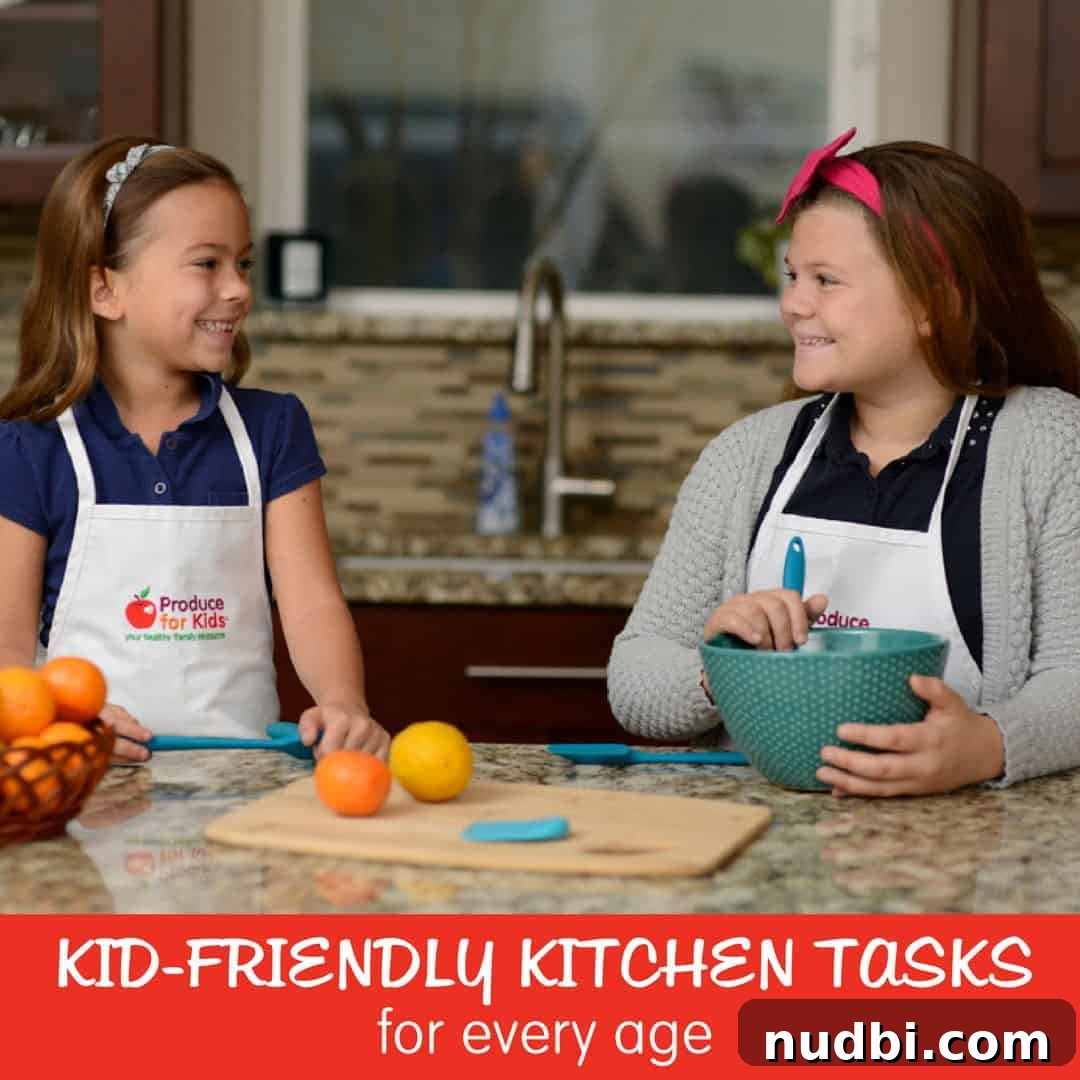
Cooking together as a family is an enriching experience that transcends the simple act of preparing a meal. It’s an opportunity to create lasting memories, foster stronger bonds, and potentially establish cherished family traditions that will be passed down through generations. Beyond the delicious food that graces your table, involving every family member in the culinary process brings a wealth of benefits, from skill development to enhanced family connection. And let’s be honest, those extra helping hands are always a welcome bonus!
Engaging children in the kitchen offers a unique and practical learning environment. It’s a hands-on classroom where kids naturally develop crucial life skills in areas like reading, mathematics, and science. Following a recipe hones their literacy; measuring ingredients sharpens their math abilities; and observing transformations in food during cooking introduces basic scientific principles. More profoundly, it provides invaluable opportunities for families to spend quality time together, communicating, collaborating, and learning from one another in a fun and interactive setting.
If you’re eager to invite your children into the heart of your home – the kitchen – and empower them to cook alongside you, the key is to assign tasks that are appropriate for their age and developmental stage. This approach ensures safety, builds confidence, and maximizes the learning experience. Here’s a guide to simple, engaging, and age-appropriate tasks designed to get your little ones actively involved in the magic of cooking, transforming them from observers to active participants.
Cultivating Culinary Skills: Age-Appropriate Kitchen Tasks for Every Child
Introducing children to cooking at a young age not only teaches them about food preparation but also instills a sense of responsibility, creativity, and self-sufficiency. By breaking down tasks into manageable steps suitable for different age groups, parents can create a positive and empowering cooking environment. From the tiniest helpers to aspiring independent chefs, there’s a role for everyone. Let’s explore how to engage your children in the kitchen at every stage of their development, transforming meal preparation into an exciting adventure.
Little Ones (Ages 1-3): Exploring Through Sensory Play
Even toddlers can be valuable kitchen helpers, albeit with tasks focused on sensory exploration and very simple motor skills. Supervision is paramount at this stage, but the joy of discovery and early participation sets a wonderful foundation. These tasks are perfect for developing fine motor skills, hand-eye coordination, and an early understanding of food.
- Washing Fruits and Veggies: Provide a bowl of water and let them wash hardy produce like apples, potatoes, or bell peppers. This simple task is fantastic for sensory play, introducing them to textures and temperatures, and teaching basic hygiene before food preparation. It also helps them connect with where food comes from.
- Mixing Ingredients by Hand: For non-hot ingredients like pancake batter, cookie dough, or a simple salad, let them use their hands (clean, of course!) or a child-safe spoon to mix. This develops their hand strength and coordination, and they love the tactile experience of combining different components.
- Mashing Potatoes or Vegetables: Using a child-friendly masher, they can help mash cooked potatoes, sweet potatoes, or avocados. This is excellent for developing gross motor skills and providing a satisfying sense of accomplishment as they see the transformation.
- Adding Pre-measured Ingredients: Have small bowls of pre-measured ingredients (flour, sugar, chocolate chips) and let them pour them into the main bowl. This teaches them about following instructions and introduces them to the concept of measurements without the complexity.
Next Level (Ages 4-6): Mastering Basic Tools and Simple Instructions
Children in this age group are ready for tasks that involve more specific instructions and the safe use of basic kitchen tools. This is where they begin to understand sequencing, develop greater precision, and take on slightly more responsibility. Emphasize safety and patience as they learn to navigate new challenges.
- Juicing Lemons/Limes: With a manual juicer, they can experience the cause-and-effect of squeezing citrus to extract juice. This builds hand strength and shows them how ingredients contribute to flavor.
- Cutting with a Plastic Knife: Introduce them to child-safe plastic knives for softer foods like bananas, cooked pasta, cheese, or soft vegetables. This teaches knife safety, cutting techniques, and develops fine motor control and precision. Consider these kid-friendly knives designed for safety and effectiveness.
- Setting the Table: A classic and valuable life skill. They can learn about place settings, counting utensils, and taking pride in preparing for a family meal. This reinforces organizational skills and responsibility.
- Spreading Butter or Spreads: Using a blunt knife or spatula, they can spread butter on toast, jam on bread, or frosting on cupcakes. This is great for fine motor control and learning to gauge appropriate amounts.
- Measuring Dry Ingredients: Introduce measuring cups and spoons for dry ingredients like flour, sugar, or oats. This is an excellent way to introduce basic math concepts, fractions, and the importance of accuracy in baking. These measuring bowls can make the process even more intuitive.
- Using Cookie Cutters: For baking projects, letting them use cookie cutters on rolled-out dough is a fun way to practice precision and creativity, while also developing hand strength.
Junior Chefs (Ages 7-10): Developing Independence and Following Recipes
At this age, children are ready for more complex tasks that require reading comprehension, attention to detail, and a greater understanding of the cooking process. They can start to follow multi-step instructions and even manage small parts of a recipe independently. This is a crucial stage for fostering true culinary independence.
- Reading Recipes: Encourage them to read through a recipe from start to finish. This not only enhances literacy skills but also teaches them to anticipate steps, identify necessary ingredients, and understand the sequence of cooking. You can assign them to read out the next step.
- Greasing and Lining Baking Pans: This task requires precision and understanding the purpose of each step. They can learn to evenly spread butter or oil and meticulously place parchment paper, ensuring successful baking results.
- Cracking Eggs: With a little practice and guidance, cracking eggs becomes a valuable skill. It develops dexterity and helps overcome the initial apprehension. Teach them how to crack neatly and remove any shell fragments.
- Pouring Ingredients: Moving beyond pre-measured ingredients, they can learn to measure and pour liquids and dry goods more accurately. This refines their understanding of volume and careful handling.
- Simple Chopping with a Real Knife (Supervised): Under strict adult supervision, introduce them to using a small, sharp paring knife for soft vegetables like cucumbers or fruits. Teach proper grip, cutting board safety, and the “claw” technique for finger protection.
- Whisking and Stirring on Stovetop (Supervised): With adult guidance, they can stir ingredients in a pot (ensuring the handle is turned inward) or whisk sauces. This introduces them to heat management and the importance of constant stirring for certain dishes.
- Making Simple Sandwiches or Salads: Empower them to assemble their own simple meals, choosing ingredients and learning about balanced eating. This builds confidence and independence.
Independent Kiddos (Ages 11 & up): Mastering the Kitchen and Meal Planning
By pre-teen and teenage years, with the right foundation of supervision and guidance, young adults can confidently tackle many of the kitchen tasks typically performed by adults. This stage focuses on refining skills, understanding culinary principles, and taking on more comprehensive responsibilities, including meal planning and scaling recipes. Encourage them to experiment and even lead the cooking process.
- Operating the Oven: Teach them safe handling of hot ovens, including preheating, using oven mitts, and understanding different baking temperatures and times. This is a significant step towards independent cooking.
- Using a Hand Mixer or Stand Mixer: Introduce them to electric kitchen appliances, explaining how they work, proper usage, and safety precautions. This is great for making cakes, whipping cream, or mixing dough more efficiently.
- Mapping Out Quantities Based on Number of Guests: This involves practical math and critical thinking. They can learn to scale recipes up or down, calculate ingredient amounts, and adjust cooking times accordingly. This skill is invaluable for entertaining and meal preparation.
- Following Complex Recipes Independently: Encourage them to choose and prepare entire dishes, from appetizers to main courses, with minimal supervision. This builds their problem-solving skills and culinary repertoire.
- Grocery List Creation and Budgeting: Involve them in planning meals for the week, creating grocery lists, and understanding how to shop efficiently and within a budget. This teaches financial literacy and practical planning.
- Basic Stovetop Cooking (Frying, Sautéing): Under close supervision initially, they can learn to pan-fry eggs, sauté vegetables, or make simple pasta sauces. Emphasize heat control, oil safety, and preventing burns.
- Understanding Food Safety: Reinforce proper food storage, cross-contamination prevention, and knowing when food is safely cooked. This is a critical life skill for health and well-being.
Setting the Stage for Success: Tips for Parents
Making family cooking an enjoyable and educational experience requires a little preparation and a lot of patience. Here are some essential tips to help you cultivate a love for cooking in your children:
- Start Small and Simple: Don’t overwhelm them (or yourself!). Begin with easy, quick recipes that have visible results, like cookies, fruit salad, or simple pasta.
- Prioritize Safety: Always emphasize kitchen safety, including handwashing, proper knife use, safe handling of hot items, and understanding appliance functions. Tailor safety talks to their age level.
- Embrace the Mess: Cooking with kids is inherently messy. Expect spills and splatters. A relaxed attitude about cleaning up later will make the process more enjoyable for everyone.
- Patience is Key: Children will take longer, make mistakes, and need repeated instructions. Offer encouragement, not criticism, and remember the goal is learning and bonding, not perfection.
- Make it Fun: Turn on some music, tell stories, or make silly faces. A joyful atmosphere makes the experience memorable and encourages continued participation.
- Let Them Choose: Whenever possible, let your children help select the recipe or ingredients. Ownership in the decision-making process increases their engagement and excitement.
- Be Flexible: Sometimes plans change. If a child isn’t in the mood, don’t force it. There will always be another cooking opportunity.
- Teach and Share: Explain why you’re doing certain steps, talk about the ingredients, and share family stories related to food. This enriches the experience beyond just the task at hand.
- Clean Up Together: Instill the importance of cleaning up after cooking as part of the process. Assign age-appropriate cleaning tasks, reinforcing teamwork and responsibility.
Beyond the Recipe: The Lasting Benefits of Family Cooking
The shared experience of cooking offers far more than just a meal; it’s a powerful tool for holistic child development and family cohesion. When children cook, they:
- Boost Academic Performance: Directly apply concepts from math (measurement, fractions), science (chemical reactions, states of matter), and reading (following instructions, understanding vocabulary).
- Develop Fine Motor Skills: Tasks like stirring, pouring, chopping, and kneading improve dexterity and coordination.
- Learn Problem-Solving: Adjusting ingredients, troubleshooting a recipe, or adapting to unexpected situations hones their critical thinking.
- Cultivate Healthy Eating Habits: Children are more likely to try and enjoy foods they have helped prepare. Understanding ingredients also demystifies healthy eating.
- Build Self-Esteem and Confidence: Successfully contributing to a meal gives children a sense of accomplishment and pride in their capabilities.
- Strengthen Family Bonds: Cooking together provides dedicated time for conversation, laughter, and collaborative effort, deepening relationships.
- Explore Culture and Heritage: Preparing traditional family recipes connects children to their roots and broadens their understanding of different cultures.
Now, with these ideas in mind, it’s time to don your aprons and get cooking in the kitchen! Embrace the journey, celebrate the small victories, and savor the moments. What are your kids’ favorite tasks in the kitchen, and what new culinary adventures will you embark on together?