
In a world increasingly driven by consumerism, a powerful counter-movement emerges each year, reminding us of the profound joy and impact of generosity. This movement is known as Giving Tuesday. Following the bustling retail frenzy of Black Friday and Cyber Monday, Giving Tuesday, celebrated on the Tuesday after Thanksgiving in the U.S., marks the official kickoff of the charitable season. It’s a day when individuals, families, businesses, and communities worldwide unite with a shared purpose: to give back. Since its inception in 2012, Giving Tuesday has blossomed from a simple idea into a global phenomenon, fostering a culture of philanthropy and collective action that extends far beyond a single day, inspiring year-round engagement and support for countless causes.
Giving Tuesday isn’t just about donating money; it’s a celebration of every act of kindness, big or small. It champions volunteering time, lending expertise, sharing a voice, or simply offering a helping hand to those in need. This global generosity movement has garnered immense momentum, demonstrating the collective power we hold to create positive change. When individuals and organizations worldwide dedicate themselves to a common goal, the ripple effect can be transformative. The initial spark in 2012 ignited a flame that now burns brightly across more than 80 countries, proving that the desire to contribute to a better world is a universal human trait. It underscores how grassroots initiatives, amplified through platforms like social media, can effectively mobilize vast numbers of people towards impactful action, just as we’ve witnessed with other successful community-driven programs.
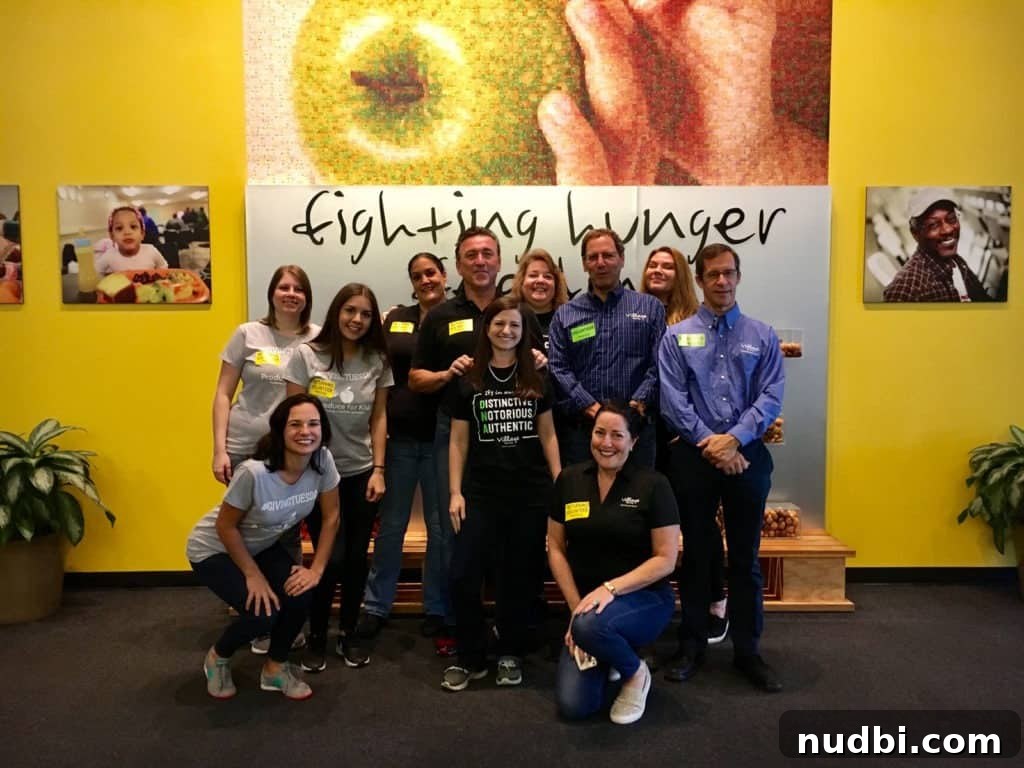
Embracing the Spirit of Generosity: Why Giving Tuesday Matters
Giving Tuesday serves as a poignant reminder that while economic activities are essential, the true wealth of a society lies in its compassion and willingness to support one another. It shifts our focus from acquisition to contribution, providing a much-needed pause for reflection during the holiday season. This annual event has successfully transformed a single day into a powerful platform for awareness, education, and direct action, encouraging millions to consider the needs of their communities and the wider world. Its success lies in its accessibility; it empowers everyone, regardless of their financial capacity, to participate in giving. Whether through a monetary donation, an hour of volunteering, or simply sharing a compelling story, every gesture contributes to a larger tapestry of generosity.
The movement’s profound impact is also evident in its ability to unite diverse groups under a common banner. Non-profits, schools, businesses, and faith-based organizations all leverage Giving Tuesday to raise crucial funds, recruit volunteers, and shine a spotlight on critical issues. This collaborative spirit fosters stronger communities and builds lasting relationships between donors and charitable causes. It’s a testament to the idea that when we pool our resources and efforts, the potential for positive societal change is limitless. By making giving a widely recognized and celebrated event, Giving Tuesday helps embed philanthropic values deeper into our cultural fabric, encouraging sustained engagement rather than just a one-off act of kindness.

Confronting a Critical Challenge: The Fight Against Hunger
While many causes vie for attention on Giving Tuesday, one issue stands out for its fundamental impact on human dignity and well-being: hunger. In the United States alone, the statistics are sobering. A staggering 46 million people rely on the vital network of Feeding America to secure nutritious meals for their families. This isn’t just a number; it represents parents struggling to provide for their children, seniors choosing between food and medication, and individuals facing difficult choices every single day. Perhaps most heartbreaking is the reality that 1 in 6 children may go to bed tonight unsure of where their next meal will come from. This isn’t just a challenge; it’s a crisis that undermines health, education, and the fundamental potential of future generations.
Food insecurity extends beyond mere hunger; it leads to a host of health problems, impairs cognitive development in children, reduces productivity in adults, and traps families in cycles of poverty. It’s a systemic issue requiring sustained attention and collective action. Now, more than ever, there is an urgent imperative to escalate our efforts in the fight against hunger. Our compassion must translate into tangible support for the organizations on the front lines, those working tirelessly to ensure no one is left behind. This Giving Tuesday, let us channel our collective generosity towards this pressing issue, making a tangible difference in the lives of millions who face the daily struggle for food.
Your Commitment, Your Impact: Practical Ways to Give Back This Giving Tuesday
This Giving Tuesday, and throughout the holiday season, I extend a personal challenge to each of you: commit to dedicating a few moments or a few hours to giving back. Every contribution, no matter how small, adds up to a monumental impact. The beauty of Giving Tuesday lies in its flexibility, offering diverse avenues for participation tailored to your schedule and resources. Here are actionable ideas to inspire your generosity and help combat hunger in our communities:
If you have 10 minutes…
- Scan Your Pantry: Take a quick look through your kitchen pantry for any non-perishable food items that are still well within their expiration date. Think about canned goods (vegetables, fruits, soups, tuna), dried pasta, rice, cereals, and peanut butter. These staple items are always in high demand at food banks. A rapid collection of just a few items from your shelves can make an immediate difference.
- Grab Extra Items at the Grocery Store: On your next trip to the supermarket, consider adding a few extra non-perishable items to your cart specifically for donation. Many stores have designated donation bins, or you can drop them off directly at a local food bank. This simple act integrates giving into your routine without requiring significant extra time or effort.
- Make a Quick Online Donation: A monetary donation, even a small one, can often go further than donated goods. Food banks have established purchasing power and can buy in bulk, often securing nutritious food at a fraction of retail cost. Spend a minute or two visiting the website of your preferred hunger-relief organization to make a secure online contribution. Your financial support provides vital operational funds and flexibility.
- Amplify Awareness on Social Media: Use your digital voice to share information about hunger in your community and highlight organizations that are making a difference. A simple post, retweet, or share can educate your network, encourage others to donate, or recruit new volunteers. Your influence, however small it may seem, can inspire a ripple effect of generosity.
If you have 10 hours…
- Volunteer at Your Local Food Bank: Dedicate a few hours or a full day to directly assist those struggling with hunger in your community. Food banks rely heavily on volunteers for a multitude of tasks. You could be sorting incoming donations, packing food boxes for distribution, organizing shelves, or even helping with administrative duties. Volunteering provides a firsthand understanding of the issue and offers immense personal satisfaction from directly contributing to a vital cause.
- Assist at a Soup Kitchen: Many communities have soup kitchens that serve hot meals to individuals and families experiencing homelessness or food insecurity. Your 10 hours could be spent preparing food, serving meals, cleaning up, or engaging in conversation with guests, offering not just sustenance but also companionship and dignity.
- Participate in a Community Garden Project: If you enjoy outdoor activities, consider volunteering at a community garden that grows fresh produce for local food pantries. Your time spent planting, weeding, and harvesting directly contributes to providing fresh, healthy options for those who might otherwise lack access to them.
If you have 10 days…
- Organize a Food Drive: Take the initiative to organize a comprehensive food drive within your neighborhood, workplace, place of worship, or school. This involves planning, promotion, collection, and delivery. It’s an excellent way to mobilize a larger group and collect a significant amount of food. Start by setting a goal, creating a list of most-needed items (often provided by local food banks), designing flyers, and coordinating collection points and times. Partnering with community leaders or local businesses can expand your reach and impact.
- Launch a Virtual Fundraising Campaign: Leverage online platforms to create a fundraising campaign for a specific hunger-relief charity. Over 10 days, you can promote your campaign through emails, social media, and personal appeals, engaging your network to contribute financially. Many platforms make it easy to track progress and share your story, inspiring greater donations.
- Advocate for Policy Change: Dedicate time to research and understand the root causes of hunger and advocate for policies that address food insecurity at a systemic level. This could involve writing letters to elected officials, participating in awareness campaigns, or joining local advocacy groups. Sustainable change often requires addressing the underlying issues that contribute to hunger.
The Power of Collective Action: Building a Healthier Future
The vision of a hunger-free America, where every individual has consistent access to nutritious food, might seem ambitious, but it is entirely achievable through the collective power of our actions. Every can of food donated, every hour volunteered, every dollar contributed, and every story shared builds momentum towards this crucial goal. Giving Tuesday serves as a powerful reminder that our individual efforts, when combined, create an unstoppable force for good. It’s about recognizing our shared humanity and stepping up to support those who are most vulnerable among us.
By participating in Giving Tuesday, you become part of a global movement dedicated to creating a more compassionate and equitable world. Your actions, big or small, contribute directly to alleviating suffering and fostering stronger, healthier communities. Let us harness the spirit of generosity that defines this incredible day and extend it throughout the year. Together, by committing ourselves to these acts of kindness and solidarity, we can indeed make significant strides towards ending hunger in America and, in doing so, help cultivate a healthier, more resilient generation for the future.