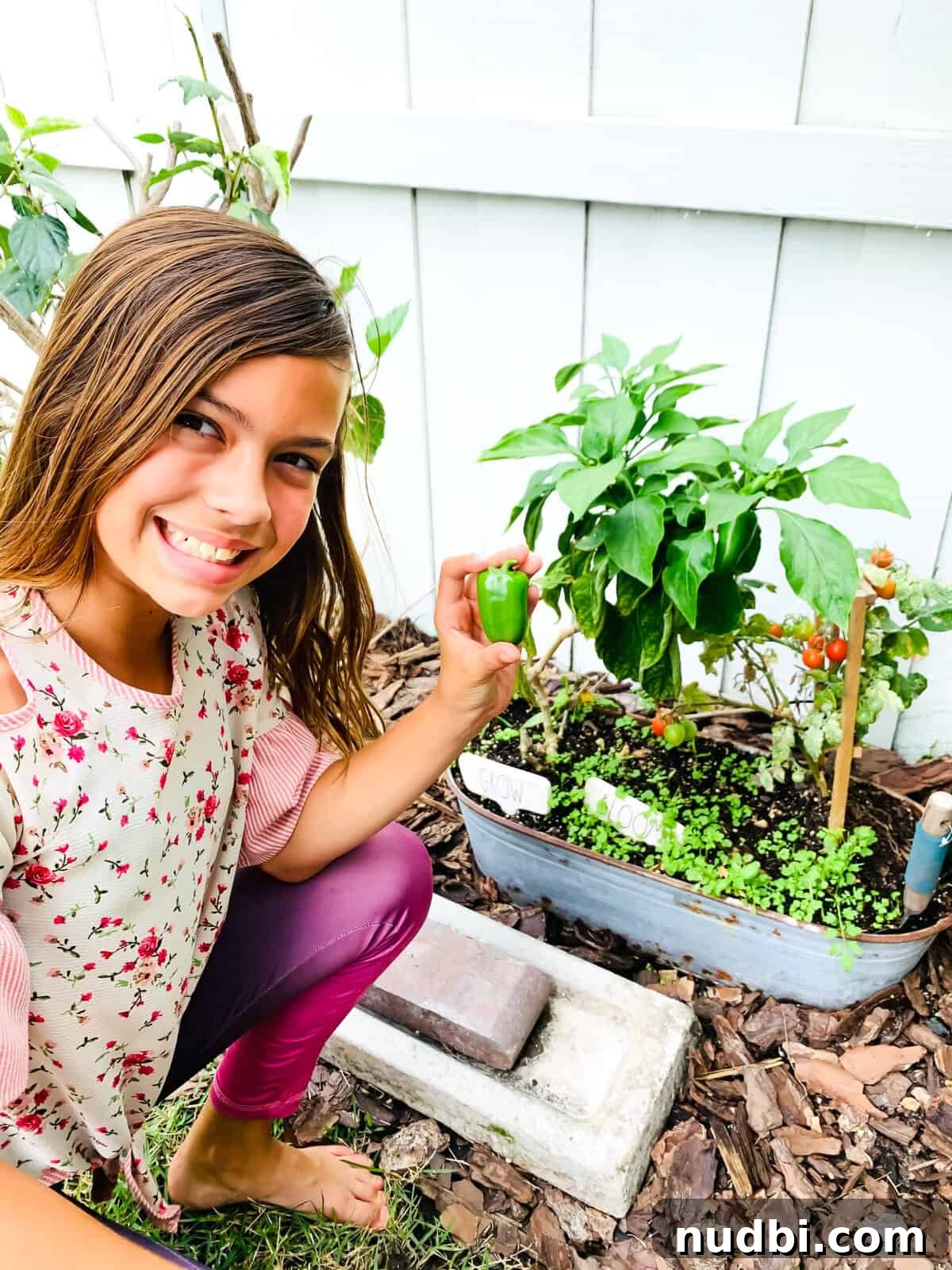
Dreaming of a lush garden but feel like your thumbs are anything but green? You’re not alone! Many aspiring gardeners hesitate, fearing failure or simply not knowing where to begin. But cultivating a vibrant garden, whether a small collection of herbs on your windowsill or a bountiful backyard patch, is more accessible than you might think. With the right foundational knowledge and a sprinkle of patience, anyone can transform into a successful gardener. This comprehensive guide is packed with essential beginner gardening tips designed to demystify the process and help you nurture your plants from humble seeds to thriving harvests or beautiful blooms. Say goodbye to the “black thumb” myth and hello to the rewarding world of gardening!
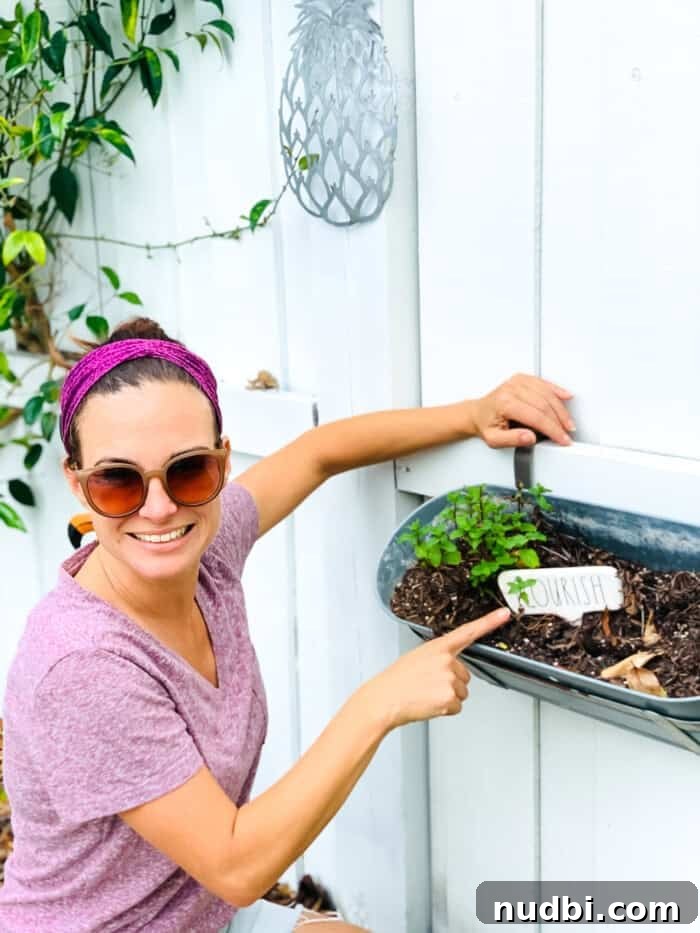
There’s an undeniable magic in gardening, a profound satisfaction in watching life unfold from a tiny seed, transforming into a vibrant plant that eventually yields delicious food or stunning flowers. It’s a journey of nurturing, observing, and connecting with nature that offers immense joy and a sense of accomplishment. Beyond personal fulfillment, gardening provides a fantastic educational opportunity for children, allowing them to witness firsthand the miracles of growth and the origins of their food. While my own gardening journey has involved its share of learning through trial and error (rest in peace, countless leafy friends!), these foundational tips will equip you with the knowledge to avoid common pitfalls and embark on a flourishing gardening adventure.
Understanding Your Climate: The Importance of Planting Zones
The very first step to successful outdoor gardening is to understand your local climate, specifically your planting zone. Also known as USDA Plant Hardiness Zones, these zones are geographical areas defined by their average annual minimum winter temperature. This information is crucial because it indicates which plants are most likely to survive the winter in your region. Ignoring your planting zone is one of the most common reasons beginners face disappointment.
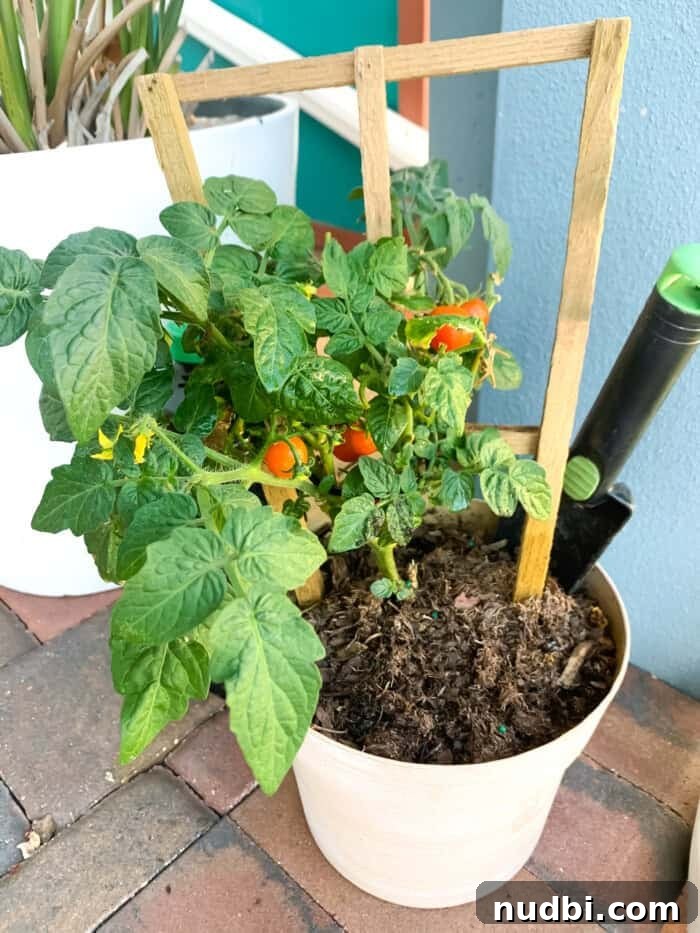
Before purchasing seeds or plants, always check the back of the packet or the plant tag for recommended planting zones and optimal timing. You might be surprised to find that plants readily available in your local nursery aren’t always ideally suited for your specific zone. This doesn’t mean you can’t grow them, but it might require extra care or mean they’ll behave as annuals rather than perennials in your climate. For instance, a perennial in a warmer zone might only survive a single growing season as an annual if planted in a colder region.
To find your specific USDA Hardiness Zone, a quick online search with your zip code will provide accurate results. Once you know your zone, you can research plants that naturally thrive there, dramatically increasing your chances of success. However, remember that microclimates within your garden (e.g., a sheltered spot against a south-facing wall) can also influence plant survival. For plants not ideally suited for outdoor planting in your zone, consider growing them indoors in pots where you can control the environment. A little preliminary research goes a long way in ensuring your plants get the best possible start.
Maximizing Small Spaces: Thinking Inside the Pot for Edible Gardens
Don’t have a sprawling backyard? No problem! Container gardening is an excellent solution for growing your own food, regardless of the space available. Balconies, patios, windowsills, and even small urban backyards can become productive edible gardens with the right approach. The beauty of container gardening lies in its flexibility, allowing you to control soil conditions, manage pests more easily, and even move plants to optimize sunlight or protect them from adverse weather.
Many popular vegetables and herbs thrive in pots. For beginners, some of the easiest and most rewarding edible plants to start with include:
- Tomatoes: “Determinate” or “bush” varieties are ideal for containers. Look for grape or cherry tomato types, which are prolific and don’t require as much support as larger indeterminate varieties.
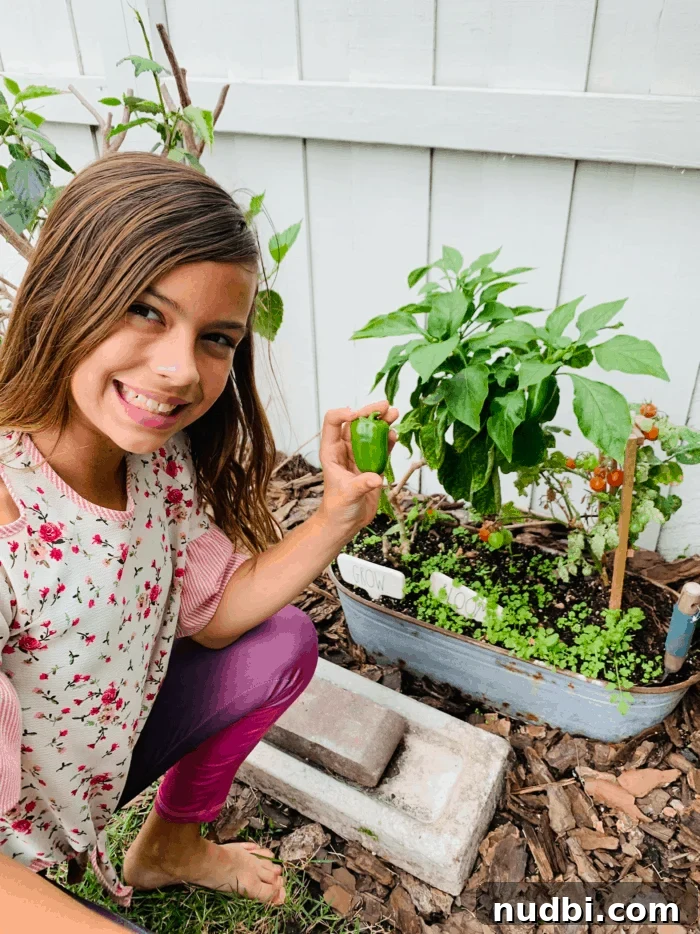
- Peppers: Mini bell peppers, banana peppers, and even smaller chili varieties are well-suited for pots. They love warmth and sunshine.
- Lettuce and Leafy Greens: Surprisingly, lettuce, spinach, and kale have shallow root systems, making them perfect for pots as shallow as 6 inches deep. You can even harvest outer leaves continuously for an extended yield.
- Radishes: These quick-growing root vegetables only need a 4-inch-deep pot and can be harvested in as little as 3-4 weeks.
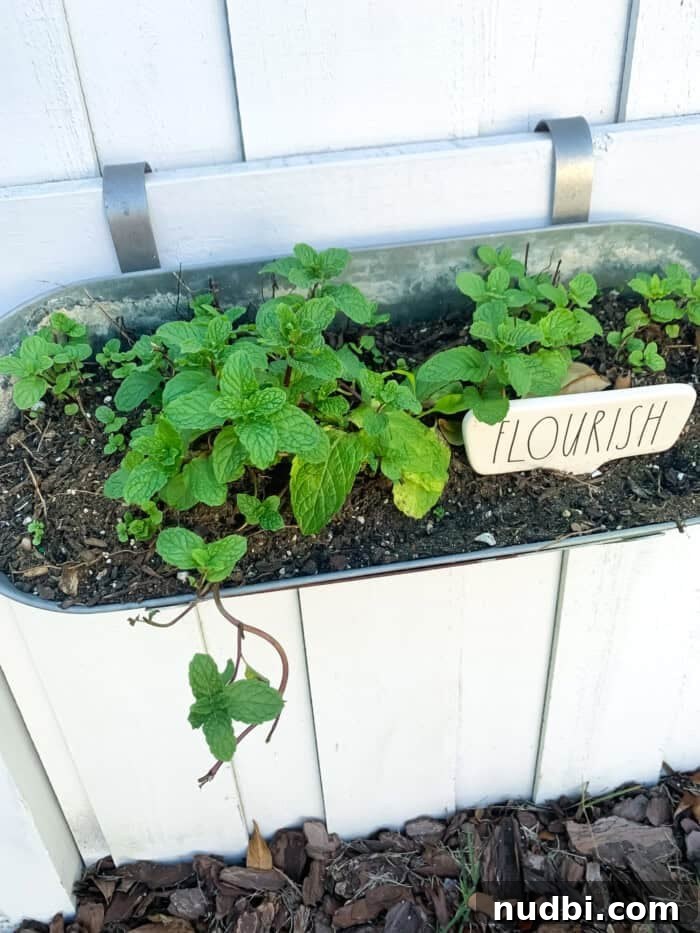
- Herbs: Most herbs are excellent for container growing. Mint is exceptionally hardy and spreads vigorously, so it’s often best grown in its own pot to prevent it from taking over other plants. Basil, cilantro, rosemary, and thyme are also relatively easy to cultivate and provide fresh flavors for your culinary endeavors.
When selecting pots, ensure they have adequate drainage holes to prevent waterlogging, which can lead to root rot. Terra cotta pots are breathable, but plastic or glazed ceramic pots retain moisture longer, which can be an advantage in hot climates. Choose a pot size appropriate for the mature size of the plant; while lettuce is fine in a small pot, a determinate tomato plant will need a larger container, perhaps 5-gallon capacity or more, to support its growth.
Fostering Biodiversity: The Essential Role of Attracting Pollinators
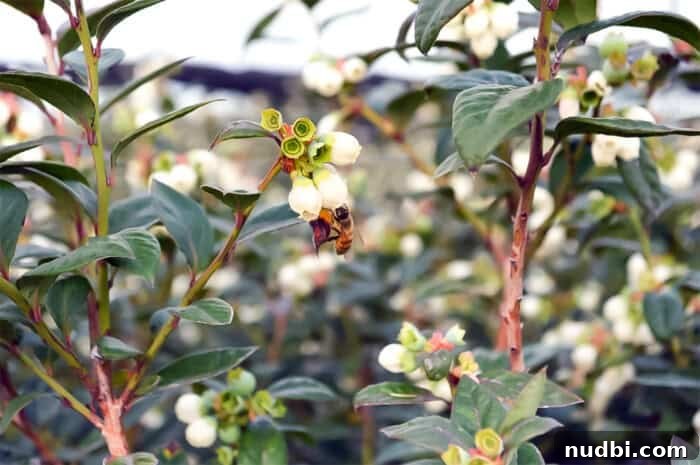
A thriving garden is a buzzing garden! Pollinators, such as bees, butterflies, hummingbirds, and even some beetles, are vital for the health of your garden and the broader ecosystem. They transfer pollen from one flower to another, enabling plants to reproduce and produce fruits, vegetables, and seeds. Without pollinators, much of the food we eat wouldn’t exist.
Integrating pollinator-attracting plants into your garden is a simple yet powerful way to boost your harvest and contribute to environmental conservation. Consider planting a diverse range of flowers, herbs, and shrubs that provide nectar and pollen throughout the growing season. Some excellent choices include:
- Annuals: Zinnias, cosmos, sunflowers, marigolds, and salvia are colorful and irresistible to many pollinators.
- Perennials: Echinacea (coneflower), lavender, bee balm, sedum, and aster provide long-lasting blooms and sustenance.
- Herbs: Allow some of your herbs, like basil, oregano, and chives, to flower – their blossoms are a magnet for bees.
- Shrubs: Butterfly bush and certain varieties of hydrangeas offer significant floral resources.
Beyond specific plants, you can create a pollinator-friendly habitat by providing a shallow water source (like a bird bath with pebbles for bees to land on) and avoiding harsh chemical pesticides, which can harm beneficial insects. By attracting these essential garden helpers, you’re not only enhancing your garden’s productivity but also supporting biodiversity and the health of our planet.
The Art of Hydration: Watering Your Plants Just Right
Water is life, but too much of a good thing can be detrimental, especially for plants. One of the most common mistakes new gardeners make is overwatering, which can suffocate roots, lead to fungal diseases, and ultimately kill your plants. Understanding your plants’ watering needs is a critical skill that comes with observation and practice.
Instead of sticking to a rigid watering schedule, learn to “listen” to your plants and assess the soil moisture. Here’s how:
- Feel the Soil: The simplest method is to stick your finger about 1-2 inches deep into the soil. If it feels dry, it’s time to water. If it’s still damp, wait. For larger pots or garden beds, you might need to check a bit deeper.
- Observe Your Plants: Wilting leaves can indicate a need for water, but they can also be a sign of overwatering (due to root damage). With experience, you’ll learn to differentiate between a thirsty plant’s droop and an overwatered one’s limpness. Yellowing leaves can also be a sign of improper watering.
- Consider Pot Weight: For container plants, lift the pot when it’s dry and note its weight. Water it thoroughly, and then lift it again. You’ll quickly learn to gauge the moisture level by the pot’s weight.
When you do water, do it thoroughly until water drains from the bottom of the pot or significantly moistens the garden bed. This encourages deep root growth. Watering deeply but less frequently is generally better than frequent, shallow watering. Water in the early morning to minimize evaporation and allow foliage to dry before evening, reducing the risk of fungal diseases. For container plants, a helpful resource on proper watering techniques is often found in guides like “10 Tips for Watering Plants Growing in Containers.”
Encouraging Vigor: The Art of Trimming and Pruning
Many new gardeners are hesitant to prune, fearing they might harm their plants. However, trimming and pruning are essential practices that encourage healthier, stronger, and more productive growth. Think of it like a haircut for your plants – removing dead or unruly parts allows the plant to redirect energy to new, vibrant growth.
Regular pruning offers several benefits:
- Improved Air Circulation: Removing dense foliage helps air flow through the plant, reducing the risk of fungal diseases.
- Stimulates New Growth: Pruning often encourages the plant to branch out, leading to a bushier, fuller appearance and more flowers or fruits.
- Removes Dead or Diseased Parts: Cutting away damaged or infected branches prevents the spread of disease and allows the plant to focus energy on healthy tissue.
- Shapes the Plant: Pruning can help maintain a desired size and shape, especially for hedges, shrubs, and trees.
- Boosts Production: For many fruiting plants, strategic pruning can increase yield and fruit quality.
The general rule of thumb is to remove any dead, damaged, or diseased branches as soon as you spot them. For aesthetic pruning or to encourage bushier growth, aim to cut just above a leaf node or a side branch. Use clean, sharp pruning shears to make clean cuts, which heal faster and reduce the risk of infection. While your plant might look a bit sparse immediately after a trim, give it a week or two, and you’ll likely see a flush of new, vigorous growth. Regular trimming is key to long-term plant health and beauty.
The Foundation of Growth: Enriching Your Soil Naturally
Soil is not just dirt; it’s a complex ecosystem teeming with life, providing essential nutrients, water, and support for your plants. Healthy soil is the bedrock of a successful garden. While store-bought fertilizers are available, enriching your soil with natural, organic matter is a sustainable and highly effective approach that benefits your plants and the environment.
For container plants, I prefer to control the soil composition, using high-quality potting mix and enriching it regularly. Even for in-ground gardens, amending your soil is crucial. Did you know everyday kitchen scraps can be transformed into powerful plant food?
- Coffee Grounds: Leftover coffee grounds are a fantastic source of nitrogen, which promotes lush, green foliage. They also help acidify the soil slightly, which is beneficial for acid-loving plants like blueberries and hydrangeas. I collect coffee grounds throughout the week, mix them with water, and pour this nutrient-rich “tea” around my plants. You’ll often see an immediate perk-up!
- Crushed Eggshells: Eggshells are primarily calcium carbonate, an essential nutrient that strengthens cell walls, preventing issues like blossom end rot in tomatoes and peppers. Crushing them finely and mixing them into the soil provides a slow-release calcium supplement and can also act as a physical deterrent for some soft-bodied pests like slugs and snails.
Beyond these kitchen scraps, consider starting a compost pile. Composting transforms organic waste (vegetable scraps, grass clippings, leaves) into nutrient-rich humus that improves soil structure, water retention, and fertility. Other natural soil amendments include worm castings (a superfood for plants), aged animal manure, and compost tea. Prioritizing soil health means you’re feeding the soil, which in turn feeds your plants, leading to robust growth and abundant yields.
Protecting Your Harvest: Natural Pest Control Strategies
Pests are an inevitable part of gardening, but dealing with them doesn’t have to involve harsh chemicals. Adopting an organic pest management approach protects your plants, beneficial insects, and the environment. While challenges may arise, especially in humid climates or areas with specific pest pressures, a proactive and integrated strategy can keep your garden healthy.
Here are several natural methods to ward off unwelcome guests:
- Companion Planting: Some plants naturally deter pests. For example, marigolds are known to repel nematodes and other harmful insects, while basil can deter flies and mosquitoes. Planting these beneficial companions strategically can create a natural defense system.
- Hand-Picking: For larger pests like tomato hornworms or slugs, manual removal can be very effective. Inspect your plants regularly and simply pick off the culprits.
- Neem Oil: As mentioned, Neem oil is a popular organic pesticide derived from the neem tree. It works as an insecticide, fungicide, and miticide, disrupting pests’ feeding and reproductive cycles. It’s safe for beneficial insects once dry, but requires consistent reapplication and vigilance.
- Insecticidal Soap: A simple solution of mild soap and water can effectively treat soft-bodied pests like aphids, spider mites, and whiteflies by suffocating them.
- Attract Beneficial Insects: Encourage “good bugs” like ladybugs, lacewings, and predatory wasps, which prey on common garden pests. Planting dill, fennel, and other small-flowered plants can attract these natural predators.
- Crop Rotation: Changing the location of your crops each season can confuse pests and prevent them from building up populations in specific areas.
- Physical Barriers: Row covers, netting, or even simple fences can protect vulnerable plants from larger pests like birds, rabbits, or even deer.
Remember, a healthy plant is more resilient to pest attacks. By focusing on good soil, proper watering, and adequate sunlight, you’ll naturally reduce the susceptibility of your plants to pest infestations. Observing your garden regularly will help you catch issues early and implement solutions before they escalate.
Embarking on your gardening journey is an incredibly rewarding experience. It teaches patience, fosters a connection with nature, and offers the immense satisfaction of nurturing life. My best advice is to embrace the process, learn from every success and setback, and take time to appreciate the abundance and beauty that our Earth provides. Remember, every expert gardener was once a beginner, and with these tips, you’re well on your way to cultivating your own green oasis.
For more detailed insights on optimizing small spaces and maximizing environmental impact, I highly recommend listening to the recent podcast with Heather Manzo from the Allegheny Conservation District. She shares invaluable tips for making the most of your compact garden.
To help you get started, here are a few essential gardening tools that will make your experience more enjoyable and efficient:
- Durable Gardening Gloves: The right pair of gloves protects your hands from thorns, dirt, and blisters, making gardening a much more pleasant activity. Look for a pair that offers good dexterity and water resistance.
- Sharp Bypass Pruning Shears: Essential for making clean cuts when trimming plants, harvesting vegetables, or removing dead branches. Bypass shears are preferred for live stems as they make a clean, scissor-like cut.
- Neem Oil: A natural, multi-purpose organic solution for tackling common garden pests and fungal issues. It’s a must-have for any organic gardener.
- Fence Planters or Railing Planters: Perfect for maximizing vertical space and ideal for growing herbs, strawberries, or small flowers over a fence or railing, especially in urban settings.
- Hand Trowel: A small, sturdy trowel is indispensable for digging holes for planting, transplanting seedlings, and breaking up small clumps of soil in containers.
- Watering Can or Hose with a Gentle Nozzle: Ensures your plants receive water efficiently without damaging delicate foliage or washing away soil.