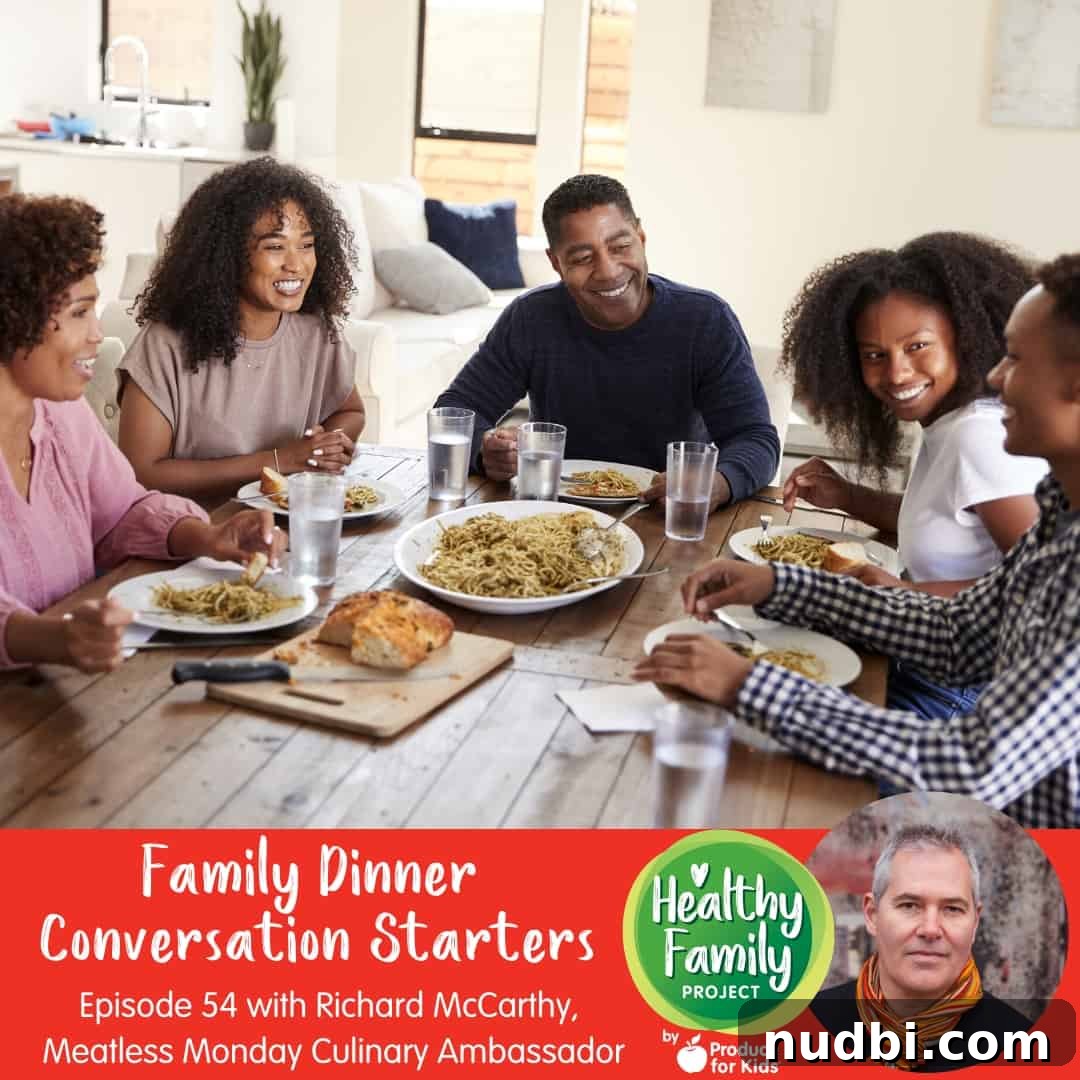
In an increasingly fast-paced world, the simple act of gathering around the dinner table can feel like a rare luxury. Yet, it remains one of the most powerful traditions for fostering family bonds, sparking meaningful conversations, and nurturing a holistic approach to health. This episode of the Healthy Family Project podcast dives deep into the profound importance of family dinner, guided by Richard McCarthy, the esteemed Culinary Ambassador for Meatless Monday. We explore not just what we eat, but how we connect, share, and grow together, making every meal an opportunity for discovery.
Richard McCarthy is a renowned community development specialist whose career has consistently championed positive behavioral change through the power of food. His philosophy is simple: inspire rather than enforce. A testament to this approach came in 2005 when he pioneered one of the nation’s first farmers market incentive programs in New Orleans, designed to boost local vegetable consumption among SNAP consumers. This initiative beautifully illustrates his belief in placing “carrots ahead of sticks,” empowering communities to make healthier, more sustainable food choices.
Based in vibrant Brooklyn, NY, Richard’s passion for food extends into his home kitchen, where he and his wife and daughter embark on culinary adventures. They meticulously explore the traditional knowledge embedded within global cuisines, transforming ordinary, affordable ingredients into extraordinary culinary surprises, always with a focus on vegetables. As an accomplished author, broadcaster, and organizer, Richard profoundly understands food’s unique ability to serve as a vital bridge between people, cultures, and generations. His work with Slow Food International, an organization dedicated to preserving traditional and regional cuisine and encouraging the farming of plants, seeds, and livestock characteristic of the local ecosystem, further solidifies his commitment to a food system that is good, clean, and fair for all.
Beyond his formal roles, Richard’s personal contributions to the food movement are extensive:
- Writings: Discover his insightful article, “Slow Down with Banana com Queijo,” offering a glimpse into delightful, plant-forward traditions.
- Radio: Tune into his engaging segments on “Farmers Market Minute” on WWNO-FM, where he shares practical tips and insights for local eating.
- Video: Watch his compelling narratives, including “From Disaster to Dessert,” detailing the rebuilding efforts after Hurricane Katrina, and his thoughtful Debate with Sam Kass at the prestigious James Beard Foundation, discussing the future of our food system.
The Transformative Power of Family Meals
In our current environment, where the lines between work, school, and home life have blurred, establishing routines and structures is more critical than ever. Richard emphasizes that shared meals provide this essential structure, demarcating the day and creating a cherished social space. It’s a dedicated time to set aside digital distractions, connect face-to-face, and savor both the food and the company.
While organizations like Slow Food and Meatless Monday champion the importance of nutritious and sustainable eating, the act of eating together transcends mere sustenance. It’s a fundamental human experience that builds community and strengthens familial bonds. In an age where eating alone is increasingly common, the dinner table offers a vital antidote. Solitary eating often leads to quicker, less mindful consumption, whereas shared meals encourage slower eating, active conversation, and a deeper appreciation for food as a bridge to other cultures, people, and, most importantly, each other.
The recent global pause has, for many, inadvertently created more opportunities for family meals. This unexpected gift has allowed families to rediscover aspects of one another that might have been overlooked in the hustle of daily life. Amanda, the podcast host, shares her personal revelation during this time: truly understanding her children’s individual learning styles, a profound insight that would have been difficult to gain otherwise. These shared moments, whether at breakfast, lunch, or dinner, become invaluable opportunities for learning, growth, and deeper connection.
Sparking Dialogue: Effective Conversation Starters
The image of the dinner table as an austere, rule-bound place where children are seen but not heard is outdated and counterproductive. Instead, it should be a warm, participatory space for genuine connection. Richard shares a brilliant technique his family adopted after Hurricane Katrina, introduced by his then-young daughter: “Roses and Thorns.” This simple yet powerful game encourages everyone to share one positive experience (a “rose”) and one challenging moment (a “thorn”) from their day. It transforms the table into a safe forum for transparency, allowing families to navigate tricky issues, discuss fears, and foster empathy.
For families who find conversation doesn’t flow easily, especially amidst stress or tragedy, food itself can be the perfect starting point. Involving everyone in the meal process—from planning “what are we having tonight?” to setting the table—transforms family members into “protagonists” rather than passive consumers. This shared ownership cultivates a sense of accountability and collective effort, aligning with the principles of Slow Food and Meatless Monday in fostering thoughtful engagement with our food system.
Engaging Tweens and Teens
The “yes or no” answer phase of tweens and teens can be particularly challenging. Their desire to quickly eat and return to their digital worlds often clashes with parents’ hopes for meaningful dialogue. Richard offers a clever strategy: give them the floor. Instead of demanding answers, try saying, “You can leave, but first, you need to ask me a question.” This empowers them, allowing them to shape the discussion around topics important to them, even if seemingly “insular.” It flips the dynamic, making them active participants in the conversation rather than reluctant responders.
Another helpful tactic, especially for younger children but adaptable for older ones, is the “no thank you bite.” If a child dislikes a dish, they must take just one bite before declaring their preference. Surprisingly, one bite often leads to ten, expanding palates and fostering openness to new flavors. These small games of “outsmarting” children, in the most loving way, lay the groundwork for a lifelong adventurous relationship with food.
Healthy Bite Featuring US Cranberries
Speaking of adventurous eating and healthy habits, let’s talk about a delightful snack that epitomizes convenience and nutrition. Today’s Healthy Bite, brought to you by our partners at US Cranberries, features irresistible No-Bake Cranberry Pistachio Bites! These simple-to-make energy bites are a fantastic way to introduce kids to wholesome ingredients and get them involved in the kitchen.
These delicious bites are packed with nourishing ingredients like oats, dried cranberries, pistachios, creamy peanut butter, and flaxseed, all gently sweetened with a touch of maple syrup. They are designed to keep kids feeling full and energized, staving off hunger until the next meal. The best part? No baking is required, making them incredibly easy for kids to prepare themselves, fostering independence and culinary confidence. Dried cranberries are not only tasty but also sodium, fat, and cholesterol-free, offering a healthy burst of flavor. For those with allergies, peanut butter can easily be swapped for a non-nut butter, and other seeds or coconut can be added for creative variations. Discover more delicious ways to use cranberries this summer by visiting our partners at US Cranberries.
Kids in the Kitchen: From Consumers to Creators
Involving children in meal preparation, as Amanda’s daughters did with their “restaurant” experience, provides far more than just extra hands. It instills a deep sense of pride and understanding in the art of hospitality. Richard notes that like professional chefs, children find immense joy in making others happy through food. Becoming a host, rather than just a guest, shifts their perspective and allows them to appreciate the dignity of labor and the creativity involved in culinary endeavors.
Cooking is a complex interplay of timing, measurement, and creativity—skills often better learned hands-on than through abstract lessons. When children actively participate, they gain authorship over their food, understanding the effort and thought that goes into each meal. This experience counters the tendency to “outsource” food preparation to experts, reminding them that everyone can be a capable and creative participant in the kitchen. Special events like a monthly “restaurant night” or even just one designated “kids cook” day can transform meals from a dreaded ordeal into a daily highlight, creating cherished food memories that last a lifetime.
Food as a Bridge: Embracing Diversity and Culture
In a world often defined by boundaries and divisions, food offers a unique and delicious way to break down walls and embrace diversity. Richard eloquently states, “Exploring foods from different regions around the country, and even around the world, allows you to embrace diversity in a different way, and often demystifies other cultures.” Food is a universal language, revealing how diverse yet similar we all are. It teaches agility in navigating the unfamiliar, a crucial skill in our increasingly uncertain world.
The journey through global cuisines, particularly plant-forward dishes, reveals the incredible versatility of common ingredients. Think of chickpeas, which can transform from a simple salad ingredient to a creamy hummus, or the countless variations of rice and beans found across continents. These “great peasant foods of the world” are often affordable, nutritious, and incredibly diverse in their preparation, offering endless creative possibilities. By exploring these dishes, families not only expand their palates but also develop a deeper connection to the global community, fostering curiosity and an openness to new experiences. It’s an adventure that celebrates the vibrant tapestry of human culture, one delicious meal at a time.
What It Means to Be a Healthy Family
When asked about the definition of a “healthy family,” Richard McCarthy emphasizes two core ingredients: transparency and trust. Transparency involves openly sharing how decisions are made within the family and not shielding children from the realities of the outside world, but rather helping them understand it. Trust, he believes, is everything. When children trust their parents, they are more willing to try new experiences, including the “strangest foods.” Preserving both transparency and trust creates a secure and supportive environment where a family can thrive and grow together.
Healthy Family Project: Community Engagement
Thank you so much for supporting the Healthy Family Project Podcast! Your feedback is invaluable in helping us bring you the best possible content. We would be incredibly grateful if you could take just 5 minutes to complete our listener survey:
- Take the survey here.
Stay connected with the Healthy Family Project and receive a weekly dose of inspiration directly in your inbox. Our e-newsletter delivers healthy recipe ideas, our latest blog posts, and exclusive tips to help your family thrive:
- Sign up for the Healthy Family Project e-newsletter today!
Join our vibrant online community where parents and caregivers can share insights, ask questions, and support each other on the journey to raising a healthy family. From tackling picky eaters and boosting fruit and veggie intake to family fitness and mental wellness, our Facebook group is a safe and welcoming space for all:
- Join our Healthy Family Project Facebook group!
Want to skip straight to a hot topic? See time stamps below. But of course, we recommend listening all the way through!
- 3:59 Welcome, Richard!
- 5:54 Why are family meals important?
- 12:13 Starting Family Conversations: Rose & Thorns
- 14:11 How to get family conversations flowing
- 19:53 How to engage with your tweens and teens
- 23:14 Healthy Bite Featuring US Cranberries
- 25:22 Why is it important for kids to have a say in dinner?
- 31:01 The benefits of exploring different cultures through food
- 35:56 What does a healthy family mean to you?
Relevant Links
- Check out our newly designed Healthy Family Project website!
- Shop our #WhatsYourCause shirts & give back to Feeding America.
- Follow Meatless Monday on Instagram & Facebook.
- Get recipe ideas from Meatless Monday.
- Jump Start Dinner with These Conversation Starters.
- Explore resources from Kids Cook Monday.
- Learn more about Slow Food International.
Other Podcast Episodes to Check Out:
- Episode 52: Fresh Produce 101: How to Pick, Clean & Store
- Episode 48: Conquering Mealtime Struggles
- Episode 35: Helping Kids Make Good Choices
Healthy Family Project Podcast: Listen and Subscribe
The Healthy Family Project Podcast offers engaging conversations covering hot topics in the world of health, food, and family, always delivered with a dose of fun. Our mission is to help families smoothly transition into a fresh and healthy lifestyle, making wholesome choices enjoyable and accessible.
Be on the lookout for new bi-weekly episodes designed to inspire and inform. Don’t forget to subscribe on your favorite platform, including Apple Podcasts, Google Podcasts, Spotify, or any other podcasting site you prefer. If you enjoy an episode, please consider leaving a rating and comment; your feedback helps us reach more families seeking healthier living.
Are you interested in being a guest on the Healthy Family Project podcast? We welcome passionate individuals with compelling topic ideas that align with our mission. Please contact [email protected] with your proposal for consideration.