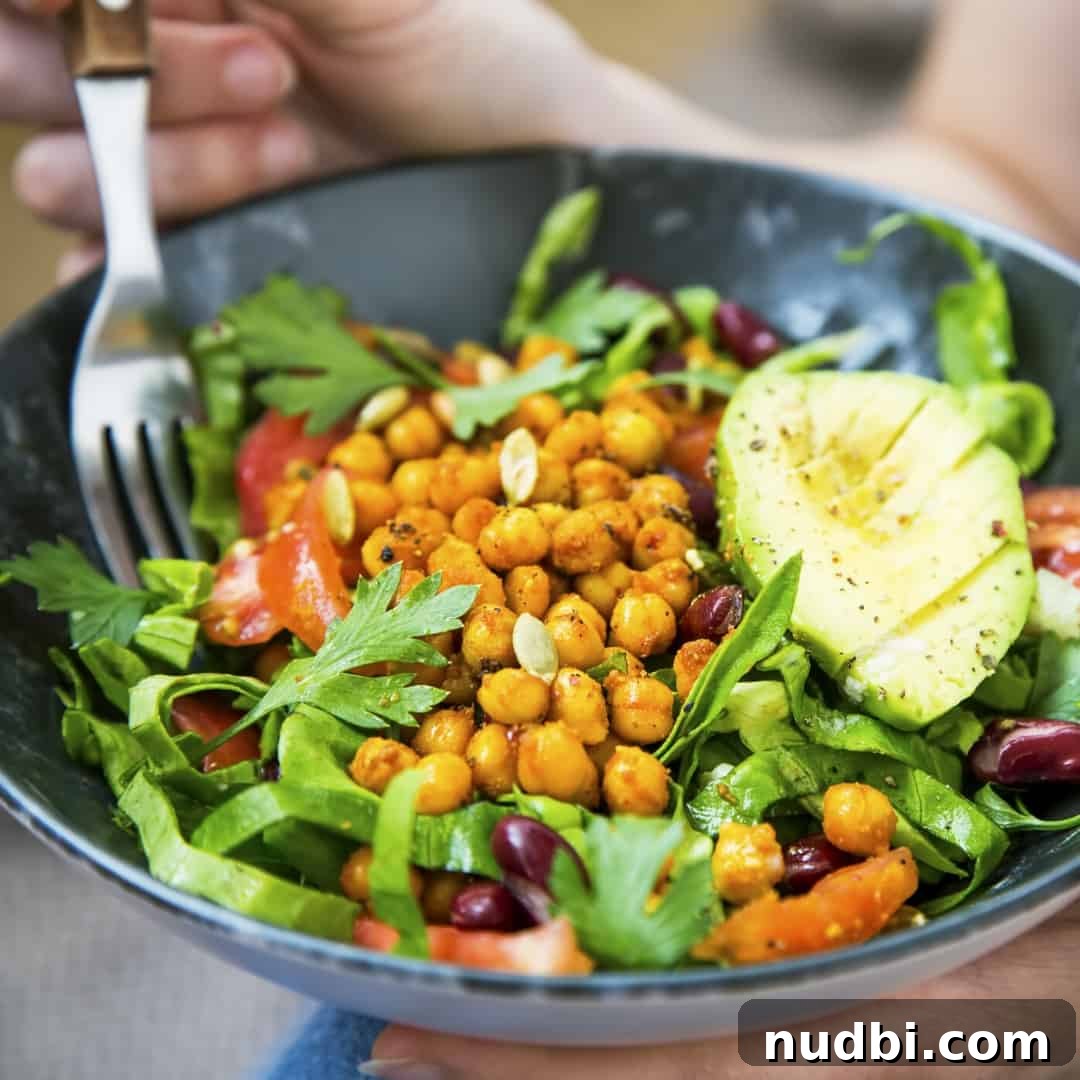
Embracing a Plant-Based Lifestyle: A Comprehensive Guide for Your Family’s Health
We’re excited to partner with Julie Harrington, a registered dietitian and culinary nutrition chef, in our monthly series dedicated to exploring the profound impact of food on overall health. Join us as we uncover the secrets to nurturing your family’s well-being through wholesome nutrition. This month, we’re diving deep into the world of plant-based eating, sharing kid-approved, plant-forward recipes designed to effortlessly integrate more fresh produce into your family’s daily meals!
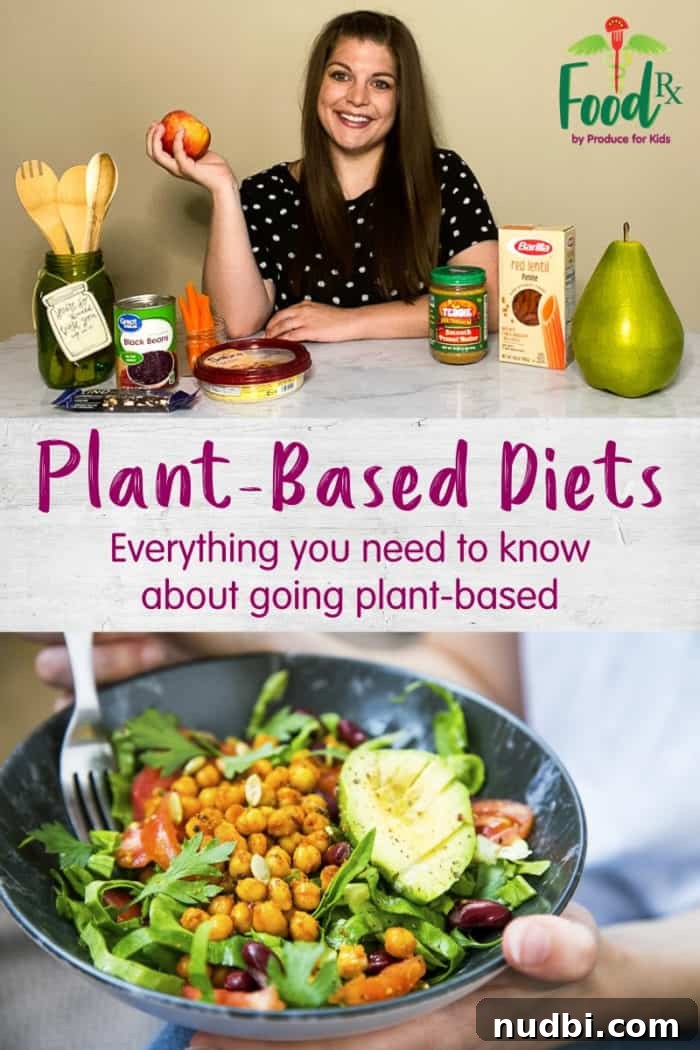
Plant-based has emerged as a prominent term in today’s food landscape, capturing the attention of health-conscious individuals and families worldwide. But what exactly does it mean to adopt a plant-based lifestyle, and what are the tangible benefits of incorporating more plant-forward foods into your family’s diet?
In this comprehensive guide, we will thoroughly explore the definition of a plant-based diet, identify key plant-based foods, delve into the numerous health benefits associated with this eating pattern, and provide essential guidance on ensuring your family receives all the necessary nutrients for optimal health.
Understanding the Plant-Based Diet: More Than Just a Trend
When you hear the term “plant-based,” what immediately comes to mind? For many, it conjures images of vibrant vegetables, fresh fruits, wholesome grains, and hearty legumes. It seems that everywhere you look these days, from grocery store aisles to restaurant menus, plant-based options are prominently featured, signaling a significant shift in dietary preferences and consumer demand. The rise of this movement is undeniable, with examples including:
- The widespread availability of innovative non-meat options in grocery stores and restaurants, such as the popular Beyond Burger and Impossible Burger, which mimic the taste and texture of traditional meat.
- Major entertainment venues like Walt Disney World proactively adding over 400 new plant-based meal options across all its parks and resorts, catering to a diverse audience.
- Fast-food giants like Taco Bell launching a convenient “veggie mode” feature, allowing customers to easily convert their menu selections to plant-based alternatives.
- Prestigious events, such as The Oscars, embracing plant-based menus for their ceremonies, showcasing its growing acceptance and appeal.
- Even beyond food, products like laundry detergents and household cleaners are increasingly marketing “made from plants” labels, appealing to health- and environment-conscious consumers who prioritize natural and sustainable choices.
But beyond the trendiness, what does it truly mean to adhere to a plant-based diet? For many, the term “diet” has unfortunately been associated with restrictive weight loss regimens or fleeting fads. However, in its purest sense, the term “diet” simply refers to a person’s customary eating pattern or the range of foods regularly eaten. There is nothing inherently negative about the word “diet”; it simply describes the food choices an individual makes to nourish their body. This approach is highly personal and tailored to provide the specific nutrients each individual needs.
The phrase “plant-based diet” can be a little confusing because its definition varies among individuals. While established dietary preferences such as vegan and vegetarian have more specific guidelines and even sub-groups (like lacto-ovo vegetarianism), the term plant-based or plant-focused diets offers a broader, more flexible framework. It represents a spectrum rather than a rigid set of rules.
For some, a plant-based diet strictly excludes all animal products, aligning perfectly with a vegan diet. This choice often stems from ethical, environmental, or profound health convictions. For others, it’s a more adaptable approach, emphasizing the deliberate choice of more plant-based food sources over animal sources. This flexible method makes it incredibly easy for families to make plants the cornerstone of their diet without feeling the pressure to completely eliminate dairy, eggs, meat, or fish. It’s about increasing the good rather than focusing solely on restriction.
Whether described as plant-based or plant-forward, these meal patterns consistently emphasize the inclusion of a greater variety and quantity of plant foods. This means prioritizing fruits, vegetables, whole grains, legumes, seeds, and nuts in your daily diet. The core philosophy is to build meals around these nutritious ingredients, making them the stars of your plate.
If you’re eager to try some delicious plant-based dishes, explore 25 of our favorite plant-based recipes designed for the whole family!
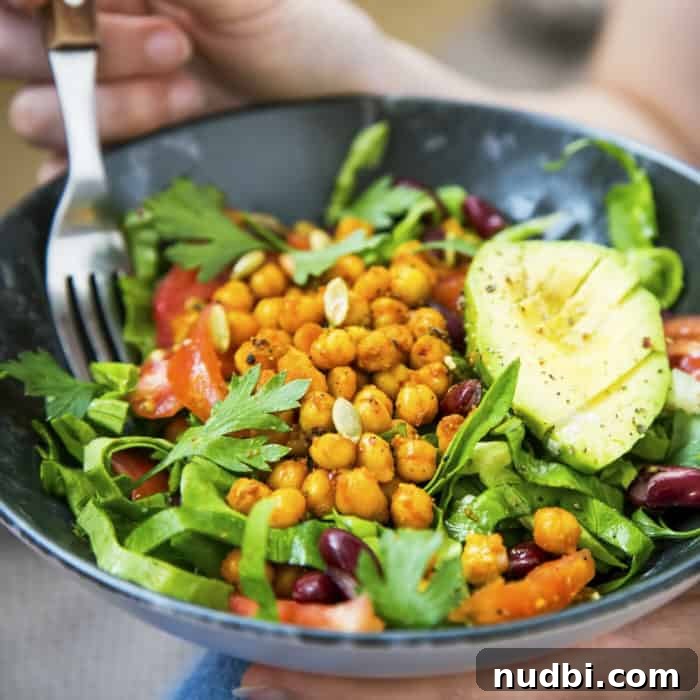
The Health Benefits of a Plant-Based Diet
The healthfulness of a plant-based diet largely depends on how you personally define and implement it, and how effectively it integrates with your lifestyle. However, it is unequivocally safe to state that any eating pattern that promotes increased consumption of plant foods inherently comes with a wealth of health benefits. This approach shifts the focus from what you *cannot* eat to the incredible array of nutrient-rich foods you *can* enjoy.
When you begin to follow a more plant-based, plant-forward, or plant-focused eating regimen – however you choose to define it – the most effective strategy is to concentrate on what you are adding to your diet, rather than what you are limiting. Adopting this positive mindset towards your food choices not only encourages consistent adherence to this healthy path but also makes the journey far more enjoyable and sustainable. This positive framing is especially vital when encouraging family members, particularly young children, to consume more fruits and vegetables, transforming mealtime into an exciting exploration of flavors and textures.
What Foods Are Included in a Plant-Based Diet?
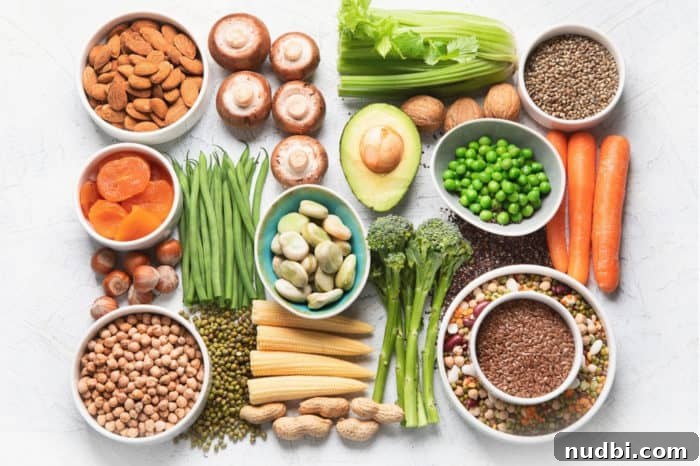
One of the beauties of a general plant-based diet is its inclusivity. No foods are strictly off-limits, emphasizing flexibility and personal choice. The core principle revolves around making plants the star of each meal, aiming for at least half of your plate to consist of vibrant plant-based ingredients. The primary focus is on:
- Fresh Fruits (berries, apples, oranges, bananas, etc.)
- Diverse Vegetables (leafy greens, cruciferous, root vegetables, etc.)
- Beans (black beans, kidney beans, pinto beans, etc.)
- Legumes (lentils, chickpeas, peas)
- Nuts (almonds, walnuts, cashews, pecans)
- Seeds (chia seeds, flax seeds, pumpkin seeds, sunflower seeds)
- Whole Grains (oats, brown rice, quinoa, whole wheat bread, farro)
While a plant-based diet generally encourages flexibility, choosing to adhere to a stricter vegan or vegetarian diet involves more defined exclusions. In these cases, the following food types would typically be removed from the diet:
Vegan Diet
A vegan diet is the most restrictive of the plant-based spectrum, rigorously excluding all animal products. This extends beyond just meat to include dairy, eggs, honey or beeswax, gelatin, and any other ingredients or products derived from animals. Many individuals choose veganism for deeply held ethical convictions regarding animal welfare, a strong commitment to environmental sustainability, or for perceived profound health benefits. It represents a comprehensive lifestyle choice that often impacts more than just dietary habits.
Lacto-Vegetarian Diet
Lacto-vegetarians conscientiously avoid all forms of red meat, white meat, fish, and fowl. However, they do typically consume dairy products, such as cheese, milk, and yogurt, as these are not considered meat. This dietary pattern allows for the inclusion of calcium-rich dairy while still adhering to a meat-free philosophy.
Ovo-Vegetarian Diet
Ovo-vegetarians exclude red meat, white meat, fish, fowl, and all dairy products. Their primary animal-derived food source is egg products. This choice caters to those who wish to avoid meat and dairy but still benefit from the nutritional offerings of eggs, particularly their protein content.
Lacto-Ovo-Vegetarian Diet
Lacto-ovo vegetarians do not consume red meat, white meat, fish, or fowl. However, they do incorporate both dairy products and egg products into their diet. This is widely recognized as the most common and often the most accessible type of vegetarian diet, providing a broad range of food options and making the transition from a traditional omnivorous diet smoother for many.
*Important Note on Labels: It’s crucial to avoid putting overly strict labels on your dietary journey. While some individuals adhere to specific forms of plant-based eating for ethical or environmental reasons rooted in personal preference, it’s perfectly acceptable to adapt your approach. If you decide to deviate from a previously followed eating style, even temporarily, that is entirely okay. Flexibility and listening to your body’s needs are paramount for a sustainable and healthy relationship with food.
Unlocking the Full Potential: Profound Benefits of Plant-Based Eating
A plant-based diet empowers everyone who embraces it to simply emphasize the incorporation of more plant foods into their regular eating patterns. This fundamental shift has a cascade of positive effects, leading to a myriad of health benefits that can transform overall well-being. By focusing on increasing the intake of plants—including a rich variety of fruits, vegetables, plant-proteins, and whole grains—you naturally flood your body with essential vitamins, minerals, dietary fiber, and powerful antioxidants. These components work synergistically to provide your body with abundant natural energy and robustly support a healthy immune system.
It’s a well-known fact that most people, particularly in Western societies like America, fall short of consuming the recommended daily amounts of fruits and vegetables. Therefore, by making the majority of your diet plant-based, you significantly elevate your produce intake, which is an inherently nutritious and life-enhancing choice for every member of the family.
The Remarkable Benefits of Fiber
One of the most significant advantages of consuming a plant-rich diet is the substantial increase in dietary fiber. Fiber is a critical nutrient that most of us don’t get enough of, and its impact on health is truly immense, offering tons of healthy perks for both adults and children.
Fiber plays a crucial role in promoting satiety, helping us feel full and satisfied after meals, which can be beneficial for weight management. Furthermore, it acts like a gentle broom, keeping things moving smoothly through our digestive tract, preventing constipation and promoting regularity. Beyond digestive health, a high-fiber diet has been strongly linked to a reduced risk of serious chronic conditions, including heart disease, certain types of cancer (especially colorectal cancer), and obesity. It also helps stabilize blood sugar levels, contributing to better energy regulation and reducing the risk of type 2 diabetes.
How Plants Combat Inflammation in the Body
The very same tiny, potent phytochemicals and antioxidants generously found in plants that are responsible for boosting our immune system also actively work to resolve and prevent chronic inflammation within the human body. This anti-inflammatory action is a cornerstone of plant-based health.
So, why is this important? Prolonged, low-grade inflammation, often referred to as “silent inflammation,” can insidiously damage your body’s cells and tissues over time. This chronic inflammatory state has been definitively linked to the development and progression of numerous serious conditions, including various cancers, cardiovascular disease, neurodegenerative disorders, and other inflammatory diseases like arthritis. By consistently nourishing your body with a plant-based diet rich in anti-inflammatory compounds, you not only remove many of the dietary triggers that can exacerbate these diseases but also actively provide your body with the tools it needs to reduce inflammation. The tangible result is often a noticeable improvement in how you physically feel, experiencing less bloating, puffiness, and general discomfort associated with an inflamed state.
Recipe Suggestion: Discover how easy it is to boost your family’s veggie intake with these 4 Easy Veggies to Blend into Any Recipe – a perfect way to incorporate more anti-inflammatory goodness!
Ensuring Optimal Nutrition: Key Nutrients in a Plant-Forward Diet
Maintaining a well-balanced diet is paramount, even when following a 100% plant-based eating pattern. For those looking to gradually transition into a plant-based diet, Episode 4 of the Healthy Family Project Podcast offers invaluable tips and guidance. In the meantime, here are a few key nutrients to pay close attention to, ensuring your family receives comprehensive nourishment:
Iron
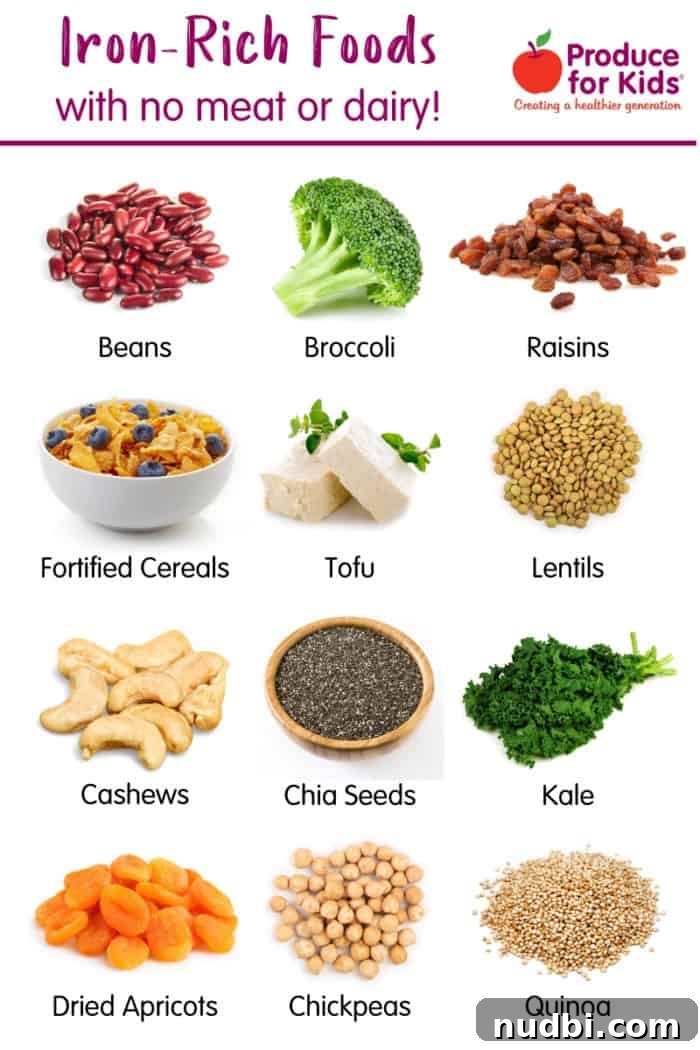
Iron plays a pivotal role in the production of red blood cells, which are essential for transporting oxygen efficiently throughout the body to every cell and tissue. While often associated with meat, many plant-based sources are rich in iron. These include, but are not limited to:
- Beans (lentils, chickpeas, black beans)
- Broccoli
- Raisins and other dried fruits
- Whole Grains (quinoa, fortified wheat products)
- Tofu and tempeh
- Iron-Fortified Cereals*
It’s important to note that iron found in non-heme (plant-based) sources is less readily absorbed by the body compared to heme iron found in meat. To significantly enhance the absorption of non-heme iron, it’s crucial to pair iron-rich plant foods with foods abundant in vitamin C. For example, enjoying a bowl of lentil soup with a side of bell peppers, or combining spinach (iron) with oranges (vitamin C) in a salad, can dramatically improve your body’s ability to utilize this vital mineral.
*Fortified foods are those that have specific nutrients added to them that either do not naturally occur in the food or are present in very small quantities. This is a common strategy to boost nutrient intake in the general population.
Protein
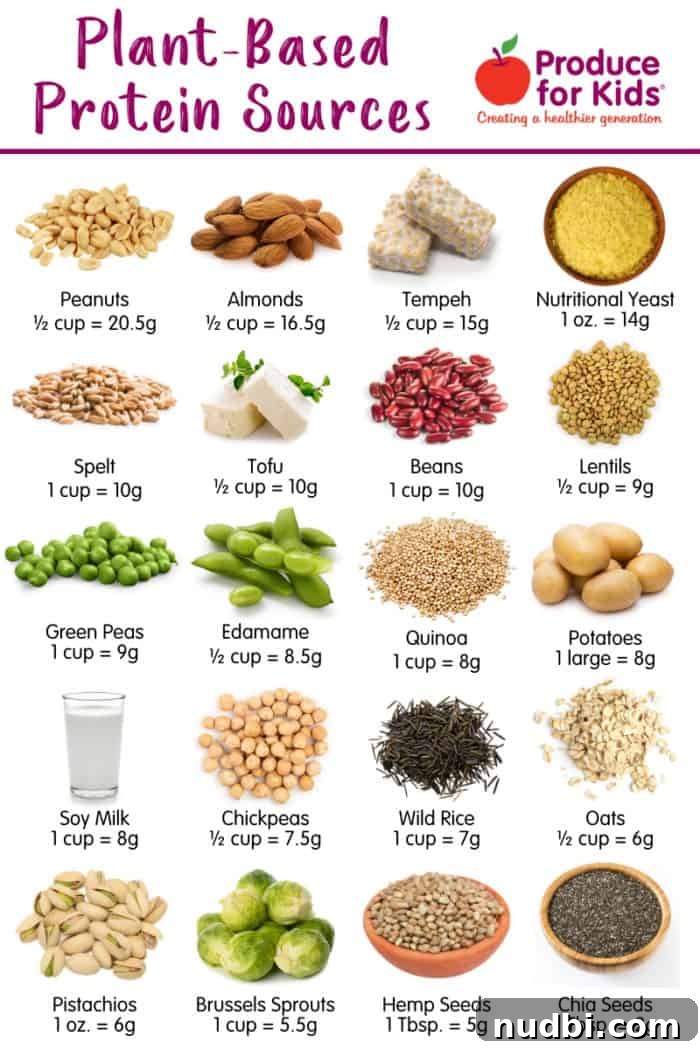
Protein is an indispensable macronutrient, fundamental for the structure and function of almost every part of your body, from building and repairing tissues to producing enzymes and hormones. A 100% plant-based diet can easily meet protein requirements through a diverse range of sources, including (but not limited to):
- Nuts (almonds, walnuts, pistachios)
- Nut Butters (peanut butter, almond butter)
- Seeds (chia seeds, flax seeds, hemp seeds, pumpkin seeds)
- Whole Grains (quinoa, oats, brown rice, whole wheat pasta)
- Legumes (beans, lentils, chickpeas, peas)
Non-animal products like tofu, tempeh, and various plant-based milks (especially soy milk) are also excellent sources of protein. For those strictly following a vegan diet, who consume no animal byproducts, it becomes essential to ensure the intake of “complete protein.” Protein is comprised of smaller units called amino acids. A complete protein contains all nine essential amino acids that your body cannot produce on its own. While many plant foods may not contain all nine essential amino acids individually, you can easily create a complete protein by combining certain foods throughout the day (e.g., rice and beans, hummus and pita, nuts and seeds with whole grains). This thoughtful combination ensures that vegans and vegetarians receive all necessary amino acids for optimal health.
For even more plant-forward protein options, delve into our comprehensive list of 20 meat and nut-free sources of protein, perfect for lunchboxes and family meals.
Calcium
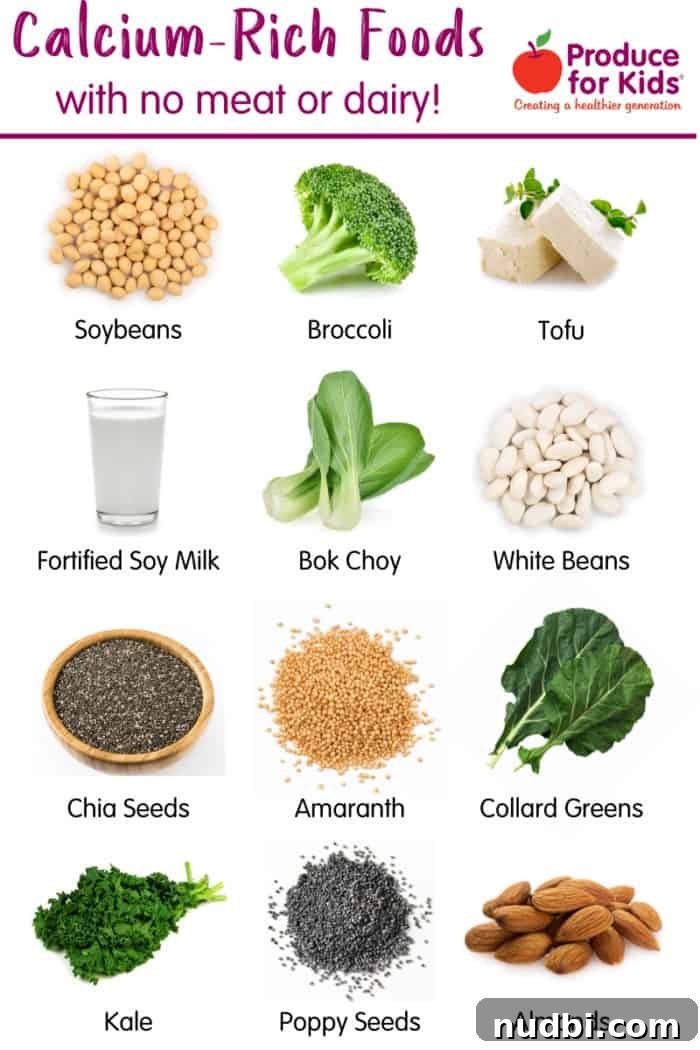
Calcium is famously known for its crucial role in building strong bones and teeth, and it is vital in preventing osteoporosis. While dairy is a common source, a wealth of plant-based foods also offer significant amounts of calcium. Excellent plant sources include soybeans and soy products (like tofu and tempeh), along with dark leafy greens such as broccoli, bok choy, kale, and collard greens. Many plant-based milks (soy, almond, oat) and certain juices are also frequently fortified with calcium, making them reliable options for increasing intake. Beyond bone health, calcium is essential for muscle function, nerve transmission, and hormone secretion, highlighting its broad importance for overall bodily function.
Vitamin B12
Vitamin B12 is a critical nutrient involved in several fundamental bodily processes, including helping produce red blood cells, maintaining nerve function, and preventing anemia. This vitamin is primarily found in animal products such as fish, shellfish, meat, eggs, and dairy products. Therefore, for individuals following a strictly plant-based (vegan) diet and not consuming any animal products, it is crucial to ensure adequate intake through other means. Many soy milks, plant-based yogurts, nutritional yeast, and some cereals are often fortified with vitamin B12, providing reliable plant-based sources. Supplementation may also be recommended to ensure optimal levels, particularly for vegans, pregnant individuals, and the elderly.
Omega-3 Fatty Acids
Omega-3 fatty acids, particularly EPA and DHA, are vital for brain health, heart function, and reducing inflammation. While commonly associated with fatty fish, plant-based sources of the precursor ALA (alpha-linolenic acid) are abundant and include flax seeds, chia seeds, hemp seeds, and walnuts. The body can convert ALA into EPA and DHA, though the conversion rate varies. For direct sources of EPA and DHA, algal oil supplements offer a vegan-friendly option, ensuring these crucial fats are not missed.
Zinc
Zinc is another essential trace mineral that plays a key role in immune function, wound healing, and DNA synthesis. While meat is a significant source, plant-based diets can adequately provide zinc through legumes (beans, lentils, chickpeas), nuts (cashews, almonds), seeds (pumpkin seeds, hemp seeds), and whole grains. Soaking and sprouting legumes and grains can improve zinc absorption by reducing phytate content, which can inhibit mineral absorption.
Delicious Plant-Based Family Favorites
If you’re seeking to seamlessly incorporate more delightful and nutritious plant-based recipes into your family’s regular menu rotation, you’ve come to the right place! We’ve curated a collection of truly kid-approved plant-forward dishes that are bursting with flavor and wholesome goodness. These recipes are perfect for inspiring even the pickiest eaters to enjoy the diverse world of plant-based cuisine:
- BBQ Jackfruit Sandwich with Avocado Slaw: A smoky, tender, and incredibly satisfying alternative to pulled pork.
- Caramelized Onion, Goat Cheese & Arugula Flatbread: A gourmet yet simple dish, combining sweet, tangy, and peppery flavors.
- No-Waste Broccoli Veggie Nuggets: A clever way to use up every part of the broccoli, creating crispy, kid-friendly bites.
- Grilled Summer Vegetable Pizza: Light, fresh, and customizable with your family’s favorite seasonal grilled veggies.
- Air Fryer Mexican Cauliflower Rice Taquitos: Crispy, flavorful taquitos packed with a healthy cauliflower rice filling, perfect for a quick meal or snack.
Embracing a plant-based lifestyle is a rewarding journey that offers immense benefits for your family’s health, vitality, and connection to food. By focusing on adding more nutrient-dense plant foods and understanding how to balance essential nutrients, you can build a sustainable and enjoyable eating pattern that supports well-being for years to come. Start exploring the vibrant world of plant-forward eating today!
Disclaimer: Before making any significant health or dietary changes, it is always recommended to consult with your doctor or a qualified healthcare professional. The information shared as part of our Food Rx series is intended to be informative and educational, but it should not be considered a substitute for personalized medical advice or professional diagnosis from your physician.