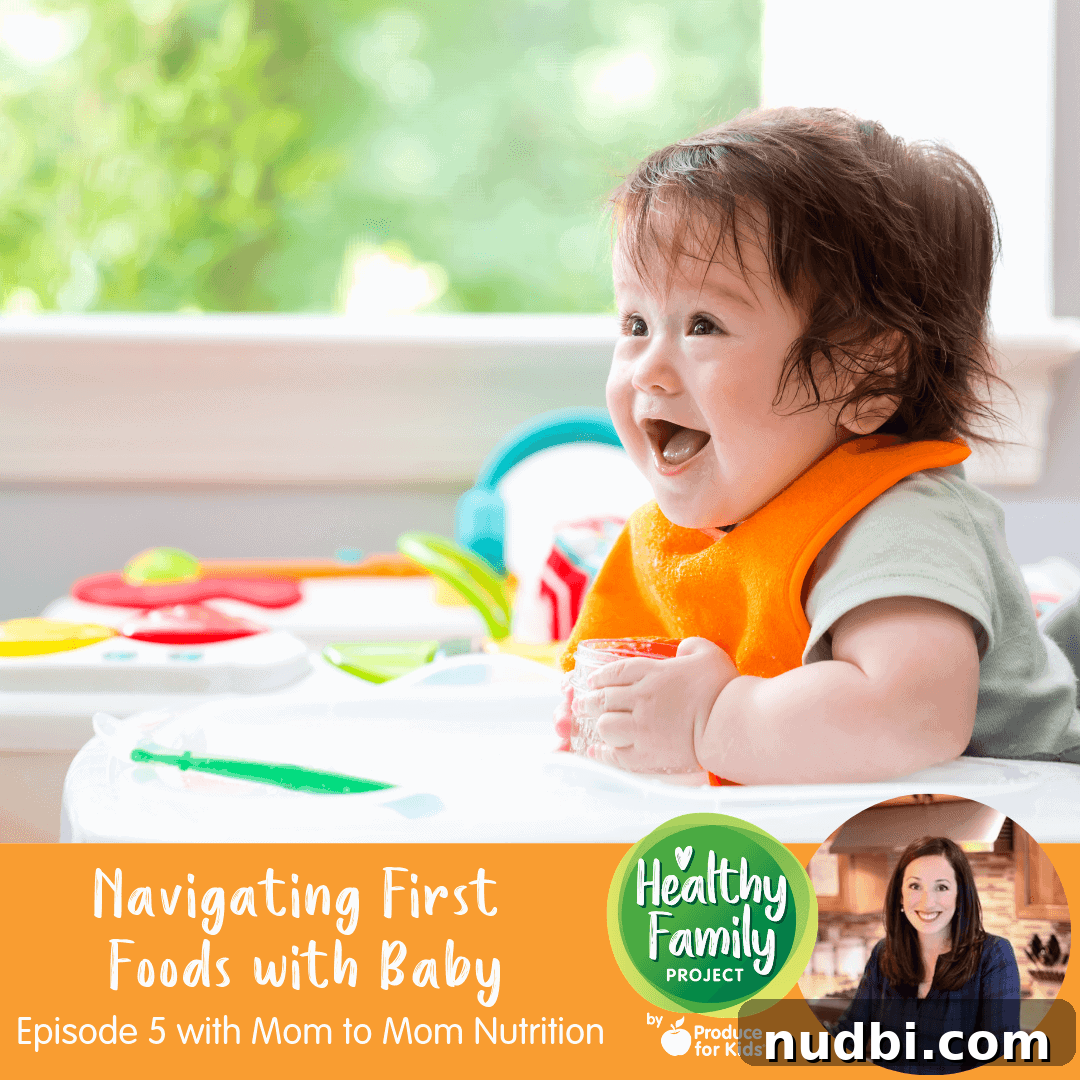
Embarking on the exciting, yet often daunting, journey of introducing solid foods to your baby is a significant milestone for any parent. The sheer volume of information, coupled with natural anxieties about allergies, choking hazards, and ensuring adequate nutrition, can make this stage feel overwhelming. In this comprehensive guide, inspired by an insightful episode of the Healthy Family Project podcast, we delve into the world of infant nutrition with Katie Serbinski, a highly respected Registered Dietitian and the official Produce for Kids dietitian. Katie, a seasoned mom of three (soon to be four!), brings a wealth of professional expertise and real-world experience to help parents navigate the landscape of first foods, finger foods, and preventing picky eating with confidence and ease.
Katie Serbinski is more than just a Registered Dietitian; she’s a compassionate guide for parents seeking practical, realistic advice on raising healthy families. Hailing from Detroit, Michigan, Katie founded Mom to Mom Nutrition, a vibrant healthy food and lifestyle blog. This platform serves as her personal “me time” – a space where she connects with other health-minded parents, sharing her journey and insights. Through her blog, Katie offers simple, family-friendly recipes, invaluable tips for new mothers, and evidence-based nutrition advice that acknowledges the realities of family life. She expertly demonstrates that raising a healthy family is not an unattainable ideal, even amidst the chaos of a toddler tossing food or a baby demanding constant nursing. Her approach empowers parents to foster healthy eating habits without added stress, proving that mindful nutrition can seamlessly integrate into busy lives.
Unveiling the World of First Foods with Katie Serbinski
The transition from breast milk or formula to solid foods marks a pivotal developmental stage for infants. Parents often grapple with questions about when to start, what to offer, and how to ensure their baby receives optimal nutrition while minimizing risks. Katie Serbinski’s expertise provides clarity on these crucial topics, helping families set a strong foundation for a lifetime of healthy eating.
The Optimal Timeline for Starting Solids
One of the most frequently asked questions revolves around the ideal time to introduce a baby to solid foods. Katie emphasizes that while general guidelines exist, every baby is unique, and individual readiness cues are paramount. “If you look at any topic on children or babies,” Katie advises, “whether that be cognitive development, physical growth, or baby sleep, everyone’s like, how do I get my baby to sleep? There are so many resources and different ways of doing things. Not one size fits all.” This philosophy applies directly to starting solids.
Historically, recommendations for introducing solids ranged from four to six months. However, the American Academy of Pediatrics (AAP) now largely recommends waiting until around six months of age. This recommendation highlights that breast milk or formula should serve as the baby’s sole nutritional source for the first half-year of life. Nevertheless, it is absolutely essential for parents to consult their pediatrician before initiating solids, as a healthcare professional can provide personalized guidance based on the baby’s specific developmental stage and health needs.
Key physical readiness signs that indicate a baby might be ready for solid foods typically emerge around six months, though some may show them as early as four months. These signs include:
- Sitting Up Independently: The baby should be able to sit upright with good head and neck control, ideally without support. This posture is crucial for safe swallowing and preventing choking.
- Loss of Tongue-Thrust Reflex: Infants are born with a reflex that pushes food out of their mouths. When this reflex diminishes, they are better able to accept and swallow solids.
- Pincer Grasp Development: While not always present at the very beginning, the ability to pick up small objects between the thumb and forefinger (the pincer grasp) is a good indicator for handling finger foods. Initially, babies may use their whole hand to rake food.
- Showing Interest in Food: If your baby watches you eat, reaches for your food, or opens their mouth when food is offered, these are positive signs of readiness and curiosity.
Monitoring these cues, rather than strictly adhering to a calendar, ensures a smoother and safer introduction to solids.
Navigating Allergenic Foods: New Recommendations for Safety
For many parents, particularly those with a family history of allergies, the introduction of highly allergenic foods can be a source of significant stress. Katie addresses these concerns directly, highlighting a critical shift in medical recommendations. Previously, it was common practice to delay the introduction of common allergens until after two or even three years of age. However, recent research has led to a complete reversal of this advice.
The current recommendation is to introduce seven of the eight highly allergenic foods around six months of age, or as soon as solids are regularly introduced. These common allergens include peanuts, tree nuts, eggs, soy, wheat, fish, shellfish, and dairy (milk protein). The rationale behind this change is compelling: studies have found that delaying the introduction of these foods can actually increase a child’s likelihood of developing an allergy to them. Early, controlled exposure is now believed to help build tolerance.
While this change might feel counter-intuitive or even nerve-wracking for parents, especially those who remember the older guidelines, Katie stresses the importance of following evidence-based advice. For families where food allergies run deep, particularly if a parent has allergies, consulting with a pediatrician or allergist before introducing these foods is paramount. They may recommend specific protocols, such as introducing one allergen at a time over several days, or doing so in a supervised setting, to monitor for any reactions. Common signs of an allergic reaction can range from skin rashes (hives, eczema flares), digestive issues (vomiting, diarrhea), to more severe symptoms like swelling or difficulty breathing, which require immediate medical attention.
Baby-Led Weaning: A Modern Approach to Feeding
The discussion around starting solids often includes the increasingly popular method of Baby-Led Weaning (BLW). Katie Serbinski provides a clear overview of BLW, contrasting it with the traditional approach of spoon-feeding purees. Baby-Led Weaning essentially involves skipping the pureed food stage entirely and going straight to offering age-appropriate finger foods from the very beginning of solid food introduction. This method typically begins around six to eight months of age, when babies are developmentally ready to self-feed.
The core philosophy of BLW is to empower the baby to control what and how much they eat. Parents offer a variety of appropriately sized and textured foods, allowing the baby to pick up, explore, and bring the food to their mouth independently. This approach encourages babies to listen to their own hunger and fullness cues, fostering a healthier relationship with food from an early age. Proponents of BLW suggest that it can lead to a more diverse palate, better fine motor skills, and reduced picky eating in the long run. Katie herself shared her personal experience, noting that with her youngest, Lily, she embraced BLW out of convenience and found it successful in encouraging openness to many different foods.
While the American Academy of Pediatrics doesn’t endorse a “one-size-fits-all” approach to feeding methods, recognizing the validity of both traditional purees and BLW, parents are encouraged to discuss BLW with their pediatrician to determine if it’s a suitable option for their child. Key considerations for BLW include ensuring the baby has excellent head and trunk control, can sit unassisted, and has lost the tongue-thrust reflex. Foods offered must be soft enough for gums to mash and cut into safe, manageable shapes (like sticks or strips, rather than small rounds or cubes that pose choking hazards).
The Magic of Finger Foods: Beyond the Basics
Whether you choose traditional purees followed by finger foods, or jump straight into Baby-Led Weaning, the finger food stage is an exciting milestone. It marks a period where babies develop independence, practice their fine motor skills, and explore a wider range of textures and flavors. Many parents initially think of simple options like Cheerios, but Katie reveals a world of healthy and often surprising choices. The goal is to gradually transition to a point where the baby can enjoy modified versions of family meals, reducing the need for separate meal preparations.
Katie emphasizes that “baby might not have a lot of teeth yet, but really, if you cut things in strips and small squares, baby can pretty much take to most foods.” This is a crucial tip. Soft textures are key, and preparation methods can make a big difference. Steaming vegetables, boiling soft fruits, or ensuring meats are tender and finely shredded are excellent strategies. If parents are concerned about skins on fruits like apples or cucumbers, peeling them beforehand is perfectly acceptable.
Katie’s top five healthy finger foods for babies that parents might not immediately consider, but offer significant nutritional value and encourage exploration:
- Avocado: An absolute powerhouse of healthy fats, essential for brain development. Its creamy texture makes it easy for babies to gum and swallow. Cut into strips or mashed for easy grabbing.
- Sweet Potato: Rich in vitamins, fiber, and beta-carotene, sweet potatoes are versatile. Steam or roast until very soft, then cut into fry-like sticks or mash.
- Lean Meat Strips (e.g., Steak): Often overlooked, tender strips of lean beef or chicken are excellent sources of iron and protein, vital for growing babies. Even if a baby can’t fully chew, they can suck the nutrient-rich juices, particularly iron. Ensure meat is cooked thoroughly and cut into very thin, manageable strips.
- Bananas: A classic for a reason! Soft, naturally sweet, and packed with potassium. Offer in half or quarter lengths, or mashed.
- Whole Wheat Bread (with nut butter, if no allergies): A strip of whole wheat bread, lightly toasted and spread with a thin layer of nut butter (for babies cleared for allergens), offers complex carbohydrates and protein. It can be messy but provides great exposure to new textures and flavors. Remember to monitor for allergic reactions if introducing nut butters.
The introduction of various textures is also vital for sensory development and preventing future texture aversions. As Katie points out, “expanding their palate and their just experiences with different foods” from an early age can contribute to a more adventurous eater later on.
Tackling Picky Eating: Prevention and Strategies
The fear of raising a picky eater looms large for many parents. While there’s no “magic juice” to guarantee a non-picky eater, Katie offers realistic insights and actionable strategies to foster positive eating habits. She acknowledges that sometimes picky eating is simply “inevitable,” often emerging between the ages of two and four as children assert their independence and realize food is one area they can control.
However, early exposure to a wide variety of foods, flavors, and textures can significantly influence a child’s openness to new foods. The more diverse the diet introduced in infancy and toddlerhood, the greater the likelihood of developing a broader palate.
A cornerstone of Katie’s advice, aligning with leading child feeding experts like Ellyn Satter, is the concept of the Division of Responsibility in Feeding. This method clearly delineates the roles of parents/caregivers and children at mealtime:
- Parent/Caregiver’s Responsibility: To decide what food is offered, when meals and snacks are served, and where eating takes place (e.g., at the dinner table).
- Child’s Responsibility: To decide if they will eat, and how much they will eat from what is offered.
This approach removes pressure from the child and shifts the focus from “cleaning the plate” to fostering an intuitive relationship with food. Parents provide healthy options, and children learn to listen to their own internal hunger and fullness cues. Katie advises against making mealtime a battleground, understanding that “food is one of the only things he can control.”
Practical tips for implementing the Division of Responsibility and managing picky eating:
- Offer a “Safe Food”: Always include at least one food on the plate that you know your child typically enjoys. This reduces anxiety and ensures they have something familiar to eat.
- Avoid Short-Order Cooking: While offering safe foods, avoid preparing entirely separate meals for a picky child. The goal is for them to eventually eat what the family eats.
- Manage Expectations: Some meals will be more successful than others. Accept that your child might not eat everything, or even much at all, from certain meals.
- Set Boundaries for Off-Meal Snacking: If a child chooses not to eat much dinner, Katie suggests offering one healthy “after-meal” option, like a bowl of cottage cheese (rich in protein), before closing the kitchen for the night. This teaches that food is available at designated times, but endless grazing or junk food alternatives are not.
- Model Good Eating Habits: Children learn by observing. Parents who eat a variety of healthy foods often have children who are more open to trying new things.
- Be Patient and Persistent: It can take multiple exposures (often 10-15 or more!) for a child to accept a new food. Continue offering, even in small amounts, without pressure.
“Working with them, not against them,” as Katie aptly puts it, is the essence of managing picky eating. Recognize that food preferences, like personality traits, are part of who your child is. Focus on creating positive mealtime environments where food is explored, enjoyed, and shared, rather than forced.
Want to dive deeper into specific topics? Explore the podcast using the timestamps below, but we encourage listening to the full episode for all the invaluable insights!
- 2:35 – What inspired Katie to start her blog Mom to Mom Nutrition
- 4:29 – Navigating the timeline for introducing new foods to little ones
- 8:00 – Essential guidance on when and how to introduce allergenic foods
- 13:32 – Understanding Baby-Led Weaning: A detailed discussion
- 17:30 – Creative and healthy finger food ideas for babies and toddlers
- 22:30 – Expert strategies: Can picky eating truly be prevented?
Relevant Resources from Mom to Mom Nutrition
For parents eager to learn more and put these strategies into practice, Katie Serbinski’s blog, Mom to Mom Nutrition, offers a wealth of detailed resources. These articles expand on the topics discussed, providing even more practical tips and guidance:
- Complete Guide to Starting Solids
- Tear-Free Tips for Feeding a Toddler
- 25 Finger Foods for Babies and Toddlers
- Toddler Serving Sizes
- What to Know Before Starting Solid Foods with Baby
Join the Healthy Family Project Community
The Healthy Family Project Podcast is your go-to source for insightful conversations covering the hottest topics in health, food, and family, always delivered with a dose of fun. Our mission is to empower families to gracefully transition into a fresh and healthy lifestyle. Be on the lookout for new bi-weekly episodes that promise to inspire and inform.
Don’t miss out on future episodes! Subscribe to the Healthy Family Project Podcast on your favorite platform:
- Apple Podcasts
- Google Podcasts
- Spotify (Please search for “Healthy Family Project Podcast” on Spotify)
- Or your favorite podcasting site!
If you find value in our episodes, please consider leaving a rating and comment. Your feedback helps us reach more families and continue to provide high-quality content.
Are you passionate about health and family well-being? We are always looking for dynamic guests to share their expertise on the Healthy Family Project podcast. If you have a compelling topic idea, please contact [email protected] for consideration.
Stay Connected with Healthy Family Project
Beyond the podcast, the Healthy Family Project offers several avenues to connect, learn, and grow with a supportive community:
Listener Survey!
Your input is invaluable! We are continuously striving to bring you the most relevant and engaging content for future episodes. Please take just 5 minutes to complete our listener survey and help us improve the Healthy Family Project Podcast. Take the survey here.
Healthy Recipes & Tips in Your Inbox
Transform your family’s mealtime with fresh inspiration delivered directly to you. Sign up for the Healthy Family Project e-newsletter to receive healthy recipe ideas, our latest blog posts, and exclusive tips each week.
Healthy Family Project Facebook Group
Join our thriving Healthy Family Project Facebook group! This private group is designed as a safe and engaging space for parents and caregivers to discuss all aspects of raising a healthy family. From tackling picky eaters and creative ways to boost fruit and veggie intake, to integrating family exercise and supporting mental wellness, we foster an open dialogue. We warmly invite you to become a part of our growing community!
Conclusion: Empowering Your Family’s Healthy Journey
Introducing first foods and navigating the complexities of infant and toddler nutrition doesn’t have to be a source of stress. With expert guidance from Registered Dietitians like Katie Serbinski, combined with a focus on individual readiness, early allergen introduction, and strategies to prevent picky eating, parents can feel confident in fostering healthy eating habits from day one. The Healthy Family Project remains dedicated to providing accessible, actionable advice to empower families on their unique wellness journeys. Remember to consult your pediatrician for personalized advice and enjoy the adventure of food exploration with your little ones!
Amanda, the podcast host, expressed profound gratitude to Katie Serbinski for her invaluable contributions: “I can’t thank you enough for being part of the Healthy Family Project for coming back on today. And of course, for serving as our official registered dietician at Produce for Kids, we, we lean on you so much, and are so grateful to have you as part of our team.”
To continue the conversation, be sure to tune into the Healthy Family Project’s Instagram story next week, where Katie will offer a real, behind-the-scenes look into her busy world of toddler eating. For more resources, visit Produce for Kids.com for over 400 dietitian-approved, family-friendly recipes and tips. Stay connected across all our social media platforms – Facebook, Twitter, Pinterest, Instagram, and YouTube – for regular content updates. For questions, comments, or episode ideas, you can always reach out via healthyfamilyprojectpodcast.com. Subscribe today and let’s keep talking soon!