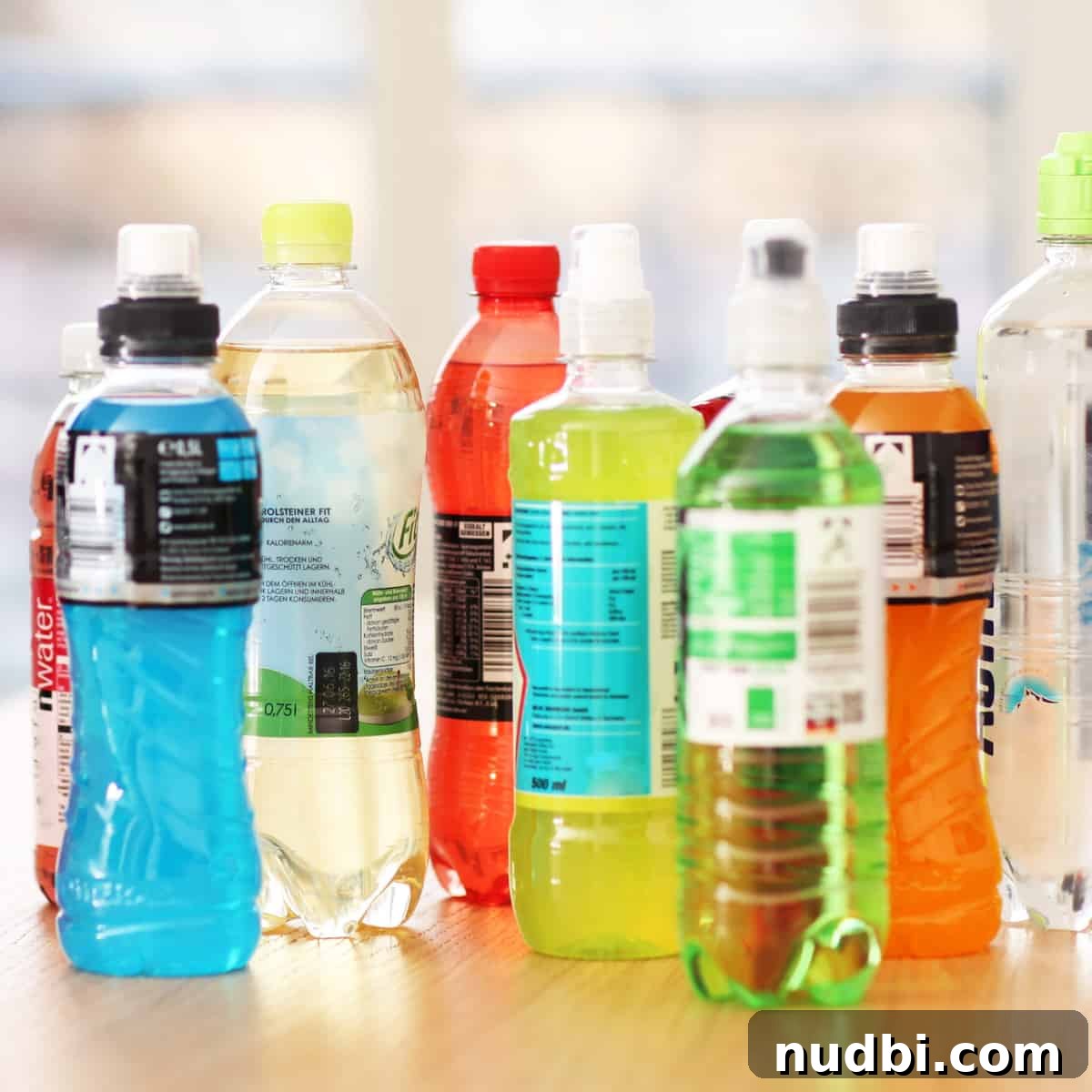
As a parent navigating the vibrant aisles of a grocery store with active, athletic children, the familiar plea “Mom, can we buy this?” echoes often. The allure of brightly colored bottles, an array of enticing flavors, and persistent begging can make it incredibly challenging to say no to sports drinks. This comprehensive guide, informed by expert insights, aims to equip you with the knowledge to make informed decisions about these popular beverages, helping you steer your family towards optimal hydration and nutrition.
Sports drinks have become ubiquitous fixtures, gracing the sidelines of children’s sports events, appearing on playgrounds, and quenching thirst in backyards on hot summer days. Their widespread presence might lead many to believe they are a necessary component of active childhood. However, a deeper dive reveals that while these drinks are popular, their actual health benefits and necessity for most children are often overstated. This article will thoroughly explore the facts surrounding sports drinks to help parents understand if and when they might be appropriate for their kids.
Understanding Sports Drinks: More Than Just Water
Sports drinks were initially formulated decades ago with a very specific purpose: to rapidly replenish fluids, electrolytes, and carbohydrates for elite adult athletes engaged in intense, prolonged physical activity. When an athlete faces dehydration, a dip in blood sugar, or depleted muscle carbohydrate stores, symptoms like weakness, dizziness, and even nausea can set in, significantly impairing performance. The design of sports drinks directly addresses these challenges.
Typically, a standard sports drink comprises three primary components: water, for rehydration; carbohydrates, to provide quick energy to muscles and stabilize blood sugar levels; and electrolytes, to replace essential minerals lost through sweat. It is crucial to differentiate sports drinks from energy drinks, which are entirely different products that often contain stimulants like caffeine and are generally not recommended for children.
The Role of Electrolytes and Why They Matter
The term “electrolytes” often sounds complex, but they are simply vital minerals such as sodium, potassium, calcium, and magnesium. These minerals play critical roles in numerous bodily functions, including nerve impulse transmission, muscle contraction, and maintaining fluid balance. When children sweat heavily, especially during physical activity, they can lose some of these crucial minerals.
Sports drinks are formulated to help replenish these lost electrolytes. However, it’s important to recognize that sodium and potassium, the most commonly highlighted electrolytes in these beverages, are also abundant in everyday foods. For instance, a banana is an excellent source of potassium, while crackers or a small bag of pretzels can provide sodium. A well-balanced diet naturally supplies children with all the electrolytes they need.
In fact, the American Academy of Pediatrics (AAP) states quite clearly that “For most children and adolescents, daily electrolyte requirements are met sufficiently by a healthy balanced diet; therefore, sports drinks offer little to no advantage over plain water.” This expert consensus underscores that for the vast majority of active children, relying on whole foods for electrolyte replacement is both sufficient and healthier.
Hydration: Is Water Truly Enough?
It’s true that the appealing flavors of sports drinks can encourage children to drink more, potentially leading to better hydration, especially for those who find the taste of plain water uninspiring. This palatability is often cited as a key benefit, yet it must be weighed against other factors.
For Most Kids, Water Remains the Gold Standard
The American Academy of Pediatrics (AAP), in its clinical report, unequivocally recommends water as “the appropriate first choice for hydration before, during, and after most exercise regimens.” This recommendation is grounded in the reality that most children do not engage in the type of prolonged, strenuous, high-intensity activity for which sports drinks were originally formulated. A typical children’s soccer practice, a casual game of tag in the park, or even an hour-long T-ball game, while requiring hydration, rarely depletes the body to the extent that sports drinks become necessary.
Research supports this perspective. For example, one study involving 6-12 year old boys revealed that over half of their time during organized sports was spent either in sedentary activities or light-intensity movement. While staying hydrated is always essential, particularly in warm weather, these levels of activity can be effectively managed with plain water. Encouraging water consumption regularly throughout the day and during active play is the most beneficial and health-conscious approach for children’s hydration needs. For creative ways to make water more appealing, explore infusing it with fresh fruits, vegetables, and herbs.
Electrolytes: Abundant in Everyday Foods
The notion that electrolytes are exclusive to sports drinks is a common misconception perpetuated by marketing. In reality, electrolytes are simply essential minerals readily found in a wide variety of foods, making a balanced diet the most natural and effective way for children to meet their daily requirements. Sports drinks and electrolyte powders typically emphasize sodium and potassium, but these are easily obtainable through snacks and meals.
Consider a banana, packed with potassium, or a handful of crackers, a convenient source of sodium. Beyond these common examples, many other foods contribute to electrolyte balance. Dairy products like milk and yogurt offer calcium and potassium. Fruits such as oranges, melons, and berries provide potassium and some magnesium. Leafy green vegetables are rich in magnesium. Even nuts and seeds contribute to a healthy mineral intake. As the AAP reiterates, “for most children and adolescents, daily electrolyte requirements are met sufficiently by a healthy balanced diet; therefore, sports drinks offer little to no advantage over plain water.” Prioritizing whole, nutritious foods ensures comprehensive mineral intake without the added sugars or artificial ingredients often found in sports drinks.
Examining the Ingredients List: What’s Really in Sports Drinks?
For parents mindful of simpler ingredient lists and natural foods, sports drinks often fall short. A closer look at their labels reveals a composition that can raise several health concerns, particularly for developing bodies. Many sports drinks contain citric acid, a flavoring agent that, while natural, can be abrasive to tooth enamel with regular consumption, increasing the risk of dental erosion and cavities.
Furthermore, a significant number of sports drinks are colored with synthetic food dyes. Some research has linked these artificial colorings to the exacerbation of attention problems in certain children, sparking concern among health professionals and parents alike. Beyond the dyes, the sugar content is perhaps the most critical concern. A typical 20-ounce bottle of a popular sports drink can contain as much as eight teaspoons of added sugar. This excessive sugar intake contributes not only to dental issues but also to broader health concerns like childhood obesity, increased risk of type 2 diabetes, and erratic energy levels characterized by sudden spikes followed by crashes. Regularly sipping on these sugary, acidic beverages can create a constant attack on tooth enamel, making them a less-than-ideal choice for daily hydration.
Challenging the Perception: Are Sports Drinks Truly Healthy?
The pervasive marketing of sports drinks often creates a powerful illusion that these beverages are not only beneficial but perhaps even essential for active children. This clever branding frequently positions sports drinks as health-oriented, athletic enhancers, leading many parents to believe they are making a healthy choice for their kids. The reality, however, is often quite different.
A research study from Yale University highlighted this misconception, finding that more than a quarter of parents rated sports drinks as “somewhat healthy” or “very healthy.” This perception often stems from a belief that sports drinks are inherently superior or healthier than other sweetened beverages, ignoring their substantial sugar content and artificial additives. Understanding the tactics behind this marketing is crucial for parents to make truly informed decisions that prioritize their children’s long-term health over perceived athletic advantages.
When Might Sports Drinks Be a Valid Option for Children?
Despite the general recommendation against routine use, there are specific, limited circumstances where sports drinks can indeed be helpful for some children and teenagers. These situations typically involve prolonged and intense physical exertion that goes beyond the scope of typical children’s play or short sports practices.
Consider endurance events, such as long-distance running or cycling, multi-day tournaments with multiple games, or periods of intense exercise lasting more than an hour, especially in hot and humid conditions. In these scenarios, the rapid refueling provided by the carbohydrates and the quick electrolyte replenishment can be genuinely beneficial. During such demanding activities, it is often more practical for an athlete to take sips of a sports drink during short breaks than to sit down for a solid snack.
Additionally, sports drinks can play a role in recovery from acute illness, particularly after a stomach bug involving vomiting or diarrhea. In these instances, the body experiences significant losses of fluids and electrolytes. The light flavor of a sports drink might be more appealing and tolerable than plain water for a child feeling unwell, thereby encouraging rehydration when appetite is low.
Exploring Sugar-Free Sports Drinks: A Better Alternative?
The emergence of sugar-free sports drinks has led many parents to wonder if these options provide a healthier compromise. It is true that these variants eliminate the problematic added sugars found in regular sports drinks, typically offering only electrolytes and water for hydration. They often rely on artificial sweeteners to maintain palatability without the caloric load.
If the sole objective is to hydrate and replenish lost electrolytes without the concern of sugar intake, sugar-free sports drinks can serve that purpose. However, it’s crucial to remember their primary limitation: the absence of carbohydrates. If a child is participating in an endurance event, feeling genuinely depleted after intense activity, or requires quick energy replenishment, a sugar-free option will fall short. The carbohydrates in traditional sports drinks are specifically designed to provide that immediate energy boost to working muscles. Therefore, while sugar-free options avoid one pitfall, they may not meet all the nutritional needs for specific athletic scenarios.
Homemade Hydration: Crafting Your Own Sports Drink
For parents seeking to avoid the added sugars, artificial colors, and preservatives found in commercial sports drinks, making your own at home is an excellent, health-conscious alternative. A homemade sports drink allows you to control the ingredients, ensuring a natural and effective rehydration solution. Simple recipes often combine water, a small amount of fruit juice for natural sugars and flavor, and a pinch of salt for sodium replacement. This approach provides the necessary components—hydration, carbohydrates, and electrolytes—without any unwanted additives.
Here’s a recipe for a homemade sports drink that offers a balanced approach to post-activity replenishment. Beyond custom-made drinks, consider other natural post-workout recovery options. Chocolate milk, for example, is often lauded as an effective recovery drink. It provides a good balance of carbohydrates for energy restoration, protein for muscle repair and rebuilding, and naturally occurring electrolytes like potassium and a touch of sodium. Fruit smoothies made with yogurt or milk also offer a fantastic combination of hydration, nutrients, and electrolytes, making them excellent choices for replenishing energy and aiding muscle recovery after physical activity.
Make Sure toPin It!
In conclusion, while sports drinks are aggressively marketed towards children, the scientific consensus and expert recommendations suggest that for most kids, plain water and a balanced diet are more than sufficient for hydration and electrolyte replenishment. The high sugar content, artificial ingredients, and potential for dental erosion in many commercial sports drinks present significant health drawbacks that generally outweigh their benefits for children engaged in typical levels of physical activity. Parents are encouraged to prioritize water as the primary beverage for their active children, supplementing with whole foods rich in electrolytes. Should specific circumstances warrant the use of sports drinks, such as prolonged, intense athletic events or recovery from illness, an informed choice can be made, possibly leaning towards homemade options or consulting with a healthcare professional. Empowering yourself with accurate information allows you to make the best hydration and nutrition choices for your family’s health and well-being.