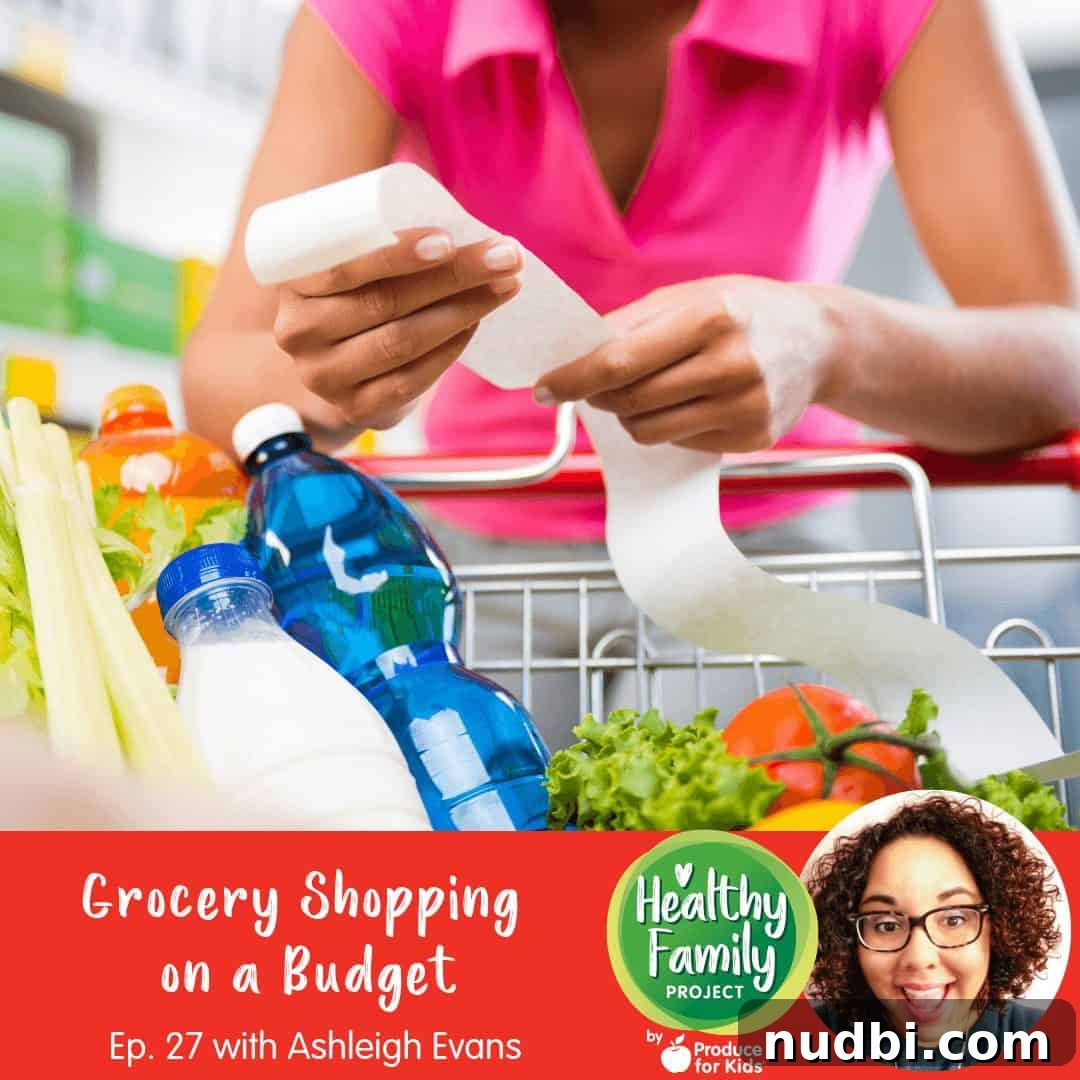
Smart Strategies: Mastering Grocery Shopping on a Budget for Healthy Families
In today’s economy, finding effective ways to save money at the grocery store is more important than ever for families. It’s a common challenge to balance healthy eating with budget constraints, but it’s entirely achievable with the right strategies. This comprehensive guide, inspired by insights from Ashleigh Evans of Dash of Evans and the Healthy Family Project podcast, will empower you to feed your family nutritious meals while keeping your finances in check. We delve deep into setting a practical budget, implementing smart shopping tactics, and drastically reducing food waste to maximize your savings.
Ashleigh Evans, a busy mom of four, understands the demands of family life and the importance of smart financial planning. Through her blog and engaging Instagram stories, she shares delicious, easy-to-make recipes using readily available ingredients, alongside invaluable tips for meal planning and lunchbox ideas that resonate with parents nationwide. Her practical approach proves that you don’t need to sacrifice health or flavor to stick to a grocery budget.
Crafting Your Family’s Grocery Budget: A Step-by-Step Approach
The foundation of successful budget grocery shopping lies in establishing a clear and realistic budget. Without knowing your spending limits, it’s easy to overspend. Ashleigh emphasizes the importance of understanding your family’s unique needs and consumption patterns. Here’s how to figure out your family’s grocery budget and ensure you stick to it:
- Track Current Spending: For a few weeks, meticulously track every dollar spent on groceries. This includes not just your main supermarket trips but also quick stops for forgotten items or impulse purchases. This initial step provides a clear picture of where your money is currently going.
- Assess Your Income and Expenses: Look at your overall household budget. How much disposable income do you have after essential bills? Allocate a realistic percentage to groceries that fits within your broader financial goals. Remember, this isn’t about deprivation but smart allocation.
- Consider Family Size and Dietary Needs: Larger families naturally require a bigger food budget. Factor in any specific dietary requirements, allergies, or preferences. A family of four with two growing teenagers will have different needs than a family with toddlers.
- Set a Realistic Weekly or Monthly Limit: Based on your tracking and assessment, establish a firm spending limit. It’s often easier to manage a weekly budget as it allows for quicker adjustments.
- Meal Planning as Your Ally: This is perhaps the most crucial step. Before you even set foot in the store (or log onto an online delivery service), plan your meals for the week. This includes breakfast, lunch, dinner, and snacks. Base your plan around ingredients you already have, items on sale, and seasonal produce.
- Create a Detailed Shopping List: Once your meals are planned, compile a comprehensive grocery list. Stick to this list diligently! Avoid impulse buys by having a clear purpose for every item in your cart.
- Review and Adjust: At the end of each week or month, review your spending. Did you stay within budget? Where did you deviate? What could you do differently next time? Budgeting is an ongoing process of learning and adjustment.
By following these steps, you gain control over your grocery spending, transforming it from a stressful chore into an empowering act of financial management and healthy living.
Eliminating Food Waste: A Key to Unlocking Major Savings
Food waste is a silent budget killer. Families often throw away perfectly good food due to poor planning, improper storage, or simply forgetting what they have. Learning how to prevent food waste is paramount to making the most of your groceries and saving money.
- Strategic Meal Planning: As mentioned, planning is key. Design meals that use similar ingredients to minimize leftovers of unused produce. For instance, if a recipe calls for half an onion, plan another meal that uses the other half.
- Proper Storage Techniques: Understanding how to store different foods can significantly extend their shelf life. Learn which fruits and vegetables should be refrigerated and which thrive at room temperature. Utilize airtight containers, freezer bags, and knowledge about optimal temperatures. For example, fresh herbs last longer in a glass of water, while potatoes prefer a cool, dark pantry.
- “Eat Me First” Section: Dedicate a visible shelf in your refrigerator for items that need to be consumed soon. This acts as a visual reminder and encourages creativity in using up ingredients before they spoil.
- Mastering Leftovers and Food Transformation: Don’t let leftovers go to waste. Repurpose them into new meals. Yesterday’s roasted chicken can become today’s chicken salad sandwich or a stir-fry. Wilting vegetables can be rescued in a soup, stock, or frittata. Freezing excess produce or cooked meals is also an excellent strategy. Check out these 5 Ways to Freeze Fruits & Veggies for practical tips.
- Understanding Expiration Dates: “Best By” or “Sell By” dates are often suggestions for peak quality, not strict indicators of spoilage. Use your senses – look, smell, and taste – to determine if food is still good to eat.
- Composting: For unavoidable food scraps (like peels or cores), consider composting. While this doesn’t save money directly, it reduces landfill waste and provides rich nutrients for gardening, indirectly contributing to a sustainable home.
Smart Shopping Strategies: Maximizing Savings at the Store
Beyond planning, how you shop matters. Ashleigh shares her top money-saving tips that turn a regular grocery trip into a strategic mission:
- Shop with a List and Stick to It: This cannot be stressed enough. Your grocery list is your battle plan against impulse purchases.
- Utilize Store Sales and Coupons: Always check weekly flyers and digital coupons. Plan meals around what’s on sale.
- Compare Unit Prices: Don’t just look at the total price. The unit price (price per ounce, per pound, etc.) tells you the true cost-effectiveness of an item, especially when buying in bulk.
- Choose Store Brands: Generic or store-brand products often offer the same quality as their name-brand counterparts but at a fraction of the cost.
- Shop Seasonally: Seasonal produce is not only fresher and more flavorful but also significantly cheaper due to abundance. Incorporate a “What’s in Season Guide” into your planning.
- Limit Processed Foods: Highly processed foods are often more expensive and less nutritious. Focus on whole, unprocessed ingredients.
- Shop the Perimeter of the Store: This is typically where fresh produce, dairy, meat, and other whole foods are located. The inner aisles often contain more processed, pricier items.
- Don’t Shop When Hungry: This common advice is true – shopping on an empty stomach makes you more susceptible to impulse buys.
- Leverage Loyalty Programs: Sign up for your favorite grocery store’s loyalty program to access exclusive discounts and personalized offers.
Grocery Delivery Services & Apps: Convenience Meets Savings
The rise of grocery delivery services and money-saving apps has revolutionized how families approach food shopping. While delivery offers unparalleled convenience, especially for busy parents, it’s essential to weigh the costs.
- Grocery Delivery Pros: Can help stick to a list, prevents impulse buys, saves time, and can be beneficial for managing heavy items.
- Grocery Delivery Cons: Delivery fees, potential markups on item prices, and less control over produce selection. Always compare the total cost (including fees) to in-store prices.
- Money-Saving Apps: Apps like Ibotta offer cash back on various grocery items, transforming your receipts into savings. They are an excellent way to earn money back on purchases you were already planning to make. Be sure to check what offers are available before you shop.
The key is to use these services and apps strategically, ensuring they complement your budget rather than inflate it.
Healthy Bite Featuring DelFrescoPure®: Delicious and Nutritious Snacking
Even on a budget, healthy eating remains a top priority. Snacking is an essential part of a healthy diet, especially for kids, and can be both nutritious and affordable. Today, we’re highlighting a fantastic example: Hummus and Vegetable Cucumber Boats made with DelFrescoPure Mini Crunchers™ cucumbers, G.R.EAT! Grab Rinse and EAT!® orange tomatoes, and Sweet Rainbow Peppers. This vibrant snack showcases how simple, fresh ingredients can create something delicious and packed with vitamins.
These cucumber boats are incredibly kid-friendly, simple to prepare, and a perfect way to incorporate more vegetables into your family’s diet. Fresh produce from companies like DelFrescoPure makes healthy eating accessible and enjoyable. We’ve even partnered with DelFrescoPure to share 10 fresh summer recipes that families can easily make at home. For more recipe inspiration, giveaways, and tips, be sure to follow DelFrescoPure on Instagram.
Want to skip straight to a hot topic from this insightful podcast episode? See time stamps below. But of course, we recommend listening all the way through for the full discussion and invaluable advice!
- 2:22 Meet Ashleigh Evans and learn about her journey to empower families.
- 3:26 Ashleigh’s top money-saving tips for savvy grocery shoppers.
- 6:02 How to effectively figure out your family’s unique grocery budget.
- 9:25 Strategies to significantly reduce food waste when stocking up on grocery staples.
- 12:38 Healthy Bite Featuring DelFrescoPure: Discover delicious and nutritious snack ideas.
- 15:08 Practical advice on how to consistently stick to your grocery budget.
- 15:37 A discussion on grocery delivery services: Are they truly saving you money?
Expand Your Knowledge: Relevant Links and Resources
The journey to smart grocery shopping and a healthier family lifestyle doesn’t end here. Explore these additional resources to further your knowledge and put more money back in your pocket:
- Browse our newly designed website for a wealth of information and recipes!
- Support a great cause: Shop our What’s Your Cause shirts.
- Deep dive into Ashleigh’s world: Check out her blog – Dash of Evans and follow her on Instagram for daily inspiration.
- Sign up for Ibotta and start saving real money on your everyday grocery purchases today!
- For even more produce-specific tips: Grocery Shopping Hacks to Save Money on Fresh Produce.
- Master food preservation and storage: 7 Tips to Reduce Food Waste & Save Money.
- Extend the life of your fresh produce: 5 Ways to Freeze Fruits & Veggies.
- More foundational budgeting advice: 5 Tips for Grocery Shopping on a Budget.
- Never miss out on fresh, affordable produce again: Our What’s in Season Guide provides monthly insights into fresh produce.
Dive Deeper with Other Healthy Family Project Podcast Episodes:
- Explore the impact of food waste on families: Ep 18: How Families Can Reduce Food Waste.
- Stay ahead of the curve on healthy eating: Ep 15: Fruit & Veggie Trends + Shopping Hacks.
- Make grocery shopping a family affair: Ep 14: Tips for Grocery Shopping with Kids.
- Get expert advice directly from the source: Ep 10: Shopping Tips from a Grocery Store Dietitian.
Connect and Share: Join Our Healthy Family Project Facebook Group
Being part of a supportive community can make all the difference in your journey toward a healthier and more budget-conscious family life. We invite you to join our vibrant Healthy Family Project Facebook group! This group is designed as a safe and engaging space for parents and caregivers to connect, share experiences, and exchange tips on a wide range of topics. From navigating the challenges of picky eaters and incorporating more fruits and vegetables into meals, to exploring family exercise routines and supporting mental wellness, this community is here for you. We warmly welcome all of you to join in, ask questions, share your successes, and learn from fellow parents.
Your Voice Matters: Take Our Listener Survey!
Your feedback is invaluable to us. We are committed to bringing you the most relevant, insightful, and helpful content possible in future episodes of the Healthy Family Project Podcast. Thank you so much for your continued support! We would be incredibly grateful if you could take just 5 minutes of your time to complete our brief listener survey. Your input directly shapes the future of our podcast. Take the survey here.
About the Healthy Family Project Podcast
The Healthy Family Project Podcast is your trusted companion in the world of health, food, and family. We host engaging conversations covering hot topics, offering practical advice and a refreshing dose of fun. Our mission is to help families smoothly transition into a fresh, healthy lifestyle, making nutritious choices both accessible and enjoyable for everyone.
Be on the lookout for new bi-weekly episodes that tackle common family challenges and provide actionable solutions. Don’t miss out on valuable insights—make sure to subscribe on Apple Podcasts, Google Podcasts, Spotify, or your favorite podcasting platform. If you find an episode particularly helpful or inspiring, please take a moment to leave a rating and comment—your feedback helps us reach more families in need of healthy living advice.
Are you an expert in health, nutrition, or family wellness with a compelling topic to share? If you are interested in being a guest on the Healthy Family Project podcast, please contact [email protected] with your topic idea for consideration. We look forward to hearing from you!