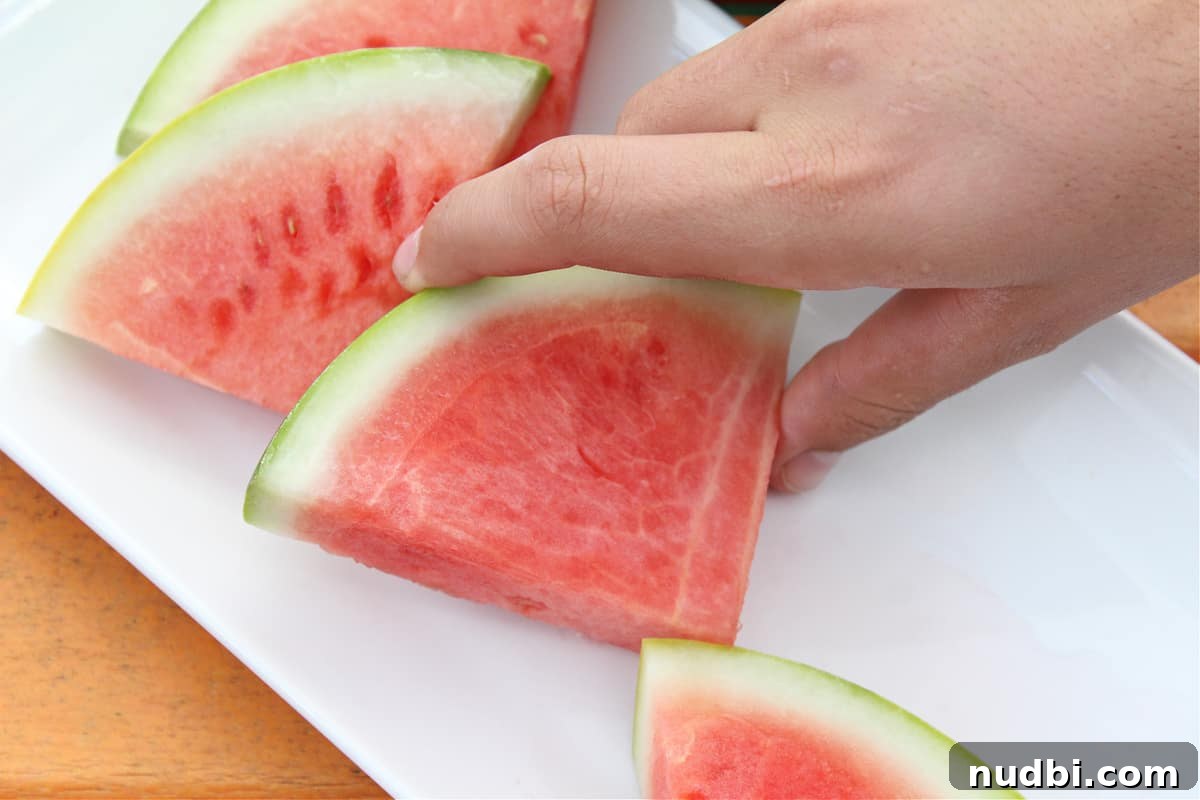
Feeling a little down or noticing a dip in energy? Are the kids experiencing the winter blues? We all want to put a smile on our faces and maintain a sense of well-being, especially during seasons when daylight is scarce. This comprehensive guide offers actionable tips to naturally boost your mood, with a significant focus on the powerful connection between what you eat and how you feel. Our Registered Dietitian shares expert insights on leveraging nutrition to enhance your mental state. While this post is proudly sponsored by the Watermelon Board, all advice and our commitment to helping you uplift your mood are entirely our own.
As winter descends, many of us notice a shift in our emotional landscape. Shorter days, colder temperatures, and a general decrease in sunlight can leave us feeling sluggish, irritable, or even genuinely sad. This common phenomenon is often referred to as the “winter blues,” and for some, it manifests as a more severe condition known as Seasonal Affective Disorder (SAD). Even in sunnier locales like Florida, where we might not experience freezing temperatures by northern standards, the reduction in daylight hours can significantly impact mood. The less time spent outdoors and the natural tendency to hibernate indoors can collectively contribute to feelings of lethargy and sadness.
Managing seasonal mood changes is a deeply personal journey, and what works for one person may differ for another. However, a holistic approach that targets several key areas often yields the best results. We recommend considering adjustments to your daily routine, such as prioritizing adequate sleep, consciously seeking opportunities to spend more time outdoors, and critically evaluating the nutritional content of your daily meals. If you find yourself particularly susceptible to these seasonal shifts in mood, exploring these avenues can provide significant relief and foster a more positive outlook.
Nourishing Your Mood: The Powerful Connection Between Food and Feelings
When you’re experiencing a dip in mood or actively battling the winter blues, it’s incredibly common to crave comfort foods – often those rich in simple carbohydrates. While that warm loaf of bread or sugary treat might offer momentary solace, these choices unfortunately won’t provide a sustainable lift to your mood. In fact, they can often lead to energy crashes and further exacerbate feelings of sluggishness. Instead, challenge yourself to consciously incorporate more lean protein, an abundance of fresh fruits and vegetables, and nutrient-dense whole grains into your diet. This dietary shift promises not just improved physical well-being but a noticeable enhancement in your emotional state too. A practical strategy is to minimize the presence of highly processed, refined carbohydrates – think cookies, cakes, sugary drinks, chips, and white flour products – in your home. Remember, the goal is always balance and thoughtful consumption, not deprivation.
Indeed, the adage holds true: what you eat profoundly affects how you feel.
To delve deeper into this connection, we recently had an insightful conversation with Sally, a beloved fellow mom and an experienced Registered Dietitian (RD). She generously shared her expert tips on specific foods and essential nutrients, explaining how they can significantly influence our mood. Here’s what Sally emphasized:
“It’s a common misconception that a single ‘magic food’ or nutrient can instantly erase a gloomy mood. While such a quick fix doesn’t exist, the cumulative impact of your overall dietary pattern undeniably influences your emotional state, for better or worse. To cultivate a consistent sense of well-being, consider adopting these actionable steps not just for the current month but as year-round dietary habits:
Prioritize Adequate Caloric Intake: Avoid Crash Diets
January often sees a surge in ‘crash diets’ – aptly named, as they typically crash and burn, leaving individuals feeling depleted and discouraged. While the temptation to drastically cut back after the indulgence of the holidays is strong, severe calorie restriction can paradoxically make you feel exhausted, irritable, and emotionally fragile. This is especially true if you unduly restrict carbohydrates, which are your body’s and brain’s preferred and most efficient source of fuel. Without sufficient energy, your brain struggles to perform optimally, directly affecting your mood and cognitive function.
Embrace Quality Carbohydrates for Stable Moods
To maintain balanced moods and sustained energy, focus on incorporating high-quality carbohydrates into your meals. These include nutrient-rich options such as a wide variety of vegetables, fresh fruits, beans, peas, lentils, brown rice, wild rice, barley, sweet potatoes, and oatmeal. These complex carbohydrates are metabolized slowly by your body, leading to stable blood sugar levels. This steady release of glucose prevents the sharp spikes and subsequent crashes that can trigger irritability, fatigue, and mood swings. To effectively banish the blues, opt for foods rich in soluble fiber – a component found abundantly in the aforementioned foods – which further aids in blood sugar regulation and promotes a healthy gut environment.
Integrate Fruits and Vegetables into Every Meal and Snack
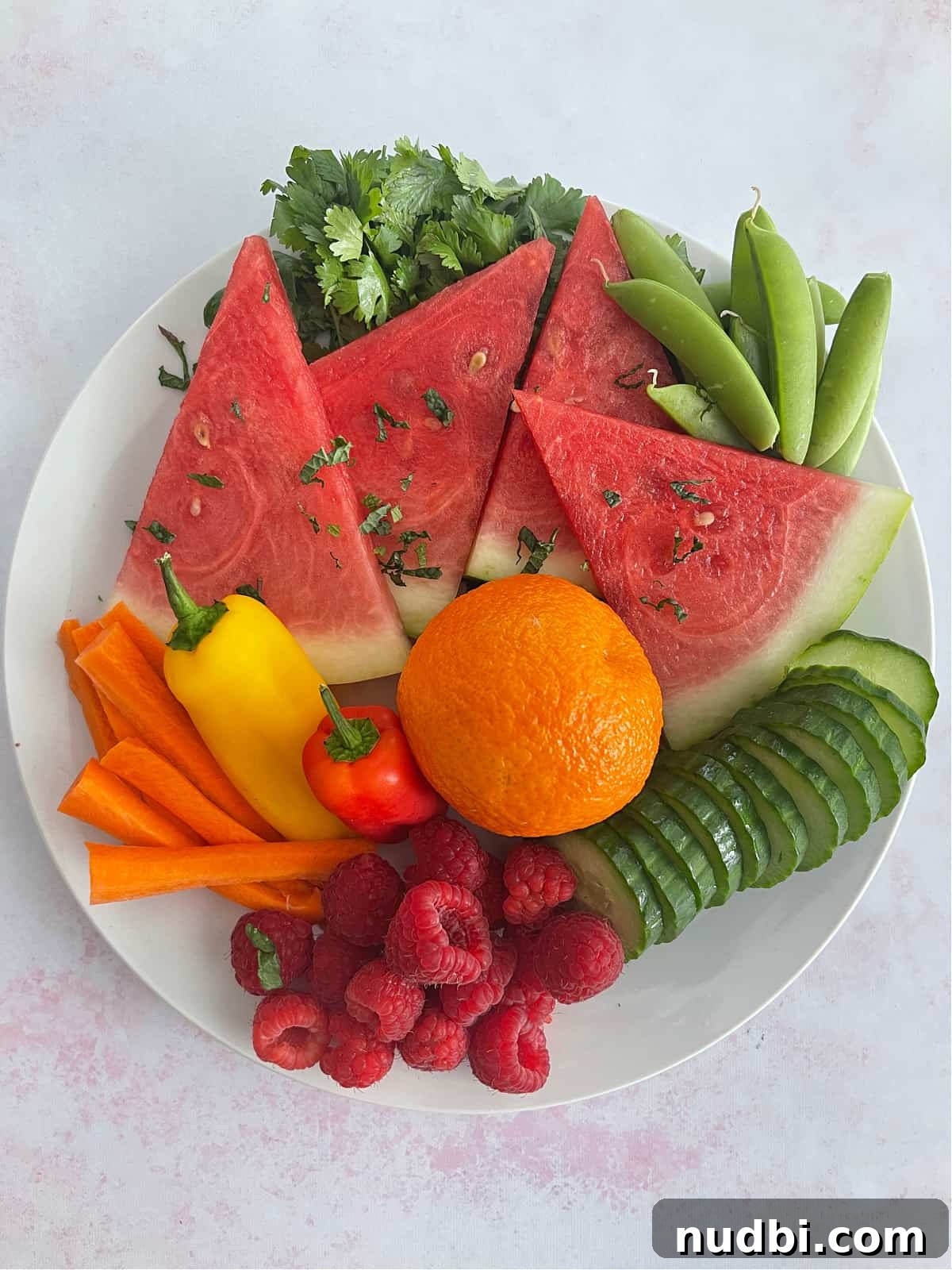
Produce is a powerhouse of diverse nutrients directly linked to improved mood and cognitive function. For instance, leafy greens are rich in magnesium, a vital mineral whose deficiency has been associated with an increased risk of depression. Watermelon, in particular, boasts a significant presence of Vitamin B6, an essential vitamin known for its role in calming nerves and supporting neurotransmitter synthesis. Furthermore, fruits and vegetables are packed with antioxidants – naturally occurring protective plant compounds that work in myriad ways to positively affect brain function and overall mood. These antioxidants help combat oxidative stress, which can contribute to mood disorders. Compelling research, including one notable study, has indicated that individuals who consistently consumed fruits and vegetables reported significantly lower rates of depression. If you’re looking for creative ways to encourage your family to snack on more produce throughout the day, consider assembling a vibrant snack board. In my experience, these boards are always a huge hit and disappear surprisingly fast!
Incorporate Fatty Fish for Omega-3 Boost
Regularly including fatty fish, such as salmon and mackerel, in your diet can be a game-changer for mood and cognitive function. These fish are exceptional sources of omega-3 fatty acids, a crucial type of polyunsaturated fat that is integral to brain health and development. Omega-3s are essential components of brain cell membranes, influencing their fluidity and communication. Since our bodies cannot produce these fats, we must obtain them directly from our diet. Emerging research suggests that omega-3 fatty acids play a significant role in improving concentration and behavior in children, and notably, in enhancing mood for adults, particularly among women. Their anti-inflammatory properties are also thought to contribute to mental well-being. I am particularly eager to try this delectable Roasted Salmon with Watermelon Salsa recipe, which combines the benefits of omega-3s with the refreshing touch of watermelon.
Stay Hydrated for Optimal Mind and Body Function
Have you ever experienced a throbbing headache after neglecting your fluid intake? The impact of dehydration extends beyond physical discomfort; even mild dehydration can significantly worsen your mood, cognitive function, and energy levels, as various studies suggest. During colder months, it can be challenging to remember to drink enough water. To make hydration more appealing, try infusing your water with delicious fruits and herbs. Some of our favorite infused water combinations include the refreshing blend of Watermelon + Mint and the delightful trio of Cantaloupe + Honeydew Melon + Watermelon. Remember, water isn’t the sole source of hydration. All fluids contribute to your daily intake, including caffeinated beverages in moderation. Green tea, for instance, contains beneficial antioxidants that, in some research, have been linked to lower rates of depression. For a truly invigorating and hydrating treat, consider making a Strawberry Watermelon Fruit Slushie or our delightful Watermelon Cucumber Smoothie. Fruits and vegetables with high water content, such as watermelon and cucumber, are excellent for keeping you adequately hydrated and supporting overall well-being.
Nourish Your Gut with Fermented Foods
The burgeoning field of research on the gut-brain axis highlights the profound connection between our digestive system and our mental health. Foods like yogurt, kefir, sauerkraut, kimchi, kombucha, and even traditional sourdough bread are fermented, meaning they have been naturally transformed by beneficial bacteria. This fermentation process makes them excellent for nurturing the “microbiome” – the vast and diverse community of trillions of microorganisms that reside in our gut. It is increasingly understood that a healthy, balanced microbiome plays a crucial role in many aspects of our health, including brain function, neurotransmitter production (such as serotonin, a key mood regulator), and ultimately, our mental well-being. By incorporating fermented foods into your diet, you actively support a thriving gut environment, which in turn can contribute to a more stable and positive mood.
Indulge Wisely: The Mood-Boosting Power of Dark Chocolate
Yes, we insist: a little indulgence can be a healthy part of a balanced lifestyle, and dark chocolate stands out as an ideal choice for a daily sweet treat. Research consistently points to the mood-enhancing properties of dark chocolate. In several studies, individuals who consumed dark chocolate daily exhibited lower levels of stress hormones. This beneficial effect is likely attributable to cocoa’s rich concentration of beneficial plant compounds, particularly flavonoids, which positively influence the nervous system and possess antioxidant properties. Dark chocolate also contains magnesium, a mineral vital for nerve and muscle function and known to help regulate mood. Furthermore, the sheer pleasure derived from eating chocolate can trigger the release of endorphins, our body’s natural feel-good chemicals. So, whether it’s the scientific compounds or simply the joy it brings, enjoying a moderate amount of dark chocolate can indeed be a win for your mood.
While nutrition forms a cornerstone of mood regulation, a holistic approach also incorporates several effective lifestyle strategies. Here are some additional, actionable tips to further help boost your mood and enhance your overall well-being:
Beyond the Plate: Holistic Lifestyle Strategies for Mood Enhancement
Embrace the Light: Get Outside and Consider Light Therapy
Light exposure plays a crucial role in regulating our circadian rhythms and influencing neurotransmitter production, making light therapy a highly effective strategy for mood improvement, especially during darker seasons. Begin by consciously seeking out natural light: position your workspace near a sunny window, or if you have a sunroom, dedicate more time to that bright space. Simply seeing the sunshine can trigger positive psychological responses and lift your spirits. Moreover, exposure to natural light is essential for your body’s synthesis of Vitamin D, a nutrient vital for bone health, immune function, and increasingly recognized for its impact on mood.
What if the sun remains hidden behind persistent gray winter skies? You can still cultivate a sunny disposition by bringing the essence of brighter days into your home. Pin pictures of tropical islands on your refrigerator, car visor, or bathroom mirror as visual reminders of warmth and light. Create an immersive experience by relaxing with a refreshing tropical drink while listening to a Reggae station or turning on an “ocean” sound machine. Actively visualize the warmth of the sun and the vibrancy of a tropical escape to mentally transport yourself away from the cold and snow. Your mind is an incredibly powerful tool; consciously directing it toward sunny thoughts can significantly influence your emotional state.
Engaging Activities to Conquer Winter Blues and Boost Mood
If you’re seeking engaging and fun activities to brighten your spirits this winter, consider these creative ideas that combine pleasure with purpose:
Play “Iron Chef” with a Healthy Twist
Turn meal preparation into an exciting challenge, especially when steering clear of those tempting fatty and sugary comfort foods. Gather your friends or simply challenge yourself to a round of “Iron Chef.” Designate a serotonin-boosting food, like versatile watermelon, as your “secret ingredient” to keep your mood consistently high. This not only encourages healthy cooking but also sparks creativity in the kitchen. For a burst of inspiration and to get your creative juices flowing, explore these unconventional ways to incorporate watermelon into your dishes.
Engage in Active Play and Social Games
While the allure of napping on the couch during colder months is strong, maintaining physical activity is paramount for both physical and mental health. Physical exercise triggers the release of endorphins, natural mood elevators that can significantly reduce stress and improve feelings of well-being. Instead of succumbing to inertia, host a lively Wii Sports tournament in your living room, inviting family and friends for some energetic fun. Alternatively, embrace the winter season by taking up a new outdoor sport, such as cross-country skiing, on those crisp, sunny winter days. The combination of physical exertion and fresh air can work wonders for your mood.
Cultivate Joy: Celebrate the Small Things
Having something joyful to anticipate and an excuse to socialize can effectively alleviate the sting of the winter blues. Combat feelings of isolation and monotony by actively planning events. Start by organizing a festive “Groundhog’s Day” or “First Day of Spring” party to usher in warmer weather. Delve into the calendar to discover obscure or quirky holidays that occur during the winter months and make an effort to celebrate as many as you can. These small celebrations create anticipation, provide opportunities for social connection, and introduce delightful breaks from routine, all contributing to a more positive outlook.
Explore New Winter Crafts and Hobbies
Unleash your creative potential by trying a new winter craft. Engaging in creative activities can be incredibly therapeutic, promoting mindfulness and providing a sense of accomplishment. Whether it’s knitting, painting, pottery, or DIY home decor projects, both your living space and your mood will benefit from the effort. Pinterest is an invaluable resource, offering a seemingly endless array of ideas when you search for “winter crafts,” ensuring you’ll find something that sparks your interest.
Commit to Lifelong Learning and Personal Growth
Stimulate your mind and foster personal growth by enrolling in a class during the fall that extends through the winter months. Choose something you’re genuinely passionate about, whether it’s an athletic pursuit (like a dance class), a crafty endeavor, or an academic subject. Learning something new boosts cognitive function, enhances self-esteem, and can combat feelings of stagnation. To increase your commitment and enjoyment, recruit friends to join you. Their encouragement and shared experience will provide valuable motivation, helping you stay engaged even when your enthusiasm wanes.
It’s clear that food is a remarkably powerful tool, akin to a “drug” in its ability to influence our brain chemistry. The nutrients we consume can directly affect the activity of neurotransmitters – the vital chemical messengers that transmit information from one neuron to the next. Consequently, anything that impacts these intricate chemical processes will inevitably influence our mood, energy levels, and overall mental state. Understanding this profound connection empowers us to make intentional choices that support our well-being.
To cultivate a consistently positive outlook and enhance your mental resilience, make a conscious effort to integrate the mood-boosting foods mentioned above into your daily routine. Actively seek out opportunities for natural light exposure, and challenge yourself to try new activities that stimulate your mind and body. Incorporating healthy snacks like watermelon and other fresh fruits and vegetables between meals can provide sustained energy and vital nutrients. By adopting these synergistic dietary and lifestyle changes, you will undoubtedly experience a significant and lasting positive impact on your mood and overall sense of well-being.