
Welcome to March, the delightful month that officially ushers in the vibrant Spring season! As the days grow longer and the temperatures gently rise, our culinary cravings naturally shift towards lighter, fresher, and more colorful dishes. Embracing seasonal produce isn’t just a trend; it’s a smart choice that brings numerous benefits to your table and your wallet.
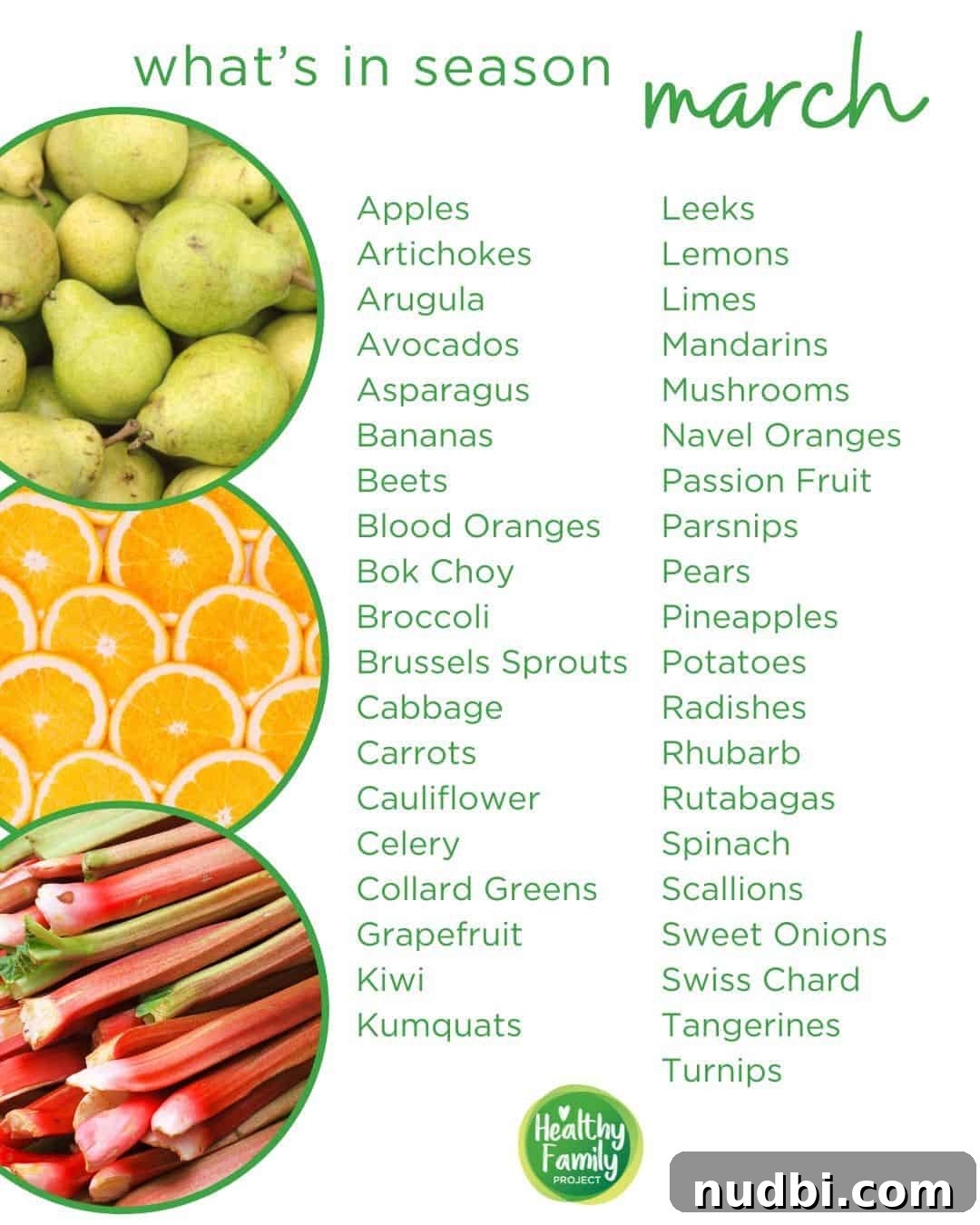
Navigating the grocery aisles with an understanding of what fruits and vegetables are at their peak season can truly transform your shopping experience. When produce is in season, it means it’s harvested at the optimal time, delivering maximum flavor, superior nutritional value, and often, a more attractive price point. This guide is designed to help you discover the freshest picks for March, ensuring your meals are not only delicious but also economical and packed with health-boosting goodness.
Healthy eating doesn’t have to be a costly endeavor. In fact, one of the easiest and most effective ways to save money on your grocery bill is by planning your meals around what’s naturally abundant and in season. When demand aligns with natural harvest cycles, prices tend to drop, making it easier to fill your cart with wholesome, fresh ingredients. Beyond the savings, you’ll also enjoy produce that tastes significantly better, having been allowed to ripen fully and develop its richest flavors.
Each item listed below comes with valuable insights on how to select the best produce, simple preparation techniques, and smart storage tips to extend freshness. Plus, we’ve included a variety of tasty recipe ideas to inspire your spring cooking. Get ready to revitalize your menu and celebrate the bounty of March!
What’s in Season for March: Embrace Spring’s Bounty
March marks a beautiful transition, offering a unique blend of late-winter hardy vegetables and the first delicate sprouts of spring. This selection provides a diverse palette of flavors and textures, perfect for everything from hearty roasts to refreshing salads and vibrant smoothies. Let’s dive into the delicious details of what you should be adding to your shopping list this month.
Asparagus
The quintessential spring vegetable, asparagus, is celebrated for its delicate flavor and impressive nutritional profile. While most commonly recognized for its vibrant green stalks, asparagus also delights in white and purple varieties, each offering a subtly different taste and texture. This versatile veggie is an excellent source of dietary fiber, crucial for digestive health, and is packed with essential vitamins like A, C, E, and K, as well as folate. These nutrients support vision, boost immunity, promote bone health, and aid in cellular function.
When selecting asparagus, look for firm, bright green or purple stalks with tightly closed, compact tips. Avoid limp or woody spears. To store, trim the ends and stand the stalks upright in a glass with about an inch of water, then cover loosely with a plastic bag and refrigerate for up to a week. Beyond simply roasting in the oven, asparagus shines when grilled for a smoky flavor, blanched for a crisp-tender bite, or sautéed with garlic. It’s a fantastic addition to pasta salads, light stir-fries, quiches, or as an elegant side dish to almost any meal. Its tender spears cook quickly, making it an ideal choice for busy weeknights.

Apples
With an astounding array of varieties available, apples remain a perennial favorite, offering a delightful crunch and a spectrum of flavors from tart to sweet. This beloved fruit can effortlessly transition from a simple snack to a sophisticated dessert or a savory accompaniment in salads and main courses. Rich in dietary fiber, especially pectin, apples support gut health and can help regulate blood sugar levels. They also provide a good dose of Vitamin C and various antioxidants, contributing to overall well-being and immune support.
To pick the perfect apple, choose ones that are firm, free of bruises, and feel heavy for their size. Store them in the refrigerator to maintain crispness and extend their shelf life. Their versatility knows no bounds: enjoy them sliced with peanut butter, baked into pies and crumbles, diced into fresh salads for a refreshing crunch, or even paired with pork for a savory meal. Exploring different apple varieties, such as Honeycrisp for snacking, Granny Smith for baking, or Fuji for salads, can open up a world of culinary possibilities. Their consistent availability makes them a reliable, healthy choice year-round.
Artichokes
Don’t let the somewhat intimidating, spiky exterior of an artichoke deter you; this globe thistle is surprisingly simple to prepare and offers a unique, nutty, and slightly sweet flavor. Artichokes are a nutritional powerhouse, boasting high levels of fiber, Vitamin C, Vitamin K, folate, magnesium, and potassium. These nutrients contribute to digestive health, bone strength, and cardiovascular wellness, while also providing potent antioxidants.
When selecting artichokes, look for ones that are heavy for their size with tightly closed leaves. A fresh artichoke will “squeak” when squeezed. To prepare, trim the stem and any sharp tips from the leaves, then steam, boil, or roast until the leaves pull off easily and the heart is tender. The edible parts are the tender base of the leaves (scrape off the fleshy part with your teeth) and the coveted heart once the fuzzy “choke” is removed. Artichokes are fantastic when served with a simple dipping sauce, marinated in salads, or incorporated into pasta dishes and pizzas. Learning how to properly prepare them unlocks a truly delicious and healthy culinary experience.

Avocados
Avocado aficionados, rejoice! This incredibly versatile and nutrient-dense fruit (yes, it’s a fruit!) is a constant presence in grocery stores year-round, making it easy to enjoy its creamy texture and mild, buttery flavor whenever a craving strikes. Avocados are renowned for their healthy monounsaturated fats, which are beneficial for heart health and can help lower bad cholesterol levels. They’re also an excellent source of fiber, potassium (more than bananas!), and a host of vitamins including K, C, B6, and E, along with folate, all contributing to overall vitality.
A perfectly ripe avocado will yield gently to pressure when squeezed. If it’s firm, let it ripen on the counter; if it’s too soft, it might be overripe. The culinary possibilities with avocados are virtually endless. Whether you’re layering it generously on trendy avocado toast, creating a rich and healthier dessert like chocolate avocado mousse or dark chocolate avocado brownies, or whipping up a vibrant bowl of guacamole for game day, avocados add a luxurious creaminess and nutritional boost to any dish. Its year-round availability makes it a convenient staple for healthy, delicious meals.

Bananas
Another beloved fruit that graces our tables year-round, bananas are a go-to for quick energy and essential nutrients. Their natural sweetness and creamy texture make them an incredibly versatile ingredient, perfect for everything from a grab-and-go snack to a core component in countless recipes. Bananas are particularly rich in potassium, vital for heart health and muscle function, and also provide Vitamin B6, Vitamin C, and dietary fiber, aiding in digestion and sustained energy release. It’s no wonder the average American consumes an impressive 28 pounds of bananas annually!
When selecting bananas, choose according to your immediate needs: green for later consumption, yellow with a few brown spots for immediate eating, or heavily spotted for baking. Store them at room temperature until ripe, then refrigerate to slow further ripening. Beyond simply peeling and eating, bananas blend beautifully into nutritious smoothies, add moisture and sweetness to muffins and pancakes, and can be transformed into a healthy, dairy-free “nice” cream. Overripe bananas are excellent for banana bread, ensuring no waste and maximum flavor.

Beets
Often misunderstood for their distinctive earthy taste, beets are a truly remarkable root vegetable that deserve a prominent place in your diet. These vibrant gems are packed with essential nutrients, including folate, manganese, potassium, and Vitamin C, and are unique for their high concentration of betalains, powerful antioxidants that give beets their deep color and offer anti-inflammatory benefits. While raw beets can be pungent, the magic happens when they are cooked, especially roasted, as this process caramelizes their natural sugars, transforming their flavor into something wonderfully sweet and mellow.
Look for firm, smooth beets with their greens still attached (if possible), which are also edible and nutritious. Store beets in the refrigerator, separating the greens from the roots to keep both fresh longer. Roasting brings out their best, making them ideal for adding to refreshing salads, where their sweetness beautifully contrasts with tangy dressings or salty cheeses. They can also be blended into nutrient-rich smoothies, lending a beautiful color and a subtle sweetness, or pureed into soups and dips. Don’t overlook the versatility and health benefits of this underrated root.

Bok Choy
Bok choy, a delicate and flavorful type of Chinese cabbage, is a culinary staple that offers a mild, slightly sweet taste and a wonderful textural contrast between its crisp white stalks and tender green leaves. While it is generally available throughout the year, bok choy truly hits its peak during the colder months, making it an excellent choice for March as spring begins to unfold. It’s a fantastic source of Vitamins A, C, and K, as well as folate and calcium, contributing to vision health, immune function, bone strength, and blood clotting.
When selecting bok choy, choose bunches with crisp, vibrant green leaves and firm, white stalks. Avoid any wilting or discoloration. It’s incredibly versatile and delicious both raw and cooked. Slice it thin for a refreshing addition to salads, or quickly stir-fry it with garlic and ginger for a simple yet flavorful side dish. It also lends itself well to soups, adding a fresh crunch and mild flavor, or try it in a hearty dish like this homemade Instant Pot Chicken Ramen. Its subtle flavor makes it a perfect complement to many Asian-inspired dishes, and its quick cooking time makes it ideal for fast meals.

Broccoli
A true champion among vegetables, broccoli is a powerhouse of nutrition, abundant in vitamins, minerals, and antioxidants that are vital for a healthy body. This verdant floreted veggie is available year-round, making it a reliable and consistently healthy choice for any meal. It’s particularly rich in Vitamin C, Vitamin K, and fiber, and also contains folate, potassium, and iron. These nutrients contribute to strong immunity, bone health, healthy digestion, and can help reduce inflammation.
When picking broccoli, look for firm, compact heads with dark green florets and crisp stalks. Avoid any yellowing, which indicates it’s past its prime. Broccoli’s versatility is unmatched: chop it finely and add to a fresh salad or transform it into a vibrant broccoli slaw. It can be steamed for a quick, tender side, or roasted with olive oil for an easy, caramelized side dish. Incorporate it into pasta salads, stir-fries, or even bake it into savory cornbread muffins to sneak in extra veggies. Broccoli’s mild flavor readily absorbs other seasonings, making it a perfect canvas for a wide range of culinary creations.

Brussels Sprouts
Brussels sprouts have undeniably shed their “stinky veggie” reputation from childhood dinners and made a phenomenal culinary comeback in recent years, becoming a beloved winter-to-spring staple. These miniature cabbages are not only delicious but also incredibly nutritious, packed with Vitamin K, Vitamin C, fiber, and antioxidants. These components are vital for bone health, immune defense, and protecting cells from damage.
When buying Brussels sprouts, look for firm, compact heads that are bright green. Avoid any with yellowed or loose outer leaves. My absolute favorite way to prepare them, and one that consistently converts skeptics, is to simply halve them, toss with a generous drizzle of olive oil, salt, and pepper, then roast them in a hot oven until they are tender on the inside and caramelized and slightly crispy on the outside. This method brings out their natural sweetness and transforms their flavor profile entirely. They also make a fantastic addition to sheet pan dinners, shaved raw into salads, or sautéed with bacon or balsamic glaze. If you thought you didn’t like Brussels sprouts, try them roasted – you might just become a convert!

Cabbage
Often overlooked, cabbage is an incredibly versatile, affordable, and nutrient-dense vegetable that truly deserves more recognition. This humble cruciferous vegetable is a powerhouse of Vitamins K, C, and B6, along with a significant list of other essential nutrients and antioxidants. These contribute to blood clotting, immune function, energy metabolism, and anti-inflammatory benefits. Cabbage is also very high in fiber, making it excellent for digestive health.
When selecting cabbage, look for firm, dense heads with crisp, brightly colored leaves and a healthy luster. Avoid any with significant wilting, bruising, or discoloration. Store whole heads of cabbage in the refrigerator for several weeks. Cabbage can be enjoyed in a multitude of ways: shred it thinly to create a vibrant and delicious coleslaw, stir-fry it with other vegetables, or incorporate it into hearty soups and stews. For a fun and flavorful dinner, try roasting wedges of cabbage until tender and slightly caramelized, then adding it to a colorful Rainbow Buddha Bowl. Its mild flavor and satisfying crunch make it a fantastic addition to many dishes, both raw and cooked.

Carrots
Far from being just a favorite for Bugs Bunny, carrots are a staple vegetable cherished by kids and adults alike for their sweet flavor and satisfying crunch. These vibrant root vegetables are celebrated for their exceptionally high content of beta-carotene, which the body converts into Vitamin A, essential for healthy vision, immune function, and skin health. They also provide fiber, Vitamin K, and antioxidants, making them a well-rounded addition to any diet.
When choosing carrots, look for firm, smooth roots with a bright orange color (or purple, red, white, or yellow for specialty varieties). Avoid carrots that are limp, cracked, or have green shoulders. Store them in the coolest part of your refrigerator to maintain crispness. Carrots are incredibly versatile: they can be simply served raw with a side of ranch or hummus for dipping, steamed until tender-crisp, or roasted, which wonderfully enhances their natural sweetness and caramelizes their edges. Beyond raw snacking, shredded carrots can be secretly added to sweet muffins, hearty soups, cheesy mac and cheese, or even blended into hidden veggie meatballs. Their natural sweetness and appealing color make them a family-friendly favorite in countless dishes.

Cauliflower
Cauliflower has truly experienced a remarkable culinary renaissance, transforming from a humble side dish into a superstar ingredient taking the culinary world by storm. This versatile cruciferous vegetable is now popping up in everything from low-carb alternatives to ingenious meal innovations. Cauliflower is not only incredibly adaptable but also remarkably nutritious, providing an excellent source of Vitamin C, Vitamin K, folate, and fiber. It also contains powerful antioxidants and anti-inflammatory compounds, contributing to overall health and wellness.
When selecting cauliflower, look for creamy white, firm, and compact heads with fresh, green leaves. Avoid any with brown spots or a soft texture. Store it in the refrigerator, head down, for up to a week. Its neutral flavor makes it a perfect canvas for countless dishes: transform it into a nutritious pizza crust, blend it into creamy pesto, or even add it to mashed potatoes for a lighter, veggie-packed dish. You can also turn it into savory waffles, or use it as a rice replacement in classic casseroles. Whether roasted, steamed, riced, or pureed, cauliflower proves itself as an indispensable ingredient for healthy and inventive cooking.

Celery
This crunchy, refreshing vegetable is probably best known to kids as the sturdy base for the classic “Ants on a Log” snack, but celery’s utility extends far beyond just holding peanut butter and raisins. Its mild, slightly peppery flavor and satisfying crispness make it a versatile ingredient that adds both flavor and essential texture to a wide array of dishes. Celery is particularly low in calories but high in water content and provides a good source of Vitamin K, Vitamin C, potassium, and folate, contributing to hydration, bone health, and overall well-being.
When choosing celery, look for firm, bright green stalks that snap easily when bent. Avoid any with limpness or yellowing leaves. To store, wrap celery tightly in foil or place it in a container of water in the refrigerator to keep it crisp for longer. Finely chop celery to add a refreshing crunch to potato salads, chicken salads, or tuna salads. It serves as an aromatic base (part of the “mirepoix”) for countless soups, stews, and braises, infusing them with a subtle depth of flavor. Its crispness is also a welcome addition to fresh spring pasta salads, providing textural interest and a burst of freshness.

Citrus Fruits
March is a fantastic time to revel in the bright and zesty flavors of fresh citrus fruits. Varieties such as grapefruit, oranges, tangerines, and mandarins are at their juicy peak, providing a welcome burst of sunshine as we transition into spring. Citrus fruits are renowned for being an excellent source of Vitamin C, a powerful antioxidant crucial for supporting the immune system and helping to ward off pesky colds and flu. They also provide dietary fiber, folate, and potassium, contributing to digestive health and overall vitality.
When selecting citrus, choose fruits that feel heavy for their size, indicating juiciness, and have firm, smooth skins. Store them at room temperature for a few days or in the refrigerator for longer freshness. Enjoy citrus segmented in fruit salads, squeezed for fresh juices, or as a vibrant addition to savory dishes. The zest can be used to add intense flavor to baked goods, marinades, and dressings. For kid-friendly options, explore these 16 Kid-Friendly Citrus Recipes, which showcase the versatility and appealing taste of these healthful fruits. Their invigorating aroma and tangy-sweet taste are a perfect complement to the refreshing spirit of spring.

Greens
As spring takes hold, fresh greens become an undeniable highlight of seasonal eating. Varieties like kale, spinach, lettuce, Swiss chard, and collard greens are not only abundant but also incredibly foundational for a healthy diet. These leafy powerhouses are brimming with essential vitamins and minerals, including Vitamins A, C, K, folate, iron, and calcium, all crucial for maintaining robust health. They support everything from vision and bone density to blood health and detoxification, and their high fiber content aids digestion.
When selecting greens, look for vibrant, crisp leaves without any yellowing or wilting. Store them unwashed in a loose plastic bag in the refrigerator, and wash thoroughly just before use. Greens are the basis for so many tasty recipes like fresh salads, offering a light yet satisfying meal. They can also be effortlessly incorporated to pump up the nutrition in super green smoothies, hearty soups, savory casseroles, pasta dishes, and even scrambled eggs. Sautéing them with garlic or adding them to stir-fries also makes for quick and delicious ways to boost your daily vegetable intake. Embrace the green goodness this season offers!

Kiwi
The humble kiwi, a small brown fruit aptly named after New Zealand’s national bird, might have a fuzzy, unassuming exterior, but cut it open to reveal a stunning burst of bright green or golden-yellow flesh speckled with tiny, edible black seeds. This visually appealing fruit instantly adds vibrant color and a tangy-sweet flavor to any dish. Kiwi is a nutritional powerhouse, boasting an exceptionally high content of Vitamin C (even more than oranges!), along with Vitamin K, Vitamin E, folate, and dietary fiber. These nutrients support immune health, aid digestion, and provide potent antioxidant protection.
When selecting kiwis, choose ones that are firm but yield slightly to gentle pressure. Avoid any that are overly soft or shriveled. Store firm kiwis at room temperature to ripen, then refrigerate for up to a week. Kiwi is fantastic on its own as a snack, peeled or even with the skin on (for extra fiber!). It makes a delightful addition to fruity pita sandwiches, smoothies, or sliced and tossed into a colorful rainbow fruit salad for family gatherings or brunches. Its unique flavor profile complements both sweet and savory applications, making it a surprisingly versatile ingredient for creative culinary endeavors.

Leeks
Leeks are an elegant member of the onion family, closely related to garlic, shallots, and chives, yet they offer a distinctively milder, sweeter, and more subtle onion-like flavor. This makes them a fantastic ingredient for adding aromatic depth to dishes without overpowering other flavors. Leeks are a good source of Vitamin K, Vitamin A, Vitamin C, folate, and fiber, contributing to blood clotting, vision health, immune support, and digestive wellness.
When selecting leeks, look for straight, firm stalks with white parts that are at least two to three inches long, and dark green tops. Avoid any with yellowed or withered leaves. It’s crucial to thoroughly rinse leeks, as dirt and sand can get trapped between their layers; slice them lengthwise and fan them out under running water, then pat dry with a paper towel before consuming. Leeks can be roasted to bring out their sweetness, sautéed as a base for soups and stews, or finely chopped and added raw to salads for a gentle allium kick. They also make an excellent addition to quiches, gratins, casseroles, and serve as a beautiful garnish for creamy soups. Their delicate flavor is especially prized in French and European cuisine.

Lemons & Limes
These indispensable citrus fruits, lemons and limes, are available year-round and are culinary heroes for their ability to brighten and enhance the flavors of countless dishes. Both are excellent sources of Vitamin C, a powerful antioxidant that supports immune function and skin health, and their tangy juices also contain beneficial compounds that aid digestion and act as natural preservatives. While lemons offer a sharp, bracing acidity, limes provide a slightly more floral and aromatic tang, making each uniquely suited for different culinary applications.
When selecting lemons and limes, choose fruits that feel heavy for their size and have smooth, bright, unblemished skins. Store them at room temperature for a few days or in the refrigerator for extended freshness. Their freshly squeezed juice is perfect for crafting vibrant, homemade salad dressings, adding a burst of flavor to marinades for chicken, fish, or vegetables, and infusing refreshing beverages. Zest from both fruits can elevate baked goods, sauces, and stir-fries. Try combining their zesty goodness to add a delightful zing to savory meals like this Lemon Chicken dinner recipe. From savory to sweet, lemons and limes are essential for adding that crucial spark of freshness.

Mango
Often hailed as the “king of fruits,” mangoes bring a burst of tropical sweetness and vibrant color to any meal. This juicy, fragrant fruit is not only delicious but also packed with nutrients, making it a fantastic addition to your diet. Mangoes are an excellent source of Vitamin C and Vitamin A, essential for immune health and vision, respectively. They also provide dietary fiber, folate, and Vitamin B6, supporting digestion and energy metabolism.
When selecting mangoes, look for ones that give slightly with a gentle squeeze, indicating ripeness. Their color isn’t always the best indicator, as varieties vary; focus on scent (a fruity aroma near the stem) and feel. Keep unripe mangoes stored on the counter at room temperature until they reach desired ripeness, then refrigerate for a few days. Mango’s sweet, succulent flesh is incredibly versatile: blend it into refreshing smoothie popsicles, add chunks to a tangy chicken stir-fry for a sweet and savory contrast, or enjoy it in a vibrant fresh salad with black beans and jicama. Its tropical essence pairs wonderfully with both sweet and spicy flavors, making it a beloved ingredient in various cuisines around the world.

Mushrooms
Mushrooms, the fascinating fungi of the culinary world, offer a unique umami flavor and a meaty texture that makes them an incredibly versatile ingredient. What many don’t realize is their exceptional nutritional value: mushrooms are the only natural food source of Vitamin D, a crucial nutrient for bone health and immune function that is often lacking in diets. They also provide B vitamins, selenium, potassium, and fiber, contributing to energy production, antioxidant protection, and heart health.
When selecting mushrooms, look for firm, smooth caps and stems. Avoid any that are slimy, shriveled, or have dark spots. Store them in a paper bag in the refrigerator to allow for air circulation, which prevents them from becoming soggy. Mushrooms are incredibly adaptable: you can finely chop and blend them into ground meat for healthier tacos or hidden veggie burgers, or use large caps as a base for creative dishes like these Pizza Stuffed Mushrooms. They are also a fantastic addition to easy weeknight dinners such as Asian Chicken Stir Fry, omelets, and pasta sauces, adding depth and a savory richness that enhances any meal.

Parsnips
Parsnips, a delightful root vegetable, are closely related to carrots and share a similar elongated shape, though they boast a pale, creamy white color. Their flavor is distinctly sweet and nutty, especially after cooking, with a subtle earthiness that makes them a wonderful addition to a variety of dishes. Parsnips are an excellent source of fiber, Vitamin C, Vitamin K, and folate, contributing to digestive health, immune support, and essential bodily functions. Their natural sweetness makes them a particularly appealing choice, especially for those looking to explore more root vegetables.
When selecting parsnips, choose ones that are firm, smooth, and relatively uniform in shape, avoiding any that are soft, shriveled, or have green spots. Store them in a cool, dark place or in the refrigerator. While they can be eaten raw, parsnips truly shine when cooked. We especially love to roast them, which caramelizes their sugars and brings out their rich, sweet flavor, making them a perfect side dish. They can also be boiled and pureed for a delicious, slightly sweeter alternative to mashed potatoes, added to hearty stews and soups, or thinly sliced and fried to create crispy parsnip chips. Don’t hesitate to get familiar with this subtly sweet and versatile root veggie.

Pears
Pears, with their elegant shape and juicy, subtly sweet flesh, are a delightful fruit that comes in over 3,000 varieties, each offering a unique flavor and texture profile. From the crisp Bartlett to the mellow Bosc and the sweet Anjou, there’s a pear for every preference. Pears are an excellent source of dietary fiber, particularly soluble fiber, which is beneficial for digestive health and can help manage cholesterol levels. They also provide Vitamin C and antioxidants, contributing to immune support and overall cellular health.
A key tip for selecting ripe pears at the grocery store is to “check the neck.” Gently apply pressure to the neck of the pear with your thumb; if it yields slightly, it’s perfectly ripe and ready to eat. If it’s firm, allow it to ripen at room temperature for a few days. Pears are fantastic for simple snacking, offering a refreshing and healthy treat. They can also be baked into elegant desserts, poached in wine, or blended into smoothies for added sweetness and creaminess. Pears pair wonderfully with cheeses, nuts, and salads, making them a versatile fruit for both sweet and savory applications. Enjoy the diverse world of pears this season!
Pineapple
While pineapples are available year-round in most markets, their peak season joyfully stretches from March through July, offering the sweetest, most succulent fruit during these months. This tropical delight is not only incredibly refreshing but also a nutritional powerhouse, packed with Vitamin C, manganese, copper, and folate. It’s also notable for bromelain, an enzyme that aids digestion and has anti-inflammatory properties. Its vibrant flavor and juicy texture make it a popular choice for everything from breakfast to dessert.
When selecting a pineapple, the best indicator of ripeness is its sweet, distinctive aroma emanating from the base. Look for a pineapple that feels heavy for its size and has healthy green leaves. Avoid any with soft spots, mold, or a fermented smell. Once ripe, store it in the refrigerator for a few days. Pineapple is incredibly versatile: enjoy it in a refreshing rainbow fruit salad, blended into a tropical smoothie bowl, or creatively threaded onto fun breakfast fruit skewers. Its tangy sweetness also makes it a fantastic addition to savory dishes like stir-fries, salsas, and grilled meats, providing a delightful contrast that elevates the flavors.
Potatoes
Potatoes, often unfairly maligned, are a global staple and a remarkably versatile and nutritious vegetable. With more than 600 types sold in the US, from starchy Russets to waxy Reds and creamy Yukon Golds, the culinary possibilities are genuinely endless. While they sometimes get a bad rap, especially when fried, skin-on potatoes are a nutritional powerhouse, rich in Vitamin C, potassium (even more than a banana!), and Vitamin B6. These nutrients contribute to immune health, electrolyte balance, and nerve function.
When selecting potatoes, choose firm, smooth tubers free of sprouts, soft spots, or green discoloration. Store them in a cool, dark, well-ventilated place, but not the refrigerator, which can convert their starch to sugar. Whether you’re seeking healthy ways to top a baked potato, discovering different ways to season roasted potatoes, or simply looking for innovative and healthy potato recipes, we’ve got you covered. From classic mashed potatoes and crispy fries to hearty soups, stews, and vibrant salads, potatoes can be a wholesome and satisfying component of any meal. Embrace their natural goodness and enjoy them in moderation!

Rutabagas
You may not be intimately familiar with this hearty root vegetable, but don’t let that scare you away! Rutabagas, a cross between a turnip and a cabbage, offer a unique, slightly sweet, and earthy flavor that becomes even more mellow and delicious when cooked. They are a fantastic source of Vitamin C, fiber, potassium, and manganese, supporting immune health, digestion, and bone strength. Often recognizable by their yellow flesh and purplish-yellow skin, they’re a robust addition to late winter and early spring menus.
When choosing rutabagas, look for ones that are firm, heavy for their size, and smooth-skinned. Avoid any with soft spots or blemishes. Store them in a cool, dark place or in the refrigerator. Like most root vegetables, rutabagas are incredibly delicious roasted, a method that caramelizes their natural sugars and softens their texture, making them tender and irresistible. You can cube them and roast alongside other root vegetables like carrots and parsnips for a colorful and nutritious side dish. They can also be mashed, added to stews, or even grated raw into salads for a crisp texture. Check out this post to see how easy they are to roast and grab a few yummy recipe ideas to incorporate this underrated veggie into your cooking!

Strawberries
As March progresses, the joy of Florida strawberry season truly kicks into full swing, bringing with it an abundance of these sweet, ruby-red berries. Strawberries are not just a favorite for their irresistible taste but also for their impressive nutritional benefits. They are exceptionally rich in Vitamin C, providing a powerful boost to your immune system, and are also a good source of manganese, folate, and potassium. Their high antioxidant content helps combat oxidative stress, contributing to overall cellular health.
When selecting strawberries, look for plump, firm, brightly colored berries with fresh, green caps. Avoid any that are soft, moldy, or dull in color. Store them unwashed in the refrigerator and wash just before eating to prevent spoilage. The possibilities with this beloved fruit extend far beyond simple snacking: blend them into whole wheat muffins, whip up the perfect kid-friendly smoothie, add them to a vibrant fruit salsa, or gracefully top off your morning pancakes or waffles. Their sweet and slightly tart flavor makes them incredibly versatile for both sweet and savory applications, making them a true star of the spring produce lineup.

Sweet Onions
Onions, in all their varieties, are an absolute cornerstone of kitchens worldwide, and sweet onions are particularly prized for their milder flavor and lower sulfuric compounds, making them less pungent and often enjoyable raw. They are a staple that we use in multiple meals each week, adding essential flavor and aromatic depth to countless dishes. Onions are rich in Vitamin C, B vitamins, and potassium, and contain powerful antioxidant compounds like quercetin, which offer anti-inflammatory benefits and support overall health.
When selecting sweet onions, look for firm, dry bulbs with no soft spots or sprouting. Store them in a cool, dry, well-ventilated place, away from potatoes, which can cause them to spoil faster. While mastering the art of cutting onions without shedding a tear remains a challenge for many, their indispensable role in cooking cannot be denied. Sweet onions caramelize beautifully when sautéed or roasted, adding a delightful sweetness to dishes. They are essential for building the flavor base of everything from hearty soups and comforting chili to savory meatballs and filling make-ahead breakfast burritos. Their ability to enhance and deepen flavors makes them a kitchen hero.

Turnips
Turnips, another valuable member of the versatile cabbage family, are a root vegetable that offers a slightly peppery, earthy flavor, which mellows beautifully when cooked. These unassuming bulbs are high in Vitamins B and C, as well as fiber, making them beneficial for immune health, energy metabolism, and digestive wellness. Their greens, often overlooked, are also edible and highly nutritious, similar to kale or collard greens.
When selecting turnips, look for small to medium-sized bulbs that are firm and heavy for their size, with smooth skin and vibrant green tops (if available). Avoid any that are soft, shriveled, or have blemishes. Store turnips in a cool, dark place or in the refrigerator, separating the greens from the roots if they came attached. Because of their slightly bitter undertone, turnips pair wonderfully with sweeter vegetables or savory meat dishes. Try roasting them alongside sweet potatoes or carrots to create a harmonious blend of flavors, or incorporate them into a glazed pork dish. They can also be mashed, added to stews, or thinly sliced for gratins. Don’t be afraid to experiment with this nutritious root vegetable; check out a few tasty recipe ideas here to discover new ways to enjoy turnips and broaden your culinary horizons.
As you can see, March offers a delightful transition from the hearty fare of winter to the fresh, vibrant tastes of spring. Incorporating these in-season fruits and vegetables into your diet not only guarantees peak flavor and nutrition but also supports local agriculture and helps you save money. So, head to your grocery store or local farmer’s market, fill your basket with these seasonal treasures, and get ready to enjoy delicious, wholesome meals that celebrate the spirit of spring. Happy cooking, and here’s to a healthy, flavorful March!