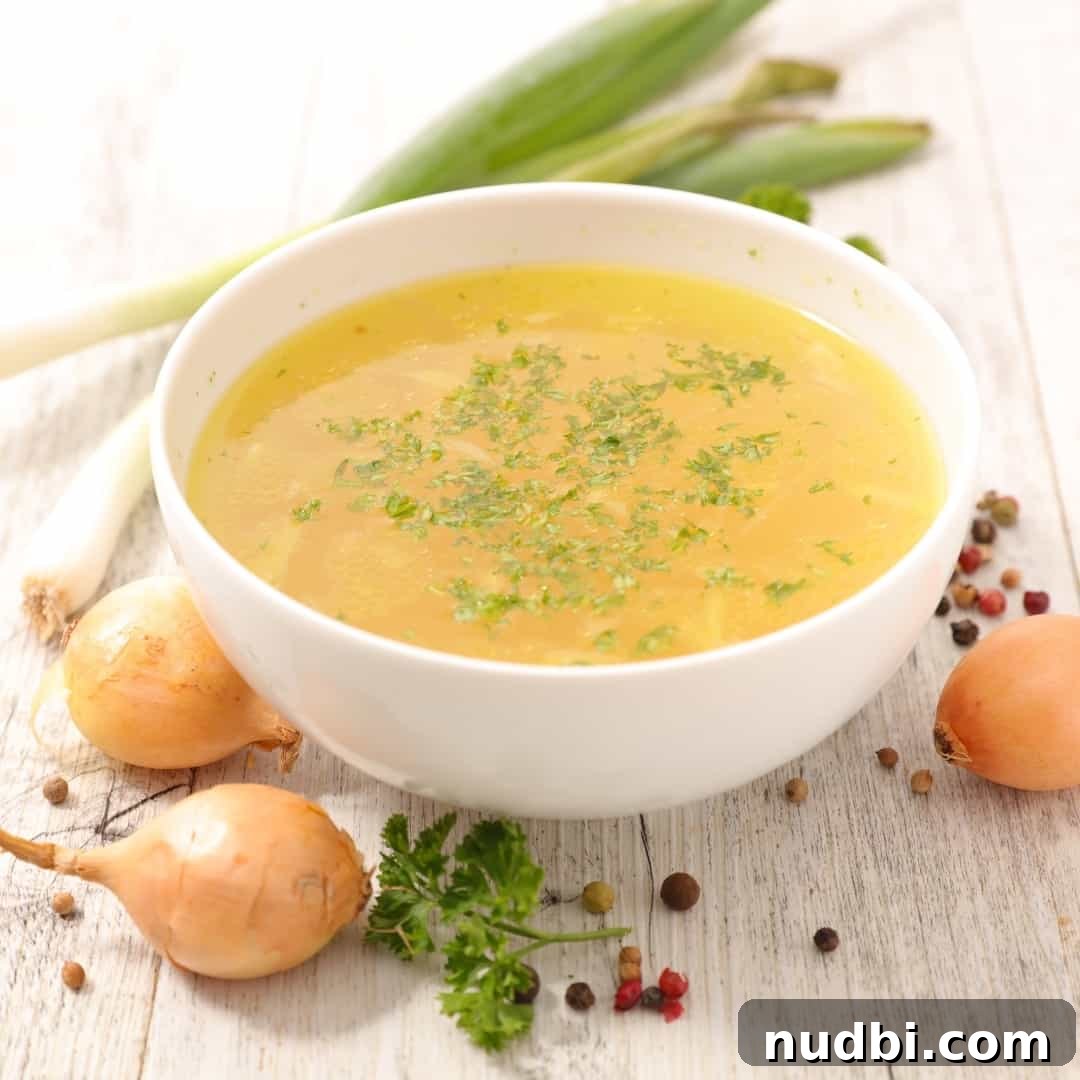
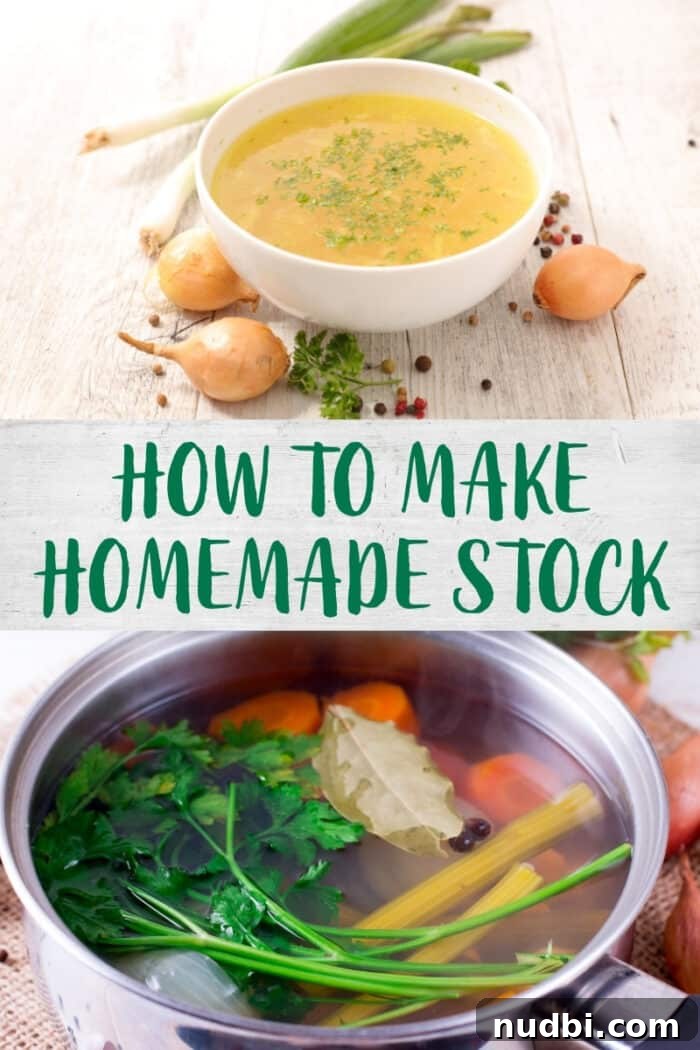
In the culinary world, a rich, flavorful stock is often considered the backbone of countless delicious dishes. From heartwarming soups and savory stews to complex sauces and risottos, a high-quality stock elevates the taste profile significantly. While store-bought options are readily available, nothing quite compares to the depth of flavor, health benefits, and sense of accomplishment that comes from making your own homemade stock. Best of all, it’s a wonderfully simple process that transforms humble vegetable scraps – items you might otherwise discard – into a golden elixir for your kitchen. This guide will walk you through creating a wholesome, homemade vegetable stock, turning kitchen waste into culinary gold.
Beyond the incredible flavor, making homemade stock is an excellent way to reduce food waste, control sodium content, and ensure your meals are free from artificial additives often found in commercial broths. It’s a sustainable practice that nurtures both your family and the planet. Whether you’re a seasoned chef or a beginner in the kitchen, this step-by-step process is designed to be straightforward and rewarding.
Don’t forget to grab this free printable version of our guide for quick reference! We’re also sharing some of our favorite homemade soups below that truly shine with a base of fresh, homemade stock.
Mastering the Art: How to Make Your Own Flavorful Vegetable Stock
Creating your own vegetable stock is not just cooking; it’s an act of culinary magic. It’s about extracting the very essence of vegetables and infusing it into water, creating a liquid gold that can transform any dish. Follow these simple steps to craft a batch of homemade stock that will become an indispensable ingredient in your cooking.
Step 1: Gather Your Vegetable Scraps and Essentials
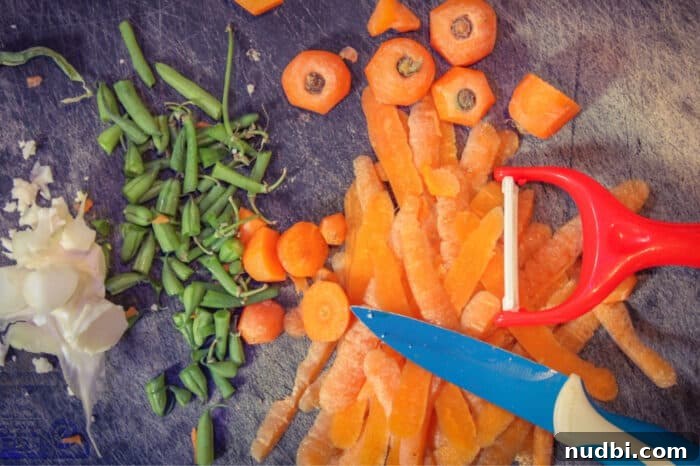
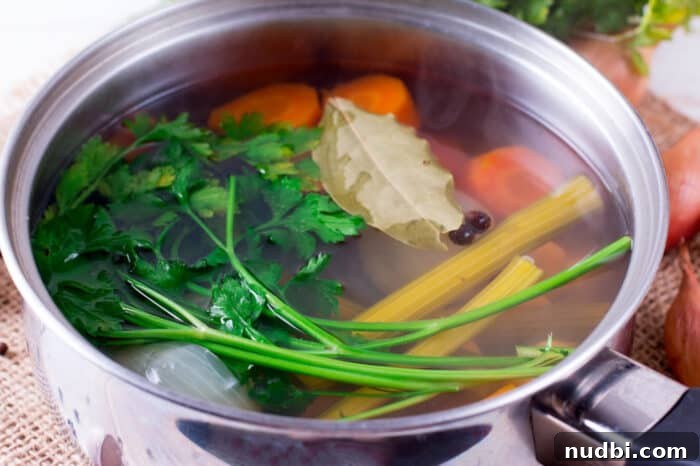
The foundation of a great vegetable stock lies in your collection of aromatic vegetable scraps. Instead of tossing away the ends of onions, carrot peels, celery leaves, mushroom stems, or leek greens, designate a freezer-safe bag or container to collect them. Good candidates include onion skins and ends, carrot tops and peels, celery ends and leaves, garlic skins, parsley stems, bell pepper cores, and zucchini ends. These scraps are packed with flavor that will enrich your stock. However, some vegetables are best avoided: strong-flavored brassicas like broccoli, cauliflower, or cabbage can impart a bitter taste, and starchy items like potatoes can make your stock cloudy. If you’re saving scraps over several days or weeks, store them securely in the freezer until you’ve accumulated enough for a batch. This not only prevents spoilage but also ensures you always have ingredients on hand for spontaneous stock making. Before adding them to the pot, give your collected scraps a quick rinse under cold water to remove any dirt or impurities.
Step 2: Combine and Season for Maximum Flavor
Once you have a generous collection of vegetable scraps, it’s time to bring them to life. Transfer all your cleaned vegetable odds and ends into a large stockpot. The size of your pot matters; a 6-8 quart pot is ideal for a substantial batch. Next, cover the vegetables completely with cold water. Starting with cold water is crucial as it allows the flavors to extract gradually and thoroughly, resulting in a more robust and clear stock. For seasoning, add a pinch of salt (remember, you can always add more later, but you can’t take it out!), and a selection of fresh or dried herbs and spices. Classic additions include a few bay leaves for a subtle, earthy undertone, whole peppercorns for a gentle warmth, and sprigs of fresh thyme or parsley for aromatic depth. Other wonderful spices like coriander seeds or a couple of cloves can also add complexity. For an extra layer of flavor, consider adding a whole garlic head (cut in half) or a quartered onion directly to the pot. A splash of apple cider vinegar can also help extract minerals and flavors from the vegetable cell walls, but it’s optional.

Step 3: Simmer to Perfection
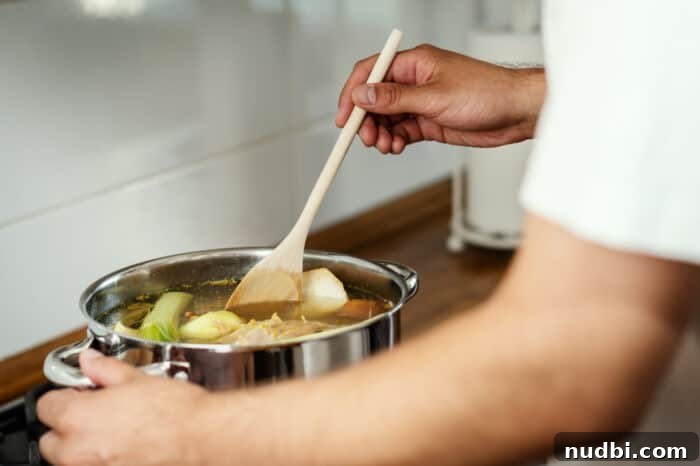
With your ingredients assembled, it’s time to begin the slow infusion process. Place the stockpot on your stovetop and turn the heat to high. Bring the mixture to a rolling boil, ensuring all ingredients are well submerged. Once boiling, immediately reduce the heat to a low simmer. This gentle bubbling is key to developing a rich, clear stock without over-extracting bitter notes. A slow simmer allows the flavors to meld and intensify gradually. Let your stock simmer for at least 45 minutes, though for a deeper, more concentrated flavor, you can extend this to 2-3 hours. During the simmering process, you may notice foam or impurities rising to the surface. Use a ladle or a large spoon to periodically skim off this foam; this helps keep your stock clear and clean-tasting. Keep an eye on the water level, adding more if necessary to keep the vegetables covered, especially during longer simmers.
Step 4: Taste, Adjust, and Cool
The beauty of homemade stock is its adaptability. Throughout the simmering process, make it a habit to taste your stock often. This allows you to monitor its flavor development and make any necessary adjustments. Does it need a bit more salt? A pinch of black pepper? Perhaps another bay leaf? Trust your palate. Once you are completely satisfied with the depth and balance of flavor, remove the pot from the heat. Before straining, it’s crucial to cool the stock safely. Rapid cooling prevents bacterial growth and helps preserve the stock’s quality and flavor. You can let it cool naturally at room temperature for an hour or two, stirring occasionally. To speed up the process, you can carefully place the hot pot in a larger sink filled with ice water, ensuring the water level in the sink doesn’t reach the rim of your stockpot. Stir the stock regularly to ensure even and quick cooling. It should cool to below 70°F (21°C) within 2 hours and then to 40°F (4°C) or below within another 2 hours.

Step 5: Strain, Store, and Savor
With your perfectly flavored and cooled stock, the final step is straining and proper storage. First, use a large slotted spoon to remove all the larger vegetable pieces and discarded herbs from the pot. These have given all their flavor and are no longer needed. Next, place a fine-mesh strainer (or a colander lined with cheesecloth for extra clarity) over a large, clean bowl or another pot. Carefully pour the remaining liquid through the strainer to catch any smaller particles, ensuring a smooth, clear stock. This double straining ensures a pristine final product. Your homemade vegetable stock is now ready for storage. For immediate use, it can be refrigerated in airtight containers for up to 3-4 days. For longer preservation, pour the stock into freezer-safe containers, leaving a little headspace for expansion. Portioning your stock into smaller containers (e.g., 1-cup or 2-cup servings) makes it convenient for future recipes. It’s best to refrigerate the stock overnight before freezing to allow for complete cooling and to solidify any fat (which can then be easily skimmed if desired, though vegetable stock typically has minimal fat). Frozen vegetable stock can be stored for up to 6 months, offering a flavorful and healthy base whenever inspiration strikes.
Nourishing Comfort: Our Favorite Homemade Soups
Tomato Soup & Baked Mini Grilled Cheese
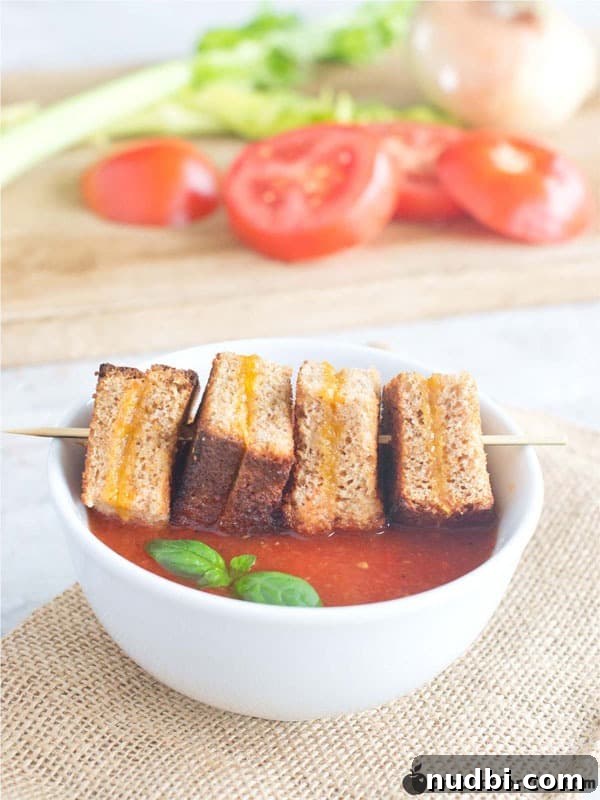
Embrace a timeless classic with a wholesome twist! This creamy tomato soup, made with fresh, ripe tomatoes, is the perfect companion to adorable baked mini grilled cheese sandwiches. It’s a kid-friendly comfort food that skips the high-sodium canned versions and delivers a vibrant, veggie-packed meal. Ideal for a cozy family dinner, it’s simple to prepare and truly satisfying, offering a burst of garden-fresh flavor in every spoonful.
Get the Recipe
Asian Noodle Soup
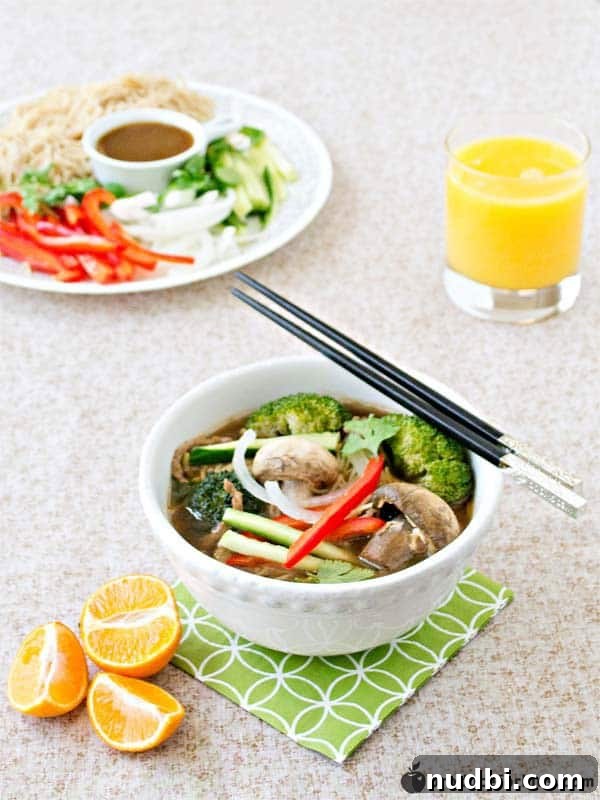
Whisk your taste buds away with this exquisite Asian Noodle Soup. Bursting with savory flavors and abundant healthy vegetables, this recipe is a lifesaver for those hectic weeknights filled with homework and extracurricular activities. It’s a light yet satisfying meal that comes together quickly, offering a delightful blend of textures and an aromatic broth that warms you from the inside out. Customize it with your family’s favorite greens and proteins!
Get the Recipe
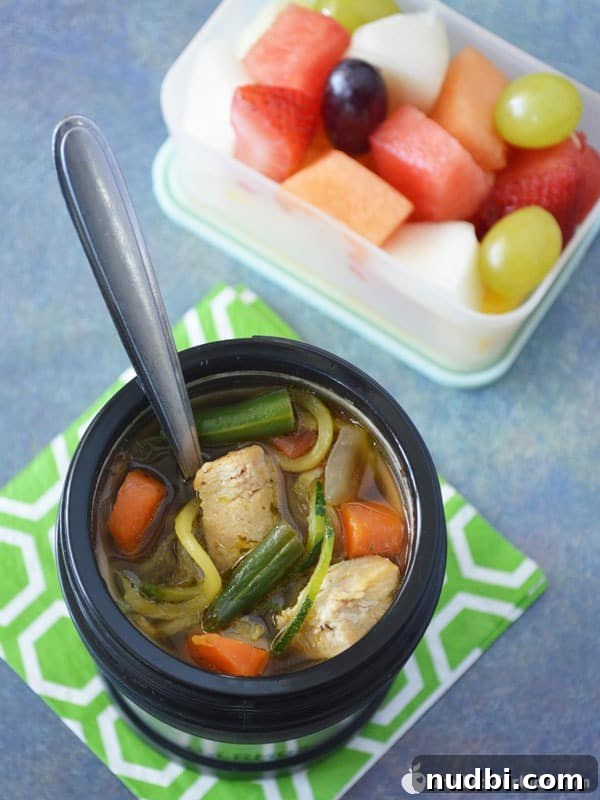
Chicken Zoodle Soup
Reinvent your beloved chicken noodle soup with a nutritious, veggie-packed makeover! This Chicken Zoodle Soup substitutes traditional noodles with fresh zucchini spirals (zoodles), making it a lighter, gluten-friendly option without sacrificing comfort. It’s an excellent way to sneak in extra vegetables while enjoying a classic flavor profile. Prepare a generous batch for a delicious dinner, and effortlessly pack leftovers in a thermos for a wholesome school or office lunch the next day.
Get the Recipe
Meatball & Orzo Soup
Inspired by the quintessential comfort food, Spaghetti & Meatballs, this soup offers all the familiar flavors in a warm, spoonful-friendly format. Featuring delicious turkey meatballs, secretly packed with grated vegetables, and tender orzo pasta, it’s a hearty and comforting meal. The small, bite-sized orzo is perfect for soups, ensuring every spoonful is packed with flavor and texture. This soup is a fantastic way to enjoy a balanced, satisfying dinner that feels both nostalgic and fresh.
Get the Recipe

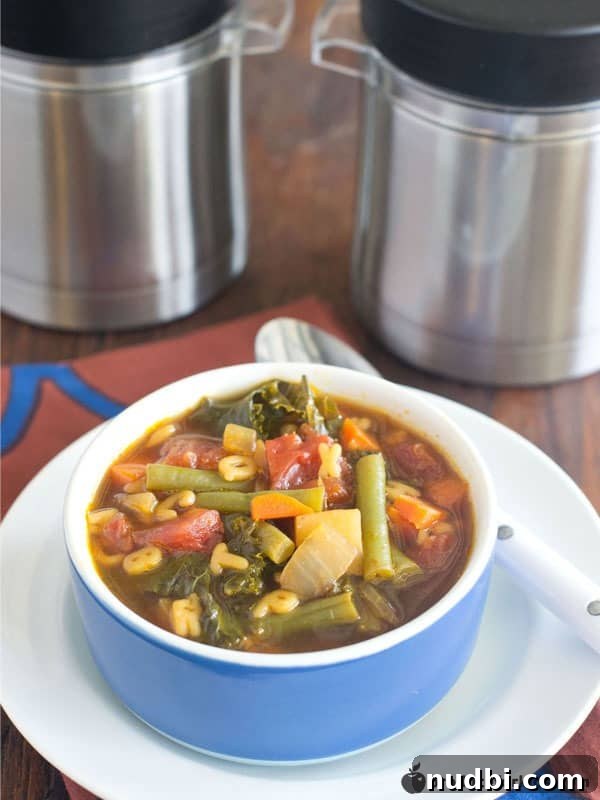
Alphabet Vegetable Soup
Delight your little ones and keep them warm with this healthy and hearty Alphabet Vegetable Soup. It’s a fun and nutritious meal that makes eating vegetables exciting for kids, while providing grown-ups with a comforting bowl. Filled with colorful vegetables and playful alphabet pasta, this soup is perfect for chilly evenings and an imaginative way to serve up a dose of goodness. A truly classic recipe that appeals to all ages.
Get the Recipe
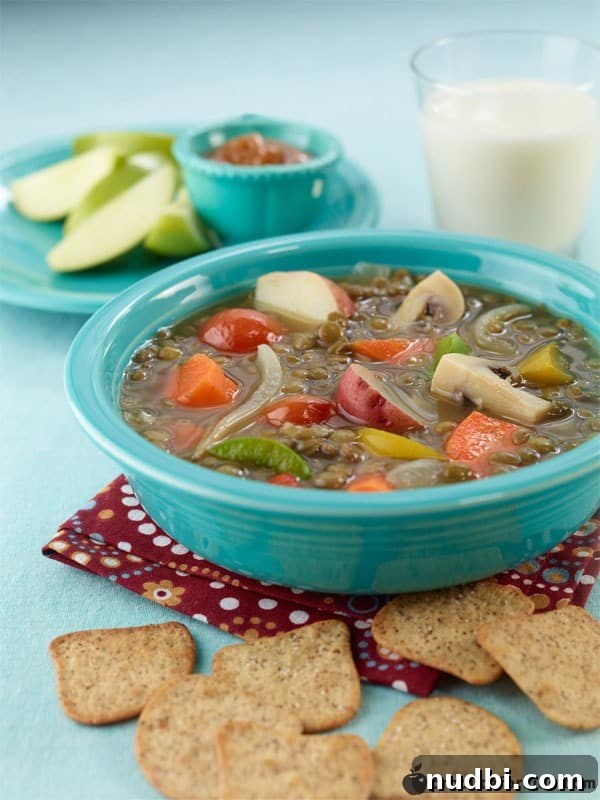
Vegetable & Lentil Soup
Discover the power of pulses with this incredibly wholesome Vegetable & Lentil Soup. Lentils are a fantastic, cost-efficient source of plant-based protein and dietary fiber, making this soup incredibly filling and nutritious for the entire family. It’s a naturally hearty and satisfying dish that promotes sustained energy. We highly recommend making an extra-large batch and freezing portions, so you always have fresh, homemade soup ready at a moment’s notice for a quick, healthy meal.
Get the Recipe
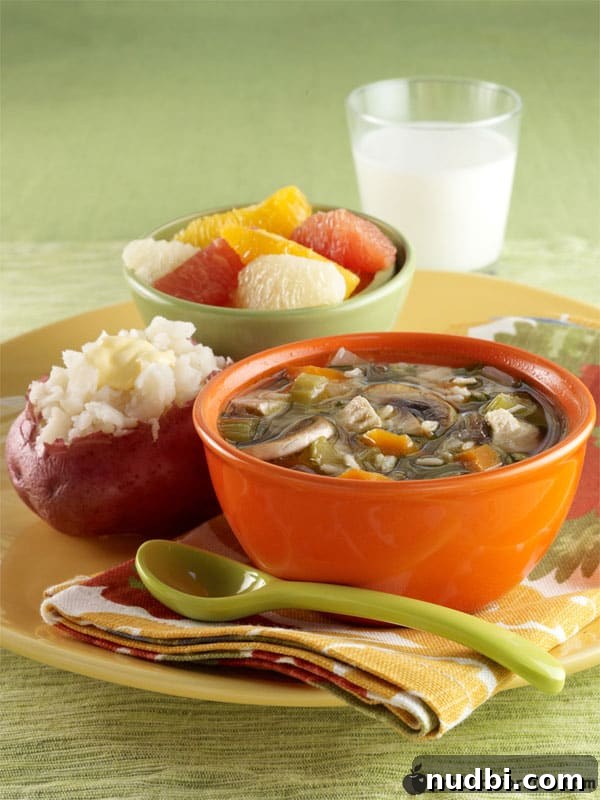
Roasted Vegetable Chicken Soup
Experience the elevated flavors of a homemade soup with this Roasted Vegetable Chicken Soup. Roasting the vegetables before adding them to the broth deepens their natural sweetness and creates a more complex, satisfying taste compared to traditional boiled versions. Homemade soups, like this one, naturally offer lower sodium and calorie counts, along with a higher vegetable content, outperforming many canned varieties. Double the recipe for an easy, comforting supper on the next rainy evening, or for quick lunches throughout the week.
Get the Recipe
Hearty Vegetable Tortellini Soup
You’ll be amazed at how quickly and easily this Hearty Vegetable Tortellini Soup comes together! This vegetarian-friendly meal is incredibly satisfying, brimming with tender cheese tortellini, sweet diced tomatoes, crisp green beans, nutrient-rich spinach, and hearty chickpeas. It’s a perfect option for a flavorful and substantial dinner on a busy night, offering a delightful blend of textures and a comforting broth. Enjoy a vibrant and filling bowl that nourishes both body and soul.
Get the Recipe
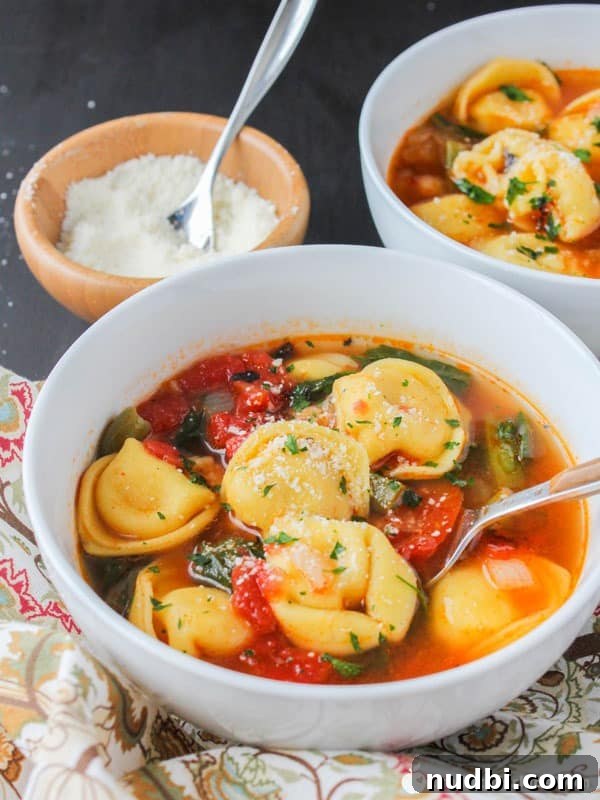
30-Minute Veggie Tortellini Soup
When time is of the essence, this light and easy 30-Minute Veggie Tortellini Soup is your perfect solution! Designed for busy weeknights, this recipe allows you to put a delicious and wholesome meal on the table in under half an hour. Packed with fresh vegetables and tender tortellini, it’s a quick-cooking delight that doesn’t compromise on flavor or nutrition. Any leftovers make for an equally perfect, hearty lunch, providing a satisfying midday boost.
Get the Recipe
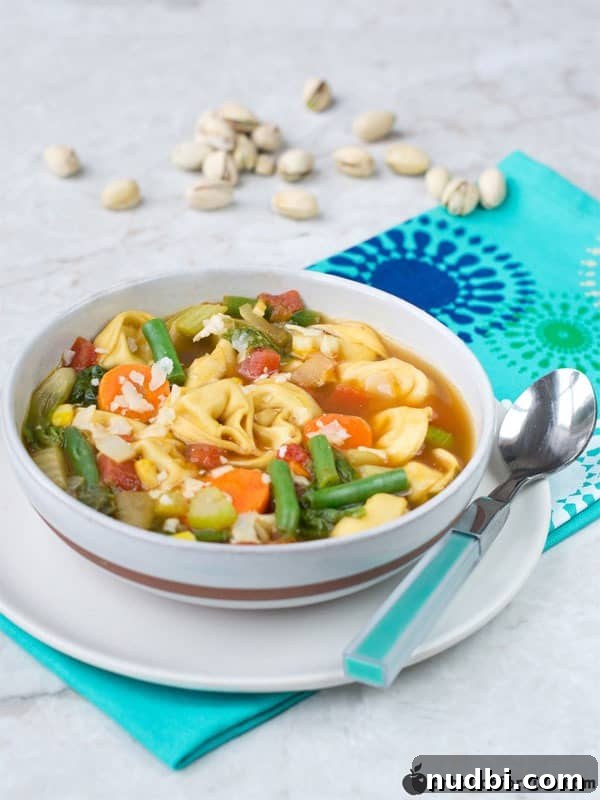
Slow Cooker Butternut Squash Soup
Simplify your kitchen routine and savor the rich, creamy flavors of autumn with this Slow Cooker Butternut Squash Soup. This hands-off recipe allows the flavors to meld beautifully over hours, resulting in a deeply comforting and velvety smooth soup. The addition of crispy, baked carrot chips offers a delightful textural contrast and a healthy crunch, making it an ideal meal for a chilly evening. Prep it in the morning and come home to a delicious, ready-to-eat dinner.
Get the Recipe

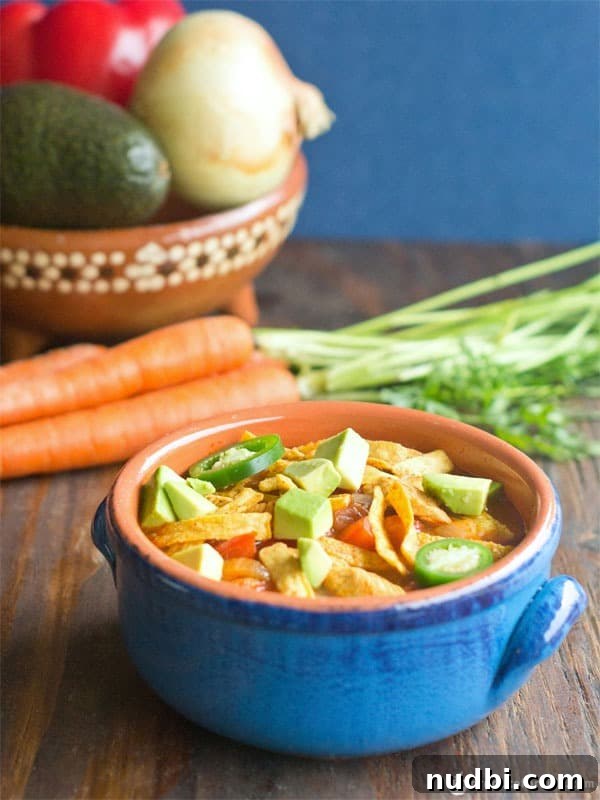
One-Pot Light Chicken Tortilla Soup
Give classic chicken tortilla soup a fresh, lighter makeover with this incredible one-pot version. This recipe is ingeniously packed with vibrant vegetables, delivering an abundance of natural flavor while being thoughtfully lower in sodium than many traditional canned varieties. Enjoy the robust, zesty taste of homemade Mexican-inspired comfort food with less fuss. Enhance its deliciousness by topping with a dollop of Greek yogurt, a squeeze of fresh lime juice, or a sprinkle of fragrant cilantro for an extra burst of flavor.
Get the Recipe
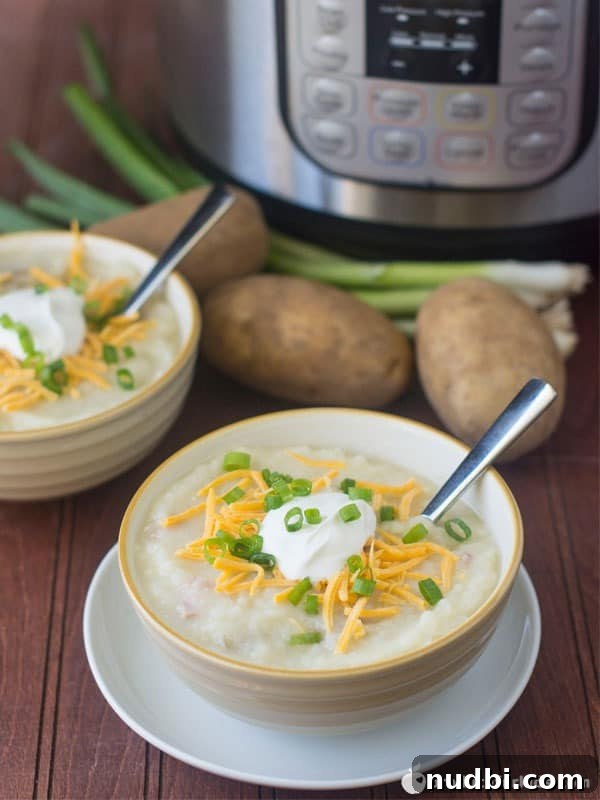
Instant Pot Baked Potato Soup
Indulge in the creamy, comforting goodness of traditional baked potato soup, but with a healthier twist and remarkable speed, thanks to the Instant Pot! This recipe gets a nutritious makeover with the clever addition of cauliflower, boosting its vegetable content without compromising on the classic, rich flavor. Forget the lengthy pre-baking of potatoes; this satisfying soup comes together in just 20 minutes in your Instant Pot, offering a quick and wholesome meal for any day of the week.
Get the Recipe
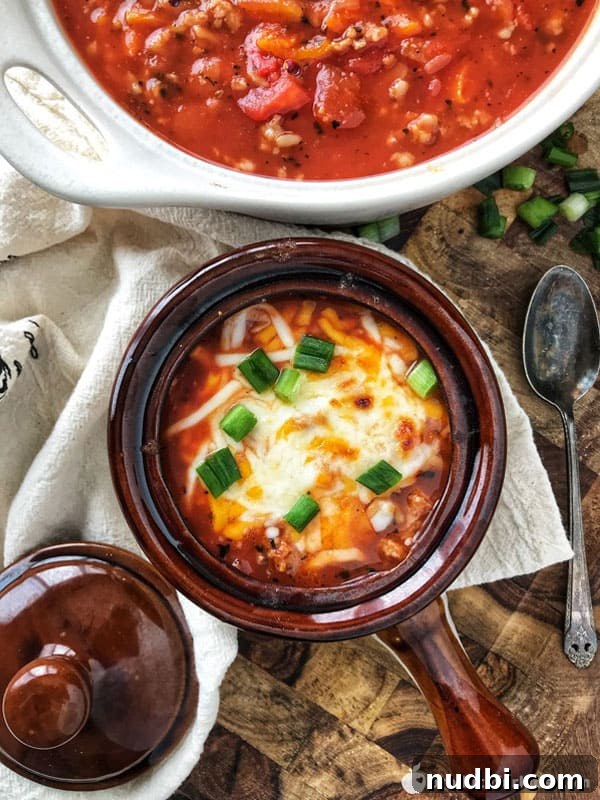
Stuffed Pepper Soup
Enjoy all the beloved flavors of classic stuffed peppers in a convenient and comforting soup form! This healthy stuffed pepper soup takes just 20 minutes to prepare, making it an ideal choice for a quick weeknight dinner. It’s loaded with colorful bell peppers, savory onions, lean ground meat (or plant-based alternative), juicy tomatoes, and tender rice, all simmered in a rich broth. This hearty and flavorful soup is a fantastic and easy way to encourage your family to eat more nourishing vegetables.
Get the Recipe