Build Your Own Pizza: The Ultimate Guide for Healthy & Fun Family Pizza Nights
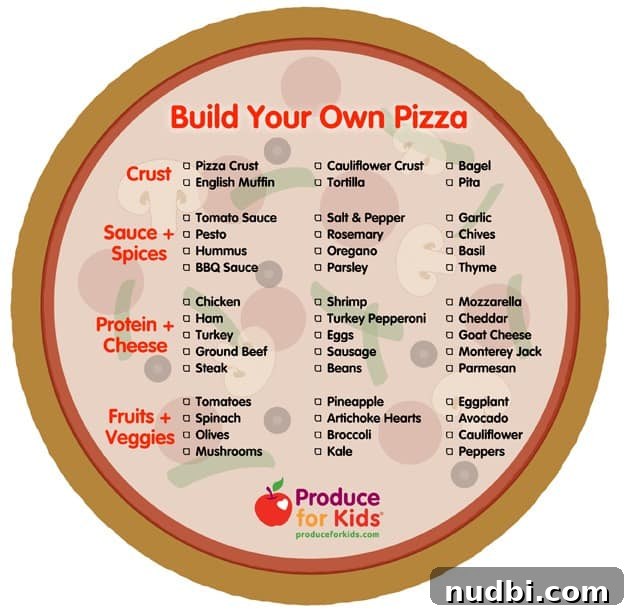
Pizza holds a special place in the heart of many families, and in our household, it’s an absolute favorite! There’s an undeniable joy in gathering together, especially when our children get to choose their favorite toppings and lend a hand in assembling a meal everyone will savor. This comprehensive “Build Your Own Pizza” guide isn’t just about making dinner; it’s about transforming a simple family pizza night into a delightful, interactive, and surprisingly healthy culinary adventure. Imagine a dinner where everyone’s preferences are met, dietary needs are easily accommodated, and the process itself is as enjoyable as the eating! Simply select your preferred options from each category, or better yet, empower your kids to lead the selection, then assemble, bake, and enjoy the fruits of your collective creativity.

Why Embracing the “Build Your Own Pizza” Concept is a Game Changer
Beyond the sheer fun, customizing your pizza offers a multitude of benefits that elevate it from a convenient meal to a truly wholesome and engaging experience. Here’s why this approach is perfect for your family:
- Unleash Creativity & Engage Kids: Let’s face it, getting kids excited about dinner can sometimes be a challenge. But when they’re in charge of their own pizza, choosing ingredients, and laying them out, they become invested. It’s a fantastic way to teach them about food, encourage culinary exploration, and even develop fine motor skills. Plus, a pizza they’ve helped create is a pizza they’re far more likely to eat!
- Achieve Healthier Choices: Store-bought pizzas, while convenient, often come loaded with excessive sodium, unhealthy fats, and artificial additives. By building your own, you gain complete control over every ingredient. Opt for whole-wheat crusts, low-sugar sauces, lean proteins, and an abundance of fresh vegetables to significantly boost the nutritional value of your meal. It’s an easy way to sneak in those vital nutrients without sacrificing flavor.
- Cater to Diverse Tastes and Dietary Needs: Is someone in your family gluten-intolerant? Does another prefer vegetarian options while someone else craves meat? Homemade pizza effortlessly accommodates all. Set up different stations for various crusts, sauces, and toppings, ensuring everyone can craft a pizza that perfectly suits their individual diet and palate.
- Budget-Friendly Dining: Eating out can be expensive, especially for a family. Making pizza at home is often significantly more economical than ordering delivery or dining at a restaurant. You can utilize ingredients you already have on hand, reduce food waste, and enjoy a gourmet-quality meal for a fraction of the cost.
- A Fun Family Bonding Activity: Beyond the food itself, the process of making pizza together creates lasting memories. It’s an opportunity for laughter, conversation, and teamwork, fostering a stronger family connection around the kitchen counter.
The Anatomy of Your Perfect Pizza: A Step-by-Step Guide to Customization
Crafting the ultimate homemade pizza involves thoughtful selection from several key categories. Think of it as an artistic canvas where you’re the chef, designing a masterpiece unique to your desires. Here’s a breakdown of each component and how to make the best choices:
1. The Foundation: Choosing Your Crust
The crust sets the stage for your entire pizza experience. Luckily, today’s market offers incredible variety, catering to every taste and dietary requirement. Consider these options:
- Traditional Dough: The classic choice, available fresh or frozen from most grocery stores, or even better, make your own! A simple yeast dough offers that authentic pizzeria chewiness.
- Whole Wheat Crust: A fantastic healthy alternative, offering more fiber and nutrients. Many brands now offer delicious whole wheat options that don’t compromise on texture or flavor.
- Cauliflower Crust: For those seeking low-carb or gluten-free options, cauliflower crusts are a popular choice. They provide a mild flavor and a satisfying texture.
- Gluten-Free Crusts: Beyond cauliflower, many brands offer rice flour, almond flour, or other gluten-free blends that are perfect for sensitive diets.
- Pita Bread or Tortillas: For quick, individual mini-pizzas, pita bread or large tortillas make excellent, crispy bases, ideal for lunch or a fast snack.
- Naan Bread: Offers a slightly thicker, chewier base, perfect for personal-sized gourmet pizzas.
Tip: If using store-bought dough, let it come to room temperature for about 30 minutes before rolling. This makes it much easier to work with.
2. The Flavor Carrier: Selecting Your Sauce
The sauce is the vibrant heart of your pizza, infusing every bite with character. Don’t be afraid to experiment beyond the conventional!
- Classic Marinara/Tomato Sauce: The timeless choice. Look for varieties with low sugar and natural ingredients. Or, better yet, whip up a quick homemade sauce with canned crushed tomatoes, garlic, and herbs.
- Pesto: A fantastic green alternative, offering bright, herbaceous flavors. Great with chicken, fresh tomatoes, and mozzarella.
- White Garlic Sauce (Alfredo/Ranch-based): For a creamy, rich profile. Perfect with spinach, mushrooms, and grilled chicken.
- BBQ Sauce: Adds a smoky, tangy kick. Ideal for BBQ chicken pizza with red onions and cilantro.
- Olive Oil & Garlic: For a light, minimalist pizza, a simple brush of good quality olive oil infused with minced garlic provides a wonderful base for fresh toppings.
Tip: A little goes a long way with sauce. Too much can make your pizza soggy. Spread a thin, even layer, leaving a small border for the crust.
3. The Melty Goodness: Choosing Your Cheese
Cheese provides that iconic gooey texture and savory depth that defines pizza. Mix and match for complex flavor profiles!
- Low-Moisture Mozzarella: The undisputed king of pizza cheese, renowned for its meltability and mild flavor. Opt for freshly shredded or a block you shred yourself for superior melt.
- Fresh Mozzarella: For a more gourmet, creamy texture. Best added towards the end of baking or after to prevent excessive watering.
- Provolone: Adds a sharper, tangier note than mozzarella, and melts beautifully.
- Parmesan/Asiago: Sprinkle a touch for a salty, nutty burst of flavor.
- Cheddar: While not traditional, a mild cheddar can add a sharp, familiar taste, especially good for kid-friendly pizzas.
- Ricotta: Dollops of ricotta can add a creamy, fresh element, particularly lovely on white pizzas or those with spinach.
- Dairy-Free Alternatives: Many excellent plant-based mozzarella and cheddar shreds are available for those with lactose intolerance or vegan diets.
Tip: Spread the cheese evenly but don’t overdo it. About 1/2 to 1 cup per medium pizza is usually sufficient.
4. The Stars of the Show: Vibrant Vegetable Toppings
This is where your pizza becomes a nutritional powerhouse! The options are endless, offering color, texture, and vitamins.
- Bell Peppers: Red, green, yellow, orange – add sweetness and a slight crunch.
- Onions: Red, white, or caramelized onions offer a pungent or sweet counterpoint.
- Mushrooms: Sautéed or fresh, they add an earthy umami flavor.
- Spinach/Kale: Wilt beautifully and add a significant nutrient boost.
- Broccoli Florets: Small, tender florets roast well and add a unique texture.
- Olives: Black or green, they offer a salty, briny burst.
- Tomatoes: Sliced fresh tomatoes, cherry tomatoes, or sun-dried tomatoes all add different dimensions of flavor.
- Zucchini/Eggplant: Thinly sliced and lightly pre-cooked can be excellent.
- Jalapeños: For those who love a spicy kick!
- Pineapple: A classic (and controversial!) sweet and tangy addition.
- Artichoke Hearts: Marinated or plain, they add a distinctive flavor.
Tip: For water-rich vegetables like mushrooms, onions, or zucchini, consider sautéing them lightly beforehand to remove excess moisture. This prevents a soggy pizza.
5. Power Up: Adding Proteins
For a more substantial meal, incorporating lean proteins can make your pizza incredibly satisfying.
- Cooked Chicken: Shredded rotisserie chicken, grilled chicken, or pre-cooked chicken breast works wonderfully.
- Lean Ground Meats: Cooked ground turkey or lean ground beef.
- Pepperoni/Salami: Use in moderation for classic flavor. Consider turkey pepperoni for a leaner option.
- Ham/Canadian Bacon: Diced or thinly sliced.
- Shrimp: Cooked shrimp adds a delightful seafood twist.
- Tofu/Tempeh: Marinated and crumbled or diced for plant-based protein.
- Beans: Black beans or kidney beans can add a hearty, fiber-rich component, especially on a BBQ or Mexican-style pizza.
Tip: Ensure all meat toppings are fully cooked before adding them to the pizza, as they may not cook thoroughly in the relatively short pizza baking time.
6. The Finishing Touches: Garnishes & Extra Flavor Boosters
These additions elevate your pizza from good to gourmet!
- Fresh Herbs: Basil, oregano, rosemary, or cilantro (added after baking for best flavor).
- Red Pepper Flakes: For a touch of heat.
- Balsamic Glaze: Drizzled after baking for a sweet and tangy finish.
- Nutritional Yeast: Offers a cheesy, umami flavor for dairy-free options or added depth.
- Arugula: Tossed fresh on top after baking for a peppery bite.
Assembling and Baking Your Masterpiece: A Simple Guide
Once your ingredients are selected, the fun continues with assembly and the anticipation of baking!
- Preheat Oven & Prep Surface: Preheat your oven to a high temperature, typically between 450°F and 500°F (230°C-260°C). If you have a pizza stone or steel, place it in the oven during preheating for a crispier crust. Lightly flour your work surface, a pizza peel, or a baking sheet.
- Shape Your Crust: Gently roll or stretch your pizza dough to your desired thickness and shape. Transfer it to your prepared surface.
- Sauce It Up: Spread a thin, even layer of your chosen sauce over the dough, leaving a small border around the edges for the crust.
- Layer the Cheese: Distribute your cheese(s) evenly over the sauce.
- Add Your Toppings: Strategically place your selected vegetables, proteins, and any other toppings. Try not to overload the pizza; too many toppings can lead to uneven cooking and a soggy crust.
- Bake to Perfection: Carefully transfer your pizza to the hot oven (onto the pizza stone/steel or baking sheet). Bake for 8-15 minutes, depending on your oven and crust thickness. Look for a golden-brown crust, bubbly and slightly browned cheese, and tender-crisp toppings.
- Cool & Serve: Once done, carefully remove the pizza from the oven. Let it cool for 2-3 minutes before slicing. This allows the cheese to set slightly, preventing all the toppings from sliding off. Slice and enjoy your homemade creation!
Expert Tips for the Best Family Pizza Night
To ensure your build-your-own pizza night is a smashing success, keep these practical tips in mind:
- Mise en Place is Your Friend: “Mise en place” means “everything in its place.” Chop all vegetables, cook all meats, and prepare all sauces and cheeses before you start assembling. This makes the process smooth and enjoyable, especially with eager children.
- Create Individual Stations: For ultimate customization, set out bowls of each topping. Assign each child (or adult!) a small cutting board and rolling pin if they’re making individual pizzas.
- Don’t Forget the Fun Factor: Play some music, put on aprons, and make it a festive event. The more relaxed and enjoyable the atmosphere, the better the memories (and the pizza!).
- Consider Mini Pizzas: Using pre-made mini crusts, pita bread, or English muffins is excellent for portion control and allows each person to have their very own personal pizza from start to finish.
- A Drizzle of Olive Oil: After adding all your toppings and before baking, a light drizzle of good quality extra virgin olive oil over the top can enhance flavor and help the crust crisp up.
- Don’t Be Afraid of Leftovers: Any leftover cooked veggies or proteins can be repurposed into tomorrow’s omelet, salad, or sandwich filling, minimizing waste.
- For a printable version of this guide, perfect for reference during your pizza night, you can get the PDF here. Keep it handy for your next culinary adventure!
Conclusion: More Than Just a Meal, It’s a Memory
Building your own pizza is far more than just preparing a meal; it’s an experience that fosters creativity, encourages healthy eating habits, and strengthens family bonds. It’s a chance to experiment with flavors, cater to everyone’s unique preferences, and create a delicious dinner that’s tailor-made for your household. So, ditch the takeout menu, gather your loved ones, and embark on a memorable “Build Your Own Pizza” night. It’s an easy, fun, and healthy way to enjoy one of the world’s most beloved dishes. Get ready for laughter, learning, and the most delicious, custom-made pizzas you’ve ever tasted. Happy pizza making!