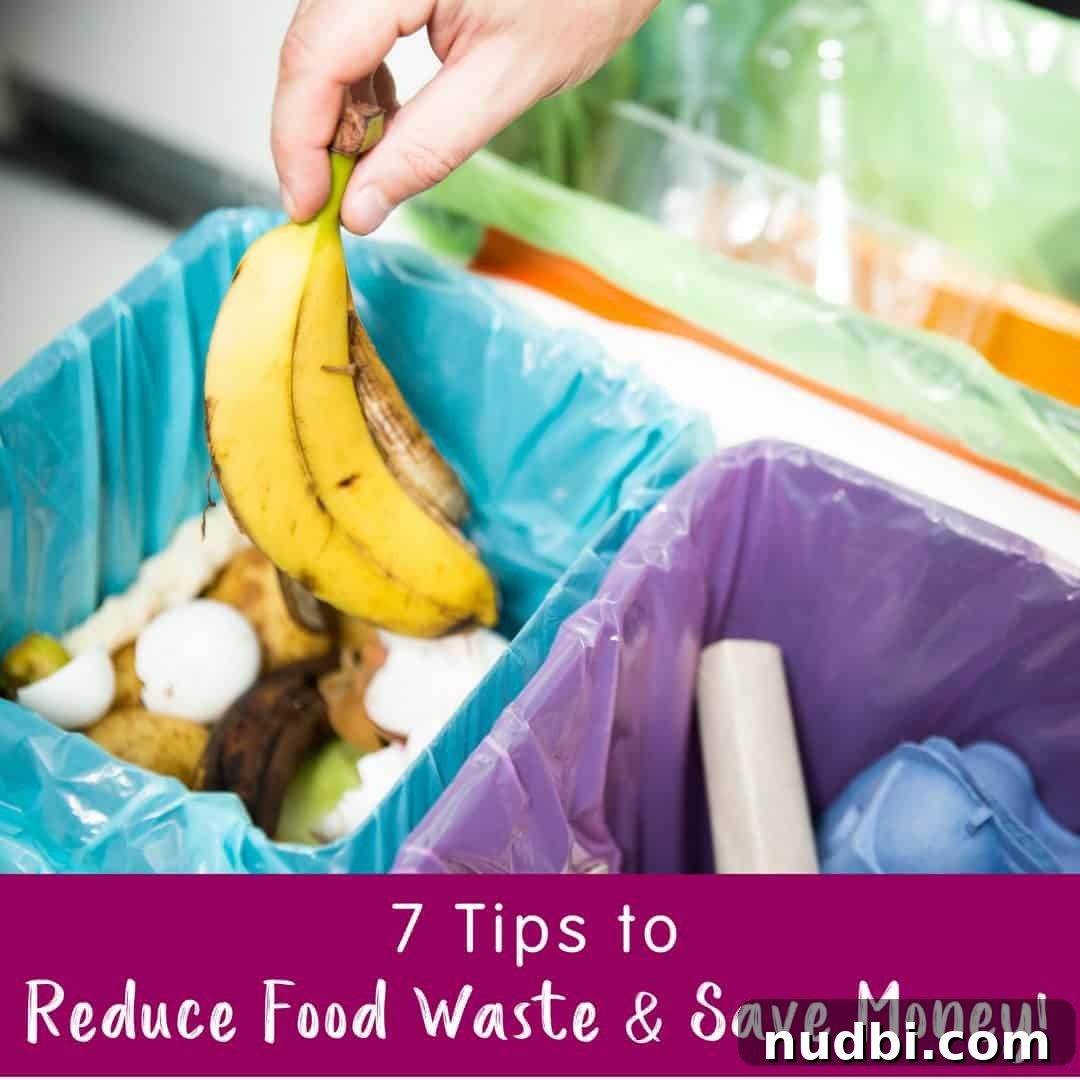
Looking to significantly reduce food waste, embrace sustainable living, and even save a substantial amount of money? You’ve come to the right place! Sally, a dedicated mom and Registered Dietitian, shares her expert and practical tips to help you master the art of minimizing food waste right in your own kitchen. Her insights are designed to make sustainability accessible for every family, turning everyday habits into impactful actions.
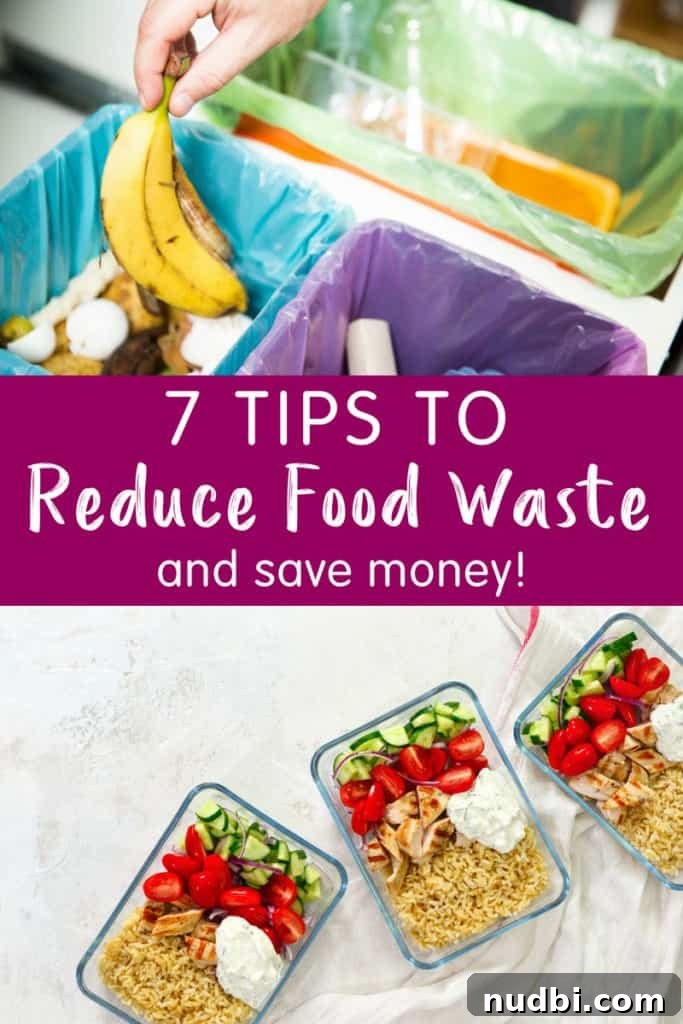
Food waste is a pervasive issue with far-reaching consequences that extend beyond our dinner plates. As families, we hold a considerable power to mitigate this problem right in our kitchens. The impact of reducing food waste is twofold: it’s not only incredibly beneficial for our household budgets, but it’s also a critical step towards environmental preservation. When food rots in landfills, it decomposes anaerobically, releasing methane—a potent greenhouse gas that contributes significantly to global warming and climate change. Every scrap saved is a step toward a healthier planet.
Consider this startling statistic: an astonishing over 40% of all food grown or produced in the United States is ultimately thrown away. This figure represents an immense loss of resources—not just the food itself, but also the water, energy, land, and labor that went into cultivating, harvesting, processing, and transporting it. It’s a staggering amount of time, effort, and money literally going to waste, impacting both our wallets and the ecological balance of our world. By adopting smarter habits, we can transform this narrative and create a more efficient and sustainable food system.
Smart Strategies to Drastically Reduce Food Waste at Home: Your Comprehensive Guide
Embarking on a journey to reduce food waste doesn’t have to be daunting. With a few intentional shifts in how we plan, shop, store, and consume food, every household can make a significant difference. Here are practical, actionable ideas, carefully curated to help you make the most of your groceries, save money, and contribute to a more sustainable future.
1. Master Meal Planning and Meal Prep for Efficiency
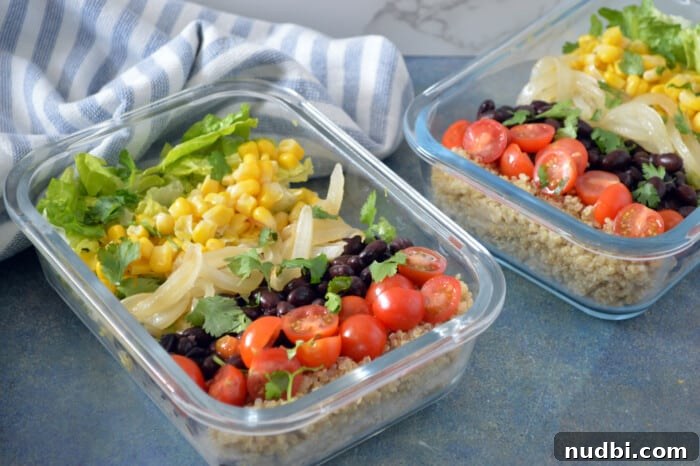
The foundation of effective food waste reduction begins before you even step into the grocery store: it starts with a thoughtful meal plan. Jumping into meal planning from scratch each week can certainly feel overwhelming, particularly if your refrigerator and pantry are already bursting with ingredients. To avoid duplicate purchases and ensure everything gets used, begin by conducting a thorough inventory of what you already have on hand. Build your weekly menu around these existing items first, prioritizing those that are nearing their prime.
- Notice fresh berries that are on the verge of turning soft? Plan for delicious, nutrient-packed fruit smoothies for breakfast or a healthy snack.
- Got a generous bunch of leafy greens that need to be used quickly? Incorporate them into vibrant lunch salads for work and school, or sauté them as a side dish.
- Discovered a forgotten package of ground beef in the fridge? Make it a highlight by putting “Taco Tuesday” or a hearty bolognese sauce on your lineup.
- Wilted vegetables like carrots or celery can be transformed into a comforting soup or a flavorful frittata instead of being discarded.
Beyond reducing waste, meal planning offers numerous benefits. It streamlines your grocery shopping, saves time during busy weeknights, and can even lead to healthier eating habits by encouraging home-cooked meals. If you’re new to the world of meal planning and seeking guidance, consider exploring these 10 Beginner’s Tips to Meal Planning Like a Pro to kickstart your journey with confidence and efficiency.
2. Shop Smart: Buy Only What You Truly Need
Over-purchasing is a silent culprit in the battle against food waste. The average family of four reportedly spends an astounding $1,500 per year on food that ultimately goes uneaten, according to the EPA. It’s incredibly easy to get carried away by appealing displays and promotional offers when you’re navigating the aisles of a grocery store. This temptation is particularly strong at warehouse stores, where large, seemingly economical packages often disguise a potential for waste if not fully consumed.
Before making a purchase, ask yourself if you genuinely plan to use the entire portion before it spoils. Otherwise, that “bargain” effectively transforms into wasted money and, more importantly, wasted food. Having a well-thought-out meal plan for the week, even if it’s just your dinners jotted down or a few key meals sketched out, will serve as an invaluable guide. It empowers you to create a precise shopping list, ensuring you buy only the quantities you need, thereby preventing impulse purchases and subsequent waste. Remember to stick to your list and avoid shopping when hungry, as hunger often leads to unnecessary additions to your cart.
3. Master the Art of Proper Food Storage
Improper storage is a leading cause of premature food spoilage. How many times have you eagerly prepared to make a fresh salad, only to find your beautiful greens wilted, browned, and past their prime? The way—and critically, the location—you store food in your refrigerator, pantry, or countertop can dramatically extend its shelf life. Understanding the optimal conditions for different food types is key to minimizing waste.
For instance, highly perishable items such as milk, eggs, and raw meats thrive in the coldest zones of your refrigerator. These are typically the bottom shelf or towards the very back of the fridge. It’s crucial to avoid stashing these sensitive items in the refrigerator door shelves, which are frequently the warmest spots due to constant opening and closing, making them unsuitable for temperature-sensitive foods.
For fruits and vegetables, nuanced storage is vital. Here are some smart tips from the EPA and other experts:
- High Humidity Drawer: Place moisture-loving vegetables like leafy greens (lettuce, spinach, kale), broccoli, cauliflower, and cucumbers in a produce drawer specifically set to high humidity. This helps prevent them from drying out and wilting.
- Low Humidity Drawer: Store fruits (berries, grapes) as well as easily-spoiled vegetables like mushrooms and bell peppers in a produce drawer set to low humidity. Excess moisture can accelerate spoilage for these items.
- Ethylene Producers: Be mindful that certain fruits, including bananas, apples, pears, and avocados, produce a natural gas called ethylene as they ripen. This gas can accelerate the ripening (and subsequent spoilage) of other sensitive fruits and vegetables stored nearby. Always keep these ethylene producers separate from other produce.
- Berries Best Practices: Store delicate berries in the refrigerator unwashed. Rinse them thoroughly just before you intend to eat them, as moisture promotes mold growth.
- Cool, Dry, Ventilated: Keep staple vegetables like potatoes, onions, garlic, and winter squash in a cool, dry, and well-ventilated area, away from direct sunlight. The refrigerator is generally too cold and humid for these items, causing them to spoil faster or sprout. Tomatoes also prefer the countertop at room temperature for optimal flavor.
- Fresh Herbs: Treat fresh herbs like a bouquet of flowers – snip the ends, place them in a glass of water, and cover loosely with a plastic bag before refrigerating.
- Avocados: Store unripe avocados on the counter. Once ripe, move them to the fridge to slow down further ripening.
- Airtight Containers: Utilize airtight containers for cut fruits, vegetables, and leftovers to prevent them from drying out or absorbing odors.
Proper storage is a game-changer, ensuring your food stays fresh for longer and significantly reducing the likelihood of it ending up in the trash.
4. Implement a Robust Labeling & Inventory System
Freezing is an invaluable tool for extending the life of ingredients and preserving cooked meals for future convenience. For instance, if a recipe yields more portions than your family can consume in a single sitting, freezing the excess allows you to effortlessly pull it out and reheat for a quick and easy meal on a busy day. However, the benefits of freezing can quickly backfire if you don’t maintain a clear record of what you’ve stored and, crucially, when you put it there! The dreaded “mystery meat” or freezer-burned vegetables are common culprits of forgotten freezer contents.
To circumvent this common pitfall and maximize your freezer’s utility, adopt a consistent labeling system. Clearly label every item you place in your freezer with the name of the food (e.g., “Chicken Stir-fry,” “Blueberries,” “Vegetable Stock”) and the date it was frozen. Beyond individual labels, consider using an inventory sheet—either digital or a physical printable—to log all your frozen contents. This comprehensive system empowers you to know exactly what you have at a glance, allowing you to prioritize items that need to be used first, preventing freezer burn, maintaining quality, and ultimately eliminating waste. You can find useful resources like a free inventory printable here to get started.
For more inspiration and practical advice, delve into tips on 5 Ways to Freeze Fruits & Veggies or explore these 6 Tips for Freezer Meal Success.
The concept of labeling isn’t exclusive to the freezer. Extend this practice to your refrigerator as well. Use a permanent marker to clearly write the date an item was opened on its packaging (e.g., milk, juice, sauces, deli meats). This simple habit provides a quick visual cue for how long something has been in your fridge, helping you decide whether it’s still good to consume. Moreover, this insight can inform future purchasing decisions; if you consistently find yourself tossing expired large containers, it might be a clear signal to buy a smaller size next time to better match your family’s consumption rate.
5. Understand and Interpret Expiration Dates Wisely

Navigating the various dates printed on food products can be confusing and often leads to perfectly good food being discarded prematurely. It’s crucial to understand that product dating isn’t typically required by law in the United States (with the exception of infant formula), and the dates you see are often more guidance on quality than a hard-and-fast rule about safety. Discerning the difference between these labels is key to minimizing unnecessary waste.
- “Best By” or “Best Before” dates: These indicators primarily relate to product quality, not food safety. Manufacturers use these dates to suggest when their products will be at their peak flavor and texture. A food might still be perfectly safe to eat and enjoyable well past its “Best By” date, provided it has been stored properly and shows no signs of spoilage (like unusual odors, mold, or off-flavors).
- “Sell By” dates: These dates are predominantly for retailers, guiding them on how long to display a product for sale to ensure adequate shelf life for the consumer after purchase. If you observe a “Sell By” date on fresh beef or pork, you typically have an additional 3-5 days to use it safely after that date. For poultry or ground meats, the window is narrower, usually 1-2 days. The USDA advises that if you don’t plan to use these items within that timeframe, freezing them immediately is the best course of action; they will safely last for several months in the freezer.
- “Use By” dates: This is generally the only date related to food safety for highly perishable items, though it’s less commonly found on general grocery items and more on specific perishable products. If present, it indicates the last date recommended for the use of the product while at peak quality.
Many foods maintain their quality and safety far beyond their printed dates. For instance, eggs, when properly refrigerated, can remain fresh and safe for up to five weeks, even if the “Sell By” date on the carton expires during that period. Similarly, unopened yogurt can often last up to two weeks past its “Sell By” date. Canned goods, dry pasta, and many pantry staples can last for months or even years beyond their “Best By” dates. Always use your senses—smell, sight, and touch—to determine if a food is still good. If it looks, smells, or feels off, it’s best to discard it.
For a comprehensive guide on the shelf life of common foods, including storage recommendations, consider utilizing the incredibly helpful FoodKeeper app. This tool can be a valuable asset in your quest to reduce food waste and enhance food safety.
6. Rebrand and Reignite Leftover Night

The concept of “leftovers” often carries a negative connotation, conjuring images of unappetizing reheated meals. However, integrating a designated “leftover night” into your weekly routine is one of the simplest and most effective strategies for drastically reducing food waste, saving money, and even giving you a much-deserved break from cooking. It means one less meal to plan, shop for, and prepare – a true win for busy households!
If your family tends to “balk” or groan at the mention of “leftovers,” it’s time for a creative rebrand! Instead of the dreaded term, transform the concept into something exciting and appealing. Try renaming it “Smorgasbord Night,” “Friday Buffet,” “Creative Cuisine Night,” or “Fridge Foraging Feast.” The power of a positive name can significantly shift perception.
On your designated night, instead of serving a single reheated dish, pull out all the odds and ends from the refrigerator. This could include a few servings of leftover pasta, a couple of grilled chicken breasts, some roasted vegetables, a container of rice, or even a lonely baked potato. Arrange them buffet-style on the counter or table and let everyone in the family assemble their own personalized meal. One person might craft a mini burrito bowl, another a chicken salad sandwich, and yet another a vegetable medley. Everyone might be eating something slightly different, but the shared experience of dining together remains intact, fostering connection while simultaneously ensuring every delicious bite finds a purpose.
This approach not only uses up small quantities of various foods that might otherwise be forgotten and discarded, but it also empowers family members to choose what sounds best to them, making dinner more enjoyable and less of a chore. It’s a fantastic way to celebrate creativity in the kitchen and significantly impact your household’s waste reduction efforts.
7. Embrace the Art of Saving & Repurposing Scraps
Before instinctively tossing food scraps, pause and consider their hidden potential. Many items commonly relegated to the trash can be ingeniously reused or repurposed, preventing waste and adding flavor or nutrients to future meals. This mindset shift transforms “waste” into valuable resources.
- Homemade Soup Stock: Elevate your cooking by making rich, flavorful homemade soup stock. Save vegetable scraps such as onion peels, carrot tops and ends, celery leaves, mushroom stems, herb stems, and even corn cobs. Store them in a bag in the freezer until you have enough. Combine these with leftover roasted chicken carcasses or bones, a bay leaf, and water for a deeply savory broth that far surpasses store-bought versions.
- Freeze Overripe Fruit: Don’t discard fruit that’s gone a bit soft or bruised. Peel and chop overripe bananas, berries, peaches, or mangoes and freeze them in a single layer on a baking sheet before transferring to a freezer bag. These frozen fruits are perfect for future smoothies, baking into muffins or quick breads, or simmering down into fruit sauces and compotes.
- Preserve Fresh Herbs: If you have an abundance of fresh herbs that are about to turn, don’t let them wilt away. Finely chop them and freeze them in ice cube trays with a drizzle of olive oil or water. Once frozen, pop out the cubes and store them in a freezer bag. These herb-infused oil cubes are perfect for quickly flavoring soups, stews, or sautéed dishes.
- Bread Ends into Croutons or Breadcrumbs: Those often-discarded ends of bread, or any slightly stale slices, are incredibly versatile. Cut them into cubes, toss with olive oil and your favorite seasonings, then bake until crispy to make delicious homemade croutons for salads and soups. Alternatively, pulse them in a mini-chopper or blender to create fresh, flavorful breadcrumbs, ideal for coating chicken, topping casseroles, or binding meatballs.
- Regrow Scallions and Romaine Lettuce: Extend the life of certain vegetables by regrowing them in water. Simply place the white root ends of scallions or the core of romaine lettuce in a shallow dish of water on a sunny windowsill. Change the water daily, and watch new shoots emerge, providing you with fresh greens for weeks.
- Flavor Soups with Cheese Rinds: Hard cheese rinds, especially from parmesan, pecorino, or gruyere, are packed with umami flavor. Instead of throwing them out, drop a well-cleaned rind into simmering soups, stews, or even pasta sauces. It will slowly melt and infuse the dish with a rich, savory depth. Just remember to remove the softened rind before serving.
- Citrus Peels: Zest citrus before juicing, and save the peels. They can be dried for tea, candied, or used to make infused cleaning vinegar.
- Vegetable Tops: Carrot tops can be blended into a delicious pesto, and beet greens can be sautéed just like spinach.
Adopting these habits not only reduces waste but also enhances the flavor and resourcefulness of your cooking, making your kitchen a more sustainable and creative space.
8. Start a Compost Pile for Unavoidable Scraps
Even with the most diligent efforts to reduce and repurpose, some food scraps are simply unavoidable in cooking. Items like banana peels, carrot peels, apple cores, used coffee grounds, and eggshells can’t be reused in a recipe. However, instead of consigning these organic materials to the landfill, where they contribute to harmful methane emissions, put them to excellent use by starting a compost pile. Composting is a natural process that recycles various organic materials into a nutrient-rich soil amendment, benefiting your garden and the environment.
When food waste is added to landfills, it breaks down without oxygen (anaerobically), producing methane, a greenhouse gas significantly more potent than carbon dioxide. Composting, on the other hand, allows organic matter to decompose aerobically, drastically reducing methane production and creating a valuable resource. The resulting “black gold,” as nutrient-rich compost is affectionately known to gardeners, can be mixed into your garden beds, lawn, and flower beds. It improves soil structure, enhances water retention, provides essential nutrients for plant growth, and even helps suppress plant diseases.
Getting started with composting at home is simpler than you might imagine. All you truly need is a small pail or bin in your kitchen dedicated to collecting daily food scraps. Once full, transfer these scraps to a larger composting bin or pile located outside. A balanced compost pile requires a mix of “greens” (nitrogen-rich materials like food scraps, grass clippings) and “browns” (carbon-rich materials like dry leaves, shredded newspaper, wood chips). With a little attention to moisture and aeration (turning the pile occasionally), and some patience as you wait for nature to work its magic, you’ll soon have a thriving compost system. Here’s a complete beginner’s guide to getting started with composting at home, offering all the details you need to embark on this rewarding practice.
By composting, you actively divert organic waste from landfills, enrich your soil naturally, and close the loop on your food consumption, contributing directly to a healthier planet. It’s a powerful step towards true sustainability in your home.
I sincerely hope these comprehensive ideas and practical tips to reduce food waste empower you to make more mindful decisions in your kitchen. Implementing these strategies will not only help you savor every ingredient and significantly minimize your environmental footprint, but they will also ultimately lead to substantial savings in your food budget. Small changes, adopted consistently, truly make a colossal difference for both your household and our planet!