In a world often filled with clutter and chaos, the desire for a serene and organized living space has never been stronger. Inspired by popular tidying movements, such as Netflix’s Tidying Up with Marie Kondo, and the timeless principles of efficiency, many homeowners are turning their attention to the heart of their home: the kitchen. A well-organized kitchen isn’t just aesthetically pleasing; it’s a hub of productivity, culinary creativity, and stress reduction. Imagine effortlessly finding ingredients, streamlining meal preparation, and minimizing food waste – all achievable with a thoughtful approach to kitchen organization. Whether you’re embarking on a major spring cleaning overhaul or simply seeking practical tips to enhance your daily routine, this comprehensive guide will equip you with actionable strategies to transform your kitchen into a perfectly ordered and efficient culinary sanctuary.
While the entire home benefits from decluttering, the kitchen often presents the biggest challenge due to its constant activity and diverse array of items, from perishables to seldom-used gadgets. Areas like the pantry, refrigerator, freezer, and even everyday cabinets are prone to becoming neglected zones, accumulating forgotten items and hidden messes. These often-overlooked spaces can quickly become overwhelming, hindering cooking efficiency and contributing to unnecessary food waste. This guide offers a structured, step-by-step methodology to tackle each of these areas, ensuring a systematic and sustainable approach to tidying. By focusing on practical steps, you’ll not only achieve immediate results but also establish habits that maintain order long-term, paving the way for more enjoyable cooking and a more harmonious home environment.
The Foundation of Order: Empty, Evaluate, and Eliminate
The first and most crucial step in any successful kitchen organization project is to completely empty the space you intend to organize, whether it’s a single shelf, a cabinet, or an entire pantry. This isn’t just about moving things around; it’s about gaining a fresh perspective and confronting every item head-on. Before you begin, gather essential supplies: several large trash bags, recycling bins, donation boxes, cleaning cloths, and a mild all-purpose cleaner. Start with one section at a time – perhaps your pantry shelves, then move to the refrigerator, and finally the cabinets holding dishes and cookware. As you remove each item, place it on a clean countertop or table. This seemingly simple action allows you to see the true volume of your possessions and the condition of the space.
With everything out in the open, the evaluation process begins. For food items in the pantry, refrigerator, and freezer, critically assess their edibility and freshness. Be honest with yourself. Is that ancient jar of pickles truly still good? What about that half-used bag of flour that’s been lingering for months? For fresh produce, compost what is no longer viable. For non-food items, such as small appliances, serving dishes, or specialty bakeware, consider their usage frequency. If an item hasn’t been used in over a year, or if it no longer serves a purpose or brings joy (to borrow a concept from tidying expert Marie Kondo), it might be time to let it go. Create clear piles: one for items to keep, one for items to toss or compost, and one for items that can be sold, donated, or gifted. This thorough sorting ensures that only genuinely useful and desired items will find their way back into your newly organized kitchen, optimizing every inch of space for efficiency and purpose, and allowing you to adjust shelf heights to accommodate their new placements.
Strategic Discarding: Checking Dates and Assessing Utility
Once your items are laid bare, the decision-making process becomes critical, especially concerning food. Pay close attention to expiration dates, “best by” dates, and “use by” dates. While “best by” dates often indicate peak quality rather than safety, an expired “use by” date on perishable items should always prompt immediate disposal for health and safety reasons. Don’t take chances with food safety; when in doubt, throw it out. For items like spices, dried herbs, or even coffee beans, while they might not technically expire, their potency and flavor diminish significantly over time. Consider replacing old spices that have lost their aroma to ensure your cooking remains vibrant and delicious, rather than keeping them as mere space-fillers.
Beyond dates, delve into the utility of each item. Consider that niche kitchen gadget you bought with grand culinary aspirations but have only used once, or the coffee creamer purchased when you planned to become your own barista but never followed through. Now is the perfect opportunity for an honest assessment. If an item doesn’t align with your current cooking habits or lifestyle, it’s contributing to clutter and wasted space. For opened items, especially condiments, sauces, and dry goods, cultivate a new habit: write the date you opened the product directly on the label. This simple practice offers invaluable insight into how long it takes you to consume certain items, helping you make smarter purchasing decisions in the future and potentially opting for smaller quantities to prevent waste. This step is pivotal not only for decluttering but also for fostering a more mindful approach to consumption and significantly reducing food waste.
The Refresh: Deep Cleaning and Sanitizing Your Kitchen Storage
With every item removed and sorted, your empty shelves, drawers, and cabinet interiors are ready for a thorough cleaning – a step often overlooked but absolutely essential for a truly organized and hygienic kitchen. No matter how careful you are, spills, drips, and crumbs are inevitable, leaving behind sticky residues and attracting pests. Start by wiping down every surface with warm, soapy water. A solution of mild dish soap and water is usually sufficient, but for stubborn grime or a deeper sanitization, a diluted white vinegar solution (one part vinegar to one part water) or a food-safe kitchen cleaner can be highly effective. Pay particular attention to corners, crevices, and the backs of shelves where dust and debris tend to accumulate. For refrigerator and freezer shelves, remove them if possible for easier cleaning in the sink, ensuring no food particles remain.
Don’t forget the often-neglected areas: the bottom of produce drawers, door seals of your refrigerator, and the insides of pantry doors. These spots can harbor unseen grime and bacteria, compromising your kitchen’s cleanliness. Once cleaned, it is paramount to dry all surfaces completely with a clean, dry cloth before returning any items. Moisture can lead to mold, mildew, and an unsanitary environment, especially in food storage areas, potentially affecting the freshness and safety of your food. This deep clean isn’t just about aesthetics; it’s about creating a truly fresh and sanitary foundation for your food and kitchen essentials. A clean space not only looks better but also makes you feel better about the food you prepare and consume, contributing to overall kitchen hygiene and a more pleasant cooking experience for the entire family.
Smart Storage Solutions: Creating Functional Food Zones
Now that your kitchen storage areas are sparkling clean and only essential items remain, it’s time to implement a strategic system for putting everything back. The key to lasting organization is creating “food zones” or designated homes for every category of item. Keeping like items together makes perfect sense for maintaining an efficient kitchen, reducing search time, and inspiring culinary creativity. Think about how you use your kitchen: what items are frequently accessed, and what needs to be stored out of the way?
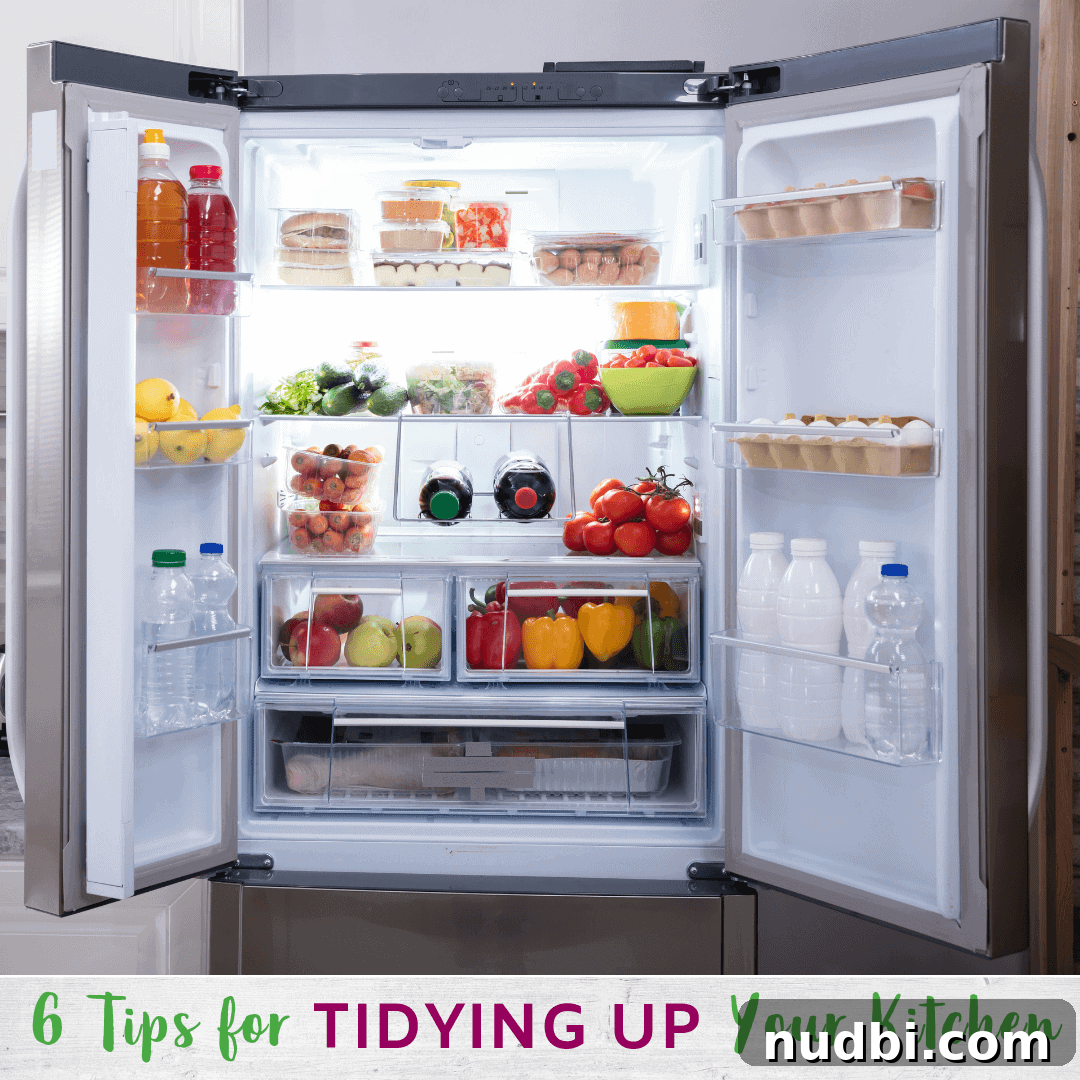
Start by grouping similar items: all baking supplies together, canned goods in one section, breakfast items grouped, snacks in an accessible spot, spices near the cooking area, and so on. In the refrigerator, assign shelves: the top shelf for ready-to-eat foods, middle shelves for dairy and leftovers, bottom shelves for raw meats (to prevent cross-contamination), and produce drawers for fruits and vegetables. For the pantry, consider the “first in, first out” (FIFO) principle, placing newer items behind older ones to ensure everything gets used before it expires. Strategic placement of items at eye level or within easy reach for frequently used ingredients, and less common items on higher or lower shelves, significantly enhances workflow.
To maximize space and enhance visibility, invest in practical storage solutions. Clear containers are invaluable for dry goods like pasta, grains, and cereals, protecting them from pests and allowing you to see at a glance when supplies are running low. Shelf risers or stackable bins can double your vertical storage in cabinets. Turntables (lazy Susans) are excellent for corner cabinets or refrigerators, making condiments and small jars easily accessible without having to rummage. Labels are your best friend here. Label shelves (e.g., “Baking,” “Snacks,” “Canned Goods”) and individual containers. This not only helps you remember where things belong but also makes it easier for other family members and guests to put items away correctly, ensuring your system remains intact and functional. Thoughtful placement and smart tools transform your storage from a cluttered mess into an intuitive, efficient system.
Preventing Waste: The Power of Inventory and Meal Planning
With your kitchen impeccably organized, the next step is to leverage this newfound order to reduce food waste and save money. This involves two powerful practices: creating a detailed inventory and integrating it with your meal planning. As you put items back, make a comprehensive list of everything you have on hand, especially non-perishable pantry staples, freezer contents, and less obvious refrigerated items. This inventory can be a simple notebook, a whiteboard on your fridge, or a digital spreadsheet or app – choose whatever system works best for you and your family. The act of writing down what you plan to keep and put back reinforces your commitment to reducing excess and being mindful of your resources.
The benefits of an inventory are multifaceted. Firstly, it prevents duplicate purchases, saving you money and valuable storage space. How many times have you bought a new jar of cumin only to discover you already had two hiding in the back of the spice cabinet? Secondly, an inventory serves as the foundation for intelligent meal planning. Before heading to the grocery store, “shop your pantry, fridge, and freezer first.” Plan your meals around ingredients you already possess, which not only reduces waste but also sparks creativity in the kitchen. For instance, if your inventory shows you have black beans and corn, you might plan a taco night or a hearty bean salad. This proactive approach ensures that ingredients are used before they spoil, turning potential waste into delicious meals for the coming weeks. Regularly updating your inventory, perhaps after each grocery trip or before a big cooking session, is key to its effectiveness, transforming your kitchen into an economical and sustainable space.
Sustaining Order: Establishing a Regular Maintenance Routine
The effort invested in organizing your kitchen shouldn’t be a one-time event; it’s an ongoing commitment to maintaining a functional and enjoyable space. The secret to long-term kitchen organization success lies in establishing a consistent maintenance routine. Think of it as preventative care for your kitchen, preventing clutter from accumulating and making deep cleans less daunting. Mark your calendar and set reminders for regular tidying tasks, tailoring the frequency to your lifestyle and needs. For example, many find that a weekly refrigerator clean-out, prior to garbage collection day, works perfectly.
Consider a multi-tiered approach to upkeep:
- Daily Quick Tidy: After each meal, wipe down countertops, put away ingredients, and load the dishwasher. A five-minute nightly tidy can prevent significant build-up, ensuring your kitchen is ready for the next day.
- Weekly Refresh: Before your weekly grocery run, do a quick scan of your refrigerator and pantry. Check for items nearing their expiration date or those that need to be used up soon. This is also an ideal time to quickly wipe down shelves that might have accumulated small spills. This aligns perfectly with the “shop your pantry first” principle from your inventory.
- Monthly Review: Dedicate an hour or two each month to a slightly deeper dive. This could involve wiping down cabinet fronts, organizing one specific drawer, or doing a more thorough check of your freezer contents.
- Quarterly Deep Clean: Every three to four months, replicate the initial deep clean process for one major area, such as fully emptying and cleaning the pantry or tackling the entire refrigerator and freezer. This ensures no forgotten items linger and provides an opportunity to reassess your organizational system for any necessary adjustments. While an inventory is incredibly helpful, a physical check every few months is still a good idea, as we all get busy and sometimes forget to add items to our lists.
Involving all family members in these routines is crucial. Assigning small, regular tasks can foster a shared sense of responsibility for maintaining the kitchen’s order. Remember, consistency is more important than intensity. By integrating these simple habits into your routine, you’ll prevent overwhelm and keep your kitchen in pristine, efficient shape year-round, making cooking a joy and not a chore.
By adopting these comprehensive tips and making kitchen organization a regular practice, you will not only create a more efficient and aesthetically pleasing space but also foster a more mindful approach to consumption, reduce food waste, and ultimately enjoy the process of cooking and sharing delicious meals with your family and friends. A well-organized kitchen truly is the heart of a harmonious home, empowering you to cook up delicious meals more efficiently and with less stress.