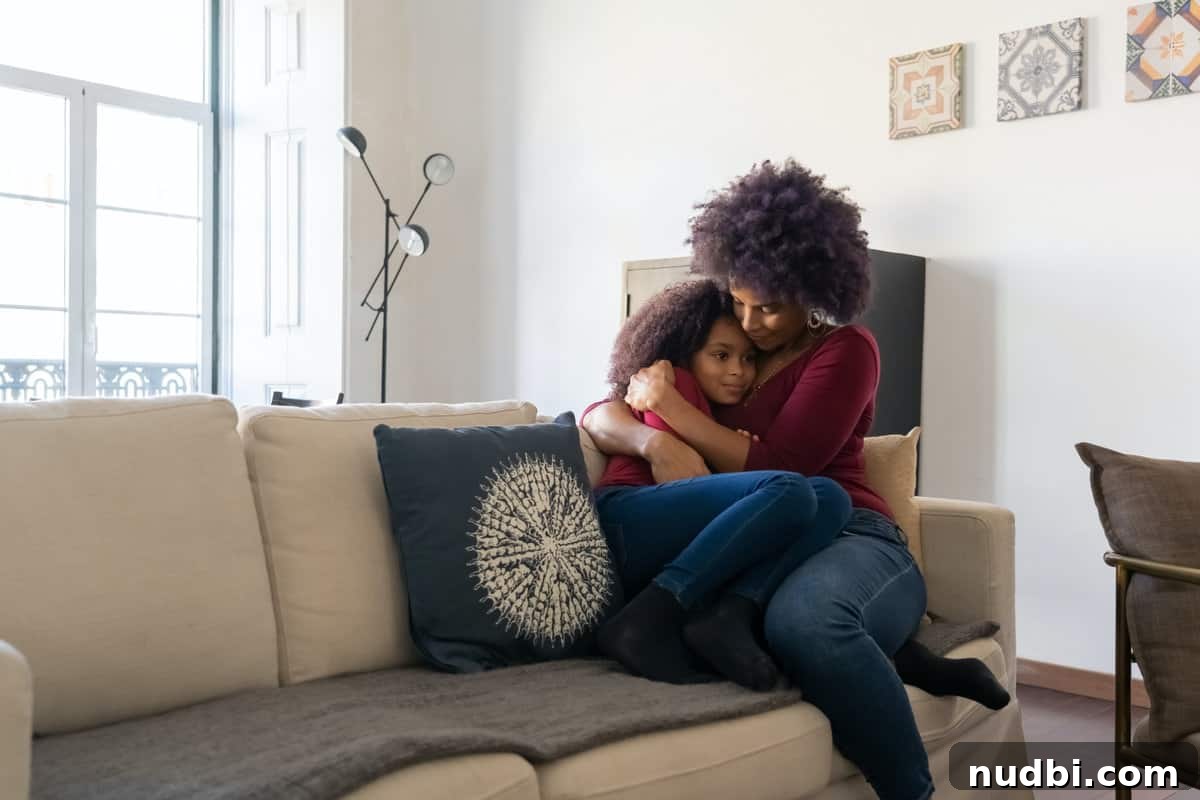
The transition back to school after a long, carefree summer break is a significant milestone each year. For many, it’s a period brimming with excitement—a chance to reunite with friends, meet new teachers, and embark on fresh learning adventures. However, for a considerable number of children and even adults, this season can also be a source of profound anxiety. The unfamiliarity of a new grade, new classmates, or new routines can trigger feelings of nervousness, apprehension, and stress. This comprehensive guide offers actionable, empathetic tips designed to help families navigate the back-to-school period with greater ease, fostering a positive and confident start to the academic year. We understand that preparing your child for a successful return involves more than just buying new supplies; it’s about nurturing their emotional well-being and building their resilience. By implementing these strategies, you can transform potential worries into a sense of readiness and excitement for the journey ahead.
Back-to-school anxiety manifests differently across age groups. Younger children might experience separation anxiety or fear of the unknown, while elementary students could worry about academic performance or fitting in socially. Teenagers often face heightened pressures regarding grades, peer relationships, and future expectations. Regardless of age, the core feeling is a sense of being overwhelmed by new demands and uncertainties. Understanding these anxieties is the first step towards effectively addressing them. These tips are designed to be practical tools for parents to help their children, not only during the initial days but throughout the entire school year. For a deeper dive into expert insights on this topic, consider listening to our podcast with Dr. Stephanie Smith, where she discusses managing back-to-school anxiety.
Effective Strategies to Ease Back-to-School Anxiety for Children
1. Openly Discuss Your Child’s Concerns and Validate Their Feelings
The cornerstone of alleviating back-to-school anxiety is creating an environment where your child feels safe and heard. Initiate conversations by asking open-ended questions like, “What are you most looking forward to, and is there anything you’re a little bit worried about?” This approach encourages them to express their thoughts without feeling interrogated. Actively listen to their responses, paying full attention, making eye contact, and nodding to show you are engaged. Avoid minimizing their fears with phrases like, “Don’t worry, it’ll be fine,” as this can invalidate their feelings.
Instead, validate their emotions by saying, “It sounds like you’re feeling nervous about [specific concern], and that’s a totally normal way to feel.” They might be apprehensive about keeping up with schoolwork, making new friends, navigating social dynamics, or adapting to a new teacher’s style. Perhaps they worry about bullying, getting lost in a new school layout, or even simply adjusting to earlier wake-up times. Pinpointing the specific source of their anxiety allows you to address it directly. Reassure your child that you are there to support them unconditionally throughout the school year, emphasizing that their feelings are understood and accepted.
2. Develop a Proactive Back-to-School Plan Together
Collaboratively creating a plan for returning to school can significantly empower your child and reduce anxiety. This involves more than just packing their backpack; it’s about preparing them mentally and emotionally for the transition. Discuss potential challenges and brainstorm solutions. Setting small, achievable goals, such as “I’ll introduce myself to one new person on the first day” or “I’ll try to answer one question in class,” can build confidence.
Strategies for Managing Anxiety Moments: Work with your child to identify what helps them when anxious feelings arise. This could involve teaching them simple deep-breathing exercises like box breathing, suggesting they jot down their thoughts in a journal, or practicing mindfulness techniques. Role-playing scenarios, such as how to politely decline an invitation they’re uncomfortable with or how to approach a teacher with a question, can provide a sense of control and preparedness.
Prioritizing Self-Care for Mental and Physical Well-being: Integrating self-care into the plan is vital for both you and your child. Ensure sufficient sleep by gradually adjusting bedtime and wake-up routines a week or two before school starts. Encourage a balanced diet rich in mood-boosting nutrients; certain foods are known to help reduce anxiety. Regular physical activity, whether structured sports or unstructured outdoor play, is a powerful stress reliever, releasing endorphins that improve mood and cognitive function. These practices create a robust foundation for managing daily stressors.
Encouraging Open Communication About Anxiety: One of the most potent tools against anxiety is the act of talking about it. Provide a consistently safe and supportive environment where your child can share their thoughts and feelings without fear of judgment. Normalizing anxiety helps them understand that they are not alone and that these feelings are manageable. This open dialogue also allows you to identify patterns or triggers, enabling more targeted support. Remember, talking about mental health is a sign of strength, not weakness, and it empowers children to seek help when needed.
3. Foster a Sense of Control Through Organization
A cluttered environment often mirrors a cluttered mind, contributing significantly to feelings of anxiety and stress, especially in children. When surroundings are messy, the brain expends extra energy trying to process and organize everything, leading to mental fatigue. Establishing clear organizational systems for school supplies, clothing, and homework can provide a tangible sense of control and predictability, which is incredibly comforting for an anxious child.
Organizing School Essentials for a Smooth Start: This involves setting up a dedicated homework area, planning outfits for the week ahead, and ensuring all necessary school supplies are readily accessible. Don’t underestimate the power of an organized backpack, desk, or locker. Knowing exactly where things are located eliminates last-minute scrambles and reduces daily friction, allowing your child to focus on learning rather than worrying about lost items.
Follow these straightforward organizational tips for back-to-school supplies:
- Begin by sorting all supplies into logical categories, such as writing tools, art supplies, and notebooks.
- Label each storage container, drawer, or section of their backpack with its specific category (e.g., “Pencils,” “Markers,” “Science”). This makes items easy to find and return.
- Utilize smaller containers or drawer dividers for small items like erasers, paper clips, and sharpeners to prevent them from getting lost.
- Designate a consistent and easily accessible space for all school belongings, such as a shelf, a drawer, or a specific bin near their study area.
4. Prepare a Conducive and Personalized Study Environment
A designated study space is paramount for academic success and reducing stress. This area should be more than just a place to do homework; it should be a sanctuary free from distractions, where your child feels comfortable and focused. Without such a space, children are more prone to distractions, diminished concentration, and increased frustration, all of which can fuel anxiety.
Designing the Ideal Study Zone: This space can be in any room of the house—a corner of their bedroom, a quiet spot in the living room, or a dedicated desk. The key is its intentional setup for learning. It should include an appropriately sized desk or table, an ergonomic chair that supports good posture, and ample lighting (preferably natural light supplemented by good task lighting). Ensure the area is well-ventilated and kept tidy. Minimize visual clutter and digital distractions by limiting access to phones or TV during study times. Personalizing the space with a few comforting items or motivational posters can make it feel more inviting and less sterile.
A well-organized and inspiring study space not only improves academic performance but also instills a sense of responsibility and independence. Knowing they have a consistent, productive environment can significantly reduce the anxiety associated with homework and studying, making schoolwork a more manageable and less daunting task.
5. Leverage the Power of Calendars and Routine
Introducing and consistently using a calendar is a fundamental tool for managing school-related anxiety. For students, having a visual aid to track homework assignments, upcoming tests, project deadlines, and important family events provides clarity and reduces the element of surprise. This predictability helps them mentally prepare for what’s ahead, minimizing last-minute stress and fostering a sense of control over their schedule.
Choosing and Implementing the Right Calendar System: There’s a wide array of calendars available, from traditional paper planners and wall calendars to sophisticated digital options like shared family calendars on smartphones or tablets. The best choice is one that resonates with your child and your family’s lifestyle. What works for you might not be the most effective for your child; some children thrive with a colorful, physical planner they can physically write in, while others prefer the accessibility of a digital calendar. Involve your child in choosing and setting up their calendar. Regularly review it together, perhaps during a brief weekly family meeting, to discuss upcoming events and responsibilities. This practice not only helps with organization but also teaches valuable time management skills and accountability.
6. Prioritize Daily Relaxation and Downtime
In today’s fast-paced world, it’s easy for children’s schedules to become overfilled, leaving little room for unstructured play or relaxation. However, making dedicated time for relaxation is crucial for managing anxiety and recharging mental batteries. Encourage your child to set aside moments each day, even just 15-30 minutes, to engage in an activity that brings them calm and joy.
Exploring Diverse Relaxation Techniques: The key is to find what genuinely resonates with your child. This could involve traditional methods like taking a warm bath, reading a favorite book, or simply relaxing in a quiet corner of the house. For some, mindful activities such as gentle yoga or guided meditations (many child-friendly apps are available) can be incredibly effective. Others might find solace in creative outlets like drawing, painting, playing a musical instrument, or listening to calm music. Spending time in nature, whether a short walk in the park or simply observing the sky, also offers powerful anxiety-reducing benefits. Ask your child what they would like to do, and then actively help them integrate that activity into their daily routine.
Remember, relaxation isn’t about productivity; it’s about giving the mind and body a much-needed break. By prioritizing downtime, you’re teaching your child a vital life skill for stress management and fostering their overall well-being. This intentional relaxation helps them process emotions, reduce tension, and return to their school responsibilities feeling refreshed and more capable.
Additional Support Strategies for Back-to-School Transition
Recognizing the Signs of Escalating Anxiety
While some anxiety is normal, it’s crucial for parents to recognize when it might be escalating beyond typical back-to-school jitters. Be observant of significant changes in your child’s behavior. Physical symptoms like frequent stomachaches, headaches, or nausea without a medical explanation can be indicators. Emotionally, increased irritability, mood swings, excessive clinginess, or withdrawal from previously enjoyed activities might signal distress. Behaviorally, watch for difficulty sleeping, changes in appetite, or overt school refusal. If these symptoms are persistent, intense, or interfere with daily functioning, it might be time to consult with a school counselor, pediatrician, or mental health professional for guidance and support. Early intervention can make a significant difference in helping your child develop healthy coping mechanisms.
Fostering Resilience and Problem-Solving Skills
Beyond simply alleviating immediate anxiety, aim to build your child’s long-term resilience. Encourage them to actively participate in problem-solving rather than just presenting problems. For instance, if they’re worried about a specific subject, ask, “What are three things we could do to make this easier?” Teach them positive self-talk, helping them reframe negative thoughts into more constructive ones. Celebrate their small victories and efforts, reinforcing that persistence and trying are more important than perfection. These skills equip them to face future challenges with greater confidence and adaptability, transforming potential stressors into opportunities for growth.
Collaborating with School Staff
Don’t hesitate to reach out to the school to share your child’s anxieties, especially if they are significant. Teachers, counselors, and school nurses are valuable partners in supporting your child’s well-being. A brief, proactive conversation can alert them to potential challenges, allowing them to provide extra understanding or gentle support during the school day. They might be able to offer insights into classroom dynamics, introduce your child to a buddy, or suggest a quiet space for them to decompress if overwhelmed. Working together creates a consistent support system that reinforces the strategies you’re implementing at home.
The Parent’s Role: Modeling Calm and Confidence
Children are highly attuned to their parents’ emotions. If you appear overly stressed or anxious about the back-to-school transition, your child is likely to absorb that energy. Strive to model calm and a positive attitude. Talk about school in an enthusiastic yet realistic way. Share your own positive memories or even how you overcame challenges during your school years. Ensure your home environment remains a stable and predictable haven. Your consistent support, encouragement, and calm demeanor are among the most powerful tools you have to help your child navigate this exciting, yet sometimes daunting, time of year.
The return to school can undeniably be a challenging period, filled with a complex mix of excitement and apprehension for both children and their parents. However, by embracing proactive strategies such as fostering open communication, developing a structured plan, ensuring a well-organized environment, providing a dedicated study space, utilizing calendars for predictability, and prioritizing regular relaxation, much of this back-to-school anxiety can be effectively alleviated. These deliberate efforts pave the way for a smoother, more confident, and ultimately more positive start to the academic year.