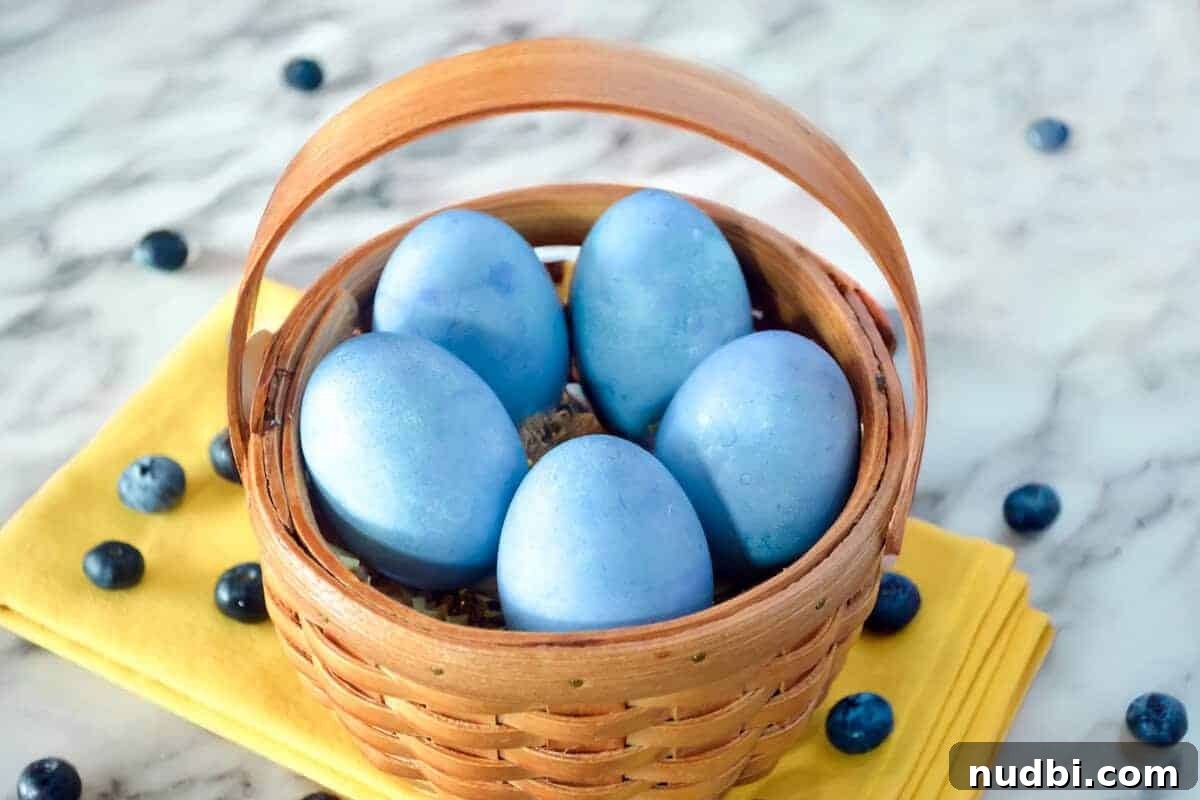
As spring awakens and the anticipation of Easter fills the air, many cherished traditions come to life. Among the most beloved is the decorating of Easter eggs. This year, why not embrace a charming, eco-friendly, and surprisingly simple method to create stunning, pastel-hued eggs? Dive into the delightful world of natural dyeing with blueberries and discover how to transform ordinary eggs into captivating works of art, offering a beautiful alternative to conventional dyes.
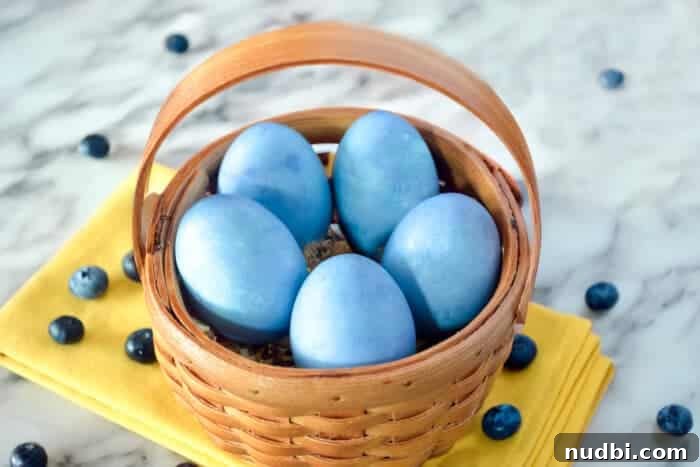
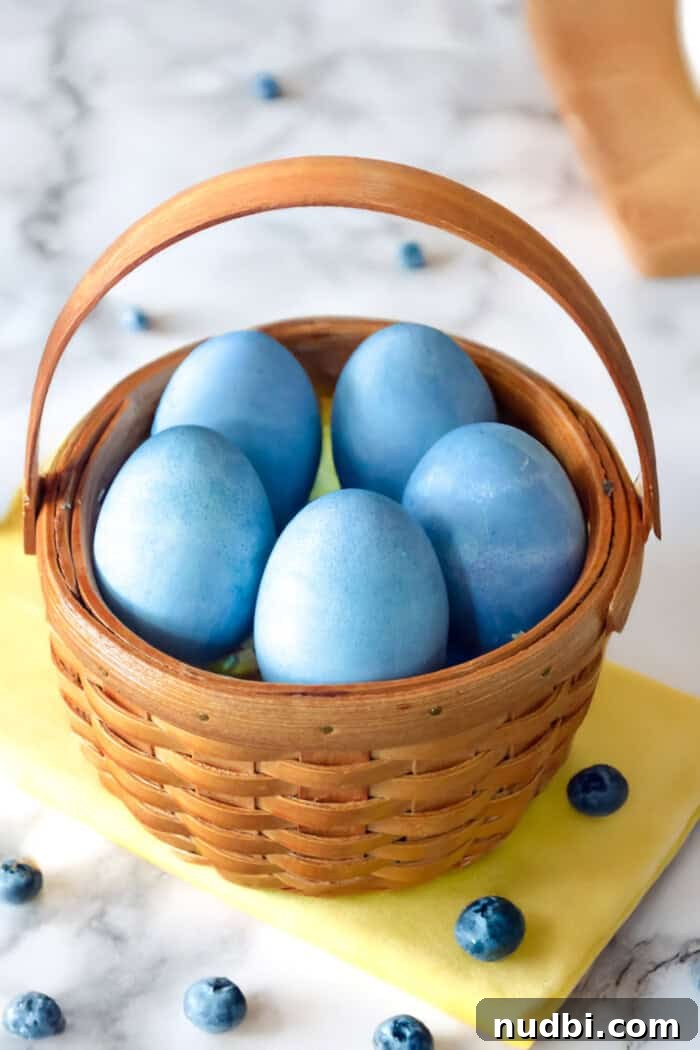
Did you know that your kitchen pantry and garden hold the secret to a vibrant palette for Easter egg decoration? Harnessing the power of fruits and vegetables to naturally dye Easter eggs is not only an enriching activity but also a fantastic way to introduce a touch of nature to your holiday celebrations. Today, we’re excited to guide you through the process of how to naturally dye Easter eggs with blueberries! This simple yet effective method yields gorgeous pastel blue Easter eggs, perfect for a whimsical and healthy twist on a classic tradition. For this specific tutorial, we’re highlighting the use of fresh blueberries, such as those from Wish Farms®, known for their rich pigment. However, the world of natural dyes is vast and versatile; you can achieve a spectrum of colors using ingredients like red onions for lavender, red cabbage for blues and greens, beets for stunning pinks, spinach for subtle greens, turmeric for bright yellows, and much more.
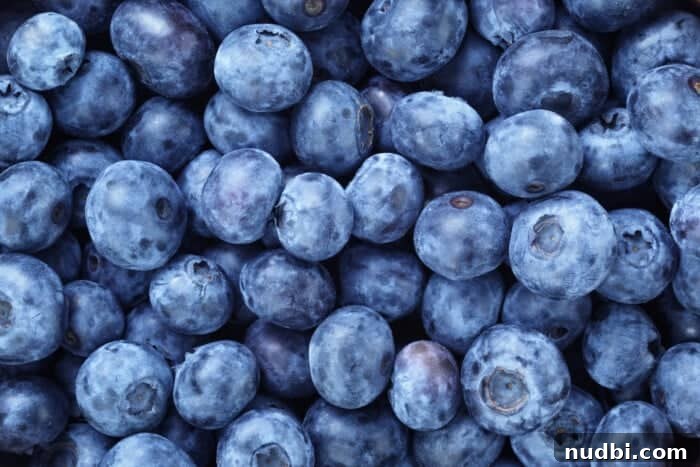
As Easter approaches, the desire for fresh, family-friendly activities often surfaces. Testing our hands at natural dyeing with blueberries for our Easter eggs proved to be a wonderfully rewarding experience. While the thought of a “natural” method might conjure images of extra effort, the entire process, from preparing the dye to dipping the eggs, surprisingly aligns with the time it takes to perfectly hard boil your eggs! This method not only offers a safe, non-toxic alternative to artificial dyes but also results in unique, beautifully nuanced colors that synthetic dyes simply can’t replicate. It’s an excellent project for families, allowing children to connect with nature and understand the science behind colors in a fun, engaging way. Plus, the subtle, earthy tones of naturally dyed eggs add an undeniable charm to any Easter basket or table centerpiece.
How to Naturally Dye Easter Eggs with Blueberries: A Comprehensive Guide
Embarking on your natural Easter egg dyeing journey with blueberries is a simple and enjoyable process. This guide will walk you through creating your own vibrant blue dye and then transforming plain hard-boiled eggs into stunning, naturally colored masterpieces. Forget artificial colors and embrace the beauty of nature’s palette.
Crafting Your Own Blueberry Egg Dye: Step-by-Step
The foundation of beautiful blueberry-dyed eggs lies in the quality of your natural dye. Follow these easy steps to create a potent, color-rich solution that will impart lovely blue hues onto your Easter eggs.
- Prepare Your Dye Base: Begin by placing 2 cups of fresh or frozen blueberries into a small saucepan. The quantity of blueberries is crucial for a robust dye; this amount ensures sufficient pigment extraction for a vibrant color. Add 2 cups of water to the pot, ensuring the blueberries are adequately submerged.
- Simmer for Maximum Color Extraction: Bring the mixture to a boil over medium-high heat. Once boiling, cover the pot, reduce the heat to low, and let it simmer gently for 8-10 minutes. This slow simmering process allows the anthocyanin pigments within the blueberries to release into the water, creating your natural dye. You’ll notice the water gradually deepening in color as the blueberries soften and break down.
- Strain for a Clear Dye: Carefully remove the pot from the heat. Using a fine mesh strainer, pour the blueberry mixture into a separate heat-safe bowl or jar. Press down on the blueberry solids with the back of a spoon to extract as much liquid and color as possible. Discard the strained blueberry skins and pulp; you want only the clear, richly colored liquid for your dye. A fine mesh strainer is essential here to prevent any pulp from clinging to your eggs later, which could lead to uneven dyeing.
- Enhance and Cool Your Dye: Stir in 1 teaspoon of white vinegar into the strained blueberry liquid. Vinegar acts as a mordant, a fixative that helps the dye adhere to the eggshells more effectively, resulting in brighter and longer-lasting colors. Allow the dye to cool completely until it reaches room temperature. This step is important because introducing hot eggs to hot dye, or cold eggs to hot dye, can sometimes cause cracking or uneven absorption. Patience here ensures the best results.
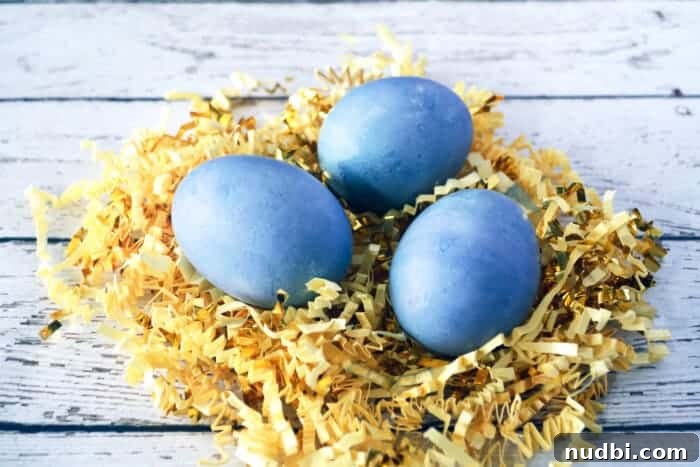
The Art of Dyeing Your Hard-Boiled Eggs
With your homemade blueberry dye ready, it’s time for the exciting part – transforming your hard-boiled eggs! This process is straightforward and offers room for experimentation to achieve your desired shade of blue.
- Prepare Your Hard-Boiled Eggs: Ensure your hard-boiled eggs have completely cooled before dyeing. Room-temperature eggs are ideal for even color absorption. If you’ve just hard-boiled them, a quick ice bath can speed up the cooling process. Gently clean the eggshells to remove any debris or oils that might hinder dye uptake.
- Immerse the Eggs in Dye: Carefully drop each egg into the cooled blueberry dye. We found that repurposing small plastic cups from previous Easter kits works wonderfully, but any small glasses or jars can serve as individual dyeing vessels. Ensure each egg is fully submerged in the dye for consistent color. Using a slotted spoon or tongs can help prevent accidental drops and splashes.
- Control the Color Intensity: The duration an egg spends in the dye directly impacts its final shade. For lighter, delicate pastel blue eggs, let them sit in the dye for approximately 5 minutes. If you desire deeper, more vibrant shades of blue, extend the soaking time. You can leave eggs in the dye for several hours, or even overnight in the refrigerator, checking periodically until the desired intensity is achieved. Remember, natural dyes often result in softer, more muted tones compared to synthetic dyes, which is part of their unique charm.
- Retrieve, Rinse, and Dry: Once your eggs have reached their perfect shade, carefully remove them from the dye using a slotted spoon or tongs. Place them in an empty egg carton or on a paper plate lined with paper towels to dry. It’s common for some very fine blueberry particles to remain on the surface of the eggs after dyeing. After allowing them to dry for a minute or two, gently rinse the eggs under cool running water to wash off any residual particles without stripping the color. Then, pat them very gently with a paper towel or let them air dry completely. The final color often appears more vibrant once the eggs are fully dry.
This same fundamental process can be adapted for using other fruits and vegetables to dye your eggs in a kaleidoscope of natural colors! Don’t be afraid to experiment with different ingredients and soaking times to come up with your own palette of pretty, vibrant hues. Each natural ingredient offers its own unique charm and shade, making every batch of Easter eggs a truly original creation.
Expert Tips for Flawless Natural Egg Dyeing
To ensure your natural egg dyeing experience is as successful and enjoyable as possible, consider these additional tips:
- Start with White Eggs: While brown eggs can be dyed, white eggs provide the clearest and most vibrant results, allowing the natural pigments to truly shine.
- Room Temperature Eggs: Always dye eggs that are at room temperature. Cold eggs can sometimes resist dye absorption, leading to patchy colors.
- Experiment with Soaking Times: Don’t be afraid to experiment! The beauty of natural dyes lies in their subtle variations. Keep a record of soaking times for different shades.
- Boost Color with Vinegar: If you find your colors aren’t as bright as you’d like, a little extra white vinegar (a teaspoon or two) added to your dye solution can often intensify the hues, especially with fruit and vegetable-based dyes that are pH sensitive.
- Refrigerate for Long Soaks: If you plan to soak your eggs for several hours or overnight to achieve deeper colors, always refrigerate the dye and eggs to maintain food safety.
- Gentle Handling: Natural dyes can sometimes be more delicate than synthetic ones. Handle your freshly dyed eggs with care to avoid smudges or scratches.
- The Shine Factor: For an added touch of elegance, once your eggs are completely dry, you can gently rub them with a tiny amount of vegetable oil. This will give them a subtle sheen and enhance their natural beauty.
Beyond Blue: Exploring a Rainbow of Natural Egg Dyes
While blueberries provide a stunning blue, the world of natural dyes is rich with possibilities for a full spectrum of colors. Expand your natural dyeing repertoire with these vibrant ideas:
- Pink/Red: Beets are your go-to for beautiful pinks and reds. Chop 2-3 beets, simmer in water, strain, and add vinegar.
- Yellow/Orange: Turmeric powder creates a brilliant, sunshine yellow. Simmer 2-3 tablespoons of turmeric powder with water and a dash of vinegar. Onion skins (from yellow onions) will give you a lovely orange or reddish-brown.
- Green: Spinach can yield a subtle pale green. Simmer a generous handful of spinach leaves. For a more vibrant green, try red cabbage dye where the pH is adjusted with baking soda after creation (otherwise, red cabbage often yields blue or purple).
- Brown/Tan: Strong brewed coffee or black tea provides earthy brown and tan shades, perfect for a rustic look.
- Purple/Lavender: Red onion skins produce beautiful lavender or purplish hues. Simmer the skins from 4-5 red onions. Red cabbage itself can also produce a lovely purple or blue, depending on the pH of your water.
- Peach/Coral: Avocado skins and pits (from 2-3 avocados) can create delicate peach or coral tones, a truly unique natural dye!
Remember that the color intensity and exact shade can vary based on the freshness of your ingredients, the water’s pH, and the soaking time. This unpredictability is part of the charm of natural dyeing – each egg is a unique creation!
Embrace the Beauty of Natural Easter Eggs
Dyeing Easter eggs with natural ingredients like blueberries is more than just a craft; it’s an experience that connects us to nature, promotes sustainability, and offers a safe, non-toxic alternative for a beloved holiday tradition. The resulting pastel blues are delicate, unique, and possess an inherent charm that artificial dyes often lack. Whether you’re aiming for a healthier Easter basket, a fun family activity, or simply appreciate the subtle beauty of nature’s palette, blueberry-dyed eggs are a fantastic choice. So gather your ingredients, follow these simple steps, and prepare to be delighted by the naturally gorgeous results. Happy Easter, and happy dyeing!
Make sure to Pin It!
Check out some of our related content:
How to Build a Healthier Easter Basket
25 Healthy Easter Recipes