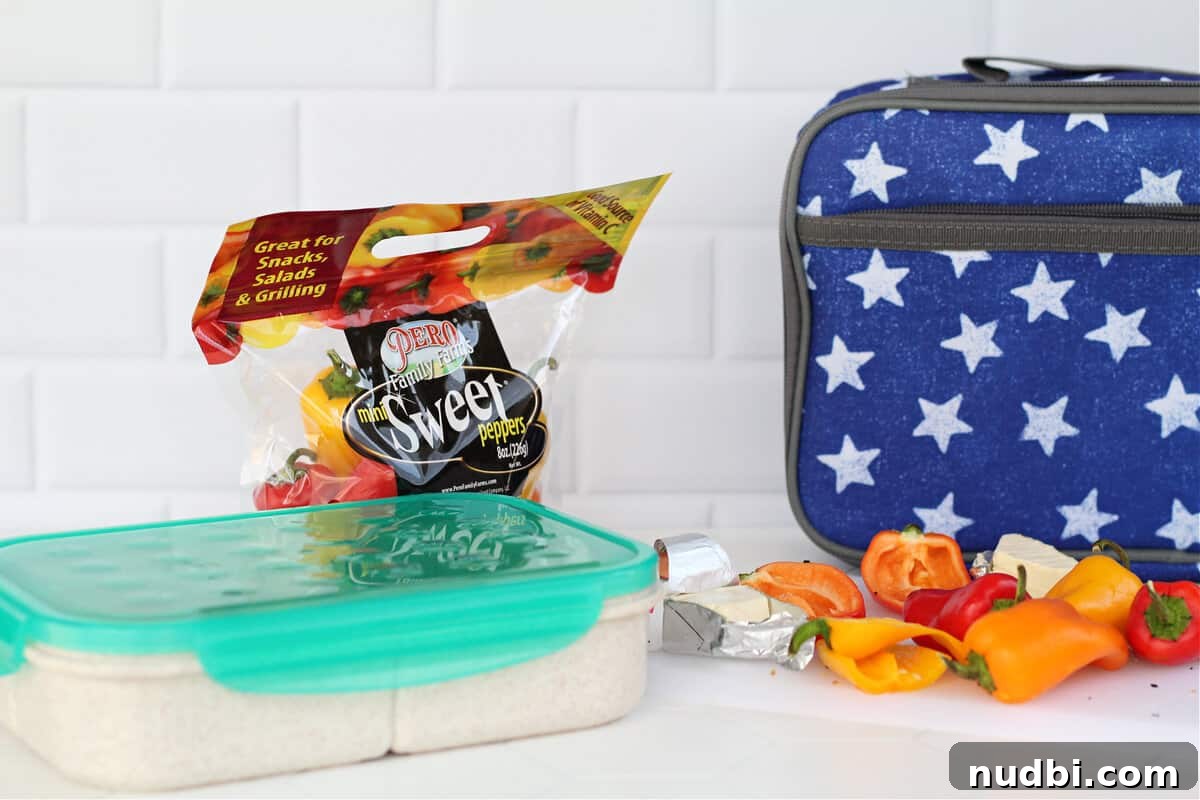
The return to school signals a fresh start, and a cornerstone of a successful academic year is undoubtedly establishing effective routines. These structured daily habits are not just about getting things done; they are about fostering confidence, reducing stress, and setting both children and parents up for a thriving school season. While this valuable content is brought to you with the generous support of Pero Family Farms, rest assured that all insights and our unwavering commitment to helping your family achieve a seamless back-to-school transition are entirely our own!
For children to truly flourish in the demanding back-to-school environment, consistency and predictability are paramount. Routines act as a reliable anchor, giving children a clear understanding of what lies ahead each day. This sense of order builds security, allowing them to feel more confident and self-assured. When kids – and indeed, adults – operate within a predictable framework, they can allocate their mental energy to learning, problem-solving, and creative pursuits, rather than grappling with uncertainty or the chaos of the unknown.
Transitioning from the relaxed pace of summer holidays back to the structured rhythm of school life can be challenging. However, by proactively implementing simple yet effective habits across various parts of the day, you can equip your children with the tools they need for academic success, emotional well-being, and a calmer household. Let’s explore how to integrate these vital routines into your family’s daily life.
Crafting Comprehensive Daily Routines for School Success
While it might sound straightforward, the foundation of a thriving school year lies in intentionally structuring key moments throughout your child’s day. A holistic daily routine should encompass essential activities such as waking up, getting dressed, breakfast, lunch, after-school activities, homework, dinner, and bedtime. By creating consistent patterns around these moments, you’re not just organizing time; you’re building a scaffold for your child’s independence, responsibility, and emotional regulation. Each segment of the day offers an opportunity to reinforce positive habits and minimize daily friction, leading to a more harmonious family life and better performance at school.
Establishing a Stress-Free Morning Routine
The tone of the entire day is often set in the morning. A calm, organized start can significantly reduce anxiety for both children and parents. The goal is to avoid the frantic rush, the shouting, and the tears that can easily derail a day before it even begins. Here’s how to cultivate a successful morning rhythm:
- Prepare the Night Before: One of the most impactful steps is to lay out clothes for the next day before bedtime. Involve your children in choosing outfits that are comfortable and appropriate. This simple act eliminates morning dilemmas and saves precious minutes. Encourage them to check the weather forecast for added responsibility.
- Allocate Ample Time: Resist the urge to pack too much into too little time. Set alarms early enough to allow for a relaxed pace. Rushing creates stress, increases the likelihood of forgotten items, and makes everyone irritable. A few extra minutes for quiet conversation or a quick cuddle can make all the difference.
- Visual Schedules and Checklists: For younger children, visual charts with pictures of each morning task (brush teeth, get dressed, eat breakfast) can be incredibly helpful. Older children can use written checklists. This empowers them to take ownership of their routine and provides a clear guide, minimizing the need for constant parental reminders. Once tasks are completed, they can mark them off, fostering a sense of accomplishment.
- Consistent Wake-Up Times: Even on weekends, maintaining a relatively consistent wake-up time helps regulate your child’s internal body clock, making it easier to wake up refreshed during the school week.
Cultivating a Nutritious Breakfast Routine
The adage “Breakfast is the most important meal of the day” holds significant truth, particularly for growing children. A well-balanced breakfast fuels their brains and bodies, providing the energy and nutrients necessary for concentration, learning, and physical activity throughout the morning. Skipping breakfast can lead to fatigue, irritability, and difficulty focusing in class. While finding time for a nutritious meal every morning can be a challenge amidst the rush, strategic meal preparation makes it entirely achievable.
One of the best strategies is to meal prep your breakfast ahead of time. This could involve preparing components or entire meals that can be quickly reheated or grabbed. Don’t forget to incorporate as many vegetables as possible when meal-planning; we highly recommend adding crisp and colorful Pero Family Farms mini sweet peppers to a variety of meals for their natural sweetness, vibrant flavor, and impressive nutrient boost.
Here are a few make-ahead recipes that are perfect for busy school mornings:
- Freezable Breakfast Burritos: Customize with veggies, beans, and lean protein.
- Make Ahead Mini Quiches: Packaged with protein and vegetables, these are perfect for portion control.
- Sheet Pan Eggs with Mini Sweet Peppers: A simple, flavorful way to get veggies and protein in one go.
Whether it’s a heat-and-eat option or a grab-and-go snack like yogurt with fruit and granola, having a designated breakfast routine ensures your child starts their day well-nourished and ready to learn.
Mastering Lunch Routines for School
Packing a healthy, appealing lunch can feel like a daily marathon, but with a solid routine, it becomes a manageable and even enjoyable task. For years, we’ve advocated for packing lunches the night before or organizing a dedicated “lunchbox station” where all favorite items are easily accessible. This prevents morning panic and ensures your child heads to school with a nutritious meal. Over seven years ago, recognizing the widespread challenge of ensuring adequate nutrition in school lunches, we launched the Power Your Lunchbox campaign. We understand the struggle, and we’re here to help! Our team has been dedicated to sharing practical lunch solutions for a long time.
Here are some essential lunch packing tips to streamline your process and boost nutrition:
- The Ultimate Guide To Packing Healthy Lunchboxes: A comprehensive resource covering everything from food safety to balanced meal ideas.
- Lunchbox Packing Mistakes To Avoid Podcast: Listen to expert advice on common pitfalls and how to steer clear of them.
- Ways To Add More Fruits and Veggies To Lunches: Creative ideas to boost the nutrient content and appeal of lunch.
Need some fresh lunchbox recipe inspiration? We’ve got you covered with a few of our kid-friendly favorites:
- Mini Sweet Pepper Pizzas: A fun, customizable twist on a classic.
- Smashed Chickpea Salad Stuffed Mini Sweet Peppers: Protein-packed and vibrant.
- Chinese Mandarin Pasta Salad Bento Box: A creative and balanced bento box idea.
Establishing Effective After-School Routines
The afternoon hours, after the school bell rings, can often devolve into a chaotic period where homework is neglected, chores pile up, and temperaments fray. However, by putting simple after-school routines in place, you can help your child transition smoothly from school mode to home life, keeping them on track and maintaining a sense of calm within the household.
One crucial routine to establish immediately after school is a designated snack time. After a full day of learning and playing, most children are quite hungry and need a healthy energy boost before they dive into homework or other activities. Stocking your pantry and fridge with wholesome grab-and-go snacks is key. These are particularly vital for children involved in extracurricular activities, ensuring they receive sufficient nutrients to sustain their energy levels and focus.
Some of my favorite easy and nutritious grab-and-go snack ideas include:
- Yogurt cups or tubes
- Fresh fruit (apples, bananas, oranges, grapes)
- Small handfuls of nuts or seeds (if no allergies)
- Homemade or store-bought trail mix
- Whole-grain bars with minimal added sugar
- Pre-cut Pero Family Farms veggies (like mini cucumbers, carrots, or snap peas) with hummus or ranch dip
- Cheese sticks or slices
Here are a few quick and delicious snack recipes that are perfect for after-school refueling:
- Everything Bagel Cheese Stuffed Mini Peppers: A savory and satisfying bite.
- How To Build An After School Snack Board: Encourage variety and fun with a customizable snack board.
Beyond snacks, an after-school routine can include a brief period of unstructured play or outdoor activity to decompress before transitioning to more structured tasks like homework or chores.
Establishing a Productive Homework Routine
Homework can be a source of significant stress if not managed effectively. A consistent homework routine is vital for ensuring tasks are completed efficiently and without last-minute panic. Here are key components to establishing a successful homework routine:
- Designated Time: Set aside a specific block of time each day for homework. This could be immediately after a snack and a brief break, or later in the evening, depending on your child’s energy levels. Consistency helps ingrain the habit.
- Specific Workspace: Create a dedicated, distraction-free environment for homework. This might be a desk in their bedroom, a quiet corner of the dining room table, or a family command center. Ensure it’s well-lit and equipped with necessary supplies (pencils, paper, calculator). This signals to your child that it’s time to focus.
- Break Down Tasks: Teach children to break larger assignments into smaller, more manageable steps. This makes daunting tasks feel less overwhelming and helps them track progress.
- Parental Support (Not Intervention): Be available to offer guidance and support, but avoid doing the homework for them. Encourage independent problem-solving and critical thinking.
- Checking Completed Work: Establish a routine for reviewing completed homework, not necessarily to correct every mistake, but to ensure understanding and completion. This reinforces accountability and provides an opportunity for feedback.
Optimizing the Evening Routine for the Next Day
A well-executed evening routine is the secret to a smooth morning. It’s about proactively preparing for the next day, reducing morning stress, and fostering a sense of readiness. When children participate in these evening preparations, it builds responsibility and independence.
- Pack Bags and Lay Out Clothes: Before bed, encourage your child to pack their school bag with all necessary books, assignments, and supplies. A simple checklist can prevent forgotten items. Similarly, having the next day’s clothes laid out, as mentioned in the morning routine, is a critical step that saves considerable time and mental effort.
- Check Schedules and Forecasts: Review the next day’s activities (e.g., library day, gym class, after-school clubs) and the weather forecast. This helps ensure everything is prepared, from specific books to appropriate attire.
- Device Charging and Placement: Ensure all necessary electronic devices (tablets, laptops) are charged and placed in their designated spots for the next day.
Pro Parent Tip: To truly alleviate morning rush, set your alarm clock a few minutes earlier than you anticipate needing to wake up. This buffer time can be invaluable for unexpected delays or simply for enjoying a peaceful start before the household stirs.
Navigating Dinner Time Challenges with a Plan
Dinner time often faces the greatest variability due to differing work schedules, extracurricular activities, and homework demands. However, having a strategic meal plan in place is your ultimate tool for avoiding stress and ensuring your family gathers for nutritious meals. A well-thought-out plan means you’re prepared, even when life gets hectic. Family dinners offer invaluable opportunities for connection, communication, and modeling healthy eating habits.
Grab our FREE Meal Planner Printable to get organized, and explore these simple yet delicious recipes to kickstart your stress-free dinner routine:
- Creamy One Pan Chicken with Mini Sweet Peppers and Orzo: A complete meal with fresh Pero Family Farms mini sweet peppers that’s easy to clean up.
- Sheet Pan Shrimp Fajitas: Minimal prep, maximum flavor, and packed with veggies.
- Easy Chicken Curry: A comforting and adaptable dish for busy weeknights.
- Italian Sausage & Vegetable Sheet Pan Dinner: Hearty, healthy, and incredibly convenient for a family meal.
Consider strategies like batch cooking on weekends, utilizing slow cookers, or designating specific “theme nights” (e.g., Taco Tuesday, Pasta Thursday) to simplify decision-making and grocery shopping.
The Critical Role of Bedtime Routines for Success
Adequate sleep is not merely beneficial; it is absolutely critical for children’s physical health, cognitive development, emotional regulation, and overall academic performance. Yet, guiding children to bed can often be one of the most challenging parts of the day. A consistent and calming bedtime routine signals to their bodies and minds that it’s time to wind down, promoting better quality and quantity of sleep. For deeper insights, we highly recommend listening to our Tips For A Better Night’s Sleep Podcast and reading our dedicated post on Back To School Sleep Tips.
Some essential tips for crafting an effective bedtime routine include:
- Technology Curfew: Establish a firm time when all screens (phones, tablets, TVs, computers) must be put away, ideally an hour or more before bedtime. The blue light emitted by devices can disrupt melatonin production, making it harder to fall asleep.
- Calming Activities: Begin the wind-down sequence with soothing activities like reading a book together, quiet playtime, or listening to gentle music or lullabies. This helps transition the brain from active engagement to a state of rest.
- Warm Bath or Shower: A warm bath or shower can be incredibly relaxing, helping to soothe muscles and signal to the body that it’s time for sleep.
- Relaxation Exercises: Introduce simple relaxation techniques such as deep breathing exercises, gentle stretches, or child-friendly yoga poses. These can help release tension and quiet a busy mind.
- Unrushed Preparation: Ensure there’s ample time built into the routine for your child to complete all their pre-sleep tasks (brushing teeth, getting into pajamas) without feeling rushed or anxious.
- Consistency is Key: Stick to the same routine every night, as much as possible. This predictability helps your child’s body learn to expect sleep at a certain time, making it easier to drift off.
- Optimal Sleep Environment: Ensure the bedroom is dark, quiet, and cool. Blackout curtains can be helpful, and a white noise machine can block out disruptive sounds.
There you have it! A comprehensive guide to helping your family establish robust routines that will (hopefully!) pave the way for successful, less stressful, and more fulfilling days throughout the school year. By investing in these foundational habits, you’re not just managing logistics; you’re nurturing your child’s growth and well-being.