
Understanding the intricate relationship between the foods we consume and our gut health is paramount for overall well-being. Knowing which specific foods offer significant benefits and why they are recommended for daily dietary inclusion can empower us to make informed choices. In this comprehensive guide, we’re proud to collaborate with Julie Lopez, Registered Dietitian and Culinary Nutrition Chef, as part of our ongoing monthly series dedicated to exploring the profound impact of food on our health.

In recent years, the concept of “gut health” has moved from a niche topic to a central pillar in the broader discussion of health and wellness. You might encounter an overwhelming amount of information, leaving you with fundamental questions: What exactly is gut health? How significant is its role in my overall well-being? And, perhaps most importantly, what specific foods should I prioritize to support it?
These are common and valid questions. The good news is, you don’t have to navigate this complex landscape alone. In this essential episode of Food Rx, we partner with Julie Lopez, RD, a trusted expert in culinary nutrition, to demystify gut health and provide clear, actionable insights into fostering a thriving digestive system through the power of food. Join us as we uncover the secrets to a healthier gut and, by extension, a healthier you.
What is Gut Health? Unpacking Your Inner Ecosystem
Gut health extends far beyond mere digestion; it encompasses the optimal functioning of your entire gastrointestinal (GI) tract and the complex ecosystem of microorganisms residing within it. This intricate system, often referred to as the gut microbiome, is a bustling community of trillions of bacteria, viruses, fungi, and other microbes. While the term “bacteria” might sound negative, the majority of these microorganisms are beneficial, playing crucial roles in maintaining our health.
Key organs like the stomach, small intestine, and large intestine work in seamless coordination with these microscopic inhabitants. When this delicate balance is maintained, nutrients are efficiently digested and absorbed, waste products are effectively eliminated, and the body’s internal defenses are strengthened. A healthy gut essentially signifies a diverse and balanced microbiome, where beneficial bacteria thrive and contribute positively to numerous bodily functions.
Why is Gut Health Important? The Far-Reaching Impact of a Balanced Microbiome
The significance of gut health cannot be overstated, as its influence radiates throughout nearly every system in the body. When discussing gut health, you’ll frequently encounter terms like “probiotics” and “microbiome.” Probiotics are the beneficial living bacteria and yeasts that reside predominantly in your gut, while the microbiome refers to the collective genetic material of all the microorganisms inhabiting a particular environment, most notably your intestines.
The gastrointestinal tract is a constantly working powerhouse, integral to your body’s daily operations. Its primary role in breaking down food and absorbing essential nutrients is fundamental to energy production, growth, and repair. However, a healthy microbiome does much more than just aid digestion. It acts as a crucial protective barrier, shielding the gut lining from harmful bacteria and toxins that can enter the body through food or the environment. It also plays a vital role in synthesizing certain vitamins, like B vitamins and vitamin K.
An imbalance in this delicate ecosystem, often termed dysbiosis, or any malfunction in the GI tract, can lead to a cascade of health issues. Direct digestive problems such as Irritable Bowel Syndrome (IBS), chronic heartburn, abdominal pain, bloating, constipation, and diarrhea are common indicators. Beyond the gut, the implications are far-reaching. A compromised gut has strong connections to the immune system, with studies suggesting that over 70% of the body’s immune cells reside in the gut. This connection impacts our susceptibility to infections and autoimmune conditions.
Furthermore, an emerging field of research highlights the profound link between gut health and mental well-being, known as the gut-brain axis. The gut produces many neurotransmitters, including a significant portion of the body’s serotonin, influencing mood, anxiety, and even sleep patterns. Poor gut health has also been implicated in increased risks for certain chronic diseases, including obesity, type 2 diabetes, and even some types of cancer. Maintaining a healthy gut is therefore not just about comfortable digestion; it’s about safeguarding your holistic health.
What Are the Signs and Symptoms of an Unhealthy Gut? Recognizing the Red Flags
Identifying the signs of an unhealthy gut is the first step toward addressing potential issues and restoring balance. While some symptoms are directly related to digestion, others might seem unrelated but are nonetheless strong indicators of microbial imbalance or compromised gut function. A general sign of distress in your digestive system is persistent stomach discomfort or pain. This discomfort can manifest in a variety of ways, making it crucial to pay attention to your body’s signals.
Common digestive symptoms include:
- Bloating: A feeling of fullness, tightness, or swelling in the abdomen, often caused by excessive gas production by gut bacteria.
- Abdominal Pain: Aching, cramping, or sharp pains in the stomach area.
- Diarrhea: Loose, watery stools, which can be acute or chronic, often indicating an imbalance or irritation in the gut.
- Constipation: Infrequent or difficult bowel movements, suggesting slow transit time or lack of sufficient fiber and hydration.
- Gas: Excessive flatulence, which can be embarrassing and uncomfortable.
If these symptoms occur on a regular basis, significantly interfering with your daily life or causing persistent distress, it is highly recommended to consult a doctor or a qualified healthcare professional. They can help diagnose underlying conditions and provide appropriate guidance.
Beyond these overt digestive issues, other less obvious signs can signal an imbalance in your gut microbiome. These include frequent belching or acid reflux, which might indicate issues with stomach acid levels or the esophageal sphincter. Chronic fatigue, a persistent feeling of tiredness despite adequate rest, can also be linked to poor nutrient absorption and systemic inflammation originating in the gut. Furthermore, skin problems like acne, eczema, or psoriasis, unexplained weight fluctuations, food intolerances, and even mood disturbances such as anxiety or depression, are increasingly recognized as potential manifestations of an unhealthy gut. When the helpful bacteria in your gut are imbalanced or insufficient, the intestinal lining becomes more vulnerable to toxins, pathogens, and inflammation, impacting your health from the inside out.
What Foods Are Good for Gut Health? Nourishing Your Microbiome
While many factors can impact your gut health, both positively and negatively, focusing on dietary choices is one of the most powerful ways to foster a thriving internal environment. The good news is that a wide array of delicious and accessible foods can significantly improve gut health. It’s important to remember that incorporating these foods into your diet is a journey toward long-term well-being, not an immediate cure for existing digestive issues. Consistent and mindful dietary changes will gradually nurture your gut and contribute to its overall health and resilience.
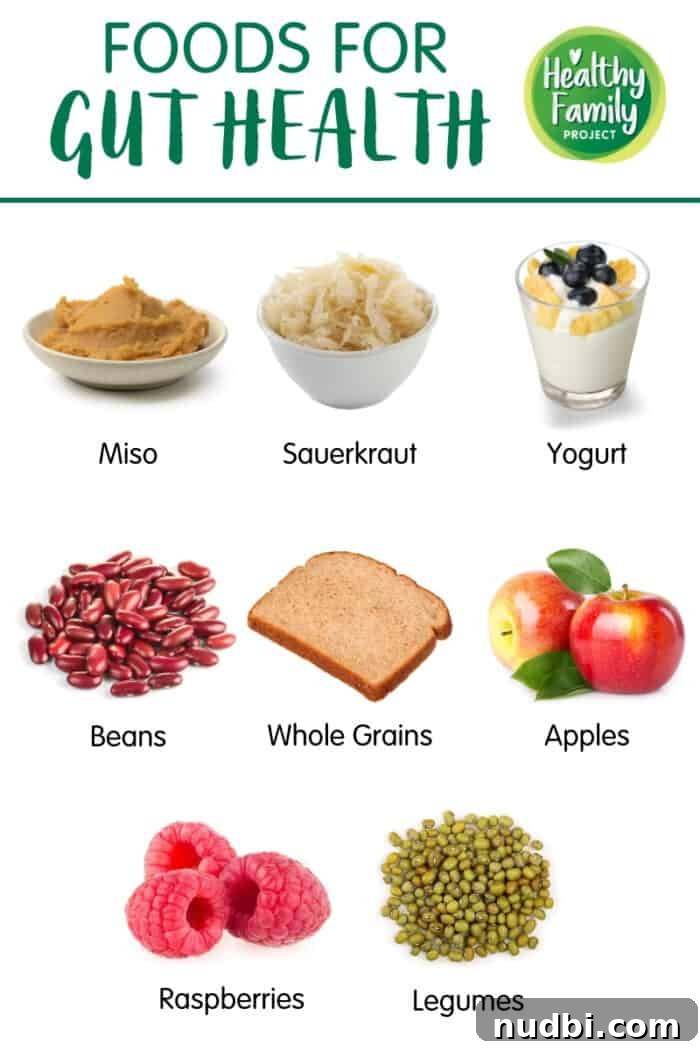
Let’s explore some of the top foods that are superstars for your gut microbiome:

Miso
A staple in Japanese cuisine, miso is a fermented soybean and koji paste prized for its savory umami flavor and remarkable health benefits. What truly elevates miso to a gut-health champion is its traditional fermentation process. During fermentation, soybeans are inoculated with koji (a type of fungus) and then allowed to ferment for weeks, months, or even years. This process breaks down complex sugars and proteins, yielding a rich array of beneficial microorganisms, including specific strains of probiotics like Aspergillus oryzae.
The probiotics created during fermentation help to diversify and strengthen your gut microbiome, aiding digestion and enhancing nutrient absorption. Miso also contains various enzymes that further support digestive function. Regular consumption of miso, often in soups, marinades, or dressings, can contribute to a healthier gut flora, reduce inflammation, and even provide essential minerals. It’s a versatile ingredient that adds depth of flavor while actively nurturing your digestive system.
Recipe inspiration:Miso Sheet Pan Salmon with Green Beans

Sauerkraut
Sauerkraut, a culinary tradition with European roots, is a simple yet incredibly powerful food for gut health, made from finely shredded cabbage that has been fermented by lactic acid bacteria. This ancient preservation method transforms humble cabbage into a probiotic powerhouse. Similar to miso, the fermentation process in sauerkraut encourages the growth of beneficial bacteria, primarily various strains of Lactobacillus, which are renowned for their ability to improve digestive health.
Beyond its probiotic content, sauerkraut is also rich in fiber, which acts as a prebiotic, feeding the beneficial bacteria already in your gut. It’s also a good source of vitamin C and K, and various antioxidants. Consuming unpasteurized sauerkraut (pasteurization kills the beneficial bacteria) can significantly enhance your gut microbiome, potentially reducing symptoms of IBS, improving bowel regularity, and boosting overall immune function. Incorporate it as a tangy side dish, a topping for sandwiches, or mixed into salads for a burst of flavor and gut-boosting benefits.
Recipe inspiration:Reuben Sandwich

Yogurt
Yogurt, especially varieties labeled with “live and active cultures,” is a widely recognized source of beneficial probiotics. It’s created by fermenting milk with specific bacterial cultures, such as Lactobacillus bulgaricus and Streptococcus thermophilus. Many yogurts are also fortified with additional strains, including a specific group of probiotics called bifidobacterium. This particular group of bacteria is commonly found in dairy products and has been extensively studied for its potential to reduce symptoms of inflammatory bowel disease (IBD) and improve digestive comfort.
Regular consumption of yogurt can help maintain a healthy balance of gut flora, aid in lactose digestion for those with mild intolerance, and provide essential nutrients like calcium, protein, and B vitamins. For optimal gut benefits, opt for plain, unsweetened yogurt to avoid added sugars that can negatively impact the microbiome. Yogurt is incredibly versatile; enjoy it as a simple breakfast, blend it into smoothies, use it to make healthy dips and sauces, or even as a tenderizing marinade for meats. Its creamy texture and probiotic richness make it a delicious and easy addition to any gut-friendly diet.
Recipe inspiration:Stone Fruit Yogurt Parfaits
Beans & Legumes
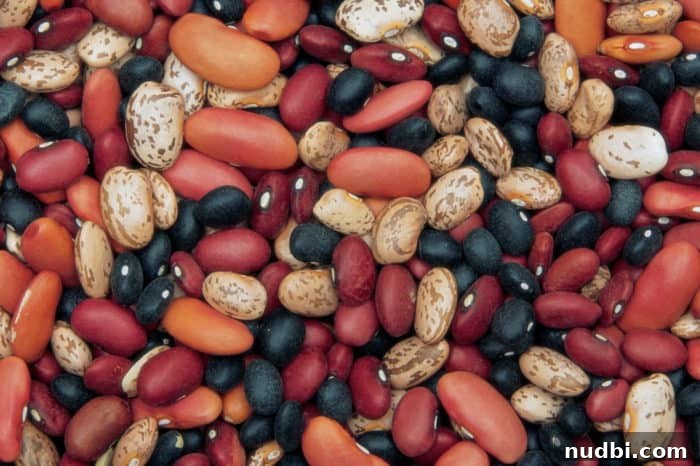
Beans and legumes, a diverse family including lentils, chickpeas, black beans, kidney beans, and more, are foundational foods for gut health, primarily due to their exceptionally high fiber content. Fiber is a non-digestible carbohydrate that plays a crucial role in maintaining a happy and efficient digestive system. It’s often categorized into two types: soluble and insoluble.
Insoluble fiber, which cannot be dissolved in water, acts like a broom, moving through your digestive tract largely intact, adding bulk to stool, and facilitating regular bowel movements. This helps prevent constipation and ensures waste products are efficiently eliminated. Soluble fiber, on the other hand, dissolves in water to form a gel-like substance, helping to slow digestion, which can contribute to a feeling of satiety, aid in balancing blood sugar levels, and help lower cholesterol. Furthermore, beans and legumes are rich in resistant starch, a type of carbohydrate that resists digestion in the small intestine and ferments in the large intestine. This fermentation process produces short-chain fatty acids (SCFAs), like butyrate, which are vital for the health of your colon cells and have anti-inflammatory properties. Incorporating a variety of beans and legumes into your diet provides a powerful prebiotic effect, feeding your beneficial gut bacteria and fostering a diverse and robust microbiome.
Recipe inspiration:Coconut Curry Lentil
Whole Grains
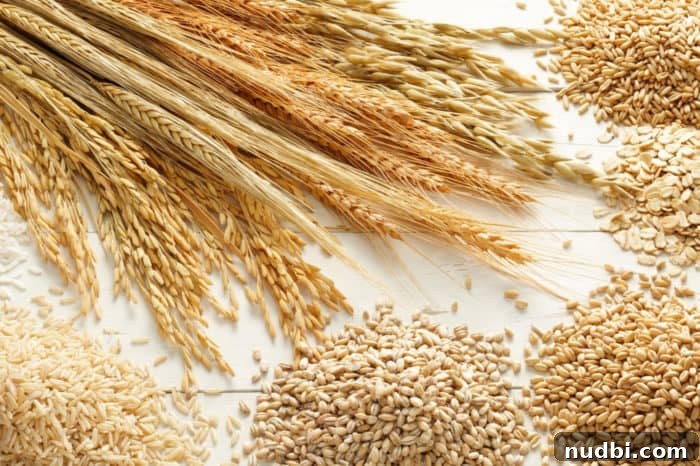
Whole grains such as oats, brown rice, quinoa, barley, and whole wheat are indispensable for maintaining a healthy GI tract. Unlike refined grains, whole grains retain all three parts of the kernel—the bran, germ, and endosperm—meaning they are packed with fiber, essential vitamins (like B vitamins), and vital minerals (such as magnesium, iron, and zinc). This rich nutritional profile makes them a cornerstone of a gut-friendly diet.
The fiber in whole grains, particularly beta-glucans found in oats and barley, acts as a powerful prebiotic, providing nourishment for the beneficial bacteria in your gut. This supports a diverse microbiome and the production of beneficial short-chain fatty acids. Prioritizing whole grains over simple sugars found in many processed foods is crucial for gut health. Excessive consumption of simple sugars can disrupt the delicate balance of gut bacteria, promoting the growth of less beneficial microbes and potentially leading to inflammation and increased cravings. Whole grains, on the other hand, provide complex carbohydrates that are broken down slowly, offering sustained energy, prolonged feelings of fullness, and contributing to a more balanced and stable internal environment. Making a conscious effort to incorporate more whole grains into your daily meals can lead to significant improvements in digestive function and overall vitality.
Recipe inspiration:Pear and Almond Overnight Oats
Apples
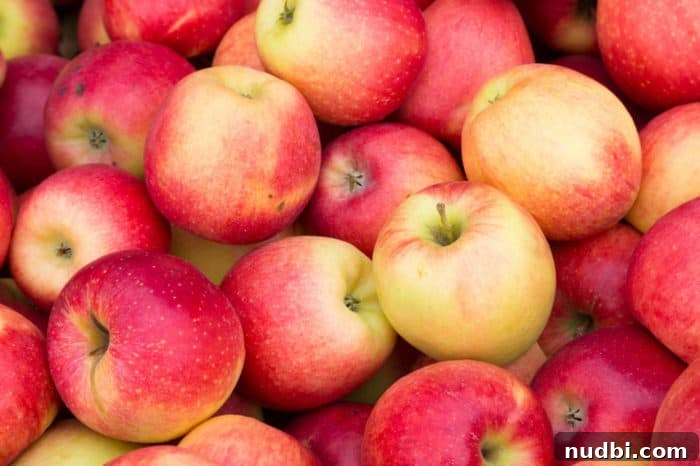
The age-old adage, “An apple a day keeps the doctor away,” holds remarkable truth when it comes to gut health. Apples are an excellent source of dietary fiber, especially when consumed whole with their skin. The skin, in particular, is rich in insoluble fiber, which aids in maintaining bowel regularity and preventing constipation. However, the true magic for gut health lies in their soluble fiber content, notably pectin.
Pectin, a type of soluble fiber, acts as a powerful prebiotic. Once it reaches the large intestine, it ferments and provides nourishment for beneficial gut bacteria, stimulating their growth and activity. This fermentation process produces short-chain fatty acids, which strengthen the gut barrier and reduce inflammation. Additionally, apples are abundant in polyphenols, powerful plant compounds with antioxidant properties. Together, pectin and polyphenols work synergistically to improve gut health, potentially helping to metabolize fats, reduce oxidative stress, and protect against harmful bacteria. Enjoy apples as a crunchy snack, add them to salads, or bake them into healthy desserts to harness their profound gut-supporting benefits.
Recipe inspiration:Spiced Apple Quesadillas

Raspberries
Raspberries are a vibrant, delicious, and nutrient-dense fruit that stands out as an exceptional source of prebiotics. It’s crucial not to confuse prebiotics with probiotics; while probiotics are the beneficial bacteria themselves, prebiotics are the non-digestible fibers that act as food for these probiotics. We delved deeper into the world of probiotics in a previous Food Rx episode.
Raspberries boast one of the highest fiber contents among all fruits, providing both soluble and insoluble fiber. This fiber not only aids in digestion and promotes regularity but, more importantly, fuels the growth and activity of beneficial gut bacteria. The prebiotics in raspberries ensure that your probiotic army remains strong and well-nourished. A healthy, well-fed population of probiotics is essential for protecting your body from toxins, warding off harmful viruses, and effectively combating inflammation throughout the system. Additionally, raspberries are rich in antioxidants, such as ellagic acid, which further contribute to gut health by reducing oxidative stress. By incorporating these ruby-red gems into your diet, you’re not just enjoying a tasty treat; you’re actively creating a thriving environment for your gut’s essential microbial residents, allowing them to continue benefiting your body in countless ways.
Recipe inspiration:Raspberry Walnut Salad
Beyond Specific Foods: Holistic Gut Health Strategies
While incorporating these gut-friendly foods is a cornerstone of digestive wellness, a holistic approach to gut health also involves several other lifestyle factors. Staying adequately hydrated by drinking plenty of water throughout the day is vital for healthy digestion and nutrient absorption. Chronic stress can significantly impact gut function through the gut-brain axis, making stress management techniques like mindfulness, meditation, or yoga incredibly beneficial. Regular physical activity also contributes to a healthy gut by promoting bowel regularity and reducing inflammation. Furthermore, prioritizing adequate and restful sleep supports overall bodily repair and can positively influence your gut microbiome.
Cultivating a healthy gut is a continuous journey that requires consistency and patience. By making gradual, sustainable changes to your diet and lifestyle, you can significantly enhance your digestive health, boost your immune system, improve your mood, and contribute to your overall vitality. Start by introducing one or two new gut-friendly foods each week, observe how your body responds, and build a diverse, nutrient-rich diet that truly nourishes your inner ecosystem.
Disclaimer: Before making any significant health or diet changes, please consult your doctor or a qualified healthcare professional. The information shared as part of Food Rx is meant to be informative and educational, but it should not replace personalized medical advice from your physician.