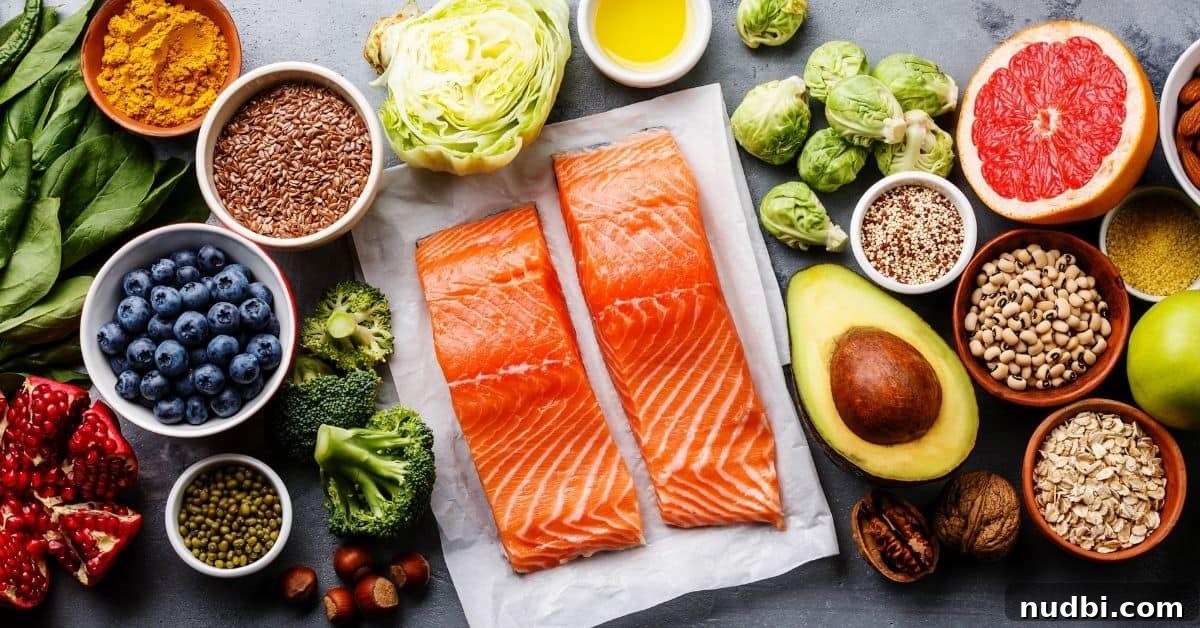
Embark on a journey to better mental well-being with our “Food Rx” series. We’re honored to collaborate with Julie Harrington, a distinguished registered dietitian and culinary nutrition chef, to bring you invaluable insights into how specific foods can act as powerful allies in your quest to reduce anxiety and enhance overall health. This comprehensive guide delves into the vital connection between what you eat and how you feel, offering practical, evidence-based strategies for a calmer mind.
In today’s fast-paced world, feelings of stress and anxiety are increasingly common. While various factors contribute to our mental state, the food we consume plays a surprisingly significant role in how our bodies and minds cope with these challenges. A well-balanced, nutrient-rich diet can be a potent tool in managing stress responses and promoting a sense of calm. From nutrient-dense salmon and creamy avocados to soothing chamomile tea, certain foods are recognized for their anxiolytic properties.
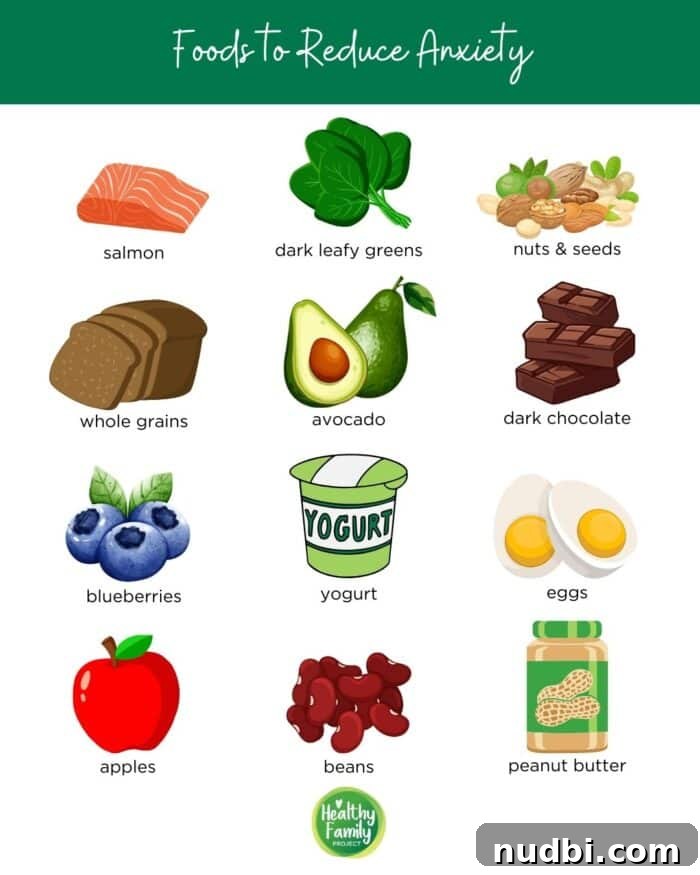
This article will explore the intricate relationship between nutrition and mental well-being, highlighting nine key foods that can actively contribute to reducing anxiety. We’ll also touch upon other natural, holistic approaches to manage your anxiety levels effectively. Prepare to transform your plate into a powerful prescription for peace of mind!
Understanding Anxiety: What It Is and What Triggers It
Anxiety is a natural human emotion characterized by feelings of worry, nervousness, or unease, typically about an event with an uncertain outcome. It’s your brain’s way of reacting to stress, signaling a “fight or flight” response. Common physical sensations often accompany anxiety, such as a rapidly beating heart, that familiar “butterflies” feeling in your stomach, increased perspiration, or even a sense of impending doom.
A moderate level of anxiety is not only normal but can also be beneficial, acting as an internal alarm system that keeps us alert and aware of potential dangers, motivating us to prepare for important events or avoid risky situations. For instance, feeling anxious before a big presentation can push you to practice more thoroughly. However, when anxiety becomes chronic, overwhelming, and starts to interfere with daily life, relationships, or work, it may indicate a more serious condition known as an anxiety disorder. These disorders are characterized by excessive worry that is difficult to control and can be debilitating, profoundly impacting an individual’s quality of life. Understanding the distinction is the first step toward effective management and seeking appropriate support.
The Powerful Link: What Foods Can Help Reduce Anxiety?
While there isn’t a single magical food that can instantly erase anxiety, incorporating specific nutrient-rich foods into your daily diet can significantly mitigate its symptoms. The power of nutrition lies in its ability to influence brain chemistry, reduce systemic inflammation, and support overall neurological health. Emerging research consistently points to a strong correlation between gut health, nutrient intake, and mental well-being.
Adopting a dietary approach that prioritizes anti-inflammatory foods and provides essential brain-specific nutrients has shown immense potential in alleviating anxiety symptoms. By nourishing your body with the right fuel, you can help stabilize mood, improve cognitive function, and build greater resilience against stress. Below, we explore a curated list of foods known for their anxiety-reducing benefits.
Salmon: Your Omega-3 Powerhouse
Salmon stands out as an exceptional source of omega-3 fatty acids, particularly eicosapentaenoic acid (EPA) and docosahexaenoic acid (DHA). Numerous studies have highlighted the profound impact of these essential fats on brain health and mood regulation. Omega-3s are crucial components of brain cell membranes and possess powerful anti-inflammatory properties. Chronic inflammation is often linked to increased anxiety and depression, and by reducing it, omega-3s can significantly lower the risk and even help ease existing anxiety symptoms. They also play a role in neurotransmitter function, which directly impacts mood and stress response.

Don’t limit your salmon consumption to fresh fillets from the seafood counter. To make this anxiety-reducing superfood more accessible and budget-friendly, consider utilizing frozen salmon portions or convenient canned salmon. These options are just as nutritious and versatile. Incorporate salmon as the star of your dinner with recipes like lemon dill salmon pasta with asparagus, enjoy it flaked into sushi rolls, or even find premade packets to effortlessly top off a vibrant sweet kale salad with roasted chickpeas and apples, making it a quick and healthy addition to any meal.
Yogurt: The Gut-Brain Connection
Yogurt, especially varieties rich in live and active cultures, is a fantastic source of probiotics – beneficial bacteria that are vital for a healthy gut microbiome. Emerging research strongly supports the concept of a “gut-brain axis,” a bidirectional communication system between your digestive system and your brain. A balanced gut flora not only aids in digestion but also profoundly influences our immune and anti-inflammatory responses. By strengthening the gut microbiome, probiotics help to prevent inflammatory compounds from entering the bloodstream and reaching the brain, which can otherwise exacerbate anxiety and mood disorders. A healthy gut translates to a happier mind.
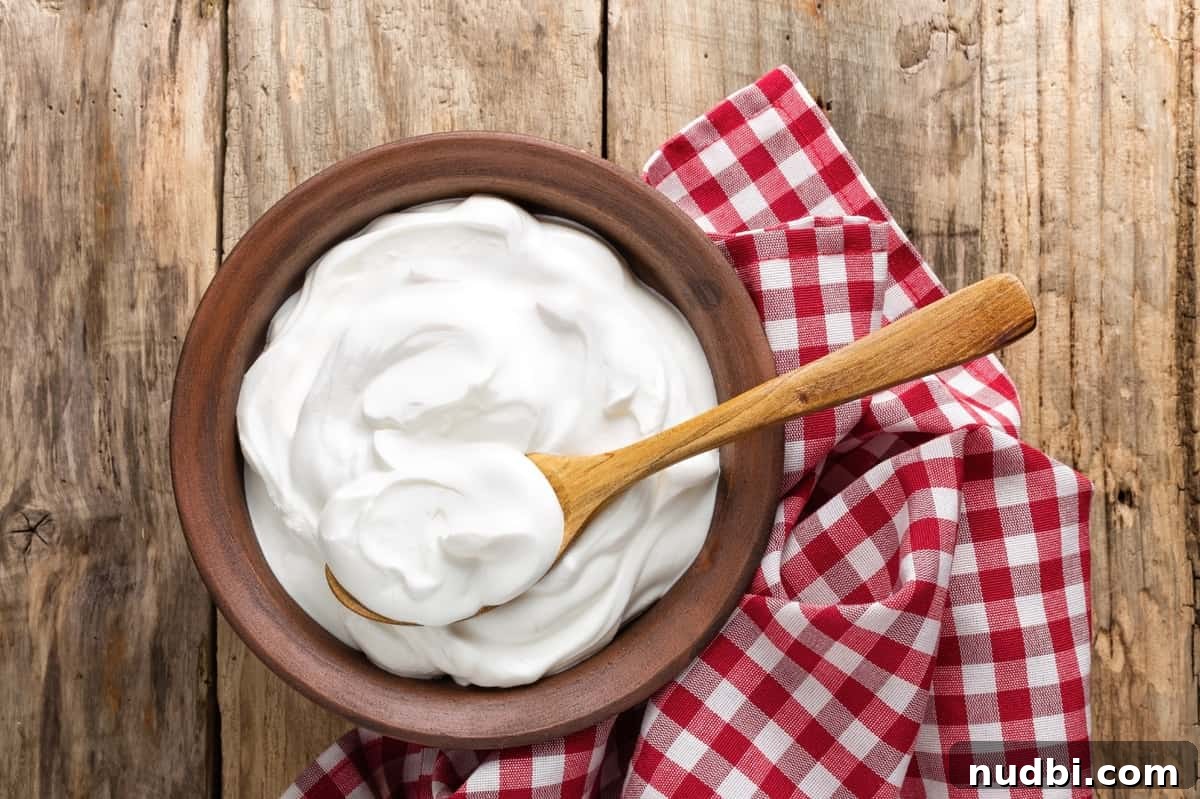
To maximize the benefits of probiotics in yogurt, remember to feed them with prebiotics. Prebiotics are non-digestible fiber compounds found in many plant-based foods, acting as fuel for your beneficial gut bacteria. Pair your yogurt with berries, bananas, or a sprinkle of granola to create a delicious and gut-friendly parfait. It also makes an excellent addition to smoothies, offering a creamy texture and a boost of probiotics. Look for plain, unsweetened varieties to avoid excess sugar.
Chamomile Tea: A Calming Brew
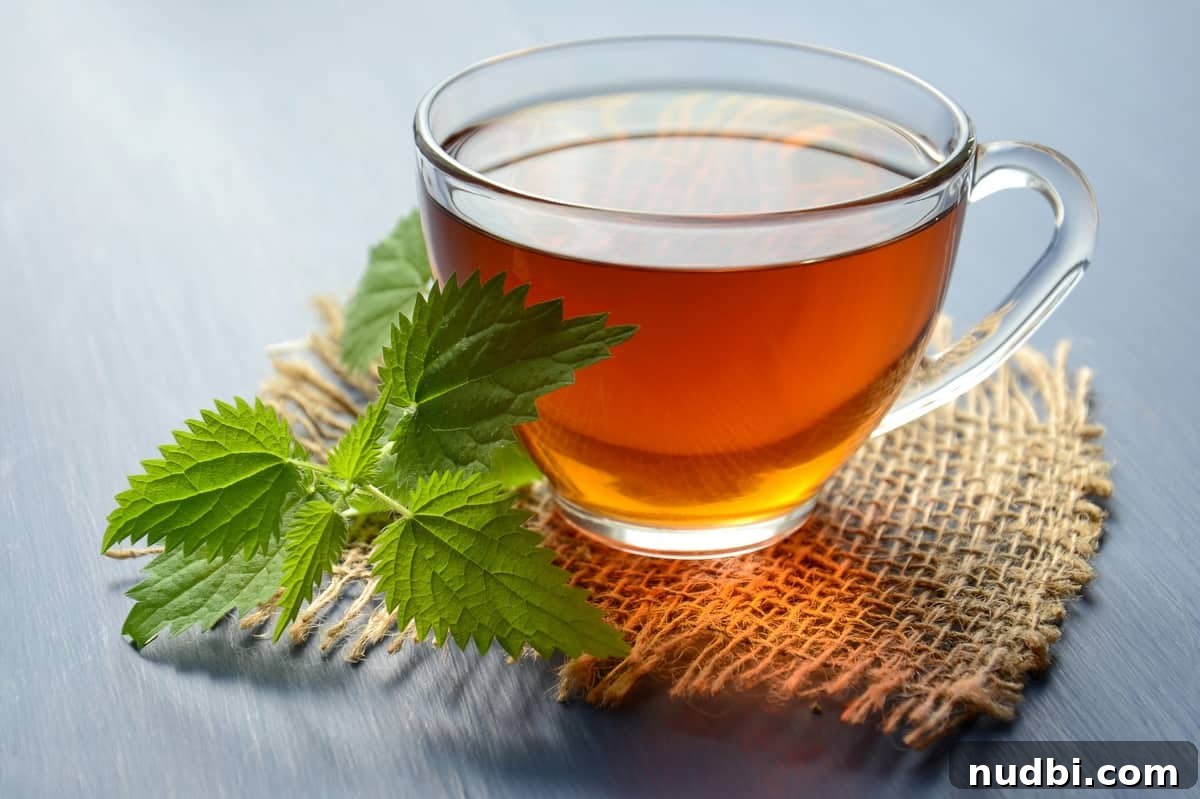
For centuries, chamomile tea has been celebrated for its gentle, calming effects. This herbal infusion contains compounds like apigenin, which binds to specific receptors in the brain, helping to reduce anxiety and initiate sleep. The ritual of preparing and sipping a warm cup of tea itself can be incredibly therapeutic, signaling to your body that it’s time to slow down and relax. Beyond chamomile, many other herbal teas, such as peppermint, ginger, or lemon balm, offer similar soothing properties, contributing to stress relief and acting as a natural sleep aid. For optimal anxiety reduction and improved sleep quality, opt for non-caffeinated herbal teas, especially in the evening, to help unwind and prepare for a restful night.
Whole Grains: Sustained Energy for a Calm Mind
Whole grains are unsung heroes in the fight against anxiety, offering a rich blend of essential nutrients. They are excellent sources of magnesium, which plays a critical role in nerve function and muscle relaxation, and tryptophan, an amino acid precursor to serotonin – a neurotransmitter known for its mood-stabilizing effects. The high fiber content in whole grains also contributes to gut health and provides a steady release of glucose into the bloodstream, helping to maintain stable blood sugar levels. Erratic blood sugar can trigger feelings of anxiety and irritability, so a consistent supply of energy from complex carbohydrates is key to maintaining calm and focus.
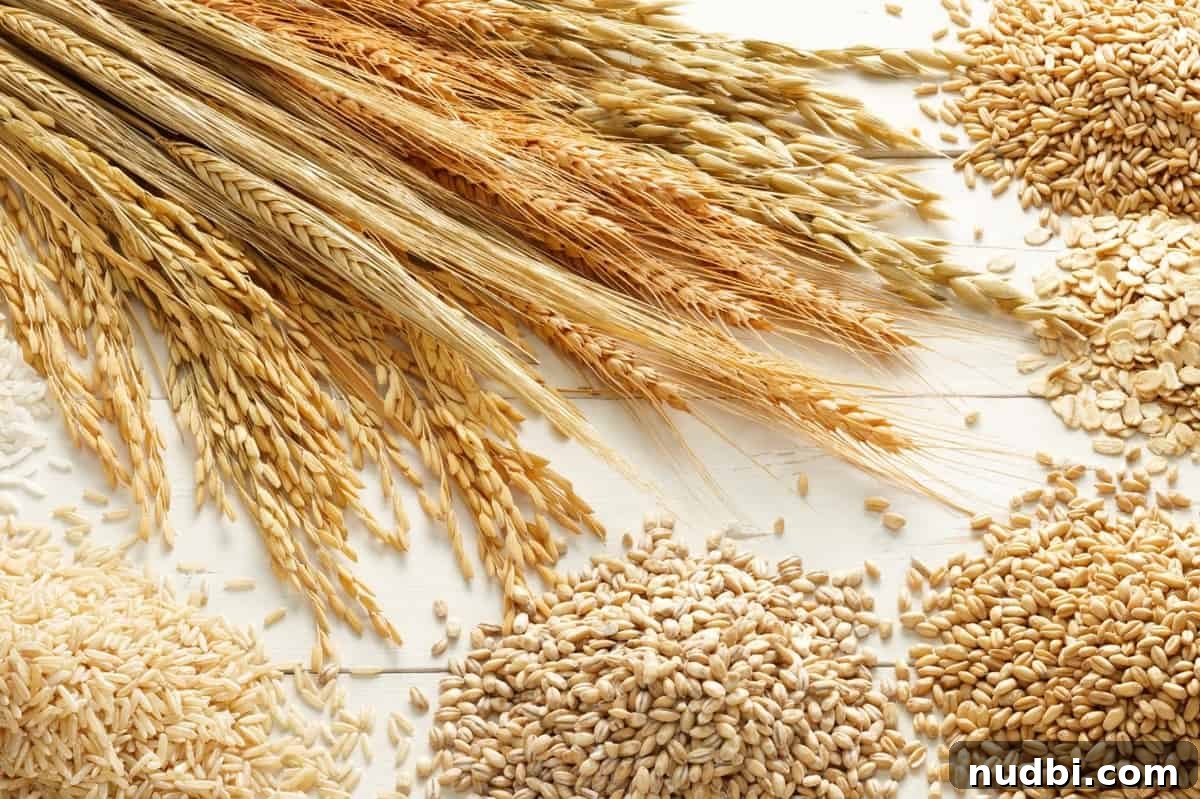
The culinary world offers a vast array of delicious whole grains to explore. Beyond popular choices like brown rice and oats, consider incorporating nutritious options such as quinoa (a complete protein), nutrient-packed oats (perfect for breakfasts), or even buckwheat. Challenge yourself to add a new whole grain to your diet each month to diversify your nutrient intake and discover new flavors and textures that support your mental well-being.
Avocado: Healthy Fats for a Healthy Brain
Avocados are celebrated for their abundance of monounsaturated fats, often referred to as “healthy fats.” These fats are not only crucial for overall health but are particularly beneficial for brain function. They help optimize circulation, ensuring robust blood flow to the brain. Improved cerebral blood flow means better delivery of oxygen and nutrients to brain cells, which can significantly enhance cognitive function, stabilize mood, and help ease anxious thoughts. Avocados also provide B vitamins, which are known to reduce stress and maintain healthy nerve function, further boosting their anxiety-fighting credentials.
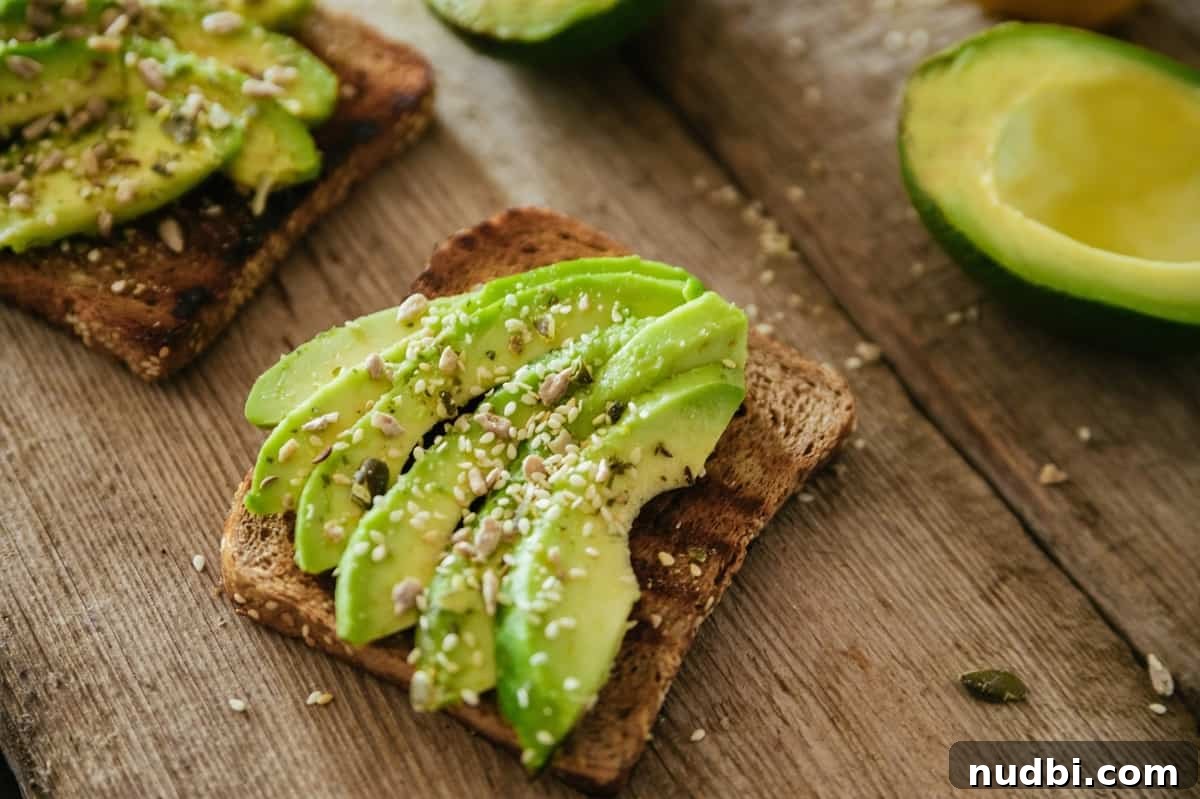
The versatility of avocado makes it a delightful addition to countless dishes. Blend it into creamy blueberry avocado smoothies for a nutritious start to your day, dice it into refreshing avocado caprese salads, spread it generously on whole-grain toast for a satisfying snack, or whip up a classic, vibrant guacamole to enjoy with your favorite whole-grain chips or vegetable sticks.
Blueberries: Antioxidant-Rich Superfruits
Blueberries are often hailed as superfruits, and for good reason: they are exceptionally rich in antioxidants, particularly anthocyanins, which give them their distinctive blue hue. These powerful compounds combat oxidative stress in the body and brain, which is a major contributor to inflammation and cellular damage linked to various health issues, including anxiety and depression. Antioxidants help protect brain cells from damage, support cognitive function, and have been shown to improve the conditions of individuals experiencing symptoms of anxiety and depression. Regular consumption of blueberries can therefore bolster your brain’s resilience against stressors and promote a more stable mood.
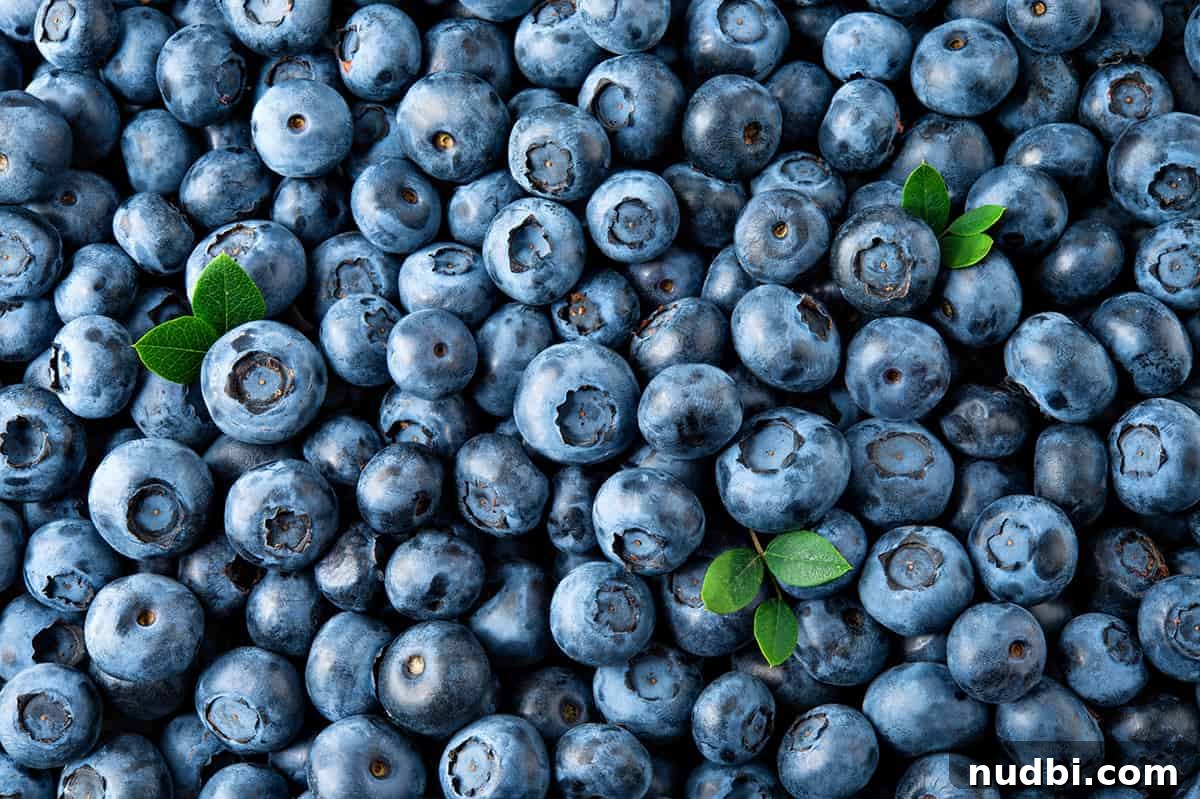
These versatile berries are incredibly easy to incorporate into your daily diet. Toss a handful into your morning banana blueberry mango smoothie for a burst of flavor and nutrients. Mix them into your yogurt for a sweet and tangy treat, or even fold them into fluffy blueberry banana pancakes for a weekend breakfast indulgence. Fresh or frozen, blueberries retain their nutritional power, making them a convenient choice year-round.
Nuts & Seeds: Mini Powerhouses of Calm
Nuts and seeds are small but mighty, packed with an impressive array of nutrients that are crucial for mental health, including magnesium, zinc, and a variety of antioxidants. Magnesium, often called “nature’s tranquilizer,” helps regulate neurotransmitters, which send messages throughout the brain and body. It also contributes to muscle relaxation and can significantly reduce the physiological symptoms of stress and anxiety. Zinc, particularly abundant in cashews, plays a vital role in maintaining healthy nervous system function. It’s involved in the communication pathways between the brain and the body, signaling messages of “calm” and helping to modulate the brain’s response to stress. Moreover, the healthy fats and fiber in nuts and seeds contribute to stable blood sugar and sustained energy, preventing the dips and spikes that can exacerbate anxiety.
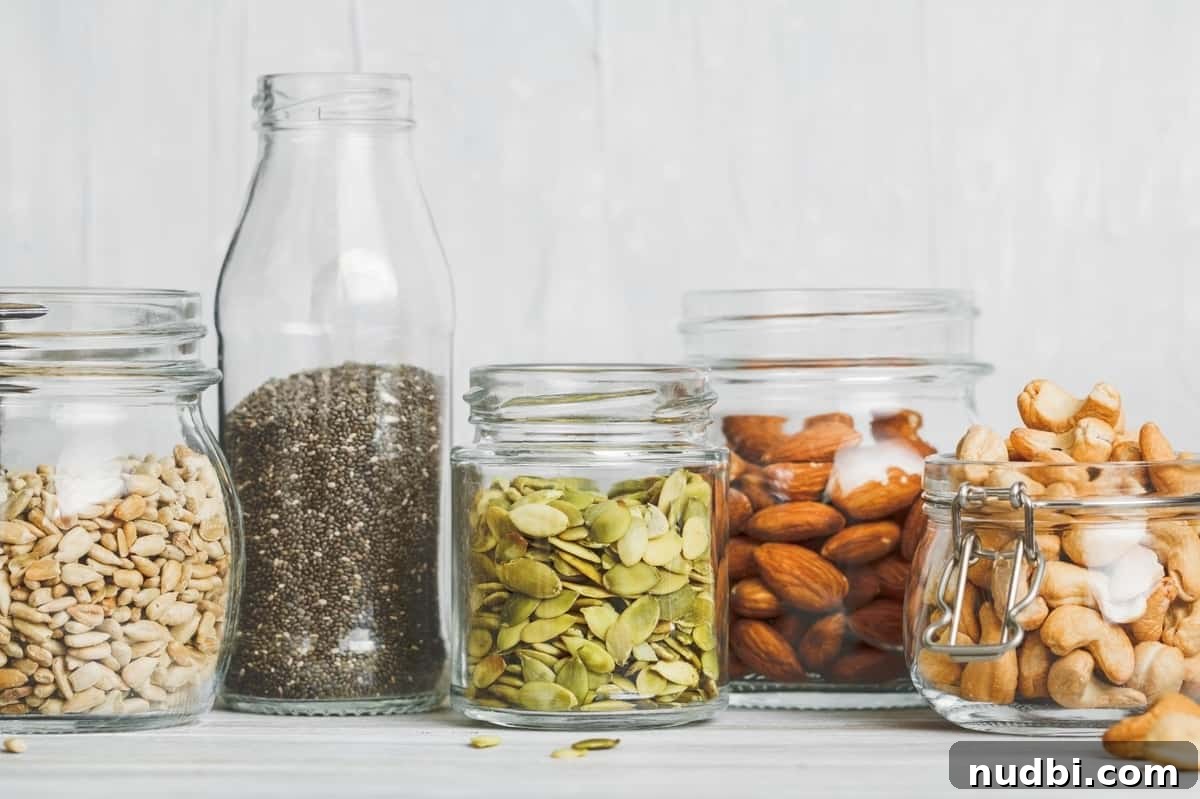
Integrating nuts and seeds into your diet is simple and delicious. Sprinkle them over salads for an added crunch and nutrient boost, pair them with fresh fruit for a balanced snack, or simply enjoy a handful on their own as a quick pick-me-up. Almonds, walnuts, pumpkin seeds, chia seeds, and flax seeds are all excellent choices for promoting a calmer state of mind.
Dark Leafy Greens: Nature’s Magnesium Boost
Dark leafy greens are nutritional powerhouses, particularly celebrated for their high magnesium content. Magnesium is a crucial mineral involved in over 300 biochemical reactions in the body, many of which are directly related to brain function and mood regulation. Research indicates that diets rich in magnesium are associated with fewer anxiety-related behaviors and a greater ability to manage stress. This essential mineral helps calm the nervous system, supports healthy sleep patterns, and can alleviate muscle tension commonly associated with anxiety. By increasing your intake of leafy greens, you provide your body with a natural source of tranquility and resilience.
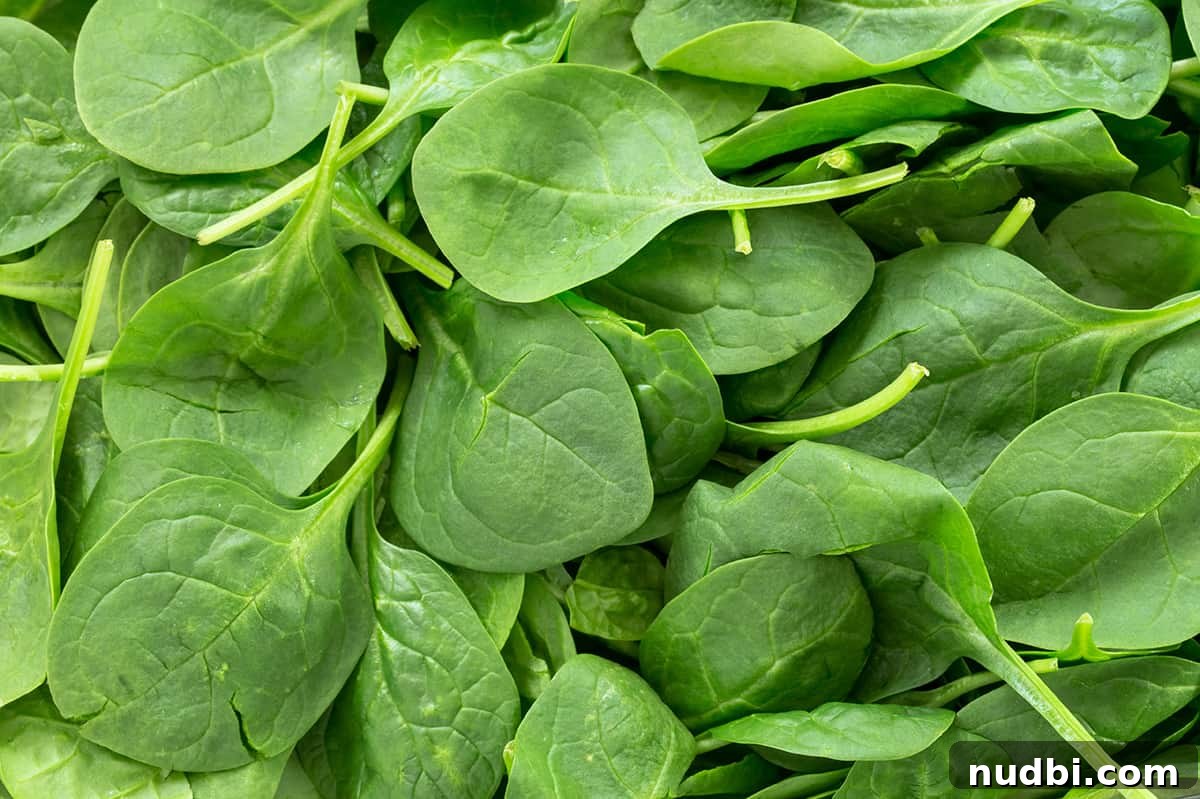
There are countless ways to add more dark leafy greens to your meals. Incorporate spinach into frittatas, sandwiches, or smoothies. Sauté kale with garlic as a side dish, or use it as a base for hearty salads. Swiss chard, collard greens, and romaine lettuce are other excellent choices. Make it a habit to add a generous portion of greens to at least one meal a day to reap their calming benefits.
Dark Chocolate: A Sweet Treat for the Soul
For those who love a bit of indulgence, dark chocolate offers a delightful way to potentially calm the body and mind. Unlike milk chocolate, dark chocolate (with a high cocoa content, typically 70% or more) contains fewer added sugars and is rich in flavonoids – powerful antioxidants that improve blood flow to the brain. It also contains compounds that can trigger the release of endorphins, natural mood elevators, and serotonin, a neurotransmitter associated with feelings of well-being. Furthermore, studies suggest that consuming dark chocolate can help reduce levels of cortisol, often known as the “stress hormone,” which plays a central role in the body’s stress response. This makes it a truly wonderful treat that can improve one’s mood and reduce the physiological markers of stress.
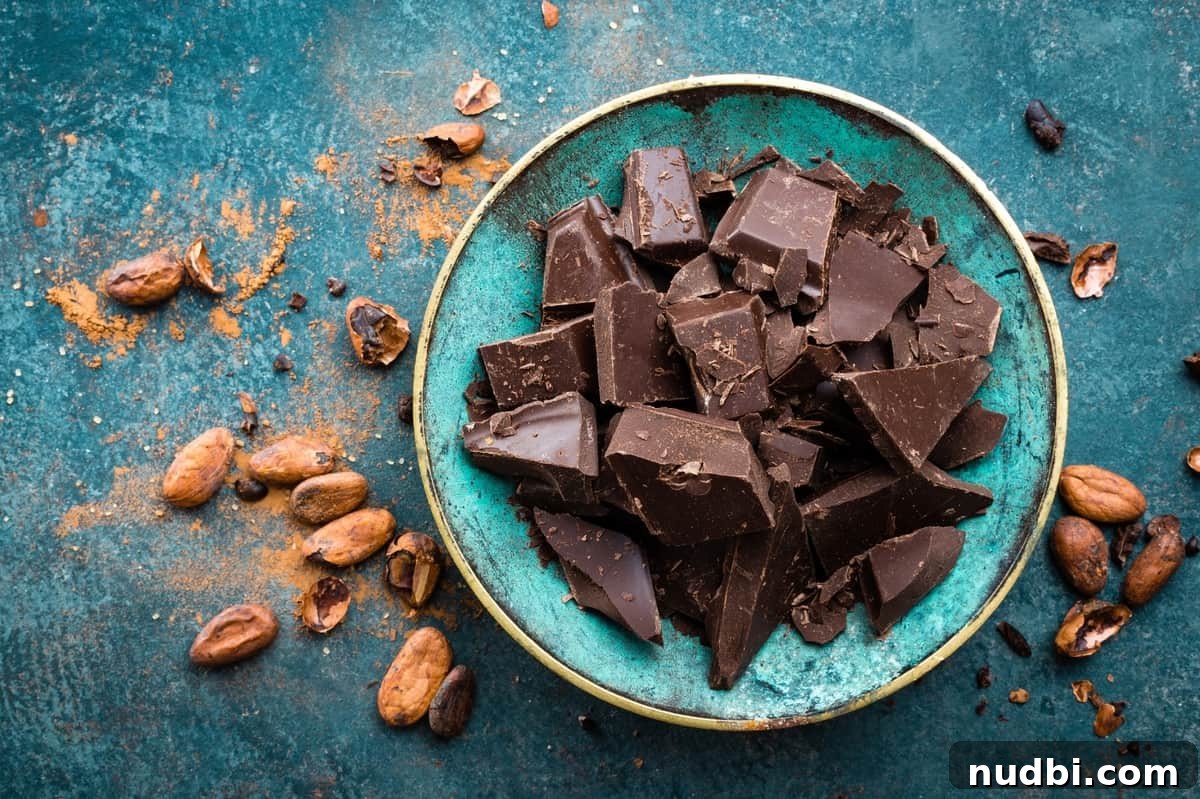
Enjoy a small square of high-quality dark chocolate as a mindful treat. Savor its rich flavor and allow its compounds to work their magic, contributing to a sense of calm and pleasure without the sugar crash associated with less healthy sweets. Remember, moderation is key to harnessing its benefits without overindulging.
Holistic Approaches: Other Natural Ways to Reduce Anxiety
While diet plays a crucial role in managing anxiety, it’s part of a larger picture of holistic well-being. Integrating other natural practices into your daily routine can significantly enhance your ability to cope with stress and foster a calmer state of mind. A multi-faceted approach often yields the best results:
- Stepping Back from Caffeine: Caffeine, while offering a temporary energy boost, can often act as a potent trigger for anxiety in sensitive individuals. It stimulates the nervous system, which can mimic or intensify anxiety symptoms like heart palpitations, jitters, and restlessness. Consider gradually cutting back on your daily caffeine intake, or exploring alternatives such as decaffeinated coffee or the soothing variety of herbal teas mentioned earlier. Observe how your body responds and adjust accordingly to find your personal comfort level.
- Prioritizing Self-Care: In our busy lives, dedicating time for self-care is not a luxury but a necessity for mental health. Take deliberate steps to step back from daily pressures and engage in activities that genuinely bring you joy and help clear your head. This could involve practicing meditation or mindfulness to center your thoughts, immersing yourself in a captivating book, engaging in creative pursuits like painting or playing music, or simply spending quiet time in nature. These moments allow your mind to reset, reduce mental clutter, and promote emotional balance.
- Embracing Joyful Movement: Physical activity is a powerful antidote to stress and anxiety. Regular exercise releases endorphins, natural mood elevators, and helps to reduce the physical tension associated with anxiety. It doesn’t have to be an intense gym workout; finding “joyful movement” means choosing activities you genuinely enjoy. Whether it’s a brisk daily walk around your neighborhood, dancing to your favorite music, cycling, swimming, or practicing yoga, keeping your body active will not only refresh your physical self but also re-energize your mind, fostering a greater sense of well-being.
- Cultivating Restful Sleep: Quality sleep is foundational for both physical and mental health. A good night’s sleep allows your body to repair and rejuvenate, but equally importantly, it gives your mind the essential break it needs to process emotions and consolidate memories. Chronic sleep deprivation can significantly worsen anxiety symptoms, creating a vicious cycle. Prioritize developing a consistent sleep schedule, create a calming bedtime routine, and ensure your sleep environment is conducive to deep, uninterrupted rest. Giving yourself the full break you deserve through adequate sleep is a non-negotiable step toward reducing anxiety.
- Seeking Support Through Counseling: You don’t have to navigate feelings of anxiety alone. Communicating openly about how you’re feeling is an incredibly effective way to process and manage anxiety. Whether it’s confiding in a trusted family member, a supportive friend, or, ideally, a mental health professional, talking through your thoughts and feelings provides a valuable outlet. Therapists and counselors can offer strategies, coping mechanisms, and a safe space to explore the roots of your anxiety. Feeling understood and knowing that you have people in your corner offers immense support and reinforces that you’re not alone in your journey.
For more extensive tips and resources to manage stress and anxiety effectively, we encourage you to visit adaa.org, the website for the Anxiety & Depression Association of America.
Disclaimer: Before implementing any significant health or diet changes, it is always recommended to consult with your doctor or a qualified healthcare professional. The information shared as part of the “Food Rx” series is intended solely for educational and informative purposes and should not be considered a substitute for personalized medical advice from your physician.