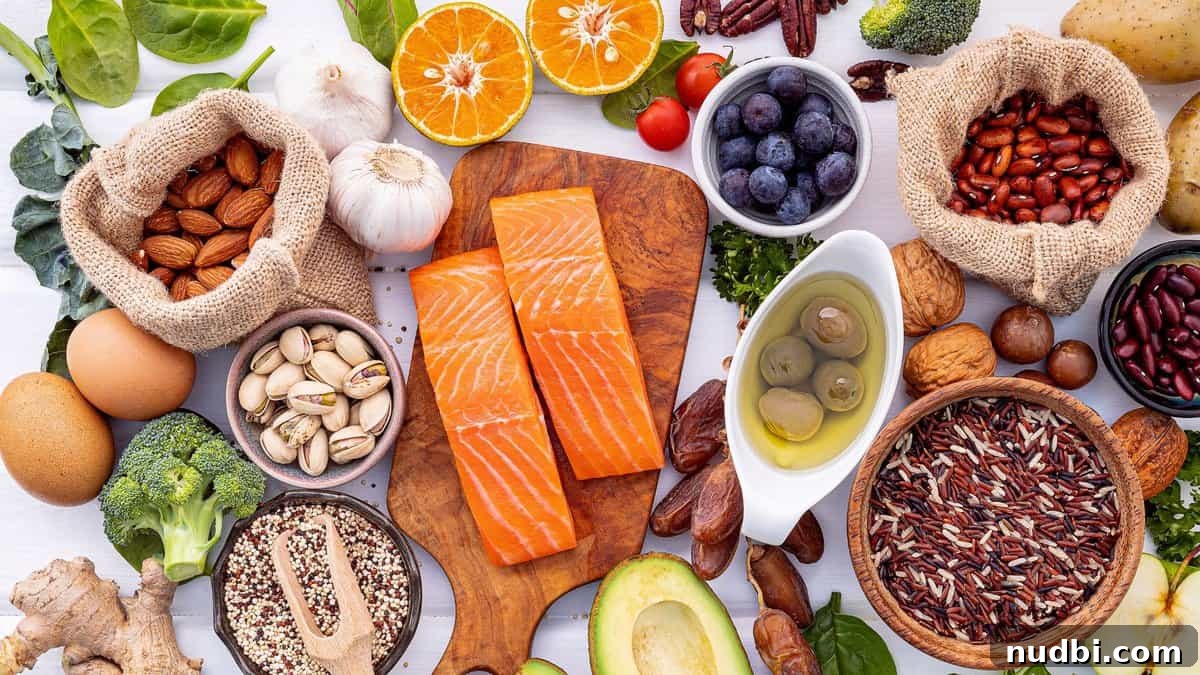
We’re thrilled to partner with Julie Lopez, a distinguished registered dietitian and culinary nutrition chef, for a comprehensive monthly series. This series explores the profound impact of food on our overall health and well-being. In this vital episode, our focus shifts to understanding and leveraging foods that can naturally help lower cholesterol levels and significantly enhance cardiovascular health.
In our previous Food Rx installment, we delved into the paramount importance of heart health. The heart is undeniably one of the body’s most crucial organs, orchestrating a continuous flow of oxygen, vital nutrients, hormones, and essential cells to every single part of your system. Maintaining a healthy heart is not merely about avoiding illness; it’s about fostering vitality, energy, and longevity.
Adopting a heart-healthy diet is a cornerstone of this endeavor. Such a diet emphasizes abundant consumption of fresh fruits and vibrant vegetables, consciously integrating more whole grains into daily meals, selecting lean protein sources, and prioritizing beneficial healthy fats. Equally important is the strategic limitation of saturated fats, added sugars, and excessive sodium intake, all of which can compromise cardiovascular well-being.
Today, we’re taking a deeper dive into the intricate world of heart health and exploring the pivotal role cholesterol plays. What exactly is cholesterol? Does consuming dietary cholesterol directly elevate blood cholesterol levels? And most importantly, what effective strategies can you employ to lower cholesterol? If these questions resonate with you, or if you’re seeking clear, evidence-based answers, you’ve come to the right place. Let’s unravel these complexities together.
Understanding Cholesterol: Friend or Foe?
Cholesterol is a waxy, fat-like substance found in all the cells of your body. It’s essential for building healthy cells, producing hormones (like estrogen, testosterone, and adrenal hormones), and aiding in the creation of vitamin D and bile acids that help digest fats. Far from being an enemy, cholesterol is a fundamental component for various bodily functions. However, it cannot travel alone through the bloodstream because fat and water do not mix. To circumvent this, cholesterol is carried through your bloodstream by special “transporters” called lipoproteins.
These lipoproteins effectively “emulsify” the cholesterol, packaging it securely for its journey throughout the circulatory system. There are two primary types of these crucial “transporters,” each with a distinct role in cholesterol management and overall heart health. They are commonly known as HDL (High-Density Lipoprotein) and LDL (Low-Density Lipoprotein) cholesterol. Understanding the difference between these two is key to grasping how cholesterol impacts your health.
Unpacking the Reputation: Is All Cholesterol Bad?
Despite its often-maligned reputation, as highlighted by health experts, cholesterol is indispensable for life. Your body requires it to construct robust cell membranes, synthesize vital hormones, and produce vitamin D. The issue arises not from cholesterol itself, but from an imbalance or an excessive amount of certain types of cholesterol circulating in the bloodstream.
When there’s an overabundance of Low-Density Lipoprotein (LDL), often termed “bad” cholesterol, it can lead to serious health complications. High LDL levels contribute to the buildup of plaque within the artery walls, a condition known as atherosclerosis. This plaque, composed of cholesterol, fatty substances, cellular waste products, calcium, and fibrin, causes arteries to narrow and harden, impeding blood flow. Over time, this buildup can rupture, leading to the formation of blood clots that can block blood flow to the heart or brain, culminating in life-threatening events such as a heart attack or stroke.
Triglycerides: Another Important Lipid for Heart Health
Similar to cholesterol, triglycerides are another crucial type of fat (lipid) that circulates in your blood. Your body uses triglycerides for energy. When you eat, your body converts any calories it doesn’t need to use right away into triglycerides. These are then stored in your fat cells. Later, hormones release triglycerides for energy between meals. While necessary, having persistently high levels of triglycerides can significantly increase your risk of cardiovascular disease, just like high LDL cholesterol.
Several factors influence triglyceride levels. The types of fats you consume play a role, but perhaps even more critical is your overall calorie intake, especially from certain types of carbohydrates, particularly refined sugars. Excess calories, regardless of their source, can be converted into triglycerides. Additionally, existing fat stores in the body can impact these levels. A diet rich in simple sugars and highly processed foods is often a major contributor to elevated triglyceride levels, underscoring the importance of dietary choices in managing this lipid.
Understanding Your Cholesterol Numbers
Knowing your cholesterol levels is a vital step in managing your heart health. Cholesterol numbers are typically measured in milligrams per deciliter (mg/dL) and are assessed through a simple blood test called a lipid panel. Regular screenings allow you and your doctor to monitor these levels and intervene if they fall outside the healthy range. Below are the generally recommended healthy cholesterol levels, categorized by age and gender, as guidance from reputable health organizations like MedlinePlus:
For Individuals Aged 19 or Younger:
| Type of Cholesterol | Healthy Level |
|---|---|
| Total Cholesterol | Less than 170 mg/dL |
| LDL (Bad) Cholesterol | Less than 100 mg/dL |
| HDL (Good) Cholesterol | More than 45 mg/dL |
For Men Age 20 or Older:
| Type of Cholesterol | Healthy Level |
|---|---|
| Total Cholesterol | 125 to 200 mg/dL |
| LDL (Bad) Cholesterol | Less than 100 mg/dL |
| HDL (Good) Cholesterol | 40 mg/dL or higher |
For Women Age 20 or Older:
| Type of Cholesterol | Healthy Level |
|---|---|
| Total Cholesterol | 125 to 200 mg/dL |
| LDL (Bad) Cholesterol | Less than 100 mg/dL |
| HDL (Good) Cholesterol | 50 mg/dL or higher |
It’s crucial to remember that these are general guidelines. Your individual healthy levels might vary based on your personal health history, risk factors, and other medical conditions. Always consult with your healthcare provider to interpret your specific cholesterol results and determine the most appropriate course of action for your heart health.
The Dietary Cholesterol Dilemma: Does What You Eat Directly Raise Your Cholesterol?
This is a common and often confusing question. The truth is, individual responses to dietary cholesterol – the cholesterol found in foods – vary significantly. For most people, the amount of cholesterol consumed through diet has a less direct impact on blood cholesterol levels than previously thought. This is because your body is quite clever: it has a sophisticated feedback system. While you do ingest some cholesterol from food, approximately 80% of the cholesterol in your bloodstream is actually produced by your liver. When you consume more dietary cholesterol, your liver typically reduces its own production to maintain balance, and vice versa.
However, this regulatory mechanism isn’t uniform for everyone. Genetic factors play a substantial role in how efficiently an individual’s body processes and manages cholesterol. Some people are genetically predisposed to being “responders,” meaning their blood cholesterol levels are more sensitive to dietary intake. For others, dietary cholesterol has minimal impact. This is why a personalized approach is vital. Your doctor and a Registered Dietitian Nutritionist (RDN) can assess your individual genetic predisposition, current health status, and lifestyle to determine if specific dietary cholesterol restrictions are necessary for you. They can provide tailored dietary and lifestyle recommendations to effectively manage your cholesterol levels.
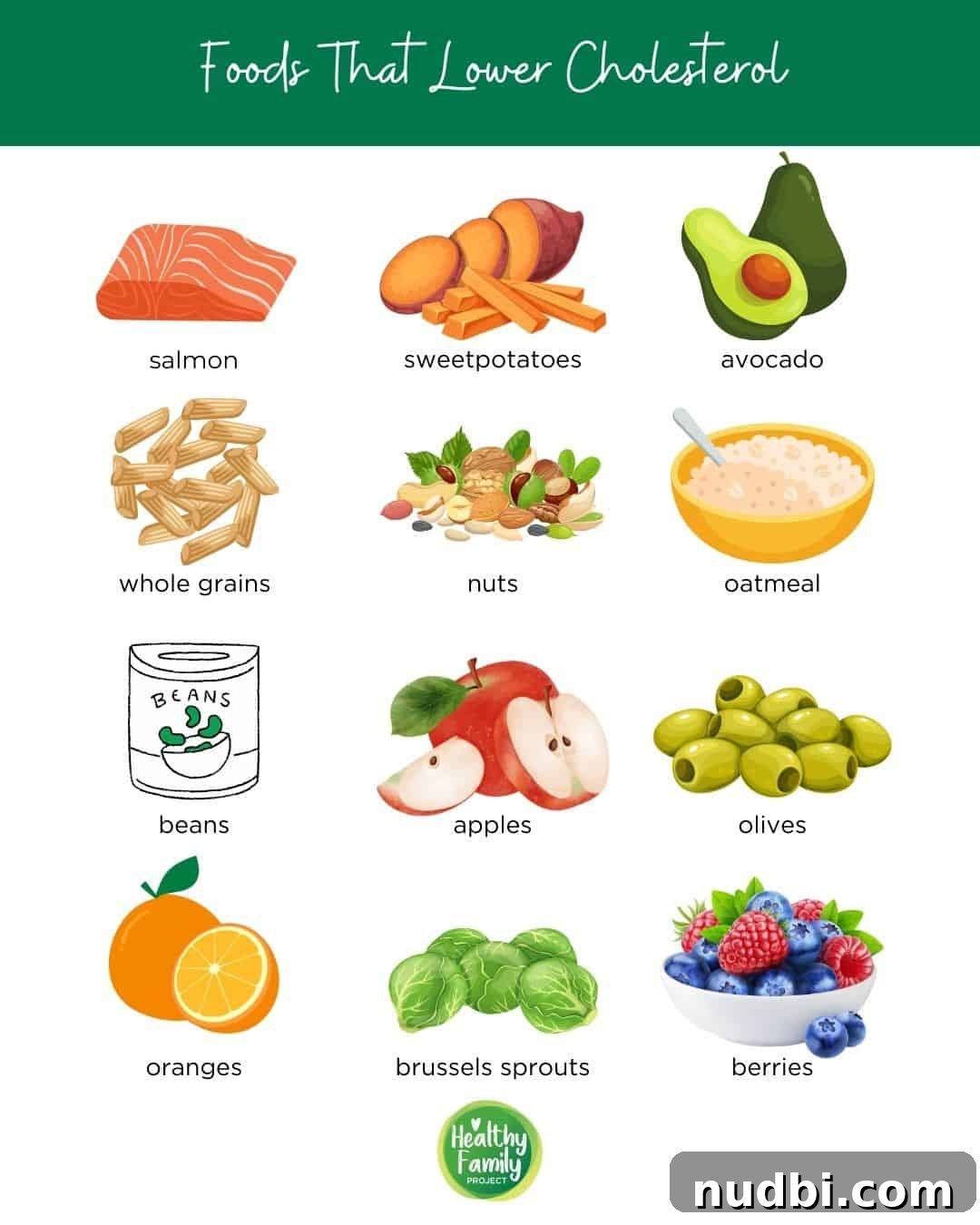
Nourishing Your Heart: Foods That Actively Lower Cholesterol
While genetics and lifestyle factors play a role, your diet is one of the most powerful tools you have to manage or lower cholesterol levels. A dietary pattern rich in fruits, vegetables, healthy fats, and whole grains forms an excellent foundation not just for general healthy eating, but specifically for making a tangible impact on your lipid profile. These food groups work synergistically through various mechanisms to promote lower LDL cholesterol and higher HDL cholesterol, while also reducing overall cardiovascular risk.
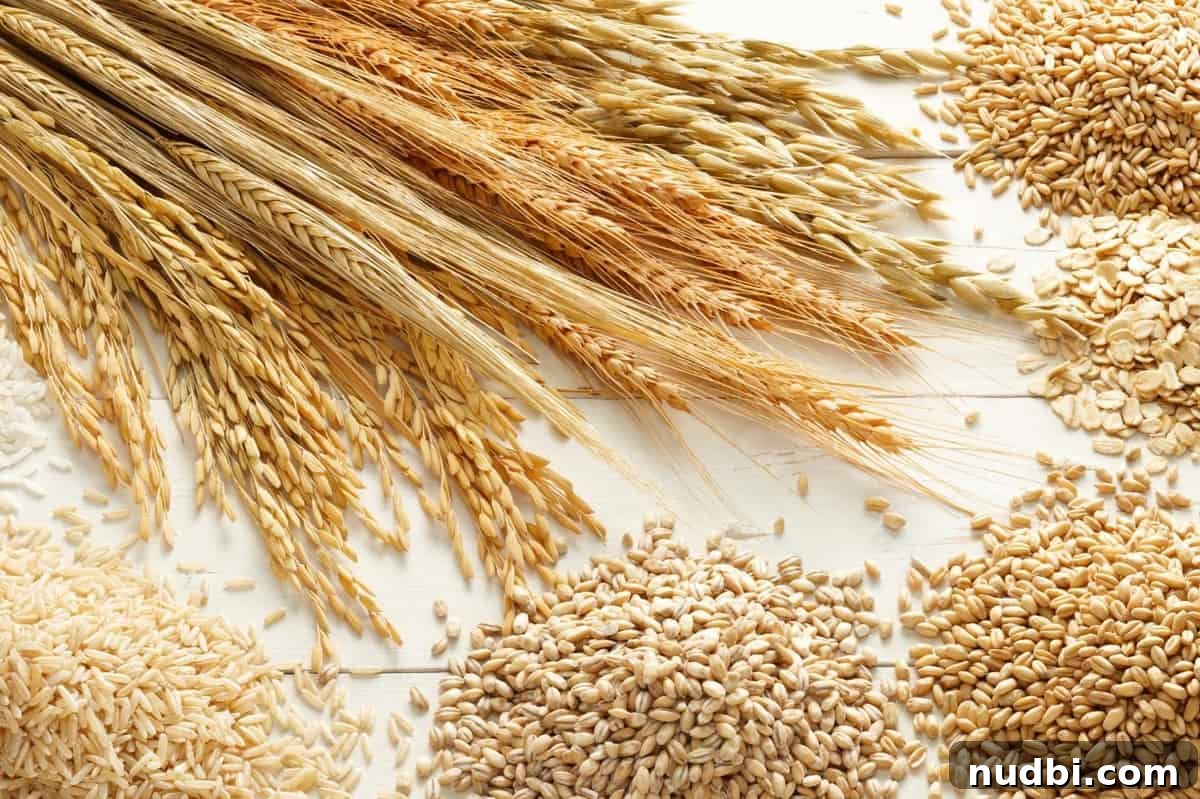
Power of Whole Grains: Rich in Soluble Fiber
Incorporating whole grains into your daily diet is an incredibly effective strategy for cholesterol management. Examples include morning staples like oatmeal, whole grain cereals, 100% whole wheat breads and pastas, and grains such as barley, quinoa, and brown rice. The primary reason for their cholesterol-lowering prowess lies in their high content of soluble fiber.
Soluble fiber works by dissolving in water to form a gel-like substance in your digestive tract. This gel binds to cholesterol and bile acids (which are made from cholesterol) in the small intestine, preventing their reabsorption into the bloodstream. Instead, they are safely excreted from the body. This process forces the liver to use more of the body’s cholesterol to produce new bile acids, thereby reducing the overall cholesterol circulating in your system. It is generally recommended that adults aim for 20-38 grams of total fiber per day, with a significant portion (5-10 grams) coming specifically from soluble fiber. For instance, a single medium apple, eaten with its skin, provides approximately 4.4 grams of total fiber, offering a substantial contribution to your daily intake.
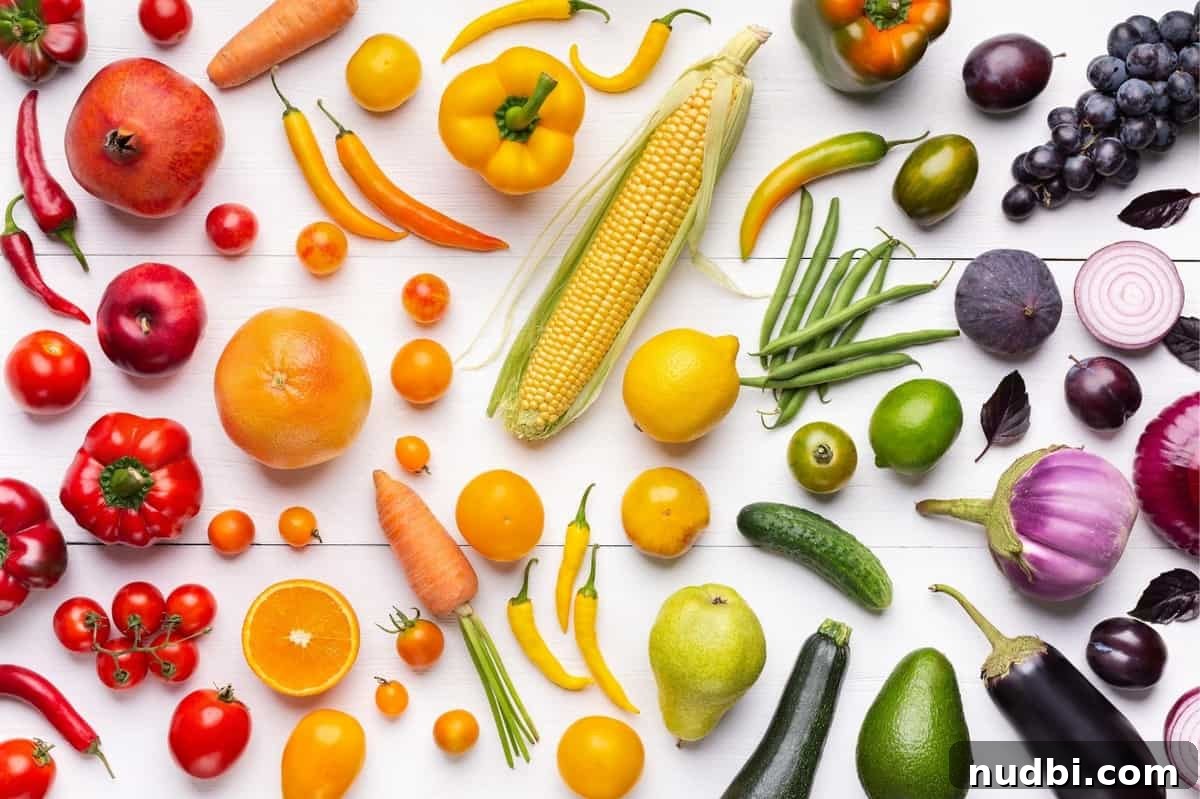
Abundance of Fruits and Vegetables: Fiber and Beyond
Just like whole grains, a wide variety of fruits and vegetables are rich sources of soluble fiber, making them indispensable for a cholesterol-friendly diet. Key examples include apples, pears, asparagus, all types of berries, Brussel sprouts, sweet potatoes, turnips, apricots, oranges, mangoes, and a diverse range of legumes (such as beans, lentils, and peas). These foods not only provide soluble fiber but also a host of antioxidants and phytochemicals that promote overall heart health by reducing inflammation and oxidative stress.
Furthermore, many plant foods contain naturally occurring compounds called plant sterols and stanols. These compounds have a similar structure to cholesterol and compete with it for absorption in the digestive tract, thereby blocking some of the dietary cholesterol from entering the bloodstream. Some foods, like certain margarines and yogurts, are also fortified with these beneficial plant sterols. When significantly increasing your fiber intake through fruits, vegetables, and whole grains, it is absolutely crucial to drink plenty of water. Water is essential for these fibers to swell and move effectively through your digestive system, preventing discomfort and constipation and allowing them to exert their full cholesterol-lowering potential.
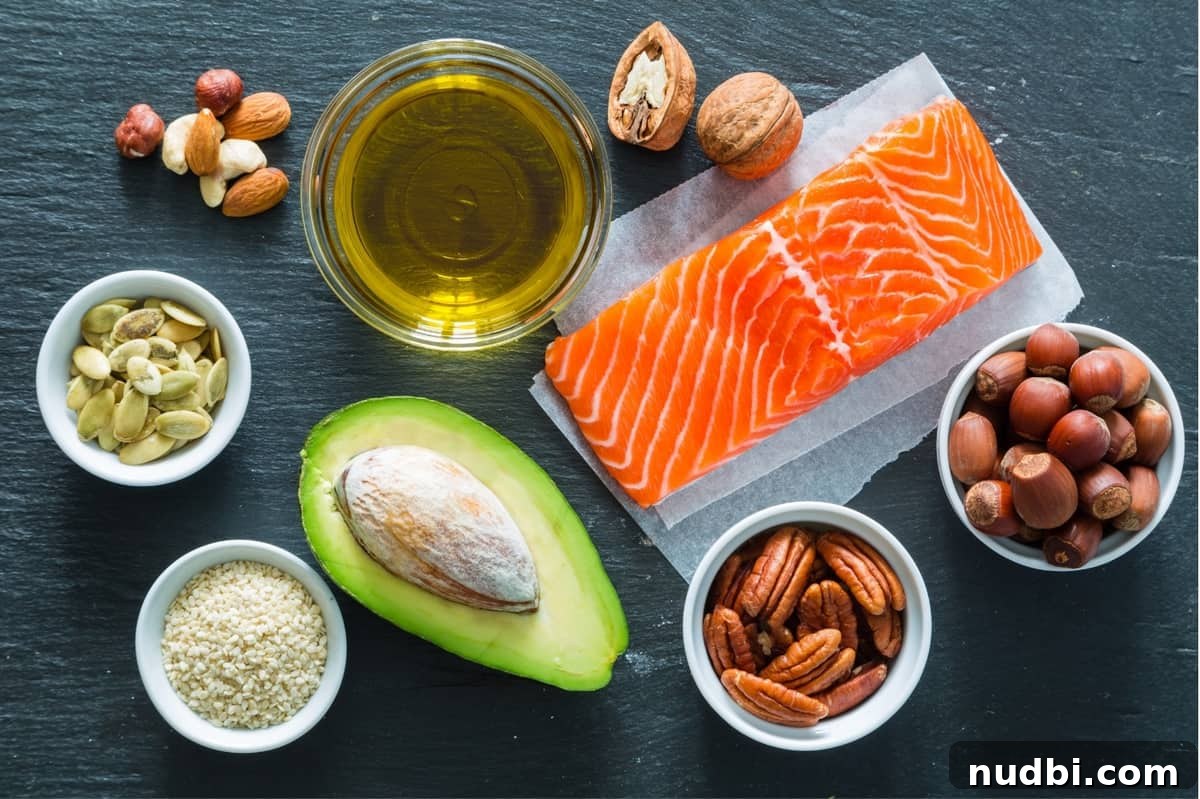
Embracing Healthy Fats for Heart Health
Not all fats are created equal, and choosing the right ones is paramount for managing cholesterol. Healthy fats, particularly monounsaturated and polyunsaturated fats, can actively help lower LDL (“bad”) cholesterol while potentially boosting HDL (“good”) cholesterol levels. They also play a critical role in reducing inflammation throughout the body, further safeguarding cardiovascular health.
Omega-3 fatty acids, a type of polyunsaturated fat, are especially beneficial. They are abundantly found in fatty fish such as salmon, herring, sardines, and cod. These powerful compounds are known to significantly reduce triglyceride levels, decrease blood pressure, and minimize the risk of blood clots. The American Heart Association strongly advises consuming at least two servings of fish (especially fatty fish) per week. A serving is typically defined as 3.5 ounces cooked, roughly the size of a standard deck of cards.
Beyond fish, other excellent sources of healthy fats include nuts (such as walnuts, almonds, and pecans), seeds (like flaxseeds, chia seeds, and sunflower seeds), olives, and avocados. Incorporating a handful of nuts (approximately two ounces) into your daily diet can contribute to lowering LDL levels and offer a wealth of other protective benefits, including antioxidants and plant sterols.
When it comes to protein sources, making mindful choices can significantly reduce your intake of saturated fat. Opt for leaner cuts of protein: choose chicken breast over thighs (and remove the skin), select ground turkey breast, or go for leaner cuts of beef or pork such as tenderloin or flank steak. Saturated fat, predominantly found in animal-based products, is a major dietary contributor to elevated LDL cholesterol levels. By prioritizing leaner options, you take a proactive step in managing your cholesterol. Plant-based protein sources like tofu, tempeh, and legumes also offer excellent, low-saturated-fat alternatives.
To kickstart your journey toward a cholesterol-friendly diet, consider these simple yet delicious meal combinations:
- Avocado slices on 100% whole wheat toast, topped with a perfectly fried egg for a balanced breakfast.
- Tuna salad (made with Greek yogurt or a healthy oil-based dressing) served with nutrient-dense whole grain crackers.
- Baked or grilled salmon with a squeeze of lemon, accompanied by roasted asparagus and wholesome roasted potatoes.
- Creamy Greek yogurt layered with fresh blueberries and a sprinkle of crunchy walnuts for a satisfying snack or breakfast.
- A colorful tofu (or chicken, shrimp, beef) and broccoli stir-fry, served over fluffy brown rice.
- A refreshing Mediterranean lentil salad, packed with fresh vegetables and drizzled with a homemade vinaigrette.
Strategic Limitations: Foods to Reduce for Cholesterol Management
Modern nutritional research has refined our understanding of dietary cholesterol. It’s now widely acknowledged that the cholesterol found in food isn’t the primary driver of high blood cholesterol for most individuals. Instead, the focus has shifted to the overall dietary pattern, particularly diets that are disproportionately high in saturated fats, trans fats, and refined carbohydrates. Limiting these specific food components is a more effective and impactful strategy for managing and improving your cholesterol profile.
One of the most effective ways to influence your cholesterol and triglyceride levels is to significantly limit refined carbohydrates and added sugars. These are commonly found in sugary beverages like sodas, sweetened coffee drinks, fruit juices with added sugar, and a vast array of processed foods such as pastries, candies, and white bread. Foods high in simple sugars are rapidly digested and can lead to a surge in blood sugar, which the liver then converts into triglycerides. Persistently high triglyceride levels are a recognized risk factor for coronary heart disease, making sugar reduction a critical step in heart health.
Saturated fat remains a major dietary contributor to raising LDL (“bad”) cholesterol levels. Foods notoriously high in saturated fat include fatty, marbled cuts of beef and pork, poultry with the skin on, full-fat dairy products (like butter, whole milk, cream, cheese, and ice cream), and certain tropical oils such as coconut oil and palm oil. While these foods can be enjoyed in moderation as part of an otherwise healthy diet, excessive consumption should be avoided.
Consider healthier alternatives; for example, try this “nice cream” made from frozen fruit for a delicious and heart-friendly dessert that even provides a serving of fruit! When cooking, swap solid fats like butter or coconut oil for oils that are liquid at room temperature, such as extra virgin olive oil, avocado oil, or canola oil, which are rich in beneficial monounsaturated and polyunsaturated fats.
Perhaps the most detrimental fats are trans fats. These are artificial fats created through a process called partial hydrogenation, often found in processed and fried foods, baked goods (like cakes, cookies, and doughnuts), and some fast foods. Trans fats are particularly harmful because they simultaneously raise LDL cholesterol and lower beneficial HDL cholesterol, significantly increasing heart disease risk. Fortunately, many countries and food manufacturers have largely phased out trans fats, but it’s still wise to check food labels for “partially hydrogenated oil.”
Remember, making gradual, sustainable changes to your diet is more effective than drastic, temporary overhauls. Every small step towards healthier eating contributes to better cholesterol management and a stronger, healthier heart.
Do you have any further questions or wish to share your experiences? We invite you to join our vibrant Facebook Group to continue this important conversation with our community and experts.
Disclaimer: It is imperative to consult with your physician or a qualified healthcare professional before implementing any significant health or diet changes. The information provided as part of Food Rx is intended for educational and informational purposes only and should not be considered a substitute for personalized medical advice from your doctor or other healthcare providers.