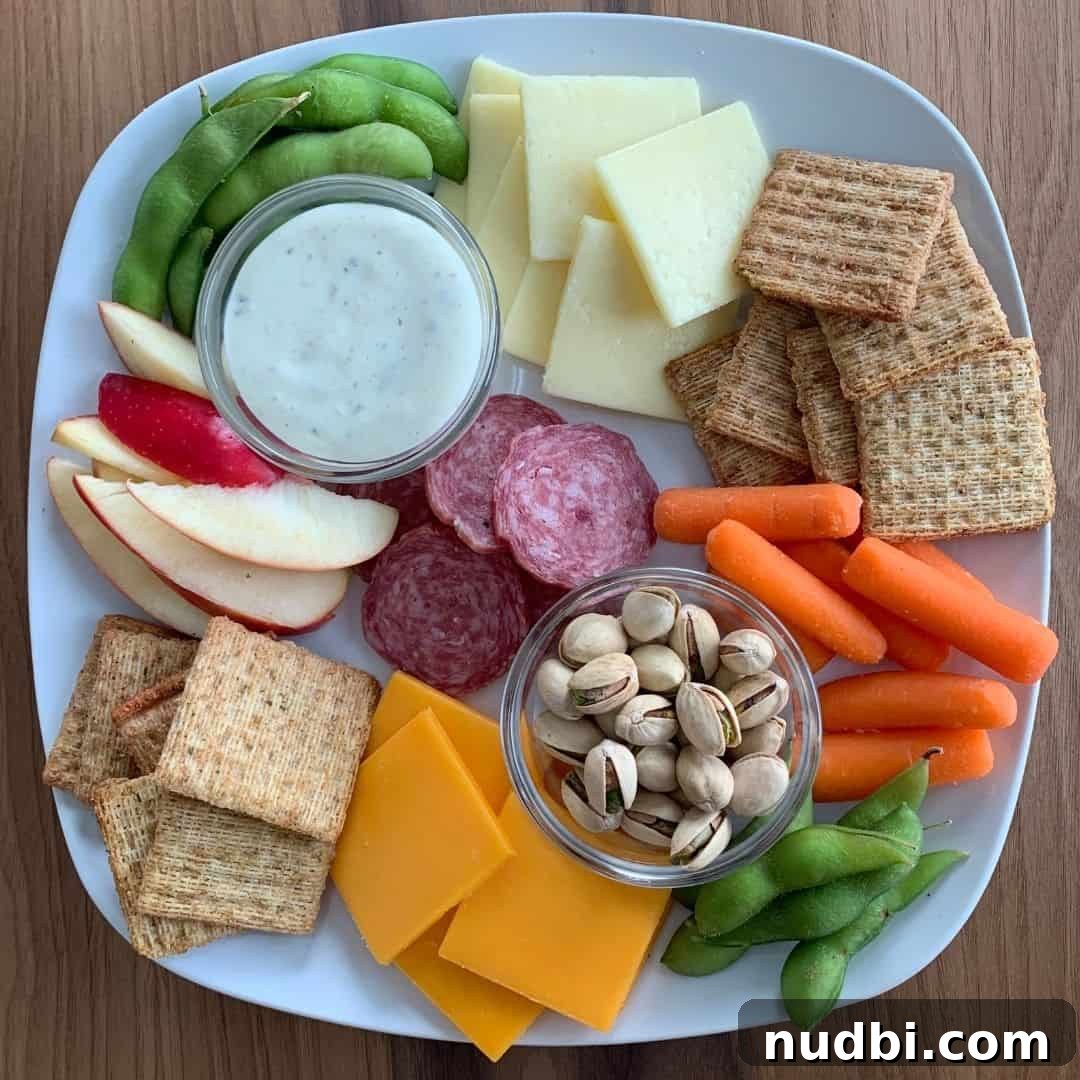
In the busy lives of parents, finding quick, nutritious, and appealing snack solutions for our children can often feel like a juggling act. Whether you’re managing a bustling household, working remotely, or hosting a lively playdate, the desire to combine convenience with wholesome goodness is universal. Registered dietitian Sally understands this challenge perfectly. She brings innovative, simple, and absolutely delicious snack board concepts designed to properly fuel growing bodies and minds, transforming ordinary snacking into an exciting, balanced experience.
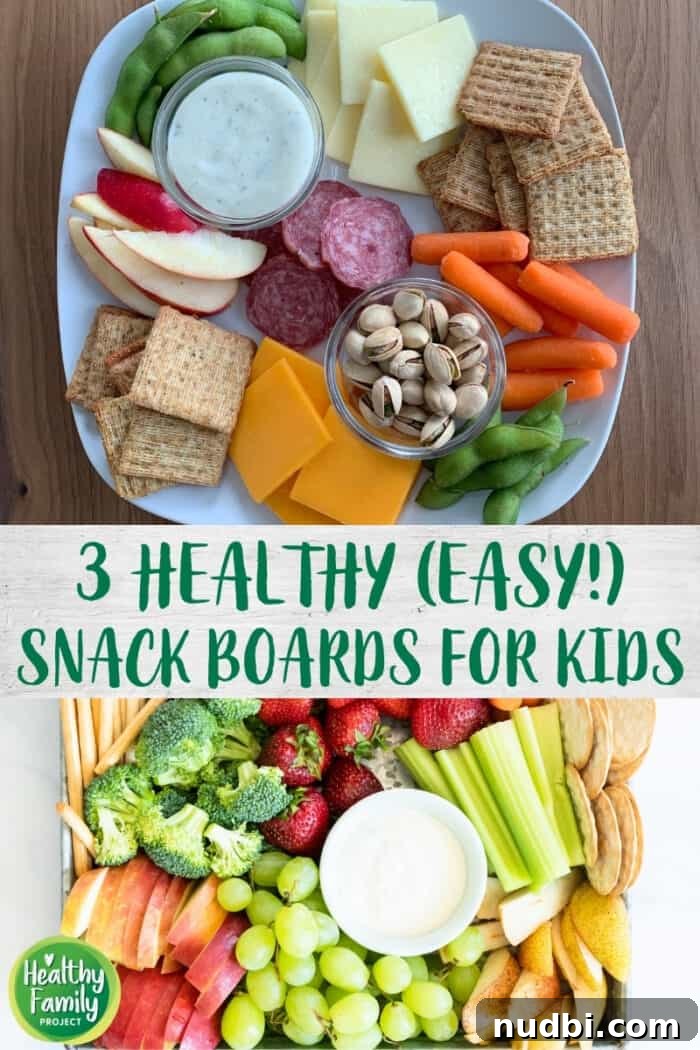
The past year has undeniably shifted many family routines, and for many parents, that means a noticeable change in their children’s snacking habits. With more kids spending time at home, the frequency and randomness of snack requests have skyrocketed. If your snack pantry feels perpetually raided and your children’s eating patterns have become a little less predictable, rest assured, you are far from alone in this experience.
Enter the brilliant solution of “snack boards.” These visually appealing and endlessly customizable platters offer a fantastic strategy to bring structure and nutrition back into your kids’ between-meal munching. As the architect of the board, you hold the power to select what goes on it, ensuring a diverse array of wholesome options. This also provides an excellent opportunity to creatively utilize those leftover odds and ends from your fridge and pantry, reducing food waste while simultaneously crafting a delightful spread.
Beyond their practical benefits, there’s an undeniable charm to a “snack board.” It simply feels and sounds more enticing than a typical, everyday snack. This elevated presentation can transform even the simplest ingredients into an exciting feast, encouraging kids to explore new foods and enjoy a wider variety of tastes and textures. It’s an effortless way to make healthy eating feel like a special treat.
Crafting the Perfect Platter: Essential Tips for Kid-Friendly Snack Boards
Creating a successful snack board for children is more than just arranging food; it’s about strategy, appeal, and mindful nutrition. Here are key tips to help you design snack boards that kids will adore and parents will appreciate:
- Strategic Food Pairing: Familiar Meets New: The foundation of an effective snack board for kids involves thoughtful pairing. Always include well-loved, already-accepted foods alongside unfamiliar or less-preferred options. The presence of comforting favorites can significantly reduce intimidation, making new or challenging foods appear more enticing and approachable. This strategy leverages children’s natural curiosity while providing a sense of security.
- Embrace the Power of Dips and Spreads: Dips and spreads are secret weapons in the quest for diversified eating. Peanut butter, hummus, plain yogurt, guacamole, or even a healthier ketchup alternative can act as delightful “vehicles” for introducing and encouraging kids to try a broader range of foods. The interactive nature of dipping adds an element of fun, making exploration more appealing.
- Optimal Timing for Snacking Success: To ensure snacks complement rather than compete with main meals, timing is crucial. Aim to serve snacks at least 1.5 to 2 hours away from scheduled meals. This allows children sufficient time to develop a healthy appetite, preventing them from being too full for dinner or too hungry before lunch. Observing your child’s hunger cues can also guide snack timing.
- Visual Appeal Matters: Children are often drawn to what looks good. Incorporate a variety of colors, shapes, and textures on your snack board. Use small bowls or ramekins for dips and smaller items to keep the board tidy and visually engaging. Cookie cutters can transform ordinary fruits and vegetables into fun shapes.
- Involve Your Little Chefs: Empower your children by allowing them to participate in the snack board creation process. Letting them choose some items or assist with arrangement can significantly increase their buy-in and willingness to try everything on the board. This fosters independence and a positive relationship with food.
- Safety First: Always consider age-appropriate food preparation. For younger children, ensure all items are cut into small, manageable pieces to prevent choking hazards. Be mindful of allergens and adjust ingredients accordingly for your family or guests.
Feeling inspired but need a starting point? We’ve curated three distinct snack board ideas, each designed to emphasize a particular food group or nutrient that might be less prominent in your child’s current diet. While these are suggestions, remember to customize your boards with foods your family already enjoys and has on hand. These ideas are simply here to spark your creativity and get you started on your journey to healthier, happier snacking!
Boosting Green Power: The “More Veggies” Snack Board
Vegetables are often the trickiest food group to get kids excited about. However, they are packed with essential vitamins, minerals, and fiber vital for growth and overall health. Instead of confining veggies solely to mealtime, snacks offer abundant opportunities for exposure and enjoyment. A dedicated veggie snack board makes healthy eating an adventure, not a chore.
What to Include for a Veggie-Focused Board:
- A Rainbow of Raw Veggies: Think beyond plain carrot sticks! Offer an assortment of colors and shapes to pique interest. Consider crisp bell peppers cut into substantial rings or thin strips, sweet and crunchy carrots (baby carrots or sticks), vibrant snap peas, refreshing cucumber slices, and plump cherry or grape tomatoes. Don’t forget the inner, crunchy leaves of romaine lettuce hearts – they’re perfect for dipping and can subtly introduce the concept of salad greens.
- Savory Dried & Roasted Veggies: For children who have texture sensitivities or are less keen on raw vegetables, dried or lightly roasted and seasoned veggie chips (like kale chips or beet chips) can be a fantastic gateway. These often have a satisfying crunch and a salty flavor that feels more like a treat, helping kids become more comfortable with vegetable flavors.
- Briny Bites – Olives and Pickles: If your child already enjoys or is learning to appreciate the unique flavors of olives or pickles, include them! Place these items in small, separate bowls on your board to prevent any drips or strong flavors from mingling with other foods. They add a wonderful tangy contrast.
- Irresistible Dips: Dips are crucial for veggie boards. Classic ranch dressing, creamy hummus, a tangy Greek yogurt dip, or even a homemade avocado dip can make raw vegetables much more appealing and encourage kids to try more.
- Balance with Complementary Bites: To round out the board and ensure a balanced snack, include items such as whole-grain crackers, small cubes of cheese, or a handful of fresh fruit like grapes or apple slices. These provide additional texture, flavor, and energy.
Sweet & Wholesome: The “More Fruit” Snack Board
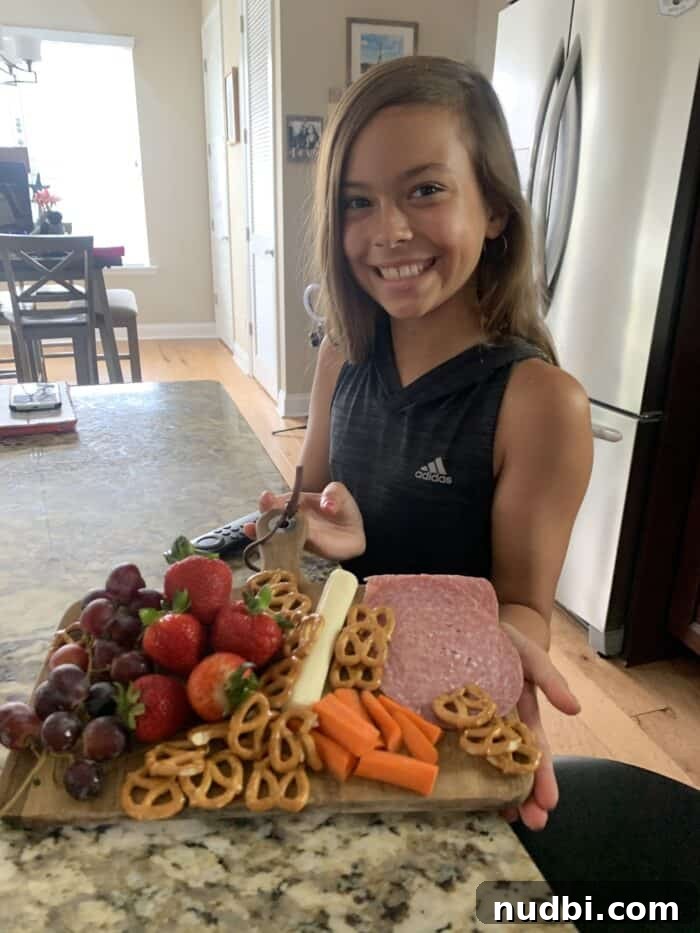
Fruits are nature’s candy, naturally sweet and bursting with vital nutrients like vitamins C and A, as well as dietary fiber. They are an especially excellent choice for children who might not be big fans of vegetables, offering an accessible way to boost their nutrient intake in a highly palatable form. A fruit-centric snack board makes healthy eating a vibrant, juicy experience.
What to Include for a Fruit-Focused Board:
- Abundance of Fresh Fruit: Fill your board with a colorful array of easy-to-grab fresh fruits. Think crisp apple and pear slices (perhaps with a squeeze of lemon juice to prevent browning), washed and ready-to-eat berries (strawberries, blueberries, raspberries), segmented clementines or oranges, and juicy melon cubes or grapes.
- Tangy Dried & Freeze-Dried Fruit: Freeze-dried fruit often has an appealing crunch and intense flavor, reminiscent of candy, but typically contains only a single ingredient: fruit! Dried fruit options like raisins, dried cranberries, or mango slices also add chewiness and concentrated sweetness.
- Delightful Dips: Elevate the fruit experience with complementary dips. A small bowl of creamy vanilla yogurt, a swirl of melted dark chocolate (for a special treat), a natural nut butter, or even a light honey-lime dip can make fruit even more exciting and add extra nutrients.
- Adding Variety and Crunch: To create a well-rounded snack, include a few additional items that pair well with fruit. Consider a small handful of mixed nuts (ensure they are age-appropriate and not a choking hazard), whole-grain pretzels, or a few raw vegetable sticks for contrast. Small slices of lean deli meat can also add a touch of protein.
Sustaining Energy: The “More Protein” Snack Board
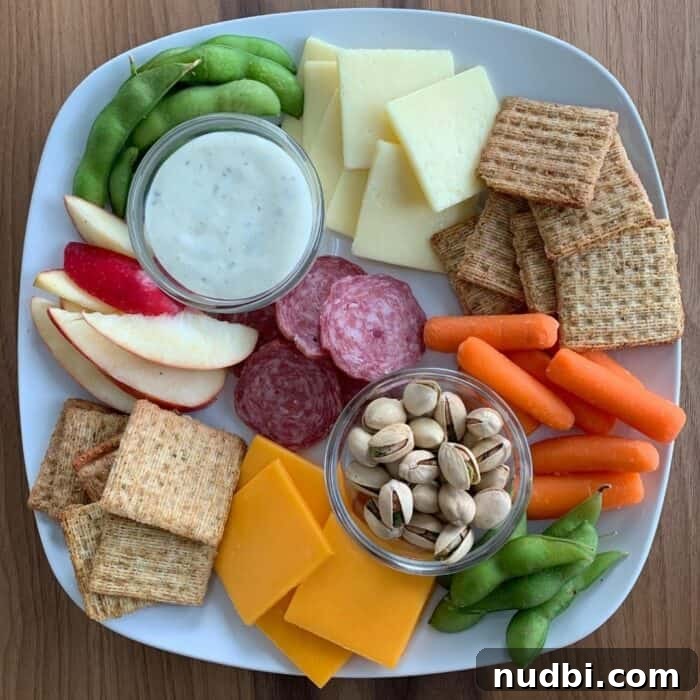
While most children generally consume sufficient protein for their growth and development, incorporating protein-rich snacks into their daily routine offers significant benefits. Protein is essential for muscle development, provides sustained energy, and helps children feel fuller for longer, reducing the likelihood of quick hunger pangs between meals. A protein-focused snack board is perfect for active kids or those needing extra satiety.
What to Include for a Protein-Focused Board:
- Lean Meats & Poultry: Offer rolled-up slices of lean deli meat like turkey or ham, or include small chunks of leftover grilled chicken or turkey breast. Mini meatballs or thinly sliced roast beef can also be excellent additions.
- Versatile Cheese Options: Cheese is a fantastic source of both protein and calcium, crucial for bone health. Arrange a variety of forms: small cubes of cheddar or Colby, slices of provolone or mozzarella, or a small pot of spreadable cream cheese or cottage cheese. String cheese is always a kid-friendly hit.
- Nutty Edamame: Many children enjoy the fun and satisfying act of popping nutty, protein-packed edamame from their pods. Served lightly steamed and seasoned with a touch of salt, they are a delightful and nutritious finger food.
- Power of Nuts and Seeds: A small selection of nuts and seeds delivers a concentrated punch of protein, healthy fats, and fiber. Consider almonds, cashews, walnuts, sunflower seeds, or pumpkin seeds. For younger children or those with allergies, consider ground nuts or sunflower seed butter as a safe alternative. Always be mindful of choking hazards with whole nuts.
- Wholesome Whole Grains: Unlike refined grains, whole grains offer a richer source of protein and fiber, contributing to sustained energy. Include whole-grain crackers, small wedges of whole-wheat pita bread, or even a dish of air-popped popcorn, which is a natural whole grain.
- Round Out with Freshness: To create a balanced and appealing board, complement the protein sources with fresh fruit, crisp vegetables, and nutritious dips. Nut butter or hummus serve as excellent protein-boosting dips that also pair well with many other board items. Hard-boiled egg halves or roasted chickpeas are also excellent protein additions.
In conclusion, creating healthy snack boards for your children is a simple yet incredibly effective strategy to enhance their nutritional intake, minimize food waste, and make healthy eating an enjoyable and engaging experience. These boards are incredibly versatile, adaptable to whatever you have on hand, and can be tailored to meet specific dietary needs or preferences. So, ditch the plain snack plate and embrace the creativity and nutrition that snack boards offer. Start building your own vibrant, healthy, and delicious snack boards today, and watch your kids discover new favorites while fueling their bodies the right way!