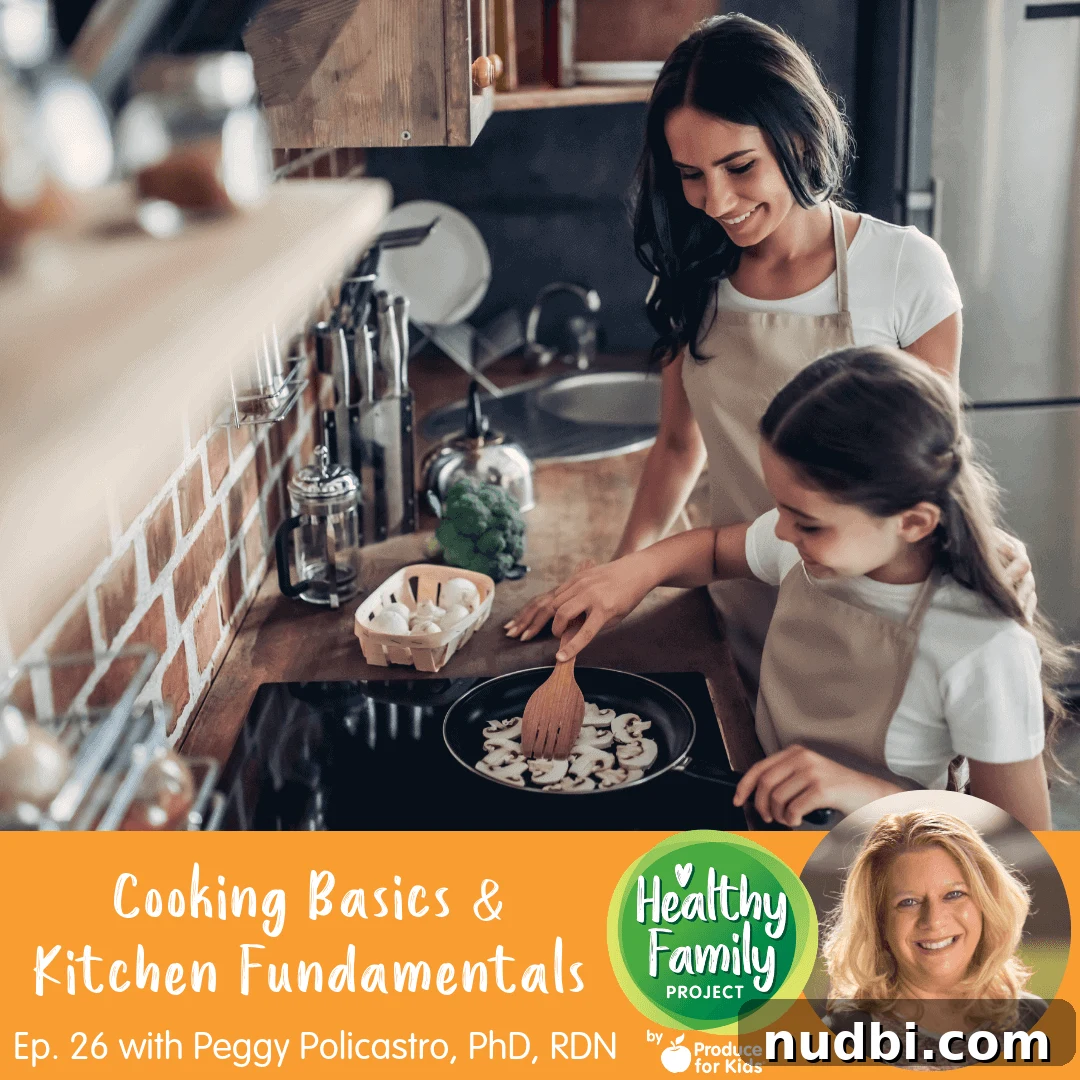
Empowering Healthy Families: Unlocking Culinary Literacy for a Vibrant Life with Dr. Peggy Policastro
In a world increasingly reliant on convenience, the art of home cooking and its profound impact on family health often takes a back seat. Yet, the desire to foster healthier eating habits and build stronger family bonds remains a top priority for many. This article delves into the transformative power of “culinary literacy” and home cooking, featuring insights from Dr. Peggy Policastro, RDN, a passionate advocate for equipping children and families with the essential tools for healthier living. As the Director of Behavioral Nutrition at the New Jersey Institute for Food, Nutrition, and Health at Rutgers University, and the Director of Nutrition for Rutgers Dining Services, Dr. Policastro brings a unique blend of academic rigor and practical experience to the table, championing healthy eating behaviors through innovative approaches.
Dr. Policastro’s impressive background underscores her expertise. Beyond her role as a Registered Dietitian, she holds a master’s degree in Nutritional Science from Rutgers and a Ph.D. in Interdisciplinary Studies, combining Nutritional Science and Psychology. Her pioneering research in Behavioral Economics focuses on the subtle “nudges” that can effectively encourage healthier eating behaviors. With numerous journal publications in behavioral nutrition and a history of mentoring hundreds of students on dietary habits, Dr. Policastro’s work is at the forefront of understanding how to inspire lasting positive change. She is also highly active in the MCURC Research Group, leading multi-site projects and co-chairing the Academic Committee. Her diverse professional engagements make her an unparalleled voice in the movement towards a healthier generation.
The Essence of Culinary Literacy: More Than Just Cooking
Often, the term “culinary literacy” might sound academic or intimidating, but Dr. Policastro demystifies it with clarity. At its core, culinary literacy is simply understanding the fundamental basics of cooking. It’s about more than just following a recipe; it’s about gaining confidence and competence in the kitchen. In an era where home economics classes are less common, bridging this knowledge gap becomes crucial for public health. Culinary literacy encompasses practical skills such as differentiating between cooking methods like baking and broiling, mastering basic knife techniques, and understanding how to select fresh, high-quality ingredients at the grocery store. It’s the foundational knowledge that empowers individuals and families to take control of their diets and cultivate a healthier lifestyle.
Why Home Cooking Matters: A Holistic Approach to Health
The benefits of cooking at home extend far beyond simply eating a meal. Extensive research consistently shows that families who regularly prepare meals at home tend to have healthier diets overall. This practice fosters a deeper connection with food, encourages mindful eating, and typically leads to reduced consumption of processed foods, unhealthy fats, and excessive sugars often found in restaurant or pre-packaged meals. Dr. Policastro emphasizes that teaching children to cook transforms their relationship with food at multiple levels. They learn to shop more discerningly, fill their plates with a greater variety of nutritious options, and even consider the environmental impact of their food choices. This empowerment leads to enhanced self-esteem and a sense of contribution within the family unit.
Moreover, the communal aspect of family meals is invaluable. Studies indicate that children who regularly eat with their families are less likely to experience obesity compared to those who don’t. The kitchen becomes a shared space for bonding, learning, and creating memories. When parents and children work together on a project – in this case, preparing dinner – it strengthens family ties and provides an opportunity for genuine, present-moment interaction that can be challenging to find in today’s busy world. It’s a structured activity that demands attention and collaboration, nurturing communication and teamwork.
Embarking on Your Culinary Journey: Practical Tips for Families
Starting a culinary journey can seem daunting, but Dr. Policastro offers encouraging advice: you don’t need to be a gourmet chef or possess an arsenal of expensive kitchen gadgets. The key is to begin with simplicity and gradually build confidence. Her top recommendations for families looking to start cooking at home include:
- Start Simple: Choose recipes with few ingredients and straightforward instructions. Avoid overly complicated dishes that might lead to frustration. Mastering a few basic recipes can provide a strong foundation and boost morale.
- Invest Wisely: If budget is a concern, Dr. Policastro advises prioritizing one quality item: a good knife. While other equipment can be acquired affordably, a sharp, reliable knife will significantly enhance your cooking experience and efficiency.
- Embrace Online Resources: The internet is a treasure trove of recipes and cooking tutorials. Websites like Kids Cook Monday offer family-friendly recipes specifically designed for various skill levels, encouraging participation from everyone.
- Involve Everyone: Every family member, regardless of age, can contribute to meal preparation. Even preschoolers can engage in simple tasks, fostering a sense of involvement and ownership. This collaborative effort transforms cooking from a chore into an enjoyable family activity.
The Power of Kids in the Kitchen: Fostering Skills and Confidence
Getting children involved in the kitchen is not just about teaching them to cook; it’s about nurturing their development in multiple ways. From a young age, children can perform age-appropriate tasks, which not only teaches them valuable life skills but also builds their self-esteem. Peeling vegetables, washing produce, stirring ingredients, or even setting the table can be exciting contributions for a child. This hands-on experience demystifies food and cooking, making them more open to trying new flavors and textures.
Dr. Policastro highlights that when kids cook, they are more likely to enjoy what they’ve prepared and feel a sense of pride in serving it to others. This positive reinforcement encourages them to explore diverse foods and overcomes common challenges like picky eating. While it might feel like an extra step or create a bit of mess, the long-term benefits of nurturing culinary confidence in children are immense. It instills an understanding of where food comes from, the effort involved in preparing it, and the importance of balanced nutrition.
Beyond the “Kids’ Menu”: Promoting Unified Family Meals
A significant barrier to healthy eating in families is the misconception that children require a separate “kids’ menu.” Dr. Policastro firmly advocates for a unified approach: after the age of two, children can and should eat the same foods as adults, simply in smaller, age-appropriate portions. The idea of separate meals, often consisting of chicken nuggets, plain pasta, or similar offerings, inadvertently trains children to expect limited food choices and reinforces picky eating habits.
Instead, families should focus on offering a variety of healthy, wholesome foods that everyone can enjoy. For selective eaters, a slight “deconstruction” of a meal might be necessary – separating components that might be intimidating when mixed. This simple adaptation allows children to engage with the same nutritious ingredients as the rest of the family, fostering familiarity and eventually acceptance. Consistent exposure to healthy foods, coupled with parents modeling good eating habits, is the most effective strategy. As Dr. Policastro wisely notes, “If the parents continue to eat well, and to eat fresh fruits and vegetables, the kids eventually will as well.” Persistence and positive role-modeling are key to cultivating adventurous eaters.
Decoding Kitchen Language: Essential Terms and Tools
Understanding basic culinary terms and the correct use of kitchen tools is fundamental to successful home cooking. Without this knowledge, even simple recipes can yield unexpected results, leading to frustration and a sense of inadequacy. Dr. Policastro points out that while popular cooking shows have increased exposure to culinary concepts, passive viewing doesn’t translate to practical skills. Just as watching a football game doesn’t make you a better player, watching cooking shows doesn’t automatically make you a better cook – hands-on practice is essential.
Here are some crucial distinctions and terms every home cook should master:
- Cooking Methods: Understand the difference between methods like “frying” (cooking in hot fat), “baking” (cooking with dry heat, typically in an oven), and “broiling” (cooking with direct, intense heat from above). Each method impacts texture, flavor, and nutritional profile.
- Measuring Utensils: Recognize the critical difference between measuring spoons (teaspoons and tablespoons) and regular eating silverware. Precise measurements, especially for spices and seasonings, are vital for achieving the intended flavor balance in a recipe. Similarly, distinguish between liquid measuring cups (with a spout and markings at eye level) and dry measuring cups (designed for leveling off ingredients). Using the wrong type can significantly alter a recipe’s outcome.
- Knife Skills: Learn basic cutting techniques like “chopping” (larger, irregular pieces) and “mincing” (very fine, even pieces). The specific cut can impact cooking time and the overall texture of your dish.
In today’s digital age, clarifying unfamiliar terms is easier than ever. When encountering a term or instruction you don’t understand in a recipe, Dr. Policastro strongly advises taking a moment to look it up online. This proactive approach prevents errors, ensures the recipe turns out as intended, and continually builds your culinary vocabulary and confidence.
Key Discussion Points: Navigating the Culinary Conversation
For those interested in specific topics, here are timestamps from the insightful discussion with Dr. Peggy Policastro:
- 2:16 Introducing Dr. Peggy Policastro and her inspiring work.
- 4:03 What exactly is culinary literacy and why it’s a cornerstone of healthy living.
- 4:56 Actionable tips for families embarking on their culinary journey and essential skills to master first.
- 9:15 Delving into the profound importance of basic kitchen skills for long-term health and well-being.
- 11:23 The critical distinction between “kid menus” and “adult menus” – and why we should ditch the former.
- 17:24 Demystifying basic cooking terms and measurements for confident kitchen navigation.
Expand Your Healthy Family Project Journey
The Healthy Family Project is dedicated to supporting families in their pursuit of healthier lives. Beyond this illuminating discussion with Dr. Policastro, we offer a wealth of resources and opportunities to connect with a community committed to wellness.
Share Your Voice: Listener Survey
Your feedback is invaluable! Please take 5 minutes to complete our listener survey to help us craft the most engaging and relevant content for future podcast episodes. Your insights directly shape our mission to empower families.
Stay Connected: Healthy Recipes & Tips in Your Inbox
Never miss out on fresh inspiration. Sign up for the Healthy Family Project e-newsletter to receive healthy recipe ideas, our latest blog posts, and exclusive tips delivered directly to your inbox each week.
Join Our Community: Healthy Family Project Facebook Group
Connect with a supportive network of parents and caregivers! Our Healthy Family Project Facebook group offers a safe space to discuss all aspects of raising a healthy family. From tackling picky eaters and boosting fruit and vegetable intake to family exercise routines and mental well-being, we welcome you to join the conversation.
Dive Deeper: Relevant Links & Resources
To further support your family’s culinary and wellness journey, explore these valuable resources:
- Kids Cook Monday: Discover easy, family-friendly recipes and sign up for their free Family Dinner Date Newsletter to make mealtime a shared adventure.
- Kid-Friendly Kitchen Tasks for Every Age: Find practical ways to involve children of all ages in meal preparation.
- 5 Tips for Getting Kids Involved in the Kitchen: Expert advice to inspire and engage your children in cooking.
- Where to Start When You Don’t Like to Cook: Guidance for reluctant cooks on how to begin their culinary journey.
- Connect with Dr. Peggy Policastro and the NJ Healthy Kids Initiative: Learn more about their mission to make New Jersey children the healthiest in the nation.
Continue Listening: Other Podcast Episodes to Check Out
Expand your knowledge with more insightful episodes from the Healthy Family Project Podcast:
- Episode 21: Meal Planning & Cooking with Kids: Strategies for organizing meals and making cooking a family affair.
- Episode 16: Journey of a Picky Eater: Inspiring stories and practical tips for parents dealing with selective eaters.
- Episode 9: Quick & Easy Dinner Hacks: Time-saving tips for preparing healthy meals on busy weeknights.
About the Healthy Family Project Podcast
The Healthy Family Project Podcast offers engaging conversations on critical topics in health, food, and family, infused with a dose of fun and practical advice. Our mission is to gently guide families toward a fresh, healthier lifestyle.
Look out for new bi-weekly episodes designed to inform and inspire. Don’t forget to subscribe on Apple Podcasts, Google Podcasts, Spotify, or your favorite podcasting platform. If you enjoy an episode, please consider leaving a rating and a comment to help us reach more families.
If you’re passionate about family health and believe you have a compelling topic idea, we invite you to connect with us. Interested in being a guest on the Healthy Family Project podcast? Contact [email protected] with your proposal for consideration.