
February marks a significant time dedicated to raising awareness and encouraging active participation in the fight against heart disease. This crucial month serves as an important reminder to explore and embrace choices that foster strong cardiovascular health. From understanding the profound impact of nutritious foods and adopting appropriate portion sizes to integrating manageable yet impactful lifestyle adjustments, every step contributes to a healthier heart. Discover practical, heart-healthy tips and actionable strategies to significantly enhance your overall well-being and contribute to a vibrant, healthier life. This guide will delve into actionable dietary shifts, smart lifestyle choices, and family-friendly approaches to nurture a healthy heart, not just for February, but for a lifetime.

Embracing a heart-healthy diet and lifestyle is one of the most powerful steps you can take to significantly decrease your risk of chronic diseases, particularly cardiovascular ailments, and dramatically increase your overall quality of life. The misconception that following heart-healthy guidelines necessitates consuming bland or restrictive foods is far from the truth. In fact, a balanced approach allows for the inclusion of virtually all foods within your meal plan, provided that their quantity and frequency are enjoyed in moderation. The key lies in understanding balance, making informed choices, and integrating delicious, nutrient-dense options into your daily routine. This approach makes healthy eating sustainable and enjoyable for the long term, fostering a positive relationship with food while prioritizing your cardiovascular well-being.
Beyond dietary choices, it is absolutely essential to engage in open and proactive discussions with your healthcare providers. Consulting your doctor and a registered dietitian is paramount, especially when focusing on crucial aspects like reducing cholesterol and harmful fats, particularly saturated and trans fats. These professionals can provide personalized guidance on optimal portion sizes, helping you maintain a healthy weight that supports excellent heart health. They can also assist in developing a comprehensive nutrition plan tailored to your specific needs, health conditions, and lifestyle, ensuring that your journey toward a healthier heart is both effective and sustainable. This collaborative approach with medical and nutritional experts forms the cornerstone of effective disease prevention and management.
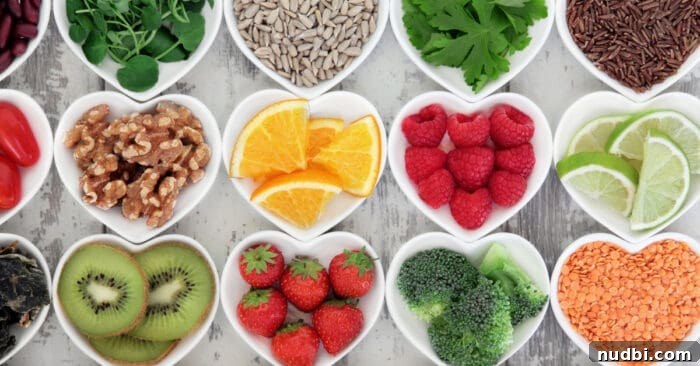
Fruits and vegetables are nutritional powerhouses, packed with an abundance of essential vitamins, vital minerals, and dietary fiber, all of which play a crucial role in safeguarding your body against various chronic diseases, including the pervasive threat of heart disease. Studies consistently show a significant correlation between the consumption of ample amounts of fruits and vegetables and a reduced risk of cardiovascular issues. Individuals who regularly incorporate generous portions of these natural wonders into a healthful and balanced diet are considerably more likely to enjoy improved heart health compared to those whose diets contain only minimal amounts. The rich antioxidant content in these foods helps combat oxidative stress and inflammation, key contributors to arterial damage and heart disease progression. Making them a cornerstone of your daily meals is a simple yet profound investment in your long-term well-being and a proactive step towards preventing heart-related ailments.
Embracing a Heart-Healthy Plate: Essential Meal Tips
Building a plate that actively supports your cardiovascular health is simpler than you might think. By focusing on nutrient-dense foods and mindful eating, you can significantly reduce your risk of heart disease and enhance your overall vitality. Here’s a detailed look at what to prioritize:
Enjoy More:
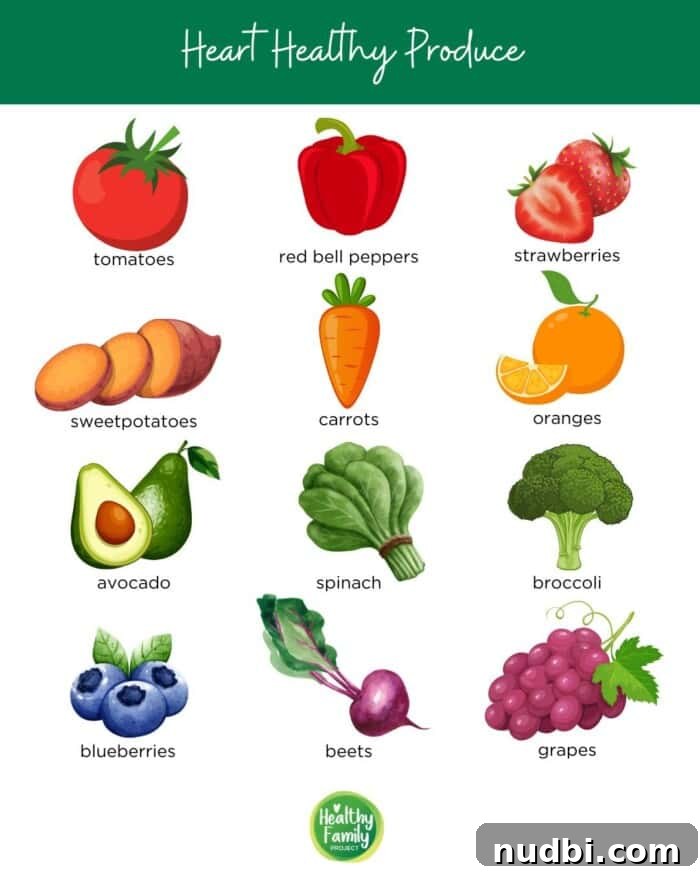
- Fruits and Vegetables: These are the foundation of a heart-healthy diet. Aim for a wide variety of colors to ensure a broad spectrum of vitamins, minerals, and antioxidants. Fresh produce is ideal, but don’t overlook the convenience and nutritional value of frozen and canned options (just choose those with no added sugars or salt). They are rich in fiber, which helps lower cholesterol and manage blood sugar levels, crucial for preventing heart disease. Try incorporating them into every meal, whether it’s berries in your oatmeal, a salad for lunch, or roasted vegetables with dinner.
- Whole Grains: Make the switch from refined grains to 100% whole grains. This includes options like 100% whole wheat bread, brown rice, quinoa, oats, barley, and farro. Whole grains retain their bran, germ, and endosperm, providing more fiber, B vitamins, and essential minerals compared to their refined counterparts. The fiber in whole grains aids in reducing LDL (bad) cholesterol, supports healthy digestion, and helps regulate blood pressure, contributing directly to cardiovascular wellness.
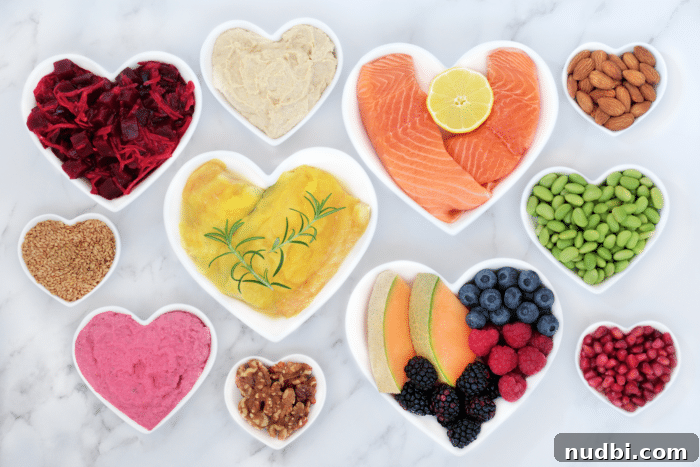
- Plant-Based Proteins: Incorporating more plant-based proteins into your diet can significantly benefit heart health. Beans (black, kidney, garbanzo), lentils, nuts (almonds, walnuts), seeds (chia, flax, pumpkin), and legumes are excellent sources of protein, fiber, and healthy fats. They are naturally cholesterol-free and often lower in saturated fat than animal proteins. They provide satiety and are versatile ingredients for a variety of delicious and satisfying meals, from stews and salads to spreads and snacks.
- Lean Animal Protein: When choosing animal proteins, opt for lean cuts. Fish, especially fatty fish like salmon, mackerel, and tuna, are rich in omega-3 fatty acids, which are known to reduce triglycerides, lower blood pressure, and decrease the risk of heart attacks and strokes. Lean red meat should be consumed in moderation, prioritizing cuts like sirloin or tenderloin, and poultry without the skin. Baking, grilling, or broiling are healthier cooking methods that avoid adding unnecessary fats.
- Fat-Free and Low-Fat Dairy Products: Dairy can be a good source of calcium and vitamin D, but it’s important to choose wisely. Opt for fat-free or low-fat milk, yogurt, and cheese to reduce saturated fat intake. For those who are lactose intolerant or prefer plant-based alternatives, fortified almond, soy, or oat milks can offer similar nutritional benefits. These choices help maintain strong bones without compromising your cardiovascular goals.
- Healthy Fats: Not all fats are created equal. Focus on healthy unsaturated fats found in olive, peanut, canola, and avocado oils. These monounsaturated and polyunsaturated fats can help lower bad cholesterol levels and provide essential fatty acids. Avocados, nuts, and seeds are also fantastic sources of these beneficial fats. Using these oils for roasting vegetables, in salad dressings, or for light sautéing can add flavor and nutritional value to your meals while supporting heart health.
Conversely, just as important as knowing what to enjoy is understanding what to limit or avoid to protect your heart.
- Sodium and Salt: Excessive sodium intake contributes to high blood pressure, a major risk factor for heart disease. Instead of relying on salt for flavor, experiment with a diverse array of herbs, spices, lemon juice, and vinegars. Be mindful of hidden sodium in processed foods, canned soups, frozen meals, and restaurant dishes, which are often the biggest sources in modern diets. Reading food labels carefully can help you make lower-sodium choices.
- Saturated Fat: Found primarily in animal products like fatty meats, full-fat dairy, and some tropical oils (coconut and palm oil), saturated fat can raise LDL (bad) cholesterol levels. While some moderation is acceptable, it’s crucial to watch portion sizes and consistently choose leaner cuts of meat, trim visible fat, and opt for low-fat dairy. Balancing your plate with plenty of fruits, vegetables, and whole grains helps naturally limit saturated fat intake.
- Sweets and Added Sugars: Foods and beverages high in added sugars offer little nutritional value and can contribute to weight gain, increased triglycerides, and inflammation—all detrimental to heart health. Make a conscious effort to skip sugary sodas, pastries, candy, and highly sweetened cereals. Choose water, unsweetened tea, or naturally flavored seltzer instead of sugary drinks, and opt for fresh fruit to satisfy your sweet cravings.
- Trans Fat and Partially Hydrogenated Oils: Trans fats are man-made fats found in partially hydrogenated oils. They raise LDL cholesterol and lower HDL (good) cholesterol, making them particularly harmful for cardiovascular health. These fats are often found in margarine, some processed snacks, baked goods, and fried fast food. Always check ingredient labels for “partially hydrogenated oil” and choose products that are trans-fat free.
- Canned Fruits or Vegetables with High-Calorie Sauces or Added Salt or Sugars: While canned fruits and vegetables can be convenient, many are packed in sugary syrups or high-sodium brines. Opt for “no added sugar” or “in water” for fruits, and “no salt added” or “low sodium” for vegetables. Rinse canned vegetables before use to further reduce sodium content. Fresh or frozen options without added ingredients are always the best choice.
While this provides a foundational glimpse into crafting heart-healthier meals at home, the journey to optimal heart health is ongoing and can benefit from deeper learning. If you’re interested in delving further into heart disease, dietary prevention strategies, or long-term maintenance, I highly recommend visiting the American Heart Association website. It serves as an invaluable, one-stop resource for comprehensive educational materials, up-to-date research, healthy recipes, and support resources regarding all aspects of cardiovascular health. Their extensive library can empower you with the knowledge needed to make informed decisions for your heart and your family’s well-being.
Coincidentally, February is also the month when we celebrate Valentine’s Day, a holiday traditionally associated with heartfelt love notes, vibrant roses, romantic dinners, and, often, an abundance of candy. However, Valentine’s Day presents a unique and wonderful opportunity to shift the focus slightly and help children develop a positive and lasting association with healthy choices and, by extension, a healthy heart. It’s a chance to instill valuable habits that go beyond a single day, transforming a holiday centered on affection into one that also nurtures physical well-being. By thoughtfully integrating heart-healthy activities and treats, families can celebrate love while simultaneously fostering a foundation for lifelong wellness.
Cultivating Heart-Healthy Habits: Valentine’s Day Tips for the Whole Family
Valentine’s Day offers a wonderful opportunity to show love not just to others, but also to our own bodies, particularly our hearts. Here are some thoughtful and engaging tips to encourage a healthy Valentine’s Day for your family, emphasizing wellness alongside affection:

- Foster Creativity with Handmade Cards: Encourage your children to create their own personalized Valentine’s Day cards for friends and family members. This engaging activity promotes fine motor skills, self-expression, and the joy of giving, moving the focus away from material gifts and towards heartfelt gestures. It’s a sweet way to express affection without relying on sugary treats.
- Opt for Non-Candy Classroom Treats: Instead of sending calorie-dense candy to your child’s school or daycare, consider healthier and equally fun alternatives. Mini boxes of raisins, small bags of pretzels, or even non-food items like pencils, erasers, or fun stickers can be big hits. These choices teach children that celebrations don’t always have to revolve around sweets, promoting mindful consumption from an early age.
- Engage in Heart-Healthy Physical Activities: Make physical activity a fun family affair. Talk to your kids about the many activities that strengthen their hearts, such as running, brisk walking, skipping, dancing, or playing active outdoor games. Plan a special Valentine’s Day scavenger hunt or a family dance party to get everyone moving and laughing, reinforcing the idea that exercise is enjoyable and vital for heart health.
- Initiate Discussions on Nutritious Foods: Use Valentine’s Day as an opportunity to discuss foods that actively promote a healthy heart. Highlight the benefits of staying hydrated with water, enjoying colorful fruits and vegetables, choosing whole grains over refined ones, and incorporating low-fat dairy options. You can make it a game to identify heart-healthy foods in your fridge or at the grocery store.
- Surprise with Heart-Healthy Lunchbox Notes: Tuck a small, festive, heart-shaped note into your child’s lunchbox. On it, write a loving message and perhaps a gentle reminder about a healthy food choice or an encouraging word about taking care of their body. This small gesture can brighten their day and subtly reinforce positive health messages.
- Indulge Mindfully with Dark Chocolate: If you’re going to indulge in sweets, make choices that offer some benefits. Instead of the standard box of milk chocolates, enjoy a few pieces of high-quality dark chocolate (70% cocoa or higher). Dark chocolate is rich in antioxidants called flavonoids, which can help support heart health. It’s a sophisticated treat that offers flavor without excessive sugar.
- Plan a Wholesome Valentine’s Meal: Create a memorable Valentine’s meal that is both healthy and delicious. Our healthy, kid-friendly recipes, such as these heart-shaped Flourless Berry Banana Pancakes, are perfect for a special breakfast or brunch. For dessert, keep it simple and elegant with fresh strawberries and a dollop of low-fat whipped cream, perhaps topped with a few mini dark chocolate chips. These options prove that healthy eating can be festive and utterly satisfying.
- Practice Smart Candy Moderation: If your child comes home from school with a bag of candy, approach it with moderation rather than strict restriction. Research suggests that overly restricting treats can sometimes lead to increased cravings and overconsumption later. Instead, allow them to pick a few of their favorite pieces to enjoy on the day, and then ration out a couple per day, perhaps as a small reward or after a healthy meal. This teaches them balance and self-control without making candy a forbidden fruit.

Ultimately, one of the most meaningful gifts you can give your family is quality time and shared experiences. Plan special family activities that center the holiday around connection and appreciation. One cherished Valentine’s Day tradition in my family involves going around the dinner table, with each person sharing what they love and appreciate about every other member of the family. This simple act fosters a deep sense of connection, gratitude, and love, which is truly heart-healthy in its own right by reducing stress and strengthening emotional bonds. Regardless of how you choose to celebrate Valentine’s Day, integrating these heart-healthy tips ensures that you’re nurturing not just love for each other, but also a foundation of lifelong wellness for everyone. Make this month a catalyst for lasting heart health for your entire household.