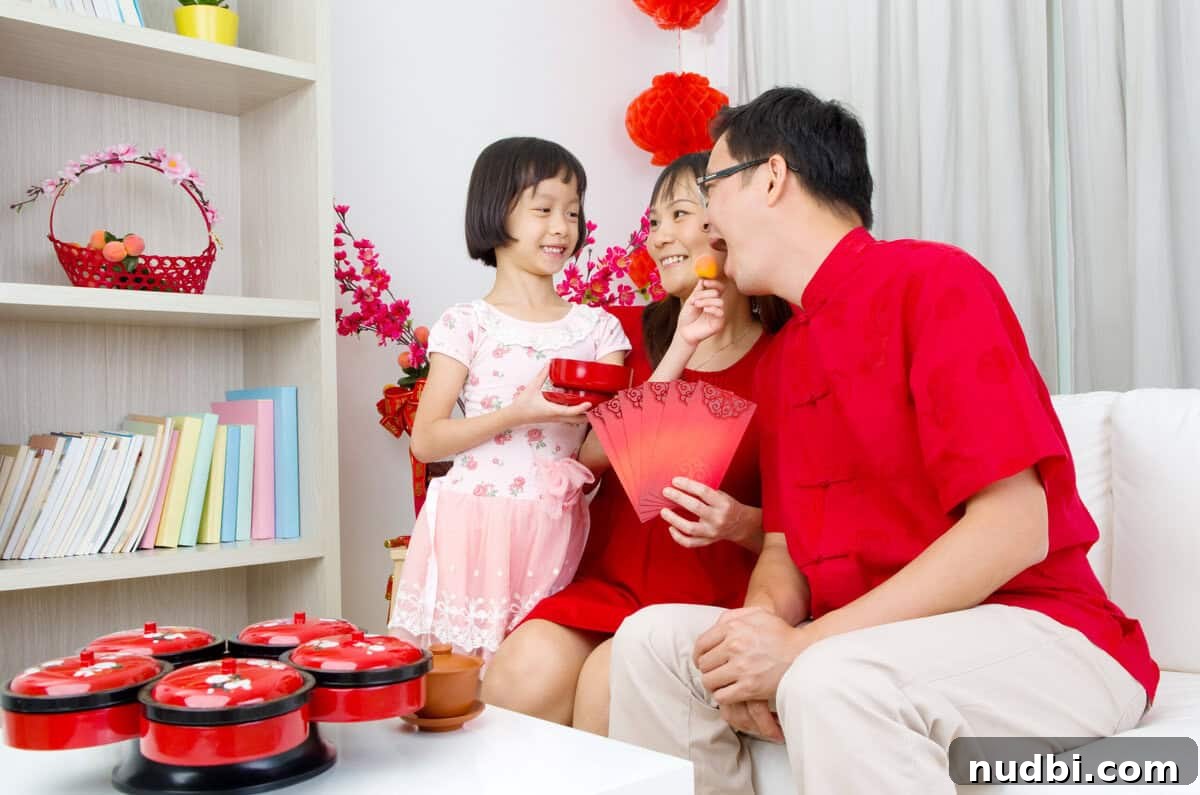
Savoring Fortune: A Comprehensive Guide to Symbolic Lunar New Year Foods
As families gather to usher in a new year, foods take on extraordinary significance during the Lunar New Year celebrations. Each dish, fruit, and vegetable carries a symbolic meaning, embodying hopes for prosperity, health, and happiness in the upcoming cycle. Join us as we explore our favorite traditional foods and uncover the profound symbolism they hold for the New Year.
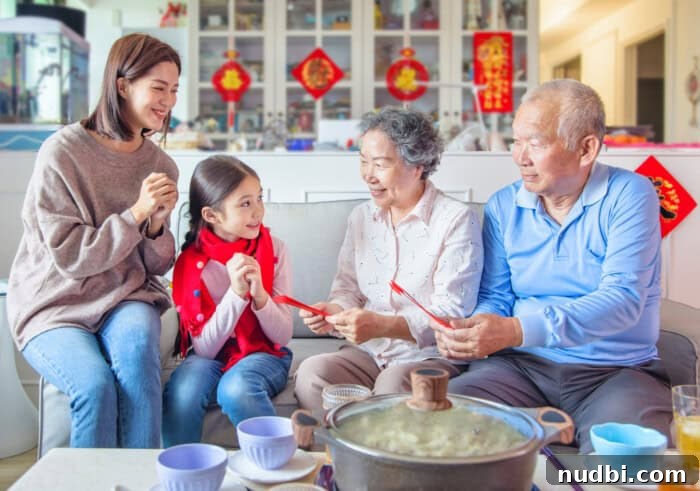
The Lunar New Year, a vibrant tapestry of tradition and festivity, is deeply interwoven with the warmth of family and the richness of symbolic foods. During these joyous celebrations, countless dishes become more than just sustenance; they transform into powerful omens, representing aspirations for good fortune, robust health, and boundless prosperity in the year ahead. This guide to essential Lunar New Year foods will illuminate their meanings and inspire your own celebrations, ensuring you eat not just deliciously, but also auspiciously!
Unveiling the Lunar New Year: A Time-Honored Tradition
The Lunar New Year, widely recognized as the Spring Festival or Chinese New Year, marks the dawn of a new year according to the traditional lunisolar Chinese calendar. Far more than just a holiday, it stands as the most pivotal and significant celebration in Chinese culture, observed by billions across the globe. This auspicious period is traditionally dedicated to honoring household and heavenly deities, paying respects to ancestors, and, most importantly, fostering deep family bonds through elaborate reunion feasts.
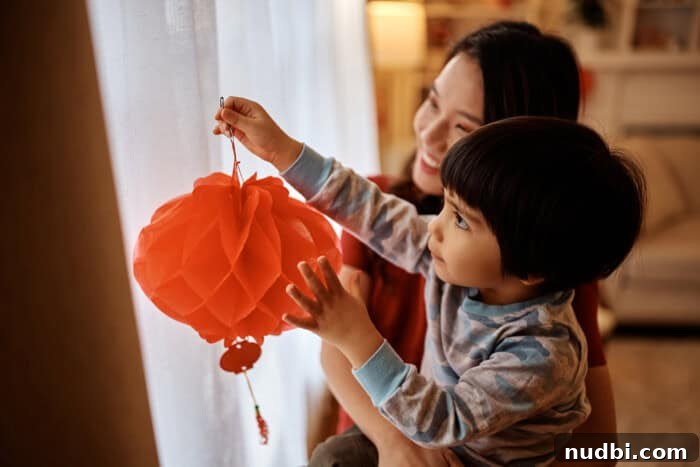
The festivities commence on New Year’s Eve, when families from far and wide gather for an eagerly anticipated reunion dinner, a cornerstone of the celebration. Before the New Year begins, households undertake a thorough spring cleaning, meticulously sweeping away any lingering bad fortune from the previous year to make way for fresh blessings. The Spring Festival itself is a grand affair, spanning 15 magnificent days, each imbued with its own customs and traditions. This period of renewal and hope culminates dramatically with the enchanting Lantern Festival on the 15th day, marking a beautiful close to the jubilant celebrations.
When Does the Lunar New Year Begin? A Celestial Calendar Guide
The precise date of the Lunar New Year shifts annually, dictated by the intricate cycles of the lunisolar Chinese calendar. Unlike the Gregorian calendar, which is solar-based, the Chinese calendar harmonizes both lunar and solar movements. According to this ancient system, the lunar month that encompasses the winter solstice is designated as the 11th month. The Lunar New Year then typically inaugurates the second new moon following the winter solstice.
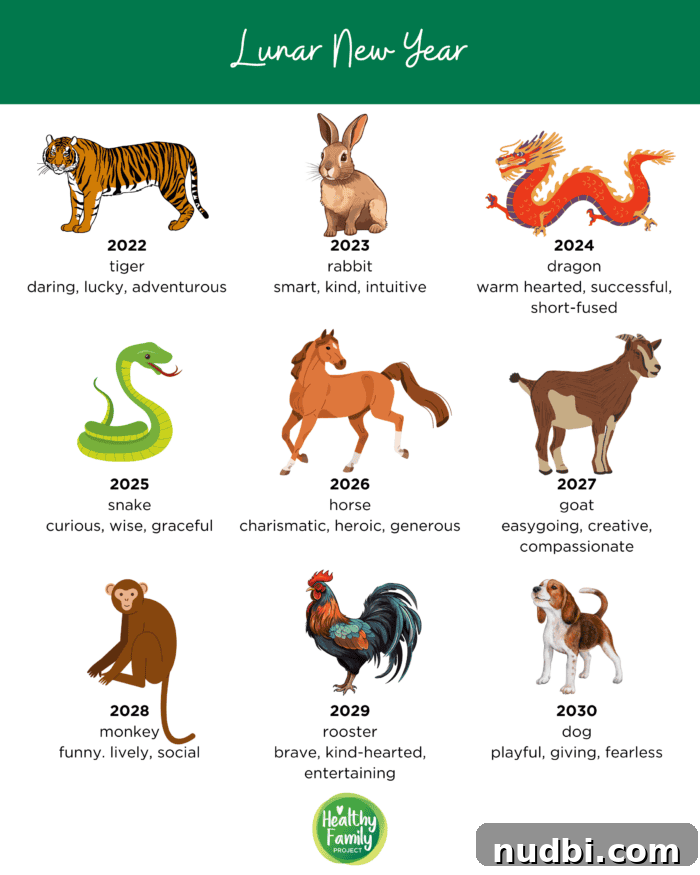
This celestial calculation usually places the start of the Lunar New Year sometime in late January or early February on the Gregorian calendar. Beyond its date, each new year is profoundly characterized by one of the twelve animal signs of the Chinese Zodiac, entering what is commonly referred to as “The Year of the ___.” This zodiac animal influences the fortunes and characteristics associated with the year. To help you plan your future celebrations and discover which animal will reign, consult our chart below for the upcoming Chinese New Year dates and their corresponding zodiac signs!
Upcoming Chinese Zodiac Animals: Charting Future Fortunes
The Chinese New Year marks a significant transition, as the celestial guard changes from one zodiac animal to the next. Each animal brings its unique characteristics and energies to the year ahead, shaping the collective experience. For instance, the year 2025 will gracefully transition into the energetic and insightful Year of the Snake, symbolizing wisdom and transformation. Understanding these annual shifts is a fascinating aspect of Lunar New Year traditions.
A Feast of Fortune: Essential Foods to Celebrate the Lunar New Year
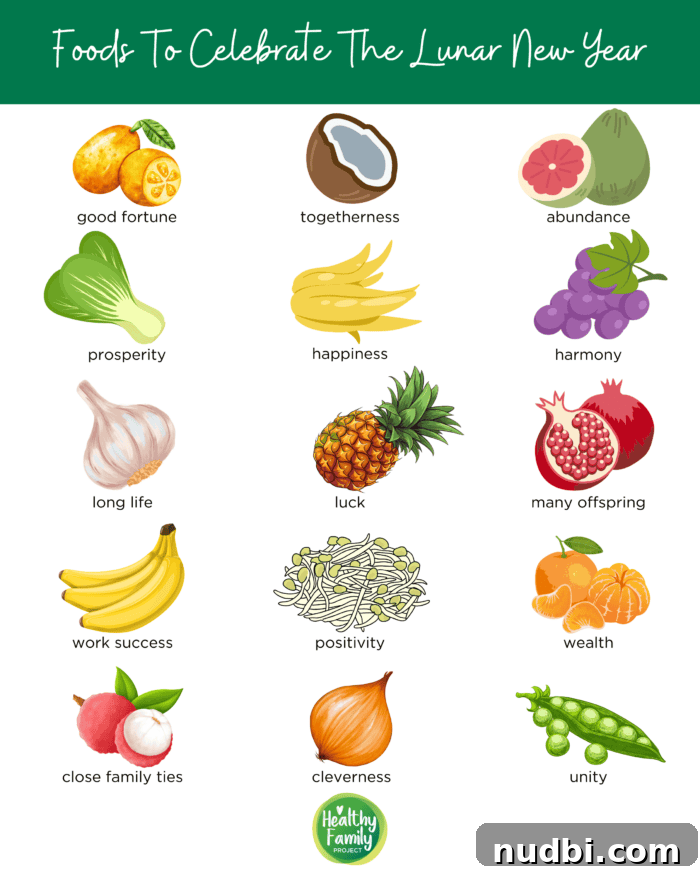
During the Chinese New Year, every dish served and every ingredient chosen is imbued with a special significance and symbolic meaning, turning meals into powerful blessings for the year to come. The culinary traditions are rich with wishes for prosperity, longevity, fertility, and happiness. Here’s an elaborate list of beloved foods, detailing what each symbolizes for a prosperous and joyous New Year, ensuring your festive table is not only delicious but also brimming with good omens.
Golden Delights: Citrus Fruits and Their Lunar New Year Symbolism
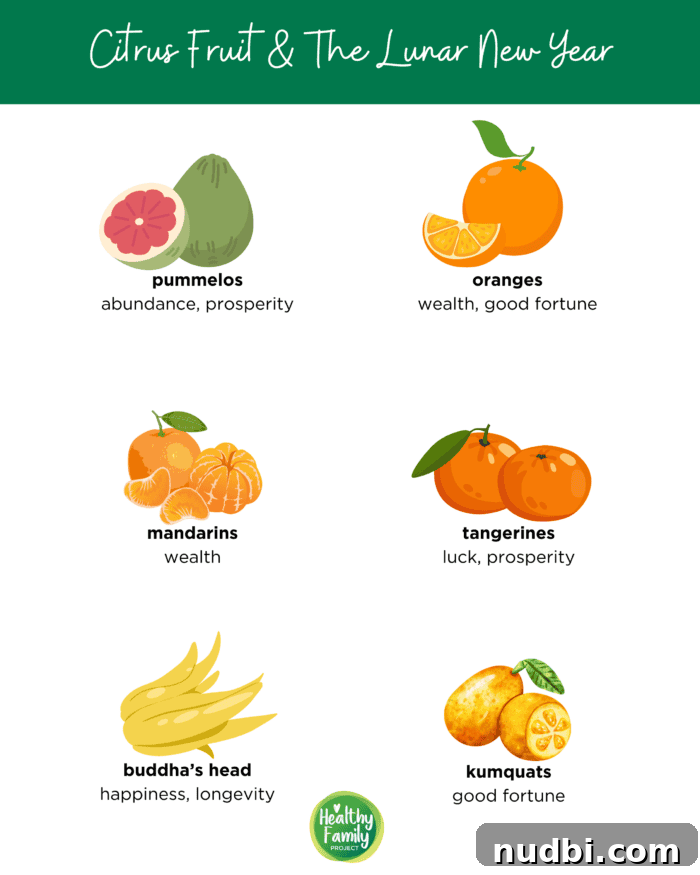
Citrus fruits, with their vibrant colors and refreshing zest, are among the most revered symbols during the Lunar New Year. Their round shape signifies fullness and wealth, while their golden hues evoke prosperity and good fortune. Many of their names, when spoken in Chinese dialects, sound similar to words for luck and wealth, further enhancing their auspicious status.
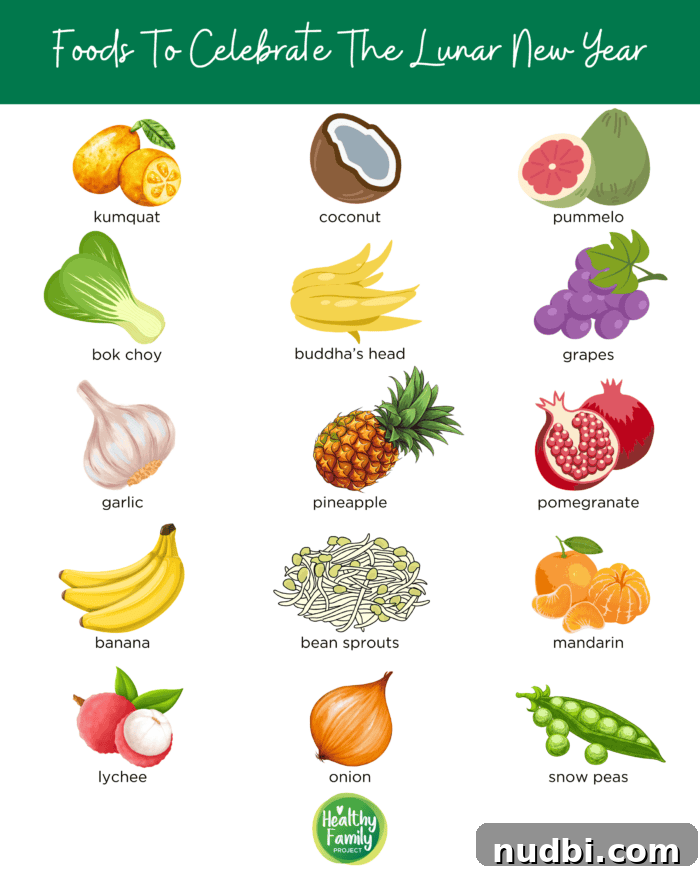
- Kumquats: These small, intensely flavorful fruits symbolize good fortune, specifically the accumulation of gold and wealth due to their golden color and the word “kum” sounding like “gold” in Cantonese.
- Mandarins: Often displayed and gifted, mandarins are potent symbols of wealth and abundance. The Chinese word for mandarin, “kam,” sounds similar to “gold,” and the common pronunciation for “orange” (cheng) sounds like “success.”
- Oranges: Bright and bountiful, oranges represent wealth and good fortune. Their round shape and golden color are clear indicators of prosperity. Placing them around the home or offering them as gifts is a common practice.
- Tangerines: Similar to oranges, tangerines are associated with luck and prosperity, especially when they come with leaves still attached, signifying longevity and a full life cycle.
- Buddha’s Hand: This uniquely shaped citron, resembling fingers, symbolizes happiness, longevity, and good fortune, as it’s believed to be Buddha’s hand blessing the household. It’s often used as an ornamental fruit.
- Pummelos: Large and luscious, pummelos are symbols of abundance, prosperity, and family unity. Their large size suggests a bountiful harvest and a well-rounded life.
Sweet Blessings: Other Auspicious Lunar New Year Fruits
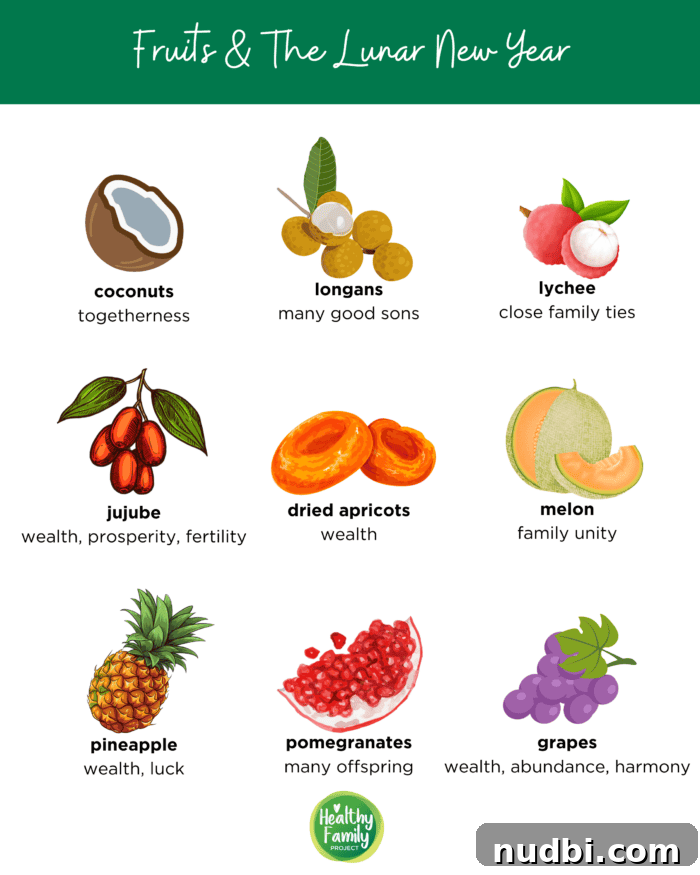
Beyond citrus, a variety of other fruits grace the Lunar New Year table, each carrying its own wishes for the year ahead. These range from exotic tropical delights to everyday favorites, all chosen for their symbolic meanings or phonetic similarities to auspicious words.
- Coconuts: Representing togetherness and strong family bonds, the coconut’s hard shell protecting its sweet interior symbolizes a unified and protected family.
- Dried Apricots: These sweet, golden dried fruits are associated with wealth and prosperity, their rich color hinting at gold and their longevity (being dried) suggesting enduring fortune.
- Grapes: Abundant clusters of grapes symbolize wealth, fertility, and abundance, suggesting a fruitful life with many descendants. Their numerous berries hint at endless good fortune.
- Jujube (Red Dates): Known for their sweetness and vibrant red color, jujubes symbolize prosperity, fertility, and continuous growth. They are often used in traditional desserts and teas.
- Longans: Their name in Chinese translates to “dragon eyes,” and they are believed to bring “many good sons” and future prosperity, making them a popular choice for families hoping for children.
- Lychee: These delicate, sweet fruits symbolize strong family ties and beauty. Their soft, tender flesh encased in a vibrant red skin makes them a delightful and symbolic treat.
- Melon: Round and sweet, melons signify family unity and harmony, bringing all members together in shared happiness.
- Pineapple: In various dialects, the word for pineapple sounds like “fortune arrival” or “good luck comes.” Thus, pineapples are powerful symbols of wealth and luck.
- Pomegranates: Bursting with numerous seeds, pomegranates are potent symbols of fertility and “many offspring,” representing a thriving family line and abundance.
Green Prosperity: Essential Vegetables for Chinese New Year
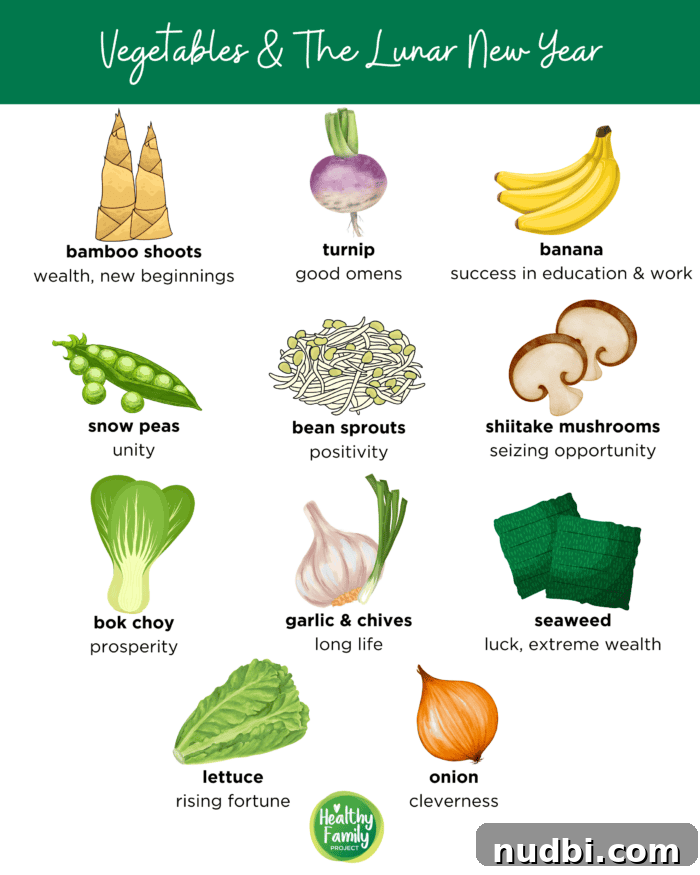
Vegetables, though often playing a supporting role to more elaborate main dishes, hold significant symbolic power during the Lunar New Year. Their fresh, vibrant qualities and phonetic names contribute to a table laden with good wishes for growth, renewal, and prosperity.
- Bamboo Shoots: Representing wealth and new beginnings, bamboo shoots symbolize growth and upward mobility, promising a year of advancement and prosperity.
- Banana: Often seen as a symbol of success in education and work, the banana’s elongated shape can represent a smooth path forward in one’s endeavors.
- Bean Sprouts: These delicate sprouts signify positivity and renewal, their fresh growth symbolizing new life and new opportunities.
- Bok Choy: Its name in Cantonese sounds like “hundred wealth,” making bok choy a strong symbol of prosperity and abundance.
- Garlic and Chives: Known for their robust flavors, garlic and chives collectively symbolize long life and enduring health, often incorporated into dishes for their strong, vital essence.
- Lettuce: In Cantonese, lettuce is “sang choy,” which sounds similar to “making money,” thus symbolizing rising fortune and wealth.
- Onion: The many layers of an onion are sometimes seen to represent cleverness and intelligence, implying depth of thought and wisdom.
- Turnip: In some dialects, the word for turnip sounds like “good omen,” making it a vegetable believed to bring auspicious signs and good luck.
- Seaweed: Dark and rich, seaweed signifies luck and extreme wealth, often used in soups and stir-fries to invite prosperity.
- Shiitake Mushrooms: These flavorful fungi are said to symbolize seizing opportunity and good fortune, encouraging an active and successful year.
- Snow Peas: The many peas within a pod symbolize unity and harmony within the family, encouraging closeness and shared happiness.
Beyond Produce: Other Auspicious Lunar New Year Delicacies
The Lunar New Year feast isn’t complete without a spread of savory and sweet dishes, each meticulously chosen for its profound symbolic significance. These iconic foods are central to the reunion dinner, weaving wishes for prosperity, longevity, and familial bliss into every bite.
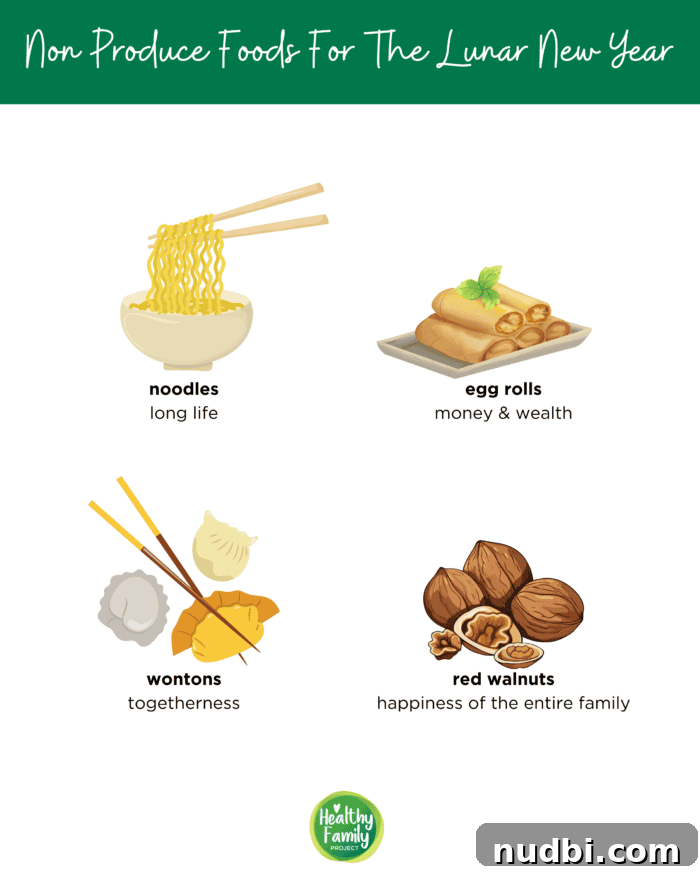
- Noodles: Long, uncut noodles are paramount during the Lunar New Year, symbolizing a long life and good health. Eating them without breaking them is believed to extend one’s life.
- Egg Rolls: Shaped like gold bars, egg rolls are potent symbols of money and wealth, inviting financial prosperity into the coming year. Their golden color further enhances this symbolism.
- Wontons/Dumplings: Resembling ancient Chinese gold ingots (yuanbao), dumplings and wontons are powerful symbols of wealth and prosperity. Eating them signifies a desire for fortune, and their shared preparation often fosters togetherness.
- Red Walnuts: Often dyed red for added auspiciousness, walnuts symbolize the happiness of the entire family. Their robust shell protects a nourishing interior, representing a strong and healthy family unit.
- Whole Fish: A whole fish (often steamed) is essential, as the Chinese word for “fish” (yú) sounds like the word for “surplus” or “abundance.” Serving it whole, with head and tail, ensures a good start and end to the year, and an abundance that lasts throughout.
- Nian Gao (Sticky Rice Cake): This sweet, chewy rice cake’s name “Nian Gao” sounds like “higher year” or “get taller year by year.” It symbolizes growth, progress, and promotion in the coming year.
- Spring Rolls: Like egg rolls, spring rolls are shaped and colored like gold bars, representing wealth. They are a delicious way to usher in prosperity for the new year.
- Tangyuan (Sweet Rice Balls): These round, sweet glutinous rice balls are served in soup and symbolize togetherness and family reunion, their spherical shape representing completeness and unity.
As you prepare for the vibrant celebrations of the Lunar New Year, remember that each dish on your table tells a story and carries a wish for a bright future. Embrace these culinary traditions and infuse your festivities with deeper meaning and joy. Make sure to PIN IT to share these wonderful traditions!
Celebrate with Flavor: Related Lunar New Year Recipes
Ready to bring these auspicious flavors to your own kitchen? Explore these delicious recipes that incorporate symbolic ingredients, perfect for your Lunar New Year feast or any family gathering:
Chinese Mandarin Pasta Salad: A refreshing and zesty salad featuring mandarins for wealth and good fortune, perfect as a light side dish.
Chopped Chinese Chicken Salad: A vibrant salad packed with fresh vegetables and flavorful chicken, symbolizing health and a prosperous start to the year.