Welcome to February, a month that beautifully intertwines themes of affection, wellness, and the quiet promise of spring. As we celebrate Valentine’s Day and National Heart Month, it’s a perfect time to show love not just to others, but also to our own hearts through nourishing food choices. Did you know that a diet rich in vibrant fruits and wholesome vegetables is a powerful ally in preventing heart disease and boosting overall well-being? Embracing seasonal eating offers a delightful way to enhance both your health and your culinary adventures. By choosing produce that’s in season, you not only enjoy peak flavor and nutritional value but also support sustainable practices and often save money on your grocery bill. This guide will walk you through the freshest picks available this February, offering insights into how to select, prepare, and store these seasonal treasures, along with inspiring recipe ideas to help you make the most of nature’s bounty.
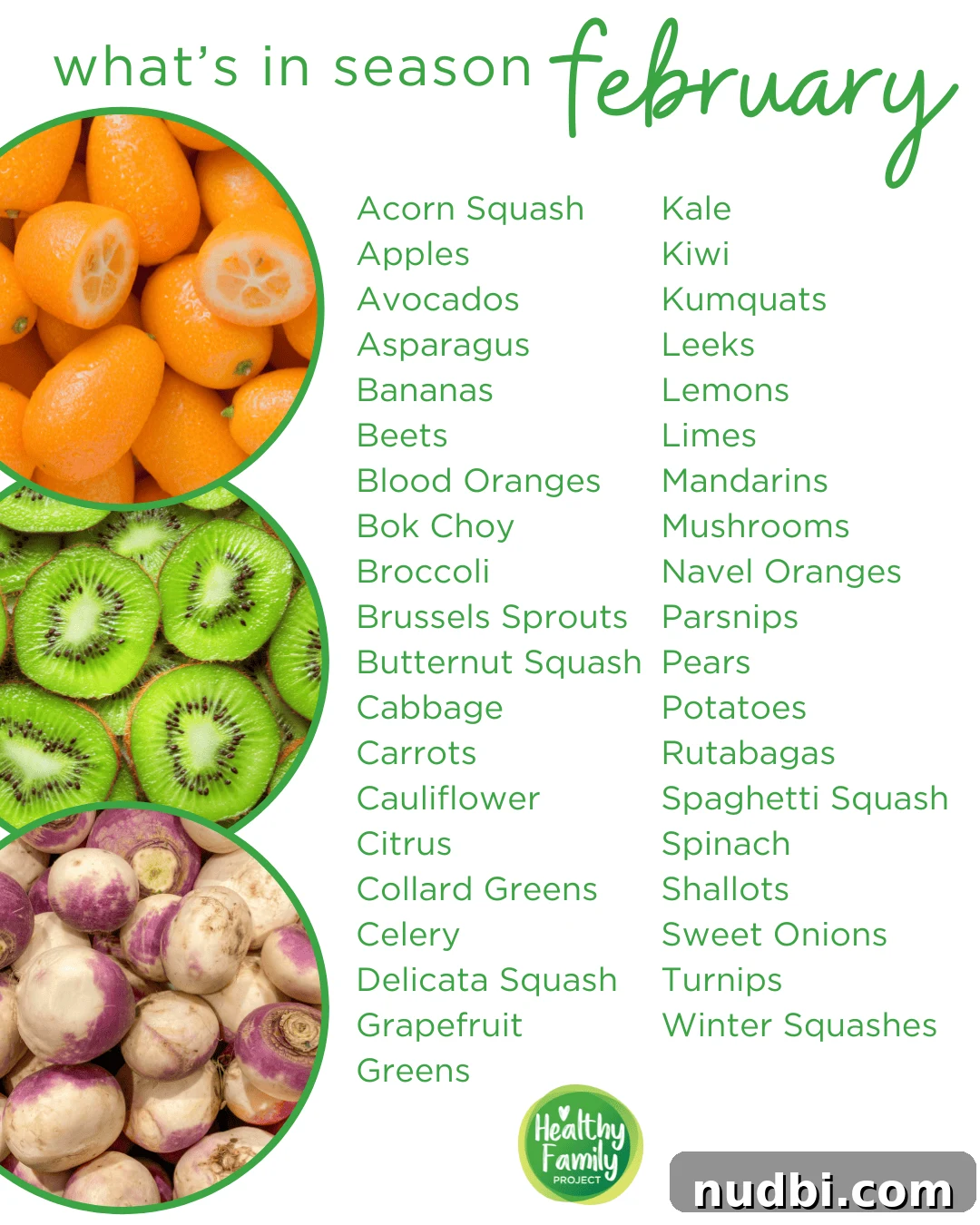
Navigating the grocery aisles with an understanding of what produce is currently in season is a game-changer. It’s an effective strategy to reduce your food budget while guaranteeing you’re bringing home fruits and vegetables at their absolute best—bursting with flavor, nutrients, and freshness. Healthy eating doesn’t have to be a costly endeavor. In fact, planning your weekly meals around seasonal produce is one of the most straightforward and enjoyable ways to cut down on grocery expenses. Dive into our curated list for February’s best, and discover practical tips on how to select the finest produce, creative ways to prepare them, and smart storage techniques to keep them fresh longer. Each item also comes with delicious recipe ideas, inspiring you to incorporate these seasonal superstars into your daily diet.
February’s Bountiful Harvest: Fresh Fruits and Vegetables In Season
Asparagus
While often associated with spring, asparagus can make an early appearance in some regions during February. Beyond its familiar green stalks, you might also find intriguing white and purple varieties. Asparagus is a nutritional powerhouse, offering an excellent source of fiber, folate, and a spectrum of vitamins including A, C, E, and K. Its delicate yet distinct flavor makes it a versatile addition to any meal. To enjoy asparagus at its best, look for firm, bright green (or purple/white) spears with tightly closed tips. Store them upright in a glass with an inch of water in the refrigerator, loosely covered with a plastic bag, to maintain freshness. Try it simply roasted in the oven with olive oil and a pinch of salt, tossed on the grill for a smoky char, or finely chopped and mixed into pasta salads, vibrant stir-fries, and even quiches.

Apples
Apples remain a winter staple, with numerous varieties perfectly in season, offering a delightful range of flavors and textures. From crisp and tart to sweet and mellow, apples are incredibly versatile, lending themselves beautifully to both sweet and savory applications. They are rich in dietary fiber, particularly pectin, which aids digestion, and packed with antioxidants. When selecting apples, look for firm, unblemished fruit with vibrant color. Store them in a cool, dark place or in the refrigerator to prolong their crispness. Enjoy them as a quick, healthy snack, sliced into a fresh salad for a burst of sweetness and crunch, baked into comforting desserts like crumbles and pies, or even incorporated into savory dishes like pork roasts and stuffings. Explore these 40 Apple Recipes or consult this handy guide to apple varieties to choose the perfect apple for any occasion—whether it’s snacking, cooking, or baking.

Avocados
Avocado enthusiasts can rejoice, as this beloved creamy fruit is available year-round, ensuring a constant supply of healthy fats and a satisfying texture. Avocados are renowned for their healthy monounsaturated fats, which are beneficial for heart health, as well as being a good source of fiber, potassium, and vitamins K, C, B6, and E. To pick a ripe avocado, gently squeeze it; it should yield slightly but not feel mushy. Store unripe avocados on the counter until they ripen, then move them to the refrigerator to slow down the ripening process. Whether you’re topping your morning toast, blending it into a healthier dessert option (don’t miss these incredible Dark Chocolate Avocado Brownies!), or whipping up a fresh bowl of creamy guacamole for a game day spread, avocados are a delicious and nutritious choice any time of year.

Bananas
This universally loved fruit graces our tables year-round, making it one of the easiest and most accessible sources of quick energy and essential nutrients. Bananas are famous for their high potassium content, crucial for heart health and muscle function, and also provide a good dose of vitamin B6, vitamin C, and dietary fiber. Look for firm, unbruised bananas with a vibrant yellow color. Green-tipped bananas will ripen on your counter, while spotted ones are perfect for baking or immediate consumption. Beyond simply peeling and eating them as a convenient snack, bananas are fantastic for blending into refreshing smoothies, adding natural sweetness to muffins and pancakes, or transforming into wholesome “nice” cream. Fun fact: The average American enjoys approximately 28 pounds of bananas each year, highlighting their enduring popularity!

Beets
Beets often get an unfair reputation due to their distinctive earthy flavor, but when prepared correctly, their natural sweetness shines through, transforming them into a culinary delight. These vibrant root vegetables are rich in fiber, folate, manganese, and potassium, and contain powerful antioxidants. To select the best beets, choose firm, smooth roots with a deep, rich color. If the greens are still attached, they should be fresh and crisp. Store beets in the refrigerator, with their greens removed, for up to a few weeks. Roasting is arguably the best way to unlock their delicious sweetness, making them ideal for adding to sophisticated salads, blending into colorful smoothies, or even pickling for a tangy side dish. Don’t discard the greens—they are edible and nutritious, tasting similar to chard or spinach when sautéed.

Bok Choy
Bok choy, a type of Chinese cabbage, offers a delicate, mild flavor that is equally delicious whether eaten raw or cooked. While it’s generally available throughout the year, bok choy reaches its peak during the colder months, making February an excellent time to enjoy it. This leafy green is a fantastic source of vitamins A, C, and K, as well as folate and calcium. When buying, look for crisp, dark green leaves and firm, white stalks. Store it in the crisper drawer of your refrigerator. Its subtle taste makes it incredibly versatile: try it in a quick stir-fry, add its tender leaves to a fresh salad, incorporate it into warming soups, or use it as a key ingredient in this homemade Instant Pot Chicken Ramen for an authentic and nourishing meal.

Broccoli
Broccoli is a nutritional powerhouse, brimming with essential vitamins, minerals, and antioxidants that are vital for your body’s health. This vibrant green vegetable is available fresh year-round, making it a reliable and nutritious addition to virtually any meal. It’s particularly rich in Vitamin C, Vitamin K, and fiber. Choose broccoli with firm, compact florets and sturdy stalks; avoid any yellowing. Store it loosely in a plastic bag in the refrigerator. Chop it finely and add it to a refreshing salad, transform it into a zesty broccoli slaw, steam it for a simple yet healthy side, roast it with other vegetables for an easy side dish, or toss it into pasta salads, flavorful stir-fries, or even savory cornbread muffins for a hidden veggie boost.

Brussels Sprouts
Brussels sprouts have experienced a significant culinary revival in recent years, shedding their past reputation to become a beloved winter staple. These miniature cabbages are packed with Vitamin K, Vitamin C, and fiber. When selecting, look for firm, compact, and bright green sprouts. Store them in the refrigerator, preferably in a mesh bag, for up to a week. My absolute favorite way to prepare them is by simply tossing them with a good olive oil, salt, and pepper, then roasting them in the oven until tender-crisp and caramelized. This method truly brings out their natural sweetness and nuttiness, dispelling any childhood memories of “stinky” boiled sprouts. If you’ve been skeptical, I highly encourage you to give them a try prepared this way!

Cabbage
Cabbage is a remarkably nutritious and affordable winter vegetable, celebrated for its abundance of Vitamins K, C, and B6, along with a host of other beneficial nutrients and fiber. Its crisp texture and mild flavor make it incredibly versatile. When choosing cabbage, look for firm, heavy heads with tightly packed, crisp leaves and a healthy luster. Store it in the refrigerator’s crisper drawer, where it can last for several weeks. Cabbage is perfect for creating a refreshing and delicious coleslaw, whether creamy or vinaigrette-based. It can also be roasted until tender and sweet, added to hearty soups, or incorporated into a colorful Rainbow Buddha Bowl for a fun, satisfying, and nutrient-dense dinner. Don’t underestimate the humble cabbage – it’s a powerhouse of flavor and nutrition!

Carrots
Carrots are not just for cartoon bunnies; they are a beloved, kid-friendly vegetable that offers a wealth of health benefits. Rich in beta-carotene, which the body converts to Vitamin A, carrots are essential for good vision, immune function, and skin health. They also provide fiber, Vitamin K, and potassium. When selecting carrots, opt for firm, smooth roots with vibrant color. Store them in the refrigerator, ideally in a plastic bag or submerged in water, to keep them crisp. These versatile roots can be simply served with a side of ranch or hummus for dipping, roasted to bring out their natural sweetness, steamed as a tender side dish, or shredded and cleverly added to muffins, hearty soups, comforting mac n cheese, or even meatballs for a sneaky boost of nutrition.

Cauliflower
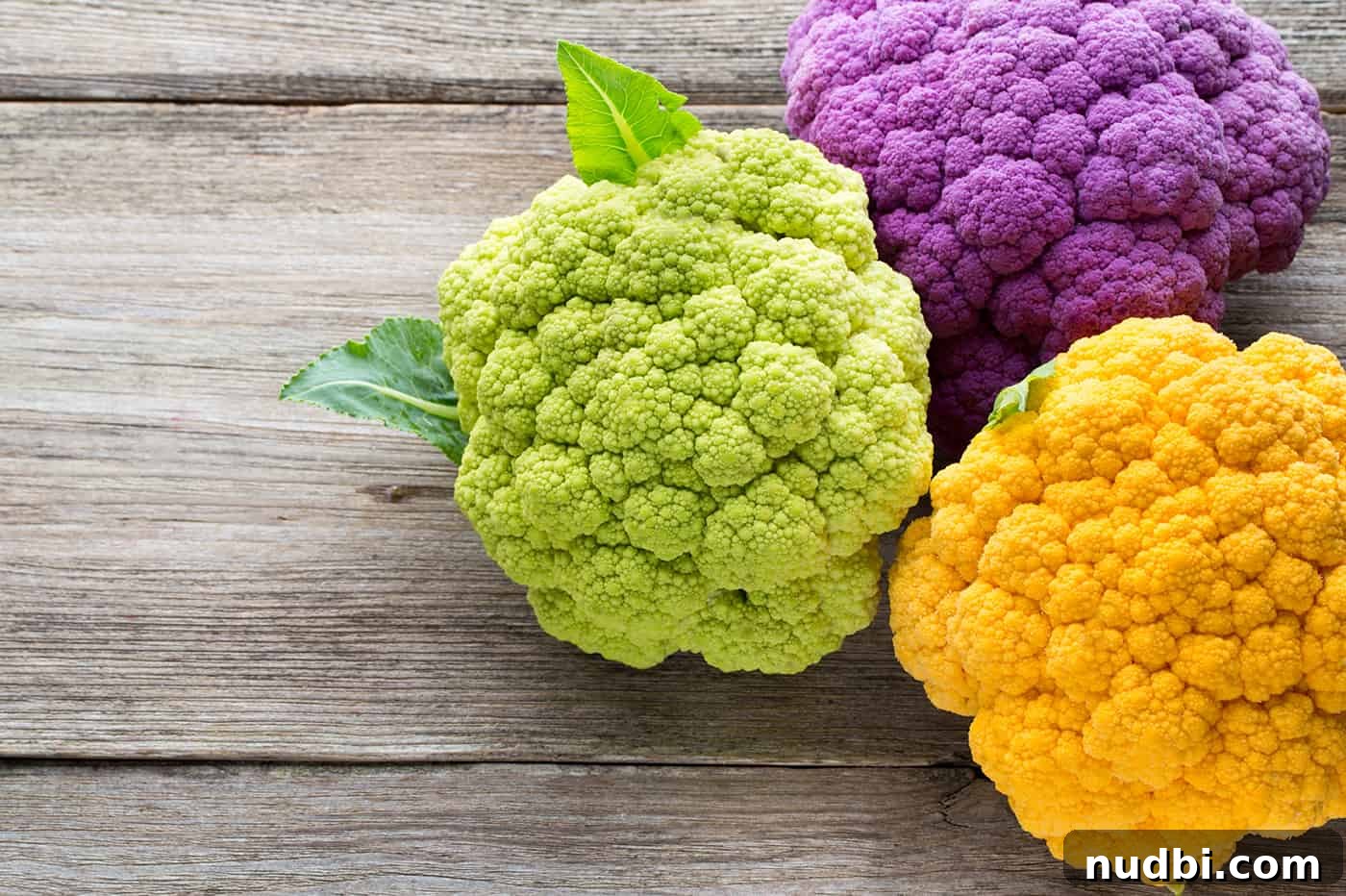
Cauliflower has truly made an impressive comeback, taking the culinary world by storm with its incredible versatility and adaptability. This cruciferous vegetable is low in calories but high in fiber, Vitamin C, Vitamin K, and various B vitamins. When choosing cauliflower, look for creamy white, firm, and compact heads with fresh, green leaves. Store it in the refrigerator’s crisper drawer. Its neutral flavor and texture allow it to effortlessly substitute for higher-carb ingredients in a multitude of dishes, from innovative pizza crusts to lighter versions of fried rice. This adaptable veggie can also be transformed into vibrant pesto, creatively added to mashed potatoes for a lighter, nutrient-dense side, shaped into savory waffles, or grated to replace rice in comforting classic casseroles.

Celery
This crunchy, refreshing vegetable is most famously known by kids as the delicious base for “Ants on a Log,” but celery offers so much more than just a fun snack vehicle. It’s a low-calorie vegetable rich in vitamins K and C, folate, and potassium, providing a satisfying crunch and subtle flavor to a variety of dishes. To select the best celery, look for firm, crisp stalks that snap easily, with fresh, bright green leaves. Store it in the refrigerator, ideally wrapped in foil or submerged in water, to maintain its crispness. Beyond snacks, celery can be finely chopped and added to a classic potato salad for texture, used as an aromatic base for soups and stews, or provide a wonderful crunch to various salads. Its unique flavor also complements many savory cooked dishes.

Citrus
February is a glorious time for citrus fruits, making it a perfect month to enjoy the vibrant flavors and numerous health benefits they offer. In-season varieties include blood oranges, classic oranges, bright lemons, tangy limes, and sweet tangerines and mandarins. As an exceptional source of Vitamin C, citrus fruits are renowned for their immune-boosting properties, helping to ward off pesky colds and flu during the colder months. When choosing citrus, look for firm, heavy fruits with glossy skins. Store them at room temperature for a few days or in the refrigerator for longer freshness. Beyond eating them fresh, explore the culinary possibilities with these 16 Kid-Friendly Citrus Recipes, or use their zest and juice to brighten up dressings, marinades, desserts, and beverages.

Greens
February is prime time for an array of fresh greens, making it easy to incorporate these nutrient-dense powerhouses into your diet. Varieties like crisp kale, tender spinach, refreshing lettuce, and other leafy greens are at their peak. These greens are the foundation for countless healthy and delicious meals, offering a rich supply of vitamins A, C, K, folate, and iron. When selecting, look for vibrant, unblemished leaves. Store them washed and dried, wrapped in a paper towel in a sealed bag in the crisper drawer. They serve as the basis for so many tasty salad recipes, or can be ingeniously used to boost the nutritional profile of smoothies, hearty soups, comforting casseroles, flavorful pasta dishes, and more. Don’t shy away from experimenting with different cooking methods, such as sautéing, steaming, or braising, to unlock their full potential.

Kiwi
This small, unassuming brown fruit, named after New Zealand’s national bird, is a surprisingly vibrant and nutritious gem. With its fuzzy brown exterior and strikingly bright green or yellow flesh, dotted with tiny black seeds, kiwi adds a delightful burst of color and tangy-sweet flavor to any dish. Kiwi is exceptionally rich in Vitamin C, even more so than oranges, and also provides a good source of Vitamin K, Vitamin E, and dietary fiber. To select a ripe kiwi, look for fruit that gives slightly to gentle pressure. Store unripe kiwis at room temperature, and once ripe, refrigerate them. Enjoy it simply scooped out with a spoon, or get creative by making these fun Fruity Pita Sandwiches. It’s also a fantastic addition to a refreshing fruit salad for family gatherings, breakfast bowls, or blended into smoothies for an extra nutritional punch.

Leeks
Leeks, belonging to the allium family alongside onions, garlic, shallots, and chives, offer a milder, more delicate onion-like flavor that sweetens beautifully when cooked. They are a good source of Vitamin K, Vitamin A, and manganese. When purchasing leeks, choose those with firm, straight white parts and fresh, dark green tops. Due to their layered structure, leeks tend to trap dirt and grit, so it’s crucial to thoroughly rinse them, especially between the leaves, and pat dry with a paper towel before consuming. Leeks are incredibly versatile: you can roast them alongside other root vegetables to bring out their sweetness, add them raw (finely sliced) to a salad for a gentle bite, use them as an elegant garnish for creamy soups, incorporate them into savory casseroles and gratins, or sauté them as a flavorful base for many dishes. They are a sophisticated alternative to onions in many recipes.

Lemons & Limes
While both lemons and limes are readily available year-round, February often marks their peak season, meaning you’ll find them at their most juicy and flavorful. These vibrant citrus fruits are culinary essentials, prized for their ability to add a bright, zesty tang to an endless array of dishes, from sweet to savory. They are excellent sources of Vitamin C and antioxidants. When selecting, choose firm, heavy fruits with bright, unblemished skins. Store them at room temperature for a few days or in the refrigerator for up to a month. Juice them to create a fresh, homemade salad dressing, squeeze them over grilled chicken or fish for a burst of fresh seasoning, or add their zest and juice to elevate roasted vegetables. They are also indispensable for crafting refreshing beverages and delightful desserts, bringing a revitalizing brightness to any recipe.

Mango
Though often associated with tropical summer days, certain varieties of mango are in season during February, offering a sweet and exotic escape in the colder months. Mangoes are packed with Vitamin C, Vitamin A, and fiber, making them excellent for immunity, skin health, and digestion. To find a ripe mango, look for fruit that gives slightly when gently squeezed and often emits a sweet, fruity aroma near the stem. Avoid mangoes with bruised or shriveled skin. Keep unripe mangoes stored on your counter until they reach perfect ripeness, then transfer them to the refrigerator to extend their freshness. Blend ripe mango into these refreshing smoothie popsicles, add its vibrant sweetness to a tangy stir-fry, or enjoy it diced in a fresh salad. Mango is also wonderful simply sliced and enjoyed on its own, adding a touch of sunshine to your day.

Mushrooms
Mushrooms are a fascinating and flavorful addition to any meal, often available year-round but particularly robust in flavor during colder months. Did you know that mushrooms are one of the few natural food sources of Vitamin D, essential for bone health and immune function? They also provide B vitamins, selenium, and copper. When selecting mushrooms, look for firm, smooth caps and avoid any that are slimy or shriveled. Store them in a paper bag in the refrigerator to allow them to breathe and prevent moisture buildup. Mushrooms are incredibly versatile: you can finely chop and blend them into ground meats for healthier tacos or juicy burgers (a technique known as ‘the blend’), use larger caps as a savory base for dishes like these delicious Pizza Stuffed Mushrooms, or effortlessly add them to easy weeknight dinners such as this flavorful Asian Chicken Stir Fry. Their umami-rich flavor enhances almost any savory dish.

Parsnips
Parsnips are a delightful root vegetable, closely related to carrots but distinguishable by their pale, creamy color and distinctively sweeter, earthier flavor. They are a good source of fiber, Vitamin C, Vitamin K, and folate. When selecting parsnips, choose firm, smooth roots that are free of blemishes, and smaller to medium-sized ones tend to be more tender. Store them in the crisper drawer of your refrigerator. While they can be enjoyed raw (shredded in salads), their natural sweetness truly comes alive when cooked. We especially love to roast them until caramelized and tender, which brings out their subtly spicy and sweet notes. Parsnips can also be pureed to create a velvety, flavorful alternative to mashed potatoes, added to hearty stews, or simply steamed and drizzled with a touch of honey for a comforting side dish. Embrace this often-overlooked winter root for its unique flavor and nutritional benefits.

Pears
Pears, with their delicate sweetness and buttery texture, are still very much in season during February, offering a delightful array of choices from the over 3,000 varieties known worldwide. They are an excellent source of dietary fiber, which aids digestion, and also provide Vitamin C and Vitamin K. When selecting pears at the grocery store, remember the helpful tip: “Check the Neck.” Apply gentle pressure to the neck of the pear near the stem with your thumb; if it yields slightly, the pear is perfectly ripe and ready to eat. Store unripe pears at room temperature, and once ripe, refrigerate them. Pears are fantastic for snacking on their own, baked into elegant desserts like tarts or crumbles, blended into creamy smoothies, or even sliced into salads for a touch of sweetness and sophistication. Their versatility makes them a wonderful addition to both sweet and savory dishes.

Pomegranates
Pomegranates, with their jewel-toned arils, continue to be in season during February, bringing a burst of color and a tangy-sweet flavor to your plate. These beautiful fruits are incredibly rich in powerful antioxidants, which help protect cells from damage, and also provide a good source of fiber and Vitamin C. While they may appear daunting to seed at first glance, the process is actually quite straightforward (you can watch a helpful tutorial here). When selecting a pomegranate, choose one that feels heavy for its size, indicating juiciness. Store them at room temperature for several days or in the refrigerator for up to a few weeks. The sparkling arils are perfect for snacking straight from the fruit, adding a delightful crunch and tang to green salads, dressing up creamy avocado toast, or garnishing desserts and main courses alike. Their vibrant appearance and unique flavor make them a culinary showstopper.

Potatoes
Potatoes remain a year-round staple, and February is no exception for enjoying this incredibly versatile and comforting root vegetable. With over 600 types of potatoes sold in the US, the culinary possibilities are truly endless. While potatoes sometimes get an undeserved bad reputation, skin-on potatoes are a nutritional powerhouse, packed with Vitamin C, potassium (even more than a banana!), and Vitamin B6. When selecting potatoes, choose firm, smooth tubers free of green spots or sprouts. Store them in a cool, dark, well-ventilated place, not the refrigerator. Whether you’re seeking healthy ways to top a baked potato, looking for different ways to season roasted potatoes, or simply searching for nutritious potato recipes, we’ve got you covered. From fluffy mashed potatoes to crispy fries, or incorporated into soups and stews, potatoes offer comforting sustenance and adaptability to countless meals.

Rutabagas
You might not be as familiar with rutabagas as other root vegetables, but don’t let that deter you from exploring this delicious winter find! Rutabagas, a cross between a turnip and cabbage, offer a slightly sweet, earthy flavor that intensifies and mellows beautifully when cooked. They are a great source of Vitamin C, fiber, and potassium. When choosing rutabagas, look for firm, smooth roots that feel heavy for their size. Store them in a cool, dark place or in the crisper drawer of your refrigerator. Like most root vegetables, they are absolutely delicious when roasted. Roasting brings out their natural sweetness and gives them a tender interior with slightly caramelized edges. Check out this post to discover how easy they are to roast and grab a few yummy recipe ideas. They can also be mashed, added to stews, or even pureed into soups for a creamy texture.

Strawberries
February marks the heart of Florida strawberry season, bringing a delightful taste of early spring to your table! These luscious red berries are not only a perennial favorite for their sweet and juicy flavor but also a nutritional powerhouse, rich in Vitamin C, manganese, and antioxidants. When selecting strawberries, look for plump, brightly colored berries with fresh, green caps. Store them unwashed in a single layer in the refrigerator and wash just before use to prevent spoilage. The possibilities for enjoying this favorite fruit extend far beyond simple snacking. Blend them into wholesome muffins, create the perfect smoothie for a quick breakfast, add them to a delicious and vibrant fruit salsa, or elegantly top off your morning pancakes or waffles. Fresh strawberries are a versatile and healthy addition to countless recipes.

Sweet Onions
Sweet onions, and onions in general, are an undeniable staple in kitchens worldwide, forming the aromatic foundation for countless dishes. While I haven’t quite mastered the art of cutting onions without shedding a tear, their essential role in adding depth and robust flavor to nearly everything we cook cannot be denied. Sweet onions, in particular, offer a milder, less pungent taste compared to their stronger counterparts, making them ideal for eating raw in salads or caramelizing to bring out their natural sugars. They are a good source of Vitamin C, B vitamins, and dietary fiber. When selecting, choose firm, clean onions with dry skins and no soft spots or sprouts. Store them in a cool, dark, and dry place. Sweet onions are crucial for everything from hearty soups and rich chili to savory meatballs and convenient breakfast burritos. Their flavor-enhancing capabilities make them an indispensable ingredient.

Turnips
Turnips, a member of the diverse cabbage family, are another fantastic root vegetable to enjoy during the colder months, including February. These underrated veggies are high in Vitamins B and C, fiber, and calcium. Turnips have a slightly peppery and sometimes bitter taste when raw, which mellows considerably and becomes subtly sweet when cooked. To pick the best turnips, look for firm, smooth roots that feel heavy for their size; smaller turnips tend to be sweeter and more tender. Store them in the refrigerator’s crisper drawer. To balance their unique flavor, turnips pair wonderfully with sweeter vegetables like sweet potatoes or carrots, or with glazed meats such as pork. They can be roasted until tender and caramelized, mashed, added to stews, or even thinly sliced and baked into healthy chips. Explore a few tasty recipe ideas here to discover new ways to enjoy this nutritious and versatile root.

Winter Squash
February is a prime month for enjoying the hearty and comforting flavors of winter squash, with varieties like acorn squash, butternut squash, and spaghetti squash all reaching their peak. These squashes are nutrient-dense, providing significant amounts of vitamins A and C, fiber, and potassium. When choosing winter squash, look for firm, heavy squashes with dull, hard skins and no soft spots. Store them in a cool, dry place for several weeks or even months. We absolutely love to roast winter squashes to bring out their incredible natural sweetness and create a tender, flavorful side dish. You can also chop and sauté them with other vegetables for a delicious one-pot meal, or utilize spaghetti squash as a delightful and healthier pasta substitute. Their robust flavors and textures make them perfect for warming, hearty winter dishes, from soups to savory bakes.
As February unfolds, embracing the abundance of seasonal fruits and vegetables offers a delicious and practical pathway to healthier eating. Not only does it allow you to savor produce at its peak flavor and nutritional value, but it also provides an excellent opportunity to manage your grocery budget effectively. From the crisp snap of an in-season apple to the vibrant zest of citrus, and the comforting sweetness of roasted winter squash, each bite is a testament to nature’s delicious cycle. We encourage you to explore these seasonal picks, experiment with new recipes, and let the freshness of February’s harvest inspire your kitchen. Making mindful food choices this month is a wonderful way to celebrate Heart Month, nurture your well-being, and discover the joy of cooking with what’s truly fresh and best.